Understanding Live Streaming Services
Live streaming services have revolutionized the way individuals and organizations connect with their audiences in real time. At its core, live streaming involves transmitting live video footage over the internet, allowing viewers to experience events as they happen, regardless of geographic location. This technology is utilized across various sectors including corporate events, entertainment, education, and personal gatherings, making it an essential tool for modern digital communication.
Key components involved in professional live streaming include high-quality video capture equipment, reliable internet connectivity, streaming software or hardware encoders, and a robust content delivery network (CDN). These elements work together to ensure seamless transmission and high-definition viewing experiences. Additionally, a dedicated technical team often manages the process from setup to broadcast, troubleshooting potential issues in real time and ensuring the broadcast remains uninterrupted.

Executing a successful live stream requires meticulous planning, from selecting appropriate equipment and venues to coordinating the timing and format of the broadcast. The integration of graphics, overlays, and interactive elements enhances viewer engagement, while chat features or Q&A sessions provide real-time interaction with the audience. As technology advances, live streaming platforms now support 4K resolution, multi-camera switching, and multi-stream capabilities, further enriching the viewer experience.
Benefits of Hiring a Local Miami Live Stream Company
Partnering with a Miami-based live stream company offers numerous advantages for events hosted in or around the Miami area. Local providers possess in-depth knowledge of venues, permit requirements, and regional logistics, ensuring smooth execution. Furthermore, they have established relationships with local venues and specialists, which can streamline the planning process and facilitate rapid onsite setup and troubleshooting.
Choosing a nearby partner also minimizes potential technical issues related to internet connectivity and bandwidth, often leading to higher quality broadcasts. Additionally, a local company can offer personalized consultation and immediate support during live events, ultimately enhancing overall production quality.
Key Features to Consider When Choosing a Live Stream Company
- Experience and Portfolio: Review their previous work to assess quality and versatility.
- Technical Capabilities: Ensure they utilize the latest streaming technology, including 4K support, multiple camera feeds, and interactive features.
- Location and Availability: Confirm they operate within Miami and can accommodate your event schedule.
- Customer Support: Check for responsive communication and onsite support during the event.
- Customizability: Ability to tailor streams with graphics, branding, and additional interactive elements.
Understanding Live Streaming Services
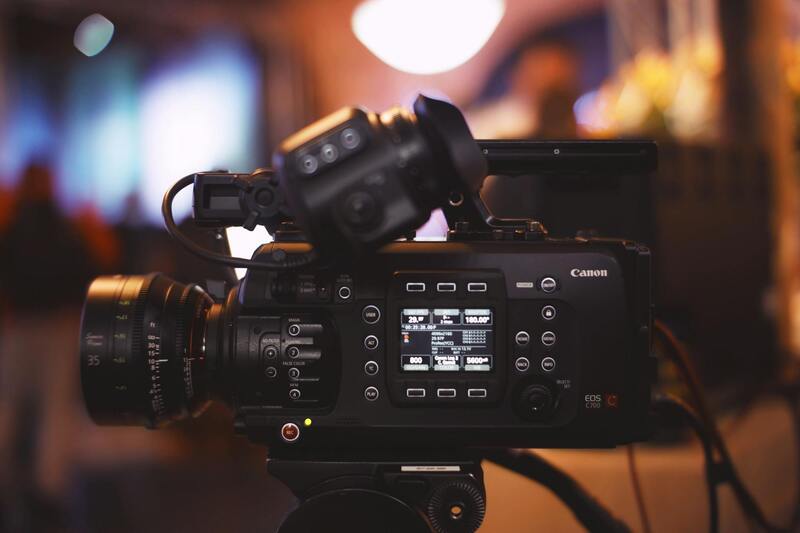
Live streaming services have become an essential component for broadcasters, event organizers, and brands aiming to reach audiences in real-time with high-quality visual and audio experiences. A reputable live stream company specializes in capturing, encoding, and transmitting live content via the internet, ensuring viewers across different locations can access the stream seamlessly. These services go beyond basic broadcasting; they incorporate advanced features like multi-camera setups, real-time graphics, and interactive elements, which elevate viewer engagement and satisfaction.
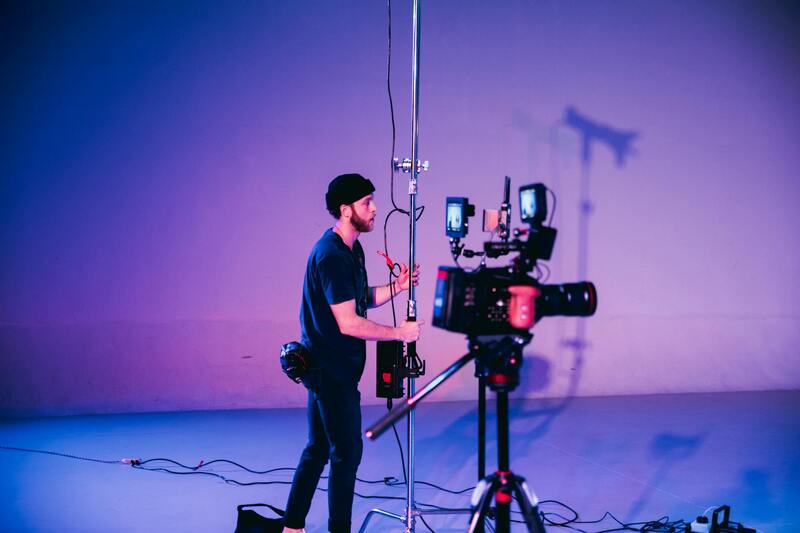
Modern live streaming services utilize a combination of hardware and software solutions, including professional cameras, switchers, encoders, and content delivery networks (CDNs). This integration guarantees minimal latency, high resolution, and stable transmission even during peak internet usage times. The choice of streaming protocol—such as RTMP, HLS, or DASH—also plays a crucial role in maintaining stream reliability across various devices and internet bandwidths.
Key Components of a Live Streaming Service
- Video Capture: Use of high-definition cameras and professional audio equipment to ensure crisp visuals and clear sound.
- Encoding and Compression: Converting raw footage into optimized digital streams suitable for online delivery.
- Hosting and Distribution: Deployment onto content delivery networks that facilitate efficient content distribution to global viewers.
- Interactive Features: Integration of live chat, Q&A sessions, polls, and branding overlays to foster viewer interaction.
- Monitoring and Support: Continuous oversight during live transmission to promptly address any technical issues.
Effective live streaming hinges on meticulous planning and execution, involving pre-event testing, ensuring sufficient internet bandwidth, and coordinating multiple technological components. Partnering with an experienced live stream company guarantees these elements are managed professionally, resulting in a seamless broadcast that maintains audience engagement and project credibility.
Advantages of Professional Live Streaming Services
Employing a dedicated live stream service provider ensures high production standards, technical expertise, and the ability to customize streams to match branding and communication goals. Professional companies also bring experience in managing complex live events, minimizing disruptions, and providing real-time solutions to unforeseen challenges. The result is a polished broadcast that effectively amplifies the event's message to a broader audience.
Understanding Live Streaming Services
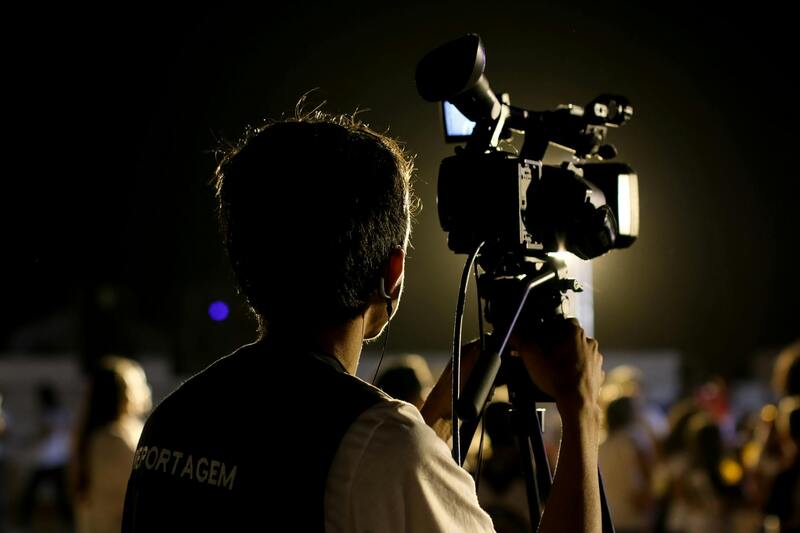
Live streaming services involve the real-time broadcasting of events, meetings, and performances over the internet. These services utilize a combination of hardware and software to capture high-quality video and audio, encode the footage into suitable formats, and then distribute it through reliable content delivery networks (CDNs). The process starts with professional cameras and microphones to ensure top-tier visuals and sound. The raw footage is then processed through encoding and compression tools, which optimize it for internet transmission, balancing quality with bandwidth constraints.
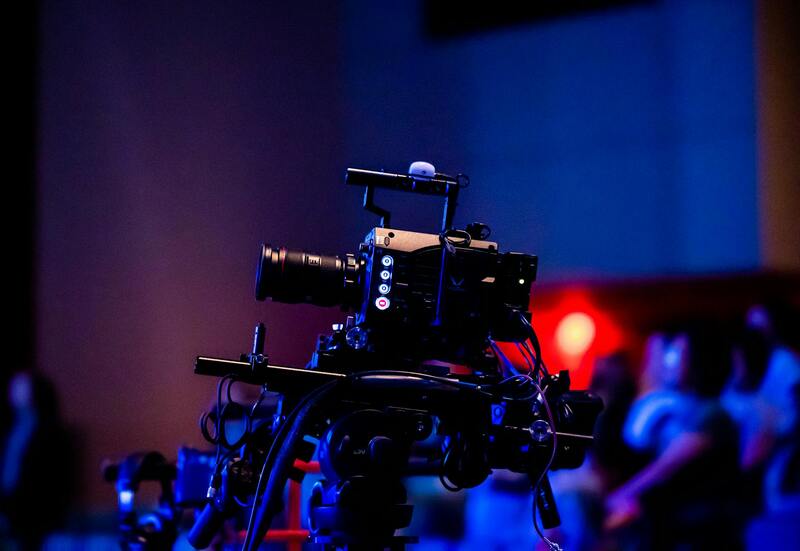
Once encoded, streams are hosted on platforms or servers designed to handle high traffic, enabling viewers across the globe to access the content seamlessly. Additional features like chat functions, live polling, branding overlays, and on-screen graphics can be integrated to enhance viewer engagement and promote the event’s message effectively. The entire process requires meticulous planning, from pre-event setup and testing to monitoring and troubleshooting during the live broadcast, to make sure the event unfolds without technical issues.
The Role of a Live Stream Company
Typically, a professional live stream company manages every aspect of the broadcast, leveraging extensive experience and specialized equipment. This includes selecting optimal locations, coordinating with event organizers, configuring streaming setups, and ensuring robust internet connectivity. Advanced tools allow for multi-camera switching, real-time graphics, and high-fidelity audio, resulting in a polished production. The ability to handle unexpected technical glitches rapidly minimizes downtime, keeping the event on schedule and maintaining viewer confidence.

The professional oversight also involves real-time monitoring of stream health, adjusting encoding parameters if needed, and providing technical support throughout the event. This proactive approach prevents minor issues from escalating, ensuring the broadcast’s consistency. Additionally, post-event analytics offered by live stream companies help organizers understand viewer engagement and improve future productions.
Technology Foundations for Effective Live Streaming
- High-Quality Cameras and Microphones: Ensuring crisp visuals and clear audio for a professional presentation.
- Reliable Internet Infrastructure: Sufficient bandwidth to support high-definition streams without buffering or interruptions.
- Encoding and Compression Software: Optimizing streams for various devices and connection speeds.
- Content Delivery Networks (CDNs): Distributing content efficiently to global audiences.
- Interactive Platforms: Incorporation of live chat, Q&A features, and social media integration.
Having access to such advanced technology and expert handling ensures a premium viewing experience, vital for events expecting broad attendance or requiring high-quality visuals.
Understanding Live Streaming Services
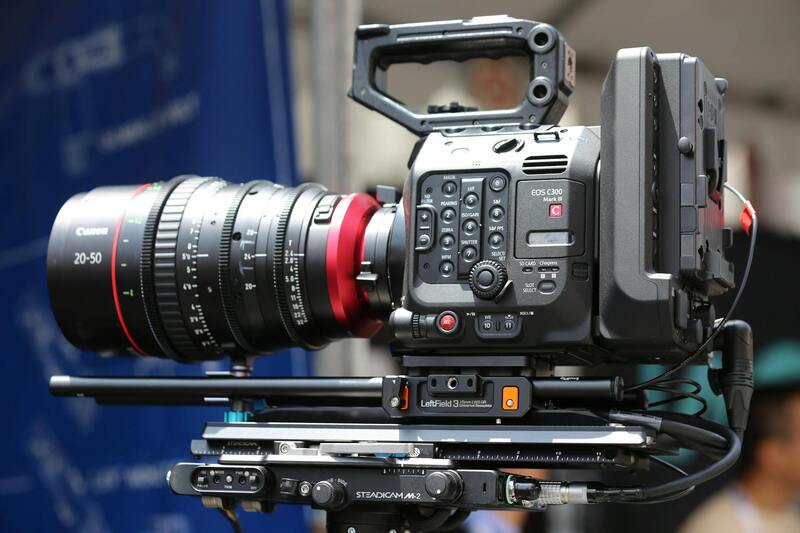
Live streaming services encompass a range of technologies and expertise aimed at broadcasting live events over the internet seamlessly and with high quality. For organizations, individuals, or businesses hosting events in Miami, selecting a reputable live stream company ensures that the event reaches audiences effectively, regardless of their geographical location. These services include professional video production, real-time audio management, camera control, encoding, content distribution, and viewer engagement tools. Such companies leverage advanced hardware and software to deliver a stable broadcast experience, which is crucial when the goal is to connect with a broad or targeted demographic. They also tailor solutions to fit specific event needs, whether it's a corporate meeting, a concert, or a webinar. Live stream providers often offer comprehensive packages, covering pre-event planning, live production, and post-event analytics, thereby offering a full-service approach that assures a polished, professional broadcast. Choosing a company with proven expertise in this field guarantees that each technical element, from camera angles to streaming stability, aligns with the event's objectives and audience expectations.
Benefits of Hiring a Local Miami Live Stream Company
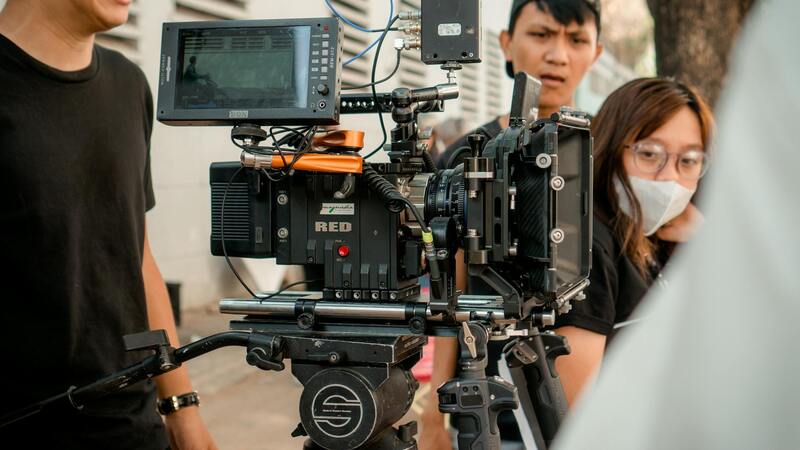
Partnering with a local Miami-based live stream company offers numerous advantages, including regional expertise and direct support. Local companies are familiar with the area's unique broadcasting infrastructure, allowing for more tailored solutions that meet specific venue and event requirements. They can quickly adapt to on-site challenges, such as venue acoustics or connectivity issues, ensuring minimal disruption during the broadcast. Moreover, local professionals often have established relationships with Miami’s venues, vendors, and technical teams, which streamlines logistics and facilitates smoother event execution. Having a team on-site also reduces lead times for setup and testing, providing a more efficient workflow. Additionally, working with a Miami-based live stream company ensures responsive, personalized customer service—an essential factor for coordinating detailed production elements and addressing unforeseen concerns swiftly. This proximity enhances overall event quality and increases the likelihood of a successful live broadcast that resonates authentically with both local and global audiences.
Key Features to Consider When Choosing a Live Stream Company
- Technical Expertise: A company with a proven track record in managing live productions, familiar with diverse event types and technical requirements.
- Equipment Quality: State-of-the-art cameras, microphones, and encoding hardware for crystal-clear visuals and audio.
- Connectivity and Infrastructure: Reliable internet access, backup systems, and redundant connections to prevent stream interruptions.
- Scalability: Ability to support events of varying sizes, from small meetings to large festivals, with flexible solutions.
- Customization Options: Features like multi-camera switching, graphic overlays, and viewer interaction tools customized for your event.
- Post-Event Analytics: Data on viewer engagement to inform future event planning and marketing strategies.
- Customer Support: Availability of technical assistance during the entire broadcast, including live troubleshooting.
Understanding Live Streaming Services
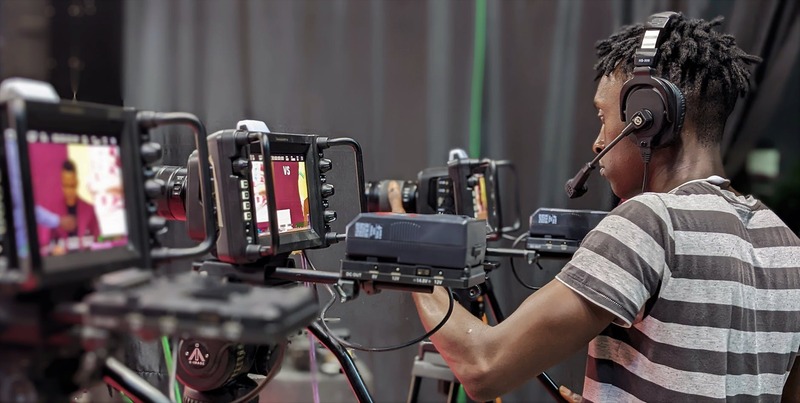
Live streaming services have revolutionized the way organizations, brands, and individuals share content in real time. These services encompass the entire process of capturing, encoding, transmitting, and broadcasting live video and audio to audiences worldwide. The core objective is to deliver a high-quality, seamless viewing experience that engages viewers and enhances event visibility.
Advanced live streaming technologies involve a combination of hardware and software solutions aimed at optimizing broadcast quality and reliability. Modern platforms leverage cloud-based infrastructure for scalability and flexibility, ensuring that streams can accommodate varying audience sizes without compromising stability. Additionally, innovations such as multi-camera setups, graphics overlays, and viewer interaction functionalities elevate the professionalism and interactivity of broadcast productions.

Service providers typically offer end-to-end solutions—from pre-event planning to post-broadcast analysis—making it easier for clients to focus on their core content. Critical components include robust internet connectivity, professional-grade cameras, and reliable encoding hardware, all managed by skilled technicians to ensure minimal latency, high resolution, and uninterrupted streaming. The emergence of adaptive bitrate streaming further enhances viewer experience by adjusting video quality dynamically based on individual internet speeds, thus reducing buffering and stream disruptions.
Benefits of Hiring a Local Miami Live Stream Company
Partnering with a Miami-based live stream company brings numerous advantages that can significantly influence the success of your event. Proximity allows for more personalized service and direct communication during all phases of production, fostering a collaborative environment that leads to better outcome alignment. Local companies possess vital knowledge of the regional event landscape, permitting tailored solutions that resonate with local audiences while also accommodating international viewers.
Moreover, local providers have immediate access to physical equipment and technical support teams, which is crucial during time-sensitive setups or troubleshooting. They are familiar with local venues, infrastructure, and logistical considerations, streamlining the logistical planning process. This familiarity minimizes potential technical challenges that could compromise streaming quality, providing peace of mind to organizers and stakeholders alike.
In addition, working with a team grounded in the local community ensures adherence to regional standards and expectations, which can further boost audience engagement. Their investment in maintaining cutting-edge technology and continuous staff training guarantees that your live stream benefits from the latest industry advancements. All these factors combine to deliver a seamless, high-quality broadcast experience that leaves a lasting impression on viewers.

Key Features to Consider When Choosing a Live Stream Company
- Technical Expertise: Verify their experience managing live events, including handling different scales and technical complexities.
- Equipment Quality: Ensure they utilize professional-grade cameras, audio gear, and encoding hardware for optimal broadcast clarity.
- Connectivity and Infrastructure: Confirm they have reliable internet access, backup solutions, and redundant systems to prevent stream interruptions.
- Scalability: The ability to accommodate various event sizes, from intimate meetings to large festivals.
- Customization Options: Look for features such as multi-camera switching, graphics overlays, and viewer interaction tools tailored to your event needs.
- Post-Event Analytics: Availability of data on viewer engagement and interaction to improve future broadcasts and marketing efforts.
- Customer Support: Accessibility to technical assistance during live streaming, including real-time troubleshooting and support services.
Process of Planning and Executing Live Streams
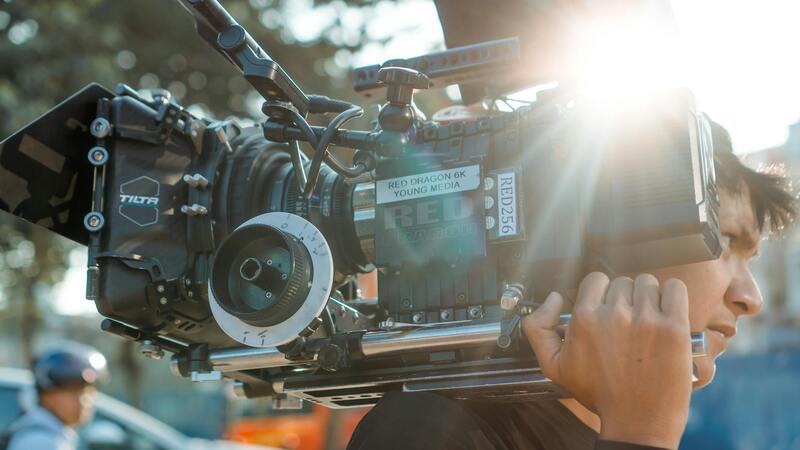
Organizing a successful live streaming event involves several carefully coordinated steps. The process begins with initial consultation to understand the event's objectives, target audience, and technical requirements. Following this, a comprehensive plan is developed covering logistics, technology setup, and content flow.
Pre-production tasks include site surveys, equipment testing, and defining camera angles, graphics, and interactive elements. During the event, production teams operate cameras, manage live switching, and ensure audio clarity, all while maintaining continuous communication with the client. Reliable internet connectivity and backup systems are meticulously checked to prevent disruptions.
Post-broadcast activities involve data analysis, audience feedback collection, and the generation of engagement metrics. These insights are crucial in refining future live streaming efforts and enhancing overall event planning. Proper execution of each stage ensures a polished, engaging broadcast that effectively reaches the intended audience, whether through social media platforms, websites, or dedicated streaming portals.
Understanding Live Streaming Services
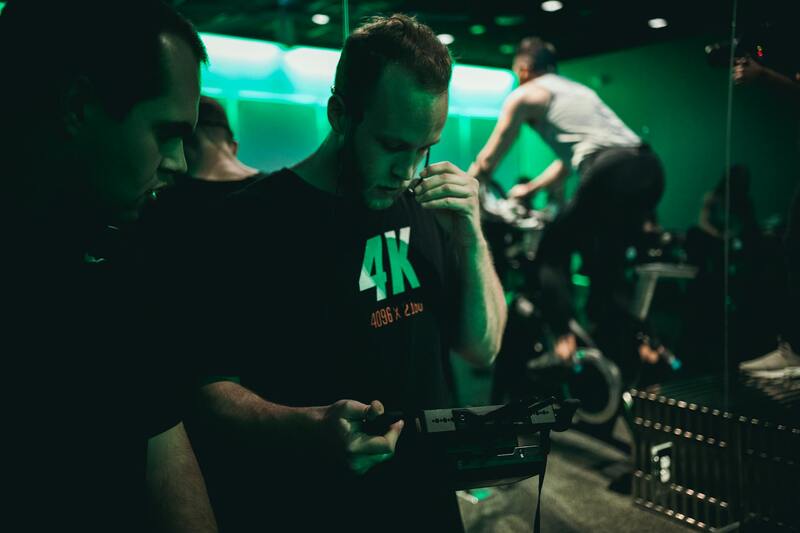
Live streaming services encompass a range of technological solutions that enable real-time broadcasting of events, presentations, and gatherings over the internet. This process involves capturing video and audio content through professional-grade equipment, encoding this data into a compatible format, and transmitting it via high-speed internet connections to an online platform or directly to viewers. A comprehensive live stream venture integrates hardware such as high-definition cameras, audio mixers, and professional microphones with sophisticated software for encoding, streaming, and managing interactive features.
Modern live streaming services are designed to accommodate various event types, from corporate conferences and product launches to musical performances and religious services. Critical to these services are stability, high-quality output, and seamless viewer interaction, ensuring that remote audiences experience the event as engaging and immersive as onsite attendees. The infrastructure involves multiple layers of redundancy, including backup internet connections and equipment, to prevent interruptions and guarantee a smooth broadcast experience.
Benefits of Hiring a Local Miami Live Stream Company
Opting for a Miami-based live stream service offers numerous advantages tailored to local event dynamics. These companies possess an in-depth understanding of the regional infrastructure, permitting optimal planning and execution of live broadcasts with minimal logistical issues. Their familiarity with the local environment ensures that equipment setup and troubleshooting are handled swiftly, delivering dependable streaming quality regardless of unforeseen challenges.
Proximity facilitates more personalized service, enabling direct communication and immediate adjustments during the event. This can critically improve response times to technical issues, enhance on-site coordination, and ensure that event schedules are adhered to without unnecessary delays. Additionally, working with a local provider often results in cost efficiencies, as travel and logistics expenses are minimized.
Enhanced Technical Support
- On-site technicians with local expertise available during the event
- Quick response to troubleshoot connectivity or equipment problems
- Real-time adjustments to ensure optimal streaming performance
Familiarity with Venue and Audience
- Pre-event site assessments to customize streaming setups
- Understanding of local internet services and potential bandwidth issues
- Ability to tailor streaming experience to Miami's specific demographic and venue layout
Key Features to Consider When Choosing a Live Stream Company
When selecting a live stream provider, it is essential to evaluate their capabilities comprehensively. Focus on the technical infrastructure—such as the quality of cameras, streaming platforms supported, and network redundancy. Equally important are the company's experience, portfolio, and track record in delivering high-quality live broadcasts.
Additional considerations include their ability to customize the stream with graphics, overlays, and interactive elements that enhance viewer engagement. They should also offer robust analytics tools that track viewer data, engagement levels, and overall broadcast performance, contributing to continuous improvement.
Technical Competence
- Use of professional-grade streaming equipment
- Support for multiple streaming platforms
- Advanced encoding and adaptive bitrate technology for seamless viewing across devices
Experience and Reputation
- Proven track record with similar event types
- Positive client testimonials and case studies
- Flexible packages tailored to different event sizes and requirements
Types of Live Streaming Events Covered
A professional live stream company can handle diverse event formats, ensuring high-quality delivery regardless of format complexity or audience size. These include:
- Corporate Events: conferences, webinars, panel discussions, and board meetings
- Public Gatherings: music festivals, religious services, community celebrations
- Educational Sessions: workshops, seminars, university lectures
- Product Launches: live unveilings, promotional events, trade shows
- Sports and Fitness: competitions, marathons, fitness classes
Process of Planning and Executing Live Streams
Effective planning is essential for a successful live streaming experience. It begins with a comprehensive understanding of the event’s objectives, target audience, and desired outcomes. Collaborating closely with the live stream company ensures that all technical and logistical details are aligned from the outset.
Initial phases involve creating a detailed production plan, including shot lists, camera angles, and visual elements such as graphics or overlays. The live stream provider typically conducts a site survey to assess power sources, internet connectivity, lighting conditions, and space for equipment setup. This allows for preemptive troubleshooting and resource allocation, minimizing potential disruptions during the broadcast.
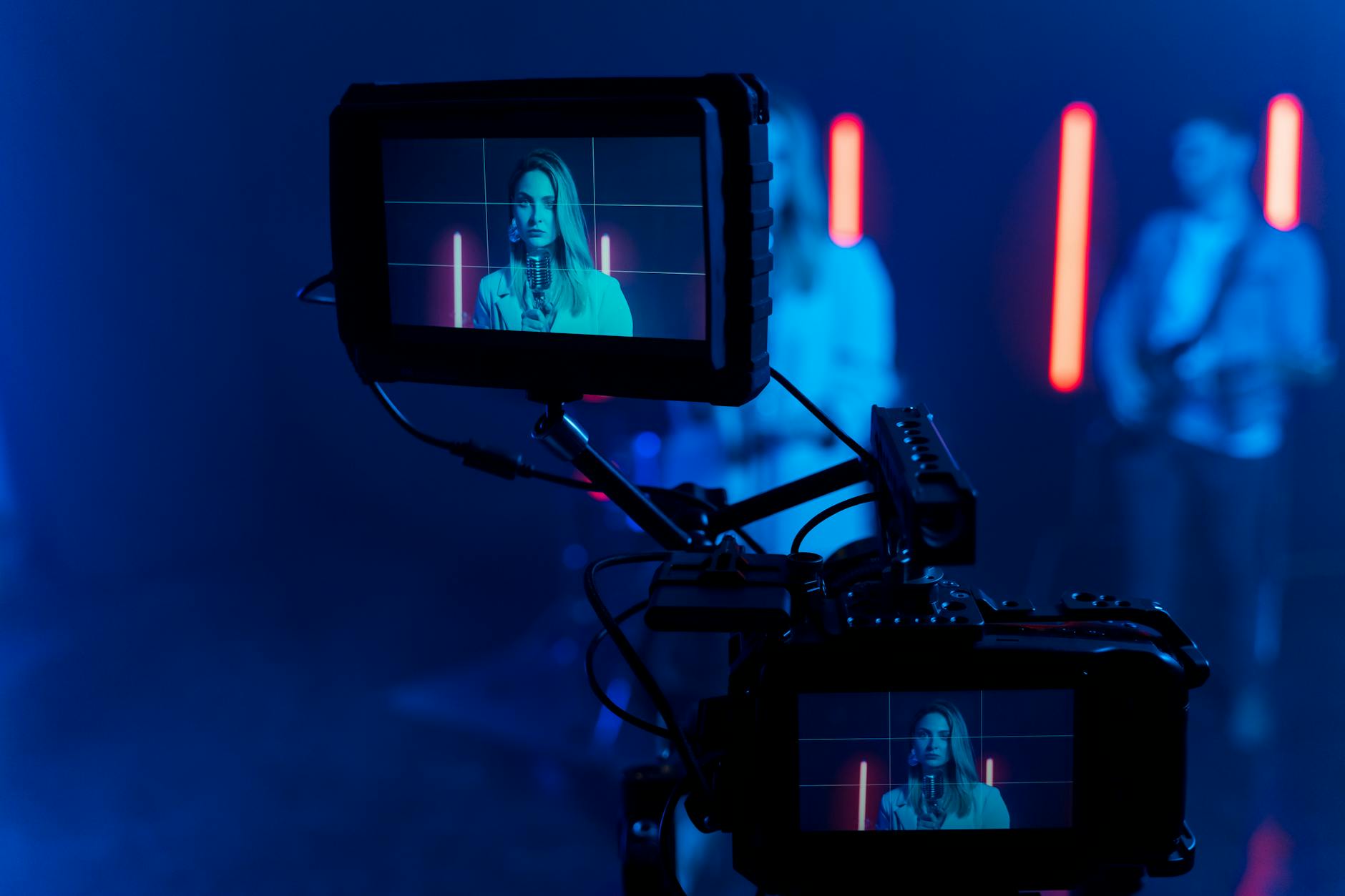
Technical setup comprises high-quality cameras, audio equipment, switching consoles, and streaming encoders. The company configures these elements to transmit a seamless feed optimized for various devices and bandwidth conditions. Redundant systems are often incorporated to ensure uninterrupted streaming, particularly for large-scale or critical events.
During the event, professional operators manage all technical aspects, monitoring the stream’s quality and making real-time adjustments for optimal performance. They handle camera switching, audio levels, graphics overlays, and interactive features if applicable. Post-event, detailed analytics and feedback are gathered to measure engagement and identify areas for improvement.
Clear communication channels between event organizers and the production team are vital throughout this process. Regular updates, rehearsals, and contingency planning ensure that every aspect of the live broadcast aligns with the event’s goals, delivering a professional, engaging viewing experience for audiences tuning in remotely.
Understanding Live Streaming Services
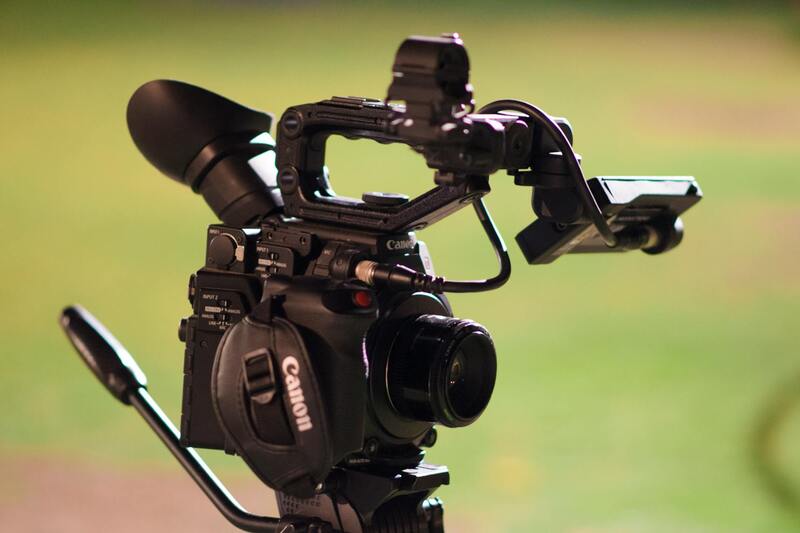
Live streaming services encompass the real-time broadcast of events over the internet, allowing audiences to participate remotely with immediacy and engagement. These services leverage advanced audiovisual equipment, high-capacity internet connections, and dedicated streaming platforms to deliver high-quality content to viewers worldwide. A comprehensive live stream setup involves multiple components, including professional cameras, audio inputs, switching consoles, encoding devices, and streaming servers, all synchronized to produce a seamless viewing experience.
In the context of event coverage, a reliable live stream company manages everything from initial planning to post-broadcast analysis. They ensure the content is delivered without interruptions, buffering, or loss of quality, regardless of audience size. Different platforms and technologies enable live streams to reach various devices, from desktops to mobile phones, with adaptive streaming technologies optimizing the quality based on viewers’ bandwidth.
Benefits of Hiring a Local Miami Live Stream Company
Partnering with a Miami-based live stream company offers several advantages that directly impact the success of your event. Local providers possess an intimate understanding of the area's infrastructure, ensuring stronger connectivity and quicker setup times. Their familiarity with local venues allows them to anticipate logistical challenges and streamline operations, resulting in a smoother broadcast process.
Additionally, a local company can offer more personalized service, prompt communication, and tailored solutions that align with your specific event needs. They are often more responsive to last-minute adjustments or technical issues, minimizing the risk of broadcast disruptions. Knowing the local market also enables them to leverage local resources, talent, and equipment, often at more competitive rates compared to distant providers.
Key Features to Consider When Choosing a Live Stream Company
- Experience and Portfolio: Review their past projects, especially those similar to your event’s scope and scale.
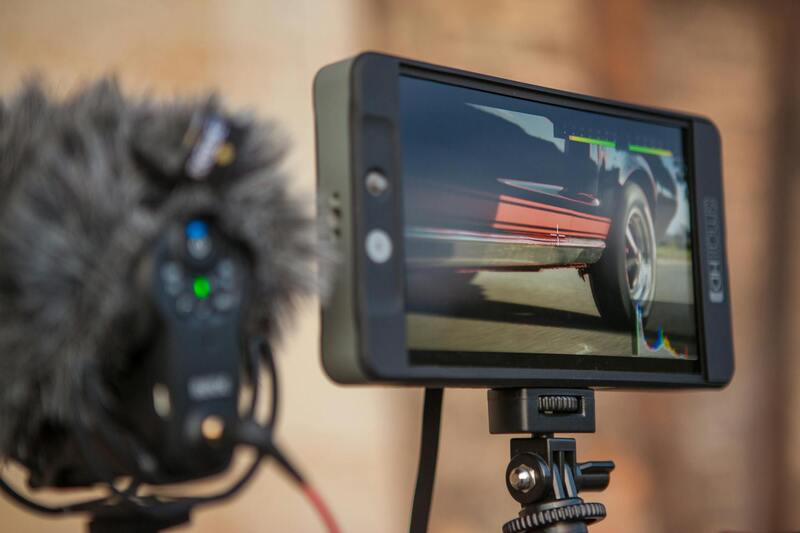
- Technical Capabilities: Ensure they utilize high-quality cameras, reliable streaming encoders, and robust internet connectivity.
- Coverage Options: Confirm they can support multiple camera angles, graphics overlays, and interactive features if needed.
- Reputation and Client Feedback: Seek reviews or testimonials to gauge their professionalism and reliability.
- Support and Communication: The company should provide clear communication channels, detailed planning assistance, and on-site support during the event.
- Technology Compatibility: Verify their ability to stream to various platforms and ensure compatibility with your branding or platform preferences.
Types of Live Streaming Events Covered
A proficient live stream company can accommodate a broad spectrum of events, including:
- Corporate conferences, product launches, and seminars
- Music concerts, festivals, and performances
- Weddings, ceremonies, and private parties
- Religious services and community gatherings
- Educational webinars and training sessions
- Sporting events and tournaments
Process of Planning and Executing Live Streams
Planning a successful live stream involves a detailed, step-by-step process designed to ensure seamless execution. The initial phase includes detailed consultations to understand your objectives, preferred platforms, and target audience. The live stream company conducts a site survey to assess venue conditions—like lighting, power sources, internet quality, and space for equipment setup—to identify potential challenges early.
Following this, a comprehensive event plan is developed, covering camera placements, audio configurations, graphics, and contingency measures. Pre-event rehearsals are crucial, especially for complex setups with multiple camera angles or interactive elements. During the event, professional technicians operate all technical equipment, monitor stream quality, and make real-time adjustments as needed. Post-event, the team may provide analytics to evaluate viewer engagement and technical performance, ensuring continuous improvement for future broadcasts.
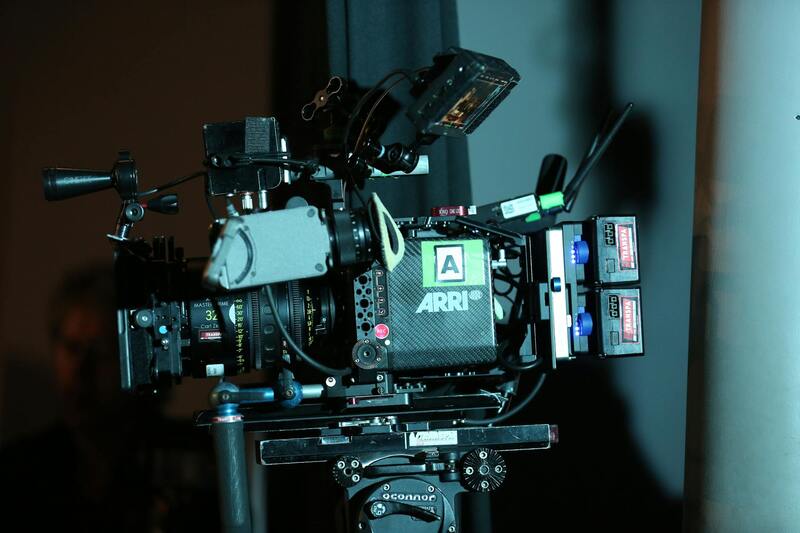
Cost Factors in Hiring a Live Stream Company
The overall cost of live streaming services varies based on several factors. These include the event’s duration, complexity, level of production quality, location, and the technical requirements. Additional expenses may arise from equipment rentals, professional staffing, specialty graphics, multilingual audio, or on-demand recordings. Large-scale or multi-camera productions generally incur higher costs due to additional equipment, crew, and bandwidth needs.
Understanding these variables allows you to develop a clear budget aligned with your event goals. Transparent communication with your chosen provider ensures there are no surprises regarding pricing and scope of services offered.
Questions to Ask When Hiring a Live Stream Company
- What experience do you have hosting events similar to mine?
- Can you share examples of previous live streams you have executed?
- How do you handle potential connectivity issues or technical failures?
- What platforms and devices will my audience be able to access the stream on?
- What is your backup plan in case of equipment failure?
- What are your pricing options, and what do they include?
- Will there be on-site support throughout the event?
- What post-event analytics or reports do you provide?