Understanding Live Streaming Services
Live streaming services have revolutionized the way events, conferences, and productions are shared with audiences around the world. These platforms enable real-time broadcasting over the internet, providing viewers the experience of being present at an event without geographical limitations. For many organizations, especially those hosting events in a vibrant city like Miami, live streaming has become an essential component for outreach and engagement.
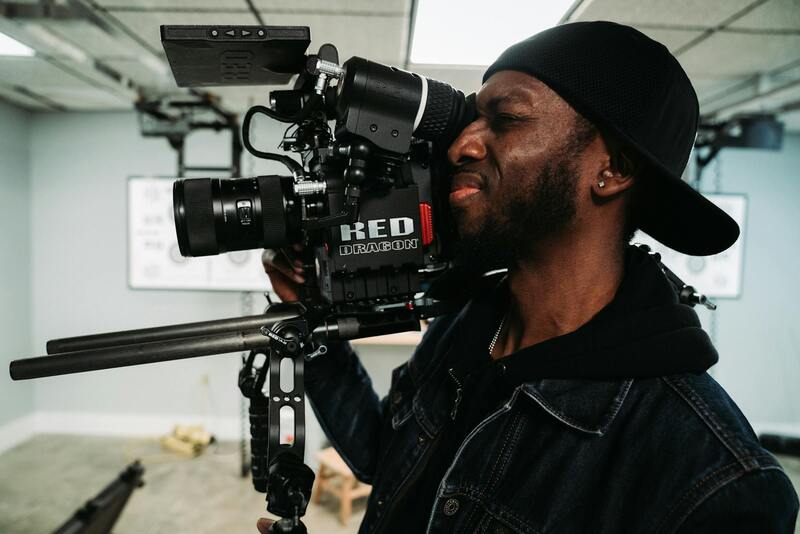
In professional settings, live streaming plays a pivotal role in expanding audience reach, increasing brand visibility, and ensuring content is accessible immediately. When executed correctly, it can showcase keynote speeches, product launches, wedding ceremonies, and cultural festivals to a global audience with impeccable clarity and stability. Whether it’s a corporate event, a concert, or a community gathering, reliable live streaming services ensure seamless transmission, engaging viewers in real time and allowing interactive participation.
Given Miami's dynamic event scene—ranging from high-profile corporate events to lively local festivals—the demand for expert live streaming providers has surged. These services often incorporate advanced video and audio technology, multiple camera angles, and sophisticated encoding techniques to deliver immersive viewing experiences. As businesses and organizations look to maximize their event's impact, leveraging professional live streaming solutions has become a standard practice.
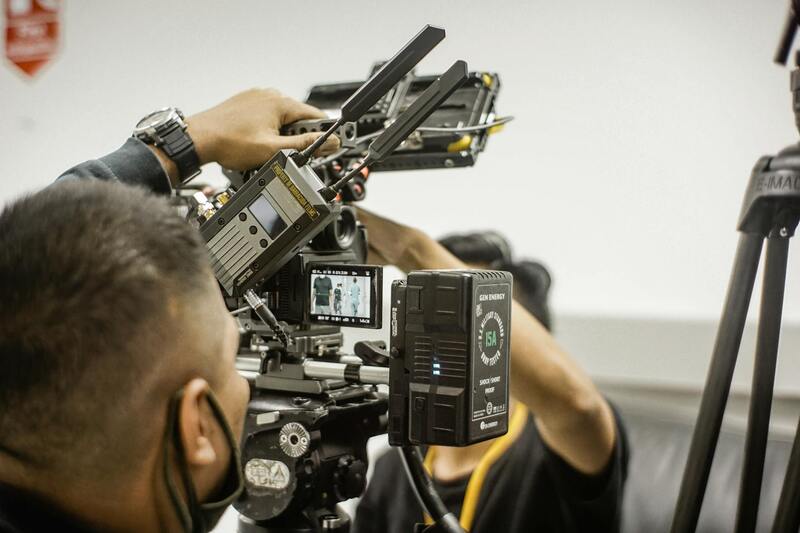
Understanding the core mechanics of live streaming involves recognizing various components, such as video capture, encoding, transmission, and viewing platforms. Proper execution requires not only cutting-edge equipment but also technical expertise to manage potential issues like bandwidth fluctuations or equipment failures. For Miami-based events, working with a specialized live streaming services company ensures high quality, technical reliability, and tailored solutions that fit the specific needs of each event.
Types of Live Streaming Services Available
To meet diverse event requirements, a professional live streaming services company offers various streaming options that cater to different audience sizes, platforms, and content formats. These services can be broadly categorized into real-time broadcasting for live events, on-demand streaming, and hybrid solutions that combine both. Each type involves specific technology and planning to ensure optimal viewer experience.
- Live Event Streaming: This is the core service where content is broadcast in real-time, suitable for conferences, concerts, weddings, and community events. It involves multiple camera setups, professional encoding, and synchronized audio-visual delivery to viewers via online platforms.
- On-Demand Streaming: Recorded footage of an event is processed and made available for later viewing. This is ideal for educational content, panel discussions, or promotional videos that require accessibility after the event ends.
- Multi-Platform Streaming: To maximize reach, streams are often broadcast across several channels simultaneously, including social media platforms, dedicated websites, and streaming services. This approach broadens audience engagement and enhances visibility.
- Interactive Streaming: Incorporating features like live chat, Q&A, polls, and real-time reactions, these services boost viewer participation. They are popular for webinars, product launches, and virtual conferences seeking to foster engagement.
Factors to Consider When Choosing a Provider
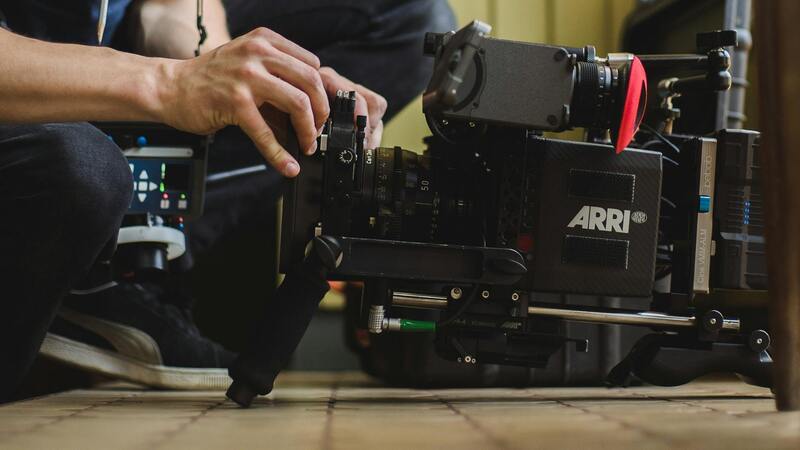
Selecting the right live streaming partner involves evaluating several critical aspects to ensure seamless and professional delivery. A trustworthy provider should demonstrate expertise, technological capabilities, and a commitment to quality service.
- Technical Proficiency: The company should have a proven track record with a team of experienced technicians familiar with high-end broadcasting equipment and software.
- Equipment Quality: Use of professional-grade cameras, switchers, encoders, and audio devices is essential for crisp visuals and clear sound.
- Platform Compatibility: The provider must be able to stream across various platforms such as social media, custom websites, or dedicated streaming services, matching the event’s outreach goals.
- Customization Options: Ability to tailor the stream's layout, branding, and interactive features to align with the event’s branding and objectives.
- Technical Support and Troubleshooting: Reliable support during and after the event ensures any issues are promptly addressed, minimizing disruptions.
- Bandwidth Management: Effective handling of internet bandwidth and redundancy solutions to prevent buffering or stream interruptions.
- Security and Privacy: Measures to protect sensitive content and control access, especially for private or corporate events.
Cost and Budgeting for Live Streaming Projects
Understanding the investment involved is crucial for planning a successful event. Costs vary based on the complexity of the production, duration, number of camera angles, and technical requirements. Standard packages might include basic equipment and a single platform broadcast, while premium services offer multi-camera setups, real-time graphics, and multi-platform distribution. Working with a provider experienced in Miami’s event scene allows for a transparent quote process, ensuring clarity on what’s included and avoiding unexpected expenses.
Understanding Live Streaming Services
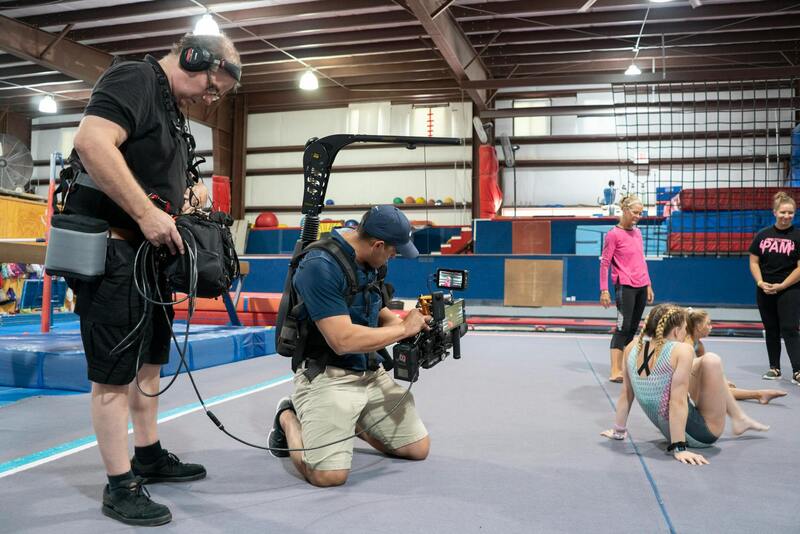
As the demand for high-quality virtual event experiences continues to grow, the selection of an appropriate live streaming services company becomes paramount. A proficient provider integrates comprehensive solutions that encompass modern broadcasting technology, reliable connectivity, and adaptive streaming protocols. These components work together to deliver seamless visual and audio outputs, ensuring your audience remains engaged regardless of their device or location.
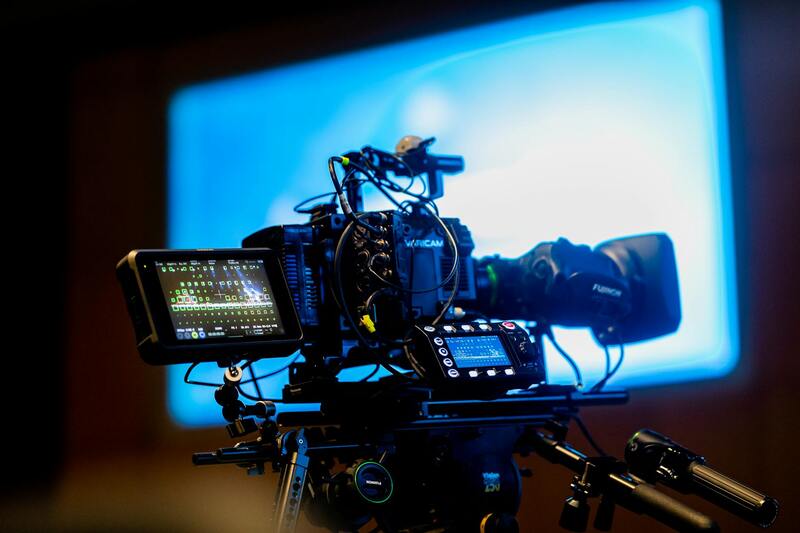
Offered services typically include end-to-end solutions, from pre-event planning, content capture, and encoding to distribution across multiple platforms. The goal is to produce a professional broadcast that matches the quality standards of traditional in-person events, while also providing interactive elements such as live chat, real-time polling, or Q&A sessions. These enhancements deepen attendee engagement and allow for immediate feedback, which can be crucial for event success.
Choosing the right provider involves understanding the various technological elements that influence the streaming quality. For instance, the use of multi-camera setups allows for dynamic coverage of the event, offering viewers multiple angles and perspectives. Additionally, robust audio equipment ensures clarity and immersion, making every speech and performance audible and resonant. A reputable live streaming services company also employs advanced encoding hardware to minimize latency and maintain synchronization between video and audio streams.
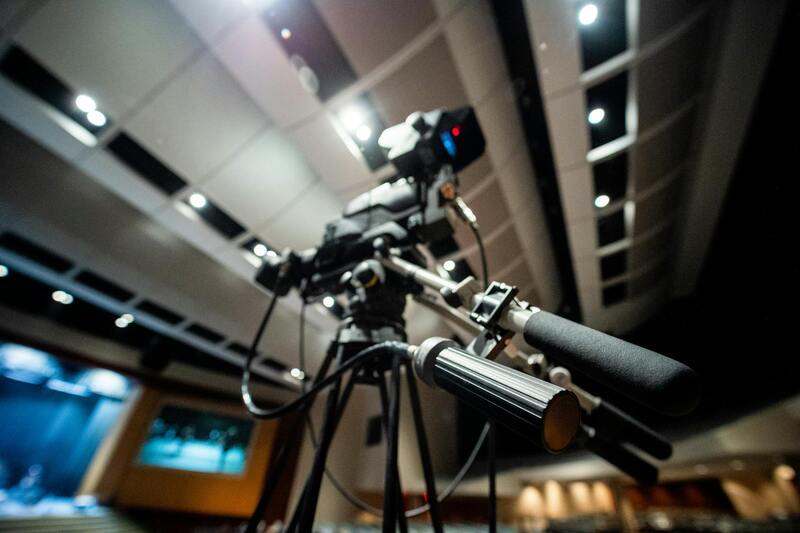
From a logistical standpoint, the provider should offer scalable solutions, accommodating both small private gatherings and large-scale corporate or public events. This flexibility allows event organizers to plan effectively without the concern of overextending resources or encountering capacity limitations. Furthermore, in the rapidly evolving landscape of streaming technology, partnering with an innovative company ensures access to the latest features, security measures, and delivery options, fostering competitive advantage and audience satisfaction.
The technological backbone must include reliable bandwidth management strategies, ensuring stable streams even in the face of network fluctuations. redundancy measures such as backup internet connections and adaptive bitrate streaming are essential features that safeguard against interruptions. By employing these strategies, a live streaming services company guarantees continuity, preventing issues like buffering or dropped connections, which can negatively impact audience perception.
Security protocols are equally critical, especially for private or sensitive content. Effective encryption, multi-factor authentication, and controlled access points help maintain the integrity of the broadcast. These measures provide confidence for clients that their content remains protected and only accessible to authorized viewers.
Overall, selecting a proficient live streaming services company involves considering the technical intricacies and strategic elements involved in delivering a professional, engaging, and secure online event. The investment in quality technology and skilled personnel directly influences the overall success and reach of your event, making it a pivotal decision for organizers aiming to extend their event’s impact.
Technical Requirements for Effective Streaming
Ensuring a smooth and uninterrupted live stream hinges on understanding the technical prerequisites that underpin any successful broadcast. Core components include high-definition cameras capable of capturing clear, professional-quality visuals. These devices should support multiple resolutions to adapt to varying viewer bandwidths, enabling adaptive bitrate streaming that minimizes buffering and maintains image clarity.
Audio quality is equally vital. High-fidelity microphones and sound mixing equipment should be employed to deliver crisp, balanced audio that complements the visual content. Synchronization between audio and video streams is crucial to prevent desynchronization issues that can detract from viewer experience.
Network infrastructure plays a pivotal role. A robust, high-bandwidth internet connection—preferably dedicated and symmetrical—ensures the capacity to handle large data loads without interruption. Implementation of load-balancing between multiple internet sources can further enhance stability, especially during high-traffic events. It is also advisable to utilize Content Delivery Networks (CDNs) which distribute the streaming load to regional servers, reducing latency and buffering for viewers located in different geographical areas.
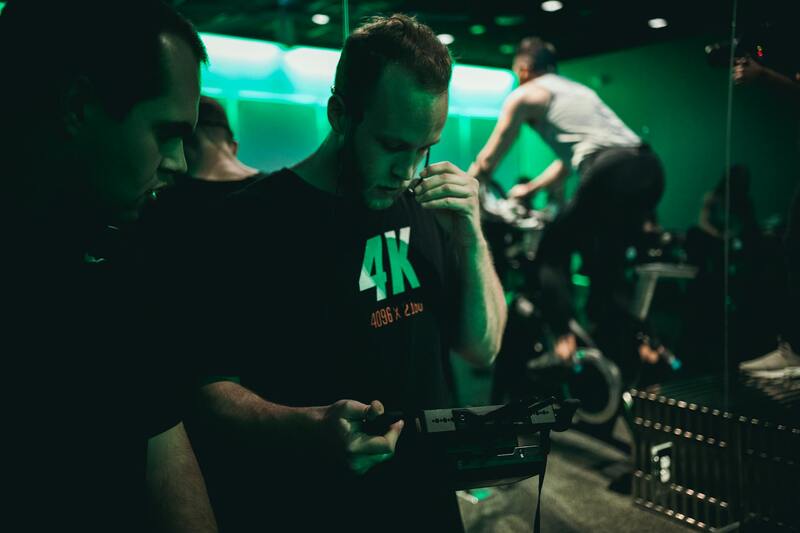
Encoding hardware and software are essential for compressing video streams into manageable sizes without compromising quality. This process facilitates smoother transmission over the internet while preserving high-definition clarity. Reliable encoding solutions support multiple protocols, such as RTMP and HLS, ensuring compatibility across various streaming platforms and devices.
Latency management is another technical consideration. Lower latency streams provide more real-time interactions, which are particularly important for live Q&A sessions, auctions, or interactive presentations. Employing edge servers and multi-region streaming strategies can further reduce delays, providing a seamless experience for viewers regardless of their location.
Security configurations must not be overlooked. Implementing secure streaming protocols, such as encrypted streams and multi-factor authentication for presenter access, safeguards sensitive content from unauthorized access. Firewalls, VPNs, and constant network monitoring contribute to a safe streaming environment that maintains content integrity and protects against potential disruptions.
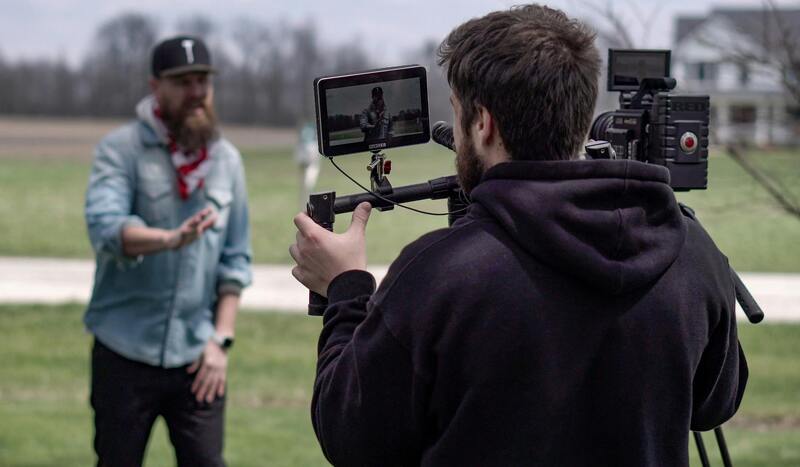
By aligning these technical elements—visual and audio quality, network infrastructure, encoding solutions, latency reduction, and security—organizations can deliver professional, high-quality live streams. These investments in technology are critical for engaging audiences, maintaining broadcast stability, and achieving event success, especially when partnering with a proficient live streaming services company adept at managing such technical intricacies.
Technical Requirements for Effective Streaming
To ensure a seamless live streaming experience, several technical components must be thoroughly addressed. High-definition video and crystal-clear audio form the backbone of professional broadcasts, requiring the use of advanced encoding hardware and software. Maintaining optimal bitrates without causing buffering or lag depends on proper network bandwidth allocation and reliable internet connections.
Additionally, compatibility with various streaming platforms and devices is crucial. An efficient live streaming services company utilizes adaptive bitrate streaming technologies, such as HTTP Live Streaming (HLS) and Dynamic Adaptive Streaming over HTTP (DASH), which dynamically adjust video quality based on viewers’ internet speeds. This approach guarantees consistent viewing experiences across desktops, smartphones, tablets, and smart TVs.
Proper synchronization of audio and video streams is another technical consideration. Delays or mismatches can diminish viewer engagement and reduce the professionalism of the broadcast. Employing high-quality capture equipment, along with real-time monitoring and error correction protocols, helps maintain perfect synchronization.
To support large-scale events, robust server infrastructure is vital. Content delivery networks (CDNs) facilitate geographic distribution, decreasing latency and ensuring viewers from different regions receive the stream simultaneously without interruption. Edge servers provide additional buffers, reducing delays and preventing network congestion.
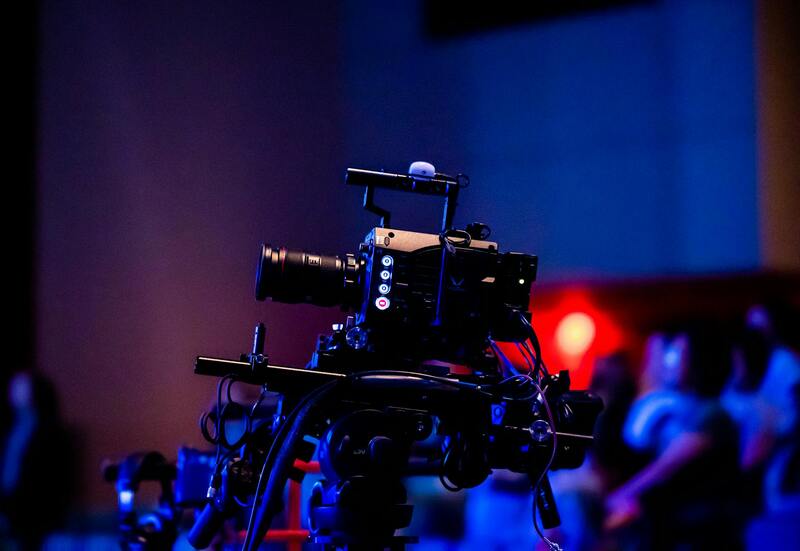
Benefits of Working with a Miami-Based Streaming Company
Partnering with a Miami-based live streaming services provider offers distinct advantages, particularly for local or regional events. Local companies possess a deeper understanding of the area's technological infrastructure and can respond swiftly to on-site technical needs. This proximity allows for comprehensive support during setup, operation, and troubleshooting.
Additionally, Miami-based providers often have established relationships with local venues, production crews, and technology vendors, ensuring more efficient coordination. They are familiar with regional regulations and compliance standards, streamlining the planning process.
Moreover, working with a local company can result in quicker response times for issues that may arise during a live event. This immediacy minimizes disruptions and maintains broadcast quality. Their local expertise assures tailored service, aligning streaming solutions precisely with the event’s scope and audience expectations.
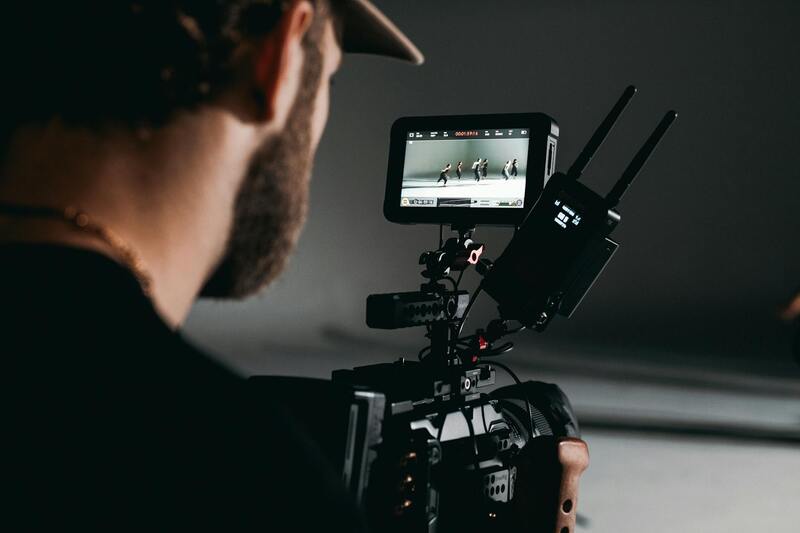
Understanding Live Streaming Services
Live streaming services have transformed the way events, conferences, and entertainment are delivered to audiences around the world. These services utilize advanced technology to broadcast high-definition video and audio content in real-time, allowing viewers to participate remotely without the need for physical presence. An effective live streaming platform ensures minimal latency, high-quality visuals, and seamless delivery, regardless of viewers' locations. Providers incorporate sophisticated encoders, content delivery networks (CDNs), and scalable infrastructure to support large audiences and complex productions.
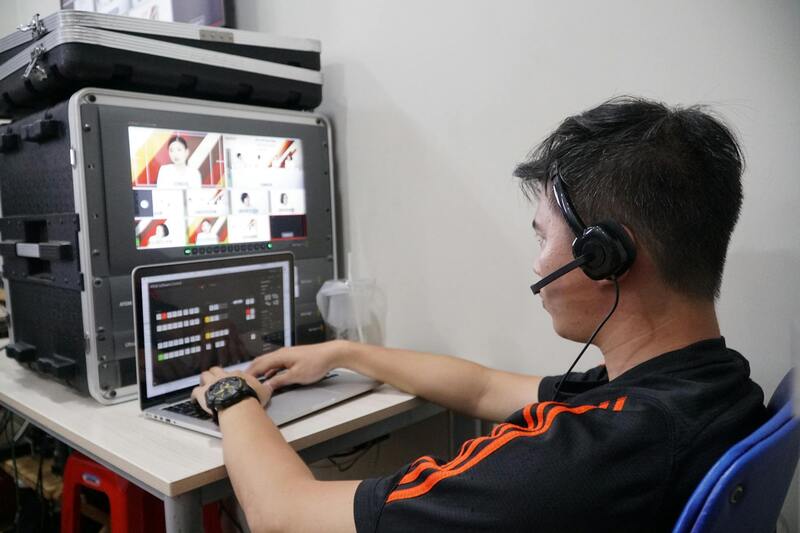
Choosing the right live streaming services company is crucial for the success of your digital event. An optimized solution involves not just technology, but also strategic planning, content management, and robust support to handle potential challenges during the broadcast. Professional providers manage all aspects of the live stream, from pre-event testing to post-event analytics, ensuring a professional and glitch-free experience for viewers.
Key Features of a Reliable Live Streaming Company
- High-Quality Video and Audio: Consistent HD or higher resolution stream with clear sound quality.
- Scalability: Capability to accommodate large audiences without degradation of service.
- Low Latency: Minimal delay between the live event and broadcast, enhancing real-time interaction.
- Platform Compatibility: Support across multiple devices including smartphones, tablets, and desktops.
- Secure Streaming: Encryption and access controls to protect content from unauthorized access.
- Technical Support: Round-the-clock assistance before, during, and after the event.
- Analytics and Reporting: Data on viewer engagement, stream quality, and reach.
Types of Live Streaming Services Available
- Event Streaming: Broadcasting concerts, conferences, and corporate events.
- Webcast Services: Offering educational lectures, product launches, and webinars.
- On-Demand Streaming: Recorded content made available for viewing at any time.
- Social Media Live: Streaming directly to platforms like Facebook Live, YouTube Live, or Instagram.
- Niche Streaming: Specialized content such as esports, religious services, or community events.
Factors to Consider When Choosing a Provider
Several elements influence the decision-making process when selecting a live streaming partner:
- Experience and Portfolio: Review previous successful projects in similar event types or industries.
- Technical Capabilities: Ensure they have the equipment and infrastructure to deliver high-quality streams.
- Support and Customer Service: Accessibility and responsiveness of their technical team.
- Customization Options: Ability to tailor the stream’s visual elements, branding, and interactivity.
- Platform Integration: Compatibility with your chosen platforms and content management systems.
- Pricing Structure: Transparent and comprehensive billing without hidden fees.
- Regional Presence and Support: Local expertise, especially relevant for events in specific areas such as Miami.
Cost and Budgeting for Live Streaming Projects
Allocating budget for live streaming depends on various factors, including event scale, required quality, and additional features. Basic live streams can be relatively economical, focusing primarily on core streaming infrastructure. However, high-profile or large-scale events demand investment in professional-grade equipment, multiple camera setups, redundant connections, and dedicated technical support. Budget considerations should include permissions/licenses, marketing integration, and post-event analytics. An experienced live streaming services company will offer comprehensive packages with clear cost breakdowns, facilitating effective planning and resource allocation without overspending.
Understanding Live Streaming Services
Live streaming services have revolutionized how events, conferences, and various content are distributed to audiences around the globe. These platforms utilize robust internet infrastructure, high-capacity servers, and advanced encoding technologies to broadcast real-time video and audio to viewers across multiple devices. By leveraging the latest in streaming technology, a live streaming services company ensures that content reaches audiences seamlessly, with minimal buffering and high visual fidelity. This capability is particularly vital for corporate events, product launches, webinars, and live performances where audience engagement hinges on high-quality broadcasting.
Key Features of a Reliable Live Streaming Company
- High-Definition Streaming Capabilities: Reliable providers can deliver streams in 1080p or 4K resolution, ensuring crisp visuals for viewers.
- Multi-Platform Compatibility: Seamless integration across popular streaming platforms such as YouTube, Facebook, and dedicated websites maximizes reach.
- Robust Network Infrastructure: Utilization of multiple redundancies and backup servers to maintain stream stability even during unforeseen disruptions.
- Real-Time Monitoring and Support: Continuous technical oversight during live events minimizes potential issues and ensures quick troubleshooting.
- Interactive Features: Incorporation of chat functions, polls, and Q&A sessions enhances viewer engagement.
- Security Measures: Encryption and access controls protect streaming content from unauthorized access.
Types of Live Streaming Services Available
- Event Live Streaming: Covering conferences, concerts, sports, and cultural festivals, providing broad coverage and engagement options.
- Webinar Broadcasting: Facilitating educational sessions, workshops, and corporate training with interactive capabilities.
- Corporate Communications: Internal live streams for town halls, product launches, and CEO addresses, ensuring message consistency.
- On-Demand Content Hosting: Offering recorded streams post-event for extended reach and on-demand access.
- Hybrid Event Streaming: Combining in-person and virtual participation to widen audience engagement and accessibility.
Factors to Consider When Choosing a Provider
Selecting the right live streaming partner necessitates a comprehensive evaluation of several criteria:
- Technical Expertise: Proven experience in managing similar event types and high-quality broadcasting standards.
- Range of Services: Ability to customize streams, support different platforms, and handle multi-camera setups.
- Equipment and Infrastructure: Use of professional-grade cameras, encoders, and reliable internet connections.
- Customer Support: Availability of technical support before, during, and after events.
- Reputation and Portfolio: Positive client testimonials and a portfolio demonstrating successful projects.
- Compliance and Security: Adherence to regional regulations and data protection protocols.
Cost and Budgeting for Live Streaming Projects
Budgeting plays a crucial role in planning effective live streams. Costs can vary based on event scope, technical complexity, and quality standards. Basic streaming needs might involve minimal investment, often focusing on a reliable internet connection and standard equipment. However, large-scale or high-profile events require higher expenditure on multiple camera feeds, specialized graphics, advanced encoding hardware, and dedicated technical teams. Additional expenses may encompass permissions, licensing, platform fees, and promotional activities. An experienced provider offers detailed proposals with transparent cost breakdowns, enabling precise financial planning and avoiding unforeseen expenses. Such clarity is essential for aligning project expectations with available resources and ensuring a successful live stream.

Technical Requirements for Effective Streaming
Achieving a smooth and professional live stream requires adherence to certain technical standards. Critical components include:
- High-Speed Internet Connection: An upload speed of at least 10 Mbps for HD streaming, with back-up options to prevent interruptions.
- Professional Encoders: Hardware or software solutions that compress and transmit video signals without degradation.
- Multiple Camera Angles: Strategically placed cameras capturing various perspectives, which can be switched seamlessly during the broadcast.
- Adequate Lighting and Audio: Ensuring clear visuals and crisp sound for professional quality content.
- Reliable Power Sources: Uninterrupted power supplies and backup generators to prevent outages during live coverage.
- Platform Compatibility: Ensuring the streaming infrastructure is compatible with targeted platforms and content management tools.
Having these technical elements properly configured and maintained is essential for delivering an engaging viewer experience, building trust in your streaming content, and maximizing the impact of your event.
Understanding Live Streaming Services
In today's digital landscape, live streaming services have become a vital component for event organizers, corporations, and content creators seeking to reach audiences in real-time. These services enable the broadcast of events, conferences, concerts, and other live activities via the internet, allowing viewers from around the world to participate instantly. A live streaming services company specializes in providing the necessary technology, infrastructure, and expertise to deliver high-quality live content seamlessly. They manage everything from encoding and transmission to platform integration, ensuring an uninterrupted viewer experience. Partnering with an experienced provider guarantees professional delivery, incorporating features such as multi-camera setups, real-time graphics, and interactive elements to enhance viewer engagement and brand presence.

Key Features of a Reliable Live Streaming Company
- Technical Expertise: Proven experience in managing large-scale and complex live broadcasts with impeccable execution.
- Comprehensive Equipment: State-of-the-art encoders, cameras, audio gear, and lighting to ensure professional output.
- Platform Compatibility: Ability to stream seamlessly across multiple platforms such as social media, dedicated websites, or company portals.
- Redundancy and Backup Plans: Systems in place to address potential failures, ensuring continuous streaming without interruption.
- Real-Time Support: On-site and remote technical assistance during the broadcast for immediate problem resolution.
- Customization and Interactivity: Features like real-time chat, polls, or Q&A sessions to foster engagement with viewers.
- Post-Streaming Analytics: Access to detailed reports to evaluate viewer metrics and broadcast performance.
Types of Live Streaming Services Available
- Event Livestreaming: Covering conferences, seminars, and large gatherings, often requiring multi-camera setups and professional production.
- Webinars and Virtual Meetings: Smaller, interactive sessions geared toward corporate communication and training.
- Concerts and Entertainment: Delivering music performances or theatrical events with high-definition quality and synchronized audio.
- Sports and Fitness Events: Broadcasting matches, marathons, or workout sessions with high uptime and minimal latency.
- Educational Content: Live classes, workshops, or university lectures broadcast to remote students or audiences.
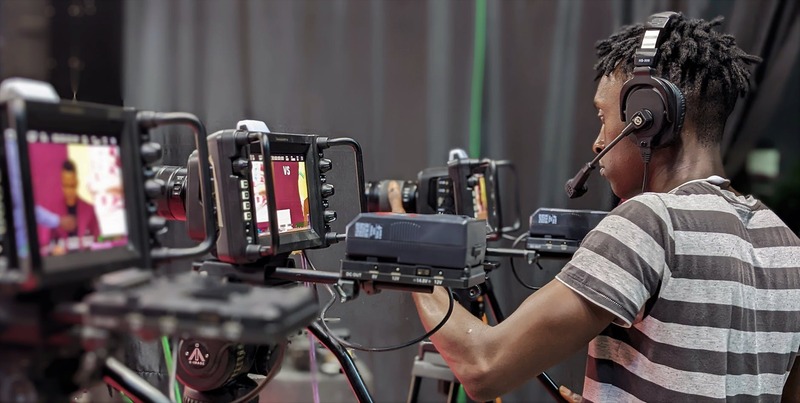
Factors to Consider When Choosing a Provider
- Experience and Portfolio: Review past projects similar in scale and scope to your event to gauge professionalism and technical quality.
- Technical Infrastructure: Ensure the provider utilizes up-to-date equipment and offers redundancy solutions for uninterrupted service.
- Customization Options: Check for flexibility in streaming formats, platform integrations, and interactive features.
- Location and Support: Opt for a provider with local presence or strong regional support capabilities to facilitate easier coordination.
- Reputation and Reviews: Seek testimonials or references to understand client satisfaction and service reliability.
- Pricing Structure: Clarify all costs involved, including setup, bandwidth, platform fees, and post-event services to avoid unexpected expenses.
Cost and Budgeting for Live Streaming Projects
Developing a comprehensive budget for live streaming projects involves evaluating multiple cost components. Equipment rental or purchase, platform licensing fees, technical staff, and on-site setup are among the critical expenses. Large-scale events may require advanced production kits, multiple camera feeds, and professional editing, which can significantly impact budget allocations. Conversely, smaller live streams utilizing basic setups can be more cost-effective yet still deliver high-quality results. It is essential to match your event's objectives with a service provider that offers scalable solutions to optimize budget utilization. Transparent pricing proposals should include all relevant fees, allowing accurate financial planning and ensuring resources align with expected outcomes.
Technical Requirements for Effective Streaming
Delivering a seamless live stream necessitates meticulous attention to technical specifications. Essential components include:
- High-Speed Internet Connection: An upload bandwidth of a minimum of 10 Mbps for HD streams, with backup options in place for redundancy.
- Quality Encoders: Hardware or software devices that compress video signals and facilitate reliable transmission.
- Multiple Camera Angles: Strategic placement of cameras capturing various perspectives, with switching capabilities for dynamic coverage.
- Optimized Lighting and Audio: Proper lighting setups and professional-grade microphones to ensure clear visuals and crisp sound.
- Power Backup Systems: Uninterruptible power supplies and backup generators to prevent disruptions during critical moments.
- Platform and Device Compatibility: Ensuring the stream functions effectively across devices and platforms, including desktops, tablets, and smartphones.
Benefits of Working with a Miami-Based Streaming Company
Choosing a live streaming services provider located in Miami offers numerous strategic advantages. Regional providers possess an intimate understanding of local venues, permitting a more tailored approach to logistics and setup. Their proximity allows for quicker response times, better on-site support, and streamlined coordination during high-profile events. Additionally, local providers often have established relationships with nearby venues, vendors, and technical specialists, simplifying the execution process. Working with a Miami-based company also facilitates personalized communication and planning, ensuring your objectives are clearly understood and met through tailored solutions. Access to regional expertise enables the delivery of highly professional broadcasts that resonate with local audiences or effectively reach international viewers through optimized regional infrastructure.