Understanding Livestream Video Production
Livestream video production has become an integral part of modern events, offering a dynamic way to share live experiences with a broad audience in real time. It involves the comprehensive process of capturing, transmitting, and broadcasting video content over the internet, making it accessible to viewers regardless of their geographic location. This method is heavily utilized across corporate events, concerts, conferences, sports competitions, and community gatherings, providing immediate engagement and interactive possibilities.
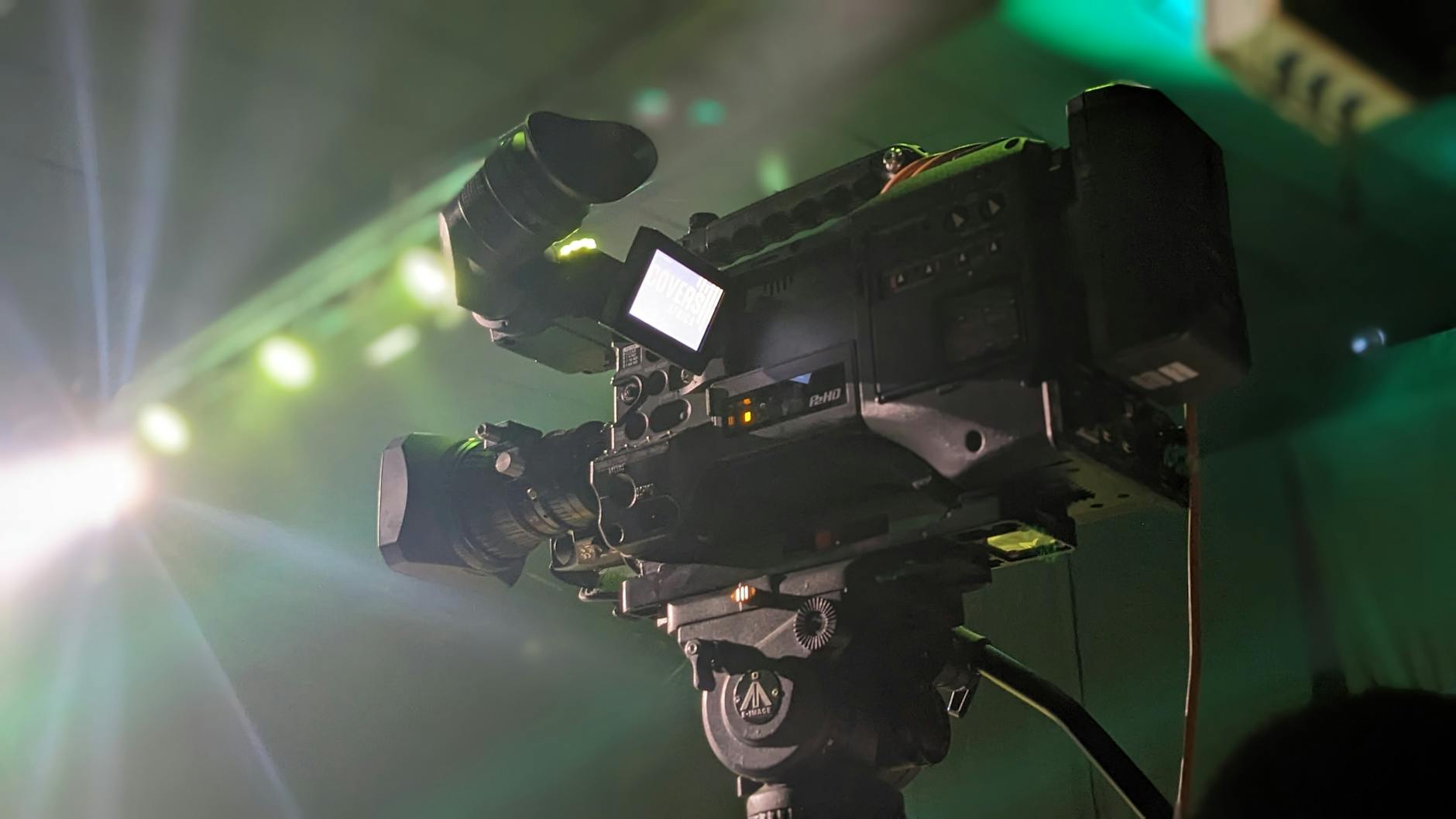
The core components of livestream video production include high-quality video capture, reliable internet transmission, real-time editing or switching, and live audio management. Each element must work seamlessly to deliver a professional and engaging viewer experience. The quality of the equipment, the stability of the internet connection, and the skills of the production team all contribute to the overall success of the livestream.
Understanding the production workflow begins with comprehensive planning and specification of event goals. From choosing the appropriate camera angles and managing audio feeds to integrating graphics and overlays, every detail must be carefully coordinated. A well-executed livestream not only captures the essence of the event but also enhances viewer engagement through interactive features such as live chat or Q&A sessions.
Fundamentally, livestream video production combines technical expertise with creative storytelling. It bridges the physical event with digital audiences, enabling real-time participation and expanding outreach. As technology continues to evolve, so too do the possibilities for more immersive and high-definition streaming experiences that can be tailored to meet even the most specific event needs.
Choosing the right tools and partners for livestream production is crucial. This includes selecting cameras, switchers, microphones, encoding devices, and stable internet providers that align with the scope and scale of your event. Professional teams often bring invaluable expertise in managing all technical aspects, ensuring a seamless broadcast from start to finish. In Miami, the demand for expert livestream video production is growing rapidly, driven by the desire for innovative event experiences and wider audience reach.
Essential Equipment and Technology
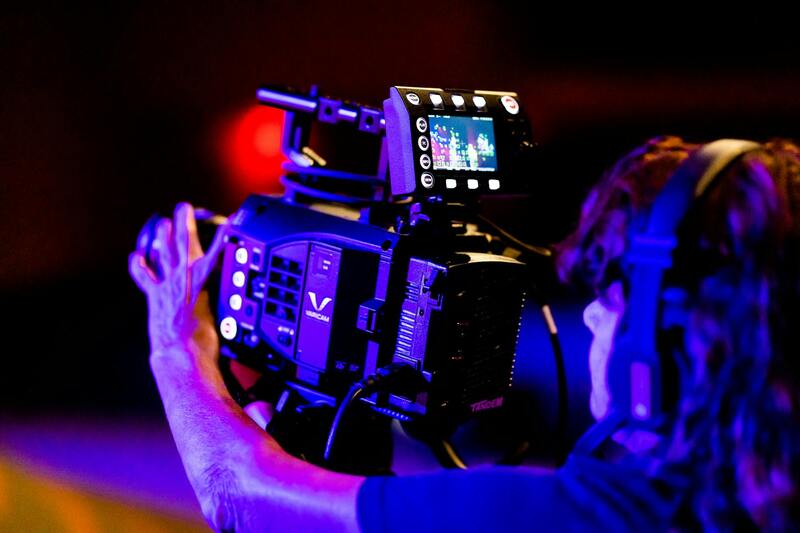
Achieving high-quality livestream video production relies heavily on deploying the right equipment and technology. The core components of any successful livestream set-up include professional-grade cameras, reliable audio systems, and efficient encoding hardware. Utilizing multiple cameras allows for dynamic shot angles, capturing the event comprehensively and engaging viewers visually. High-definition cameras with zoom capabilities and smooth pan features ensure clear, detailed visuals, essential for professional streaming. Audio quality plays a critical role in maintaining viewer attention. Omnidirectional microphones, lapel microphones, and mixers are commonly used to capture crisp, clear sound that complements the visual elements without distraction. Ensuring that audio feeds are synchronized seamlessly with video footage is vital for a cohesive viewing experience. Encoding hardware or software is responsible for converting onsite signals into digital streams compatible with online platforms. High-performance encoders facilitate real-time processing and stable broadcast transmission, preventing lag or buffering issues. A stable internet connection is fundamental. Professional livestreams depend on dedicated fiber or high-bandwidth internet services to support continuous data flow without interruptions. In many cases, backup internet solutions or bonded internet services are implemented to mitigate any potential connectivity issues. Additional technological tools include video switchers for seamless transitions, graphics overlays to brand the broadcast, and streaming platforms integration to reach audiences on multiple channels simultaneously. In Miami, service providers often incorporate advanced wireless transmitters and remote camera systems to extend flexibility and cover large venues or outdoor events effectively.
Pre-Production Planning and Setup
Meticulous pre-production planning forms the foundation for a successful livestream. This phase involves detailed coordination among event organizers, technical teams, and creative staff to define objectives, formulate a comprehensive script, and develop a shot list. Identifying key moments to capture, designing graphics and overlays, and selecting camera placements are crucial steps that require foresight and strategic thinking. Venue assessment is also vital to evaluate logistics, available infrastructure, and potential challenges. Technical rehearsals or dry runs are conducted to troubleshoot equipment, test internet stability, and practice camera transitions. These rehearsals are essential to fine-tune operations, ensure synchronization, and prepare the team for unforeseen circumstances. Creating an effective production timeline helps streamline tasks, assign roles, and establish contingency plans. Ensuring all equipment is tested, batteries are charged, and backup systems are in place minimizes the risk of technical difficulties during the live event. In Miami, many production teams also focus on integrating branding elements and interactive features during pre-production, aligning the broadcast with broader marketing or engagement strategies. This planning ensures a professional, engaging, and seamless livestream experience that resonates with the target audience.
Essential Equipment and Technology
Executing a high-quality livestream video production demands a comprehensive understanding of the equipment and technology involved. Professional-grade cameras are fundamental for capturing clear, vibrant visuals that engage viewers. These cameras often come with features like high-resolution capabilities, multiple lens options, and advanced image stabilization to ensure smooth footage even in dynamic environments. Complementing the cameras, high-quality video encoders are critical for compressing and transmitting video streams efficiently over the internet, minimizing latency and buffering issues.
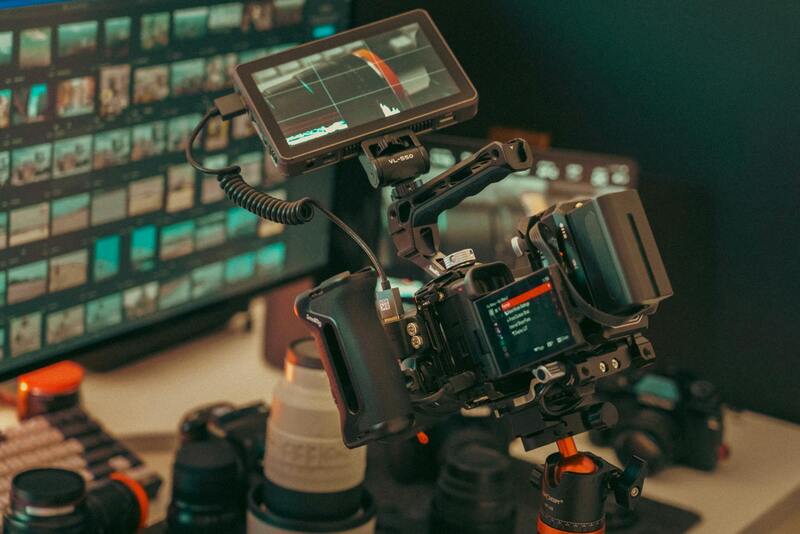
Lighting setup plays a vital role in ensuring that every visual element appears crisp and professional. Proper lighting rigs, including key, fill, and backlighting, help eliminate shadows and highlight key areas of the event. Additionally, professional audio equipment—such as lapel microphones, shotgun mics, and mixing consoles—ensures clear sound quality, which is crucial for viewer engagement. Without good audio, even the most visually appealing livestream can suffer from reduced clarity and viewer retention.
Software solutions underpin the entire production process, offering functionalities such as live switching between multiple camera feeds, adding graphics or overlays, managing transitions, and integrating chat or interactive features. These software tools enable real-time editing and control, ensuring the broadcast remains dynamic and engaging throughout.
It's also imperative to incorporate backup systems, including secondary servers, power supplies, and internet connections, to mitigate potential disruptions. Wireless microphones, mobile hotspots, and portable power banks are common standbys that contribute to a resilient setup that can adapt to varying event conditions.
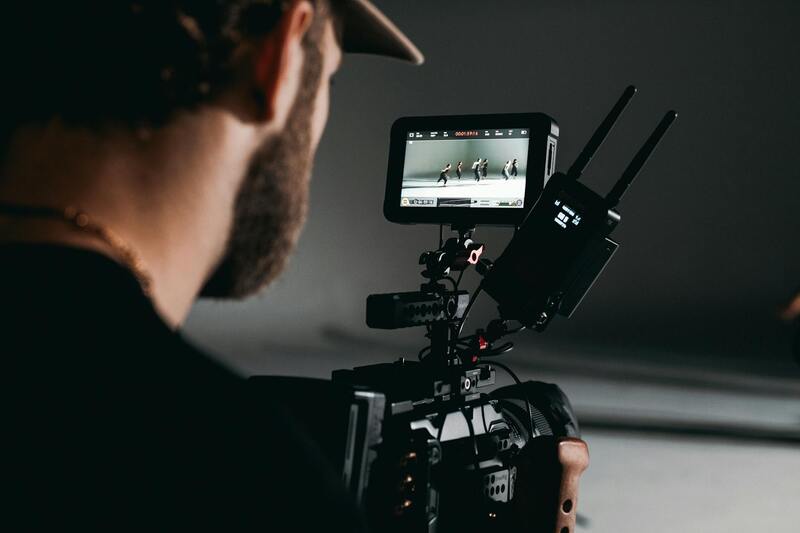
By integrating these essential hardware and software components into a cohesive setup, production teams can deliver stable, visually compelling, and audibly clear live streams that meet professional standards and satisfy audiences across Miami and beyond.
Implementation of Streaming Protocols and Platform Integration
Choosing the appropriate streaming protocols is critical to ensure smooth delivery of live content to viewers. Common streaming protocols like RTMP (Real-Time Messaging Protocol) enable reliable transmission of high-quality video streams from the production site to hosting servers. Once the stream reaches the server, it is often redistributed via content delivery networks (CDNs), which optimize streaming by distributing the content across multiple nodes, reducing latency and buffering issues.
Integrating with popular streaming platforms such as YouTube Live, Facebook Live, or custom RTSP (Real-Time Streaming Protocol) endpoints allows producers to reach wider audiences seamlessly. Proper API integration is essential for embedding streams into websites or mobile applications, enhancing accessibility for viewers. Ensuring compatibility across various devices and operating systems is also important for maximizing audience engagement.
Monitoring and Quality Control During Broadcasts
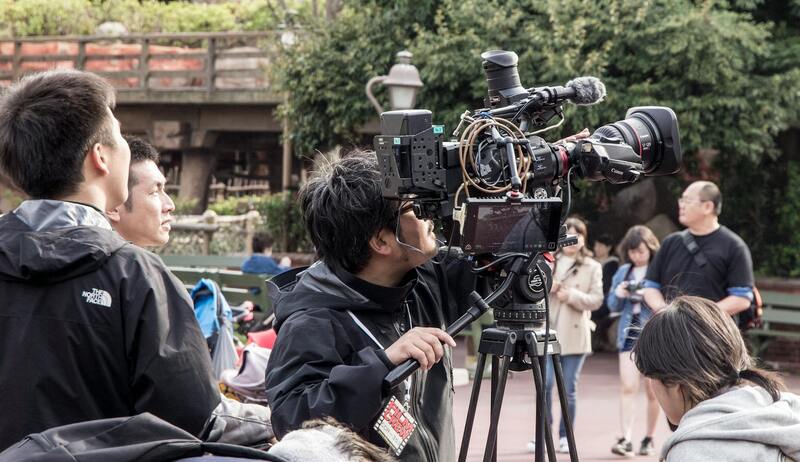
Active monitoring systems are integral to maintaining a high-quality livestream. These systems track video and audio quality metrics, bandwidth usage, and server performance in real time. By observing these parameters, production crews can promptly address issues such as signal degradation, audio disruptions, or latency spikes, minimizing viewer impact.
Advanced control rooms equipped with multi-view monitors display multiple camera feeds, chat interactions, and system statuses simultaneously. Utilizing software dashboards, technical operators can perform live adjustments, such as switching camera angles, adjusting audio levels, or overlaying graphics, ensuring a polished broadcast experience. Additionally, alerts and notifications help team members respond swiftly to any technical anomalies.
Incorporating Interactive Features to Enhance Viewer Engagement
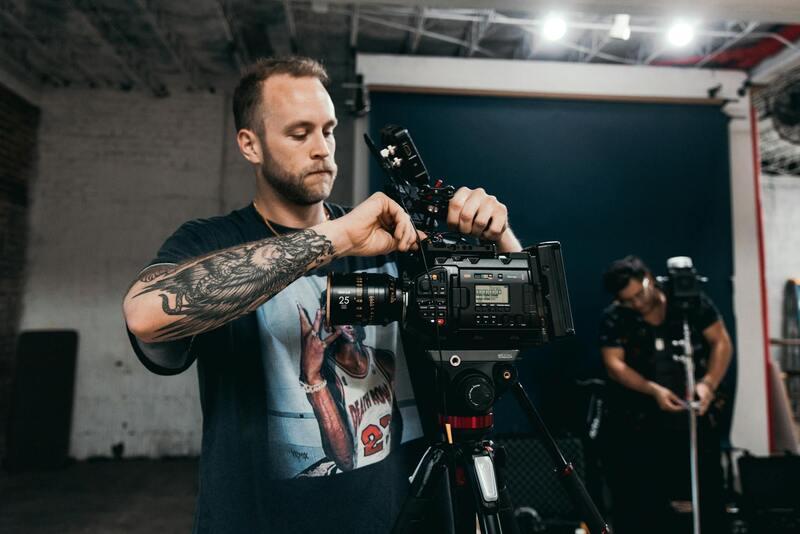
Interactive elements significantly boost audience participation and satisfaction. Features such as live chat, polls, Q&A sessions, and real-time reactions create a more engaged viewer experience. These interactions can be integrated directly into the streaming platform or through third-party solutions that synchronize with the broadcast.
Innovative producers may also incorporate augmented reality (AR) overlays, interactive graphics, and clickable calls-to-action (CTAs) to promote engagement. For instance, during a Miami-based event, viewers might be prompted to vote for their favorite performance or submit questions to speakers in real time. Proper moderation and technical support are essential to manage these interactions smoothly without disrupting the flow of the broadcast.
Understanding Livestream Video Production
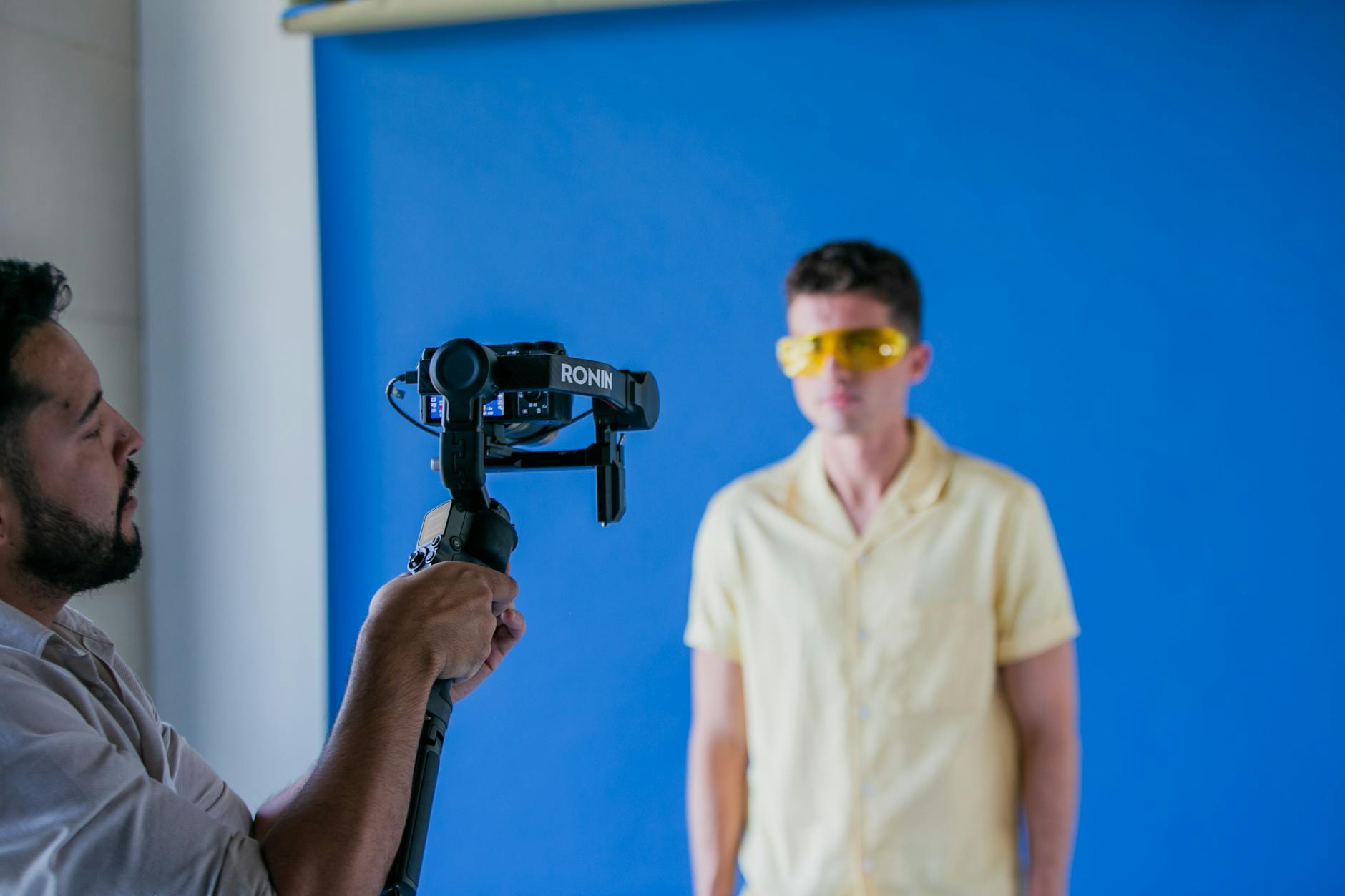
Livestream video production has become an integral component of modern event broadcasting, combining technical expertise with artistic finesse to deliver high-quality digital content in real time. It involves a comprehensive process that includes planning, equipment setup, live transmission, and post-event analysis. Precision during each stage ensures that viewers receive a seamless, engaging experience regardless of their location. In essence, professional livestream production is about transforming an on-site event into an accessible, visually compelling digital broadcast that captures the event's energy and essence.
Key Features of Livestream Video Production
- Multiple Camera Angles: Utilizing various cameras allows for dynamic coverage, highlighting important moments from different perspectives.
- High-Quality Audio: Clear, well-balanced sound contributes significantly to viewer engagement, often involving professional microphones and sound mixing.
- Real-Time Graphics: Overlaying graphics, titles, and animations enhances visual appeal and provides additional context.
- Stable Streaming Infrastructure: Reliable broadband connections paired with advanced encoders guarantee minimal disruptions and consistent video quality.
- Viewer Interaction: Incorporating live chats, polls, and questions fosters a two-way communication channel, making viewers active participants rather than passive spectators.
Technical Aspects and Industry Standards
To ensure a professional broadcast, certain technical standards and practices are essential. These include high-definition video standards such as 1080p or 4K, adaptive bitrate streaming to accommodate bandwidth fluctuations, and encoding protocols like H.264 or H.265 for efficient compression. Employing multiview monitoring systems allows operators to oversee various feeds concurrently, facilitating quick decision-making. Additionally, synchronization of audio and video streams is critical to eliminating latency and ensuring a synchronized experience for viewers across different devices and platforms.
Considerations for Effective Livestream Video Production
- Content Planning: Defining the event's objectives ensures the production aligns with desired outcomes, whether promotional, informational, or entertainment-oriented.
- Audience Engagement Strategies: Integrating interactive features and call-to-action prompts can significantly increase viewer retention and participation.
- Technical Rehearsals: Conducting pre-event test runs identifies potential issues, optimizes camera placements, and fine-tunes audio levels to prevent on-the-fly disruptions.
- Backup Plans: Establishing contingency procedures for technical failures safeguards the broadcast integrity, including backup internet connections and spare equipment.
- Legal and Ethical Compliance: Ensuring all content respects copyright, privacy rights, and platform policies maintains the broadcast's integrity and avoids potential issues.
Optimizing the Production Workflow with Reliable Software Solutions
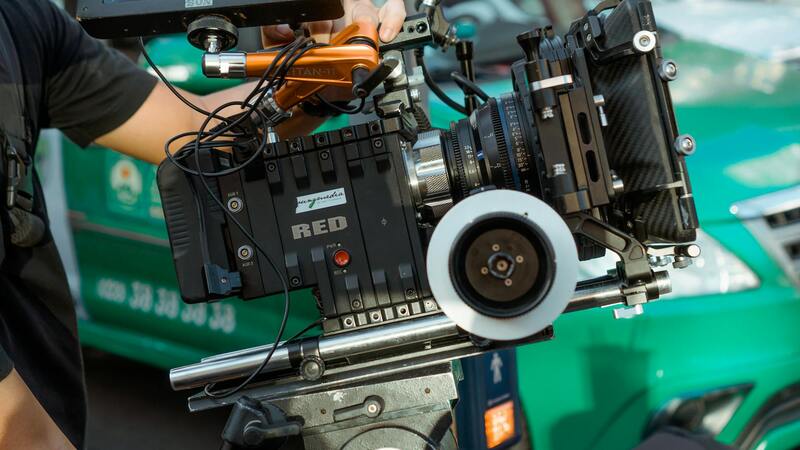
Choosing appropriate software tools is paramount for seamless livestream video production. Modern streaming platforms require a robust encoder that supports high-quality video and audio input, with features that allow for real-time adjustments during the broadcast. For instance, software like OBS Studio, vMix, or Wirecast enables producers to switch between multiple camera feeds, overlay graphics, add lower thirds, and incorporate pre-recorded content smoothly. These programs also facilitate layering multiple audio sources, adjusting levels on the fly, and synchronizing visual elements, which enhances the professionalism of the broadcast.

In addition to production software, a dependable streaming platform or CDN (Content Delivery Network) ensures the broadcast reaches viewers without interruption. The selected platform should support adaptive bitrate streaming, allowing the quality to dynamically adjust based on viewers' internet speeds. Integration with popular social media channels enables multi-platform distribution, maximizing viewer reach. The combination of powerful software and a reliable CDN forms the backbone of a professional livestream setup, ensuring a smooth, high-quality broadcast from start to finish.
Implementing Effective Audio Management for Livestreams
High-quality audio is integral to viewer engagement and overall broadcast clarity. During production, employing multiple microphones—such as lavalier, shotgun, and ambient mics—captures different sound sources accurately. An audio mixer allows for real-time balancing, equalization, and noise suppression, which prevent distracting fluctuations or background noise from detracting from the content. Wireless microphones can offer mobility for speakers and performers while maintaining sound integrity. Additionally, using a dedicated audio interface guarantees minimal latency and pristine sound transfer into the streaming platform.
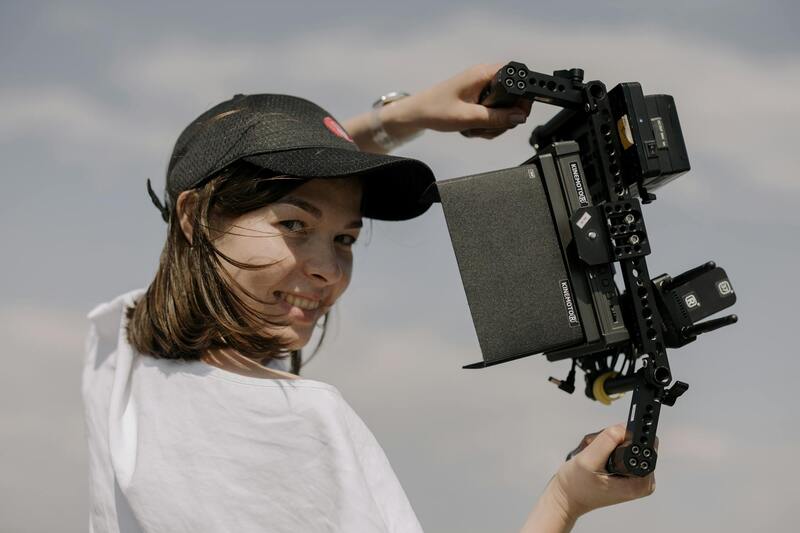
Implementing audio monitoring—using headphones and visual audio meters—helps production teams identify and rectify issues instantly. Proper audio management not only enhances the viewer experience but also minimizes post-production editing needs. For live events of any scale, investing in advanced audio solutions and employing skilled audio technicians significantly contributes to the overall success of the livestream.
Ensuring Lighting and Set Design Complement Live Broadcast Quality
Effective lighting setup plays a decisive role in visual quality, creating a professional appearance that captivates viewers. Proper illumination avoids harsh shadows and glare, ensuring that subjects are well-lit and visually appealing on camera. Soft, diffused light sources are preferable for a balanced look, while color temperature should match the event's tone. Using LED panels with adjustable brightness and color settings allows for dynamic control that adapts to location and mood requirements.
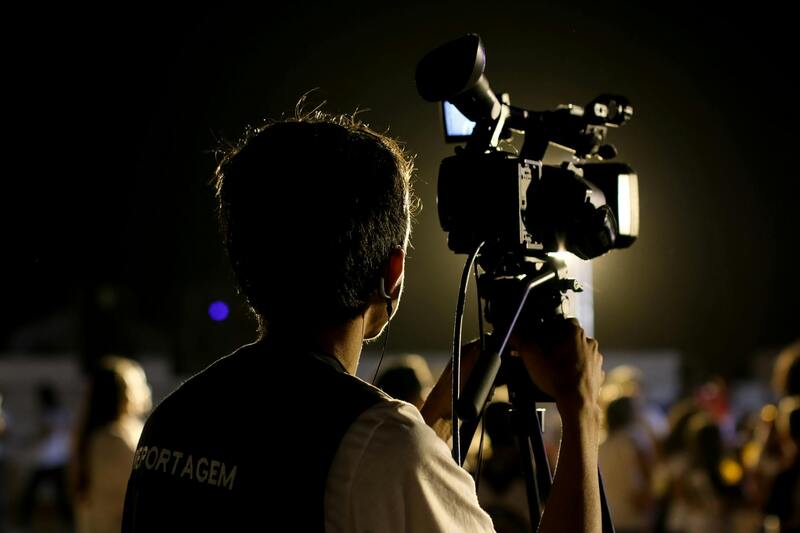
Set design and backdrop selection also impact the overall professionalism of a livestream. Clutter-free backgrounds, branded elements, and consistent framing contribute to a polished presentation. For larger venues or studio setups, employing green screens can introduce versatile virtual backgrounds, enhancing branding opportunities and visual interest. Integrating these elements cohesively ensures the visual appeal aligns with the event's objectives, making the stream more engaging and memorable for viewers.
Understanding Livestream Video Production
Livestream video production involves the comprehensive process of planning, creating, broadcasting, and managing live video content over digital platforms. It requires a blend of technical expertise, creative input, and logistical coordination to deliver seamless, high-quality streams. Successful livestreams depend on meticulous pre-event planning, efficient on-site operation, and effective post-event distribution. This process ensures that the content reaches audiences in real-time with minimal technical disruptions, providing an engaging and professional viewer experience.
Key Components of Livestream Video Production
- Content Development: Designing the program flow, scripting, and visual elements tailored to the target audience.
- Technical Setup: Deploying the required hardware, software, and network infrastructure to facilitate live transmission.
- On-Site Production: Managing cameras, lighting, audio, switching, and streaming equipment during the event.
- Quality Control: Monitoring video and audio signals, resolving issues promptly to maintain broadcast integrity.
- Distribution: Choosing appropriate platforms and strategies for maximum outreach and engagement.
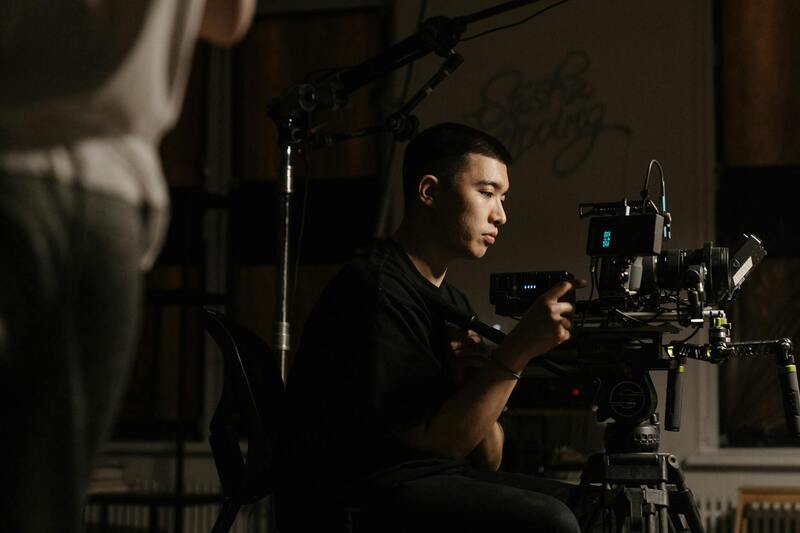
Technical Foundations of Livestreaming
Successful livestream video production relies heavily on robust technical foundations. These include reliable internet connections with sufficient bandwidth to handle high-definition video streams without interruptions. Encoders are essential for converting raw video signals into digital formats suitable for online transmission, with hardware or software options depending on production scale. Multiple camera angles and professional audio equipment contribute to a dynamic viewing experience. Additionally, modern streaming platforms integrate real-time analytics and chat features, fostering audience interaction and engagement during the broadcast.
Understanding Network and Signal Management
Stable network management is crucial in livestream video production as any interruption can compromise the quality of the broadcast. Redundant internet sources or wired connections are preferred to wireless networks susceptible to interference. Signal management involves selecting appropriate datacards, switches, and transmission protocols to ensure continuous, high-quality delivery. Properly configured networking equipment enables the seamless relay of audio-visual feeds from multiple sources, maintaining broadcast continuity and reliability.
Video Switching and Graphics Integration
Video switchers allow operators to transition between multiple camera feeds, create picture-in-picture layouts, and introduce overlays like titles or branding graphics. Integration of graphics and overlays enhances visual appeal and info dissemination, keeping viewers engaged and informed throughout the event. Live graphics can include real-time score updates, sponsor acknowledgments, or event-specific thematic elements. Skilled operators manage these elements to synchronize camera shots, graphics, and audio, creating a cohesive viewing experience that aligns with professional broadcast standards.
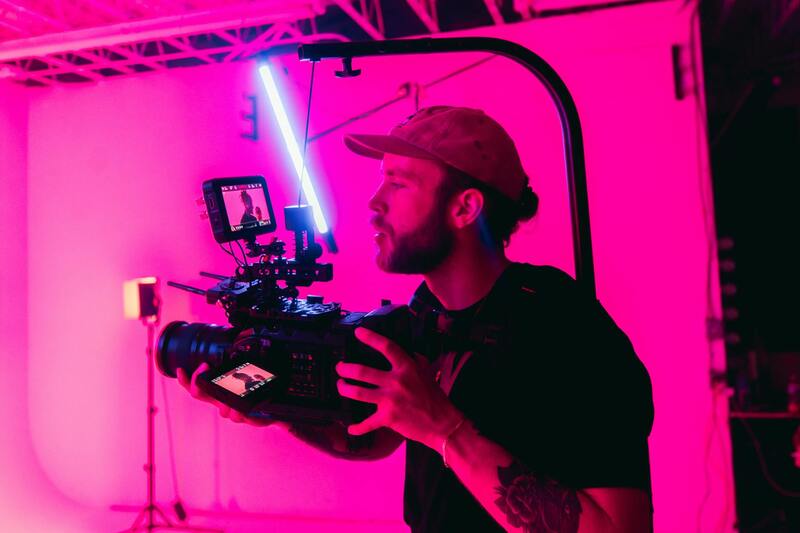
Employing Skilled Technical Staff
Expertise in livestream video production extends beyond equipment operation. Skilled technicians and directors are responsible for real-time decision-making, troubleshooting, and shot composition. They monitor live feeds and technical parameters to ensure that the broadcast remains smooth despite unexpected challenges. Adequate staffing levels allow for comprehensive coverage, with roles allocated for camera operators, audio engineers, technical directors, and network specialists, each bringing specialized knowledge to uphold broadcast excellence.
Incorporating Interactive Elements
To elevate engagement, many livestream productions incorporate interactive elements such as live polls, Q&A sessions, and social media integration. These features enable real-time audience participation, heightening viewer investment and fostering community around the event. Implementing these elements requires synchronized scheduling and technical coordination to ensure that interactions are displayed seamlessly within the broadcast, enhancing the overall quality and interactivity of the livestream.
Advanced Techniques in Livestream Video Production
As the demand for high-quality livestreams continues to rise, the integration of sophisticated techniques and innovative solutions becomes essential in delivering engaging and seamless broadcasts. Utilizing multi-camera setups, dynamic switching, and real-time graphics enhances viewer experience, making live events feel immersive and professional. Employing redundancy systems ensures broadcast stability even in the face of technical issues, safeguarding the continuity of the stream. For instance, backup internet connections and power sources are crucial components that prevent interruptions, especially during critical moments.
Further, the adoption of 4K broadcasting capabilities allows event organizers to deliver ultra-high-definition streams, catering to viewers with large screens and advanced viewing setups. Layered audio mixes, including live ambient sounds, commentary, and music, add depth to the broadcast, creating a rich sensory experience.
Modern livestream production also leverages cloud-based workflows for remote collaboration and editing. This approach facilitates real-time adjustments, transcoding, and multi-platform distribution without the constraints of physical proximity. Moreover, advanced encoding software optimizes video fidelity while balancing bandwidth consumption, ensuring consistent quality across different viewer connections.
Integrating interactive technologies such as augmented reality (AR) overlays, real-time polls, and chat moderation tools fosters engagement and makes viewers feel part of the event. These elements require precise synchronization and technical expertise to implement effectively during the live broadcast.