Understanding Live Video Stream Production
Live video stream production has become an integral element for modern digital communication, enabling organizations and content creators to reach audiences in real-time. It involves the comprehensive process of broadcasting live video content over the internet, facilitating immediate interaction and engagement with viewers regardless of geographical boundaries. This method of content delivery is especially vital for corporate events, product launches, concerts, webinars, and social media campaigns, where immediacy enhances viewer involvement and brand impact.
At its core, live video stream production encompasses several fundamental components. The first is meticulous planning, which ensures that the content aligns with the target audience's interests and the overarching goals of the broadcast. Following this, the production phase involves capturing high-quality video and audio using professional equipment, which is critical for maintaining viewer attention and delivering a polished final product.
One of the main advantages of live streaming is the ability to create authentic and interactive experiences. It requires careful coordination among various technical elements, including cameras, microphones, mixing consoles, and encoding hardware or software. These elements work together to deliver a seamless viewing experience that can be further enhanced through strategic use of graphics, overlays, and live chat features.
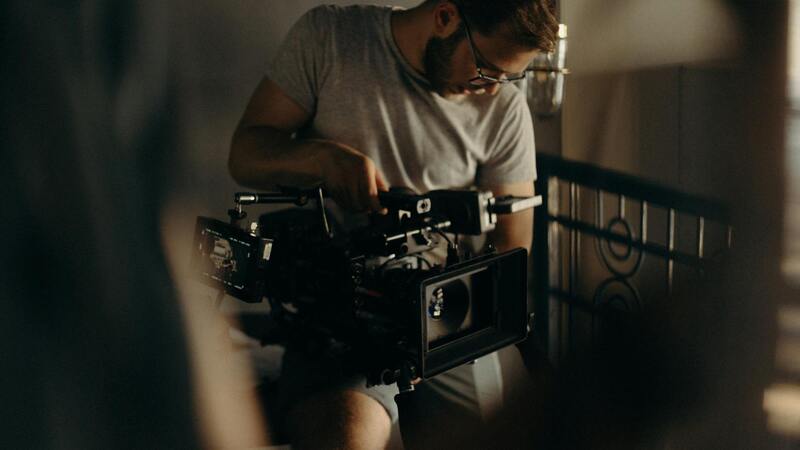
Given its importance in today’s digital landscape, mastering the key elements of live video stream production ensures your broadcasts are visually compelling, technically sound, and capable of fostering meaningful viewer interactions. Whether for business communications, entertainment, or community engagement, a well-executed live stream can significantly enhance visibility and audience loyalty.
Understanding Live Video Stream Production
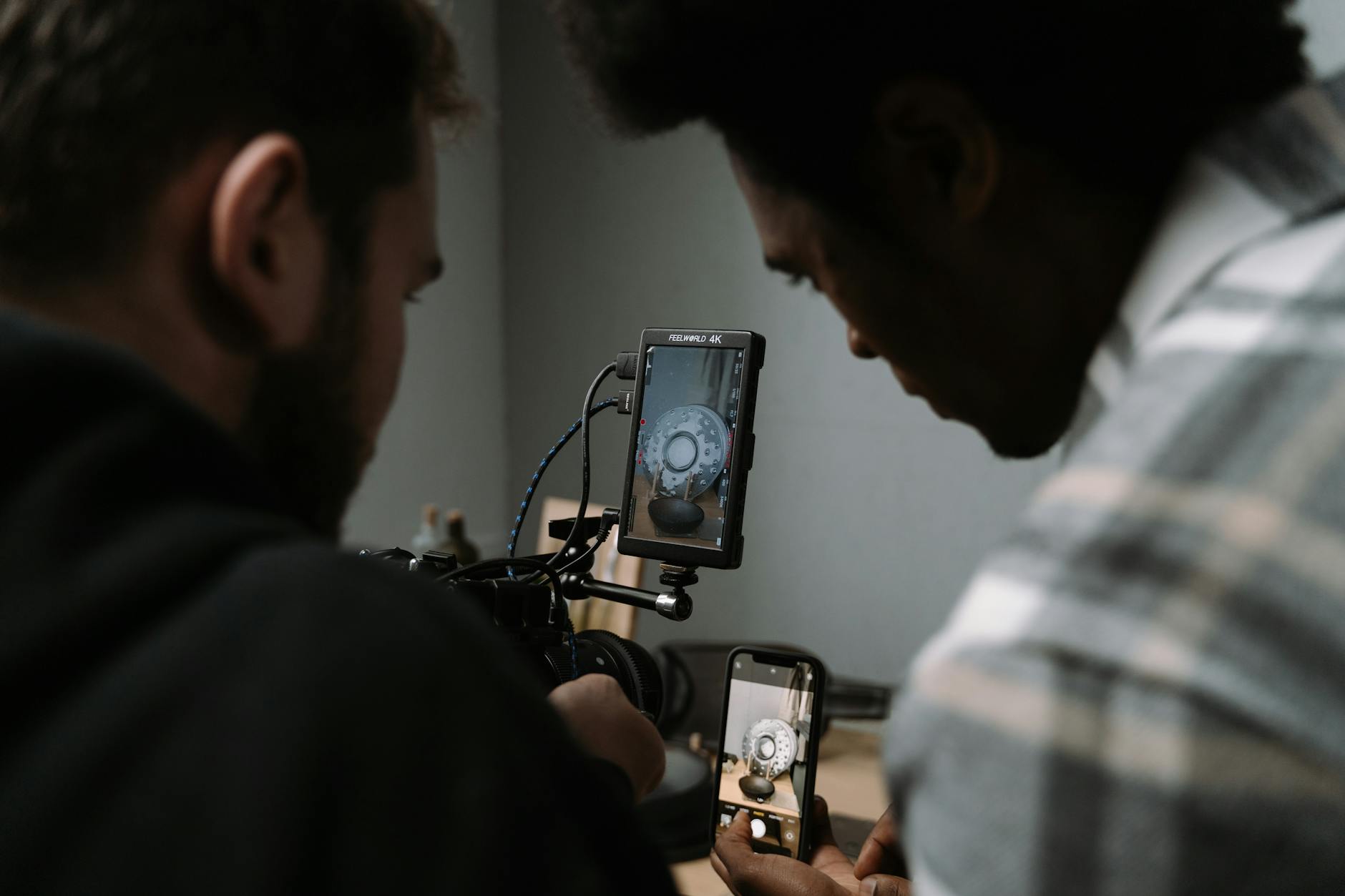
Effective live video stream production relies heavily on the integration of several key technical components that work harmoniously to deliver a seamless viewing experience. Central to this process is the proper setup and calibration of professional-grade cameras, which capture high-definition video with clarity and stability. These cameras are typically supported by tripods or stabilization rigs to prevent shakes and ensure a smooth viewing picture. Complementing video capture are high-quality microphones and audio mixing equipment, which are essential for clear sound capture, especially in environments with background noise or multiple audio sources.
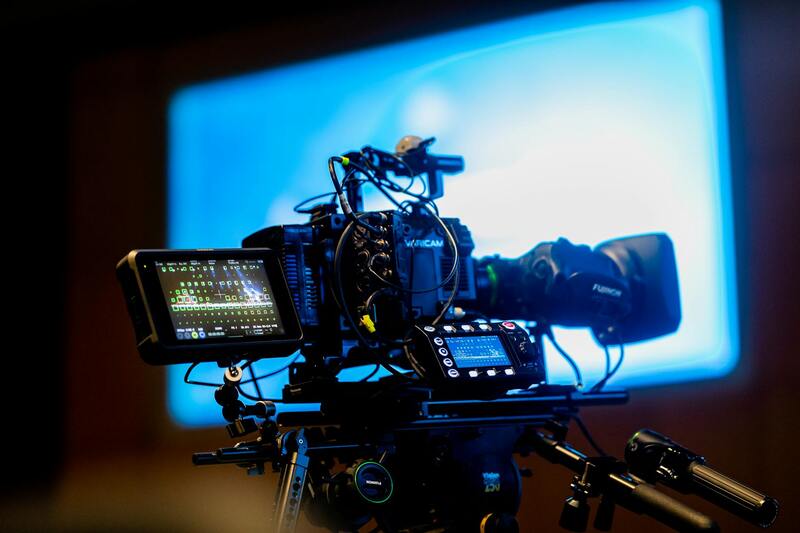
Another crucial element involves encoding hardware or software, responsible for compressing raw video and audio signals into a format suitable for online streaming. This encoder ensures the streamed content maintains optimal resolution and fidelity while minimizing latency and buffering issues. Additionally, reliable internet connectivity is paramount; a wired Ethernet connection is preferred over Wi-Fi for its stability, bandwidth, and lower latency, making sure that the stream remains uninterrupted during live broadcast sessions.
Complementing the core production hardware are critical support systems like lighting setups, teleprompters, and backup power sources. Proper lighting enhances image quality and visibility, especially in dim or unevenly lit environments, while teleprompters assist presenters in maintaining eye contact with the camera, fostering a more engaging connection with viewers. Backup power units, such as uninterruptible power supplies (UPS), safeguard against unexpected outages, preserving the flow of content without interruptions.
Managing these technical elements requires experienced personnel skilled in both the operation of production equipment and the coordination of behind-the-scenes processes. Technical directors, camera operators, and sound engineers work collaboratively to troubleshoot issues in real time and adjust settings on the fly, ensuring the stream maintains its professional quality and adheres to planned schedules. Furthermore, the use of mixing consoles and graphics overlays allows producers to enhance visual engagement, display real-time information, and incorporate branding elements aligned with the event’s objectives.
The integration of these tools and technologies must be meticulously planned and tested prior to the live event to prevent mishaps and technical failures. Equipment calibration, network checks, and dry runs are integral steps that streamline the execution phase, providing a foundation for a successful live stream that engages viewers and reflects the desired production standards.
In summary, mastering the technical foundation of live video stream production is essential for delivering high-quality content that captivates audiences. This comprehensive setup not only forms the visual and auditory backbone of the broadcast but also facilitates interactive and dynamic viewer experiences through real-time graphics, chat features, and strategic camera work.
Advanced Techniques and Workflow Management in Live Video Stream Production
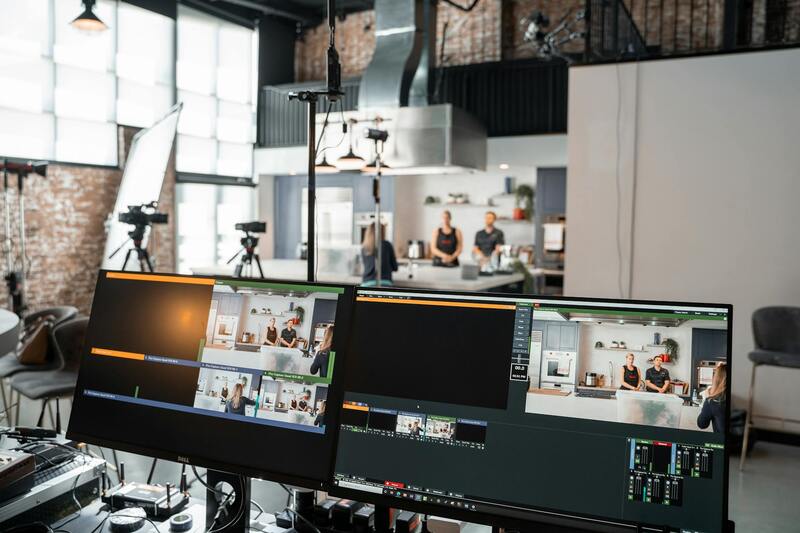
Executing a live video stream demands meticulous coordination across various technical and creative components. The workflow management process integrates pre-production planning, live operational protocols, and post-production review to ensure a seamless broadcast. Experienced production teams leverage robust control room setups, where multiview monitors facilitate real-time oversight of multiple camera feeds, graphics, and audio sources. This centralized control enhances the ability to make swift decisions, switch shots smoothly, and manage overlays effectively, maintaining engagement and professional quality throughout the broadcast.

Stream Management and Real-Time Content Control
Effective stream management relies on advanced hardware and software solutions that provide real-time control over various production elements. Video switchers enable seamless transitions between camera angles and pre-recorded content, while audio mixers ensure clear sound quality by balancing multiple sources. Overlay graphics, including branding elements, lower thirds, and event information, can be dynamically inserted using specialized control software, enhancing visual interest and conveying crucial information with minimal delay.
Some productions incorporate instant replay systems for sports or dynamic event segments, bringing a professional sports broadcast flair to the live experience. Moreover, integrating chat moderation tools and viewer interaction features can foster a more engaging environment, allowing real-time feedback to shape the ongoing broadcast and respond to audience interests effectively.
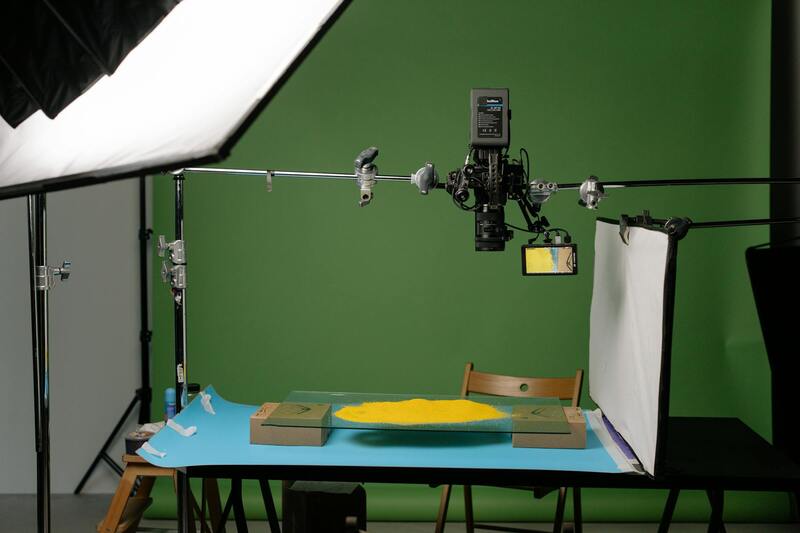
Technical Support and Troubleshooting During Broadcasts
Despite rigorous preparations, live streams may encounter unforeseen issues, such as connectivity interruptions, equipment malfunctions, or audio-visual discrepancies. Deployment of dedicated technical support personnel is critical for rapid troubleshooting. Continual network monitoring ensures stable streaming speeds and minimal buffering, while redundant hardware configurations can mitigate the impact of component failure. The ability to swiftly switch to backup feeds or alternative streaming servers is essential to maintain broadcast continuity.
Preparation for unexpected events includes rehearsals that emulate potential issues, establishing clear escalation procedures, and maintaining comprehensive checklists for all equipment and network parameters. The goal is to minimize disruptions and uphold the integrity of the broadcast, delivering a consistent experience for viewers and preserving the professional image of the production.
Executing Live Video Production
Successfully executing a live video stream involves meticulous coordination of multiple technical and creative elements to ensure a smooth and engaging viewing experience. Once all pre-production preparations, including equipment setup and testing, are complete, the focus shifts to real-time management of the broadcast environment. This phase demands sharp attention to detail from the production crew, who are responsible for managing video sources, audio feeds, graphics, and interactive components seamlessly.
During the live event, a dedicated director orchestrates the visual narrative by switching between cameras, overlaying graphics, and managing audio levels to maintain professional-quality delivery. Effective communication among the crew is facilitated through intercom systems, allowing for prompt adjustments in response to unexpected circumstances or technical issues. The director's ability to adapt quickly to unfolding event dynamics—such as changing camera angles or adding real-time commentary—directly influences viewer engagement and broadcast success.
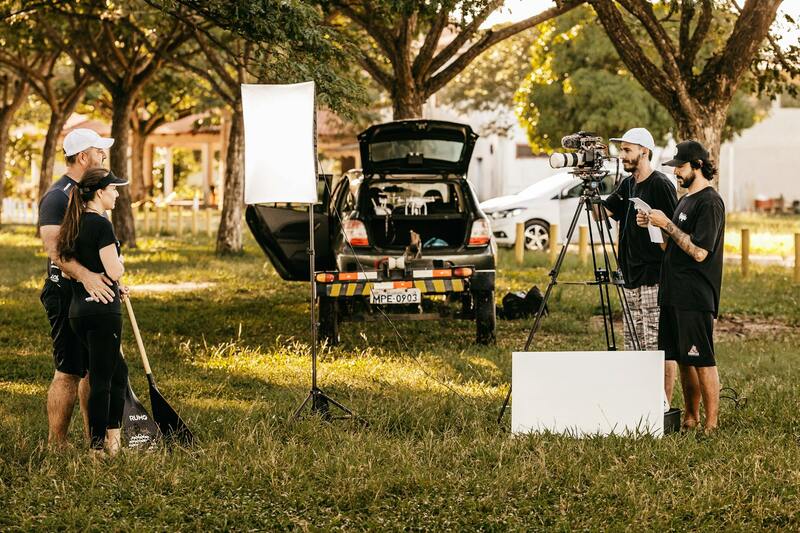
Technical oversight extends to the continuous monitoring of live feeds for potential glitches, audio discrepancies, or video lag. Utilize software tools that provide real-time analytics and alerts to swiftly identify issues and deploy corrective measures. For example, if a specific camera feed suddenly drops or shows inconsistency, switching to backup footage or alternative sources minimizes disruption. Additionally, maintaining a well-scripted run of show helps keep the event on track and ensures critical moments are highlighted effectively.
Interactions with viewers can be managed through integrated live chat or social media feeds, providing opportunities for immediate feedback and engagement. Moderators or hosts can address questions or comments in real time, enhancing audience participation and making the broadcast more dynamic. Incorporating viewer questions or reactions into the live presentation can foster a sense of community and elevate the overall production quality.
Reliability and professionalism in live video production hinge on rigorous backup plans and proactive troubleshooting. Regularly updating software, maintaining hardware, and practicing contingency protocols contribute to uninterrupted streaming. The ability to swiftly troubleshoot connectivity issues, replace faulty equipment, or adjust settings ensures the broadcast remains consistent and professional. What’s critical is the production team’s preparedness to handle unforeseen challenges efficiently, preserving the viewer experience regardless of technical hiccups.
Adapting to the event’s flow requires experienced personnel capable of managing multiple responsibilities simultaneously—ranging from technical operations to content moderation. In high-profile or complex productions, deploying additional technical support and communication channels becomes vital. A cohesive, well-trained crew not only responds effectively to issues but also anticipates potential problems before they escalate, ensuring the broadcast’s success from start to finish.
Executing Live Video Production
Delivering a seamless live video stream requires meticulous execution of several critical operational aspects that work in tandem during the broadcast. Central to this process are camera operations, which must be managed with precision to capture the event from optimal angles while maintaining consistency in framing and focus. Skilled camera operators dynamically switch between different camera feeds, providing viewers with varied perspectives that enhance engagement and visual interest. Transition effects and smooth switching techniques contribute to a professional look, minimizing disruptions in the viewer experience.
Audio management is equally vital. Clear, balanced sound ensures that dialogue, music, and ambient noises are transmitted without distortion or imbalance. Audio engineers monitor levels continuously, adjusting microphone sensitivities, applying equalization, and managing background noise to achieve pristine sound quality. Proper synchronization between audio and video feeds is fundamental; any lag or mismatch can detract from the overall production quality and viewer immersion.
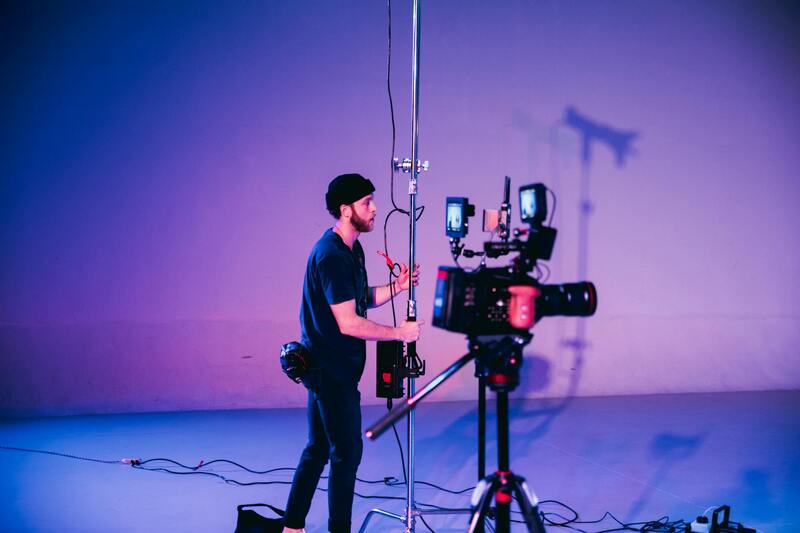
Another crucial component involves the integration of graphical overlays, lower thirds, and real-time data updates. These visual elements are often used to display speaker names, event schedules, social media interactions, or live statistics, enriching the content and providing valuable context. Skilled graphics operators or software tools facilitate these overlays, ensuring they are synchronized with the ongoing broadcast.
Managing live issues promptly is essential for maintaining professionalism. Technical glitches such as dropped feeds, audio interference, or hardware malfunctions can undermine the broadcast if not addressed swiftly. Real-time troubleshooting protocols include having backup equipment ready, implementing redundant internet connections, and maintaining a dedicated technical support team that can respond to issues immediately. This proactive approach minimizes downtime and preserves the viewer experience.
The coordination of these elements is underpinned by a well-prepared production crew. Communication channels among team members need to be clear and efficient, often facilitated through headsets or communication software. The director or producer oversees the entire operation, making real-time decisions to switch camera views, adjust audio levels, or introduce graphics in response to unfolding events. A disciplined and experienced team ensures the live stream remains engaging, professional, and free from technical disruptions.
Executing Live Video Production
To ensure a seamless live video stream, a meticulous approach to execution is essential. This phase involves real-time management of all technical aspects, coordination of crew members, and adaptation to unfolding events during the broadcast. Precise timing of camera switches, audio levels, and graphic overlays requires a well-rehearsed plan and experienced personnel operating the production equipment.
During the live broadcast, constant communication among the production team fosters swift resolution of any unforeseen issues. A dedicated director or producer oversees the show, making real-time decisions on framing, switching angles, and introducing visual effects to enhance storytelling. Utilizing hardware switchers or live production software, the team can effortlessly transition between multiple camera feeds, incorporate pre-designed graphics, and overlay live data to maintain viewer engagement.
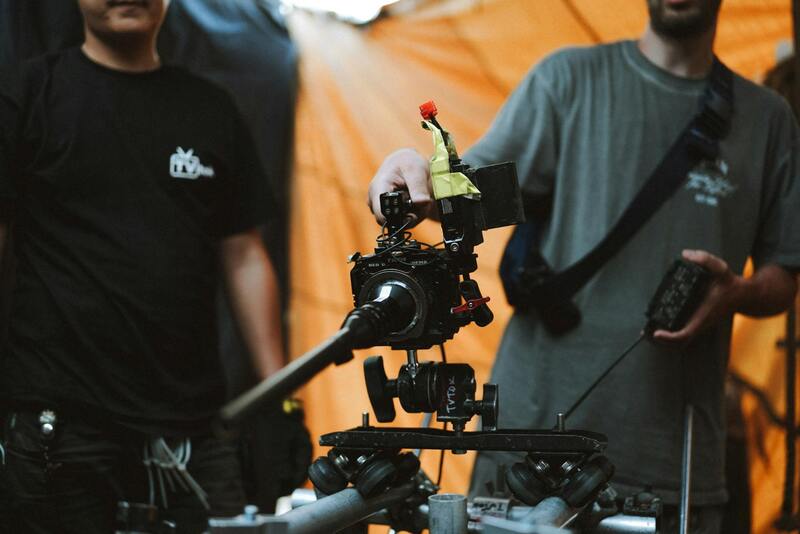
Contingency plans are crucial in live production to counteract potential disruptions. Common issues such as audio dropouts, video lag, or hardware failures are addressed by having backup devices and redundant internet connections readily available. Dedicated troubleshooting personnel monitor the stream continuously, prepared to intervene swiftly should any technical anomaly arise. This proactive stance minimizes transmission interruptions and safeguards broadcast continuity.
Real-Time Monitoring and Quality Control
- Video and Audio Quality: Maintaining sharp visuals and clear sound across different devices and internet speeds.
- Synchronization: Ensuring lip sync and timing accuracy between audio, video, and graphics.
- Audience Engagement: Monitoring chat interactions and feedback to adapt content dynamically.
- Technical Troubleshooting: Promptly resolving issues with hardware or connective problems.
Successful live video production demands a disciplined, well-trained crew capable of functioning cohesively under pressure. Clear communication channels, often supported by headsets or instant messaging tools, enable rapid response to any evolving scenario. The role of each team member—from camera operators to technical support—is critical in maintaining a professional viewing experience.
Understanding Live Video Stream Production
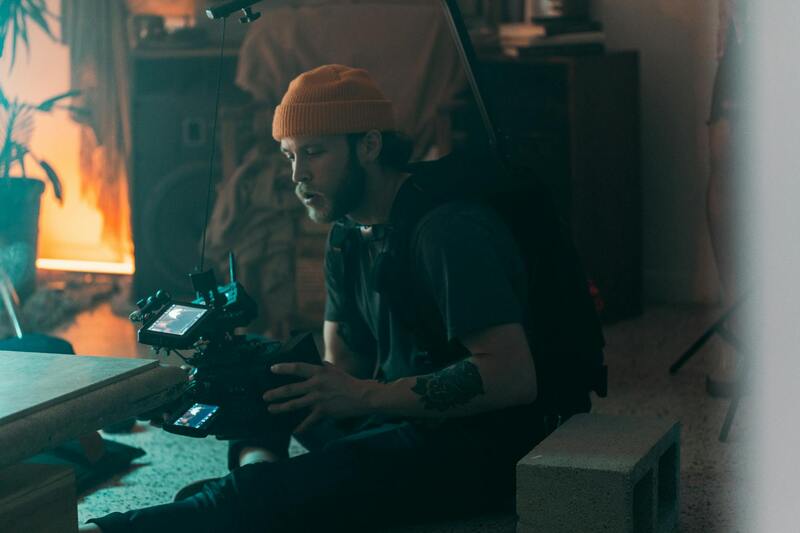
Executing a high-quality live video stream requires meticulous attention to each phase of production, from initial planning to post-broadcast analysis. It involves a synergy of technical expertise, strategic planning, and real-time adjustments to deliver content seamlessly to viewers.
Pre-Production Planning for Live Video Streams
Effective pre-production begins with a clear understanding of the target audience and streaming objectives. This involves selecting the appropriate format, determining the optimal broadcast schedule, and designing engaging content that resonates with viewers. Detailed planning also includes creating a comprehensive storyboard or script, identifying key moments and transitions, and establishing roles and responsibilities for the production team.
- Developing a detailed production schedule that accounts for setup, rehearsals, and contingency plans.
- Securing necessary permits or permissions for location shoots, if applicable.
- Testing all equipment beforehand to identify potential issues and ensure smooth operation during the live event.
- Coordinating with hosts, speakers, or performers to align on content delivery and cues.
Technical Preparation and Equipment Selection
The foundation of a successful live stream is quality equipment. Selecting suitable cameras, encoders, microphones, and an internet connection capable of handling high data throughput guarantees minimal interruptions and high-quality output. Backup devices should also be integrated into the setup to mitigate potential hardware failures.
Establishing a Robust Setup for Live Streaming
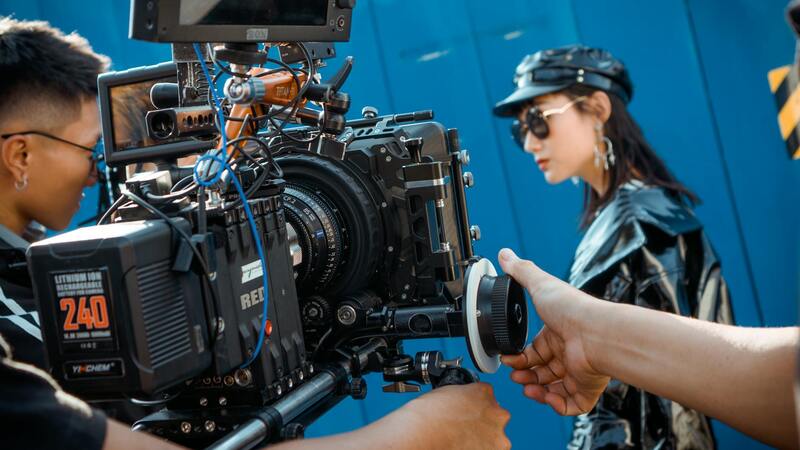
Setting up for live video production involves configuring cameras, lighting, and audio systems to optimize visual and sound quality. Internet connectivity remains a critical factor; leveraging wired connections or bonded internet solutions ensures stable bandwidth. A dedicated control room or production hub often manages switching between camera feeds, overlays, and real-time graphics, enabling a dynamic viewing experience.
Real-Time Production Execution and Management
During the live event, the production team monitors video feeds, audio levels, and streaming quality constantly. Using professional switchers, operators can seamlessly transition between different camera angles or incorporate graphics and overlays. Continuous communication among team members—via headsets or instant messaging—is vital for prompt issue resolution and content adjustments. Operators managing live video feeds and graphics must work cohesively to maintain a polished broadcast, while troubleshooting personnel stay alert for identifying and resolving technical anomalies as they arise.
Post-Stream Follow-Up and Data Utilization
After the live event concludes, the focus shifts to analyzing viewership metrics and feedback. Recorded streams are edited to create content for on-demand viewing, extending audience reach beyond the live event. Engagement metrics help evaluate viewer retention and interaction levels, informing future stream planning and content optimization. Compiling data from analytics platforms enables producers to refine their approach, improve technical setups, and tailor content strategies for subsequent broadcasts.
Additional Strategies for Successful Live Video Stream Production
For producing high-quality live streams that captivate viewers and deliver seamless experiences, employing official and proven methods is paramount. Establishing a robust production workflow involves not only selecting the right equipment but also implementing comprehensive operational protocols that safeguard the stream’s integrity and viewer engagement.
Secure and Reliable Streaming Platforms
Choosing a reputable streaming platform is fundamental to ensure your live video reaches your target audience with minimal latency and disruption. The platform should offer robust infrastructure, scalable bandwidth, and security features that prevent interruptions and protect content integrity. Official streaming services often provide administrative tools for access control, analytics, and monetization, augmenting strategic planning with valuable audience insights.
Quality Control and Monitoring
Continuous oversight during the broadcast maximizes production quality and promptly addresses any issues. Employing dedicated monitoring systems that observe video and audio streams in real-time allows producers to detect anomalies immediately. This proactive approach helps in swiftly resolving issues such as pixelation, audio lag, or streaming delays, thereby maintaining a professional presentation.
Standardized Communication Protocols
Clear and consistent communication channels among production team members are critical. Utilizing dedicated headsets, instant messaging, or internal communication tools ensures that technical staff, hosts, and graphic operators coordinate seamlessly throughout the event. This coordinated effort helps in swift transitions, adjustments, and troubleshooting, ultimately enhancing the viewer experience.
Backup Systems and Contingency Planning
Implementing backup equipment and failover solutions mitigates risks associated with equipment malfunction or network outages. Dual internet connections, redundant power supplies, and alternative streaming hardware help ensure uninterrupted broadcasts. Planning for different scenarios and having quick-turnaround recovery procedures in place provides peace of mind and sustains broadcast continuity.
Legal and Content Clearance Considerations
Strict adherence to content rights and licensing agreements is essential when producing live streams. This includes securing permissions for copyrighted music, video clips, and images used during broadcasts. Implementing compliance checks before and during live production prevents potential legal complications and maintains the organization’s professional reputation.
Documentation and Recordkeeping
Maintaining detailed records of production processes, equipment configurations, and operational procedures ensures consistency and facilitates future improvements. Post-event documentation helps identify areas for technical enhancement and guides training efforts for staff involved in future live productions.
Staff Training and Certification
Investing in specialized training for technical crew and on-air talent elevates the overall quality of live streaming. Certified professionals in video production, audio engineering, and streaming technology contribute expertise that underpins a flawless broadcast experience.