Understanding Live Event Streaming Production
Live event streaming production involves the complex process of broadcasting events in real-time over digital platforms, enabling audiences to participate remotely with live interaction and engagement. It incorporates varioustechnical and creative elements to ensure that the broadcast is seamless, high-quality, and accessible to viewers regardless of their location. This process not only broadens an event’s reach but also maximizes audience involvement, providing an immersive experience that transcends physical boundaries.
At its core, live event streaming production encompasses several critical components, including pre-planning, equipment setup, content creation, transmission, and post-event management. Each element plays a vital role in delivering a professional, engaging, and reliable broadcast. The purpose is to create a dynamic platform for real-time content delivery, whether it’s a corporate conference, a music concert, or a community festival, thereby increasing visibility and engagement while offering a competitive edge in the digital age.
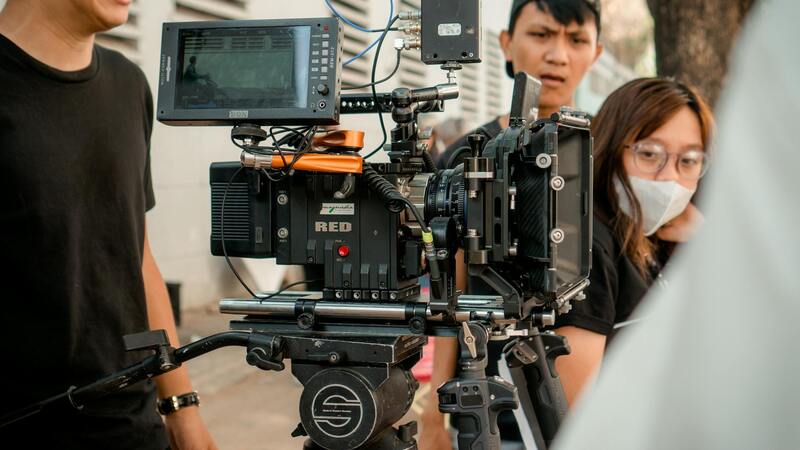
Implementing live streaming production involves careful coordination between technical teams, content creators, and event organizers. Advanced production techniques, such as multi-camera setups, live switching, professional audio, and real-time graphics, contribute to a polished broadcast. Moreover, strategic planning ensures the event’s message resonates and reaches the intended audience effectively. Through live streaming, organizations and individuals can expand their influence, showcase their offerings to a broader demographic, and create memorable experiences that resonate long after the event concludes.
Furthermore, live event streaming enhances audience participation by integrating features like chat interactions, polling, and social media sharing. These functionalities foster a sense of community and immediacy, making remote viewers feel more involved. Consequently, live streaming has become a vital tool for brands, entertainment providers, and organizations seeking innovative ways to connect with their audiences in today’s fast-paced digital landscape.
Technical Equipment and Setup
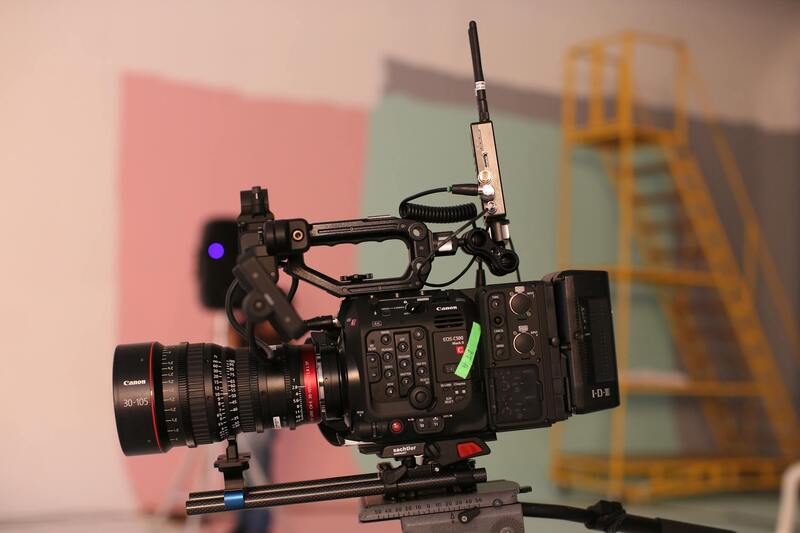
Choosing the appropriate technical equipment is critical to achieving a seamless live event stream. Professional-grade cameras with high-definition capabilities are essential for capturing clear and engaging visuals. Multi-camera setups enable dynamic shots, allowing viewers to experience the event from various angles, thus creating a more immersive experience. Live switchers are used to seamlessly transition between different camera feeds, adding visual interest and professionalism to the broadcast.
High-quality microphones and audio equipment are equally important to deliver crisp, clear sound that complements the visual content. Wireless microphones are often employed for unobstructed audio, especially during performances or speeches, while mixing consoles ensure balanced sound levels across different sources.
Lighting plays a significant role in improving visual clarity and mood. Proper stage lighting ensures that all performers and speakers are well-lit, reducing shadows and enhancing image quality for the camera. Additionally, reliable internet connectivity, preferably via dedicated fiber connections, is vital to support stable, high-bandwidth streaming without interruptions.
Setup considerations extend to redundant systems—backup power sources, additional streaming hardware, and failover internet connections—to prevent potential technical failures during the live broadcast. Testing all equipment thoroughly before the event ensures functionality and helps identify any technical issues that could compromise the stream.
Content Production and Direction
Effective live event streaming hinges on meticulous content production and direction. A dedicated production team manages camera operations, audio mixing, graphics, and overall broadcast flow. Content directors coordinate camera angles, graphic overlays, and transitions, ensuring that the broadcast aligns with the event’s objectives.
Real-time monitoring allows the production team to make instant adjustments for optimal viewer experience. This includes managing audio levels, adjusting camera shots, and adding live graphics such as event branding, schedules, or sponsor messages. Clear communication channels between camera operators and directors are crucial for smooth coordination.
Simultaneously, pre-planned content segments—such as interviews, behind-the-scenes footage, or highlight reels—can be integrated into the live stream to enrich storytelling and maintain viewer engagement. The ability to adapt content dynamically is key to a professional live event broadcast.
Effective content production demands experienced personnel who understand the nuances of live broadcasting. This mastery ensures that the live stream maintains high production values and delivers a polished experience to remote viewers, reflecting positively on the event’s brand and message.
Technical Equipment and Setup
Implementing a high-quality live event streaming production depends heavily on the combination of advanced hardware and reliable software solutions. Essential equipment includes professional-grade cameras capable of capturing high-definition images from multiple angles, paired with high-quality encoders that convert raw footage into a suitable format for online broadcasting. These encoders should support high bandwidth settings to ensure minimal latency and optimal image quality, especially during large-scale events.
Audio plays a crucial role in viewer experience, necessitating professional microphones—lapel, shotgun, or condenser microphones—to capture clear sound. Sound mixers and audio interfaces are integrated to balance levels and reduce background noise, ensuring the broadcast’s audio remains crisp and engaging.
Network infrastructure forms the backbone of live streaming. A stable, high-speed internet connection with ample upload bandwidth is indispensable; this reduces buffering issues and ensures continuous, uninterrupted streams. Redundant network systems and backup internet options are often employed to mitigate potential connectivity failures.
Software solutions manage the production workflow, including switching between camera feeds, adding graphics, and controlling live overlays. Platforms like OBS Studio, vMix, or Wirecast are popular among professional broadcasters for their versatility and robust features tailored for live production.
Understanding Live Event Streaming Production
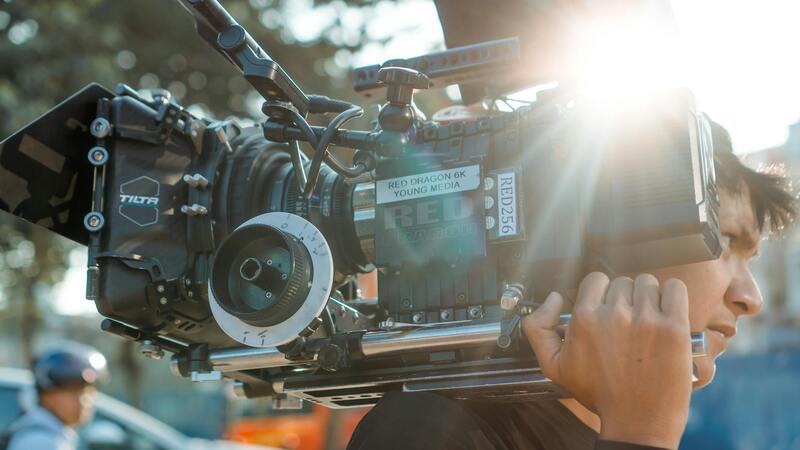
Live event streaming production involves the integration of multiple technical and creative elements designed to deliver a seamless broadcast experience. The process begins with detailed planning, encompassing equipment selection, network infrastructure, and content strategy, to ensure the event reaches the audience with optimal visual and audio quality. Properly orchestrated production techniques include multi-camera setups, real-time graphics integration, and effective audio management, all of which contribute to an engaging viewer experience. Technical expertise is essential to manage the complexities of live switching between camera feeds, overlaying graphics, and maintaining smooth transitions. By utilizing professional software solutions such as OBS Studio, vMix, or Wirecast, operators can control the production flow efficiently, offering dynamic visuals aligned with the event’s atmosphere.
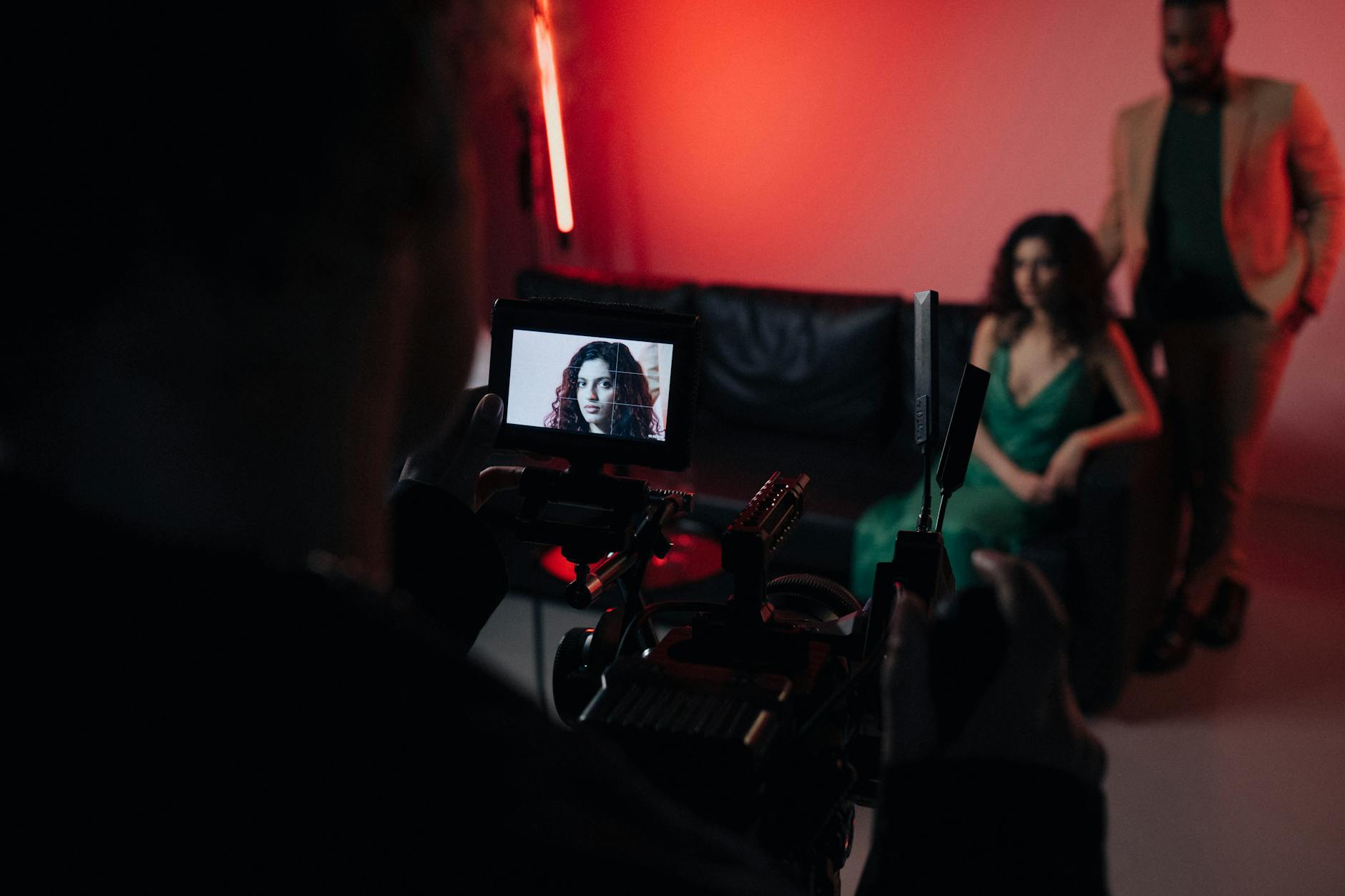
Integrating with streaming platforms and Content Delivery Networks (CDNs) is critical for extending the reach of live broadcasts across broad geographical areas. These platforms optimize content delivery, reducing latency and buffering issues, and ensure the stream remains stable and high resolution for viewers. Before the event, comprehensive testing of all hardware and network connections is performed—calibrating cameras, audio systems, and internet circuits to eliminate potential disruptions. Fiber optic internet access is highly recommended due to its high bandwidth and stability, especially for large-scale or high-profile events. Wireless solutions may be used as supplementary, but they should be carefully monitored to mitigate signal interference and ensure consistent performance.
In sum, selecting advanced cameras, encoders, and reliable network infrastructure forms the backbone of successful live event production. Every component, from capture devices to encoding hardware, must be meticulously set up and tested in advance. This rigorous preparation minimizes technical hiccups during the event, allowing production teams to focus on delivering a compelling broadcast that captures the event’s essence in real-time. The combination of expert operational control and high-grade equipment ensures the viewers can enjoy an immersive experience that closely mirrors attending the event in person, regardless of their physical location.
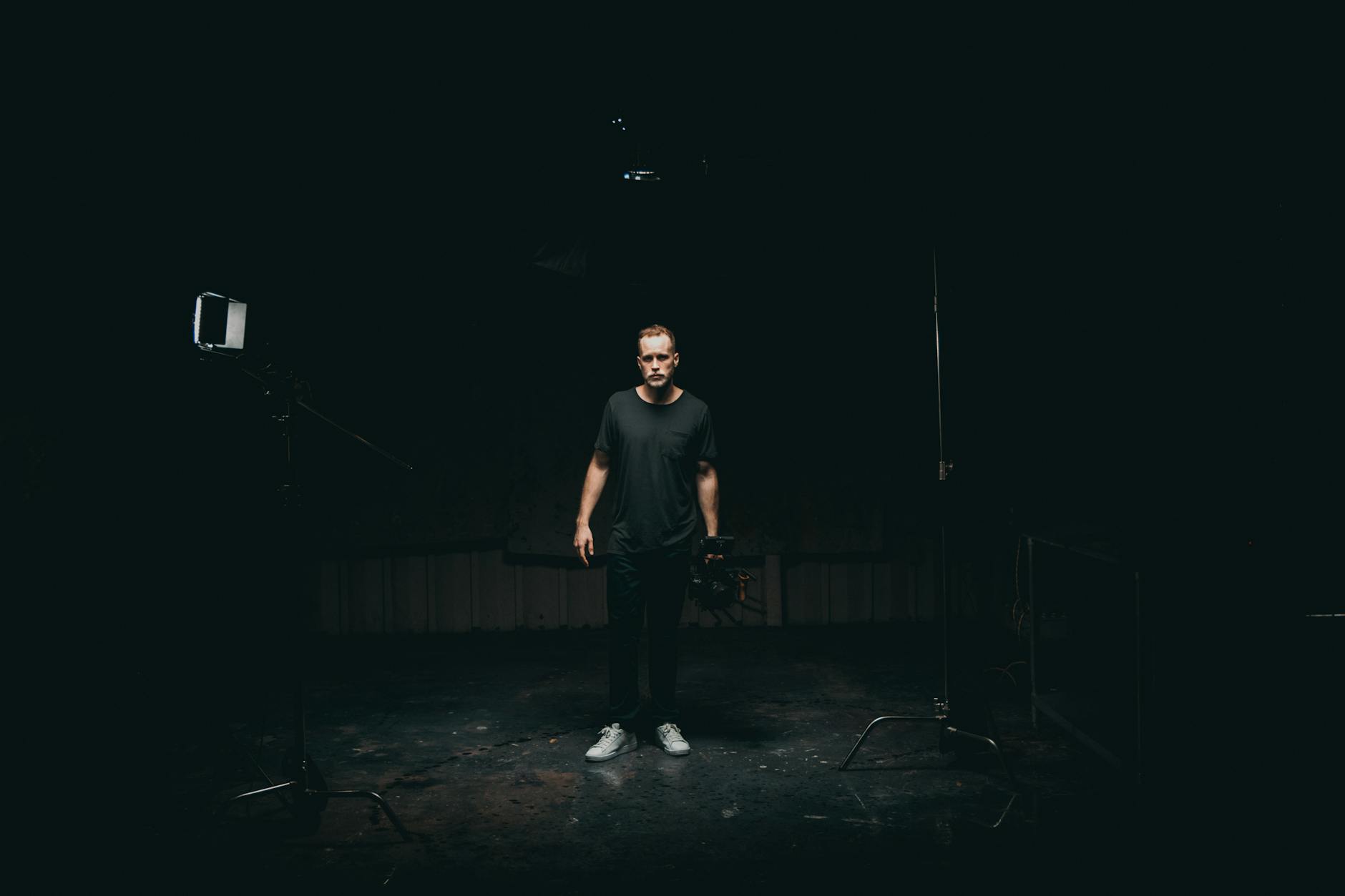
Technical Equipment Essentials for Live Streaming
- Multi-camera systems for comprehensive coverage
- Professional video switchers for seamless transitions
- High-definition encoders and capture cards
- High-fidelity microphones and audio mixers
- Reliable internet connections, preferably fiber optic
- Backup power supplies to prevent interruptions
Optimal Network Infrastructure
- Dedicated bandwidth allocation to prevent lag
- Use of CDNs for global distribution
- Redundancy in network pathways
- Regular network performance assessments
Content Production and Direction
Efficient content production and strategic direction are critical components that determine the success of a live event streaming project. Once the technical setup is in place, the focus shifts to capturing compelling visuals and delivering them seamlessly to the viewers. This involves detailed planning of camera angles, shot compositions, and real-time directing to ensure the broadcast reflects the event’s atmosphere and key moments effectively.
During live production, a dedicated director coordinates camera operators, graphics overlays, and audio engineers to maintain visual coherence and clarity. The director’s role is to make swift decisions, switching between camera feeds to highlight important segments, while ensuring transitions are smooth to avoid viewer distraction. This requires a well-rehearsed workflow and clear communication among the production team members.
High-quality content isn’t solely about technical excellence; it also involves creative storytelling. Visuals should be engaging, with close-ups and wide shots balanced thoughtfully to keep the audience engaged. Live viewers appreciate dynamic coverage that adapts to the event’s rhythm, whether it’s a conference, concert, or sports competition. Strategic use of graphics, on-screen annotations, and overlays can also enhance understanding and engagement.
Monitoring the live feed continuously is vital for quickly addressing any issues such as unexpected technical glitches or audio imbalances. Real-time quality checks, along with backup plans for possible disruptions, should be embedded into the production workflow. Effective communication with the onsite team ensures that high-priority segments are captured flawlessly and streamed without delay.
To optimize viewer experience, all elements—from visuals and audio to graphics—must be synchronized. Properly trained staff managing each aspect of production contribute significantly to the fluidity of the broadcast. Continuous education on new streaming technologies and production techniques also helps maintain a competitive edge in Miami’s vibrant event landscape.
Implementing detailed post-event analysis and gathering viewer feedback can inform improvements for future streams. Reviewing key performance indicators, audience engagement metrics, and technical logs are essential for refining production strategies, ultimately elevating the quality and professionalism of live event streaming services.
Understanding Live Event Streaming Production
Live event streaming production encompasses the comprehensive process of capturing, broadcasting, and managing live event content to a remote audience through digital platforms. This multifaceted approach requires meticulous coordination of technical and creative elements to deliver a seamless viewing experience. It involves a range of specialized skills, including video and audio capture, live switching, real-time graphics integration, and streaming platform management. Producers need to consider the scale and nature of the event—whether it’s a corporate conference, a music concert, or a sports competition—to tailor the production setup accordingly. During the process, live event streaming production ensures that all visual and sound components are synchronized and transmitted with minimal latency. High-quality production values—such as sharp visuals, clear audio, engaging overlays, and effective camera work—are crucial for maintaining viewer engagement. This task also involves adhering strictly to scheduled timelines, managing on-the-fly adjustments, and troubleshooting potential technical hiccups swiftly to prevent interruptions. Beyond the technical aspects, the production team must also craft a compelling visual narrative that aligns with the event's branding and objectives, making strategic decisions about camera angles, shot selection, and live editing. A proficient live event streaming production employs real-time monitoring systems to oversee video and audio feeds, ensuring everything meets quality standards before and during the broadcast. Continuous communication among team members—such as directors, camera operators, audio technicians, and stream operators—is vital for a cohesive workflow. Effective use of professional-grade equipment and software also plays a crucial role in facilitating a high-quality live streaming experience. Additionally, proper planning and rigorous pre-production preparations set the foundation for success. This involves site surveys, equipment testing, crew coordination, and rehearsals to anticipate challenges and streamline operations. Producing a live stream with professional finesse demands a blend of technical expertise, creative insight, and logistical efficiency. Understanding these core components helps to deliver dynamic content that captivates viewers and meets the high standards expected by audiences today.
Essential Components of Live Event Streaming Production
- Cameras and Video Capture Devices: High-definition cameras capable of capturing multiple angles and providing smooth footage during fast-paced activities.
- Audio Equipment: Quality microphones, mixers, and speakers to ensure clear and balanced sound across the broadcast.
- Switching and Graphics Software: Live video switchers and graphic overlays to enhance visual storytelling and display real-time information.
- Encoding Hardware and Software: Tools that compress and transmit the video feed to streaming platforms efficiently, maintaining optimal quality and stability.
- Internet Connectivity: Robust and reliable broadband connections with backup options to guarantee uninterrupted streaming.
- Monitoring Systems: Real-time monitoring for video, audio, and stream health to identify and resolve issues swiftly.
These core components, when integrated effectively, deliver a professional-grade live stream that is both visually compelling and technically sound, ensuring the audience fully engages with the event regardless of location.
Understanding Live Event Streaming Production
Live event streaming production encompasses a comprehensive set of processes designed to deliver high-quality content to viewers in real time. This intricate operation involves meticulous planning, the deployment of advanced technical equipment, skilled content management, strategic platform selection, and efficient post-event handling. Ensuring a seamless broadcast hinges on the synchronization of these elements, ultimately creating a compelling viewing experience for audiences regardless of their physical location.
Technical Infrastructure and Equipment Integration
Effective live streaming begins with deploying the right technological backbone, which ensures stability, clarity, and professional presentation. Professional-grade cameras capture multiple angles, providing dynamic visuals that replicate the immersive feeling of being physically present. Alongside video hardware, high-fidelity audio equipment—such as directional microphones and digital mixers—ensures crystal-clear sound, a vital component for audience engagement.
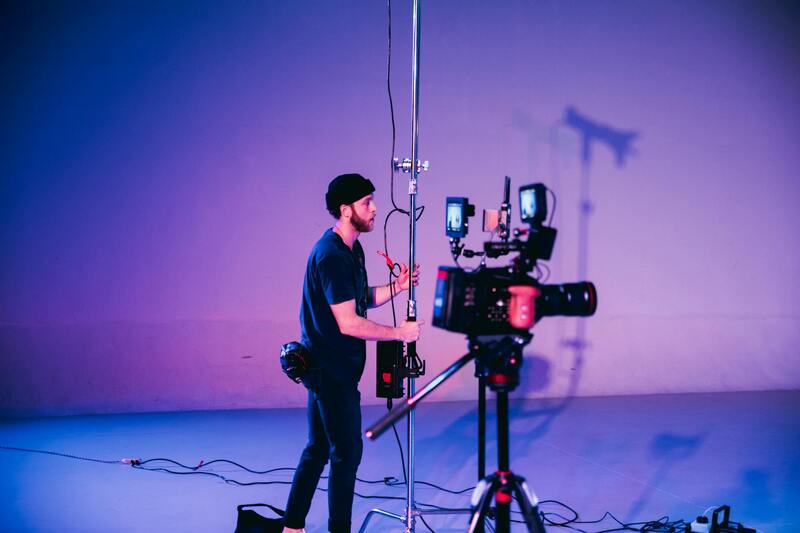
Switchers and graphic software are used to integrate real-time visuals, overlays, and information, enriching the viewing experience. These tools enable the seamless transition between different camera feeds and the display of pertinent details, maintaining viewers’ interest throughout the event.
Network and Encoding Solutions
A robust internet connection is critical; any interruption can compromise the broadcast quality. Established networks often utilize redundant connections to mitigate this risk. Encoding hardware or software compresses video data, balancing quality with bandwidth efficiency to ensure stable transmission to streaming platforms. Continuous monitoring of stream health enables real-time troubleshooting, preventing disruptions and maintaining a professional broadcast.
User Experience and Interaction
Optimizing the user experience involves selecting reputable streaming platforms aligned with audience expectations and content requirements. These platforms support high-resolution viewing, chat interactions, and easy accessibility across devices. Incorporating live polls or Q&A segments can further enhance engagement, creating a more interactive and memorable event for viewers at home.
Safety and Compliance Measures
Adherence to local safety regulations and guidelines is essential in live event streaming. This includes managing crowd control, securing equipment, and ensuring staff privileges are well-defined. Additionally, implementing secure streaming channels and encryption methods protects content integrity and viewer data. Regular safety assessments and staff training bolster confidence in handling unforeseen circumstances effectively.
Remote Management and On-site Coordination
The success of a live event stream often relies on the efficiency of remote management teams. Coordinating with on-site technical staff ensures the smooth operation of all equipment, from camera angles to audio levels. Real-time communication tools facilitate quick decision-making, allowing operators to respond swiftly to any technical challenges that may arise during the broadcast.
Image Placeholder
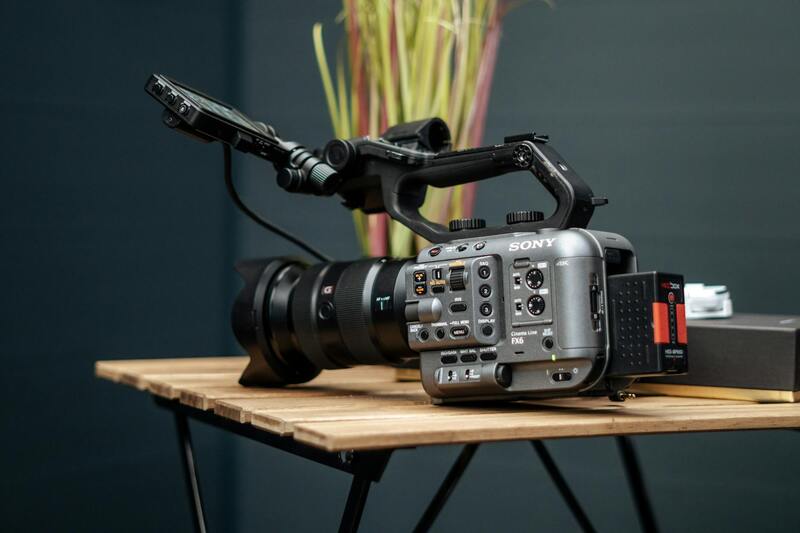
Ensuring Your Live Event Stream Meets Industry Standards
For a seamless and high-quality live event streaming experience, meticulous adherence to official production methods is essential. This ensures the content delivered to viewers is consistent, professional, and engaging, thereby maximizing audience satisfaction and meeting broadcast standards. Implementing industry-recognized workflows and procedures not only enhances production quality but also builds credibility with your audience and stakeholders.
Adherence to Industry Protocols and Quality Standards
Official live event streaming production involves following established protocols that guarantee reliability and professionalism. These standards encompass comprehensive checks of all technical equipment prior to the broadcast, including cameras, audio devices, and streaming hardware. Consistent calibration of equipment ensures visual and audio clarity, which directly influences viewer engagement. Furthermore, utilizing accredited streaming servers and networks minimizes downtime and buffering issues, leading to a more stable viewing experience.
Robust Content Security Measures
Maintaining secure streaming channels is critical to prevent unauthorized access and protect intellectual property. Official methods include deploying encrypted transmission protocols, such as Secure Reliable Transport (SRT) and Transport Layer Security (TLS), which safeguard content integrity during broadcast. Additionally, implementing access controls, such as password protection, geo-restrictions, and tokenized authentication, help secure streams against unwanted disruptions. Content management systems with role-based permissions enable authorized personnel to control stream access and modifications seamlessly.
Comprehensive Staff Training and Certification
Professional live streaming operations rely on well-trained personnel equipped with industry certifications. Training programs focus on technical troubleshooting, live content coordination, and emergency response procedures. Certified operators understand the nuances of streaming platforms, broadcasting equipment, and safety protocols — reducing the risk of operational errors and ensuring a fluid production process from start to finish.
Implementing Data Analytics and Viewer Feedback
Post-broadcast analysis plays a pivotal role in refining live event streaming strategies. Data collection tools should be employed to monitor viewer engagement, stream performance metrics, and interaction levels. Analyzing this information enables producers to identify bottlenecks or technical weaknesses and adapt future productions accordingly. Encouraging viewer feedback through surveys or interactive chat features provides valuable insights, fostering continuous improvement in content delivery and user experience.
Legal and Compliance Considerations
Adherence to licensing regulations for music, footage, and proprietary content is fundamental when streaming live events. Obtaining necessary permissions ensures that all intellectual property rights are respected, avoiding potential disputes. Additionally, complying with regional broadcasting regulations, including content restrictions, advertising standards, and data privacy laws, promotes ethical and responsible streaming practices. Maintaining detailed records of licensing agreements and compliance measures further reinforces the integrity of your production.