Understanding Corporate Event Live Streaming
Corporate event live streaming is a sophisticated method of broadcasting business-related gatherings to a remote audience in real-time. This approach encompasses a broad spectrum of events, including conferences, product launches, seminars, training sessions, and company celebrations. The core objective of live streaming in a corporate context is to extend the reach of the event beyond physical attendees, ensuring that stakeholders, clients, and employees can participate regardless of their geographic location.
Unlike traditional recording or on-demand video, live streaming emphasizes immediate delivery, allowing viewers to experience events synchronously as they happen. This immediacy fosters engagement, facilitates real-time interaction, and elevates the overall impact of the event. It transforms a passive viewing experience into an active, participatory one, where audiences can submit questions, comment, or share content during the broadcast.
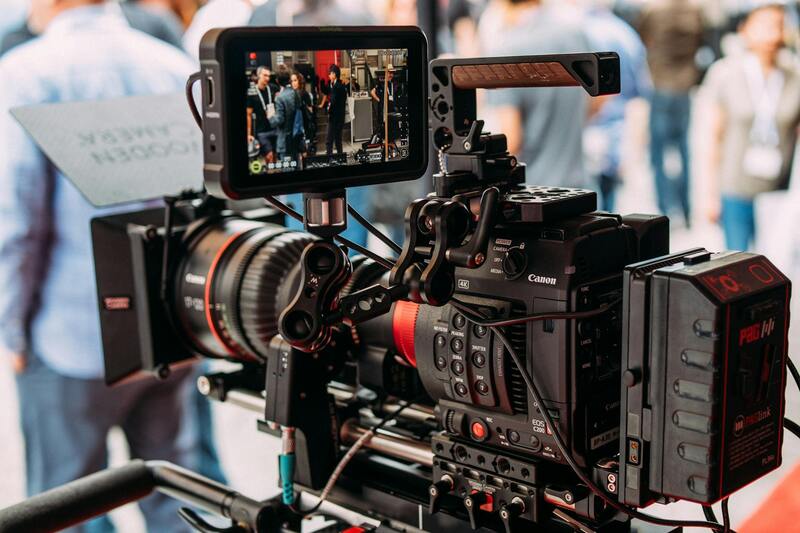
One fundamental distinction of live streaming compared to other broadcast methods lies in its delivery mechanism. While pre-recorded videos are scheduled and edited for perfection, live streaming captures the event in its real-time essence. This real-time aspect underscores the importance of reliable technology and meticulous planning to ensure a smooth broadcasting experience.
Additionally, corporate event live streaming is often intertwined with other digital solutions, including interactive platforms, social media integration, and analytics. These elements facilitate tracking viewer engagement, gathering feedback, and maximizing the event’s overall impact.
Choosing live streaming for a corporate event provides an array of strategic advantages, such as increased accessibility, cost-effectiveness, and enhanced branding opportunities. It allows organizations to showcase their capabilities, foster transparency, and reinforce their corporate identity through well-produced, professional broadcasts.
Choosing the Right Technology and Platforms
Implementing corporate event live streaming requires selecting robust technology solutions and platforms that cater to the specific needs of the event. The core component is a reliable high-definition video broadcasting system capable of transmitting clear audio and visuals in real-time. It is essential to utilize hardware and software that can handle the bandwidth requirements, minimize latency, and ensure consistent streaming quality regardless of the audience size.
When choosing a platform, considerations include audience engagement features, ease of access, and compatibility with various devices and operating systems. Opting for enterprise-grade platforms that support adaptive bitrate streaming can enhance viewer experiences by automatically adjusting quality based on their internet connection. Features like integrated chat, polling, and Q&A modules facilitate real-time interaction, making remote attendees feel more involved.
For seamless integration, event organizers should prioritize platforms with proven stability, strong security measures, and professional support services. This ensures minimal technical disruptions during the live broadcast. Additionally, evaluating the platform’s analytics capabilities helps track viewer participation, geographic distribution, and engagement metrics, providing valuable insights for future events.

Understanding Corporate Event Live Streaming
Corporate event live streaming involves broadcasting a company's internal or external events to a remote audience through digital platforms in real-time. This approach enables organizations to reach a wider demographic, including clients, partners, or remote employees, without the constraints of physical location. Effective live streaming requires a combination of advanced technology, strategic planning, and professional execution to ensure that the broadcast accurately reflects the event's significance and maintains viewer engagement.
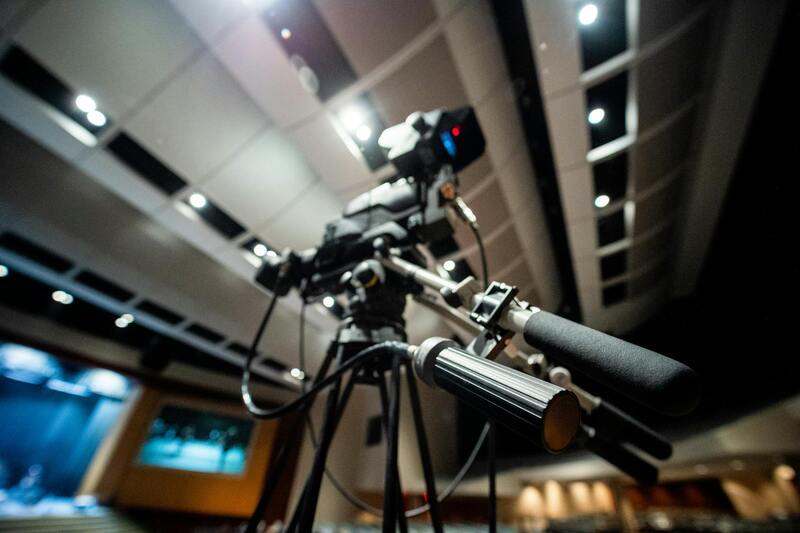
In the process, organizations must consider the selection of appropriate streaming platforms, content delivery methods, and auxiliary equipment to facilitate an immersive and seamless experience for viewers. Ensuring consistent connectivity and utilizing multiple camera angles or high-resolution feeds can capture various aspects of the event, including keynote speeches, panel discussions, and networking sessions. This comprehensive approach allows for a dynamic viewing experience that can replicate the feeling of attending in person.
Moreover, integrating interactive elements such as live polls, Q&A sessions, and chat functionalities fosters real-time engagement, making remote participants feel more involved. As the volume of digital content grows, maintaining an unwavering focus on the quality and reliability of the broadcast becomes critical to different organizational objectives, including branding, employee engagement, and client communication.

The technical backbone of a successful live stream relies on official and legitimate methods, including enterprise-grade streaming solutions, secure network configurations, and reliable hardware. These components must work harmoniously to prevent interruptions, buffering delays, or poor audio-visual quality, which can detract from the event's professionalism. Furthermore, selecting reputable service providers and certified streaming platforms ensures that the security and privacy of sensitive corporate content are upheld, fostering trust and credibility.
To achieve excellence in live broadcasting, companies should also verify that their technical staff is well-trained in operating the equipment and troubleshooting potential issues swiftly. Regular testing and rehearsal sessions prior to the actual event can identify and resolve technical challenges, thereby ensuring a smooth and polished presentation. Incorporating backup internet connections, redundant hardware, and dedicated support teams can mitigate risks associated with unforeseen disruptions during the live stream.
In an era of increasing digital engagement, leveraging legitimate methods for corporate event live streaming not only elevates the event's professionalism but also reinforces the organization’s image for technical proficiency and reliability. Proper planning, investment in official technological solutions, and adherence to best practices form the foundation of a successful corporate live broadcast that meets organizational goals and exceeds participant expectations.
Choosing the Right Technology and Platforms
Implementing the most advanced and reliable technology is essential for high-quality corporate event live streaming. Companies should prioritize enterprise-grade streaming hardware, which includes high-definition cameras, professional audio equipment, and robust encoding devices that support high-resolution outputs. These tools ensure crisp visuals and clear sound, minimizing latency and buffering issues that can detract from viewer experience.
Compatibility with sophisticated streaming software is equally important. Solutions that allow seamless integration with corporate branding, customizable layouts, real-time analytics, and chat functionalities provide a more engaging and professional broadcast. For instance, platforms designed specifically for business events offer secure streaming environments, access controls, and DRM features to protect sensitive content.
When selecting online streaming platforms, organizations should opt for those with proven track records in handling large-scale corporate events. These platforms offer features like adaptive bitrate streaming, which automatically adjusts video quality according to viewers’ internet speeds, ensuring uninterrupted viewing. Additionally, they support multi-channel streams, enabling companies to broadcast to various channels simultaneously, such as social media, corporate intranet, or dedicated webcast portals.

Moreover, hardware and software solutions that integrate smoothly with existing corporate IT infrastructure streamline operational workflows. Companies should verify the compatibility of streaming solutions with their network configurations to ensure seamless high-bandwidth data transfer. In environments where internet stability may be a concern, leveraging hardware with built-in redundancy features or utilizing cloud-based streaming services can assure consistent broadcast quality.
For organizations based in Miami, partnering with regional providers that specialize in corporate live streaming offers several advantages. Local vendors often possess a deeper understanding of regional internet infrastructure, enabling them to recommend optimal technical configurations and support services. They can also facilitate on-site technical assistance and rapid troubleshooting, which are critical during high-profile events.
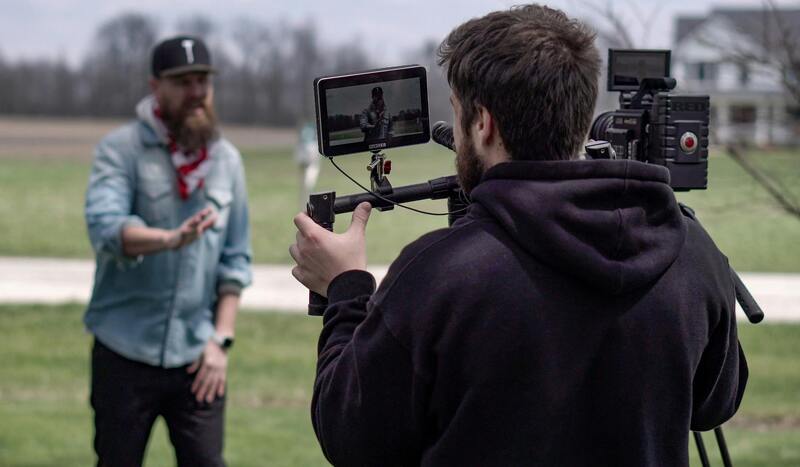
Investing in high-quality technology and choosing appropriate distribution platforms are fundamental steps toward executing successful corporate live streams. These actions guarantee a professional presentation that resonates with both internal stakeholders and external audiences, elevating the organization’s digital communication capabilities and reinforcing its reputation for excellence in event execution.
Key Components of a Successful Live Stream
Executing a professional corporate event live stream requires meticulous attention to several critical elements. Ensuring a seamless broadcast begins with high-quality production values, which include professional camera work, clear audio, and stable connectivity. Deploying multiple cameras allows for dynamic viewing angles, giving viewers a more engaging experience and capturing different facets of the event, such as keynote speakers, panel discussions, or audience reactions.
Audio clarity is paramount; utilizing professional microphones, including lapel or directional mics, ensures that speech and presentations remain crisp and intelligible, regardless of background noise. Acoustic feedback and technical disruptions can diminish the viewing experience, so sound engineers should be engaged to manage audio levels effectively throughout the event.
Network stability is another vital component. A reliable internet connection, preferably wired, minimizes latency and buffering during the live broadcast. In scenarios where internet bandwidth might be insufficient, employing dedicated streaming hardware or cloud-based services with redundancy capabilities can preserve stream quality.
During the event, a dedicated technical crew should monitor the live feed, ready to address any issues immediately. This proactive approach ensures issues are quickly resolved, maintaining the professionalism of the presentation.

Post-Event Strategies and Content Repurposing
Following the live stream, managing and leveraging the recorded content becomes essential. Edited versions of the broadcast can be repurposed for marketing, internal training, or on-demand viewing. Highlight reels capturing key moments or speaker insights serve as valuable promotional tools for future events and brand reinforcement.
Sharing recorded streams across various digital channels broadens the reach of the event, ensuring engagement extends beyond live attendees. Integration of analytics tools allows organizations to measure viewer engagement, peak viewing times, and overall reach, providing insights that inform future event strategies.
Additionally, social media snippets or short clips from the event can be created to sustain momentum and generate ongoing interest. Establishing a scheduled content release plan helps maintain visibility and keeps audiences engaged long after the live broadcast concludes.

Ensuring Legal and Official Streaming Methods for Corporate Events
When planning a corporate event live stream, selecting legitimate streaming methods is essential to maintain professionalism, security, and compliance. Companies must use authorized platforms and technologies that align with industry standards, ensuring their content is distributed safely and reliably. Utilizing well-established streaming services and tools provides a stable infrastructure for broadcast quality and offers support channels should technical issues arise.
Official streaming methods often involve the use of licensed software and hardware that comply with regional and international broadcast regulations. This includes selecting platforms with robust content rights management, encryption capabilities, and proven track records of secure transmission. For instance, partnering with providers that offer end-to-end encrypted streams helps protect sensitive corporate information and proprietary content during transmission.
Implementing secure login procedures also plays a crucial role. By using authentication protocols, companies can restrict access to authorized viewers only, preventing unauthorized viewing or content piracy. These practices not only safeguard intellectual property but also enhance the company's brand image as responsible and compliant.

Furthermore, selecting platforms that are compliant with data protection standards — such as GDPR or CCPA — demonstrates a company's commitment to safeguarding audience information. This is particularly relevant when dealing with international participants or sensitive corporate data.
Advanced streaming solutions also support features like real-time analytics, viewer engagement tools, and multi-platform compatibility, all through proper licensing agreements. These official methods often include technical support, training, and compliance documentation, which are vital for smoothly executing large-scale corporate broadcasts.
- Use licensed streaming software and hardware from reputable vendors.
- Partner with authorized content delivery networks (CDNs) for reliable distribution.
- Implement encryption and secure login measures to protect live content.
- Ensure platforms adhere to regional and international broadcast standards.
- Operate within data privacy regulations to manage participant information responsibly.
By relying on these official channels, organizations create a professional, secure, and trustworthy environment for their corporate audiences, reinforcing their brand integrity and ensuring a seamless viewing experience for remote participants.
Understanding Corporate Event Live Streaming
Corporate event live streaming involves broadcasting your event in real-time over the internet, allowing remote audiences to participate virtually. Unlike traditional in-person gatherings, live streaming provides an accessible, scalable, and dynamic platform to engage a wider audience, showcase your brand, and deliver key messages effectively. When executed correctly, this method enhances audience interaction, improves event accessibility, and extends the reach of your corporate communications.
Legal and Authorized Streaming Methods
Utilizing legitimate streaming channels is essential to ensure your corporate broadcasts adhere to industry standards and regulations. This approach involves partnering with authorized streaming platforms, licensed software, and certified hardware providers. These channels guarantee high-quality transmission, data security, and compliance with regional broadcasting laws. Relying on official methods means your content is protected from unauthorized access, and your organization maintains a professional image associated with integrity and responsibility.

Implementing Proper Licensing and Digital Rights Management
Legitimate corporate live streaming necessitates the proper licensing of software, hardware, and third-party platforms involved in the broadcast. This ensures your content conforms to intellectual property rights and regional broadcast standards. Digital Rights Management (DRM) solutions can be employed to protect proprietary content, prevent piracy, and control access to the live stream. Incorporating these measures not only safeguards your assets but also reinforces your company's commitment to legal and ethical broadcasting practices.
Partnership with Certified Content Delivery Networks (CDNs)
Partnering with certified CDNs ensures your live stream is distributed efficiently and securely across various regions. These networks are optimized to handle high traffic loads, minimize latency, and provide seamless viewing experiences, even during peak times. They also offer built-in security features such as encryption and threat mitigation to protect your broadcast from interruptions or malicious attacks. Choosing a reputable CDN provider is a crucial step toward professional and trustworthy content delivery.
Implementing Data Security and Privacy Measures
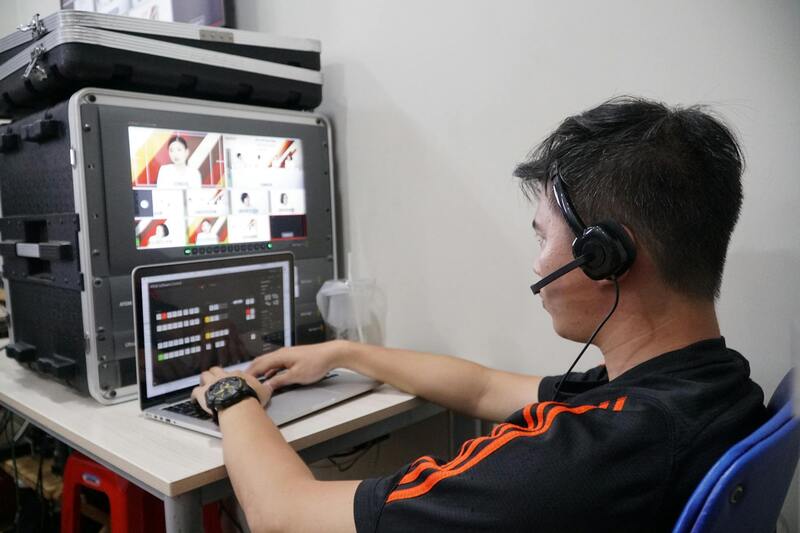
Handling sensitive corporate information and participant data requires robust security protocols. Utilizing encrypted streams, secure login procedures, and access controls helps safeguard your content and attendee information. Technologies like multi-factor authentication and IP restrictions limit access to authorized viewers only.
Conforming to Regional and International Streaming Standards
Different regions have varying regulations concerning broadcast rights, content standards, and accessibility requirements. Employing streaming solutions that are compliant with these standards ensures smooth cross-border distribution and prevents potential legal complications. This includes adhering to broadcast standards such as the ATSC, DVB, or regional data protection and privacy regulations like GDPR or CCPA.
Technical Support and Compliance Documentation
Employing official streaming methods provides access to technical support, training, and comprehensive compliance documentation. These resources are essential for troubleshooting issues promptly, training your staff on best practices, and maintaining records that demonstrate adherence to legal and regulatory requirements. Working with professional production agencies and authorized vendors ensures your broadcast is executed flawlessly and securely.
Summary
Adopting authorized, licensed, and compliant streaming practices is fundamental for delivering professional corporate broadcasts. Such methods guarantee high-quality, secure, and legally sound live streams that reflect positively on your organization, foster trust with your audience, and uphold the integrity of your corporate communications.
Ensuring the Upholding of Official Streaming Methods
When it comes to broadcasting corporate events, leveraging official and authorized streaming methods is essential for upholding professional standards and safeguarding your organization's reputation. Utilizing licensed technology and platforms not only guarantees high-quality transmission but also ensures compliance with regional and international regulations governing broadcast content. Collaborating with reputable vendors specializing in corporate live streaming provides access to a range of value-added services, including technical support, security measures, and comprehensive compliance documentation that streamlines the entire process from planning through execution.

One of the key benefits of official streaming channels is the ability to control access strictly, preventing unauthorized viewership and content theft. Implementing secure authentication protocols—such as Digital Rights Management (DRM), geo-restrictions, or encrypted streams—helps maintain the integrity of your event and prevents potential misuse of sensitive information. These measures are fundamental in sectors where proprietary data or strategic insights are shared during corporate events.
Implementing Robust Security and Content Management Practices
- Secure Access Controls: Employ multi-factor authentication, IP whitelisting, and role-based permissions to restrict viewing rights exclusively to authorized participants.
- Encryption: Use end-to-end encryption to protect live feeds from interception or unauthorized distribution.
- Content Verification: Ensure that all streamed content adheres to licensing agreements and complies with regional broadcasting standards to circumvent legal issues.
- Monitoring and Troubleshooting: Real-time monitoring of streams allows for immediate response to any disruptions or security breaches, ensuring uninterrupted broadcasting.

Adhering to proper legal procedures and employing compliant streaming practices contribute to the professionalism and credibility of your corporate broadcasts. Ensuring that your streaming partners are well-versed in regional content standards, copyright laws, and data privacy regulations helps prevent costly legal entanglements. Working with experienced production agencies familiar with local regulations, particularly in vibrant markets like Miami, facilitates smoother transitions across jurisdictions and enhances the overall reliability of your event transmission.
Maintaining Quality and Reliability Throughout the Broadcast
- Bandwidth and Infrastructure: Use dedicated high-capacity internet connections to prevent buffering, lag, and stream interruptions.
- Redundancy Systems: Implement backup streams, failover servers, and on-site power sources to handle unforeseen technical failures.
- Professional Staffing: Engage experienced technical personnel to oversee the live broadcast, troubleshoot issues promptly, and optimize visual and audio quality.
- Transparent Communication: Coordinate closely with your production team and platform providers to address potential technical challenges before and during the event.
By strictly following official streaming protocols, utilizing secure infrastructure, and maintaining high technical standards, your corporate event can be broadcast without hiccups, reinforcing your organization's commitment to excellence and operational integrity.