Overview of Corporate Live Streaming
Corporate live streaming has emerged as a pivotal communication tool for modern businesses, enabling real-time broadcasting of events, presentations, and product launches to remote audiences. This technology facilitates direct engagement with stakeholders, employees, clients, and partners regardless of geographic location, making it an essential component of contemporary corporate communications in Miami and beyond.
In a fast-paced business environment, effective communication channels are crucial for maintaining a competitive edge. Live streaming allows companies to showcase their brand, demonstrate new products, and host virtual conferences or seminars with high engagement levels. This immediacy and interactivity foster stronger relationships, increased transparency, and a broader reach, especially within the vibrant Miami business landscape, which thrives on diverse industries such as tourism, finance, technology, and real estate.
Utilizing professional corporate live streaming services ensures seamless delivery, high-quality visuals, and reliable connectivity—elements vital for preserving a company's professional image. The ability to reach a global audience from Miami also means accessing new markets and expanding brand visibility while reducing the costs associated with traditional in-person events. Furthermore, live streaming offers valuable metrics and analytics, providing insights into audience engagement and behavior, which are instrumental for refining future marketing and communication strategies.
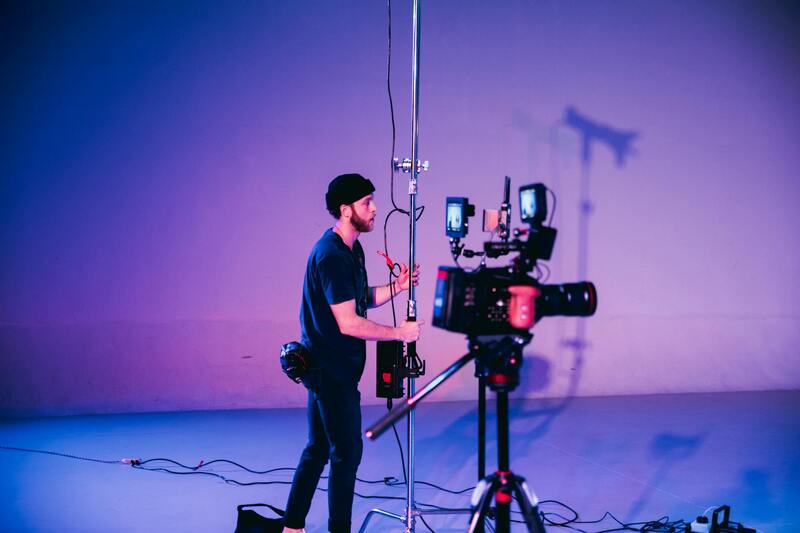
In essence, corporate live streaming services transform how businesses in Miami communicate, connect, and compete in an increasingly digital world. As technology continues to evolve, so will the scope and effectiveness of live streaming, making it an indispensable tool for any forward-thinking enterprise seeking to maximize its outreach and operational success.
Key Features of Corporate Live Streaming Services
Effective corporate live streaming services incorporate a suite of advanced features designed to elevate the professionalism and impact of virtual events. Paramount among these are high-definition video quality and reliable broadcasting infrastructure, which ensure that every detail of visual presentations is crisp and clear. This provides an engaging experience for viewers and maintains the corporate image of precision and excellence.
Interactive capabilities are essential for fostering audience engagement. Features such as live chat, Q&A sessions, polls, and real-time feedback allow viewers to actively participate, making events more dynamic and memorable. Integrating customizable branding elements—such as logos, overlays, and thematic graphics—further personalizes each stream, reinforcing brand identity.
Scalability remains a core component of corporate live streaming solutions. Whether hosting a small executive meeting or a large industry conference, the service must adapt to varying audience sizes without compromising quality. Cloud-based streaming options provide flexibility, enabling companies to seamlessly expand or reduce their broadcast scope as needed.
Additional features include multi-platform streaming capabilities, allowing content to be simultaneously broadcast across various channels such as social media, company websites, and dedicated apps. This broadens reach and ensures accessibility for diverse audiences. Advanced analytics tools also play a crucial role, offering insights into viewer engagement metrics, geographic distribution, and viewership patterns, facilitating data-driven decision-making.
Benefits of Live Streaming for Businesses in Miami
Miami's vibrant business environment benefits immensely from corporate live streaming services. The region's diverse industries, ranging from real estate and tourism to finance and technology, leverage live streaming to expand their reach, attract international clients, and showcase their offerings in real time. This form of digital engagement reduces geographical barriers, enabling local companies to extend their influence globally.
Live streaming also provides cost efficiencies by minimizing travel and venue expenses associated with traditional events. Companies can host large-scale webinars, virtual product launches, or corporate meetings without the logistical challenges of physical gatherings, thus optimizing resource allocation.
Moreover, real-time interaction enhances transparency and trust between businesses and their audiences. Stakeholders, clients, and partners can participate in live Q&As or feedback sessions, fostering a sense of community and shared purpose. This immediacy is especially valuable in Miami’s fast-paced markets, where agility and quick communication can be decisive advantages.
The detailed analytics provided post-broadcast inform strategic planning by revealing viewer demographics, engagement levels, and content performance. Such insights enable businesses to refine future messaging, improve event planning, and tailor content to audience preferences, ultimately leading to stronger brand loyalty and increased market penetration.

Types of Corporate Live Streaming Events
Organizations utilize corporate live streaming to host a variety of event formats tailored to their strategic needs. Understanding the specific types of events that benefit from professional live streaming services enables companies to maximize their outreach and engagement.
- Webinars and Virtual Conferences: Interactive sessions that connect industry experts, clients, and employees. These events often feature panel discussions, keynote speeches, and Q&A segments designed to educate, inform, and generate leads.
- Product Launches and Demonstrations: Live streams present a dynamic platform for unveiling new products or services to a global audience. Real-time demonstrations can highlight features vividly, prompting immediate interest and feedback.
- Company Announcements and Earnings Calls: Streaming these important corporate updates ensures that stakeholders receive timely information, fostering transparency and trust across investment and partner communities.
- Training and Workshops: Educational sessions streamed live to employees or clients help standardize training processes without geographical constraints, saving on travel and accommodation costs.
- Annual General Meetings (AGMs): Secure, professional live streaming allows shareholders and board members to participate remotely, maintaining compliance and engagement even when physical attendance is limited.
- Employee Engagement Events: Virtual town halls, team-building activities, and recognition ceremonies enhance internal communication and foster a collaborative corporate culture, especially vital in remote or hybrid work environments.

In each scenario, the focus is on delivering high-quality audio and visual experiences that replicate in-person interactions, ensuring that message clarity and audience engagement remain optimal.
Choosing a Miami-Based Live Streaming Service Provider
When selecting a provider for corporate live streaming in Miami, businesses should evaluate several critical factors to ensure a seamless broadcast experience. Local providers possess the requisite understanding of regional connectivity, technical infrastructure, and market nuances, which can enhance service reliability and support.
- Technical Expertise and Equipment: The provider must use state-of-the-art broadcasting technology, including high-definition cameras, professional audio gear, and robust streaming platforms capable of handling large audiences with minimal latency.
- Customization and Scalability: A reputable Miami-based service should offer tailored solutions aligned with the organization's branding requirements and be scalable to accommodate fluctuating audience sizes.
- Network Infrastructure: Reliable internet connectivity, data security measures, and contingency plans are essential to prevent interruptions during live events.
- Support and Customer Service: Ongoing technical support and clear communication channels are vital, especially during complex live streams or large-scale events.
- Portfolio and References: Prior experience with corporate clients and positive testimonials can serve as indicators of a provider’s capability to deliver professional results consistent with industry standards.

Engaging a local Miami provider allows organizations to benefit from on-site technical support and proximity, facilitating better coordination and rapid response during live broadcasts.
Technological Considerations and Equipment
The foundation of a successful corporate live stream hinges on selecting appropriate technology and equipment that ensures high-quality delivery. Modern live streaming setups typically include:
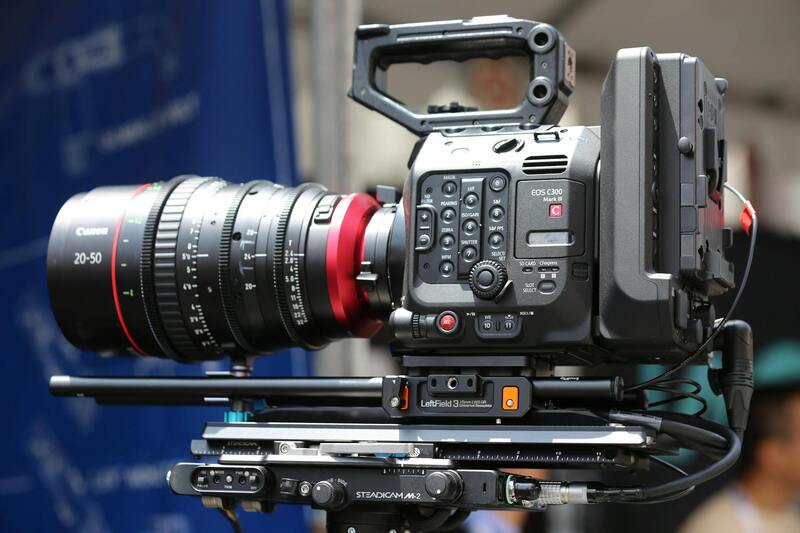
- High-Definition Cameras: Multiple camera angles, including remote-controlled PTZ (Pan-Tilt-Zoom) cameras, capture varied perspectives and add production value.
- Professional Audio Equipment: Microphones, mixers, and soundboards guarantee clear audio, minimizing background noise and ensuring speaker intelligibility.
- Streaming Hardware and Software: Reliable encoders and streaming platforms with robust capacity and adaptive streaming capabilities accommodate diverse bandwidth conditions.
- Backup Systems: Redundant power supplies, backup internet connections, and failover protocols safeguard against technical failures.
- Interactive Tools: Chat modules, polls, and Q&A functionalities foster audience participation, elevating the engagement level.
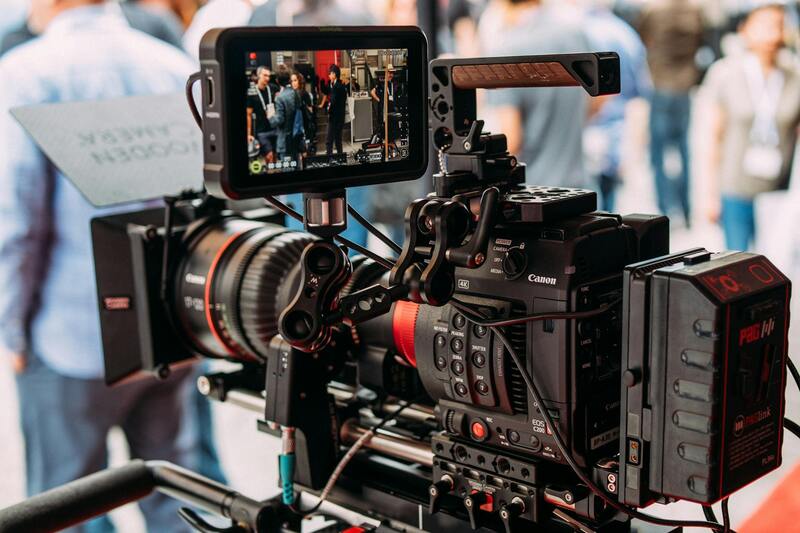
Investing in top-tier hardware and software solutions not only enhances broadcast quality but also reduces latency and buffering issues, delivering a seamless viewer experience across devices and locations.
Overview of Corporate Live Streaming
Corporate live streaming has become an essential component of modern business communication, offering a dynamic way to connect with remote teams, clients, and stakeholders simultaneously. It enables companies to broadcast events, product launches, webinars, or meetings in real-time, ensuring a broad reach without geographic limitations. This method enhances transparency, allows immediate interaction with audiences, and facilitates a cost-effective alternative to traditional in-person events. As technology advances, live streaming services are increasingly sophisticated, providing high-definition visuals, clear audio, and interactive features that elevate the overall viewer experience.

Key Features of Corporate Live Streaming Services
Leading corporate live streaming providers offer a comprehensive suite of features designed to deliver seamless broadcasts. These features include:
- High-Quality Video Transmission: Utilization of 4K and HD cameras ensures crisp visuals, critical for professional presentations and branding.
- Multi-Camera Angles and Switching: Multiple camera feeds can be managed in real-time to provide viewers with varied perspectives, enhancing engagement.
- Simultaneous Multi-Platform Streaming: Content can be broadcast concurrently across multiple channels such as YouTube, Facebook, and custom platforms, maximizing reach.
- Interactive Features: Live chat, polls, and Q&A sessions foster audience participation, increasing engagement and feedback collection.
- Secure Streaming Options: Encrypted streams and access controls protect sensitive corporate content from unauthorized access.
- Analytics and Reporting: Detailed insights on viewer demographics, engagement metrics, and stream performance help refine future broadcasts.
- Technical Support and Monitoring: Dedicated teams oversee the broadcast, promptly resolving any issues that arise to maintain broadcast integrity.

Benefits of Live Streaming for Businesses in Miami
Miami's vibrant business environment benefits significantly from corporate live streaming services, offering avenues for expansion and enhanced engagement. The key advantages include:
- Extended Reach: Live streams transcend geographical barriers, allowing Miami-based companies to connect with global audiences instantly.
- Cost Savings: Eliminates travel, venue, and logistical expenses associated with traditional events, making large-scale presentations more budget-friendly.
- Real-Time Engagement: Enables immediate interaction through chat and Q&A, fostering a more personal connection with viewers.
- Brand Visibility: High-quality streaming elevates corporate image and showcases professionalism to clients and partners worldwide.
- Record and Repurpose Content: Stream recordings can be edited and used for future marketing campaigns or training materials, extending their value.
- Flexibility and Accessibility: Remote attendance options accommodate diverse schedules and time zones, encouraging broader participation.
- Enhanced Data Collection: Analytics tools provide insights into audience preferences and behaviors, guiding marketing strategies.

Types of Corporate Live Streaming Events
For businesses in Miami looking to maximize their reach and engagement through live streaming, selecting the appropriate format for their events is crucial. Different types of corporate events benefit from specialized streaming approaches, each with distinct advantages and technical requirements.
- Product Launches: Showcasing new products with high-quality visuals and immersive presentations can generate excitement and immediate customer feedback. Utilizing multiple camera angles, overlays, and live demonstrations helps captivate viewers and convey key features effectively.
- Conferences and Seminars: Hosting industry-specific events or internal training sessions over live streams broadens access for remote participants. Features like breakout rooms, live polls, and Q&A sessions facilitate interaction and enhance learning experiences.
- Corporate Announcements: Live broadcasts for major company news or strategic updates ensure consistent messaging across all stakeholders, including employees, clients, and partners. These events often benefit from professional moderation and planned visual cues to reinforce messaging.
- Webinars and Workshops: Educational content delivered via live streaming allows for real-time interaction, question-and-answer sessions, and interactive demonstrations with participants from around the globe. Incorporating engaging multimedia materials enhances overall effectiveness.
- Annual Meetings and Shareholder Events: Seamless live streaming of annual general meetings (AGMs) and shareholder conferences demonstrates transparency and broad participation, even from remote locations. High security and reliable platforms are essential for sensitive information sharing.
Technical Support and Monitoring
Executing successful live streams involves meticulous planning and real-time management. Dedicated technical teams handle various aspects, including bandwidth optimization, equipment operation, and troubleshooting. Continuous monitoring ensures that potential issues such as connectivity disruptions or audio-visual glitches are promptly addressed, maintaining a professional presentation quality throughout the event.

Advanced streaming technology involves utilizing multi-platform distribution protocols, adaptive bitrate streaming, and robust encoding hardware to deliver reliable streams. These tools allow for dynamic adjustment to varying internet speeds, providing viewers with a smooth experience regardless of their device or connection quality.
Best Practices for Successful Live Streaming
Achieving high-quality corporate live streams requires adherence to certain best practices. These include:
- Pre-Event Planning: Conduct comprehensive rehearsals, test all equipment, and establish clear communication among the production team to identify potential issues beforehand.
- Content Optimization: Ensure visuals are clear, lighting is professional, and audio is crisp. Customized branding elements like overlays and lower thirds reinforce corporate identity.
- Engagement Features: Incorporate interactive elements such as live chat, polls, and Q&A sessions to foster real-time participation from viewers.
- Platform Selection: Choose streaming platforms that support the event’s scale and features, ensuring compatibility with various devices and robust streaming capabilities.
- Post-Event Follow-up: Analyze engagement metrics and viewer feedback to assess success and identify areas for improvement. Recorded content can be repurposed for marketing or internal training.

Incorporating these strategies helps Miami businesses produce professional, engaging, and impactful live streams that resonate with diverse audiences and strengthen brand reputation.
Utilizing Official Methods for Enhancing Live Stream Quality
Implementing official and reputable methods to improve corporate live streaming quality ensures a consistently professional presentation that resonates with audiences. High-quality streams rely on the integration of certified equipment and trusted software solutions that are designed specifically for enterprise-level broadcasting. Establishing robust content delivery networks (CDNs) through partnerships with established providers guarantees that the live feed maintains stability and minimal latency, even during peak viewership moments. These networks, managed by industry-leading companies, use geographically distributed servers to optimize data routing and decrease buffering times.
Delivering a seamless live stream also involves leveraging official streaming software that supports encryption and security protocols designed to safeguard content. These solutions often feature multi-bitrate streaming capabilities, allowing viewers to receive the best possible quality based on their device and internet connection. Authentic encryption methods, such as Secure Reliable Transport (SRT) or Transport Layer Security (TLS), help maintain the integrity and confidentiality of the broadcast, ensuring that proprietary information remains protected.
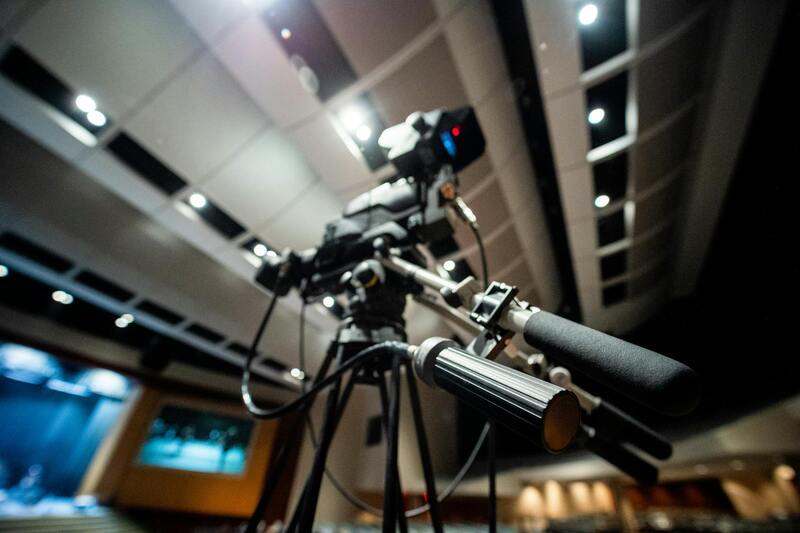
To maintain a professional appearance, official sources recommend using certified camera systems, including professional-grade camcorders and broadcast-quality encoders. Such equipment ensures high resolution, accurate color reproduction, and optimal audio fidelity. Reliable internet infrastructure, including dedicated upload speeds and redundant connections, further facilitates stable streaming, preventing disruptions caused by connection failures.
Ensuring Content Accessibility and Viewership Engagement Through Proven Platforms
Official streaming platforms that comply with industry standards and support enterprise requirements are vital for successful live events. These platforms offer robust features, such as customizable branding, multi-language support, and detailed analytics, which help companies tailor their broadcasts and measure success effectively. Integrated chat functions and real-time engagement tools supplied by these services allow for direct interaction with viewers, fostering a more connected experience.

Opting for official content distribution channels, such as dedicated streaming servers or licensed third-party platforms, guarantees that the content is delivered without interruptions and complies with licensing agreements. These channels often include built-in DRM (Digital Rights Management) solutions, ensuring that streaming rights are protected across all devices and distribution points.
Moreover, integrating official analytics tools provides valuable insights into viewer behavior, engagement levels, and technical performance, facilitating continuous improvement of the streaming process. Consistently utilizing official methods and verified technology solutions fosters trust with viewers and maintains the professional image of the hosting organization.
Technological Considerations and Equipment
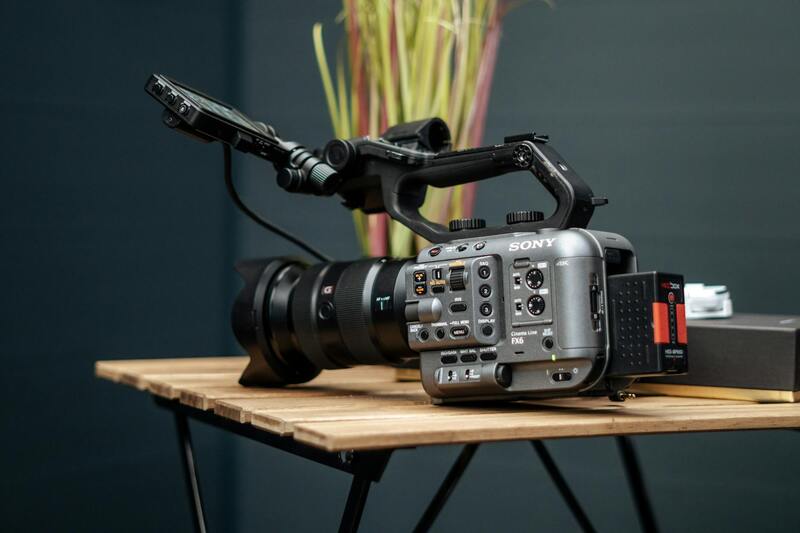
Successful corporate live streaming relies heavily on the right combination of technology and equipment to ensure seamless broadcasts. High-quality video cameras are fundamental, often utilizing professional-grade equipment capable of capturing clear, crisp visuals suitable for large-scale viewing. These cameras should be capable of high-definition output, with options for 4K resolution to cater to detailed visuals and a premium viewing experience.
Complementing the cameras, reliable audio equipment is vital. Industry-standard microphones, mixers, and sound processing devices help capture crisp audio, minimizing background noise and echo, which can detract from viewer engagement. Wireless microphones provide flexibility, especially during dynamic events or multiple speaker setups.
Encoding hardware or software is the next crucial element. This component converts raw video and audio signals into formats optimized for streaming over the internet. High-quality encoders support adaptive bitrate streaming, which ensures viewers receive the best possible quality based on their internet connection, thus reducing buffering and lag issues.

Stable internet connectivity is perhaps the most critical factor in live streaming. Businesses should prioritize dedicated bandwidth potentially backed by redundant connections to prevent interruptions. The use of wired Ethernet connections over Wi-Fi is recommended for increased stability. Additionally, streaming services often incorporate load balancing features across content delivery networks (CDNs) to optimize delivery and minimize latency.
Lighting plays an instrumental role in broadcasting quality visuals. Proper lighting setup, such as softbox or LED panels, ensures all speakers and visuals are well-illuminated, with consistent brightness and color accuracy. Poor lighting can create distracting shadows or make visuals appear dull, decreasing viewer engagement.
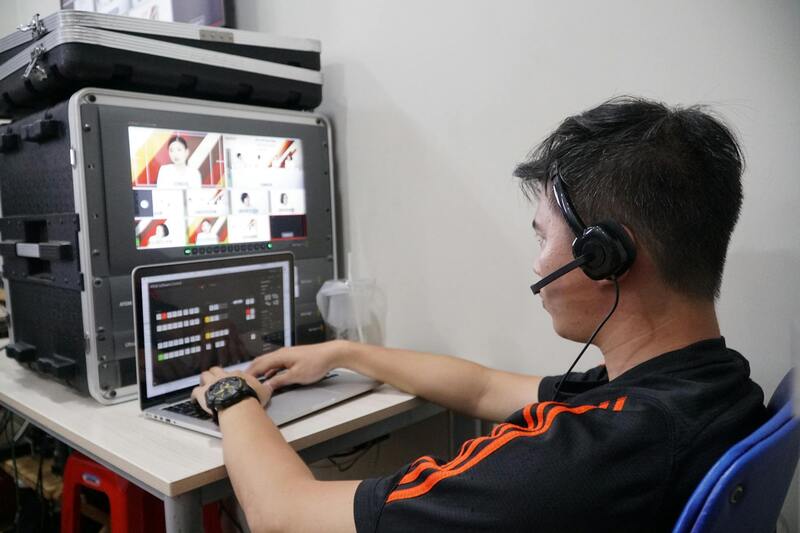
Furthermore, monitor and streaming management tools enable real-time oversight of the broadcast, allowing technicians to identify and resolve issues promptly. These tools include multi-view monitoring, which enables close observation of multiple video feeds simultaneously, ensuring all elements of the stream are functioning optimally.
Investing in a soundproof environment for the streaming setup can substantially improve audio quality, minimizing external noise distractions. Additionally, employing backup power supplies or uninterruptible power supplies (UPS) ensures that unexpected power outages do not disrupt the event.
By meticulously selecting and configuring these technological components, Miami-based businesses can elevate their corporate live streaming to meet professional standards, delivering compelling content that engages viewers while sustaining a flawless viewing experience throughout the event.
Technological Considerations and Equipment
Implementing high-quality corporate live streaming in Miami requires careful selection and configuration of technological components. At the core of a seamless broadcast are reliable cameras capable of capturing crisp, high-definition visuals, ensuring that every detail of the event is vividly conveyed to remote audiences. Professional-grade cameras, such as 4K models with smooth pan and tilt capabilities, are essential for dynamic coverage of live presentations, panel discussions, or product unveilings.
Audio quality is equally pivotal. Directional microphones, lapel mics for speakers, and audio mixers allow for clear, balanced sound even in complex environments. Employing soundproofing techniques within the streaming setup minimizes external noise, enhancing clarity and reducing distractions for viewers. Proper calibration of audio equipment ensures natural sound levels, avoiding distortions and ensuring a professional listening experience.
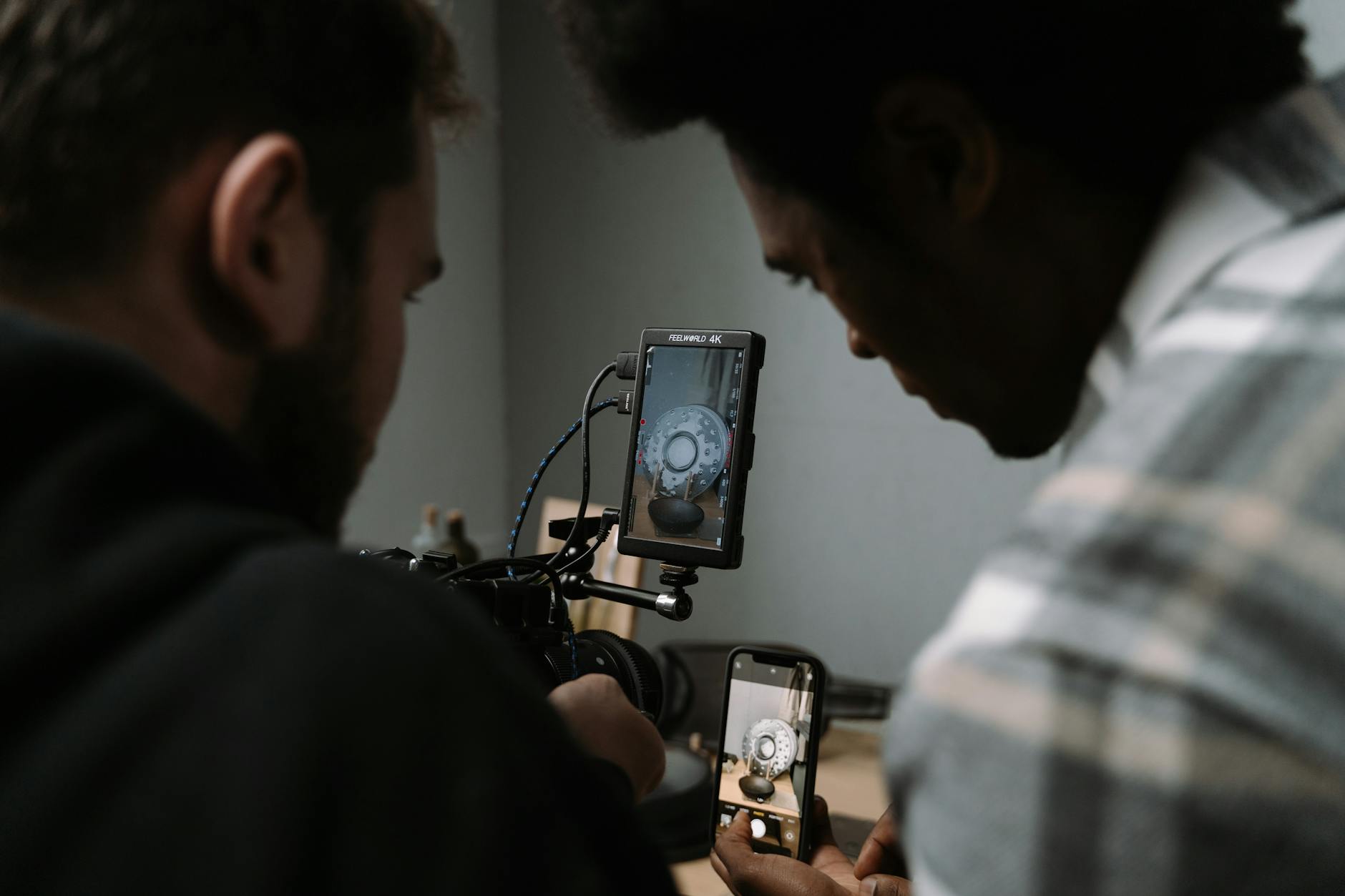
Lighting setup greatly influences the overall visual appeal of a broadcast. Softbox lighting, LED panels, and ring lights provide consistent, flattering illumination that eliminates shadows and highlights facial features for speakers and presenters. Well-lit visuals maintain viewer engagement and project professionalism that reflects positively on the brand. Properly balanced lighting paired with high-resolution cameras captures vibrant, true-to-color visuals, essential for showcasing products or presenting detailed visuals.
Streaming hardware, such as encoders, converts visual and audio signals into digital formats suitable for online transmission. Hardware encoders offer robust, low-latency performance, ideal for large-scale events, while software encoders are suitable for smaller setups. These devices interface with content delivery networks (CDNs) to distribute streams efficiently across multiple geographic locations, reducing buffering and latency issues.
Network infrastructure plays a crucial role in supporting live streaming. A dedicated, high-bandwidth internet connection with stable upload speeds minimizes buffering and ensures continuous playback. Backup internet options or redundant network paths further safeguard against interruptions, especially during critical presentations or large conferences. Network security measures are also important to prevent unauthorized access and safeguard sensitive corporate information during the broadcast.
Finally, a dedicated control room or streaming hub allows technicians to manage multiple camera feeds, images, overlays, and live updates seamlessly. Multi-camera switchers, real-time editing software, and monitoring tools provide the flexibility to adapt visuals dynamically, ensuring every element aligns perfectly with the event’s flow. Investing in these technological solutions not only enhances broadcast quality but also affirms a company's commitment to delivering a polished, professional experience to viewers.