Understanding Streaming Video Production
Streaming video production has become a cornerstone of modern digital communication, offering dynamic ways for businesses, content creators, and event organizers in Miami to connect with audiences in real time. This process encompasses all stages involved in capturing, transmitting, and presenting live or pre-recorded video content over the internet, ensuring viewers experience seamless and engaging visuals regardless of their location.
At its core, streaming video production relies on a blend of sophisticated hardware, robust internet connectivity, and advanced software solutions designed to deliver high-quality content efficiently. Different from traditional video broadcasting, streaming focuses on continuous data transmission, enabling viewers to access content instantaneously without waiting for downloads. This immediacy fosters genuine interactions during live events, webinars, performances, and corporate presentations.
Understanding key industry terminology is vital for effective streaming video production. Concepts such as encoding, which compresses raw footage into a suitable format for online transmission, and bitrate, which dictates the quality and size of the streaming data, are foundational. Moreover, viewers are accustomed to adaptive streaming technologies that automatically adjust video quality based on their internet speed, ensuring minimal buffering and optimal viewing experiences.
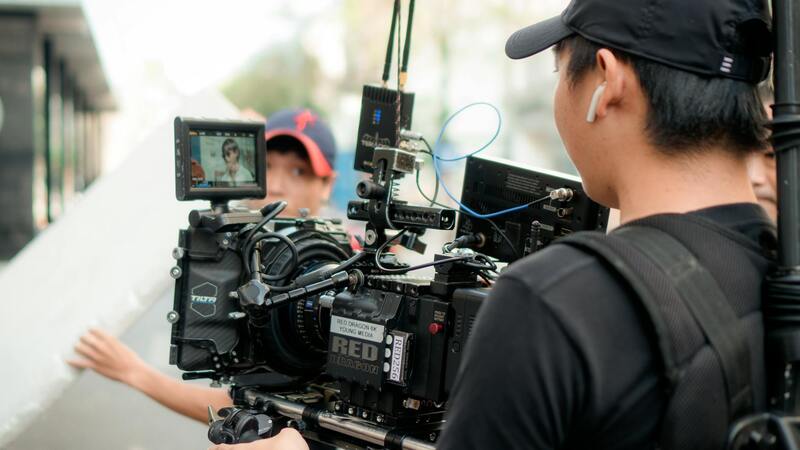
For Miami-based businesses and content creators, mastering streaming video production offers substantial advantages. It enhances brand visibility, enables real-time audience engagement, and supports diverse formats from live product launches to virtual tours. As technology continues to evolve, understanding the fundamentals of streaming production remains essential for maximizing reach and impact in today's fast-paced digital landscape.
Equipment and Technology Essentials
Implementing a successful streaming video production relies heavily on selecting the right equipment and leveraging advanced technology. From high-definition cameras to professional audio gear, the tools used significantly influence the overall quality of the broadcast. Modern streaming setups often include multiple camera angles, wireless microphones, and stabilization equipment to ensure seamless visuals and crisp sound. Additionally, encoders play a crucial role in compressing and transmitting live footage efficiently, with hardware encoders offering lower latency and higher stability compared to software-based solutions.
Reliable internet connectivity is paramount; wired connections generally provide more stable bandwidth than wireless setups, reducing the risk of interruptions. To optimize streaming performance, content creators should also consider backup internet options or dual connectivity solutions, such as bonding multiple internet sources, to maintain uninterrupted broadcast quality.
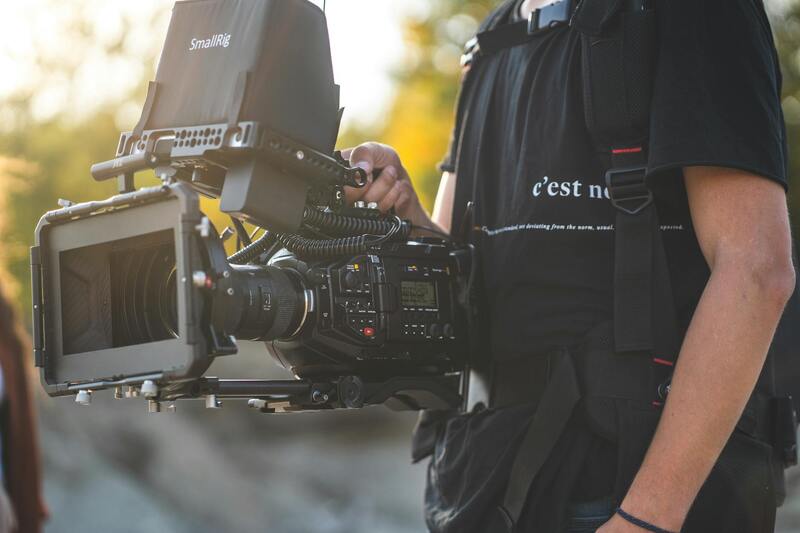
Furthermore, the integration of software solutions enhances control and flexibility in streaming workflows. Platforms for live switching, overlays, and real-time analytics enable producers to deliver engaging broadcasts while monitoring performance metrics to swiftly address any issues. For those in Miami aiming to produce professional-grade video streams, investing in scalable equipment and versatile software tools ensures the capacity to adapt to various content types and audience sizes.
Production Techniques in Streaming Video
Executing effective production techniques elevates the quality and engagement of streaming content. Employing multi-camera setups allows for dynamic visuals, capturing different angles and close-ups, which maintain viewer interest. Proper lighting is essential to ensure clear images, especially in indoor settings, with LED panels or softboxes providing consistent, flattering illumination.
Sound quality often makes or breaks a broadcast. Using directional microphones and sound mixers helps eliminate background noise and balance audio levels. During live sessions, having a dedicated team to manage transitions, graphics, and audio cues is vital for a polished presentation.
Moreover, pre-recorded segments or B-roll footage can be incorporated into live streams to add variety and professionalism. Smooth transitions, lower thirds, and on-screen graphics contribute to brand consistency and viewer comprehension. Practicing scene changes and timing ensures a fluid viewer experience, minimizing technical glitches.
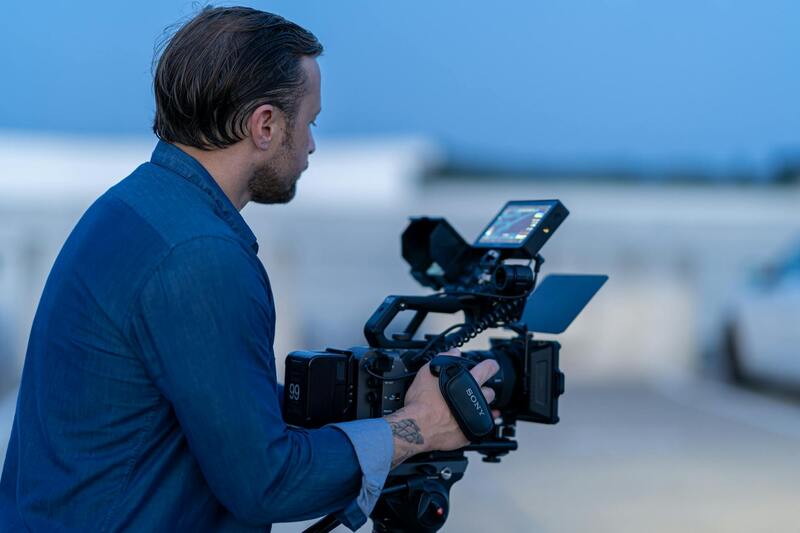
In Miami's vibrant event environment, effective production techniques ensure that live streaming captures the energy and details of corporate events, concerts, or seminars. Skilled direction, combined with technical precision, delivers content that feels immersive and engaging, mirroring the professionalism expected by discerning audiences.
Understanding Streaming Video Production
Streaming video production has become a cornerstone of contemporary content delivery, enhancing real-time engagement across various platforms. It involves a meticulous blend of technical expertise, creative direction, and strategic planning to generate live or pre-recorded broadcasts that captivate audiences and deliver messages effectively. Producing high-quality streaming content demands a comprehensive understanding of the technical infrastructure, artistic elements, and audience engagement strategies, ensuring that each broadcast aligns with brand objectives and viewer expectations.

Core Components of Streaming Video Production
- Video Capture Equipment: Utilization of professional cameras capable of broadcasting in high definition (HD) or 4K ensures crisp visuals. Optimal camera placement and angles contribute significantly to viewer engagement and the overall aesthetic.
- Audio Capture Solutions: Clear sound is indispensable. Employing high-fidelity microphones, sound mixers, and windshields minimizes background noise and captures dialogue with clarity, creating a more immersive experience.
- Encoding Hardware and Software: Encoders convert raw video and audio signals into streamable formats. Reliable hardware or cloud-based solutions facilitate seamless transmission, maintaining the quality and stability of the broadcast.
- Networking and Bandwidth: A robust internet connection with sufficient upload bandwidth ensures smooth streaming without interruptions. Redundant connections or backup internet sources are often employed to prevent service disruptions during critical moments.
- Streaming Platforms and Servers: Selecting suitable platforms (such as dedicated CDN services) allows for broad distribution and scalability. Content delivery networks optimize streaming performance across different regions.
Key Technical Considerations for Effective Streaming
- Latency Management: Minimizing delays between the source and viewer enhances real-time interaction, critically important for live events involving Q&A sessions or audience participation.
- Quality Control: Continuous monitoring of broadcast quality through dedicated personnel or automated systems ensures visual and audio fidelity, promptly addressing any issues that arise.
- Synchronization: Precise synchronization of audio, video, and graphical overlays provides a professional appearance and smooth viewer experience.
- Security Measures: Implementing encryption and access controls protects content from unauthorized viewing and protects the integrity of the broadcast.
Technological Advancements Elevating Streaming Production
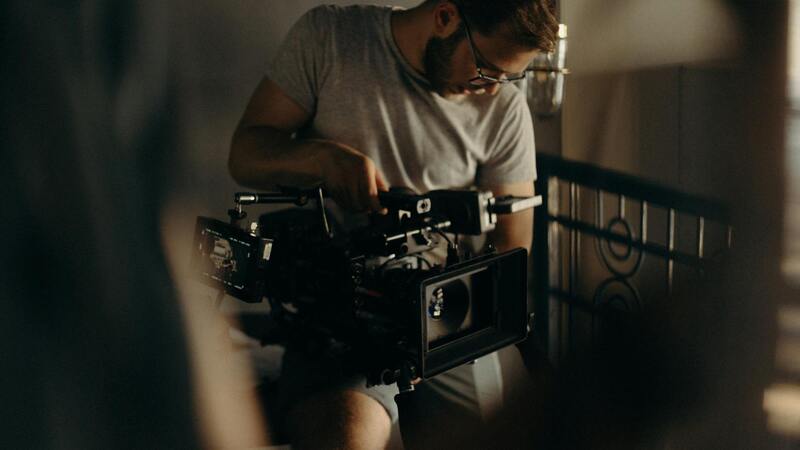
Recent innovations such as 4K cameras, wireless transmission solutions, and AI-powered editing tools have revolutionized streaming workflows. Virtual sets and augmented reality integrations allow for dynamic visual environments that were once difficult to achieve. Furthermore, advancements in real-time analytics enable producers to understand viewer behavior and optimize content delivery accordingly. Embracing these innovations ensures that streaming content remains competitive, engaging, and reflective of the highest production standards.
Understanding Streaming Video Production
Streaming video production involves a comprehensive process designed to deliver high-quality live and pre-recorded content over the internet. It requires meticulous planning, advanced technology, and skilled execution to ensure seamless delivery that captivates viewers and maintains broadcast standards. Central to efficient streaming is an understanding of how different components—hardware, software, and network infrastructure—interact to produce a polished final product. Professionals in this field leverage a variety of techniques and tools, from encoding software that compresses and transmits data to robust servers that handle viewer traffic without interruption.
Effective streaming production begins with a clear outline of content objectives and audience engagement strategies. Whether broadcasting a corporate event, live concert, or educational seminar, each production demands tailored technical configurations and content customization. Key stages include pre-production planning, which encompasses scripting, staging, and setting up the technical environment, followed by live execution and post-broadcast review. Achieving consistency across these phases fosters credibility and viewer trust, essential for building a loyal online audience.
Planning and Pre-Production for Streaming Content
A successful streaming event hinges on thorough planning. This involves detailed logistical coordination, content pacing, and technological preparation. Developing a production schedule aligned with key event milestones ensures that all elements are synchronized, minimizing technical disruptions during the broadcast. Engaging a dedicated technical team familiar with streaming protocols and equipment setup is crucial for troubleshooting and real-time adjustments.
Pre-production also entails selecting appropriate platforms for distribution, setting up encoding and streaming software, and configuring hardware such as cameras, microphones, and switching consoles. Content creators should consider rehearsals, testing internet stability, and double-checking audiovisual synchronization to guarantee a smooth viewer experience. Additionally, establishing security protocols for access control and content protection safeguards the integrity of the broadcast against potential disruptions or unauthorized access.
Equipment and Technology Essentials
Implementing a professional streaming video production requires a combination of high-grade hardware and sophisticated software. Critical equipment includes:
- Capturing Devices: 4K or HD cameras capable of delivering crisp, detailed footage.
- Audio Equipment: Lavalier mics, shotgun mics, and audio mixers to ensure clear sound quality.
- Video Switchers: Hardware or software tools to seamlessly switch between multiple camera angles.
- Encoding Software: Programs that compress signal streams, making them suitable for transmission over various networks.
- Lighting Solutions: Professional lighting setups to illuminate presenters and sets uniformly.
- Network Infrastructure: Dedicated high-speed internet connections with sufficient bandwidth to handle data loads without buffering.
Advancements in wireless transmission technologies and real-time monitoring tools have augmented traditional setups, allowing more flexibility and higher production values in live streaming environments. Furthermore, virtual and augmented reality tools can be integrated into streaming workflows to create immersive experiences that captivate modern audiences.
Conclusion
Deploying a robust streaming video production setup demands a strategic combination of the right technology, precise planning, and professional execution. With ongoing innovations continually enhancing content quality and viewer engagement, staying updated on the latest tools and techniques is vital for producing compelling streaming content that meets the highest standards of professionalism and audience expectation.
Understanding Streaming Video Production
Effective streaming video production hinges on meticulous planning, utilizing advanced equipment, and applying expert techniques to ensure high-quality output that engages viewers. At its core, it involves capturing live or pre-recorded content, processing it with precise technical setups, and broadcasting through reliable platforms to reach a broad audience. A comprehensive approach to these elements emphasizes professionalism, clarity, and technical excellence.
Planning and Pre-Production for Streaming Content
Successful streaming begins long before the cameras roll. Pre-production involves defining the content objectives, audience targeting, and selecting appropriate formats and platforms for dissemination. During this phase, aspects such as script development, scheduling, and setting up the technical infrastructure are critical. Ensuring all elements—from camera angles to audio logistics—are planned thoroughly can mitigate technical issues during live broadcasts and enhance overall production quality.
Pre-production also requires conducting site surveys to evaluate lighting conditions, internet connectivity, and space constraints. This preparation guarantees that technical equipment such as cameras, microphones, and streaming hardware are appropriately calibrated and positioned for optimal performance.
Equipment and Technology Essentials
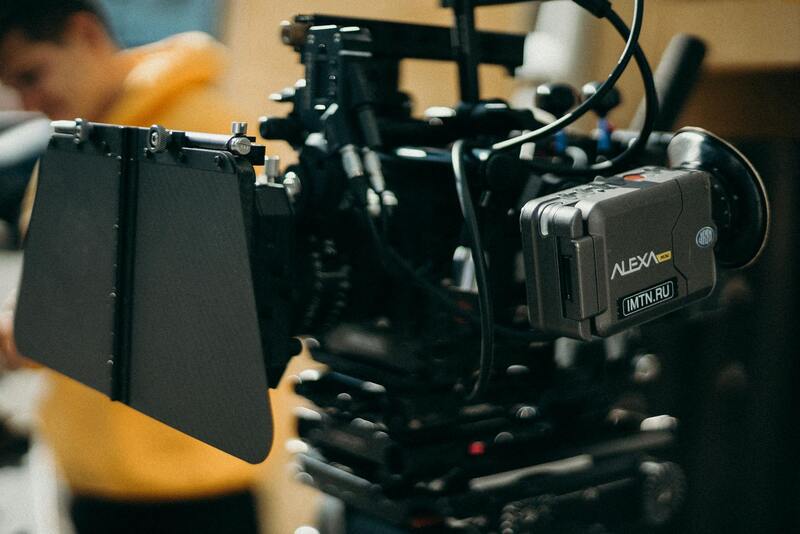
High-quality hardware forms the backbone of professional streaming operations. Essential equipment includes:
- Broadcast Cameras: Cameras capable of 4K or HD resolution deliver crisp visuals. Options range from professional studio cameras to high-end consumer models with advanced features.
- Audio Devices: Lavalier microphones for hands-free narration, shotgun mics for directional sound capture, and professional mixers for balancing audio levels are vital for clear sound.
- Switchers and Encoders: Video switchers allow seamless transitions between multiple camera feeds, while encoders compress the video stream for transmission across networks efficiently.
- Lighting: Proper lighting ensures uniform illumination of subjects, reducing shadows and enhancing visual clarity. LED panels and diffusers are commonly used in studio settings.
- Reliable Internet Infrastructure: A dedicated high-bandwidth internet connection minimizes latency and buffering, ensuring smooth streaming experiences even during high-traffic broadcasts.
Production Techniques in Streaming Video
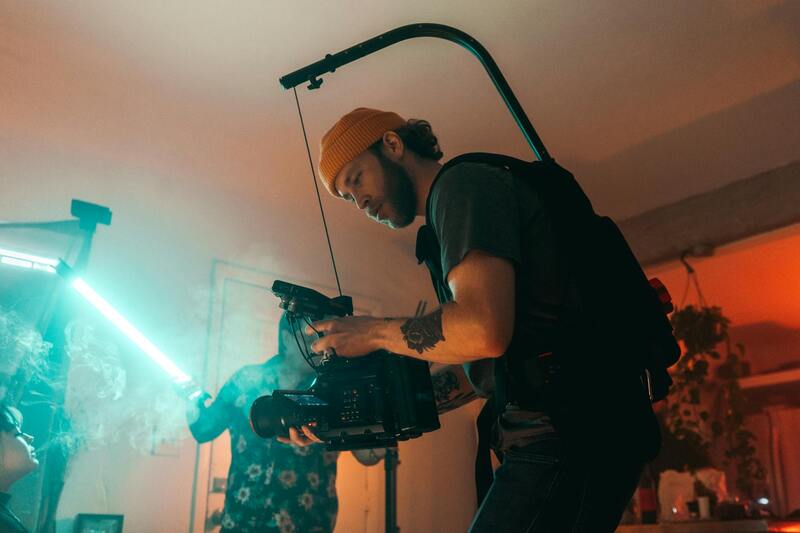
Executing professional-level streaming requires skilled operation of equipment and well-practiced techniques. Multi-camera setups enable dynamic shots and engaging visuals; switching between feeds elevates the production's visual interest. Moreover, integrating real-time graphics, overlays, and lower thirds enhances content clarity and branding consistency.
Audio monitoring is crucial for capturing pristine sound, avoiding issues such as background noise or audio mismatches. Employing real-time monitoring tools facilitates immediate adjustments, maintaining quality throughout the session.
Lighting setups are designed to highlight presenters and set elements distinctly, creating an immersive experience. Virtual backgrounds and green screen technology can also be employed to project dynamic environments, increasing audience engagement.
Technicians must be adept at troubleshooting and adapting to network fluctuations, ensuring the integrity of the feed. Implementing redundancy systems, such as backup internet connections and secondary power supplies, further safeguards against unexpected disruptions.
Image Placeholder
Understanding Streaming Video Production
Streaming video production encompasses a comprehensive process that begins with meticulous planning and continues through intricate technical execution. It involves the coordination of multiple elements such as camera angles, audio quality, lighting, graphics, and internet connectivity to deliver a seamless viewing experience. Successful streaming relies on a cohesive integration of hardware and software, along with skilled personnel adept at managing live broadcasts. The goal is to produce engaging, high-quality content that maintains viewer interest and achieves specific communication objectives.
Core Components of Streaming Video Production
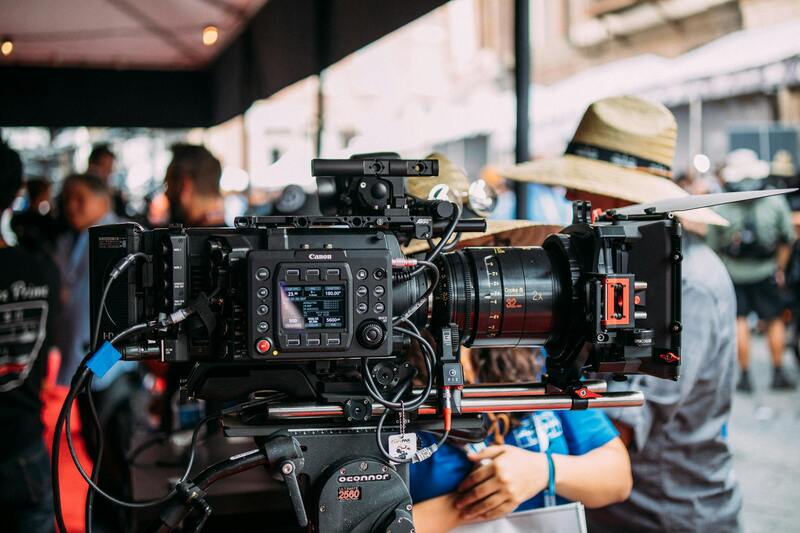
- Camera Systems: Multiple professional cameras allow dynamic shot compositions, facilitating different angles and close-ups that enhance viewer engagement.
- Audio Equipment: Quality microphones, mixers, and audio processors ensure clear sound, which is critical for maintaining attention during live sessions.
- Lighting Design: Strategic lighting setups highlight presenters and set elements, contributing to the overall visual quality and immersive experience.
- Graphics and Overlays: Real-time graphics, lower thirds, and branding overlays provide context and reinforce branding strategies during the broadcast.
- Internet Connectivity: A high-bandwidth, dedicated internet connection minimizes latency and buffering, ensuring smooth and uninterrupted streams.
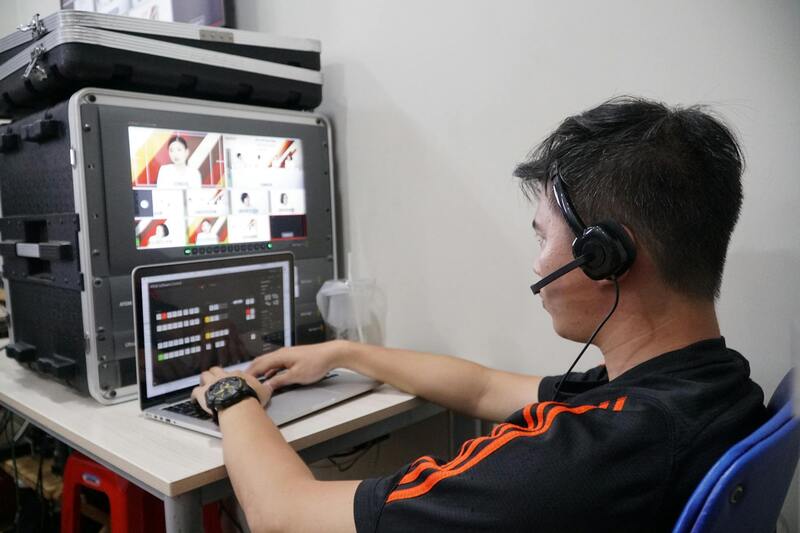
- Streaming Hardware and Software: Encoders and control interfaces allow seamless switching between camera feeds, managing graphics, and monitoring overall broadcast quality.
Technical Considerations for Professional Streaming
To maintain high standards, technical expertise is essential. Skilled operators manage camera switching, audio levels, and graphic overlays in real-time. Implementing redundancy, such as backup internet lines and power supplies, addresses potential disruptions. Additionally, regular testing of equipment prior to broadcast days ensures all components function ideally. Troubleshooting skills are also vital for addressing unforeseen issues swiftly, minimizing disruptions and preserving the broadcast’s integrity.

Training and Workforce Skills
Producing high-caliber streaming content requires a dedicated team, including camera operators, audio engineers, graphics operators, and technical directors. Continuous training ensures these team members remain proficient with evolving technologies and techniques. Familiarity with live mixing, troubleshooting software, and managing real-time feeds considerably enhances the overall production quality. Collaboration and clear communication among team members further streamline the workflow, leading to a more polished final product.
Distribution and Platform Integration
Once a streaming video production reaches completion, the focus shifts to effective distribution across suitable platforms to maximize audience engagement. Choosing the right outlets involves evaluating regional reach, target demographics, and content format to ensure the content resonates with viewers. Common distribution channels include dedicated streaming platforms, social media channels, and websites that support live or on-demand viewing formats.
Embedding live streams directly into a business's website or creating custom apps can enhance viewer accessibility and brand visibility. Additionally, utilizing multi-platform broadcasting solutions — known as simulcasting — allows simultaneous streaming across various platforms, broadening reach without compromising stream quality. Fidelity in synchronization across platforms is maintained through reliable encoding and bandwidth management, ensuring viewers on different pages or apps experience consistent quality.
To facilitate seamless integration, many production teams employ SDKs (Software Development Kits) and APIs (Application Programming Interfaces) provided by streaming platforms. These tools enable robust customization of player interfaces, real-time analytics, and viewer engagement features such as chat functionalities or donation modules. Incorporating these elements not only improves viewer interaction but also provides valuable data on audience preferences and behavior, informing future content strategies.
Ensuring compatibility across devices — desktops, tablets, smartphones, and smart TVs — is crucial. Adaptive bitrate streaming technology dynamically adjusts video quality based on viewers' internet speeds, minimizing buffering and optimizing the viewing experience. This technology operates behind the scenes during distribution, automatically selecting the best available video quality for each connection.
Another important consideration is regional compliance, particularly for geographical restrictions. Content may be subject to licensing agreements or regional regulations, necessitating geo-blocking or regional content licensing. Implementing secure content delivery networks (CDNs) helps protect content rights and ensures stable, swift delivery to audiences in different locations.
Monitoring tools integrated into streaming platforms provide real-time analytics concerning viewer count, engagement levels, geographic distribution, and device performance. Continuous analysis enables production teams to adjust their distribution strategy proactively, optimizing viewer retention and overall broadcast success. These insights contribute to refining future streaming projects, ensuring content remains engaging and accessible across all intended markets.
Legal, Licensing, and Compliance Considerations
Effective streaming video production requires meticulous attention to legal frameworks, licensing agreements, and compliance standards to ensure that content delivery respects intellectual property rights, regional regulations, and platform-specific policies. Adhering to these official practices safeguards the production against disruptions and enhances its credibility and trustworthiness among viewers and stakeholders alike.
Understanding copyright law is fundamental. All visual elements, music, logos, and third-party content integrated into a streaming project need clear authorization or licensing agreements. These licenses specify how the content can be used and distributed across various platforms, ensuring producers avoid unauthorized use that could lead to content removal or legal issues. It is essential to work with reputable licensing agencies and legal professionals familiar with media rights and distribution laws.
Regional restrictions and content compliance form a critical part of streaming strategies. Geographical limitations are often imposed due to licensing rights, cultural sensitivities, or legal restrictions. Implementing geo-targeting technology allows streaming services to restrict access in specific territories, aligning distribution with licensing agreements and regional regulations. This practice helps administrators deliver content responsibly and maintain good standing within regional markets.
Another essential aspect involves data privacy laws and user consent management. Streaming platforms must adhere to regulations such as GDPR or CCPA, which govern user data collection and processing. Clear privacy policies, consent forms, and secure data handling protocols help ensure compliance, building trust with audiences and avoiding potential penalties.
Content delivery networks (CDNs) contribute significantly to secure streaming practices. By utilizing trusted CDNs, streaming providers can implement encrypted data transmission, protect against piracy, and ensure content is delivered efficiently across diverse geographic locations. Additionally, DRM (Digital Rights Management) technologies enforce usage controls, preventing unauthorized redistribution or recording of live streams.
Finally, monitoring and reporting compliance include maintaining transparent records of licensing agreements, regional restrictions, and content usage. These records facilitate audits and demonstrate adherence to licensing policies, which can be vital during disputes or regulatory reviews. Ongoing staff training on legal and compliance issues further reinforces an organization’s commitment to lawful and ethical streaming practices.
Maintaining compliance in streaming video production is an ongoing process that involves careful planning, technological implementation, and collaboration with legal experts. Such diligence supports the sustainable growth of streaming initiatives and sustains viewer trust and platform integrity.