Overview of Live Broadcast Production Companies
A live broadcast production company specializes in creating real-time video coverage of events, delivering seamless streams to audiences across platforms such as television, social media, and online streaming services. These companies possess the technical expertise, equipment, and personnel needed to produce high-quality live content, serving a diverse range of industries including corporate, entertainment, sports, fashion, and government sectors. Their primary role involves managing all aspects of live event coverage—from pre-production planning to on-site execution and post-broadcast analysis—ensuring viewers experience smooth and engaging transmissions.
In today’s digital age, live broadcast production companies are vital for organizations seeking to reach global audiences instantaneously. They bridge the gap between event organizers and viewers, providing real-time reporting, interactive features, and high-definition visuals that elevate the event’s profile and engagement levels. With the increasing importance of live content in marketing strategies and public communications, these companies act as critical partners in building credibility and expanding reach for their clients.
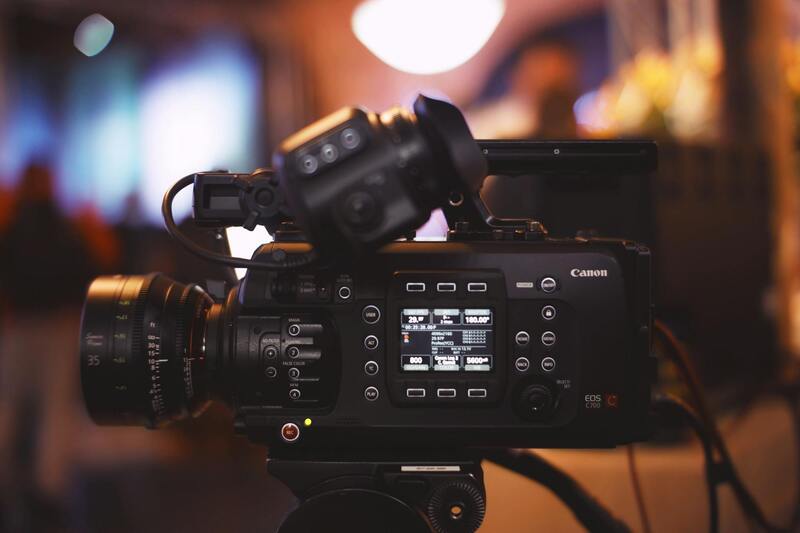
Operating at the intersection of technology and storytelling, a live broadcast production company integrates various technical disciplines—including video production, sound engineering, and broadcasting technology—to deliver a cohesive live experience. By doing so, they help clients achieve their communication goals, whether it’s showcasing a product launch, streaming a conference, or broadcasting a cultural festival. Their expertise ensures that every aspect of the live event runs smoothly, from camera angles to audio balance, creating a professional and immersive viewing experience for audiences worldwide.
Furthermore, these companies often tailor their services to meet the specific needs of each project, providing not just technical execution but also strategic consultation on how to best deliver the message, manage viewer interaction, and maximize digital presence. This comprehensive approach is what makes live broadcast production companies indispensable partners in today’s competitive media landscape.
Essential Equipment and Technology Used
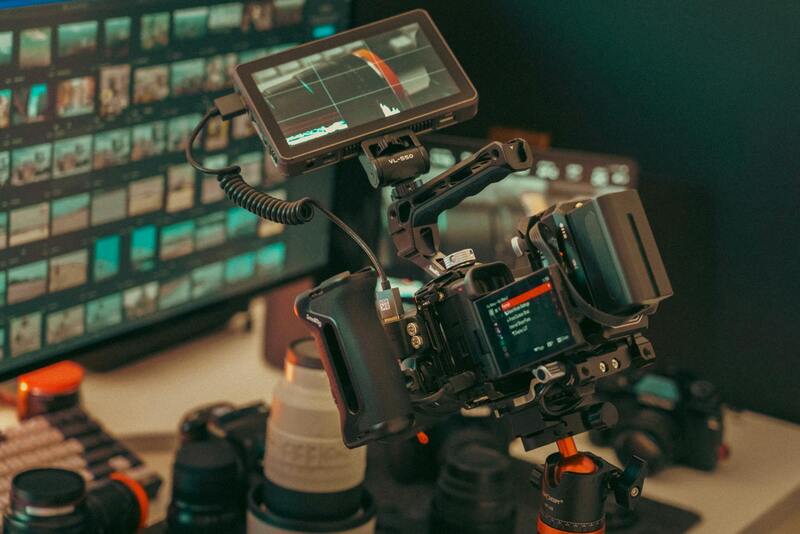
To deliver flawless live broadcasts, production companies utilize an array of advanced equipment and cutting-edge technology. High-definition cameras are fundamental, often including robotic or stabilized cameras that allow for dynamic shots and versatile angles, ensuring a visually engaging presentation. These cameras are integrated with professional-grade video switchers, which enable seamless transitions, picture-in-picture effects, and multi-source mixing in real-time.
Audio quality is equally critical, requiring robust sound engineering tools such as wireless microphones, mixing consoles, and digital audio processors to capture, balance, and broadcast crystal-clear sound. These components ensure that every word, nuance, and audience interaction is conveyed accurately and clearly. Moreover, reliable streaming hardware—such as encoders and transmitters—is essential for transmitting high-quality video data to various online platforms without interruption or lag, supporting both live and on-demand viewing.
Lighting equipment also plays a vital role, particularly for indoor or stage-based productions. Professional lighting setups are designed to illuminate subjects evenly, enhance aesthetics, and minimize shadows, contributing to a polished visual presentation. Advanced control systems allow for programmable lighting effects, which can be synchronized with video and audio cues for more engaging broadcasts.
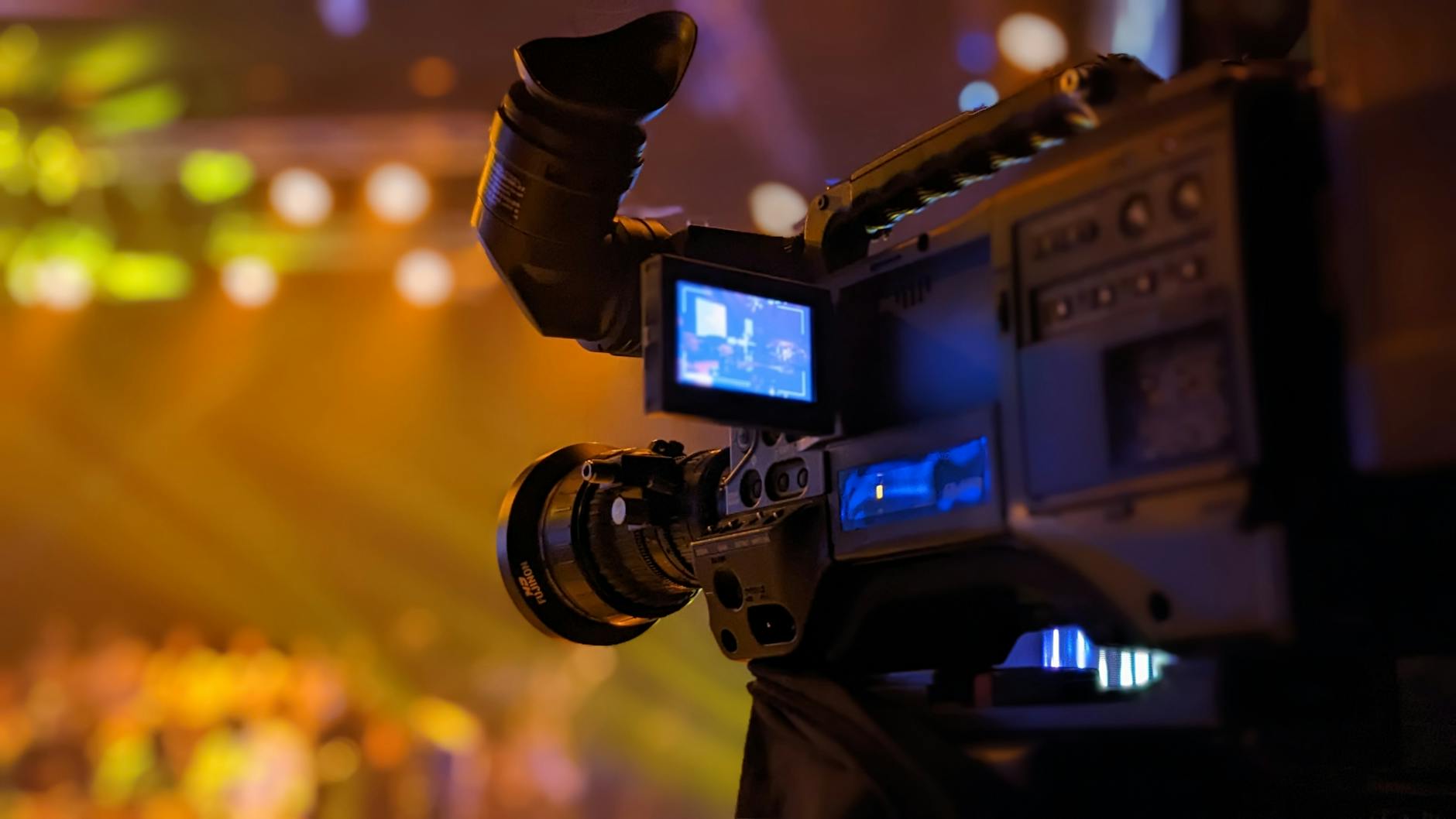
In addition to hardware, production companies leverage sophisticated software platforms for managing live streams, graphics, and real-time data overlays. These tools facilitate communication among team members, enable real-time analytics, and provide viewers with interactive features that enhance engagement and participation.
Process of Planning and Executing a Live Broadcast
Successful live broadcasting begins long before the event starts. Planning involves detailed coordination among all stakeholders—clients, technical staff, and creative teams—to establish clear objectives and a comprehensive execution strategy. This stage includes site assessments, technical rehearsals, and contingency planning to address potential challenges that could disrupt the broadcast.
The production team develops a scripted rundown, outlining camera shots, graphics sequences, and audio cues, ensuring every element aligns with the event’s narrative and goals. A dedicated director oversees the live feed, making real-time decisions to adapt to on-site conditions or audience interactions.
During the event, meticulous execution is crucial. The technical crew manages camera operation, sound mixing, and streaming delivery, constantly monitoring system performance and making adjustments as necessary. Simultaneously, the director orchestrates visual storytelling, ensuring a coherent, professional presentation that maintains audience engagement.
Post-event, the content often undergoes editing and archiving, providing clients with valuable assets for marketing, internal review, or future promotions. Analyzing viewer metrics and feedback helps refine workflows and enhances the quality of subsequent broadcasts.
Core Services Offered by Live Broadcast Production Companies
Live broadcast production companies provide a comprehensive suite of services designed to deliver seamless and impactful live streaming experiences. These services extend beyond mere transmission, encompassing each phase of the broadcast process to ensure a polished and engaging presentation.
One of the primary offerings is end-to-end event coverage, where the production team manages everything from pre-event planning to post-broadcast analytics. This includes content creation, set design, and the integration of multimedia elements such as graphics, animations, and branding visuals that enhance the visual appeal and reinforce the event's messaging.
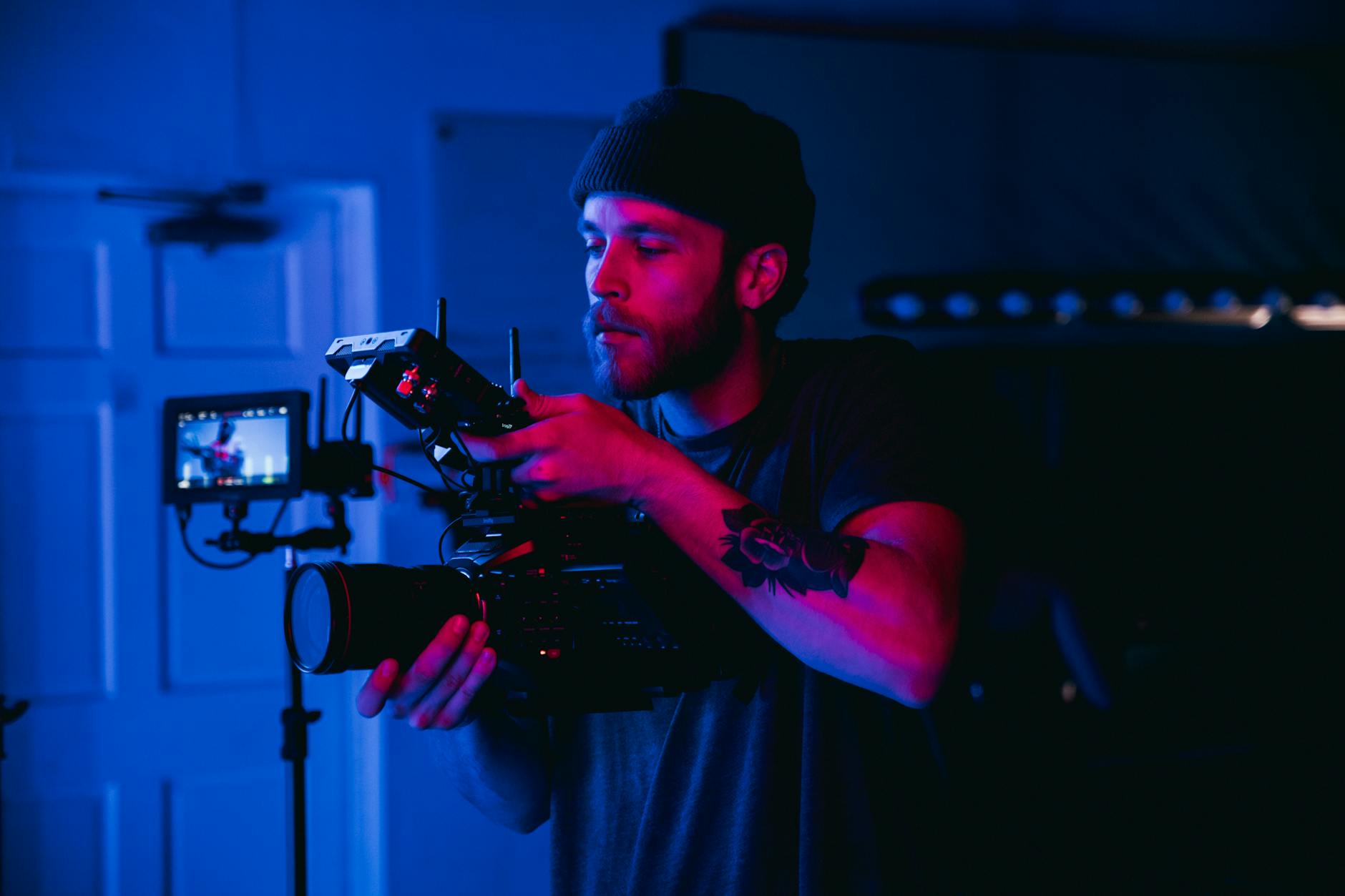
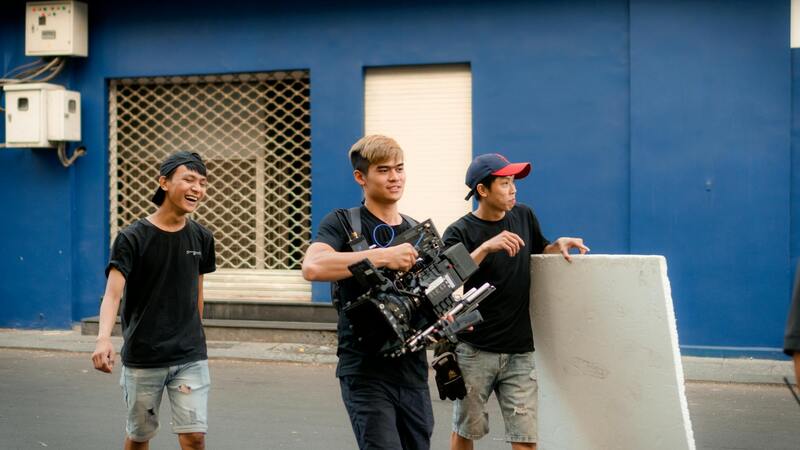
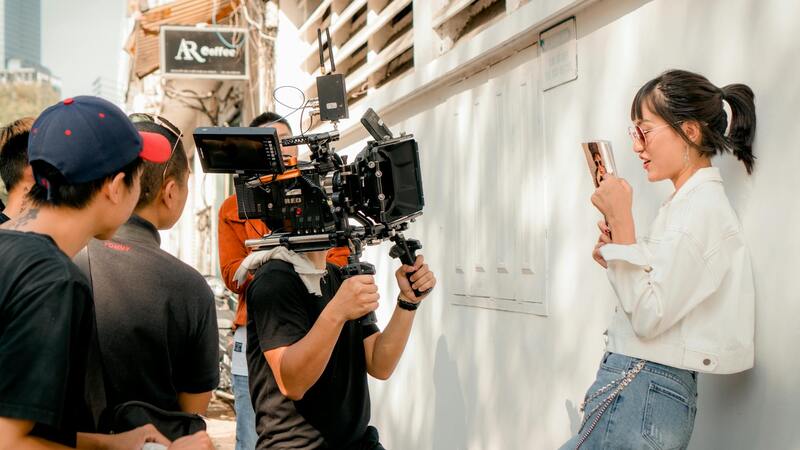
Another core service is multi-camera production. This setup allows for varied viewing angles and dynamic visual storytelling, which is vital for high-profile corporate events, concerts, or sports broadcasts. Skilled camera operators and directors coordinate to capture the event from optimal perspectives, ensuring every moment is visually compelling.
Technical oversight is a crucial aspect, with services including quality audio management, lighting control, and switcher operation. Audio engineers ensure clear sound delivery across multiple microphones and sound feeds, while lighting technicians work to maintain visual clarity and mood. The use of professional switchers allows smooth transitions between camera feeds, graphics, and videos, providing a seamless viewing experience for online audiences.
Streaming and distribution services form another fundamental element. Production companies utilize advanced streaming platforms that support high-definition broadcasts with minimal latency. They handle encoding, encoding, and bandwidth management to accommodate various audience sizes and network conditions, ensuring consistent stream stability. Additionally, secure streaming solutions prevent unauthorized access and protect content.
Post-production support is equally vital. After the live event wraps up, companies often provide editing, highlight reels, and archived content. Analytics platforms help evaluate viewer engagement, peak viewership times, and audience demographics, giving clients insights to optimize future broadcasts and marketing strategies.
Dedicated technical support ensures all equipment and systems perform optimally during the event, addressing issues promptly to avoid disruptions. The coordination among creative, technical, and managerial teams underscores the importance of experienced professionals committed to delivering high-quality broadcast experiences consistently.
Comprehensive Approach to Live Broadcast Production in Miami
Meticulous Planning and Seamless Execution
The foundation of a successful live broadcast hinges on a well-structured planning process. This begins with understanding the client's objectives, target audience, and the nature of the event. Detailed pre-production involves script development, shot list creation, and storyboard preparations to ensure visual and technical coherence. Collaborating with clients to establish key moments, timing, and desired effects contributes to a cohesive broadcast strategy.
Technical setup constitutes a critical phase, entailing the configuration of cameras, audio equipment, lighting, and streaming infrastructure. A thorough network assessment guarantees bandwidth sufficiency for uninterrupted transmission, while redundancy plans are put in place to counteract potential technical failures. Equipment calibration, rehearsals, and run-throughs are performed to iron out any discrepancies before the live event.
Execution and Real-Time Management
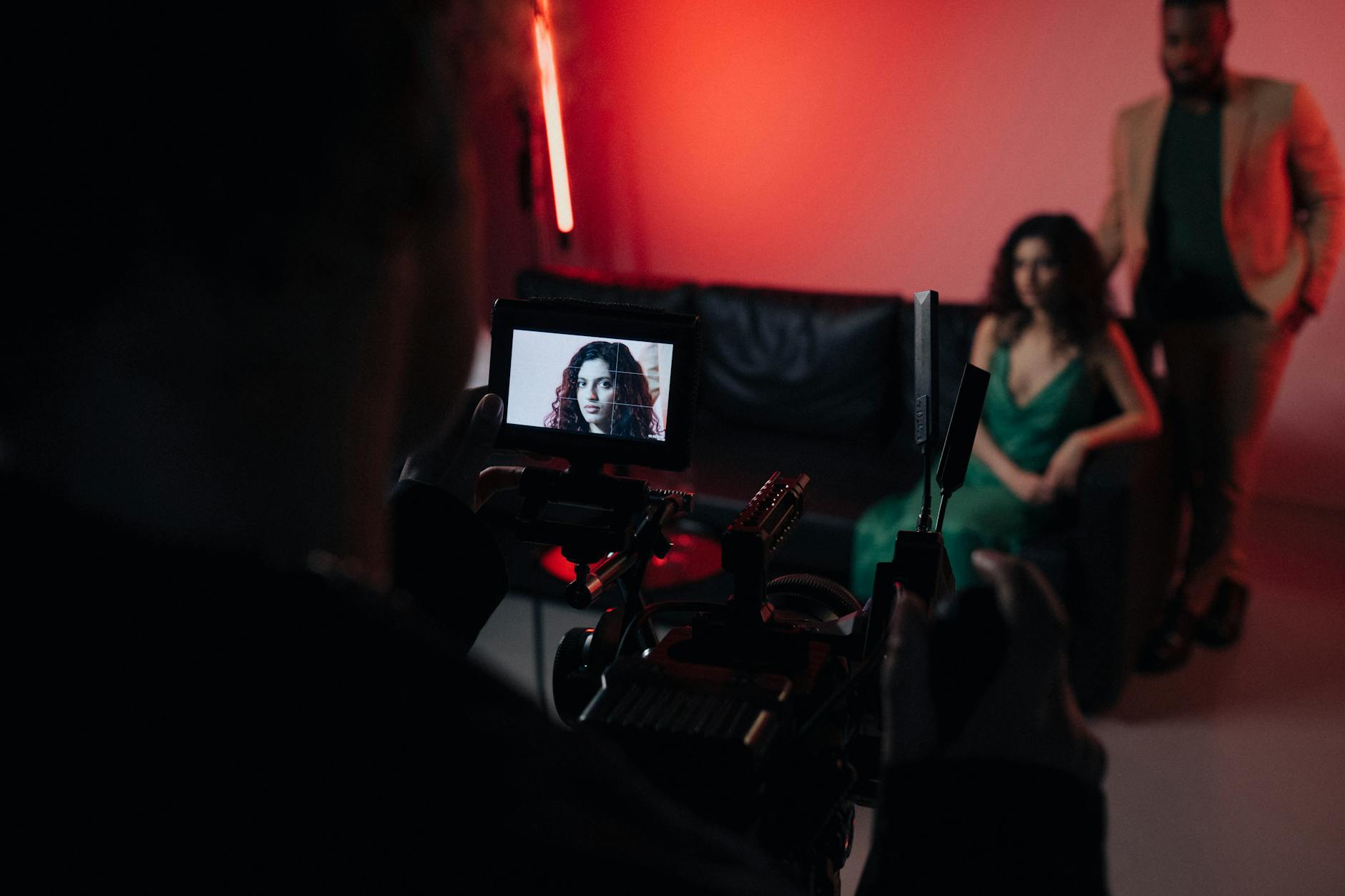
During the event, experienced production teams monitor all systems, making real-time adjustments as necessary. Video switching, audio mixing, and graphics integration are handled by professional operators to maintain high production quality. Multiple camera angles are managed strategically to enhance viewer engagement, while on-screen graphics and overlays deliver additional context.
Live streaming is executed on robust platforms optimized for high definition and low latency. Dedicated technical staff continuously oversee stream stability, address any emerging issues promptly, and ensure a seamless viewer experience across various devices and network conditions. Interactivity features, such as live chats or Q&A, may also be integrated to foster audience participation.
Post-Event Review and Content Optimization
After the broadcast concludes, the production team manages content archiving, editing, and distribution. Highlight reels, tutorials, and promotional clips are generated to maximize content lifespan and outreach. Analyzing viewer metrics and engagement data assist clients in refining their future broadcasts and marketing initiatives.
Maintaining clear communication with clients throughout the planning, execution, and post-event phases is essential. The collaboration ensures that every aspect aligns with the event's goals, yielding a professional and impactful broadcast experience that leaves a lasting impression on the audience.
Customization and Scalability of Broadcast Services
One of the key strengths of a professional live broadcast production company is its ability to tailor services specifically to the unique requirements of each event. Whether hosting a small webinar or a large-scale corporate conference, these companies employ flexible strategies and adaptable technology to ensure a seamless streaming experience. For smaller gatherings, the focus may be on creating intimate, high-quality visuals with minimal equipment, emphasizing clarity and professionalism. Conversely, expansive live events demand complex multi-camera setups, dynamic graphic overlays, and integrated audience interaction tools to engage viewers across various platforms.
Scalability is maintained through modular solutions that enable the addition or reduction of technical elements based on the event scope. This flexibility allows clients to access top-tier production values without incurring unnecessary expenses for features that aren’t required. Additionally, live broadcast companies often leverage cloud-based streaming services, which grant the ability to handle larger audiences without compromising stability or quality. Such scalability ensures that as client needs grow, the production capabilities can evolve correspondingly.
Customization extends beyond technical configurations; it encompasses branding integration, content management, and interactive components. For instance, adding custom graphics, sponsor logos, or tailored on-screen information helps reinforce brand identity and enhances viewer engagement. Moreover, pre-event rehearsals and tailored consultation sessions are employed to align the production process with the specific objectives and style of each client. This detailed personalization results in broadcasts that are both technically polished and strategically aligned with event goals.
Importance of Local Expertise in Miami
Having local experience is an invaluable advantage when selecting a live broadcast production company in Miami. The region’s diverse cultural landscape and vibrant event scene require a nuanced understanding of local venues, logistical challenges, and audience preferences. A local production team possesses intimate knowledge of Miami’s key event spaces, such as convention centers, hotels, and outdoor venues, facilitating smoother setup and coordination.
Local experts are familiar with regional regulations, permit requirements, and typical infrastructural considerations, such as internet connectivity and power supply, which ensures seamless operation. Their established relationships with venue staff and vendors streamline preparations, reducing delays and potential technical issues. Furthermore, a Miami-based team can adapt quickly to any on-the-spot adjustments, whether it's controlling noise levels, managing space constraints, or addressing last-minute technical needs.
Understanding the cultural nuances and audience demographics of Miami allows production companies to craft engaging content and effective broadcast strategies. They are well-versed in integrating local elements or catering to specific regional interests, which enhances viewer retention and overall event impact. This local expertise ultimately translates into a more efficient, responsive, and culturally attuned live broadcast experience, making it a critical factor for event organizers operating within Miami's dynamic market.
Essential Equipment and Technology Used
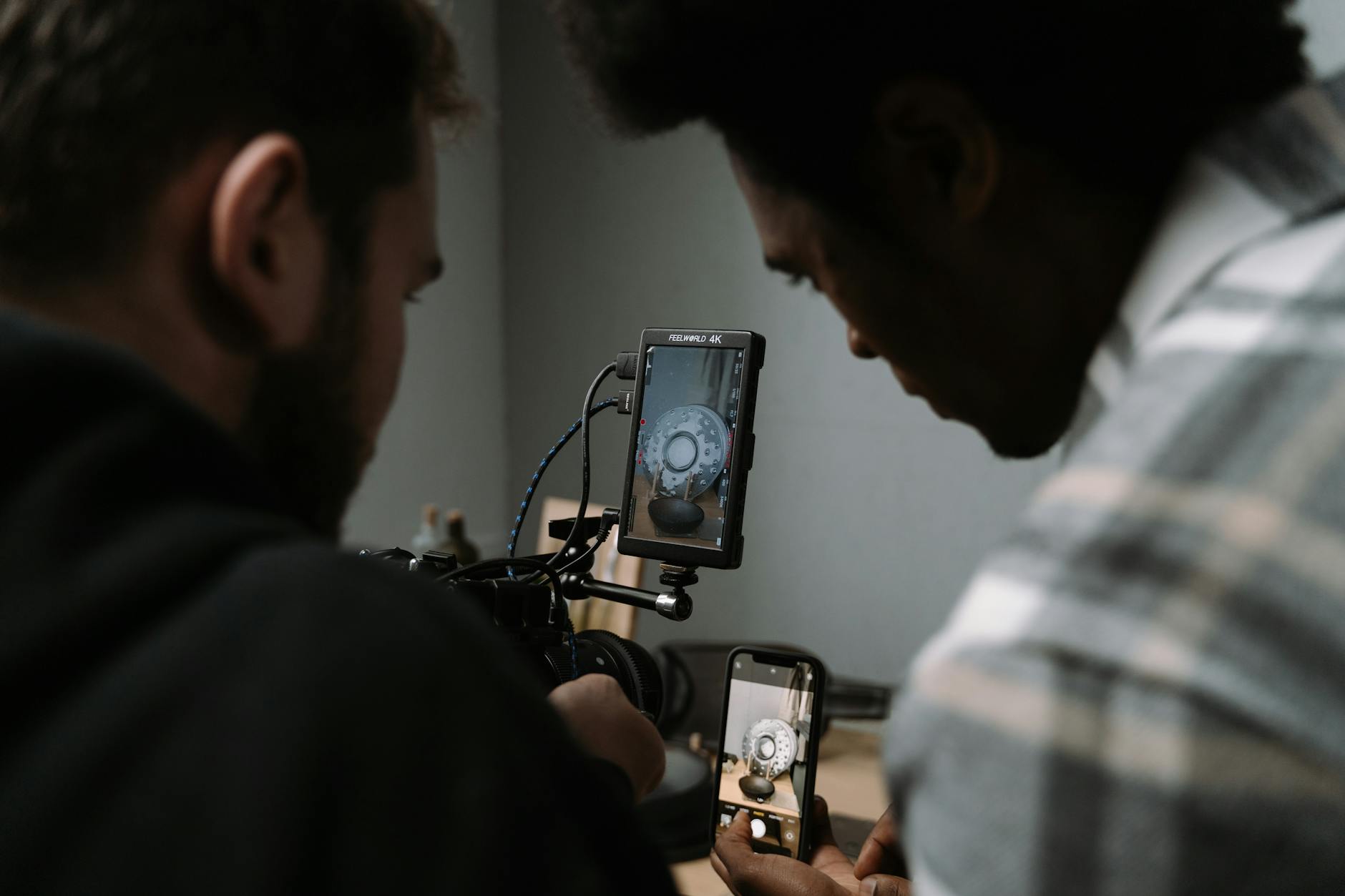
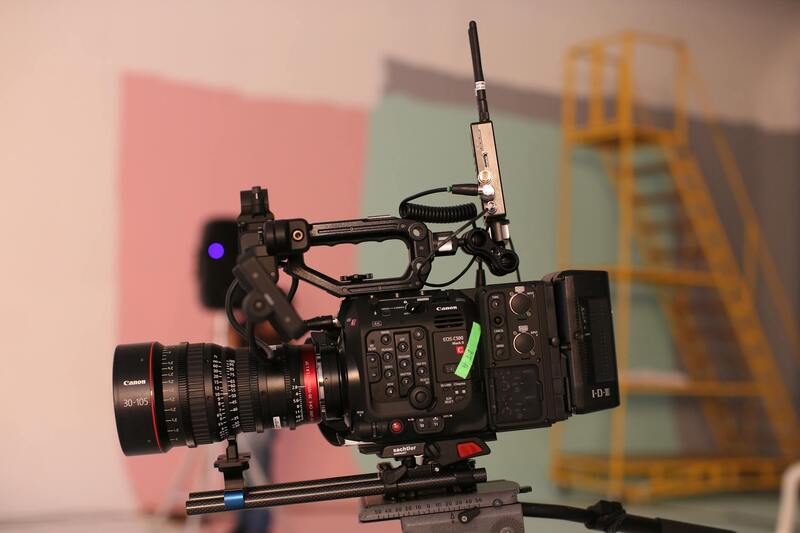
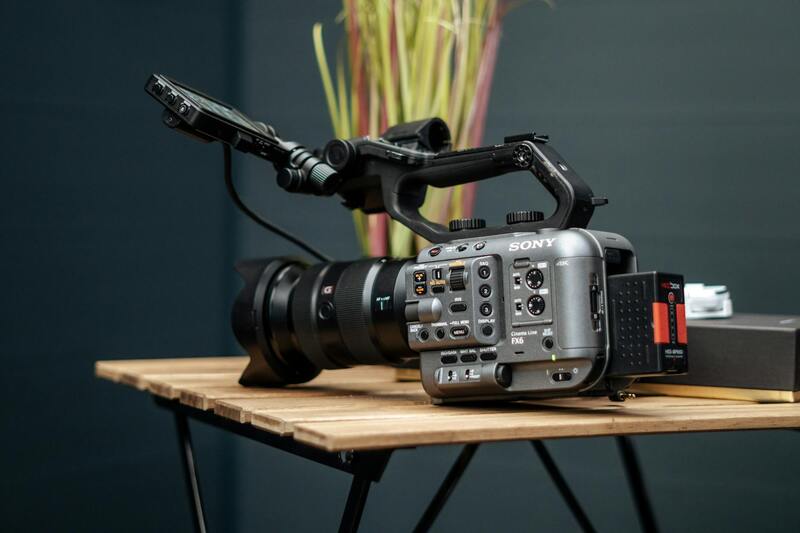
For a successful live broadcast, the deployment of advanced equipment and cutting-edge technology is paramount. High-definition cameras form the backbone of any professional broadcast, capturing crisp visuals with accurate color reproduction and excellent low-light performance. These cameras are often equipped with remote-controlled zoom lenses and image stabilization to ensure versatile and steady footage, regardless of the environment.
Complementing the cameras, professional audio systems are vital for delivering clear sound quality. Wireless microphones, lapel mics, and boom microphones are strategically placed to capture speech and ambient sounds effectively, ensuring audience engagement remains high. Sound mixers and digital audio processors allow engineers to balance audio levels dynamically, preventing distortions and background noise from overwhelming the narration.
For seamless video transmission, high-bandwidth internet connectivity, along with dedicated fiber optic lines when possible, ensures minimal latency and buffering. Live streaming servers and encoders convert the raw footage into web-compatible formats, enabling simultaneous broadcast across multiple platforms. Redundant encoders and backup internet connections safeguard against technical failures, maintaining the integrity of the live stream.

- Professional-grade video cameras with remote control capabilities
- High-fidelity wireless and wired audio equipment
- Robust internet connectivity with backup solutions
- Advanced streaming encoders and servers
- Real-time monitoring tools for quality assurance
Process of Planning and Executing a Live Broadcast
Effective live broadcast production is a meticulous process that begins long before the event starts. It involves detailed planning efforts, including venue assessment, technical requirements, scheduling, and coordination with all stakeholders. The initial phase ensures that all necessary permits, permissions, and access arrangements are secured, aligning technical setups with venue restrictions.
Once preparations are in place, a comprehensive shot list and broadcast storyboard are developed. This planning document guides camera angles, graphic overlays, and content transitions, ensuring a coherent visual flow. A dedicated production team conducts site visits in advance, familiarizing themselves with the venue’s layout, potential technical challenges, and power sources.
On the day of the broadcast, the team executes a thorough technical rehearsal, testing all equipment, internet connections, and audio-visual feeds. During the live event, directors and technical operators coordinate seamlessly to capture key moments, switch between camera angles, and incorporate real-time graphics or overlays as needed. Continuous monitoring is critical to swiftly address any unforeseen issues.
The real-time aspects of live broadcasting require quick decision-making and close communication among the production team members. Post-event, a comprehensive review and content delivery follow, ensuring the broadcast aligns with client expectations and provides valuable insights for future productions.
Choosing the Right Live Broadcast Production Company
When selecting a live broadcast production company, thorough evaluation of their capabilities and track record is paramount. A reputable company should demonstrate a robust portfolio of successful projects across diverse event types, showcasing their versatility and technical proficiency. Experience in high-profile or large-scale events indicates the company's ability to handle complex logistics, multiple camera setups, and real-time streaming challenges efficiently.
Technical infrastructure is a critical aspect. The company must employ state-of-the-art broadcasting equipment, including high-definition (HD) and 4K cameras, professional-grade audio systems, and reliable live streaming servers. Their ability to integrate multiple feeds, overlay graphics, and employ advanced switching technology enhances the overall production quality. Additionally, their infrastructure should support various streaming platforms and formats, ensuring broad accessibility for viewers.
Customer service quality encompasses transparent communication, flexibility in addressing client needs, and responsiveness during the planning and execution stages. A company committed to client satisfaction will offer comprehensive consultations, detailed proposals, and post-event support. Checking references and reviews from previous clients can provide valuable insights into their reliability and professionalism.
It is equally important to consider their compliance with safety regulations and permits, ensuring the event's technical operations adhere to local standards. A dedicated project management team that collaborates closely with clients from initial concept through post-broadcast analysis is essential to facilitate seamless communication and execution.
Ensuring Local Expertise and Support in Miami
Miami’s vibrant event scene demands a production partner with deep local knowledge. An experienced Miami-based live broadcast production company understands the unique venue characteristics, local regulations, and logistical considerations. They have established relationships with venue staff, technical vendors, and local authorities, streamlining the coordination process and reducing potential delays.
Local companies are also better equipped to troubleshoot on-site issues promptly, minimizing disruptions during live coverage. Their familiarity with Miami’s connectivity options, power sources, and environmental factors ensures smooth technical operations. This localized knowledge translates into more precise planning, higher execution standards, and an overall elevated viewer experience.
Furthermore, working with a Miami-based production company facilitates face-to-face communication and onsite support, vital for complex projects. Such proximity allows for more tailored service, quicker decision-making, and ultimately often results in a more successful broadcast. Their insight into local audience preferences and regional event trends can also enhance the content's relevance and engagement.
By focusing on these criteria—technical competence, experience, local expertise, and client support—event organizers can ensure their live broadcast achieves professional quality, reliability, and maximum impact within the vibrant Miami event landscape.
Enhancing Audience Engagement and Expanding Reach Through Live Broadcasts
One of the primary objectives of employing a professional live broadcast production company is to maximize audience engagement and extend the event’s reach beyond physical attendees. The integration of innovative technologies and strategic content delivery methods allows organizations to connect with a wider demographic, including remote viewers who might be unable to attend in person. This approach not only amplifies the event’s visibility but also opens doors for new marketing opportunities, brand partnerships, and audience interaction channels.
Effective live broadcast services leverage multiple digital platforms, ensuring seamless streaming across social media channels, websites, and dedicated apps. Advanced Encoding and CDN (Content Delivery Network) technology distribute the content efficiently, reducing latency and buffering issues, which is critical for maintaining viewer satisfaction. By utilizing multi-camera setups, professional audio, and real-time graphics, production companies create a visually appealing and engaging experience that captures the audience’s interest and retains their attention throughout the broadcast.
Moreover, digital interaction features such as live polling, Q&A sessions, and social media integrations foster active participation, transforming passive viewers into engaged participants. These interactive elements are strategically incorporated by experienced production teams to enhance viewer loyalty and promote ongoing engagement with the brand or event. Additionally, post-event analytics offered by highly capable production companies provide valuable insights into viewer behavior, helping organizers refine future broadcasts and improve overall content strategy.
Cost Efficiency and Return on Investment
Investing in professional live broadcast production can significantly optimize costs associated with traditional event setups, such as venue rentals, physical attendance logistics, and on-site staff. By broadcasting content live, organizers reach a larger audience without geographical constraints, translating into increased exposure, sponsorship opportunities, and revenue generation through targeted advertising and premium content offerings.
High-quality broadcasts also elevate the perceived professionalism of the brand or organization. Clear visuals, crisp sound, and smooth streaming contribute to a positive brand image, which can be pivotal when attracting future partners or clients. Carefully managed live productions ensure that every technical aspect aligns with the event’s goals, reducing risks and minimizing costly errors that could compromise the broadcast’s integrity.
Legal and Regulatory Considerations
Safe and compliant live broadcasts adhere to relevant legal standards and regulations, which vary by region and content type. Reputable live broadcast production companies prioritize securing necessary permits, managing rights for copyrighted content, and ensuring compliance with broadcasting standards. They implement robust copyright management strategies, including proper licensing for music, video clips, and other media used during the event. Additionally, they incorporate measures to protect personal data and ensure accessibility for diverse audiences, such as closed captioning or sign language interpretation.
By coordinating with legal experts and local authorities, these companies mitigate potential risks that could disrupt the broadcast, maintain positive relationships within the community, and uphold the organization's reputation. This diligent approach guarantees that events proceed smoothly and that all content adheres to region-specific regulatory frameworks, providing peace of mind for organizers and stakeholders involved.