Understanding Live Stream Services Production
Live stream services production encompasses the comprehensive process of delivering real-time video content to audiences via online platforms. This process involves a series of coordinated technical activities designed to ensure a seamless broadcast experience for viewers, whether for corporate events, concerts, conferences, or other live occasions.
The core components of live stream production include video capture, which involves the use of multiple cameras and audio equipment to record the event from different angles and sound sources. This footage is then transmitted to a production switcher, which enables real-time selection and mixing of video feeds to create a cohesive and engaging viewing experience. The switched content is subsequently encoded into a digital format suitable for streaming via the internet.
Encoding plays a critical role, converting high-quality video signals into optimized data streams that balance image clarity with manageable bandwidth requirements. Transmission involves utilizing robust internet connections and content delivery networks (CDNs) to distribute the live feed efficiently to a global audience. Throughout the process, technical staff continuously monitor the stream to address potential disruptions, ensuring stability and quality during the broadcast.
Execution of a professional live stream demands meticulous planning and execution, combining technical expertise with creative vision. The seamless integration of these elements results in high-impact digital broadcasts capable of engaging audiences, expanding reach, and elevating the event's overall impact.
Understanding each stage of the live stream services production process empowers businesses and event organizers to appreciate the complexity involved in delivering high-quality live digital content. With the right technical infrastructure and skilled production team, live streaming can transform how events are experienced and shared across the internet, providing dynamic opportunities for audience engagement and brand visibility.
Key Components of Live Stream Production
- Video Capture: High-definition cameras, microphones, and other recording devices to record the event in real-time.
- Switching Equipment: Hardware and software tools to select and transition between different video feeds.
- Encoding Technology: Software or hardware solutions that compress video signals for internet transmission.
- Transmission Platforms: Reliable internet connections and CDNs to distribute the live stream globally.
- Monitoring Systems: Tools and personnel to oversee stream quality and troubleshoot issues instantly.
Key Equipment and Technologies Used in Live Streaming
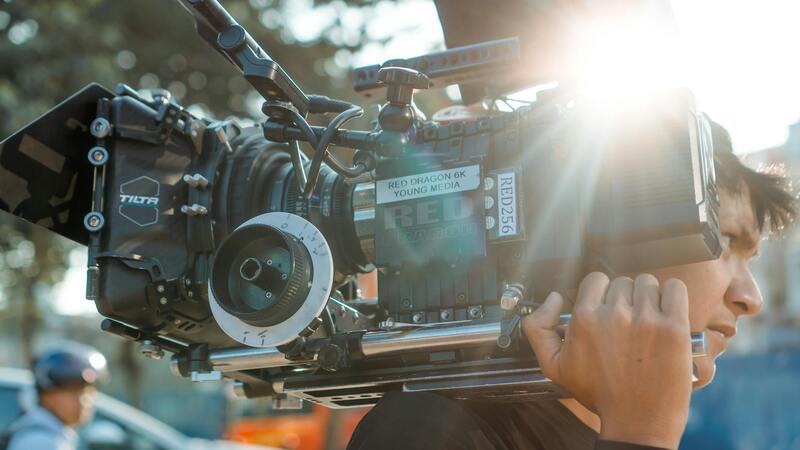
Successful live stream services production relies heavily on a suite of advanced equipment and cutting-edge technology designed to deliver seamless broadcasts. The foundation begins with high-definition cameras that capture crystal-clear visuals, often augmented with multiple camera angles to add dynamic variety to the stream. These cameras are typically paired with professional-grade microphones that ensure clear audio quality, minimizing background noise and capturing every nuance of the event.
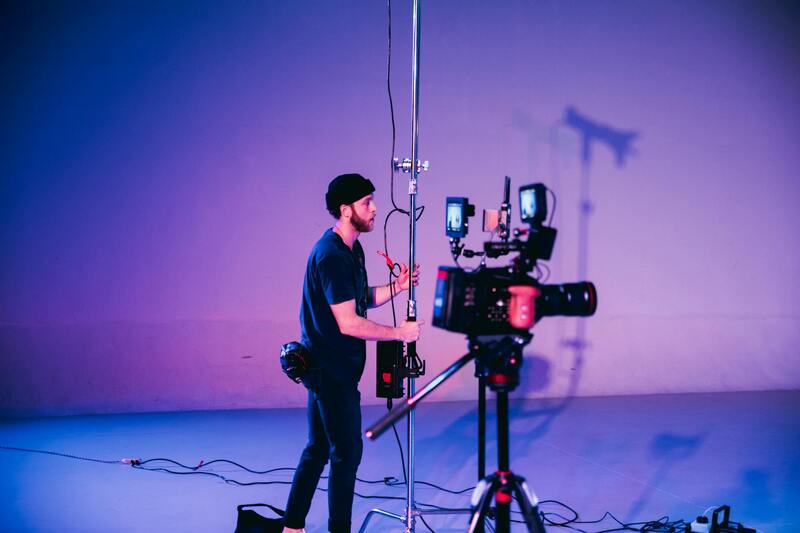
Switching equipment, both hardware and software, plays a crucial role in managing multiple video feeds. Hardware switchers facilitate real-time transitions between camera angles, while software solutions offer flexibility and advanced features such as overlays, graphics, and effects. These tools enable producers to craft engaging visual narratives that hold audience attention throughout the broadcast.
Encoding technology is essential for compressing video signals into forms suitable for internet transmission without sacrificing quality. Hardware encoders provide robust, dedicated solutions for high-volume streams, while software encoders offer cost-effective options suitable for smaller events. Whether hardware or software-based, encoding ensures that the live video is optimized for smooth delivery across various devices and network conditions.
Transmission is supported by reliable internet connections and content delivery networks (CDNs), which distribute streams globally. A dedicated, high-bandwidth internet connection minimizes latency and buffering issues, crucial for maintaining professional standards. CDNs facilitate the efficient distribution of content, reducing load times and ensuring wider accessibility for viewers regardless of their location.
Proper monitoring systems are vital to oversee stream quality in real-time. These include software solutions that track parameters such as bitrate, resolution, and connection stability, supplemented by skilled personnel who can troubleshoot issues instantly. Continuous monitoring ensures the live broadcast maintains high quality and viewer satisfaction throughout the event.
In addition to core hardware, a suite of supporting technologies enhances the overall production. Graphic overlays, title screens, and video replays can be integrated seamlessly into the stream. Advanced networking equipment supports the stability of internet connections, while backup systems—such as secondary internet sources and redundant hardware—provide resilience against technical failures.
This combination of professional equipment and innovative technology facilitates the delivery of polished, engaging live streams. Businesses and event organizers in Miami can leverage these tools to broadcast conferences, corporate events, concerts, and more, reaching audiences worldwide with clarity and impact.
Understanding Live Stream Services Production
Professional live stream services production involves a complex integration of hardware, software, and expert personnel working together to deliver seamless, high-quality broadcasts. Each element plays a critical role in ensuring the content reaches viewers without interruption or degradation in quality. This process begins with meticulous planning, where the production team orchestrates every step—from content setup to final distribution—to meet the specific objectives of the event or presentation.
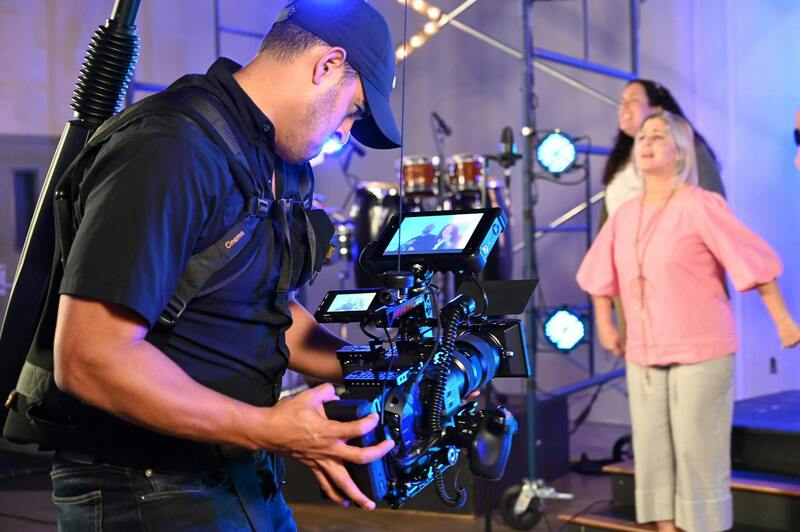
One of the core components of live stream services is the video production infrastructure. This includes high-definition cameras capable of capturing live footage in real time, along with encoders that convert the raw video signals into streamable formats. These encoders are essential for maintaining optimal quality while managing bandwidth constraints. Additionally, sound engineering is integral; professional microphones and audio mixers are used to ensure crystal-clear audio, which significantly enhances the viewer experience.
Complementing the hardware are robust software platforms designed for broadcast management. These platforms facilitate the integration of visual effects, graphics, overlays, and real-time annotations, adding a layer of professionalism and engagement to the live stream. Content management systems allow producers to control multiple video feeds, switch between cameras, and incorporate pre-recorded segments or graphics seamlessly—maintaining a fluid and polished presentation throughout the event.
Technical personnel such as directors, camera operators, audio engineers, and broadcast technicians are vital to managing the live stream production. They operate the equipment, troubleshoot issues on the fly, and coordinate transitions to ensure the broadcast runs smoothly. Real-time monitoring tools provide instant feedback on stream quality metrics, including bitrate, resolution, latency, and connection status, enabling immediate corrective actions when necessary.
Resilience is built into the production workflow through redundant systems and backup internet sources. These precautions safeguard the broadcast against unexpected failures, such as hardware malfunctions or network disruptions. Utilizing backup encoders, secondary internet connections, and uninterruptible power supplies (UPS) ensures continuity even under adverse conditions.
In essence, live stream services production is a sophisticated blend of technology, artistry, and technical expertise. Whether it's a corporate conference, a live concert, or an educational seminar held in Miami, the goal remains to deliver a polished and engaging experience for viewers, regardless of their location. This high level of professionalism not only elevates the event's perceived value but also expands its reach beyond traditional limitations, making live streaming an indispensable tool for modern communication and marketing strategies.
Ensuring Signal Reliability and Quality Control in Live Streaming
One of the cornerstones of effective live stream services production is maintaining a stable and high-quality signal throughout the broadcast. This involves meticulous planning and implementation of multiple signal pathways to mitigate potential disruptions. Production teams often deploy redundant internet connections, such as fiber optic and wireless options, to ensure continuous connectivity. These multiple channels are managed through load balancing systems that automatically switch to the most stable connection if one begins to falter, minimizing latency and preventing viewer disruptions.
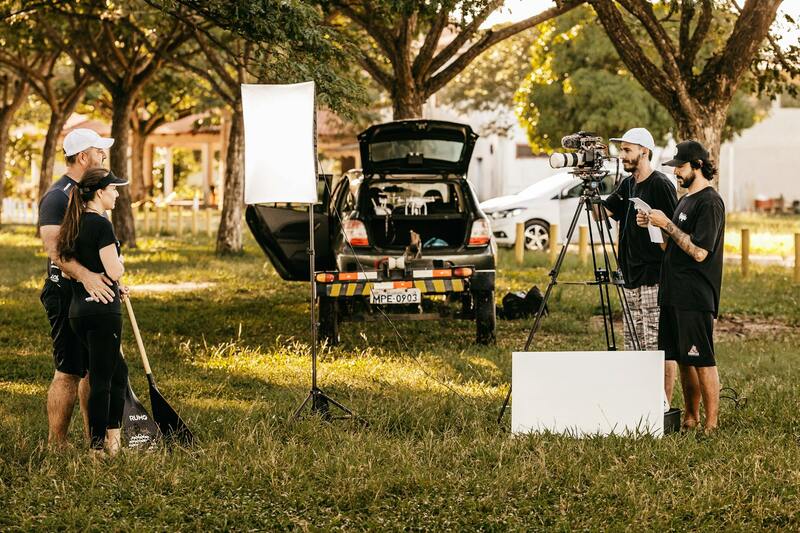
Additionally, the use of professional encoding equipment ensures that video and audio signals are compressed optimally for streaming without sacrificing quality. Live stream operators continually monitor the stream's performance metrics, such as bitrate, resolution, and latency, using specialized software interfaces. These tools provide real-time alerts that enable technicians to address issues immediately, whether it involves adjusting the bitrate for bandwidth fluctuations or troubleshooting hardware glitches.
Implementing Video Switching and Graphics Integration
To elevate the production quality, live stream services often incorporate multi-camera setups, enabling dynamic switching between different angles, close-ups, and wide shots. This creates a more engaging viewing experience, mimicking the feel of traditional broadcast television. Sophisticated video switchers allow seamless transitions, picture-in-picture effects, and overlays such as lower thirds and event branding, which reinforce professionalism and brand consistency.
Graphics integration also plays a pivotal role, especially for corporate events, webinars, and product launches. Incorporating animated titles, countdown timers, sponsor logos, and live chat feeds enhances viewer engagement and provides additional context to the content being broadcasted.
Audio Management and Mixing for Clear Sound
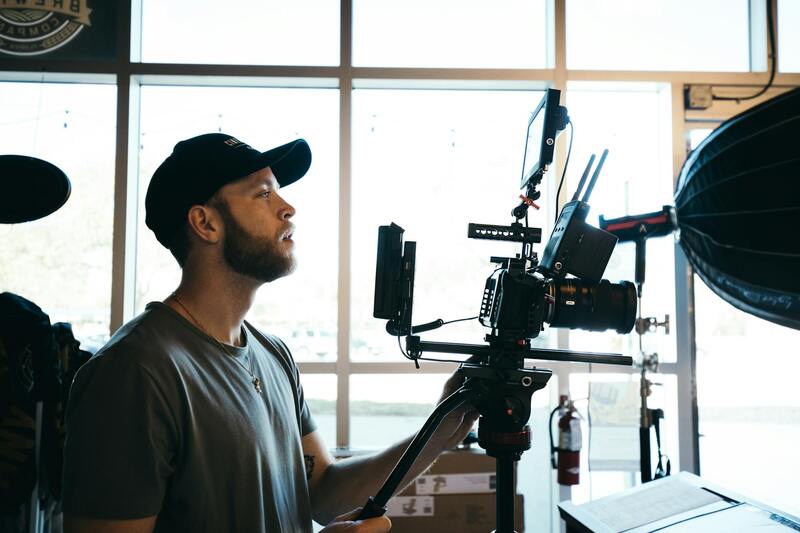
High-quality audio is just as critical as video in live streaming. Skilled audio engineers carefully manage multiple audio feeds, such as microphones, instrument lines, and pre-recorded segments. Audio mixing consoles are used to balance sound levels, eliminate background noise, and apply effects where necessary. Precise audio synchronization ensures that speech, music, and other sound cues align perfectly with the visual feed, preventing disorientation and improving overall comprehension.
Engaging the Audience Through Interactivity and Real-Time Features
Modern live streaming incorporates interactive elements designed to foster audience participation. Live polls, Q&A sessions, and social media integrations enable viewers to actively engage with the content, increasing retention and satisfaction. Broadcast overlays can display viewer comments and questions in real-time, creating a two-way communication channel that enhances the overall experience.
Technical professionals ensure these features integrate seamlessly into the broadcast, minimizing latency and avoiding technical glitches that could disrupt engagement efforts. This level of interaction requires robust infrastructure and carefully coordinated technical workflows, reaffirming that live stream production is a comprehensive process demanding expertise and precision.
Production Process During Live Streaming
During a live stream, the production process is dynamic and requires meticulous coordination among technical team members. Real-time activities include precise camera switching to highlight key moments, ensuring the audience remains engaged with the event's most important visuals. Transitions between camera angles are managed seamlessly through a live switcher, allowing smooth visual flow without noticeable disruptions.
Graphics and overlays are integrated during the broadcast to provide context, branding, or additional information. These elements are incorporated using specialized software that allows for on-the-fly updates, ensuring the content remains current and visually appealing. Simultaneously, the technical team monitors audio levels, adjusting in real-time to maintain clarity and consistency across multiple channels, preventing any disruptions caused by audio feedback or interference.

Handling unforeseen issues swiftly is critical to maintaining broadcast quality. Common challenges include technical glitches, connectivity drops, or equipment failures. Preparedness involves having backup systems and troubleshooting procedures in place. When glitches occur, the team can quickly switch to backup feeds or restart equipment, minimizing downtime and preserving viewer experience.
Operational communication is maintained via intercom systems, allowing team members to coordinate smoothly. The director oversees all activities from a control room, directing camera operators, audio engineers, and graphics personnel to respond to live cues and ensure the broadcast remains professional and engaging.
Effective collaboration and technical readiness form the backbone of successful live streaming operations, demanding a well-trained team with clear communication protocols and advanced infrastructure. This ensures that every aspect of the production aligns with the desired quality standards and visual storytelling goals.
Understanding Live Stream Services Production
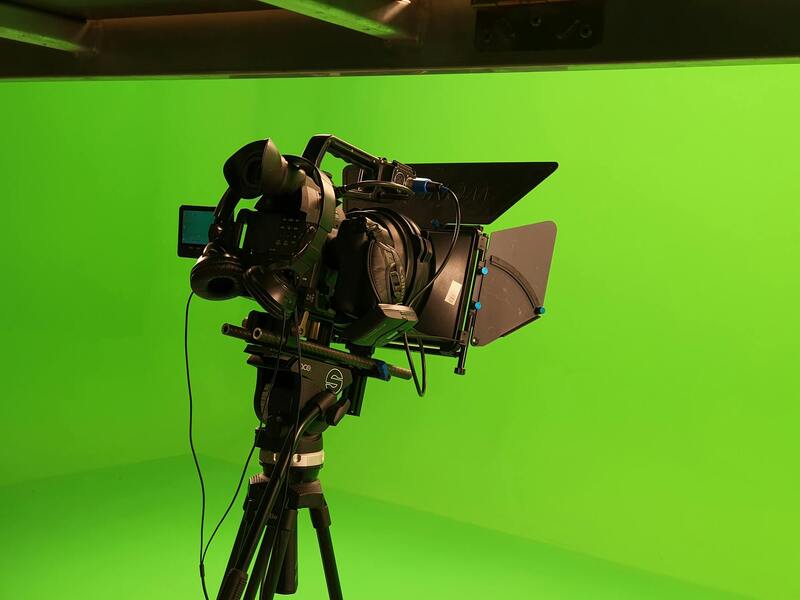
Live stream services production encompasses a comprehensive set of processes that transform a live event into a seamless digital broadcast accessible to audiences worldwide. It involves meticulous planning, equipment setup, real-time technical execution, and post-event activities to ensure the content delivered maintains high quality and engagement levels. Production teams work behind the scenes to manage multiple aspects, from camera operations and audio management to graphics integration and multi-platform distribution.
The core of professional live streaming lies in delivering a high-definition, uninterrupted viewer experience. This demands a coordinated effort among various technical specialists who oversee tasks such as signal routing, encoding settings, and transmission protocols. The ultimate goal is to create a broadcast that is both visually compelling and technically flawless, capturing the essence of the event while reaching a broad audience across platforms.
A typical live streaming production begins with detailed pre-event planning. This phase involves defining the broadcast scope, selecting appropriate equipment, and designing a visual storyboard to guide camera angles and graphic overlays. During the event, all components are managed dynamically to adapt to any unforeseen circumstances, such as technical issues or changing event dynamics. The production crew must stay vigilant, ensuring that every element—from audio clarity to camera focus—integrates smoothly into a professional broadcast.
Furthermore, live stream services production requires robust infrastructure and redundancies, including backup hardware and multiple internet connections, to mitigate potential disruptions. Experienced production teams are adept at handling multiple video feeds, switching between cameras, adding live graphics, and managing audio levels—all in real-time—to produce a fluid and engaging viewer experience.
Understanding Live Stream Services Production
Live stream services production encompasses the comprehensive process of creating and broadcasting digital content in real-time. It involves a coordinated effort of technical expertise, advanced equipment, and strategic planning to deliver seamless and engaging live experiences to online audiences. In Miami, where vibrant events and diverse audiences meet, professional live streaming elevates the visibility of corporate functions, entertainment shows, and community gatherings. This process begins with meticulous pre-event organization, includes dynamic on-the-fly adjustments during the broadcast, and extends into post-event dissemination and analysis. A well-executed live stream not only captures the essence of an event but also maximizes viewer engagement, brand exposure, and audience reach.
Key Equipment and Technologies Used in Live Streaming
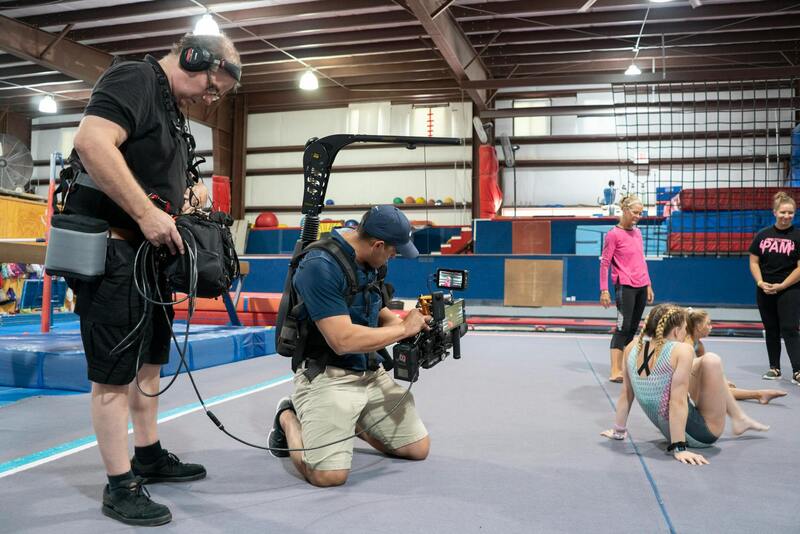
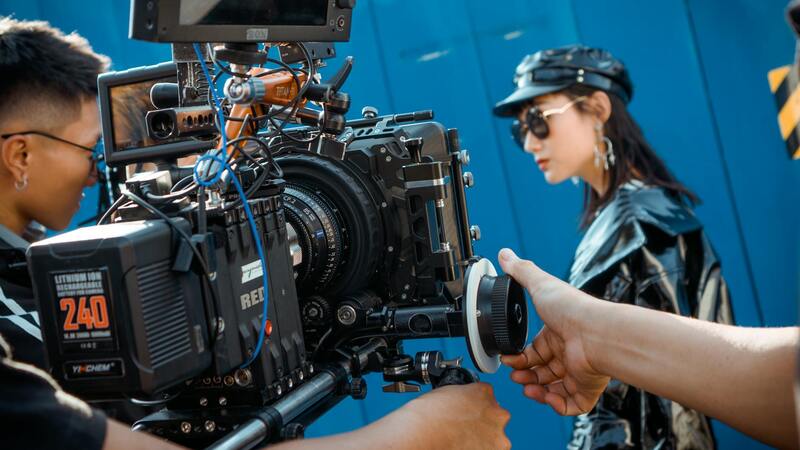
The backbone of professional live streaming is state-of-the-art equipment and innovative technologies designed for reliability, clarity, and flexibility. Essential hardware components include multiple high-definition cameras capable of capturing various angles, professional-grade video switchers for seamless scene transitions, and robust audio systems to ensure crystal-clear sound. Video encoders play a critical role in compressing the raw footage into optimized streams compatible with various internet speeds and devices.
Lighting is equally essential to achieve optimal image quality, especially in indoor settings or low-light environments. Additionally, high-speed internet connections, often with dedicated bandwidth, reduce buffering and latency issues, ensuring a smooth viewer experience. Streaming platforms and protocols such as RTMP (Real-Time Messaging Protocol) support real-time delivery, while backup systems like redundant servers or cloud fail-safes safeguard against disruptions.
Supporting Technologies and Software
- Live video switching and graphics software to add overlays, captions, and transitions
- Real-time audio mixing tools for balancing multiple sound sources
- Monitoring systems for feedback and troubleshooting during the broadcast
- Content management systems for scheduling and coordinating live content
Benefits of Professional Live Streaming for Miami Businesses and Events
Engaging audiences in the digital age requires more than just a good idea; it demands professional quality and strategic execution. Miami-based organizations benefit significantly from hiring experienced live stream production providers as it extends their outreach beyond geographical constraints. Businesses can showcase product launches, seminars, or trade shows to a wider audience, boosting brand visibility and engagement. Event organizers and cultural institutions enhance participation and community involvement through accessible and high-quality live coverage.
Furthermore, professional streaming boosts attendee interaction via real-time chat, polls, and Q&A sessions, creating a more immersive experience. It also supports digital archives that preserve key moments for future reference, sharing, or promotional use. The presence of a skilled production team ensures consistency, technical excellence, and creative visual storytelling, transforming standard broadcasts into impactful marketing and communication tools.
Planning and Pre-Production for Live Streaming
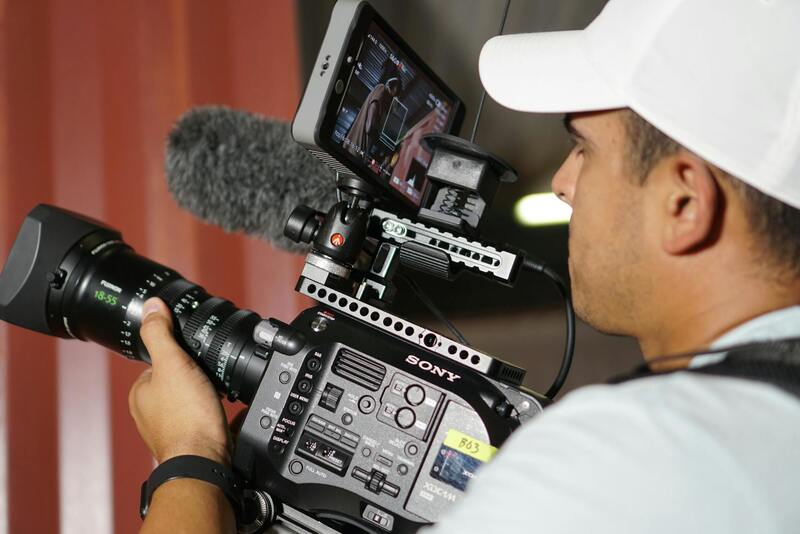
Effective live streaming starts well before the camera begins rolling. Detailed planning involves understanding the event's goals, target audience, and desired outcomes. This phase includes site assessments to determine technical requirements, coordinating with vendors, and establishing a comprehensive timeline that aligns all production elements.
Content planning is crucial—deciding on camera placements, scripting key segments, and preparing graphics or visual aids. A contingency plan is also essential to address potential issues such as technical failures or unexpected delays. Engaging stakeholders early helps streamline the logistics and ensures everyone is aligned on responsibilities, which simplifies on-the-day execution and minimizes disruptions.
Key Pre-Production Tasks
- Conduct site surveys and identify optimal camera and microphone locations
- Define event schedule and outline live stream segments
- Arrange for necessary permits and access permissions
- Coordinate with on-site technical staff and production team members
- Test all equipment and internet connections to troubleshoot potential problems
- Develop a detailed run sheet covering camera cues, graphics, and transitions
Understanding Live Stream Services Production
Live stream services production involves the strategic planning, execution, and post-event handling of live broadcasts to ensure seamless delivery of content to viewers. This process requires a detailed approach that combines technical expertise with artistic vision to create engaging, high-quality live content that resonates with the target audience. In Miami, where vibrant events and dynamic business presentations are common, professional live stream production plays a crucial role in expanding reach, enhancing branding efforts, and delivering real-time engagement.
The Core Components of Live Stream Production
Successful live streaming is built upon several interconnected elements, including pre-production planning, real-time technical execution, and post-production refinement. Each phase contributes significantly to the overall quality and effectiveness of the broadcast. High-caliber production teams utilize specialized equipment, advanced technologies, and meticulous coordination to produce content that is polished, engaging, and aligned with strategic objectives.
Pre-Production Planning
This initial phase involves comprehensive planning to address all logistical, technical, and creative details. It includes defining the scope of the event, understanding audience demographics, and establishing key messaging points. A detailed timeline ensures all tasks, from content scripting to camera setup, are scheduled efficiently. Stakeholders are engaged at this stage to clarify expectations, assign responsibilities, and set measurable goals for the live stream.
Technical Execution During Live Streaming
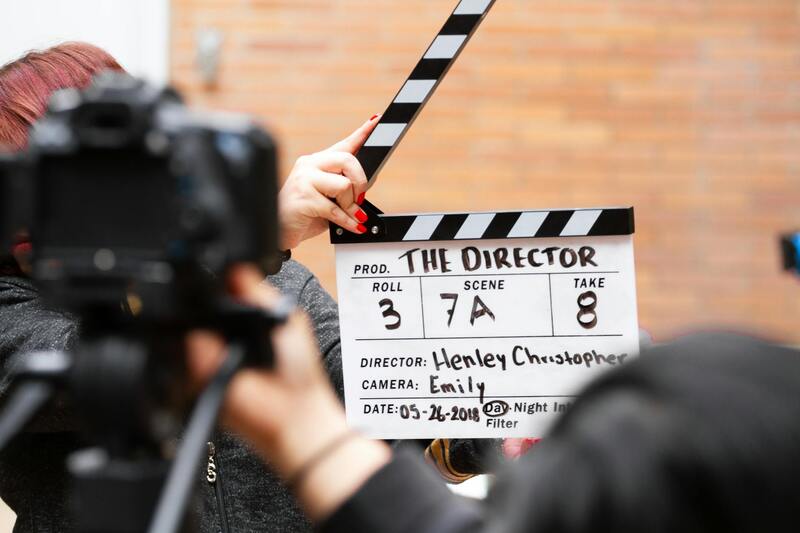
During the live event, a team of skilled technicians manages multiple tasks concurrently. Video and audio feeds are captured with professional-grade cameras and microphones, ensuring clarity and visual appeal. Switching between camera angles, overlaying graphics, and integrating multimedia content are all handled in real-time to maintain viewer engagement. Robust internet connectivity and backup systems are critical for avoiding interruptions, while real-time monitoring allows for immediate troubleshooting if issues arise.
Post-Event Content Management
Once the live broadcast concludes, the content undergoes post-production processes such as editing, adding branding elements, and creating highlight reels. These materials are then distributed across appropriate platforms—whether social media, websites, or dedicated streaming portals—to maximize reach and impact. Archiving live streams for on-demand viewing further amplifies the value delivered to audiences and stakeholders.
Key Equipment and Technologies Used in Live Streaming
- High-definition (HD) cameras for crisp visuals
- Professional microphones for clear audio capture
- Live switching hardware and software for seamless scene transitions
- Reliable internet connections with sufficient bandwidth
- Encoding devices and software to transmit streams efficiently
- Graphics systems for overlays, lower thirds, and branding elements
- Recording devices for archiving purposes
- Monitoring tools for real-time quality assurance
Benefits of Professional Live Streaming for Miami Businesses and Events
Partnering with experienced live stream specialists provides Miami-based companies and organizations with numerous advantages. These include increased visibility as live streams reach broader audiences across various geographical locations. Professional production values help reinforce brand image through high-quality visuals and sound, creating a positive impression. Real-time interaction features enable direct engagement with viewers, fostering community and loyalty.
Additionally, live streaming allows for flexibility—content can be repurposed into shorter clips or highlights for marketing campaigns, and recordings can serve as valuable archival material for future reference. Whether hosting corporate events, product launches, or cultural festivals, Miami businesses can leverage live stream production to expand their influence and deliver compelling messages effectively.
Competitive Advantage
Utilizing professional live streaming services gives Miami enterprises an edge over competitors that rely on amateur setups. It ensures every broadcast is consistent, visually appealing, and technically flawless, thus elevating the organization’s profile and credibility in a bustling market.
Planning and Pre-Production for Live Streaming
Effective planning is the backbone of successful live streaming. Miami event organizers and business leaders should start with a clear understanding of the purpose and target audience of their broadcast. Conducting site surveys helps identify ideal locations for cameras and microphones, considering lighting, acoustics, and internet infrastructure.
Developing a detailed content storyboard and run sheet ensures all elements—such as camera cues, graphics, and transitions—are synchronized. Permits and access permissions need to be secured well in advance to prevent last-minute hitches. Coordinating with technical staff and creators helps in ironing out potential challenges, from equipment placement to contingency plans for outages or technical glitches.
Key Pre-Production Tasks
- Conducting site surveys and assessing technical readiness
- Creating a comprehensive schedule aligned with event timelines
- Securing necessary permits and permissions
- Planning camera positions and audio setups
- Preparing visual aids, graphics, and scripts
- Testing internet connectivity and backup solutions
- Briefing all stakeholders on responsibilities and procedures