Understanding Live Broadcast Services
Live broadcast services have become an essential component of modern media coverage, enabling real-time transmission of events to audiences worldwide. These services integrate sophisticated technology and expert coordination to ensure seamless delivery of live content, whether for corporate functions, entertainment, sports, or community events. The core function of a live broadcast is to capture footage, transmit it via reliable channels, and present it to viewers with minimal delay and high quality. This process involves various components such as professional cameras, audio systems, encoding hardware, and transmission infrastructure, all meticulously synchronized to produce a cohesive live stream.
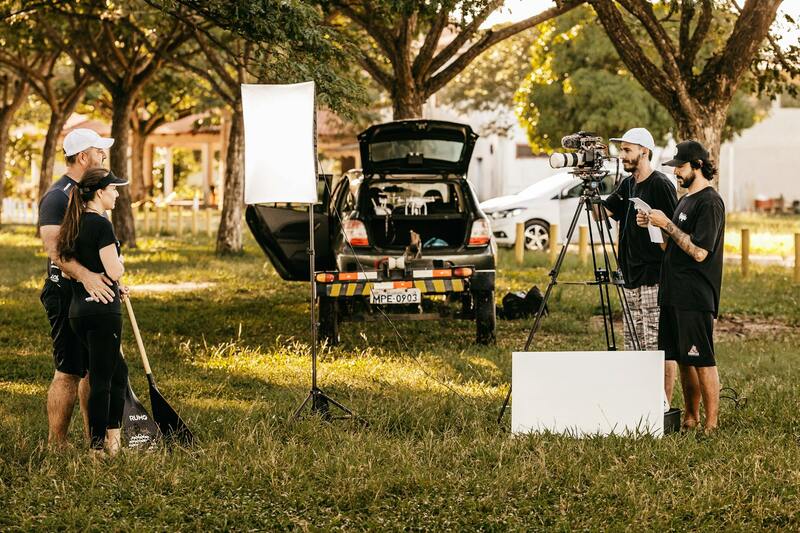
Understanding the significance of live broadcast services lies in their ability to extend the reach of an event beyond physical attendance, allowing remote audiences to experience the moment as it unfolds. This immediacy is crucial for press coverage, corporate announcements, and large-scale events, where capturing the full atmosphere and energy is vital. Additionally, live broadcasts provide opportunities for interactive engagement, real-time feedback, and immediate sharing across multiple platforms, enriching viewer experiences and expanding the event’s impact.
To achieve successful live coverage, providers must deploy a combination of robust hardware, stable internet connections, and skilled personnel. High-definition cameras, professional sound mixing, streaming encoders, and advanced switching equipment work together to ensure clarity and consistency. Moreover, specialized software and efficient workflows facilitate the integration of graphics, multi-camera angles, and remote commentary, enhancing the broadcast’s professionalism and viewer appeal.
Key Features of Professional Live Broadcast Services
- High-definition video and audio clarity for an immersive viewer experience.
- Multiple camera setups for comprehensive coverage.
- Reliable internet connections and backup systems to prevent disruptions.
- Real-time editing and graphic overlays to provide context and information.
- Secure data transmission to protect content integrity.
- Expertise in streaming across various platforms, including social media, dedicated websites, and cable channels.
- On-site technical support and coordination to ensure smooth operations.
Types of Live Broadcast Services Offered in Miami
Miami hosts a broad spectrum of live broadcast services tailored to diverse event needs. These include:
- Event Livestreaming for concerts, festivals, and community gatherings.
- Corporate Live Transmissions for product launches, conferences, and seminars.
- Sports Broadcasting for local games, tournaments, and athletic events.
- Religious and Community Service Streaming to engage congregations and groups remotely.
- Educational Webcasts for university lectures, workshops, and training sessions.
Technologies and Equipment Used
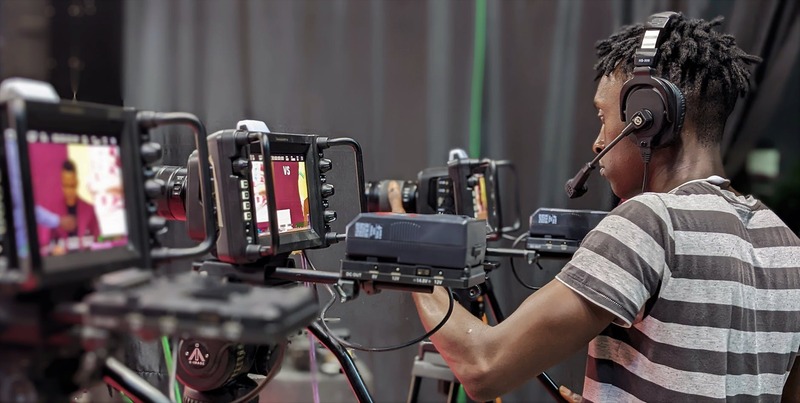
Professional live broadcast services leverage advanced technologies to deliver high-quality content. This includes multi-camera video production systems, wireless microphones, and high-capacity encoders for efficient compression and transmission. Fiber-optic cables and satellite links often provide the backbone for reliable connectivity, especially during large-scale or outdoor events. Additionally, cloud-based platforms and streaming servers facilitate simultaneous distribution across multiple channels while maintaining stream stability and quality. The integration of remote control systems and multi-view monitoring allows producers to manage live feeds efficiently, ensuring a polished final broadcast.
Planning and Coordination for Live Events
Effective planning is pivotal for successful live broadcasts. It begins with a detailed assessment of the event scope, location, and technical requirements. Pre-production meetings involve stakeholders to define objectives, content flow, camera angles, and backup plans. Coordinating logistics such as equipment setup, internet connectivity, and crew schedules is critical to prevent technical mishaps. During the event, real-time monitoring, instant troubleshooting, and adaptive switching ensure the broadcast runs smoothly. Post-event reviews help refine future live streaming strategies, emphasizing continuous improvement in broadcast quality and viewer engagement.
Engaging a dedicated team experienced in live event coverage guarantees precise execution, from camera operation and audio mixing to live editing and audience interaction. This meticulous approach contributes to delivering a visually compelling and professionally managed live broadcast that resonates with viewers.
Types of Live Broadcast Services Offered in Miami
Miami's diverse and vibrant event scene demands a variety of live broadcast solutions tailored to each occasion. Professional service providers accommodate an array of event types, from corporate conferences and sports competitions to music festivals and cultural celebrations. These providers typically offer specialized packages that can be customized based on event size, duration, and desired reach.
Among the most common services are:
- Multi-camera Livestreaming: Utilizing several cameras positioned strategically to capture different angles, providing dynamic and engaging content that enhances viewer experience. This approach allows for real-time switching between shots, delivering a polished broadcast.
- Webcast Production: High-quality streaming tailored for online audiences, with options for live chat integration, audience interaction, and on-demand viewing post-event.
- Event Recording and Highlights: Recording the live stream for later use, creating highlight reels, or providing on-demand access to attendees who could not join the event live.
- Remote Broadcast Services: Enabling live streaming from remote locations, which is particularly useful during outdoor festivals, remote press conferences, or multi-site events.
- Hybrid Event Solutions: Combining in-person and virtual participation, allowing remote attendees to experience the event in real-time with interactive features.
These services often incorporate advanced features such as multiple audio channels, real-time graphics overlays, and live subtitles, contributing to a seamless and professional broadcast. Service providers also offer integration with social media platforms to maximize reach and engagement, ensuring that live content is accessible on various online channels immediately as it occurs.
Technologies and Equipment Used
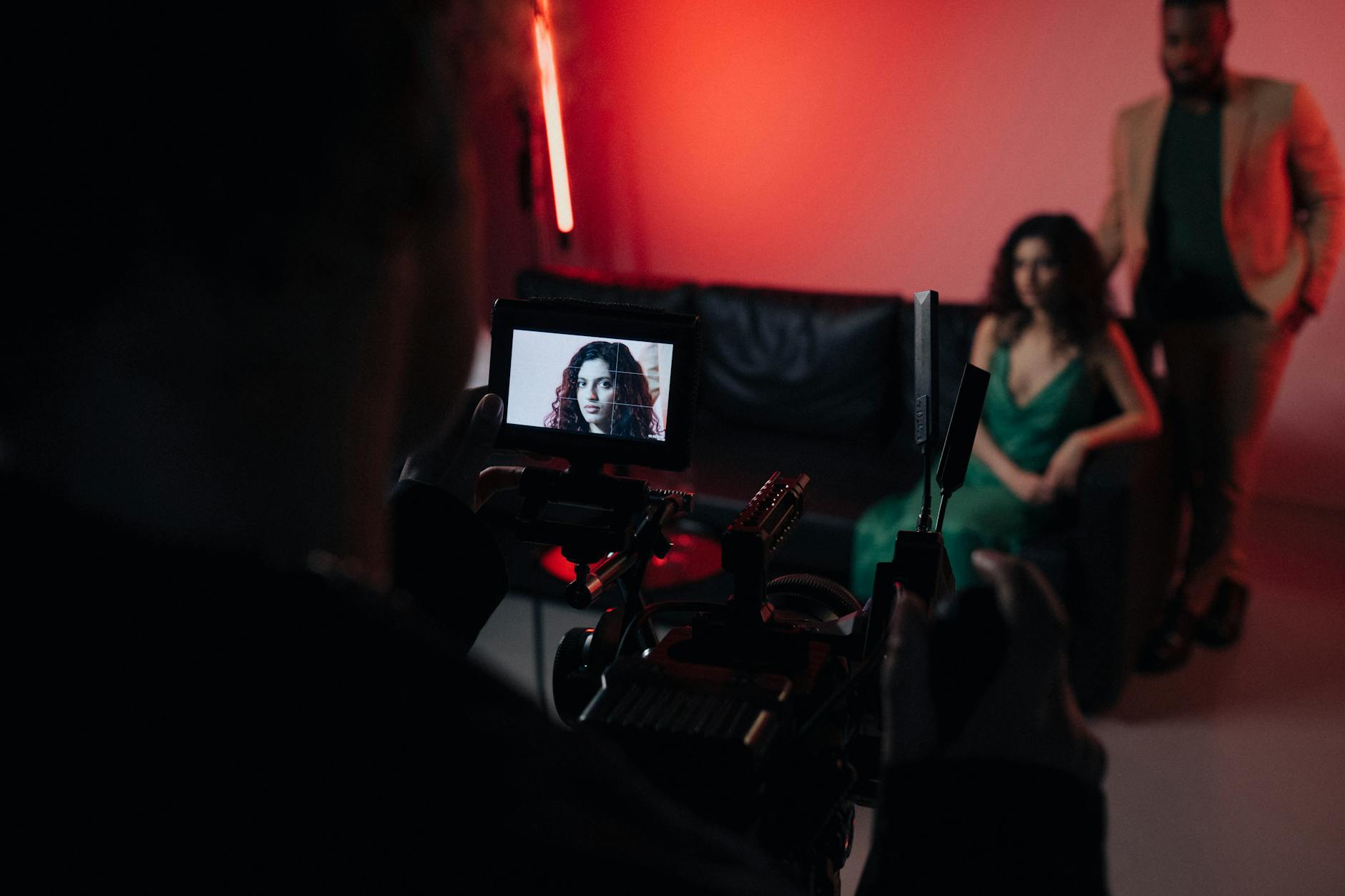
Executing a high-caliber live broadcast relies heavily on state-of-the-art technology and equipment. Modern broadcast setups in Miami often feature a combination of hardware and software solutions designed to deliver crisp visuals and uninterrupted streaming.
- Cameras: Professional-grade multi-camera systems with high-definition (HD) or 4K resolution capabilities form the backbone of quality live broadcasts. PTZ (pan-tilt-zoom) cameras facilitate remote operation, allowing seamless tube coverage from a single control point.
- Switchers and Mixers: Video switchers enable real-time switching between camera feeds, adding effects or overlays to enhance visual storytelling.
- Audio Equipment: High-quality microphones, audio mixers, and wireless transmitters ensure crystal-clear sound, an essential aspect of engaging live broadcasts.
- Encoding and Streaming Hardware: Hardware encoders convert raw video signals into streamable formats, supporting low latency and high stability during transmission.
- Network Infrastructure: Fiber-optic internet connections and dedicated streaming servers guarantee bandwidth capacity and minimal interruption, especially crucial during large-scale events.
- Production Control Software: Software platforms facilitate multi-camera switching, live editing, graphics overlay, and synchronization of all broadcast elements, streamlining the production process.
Planning and Coordination for Live Events
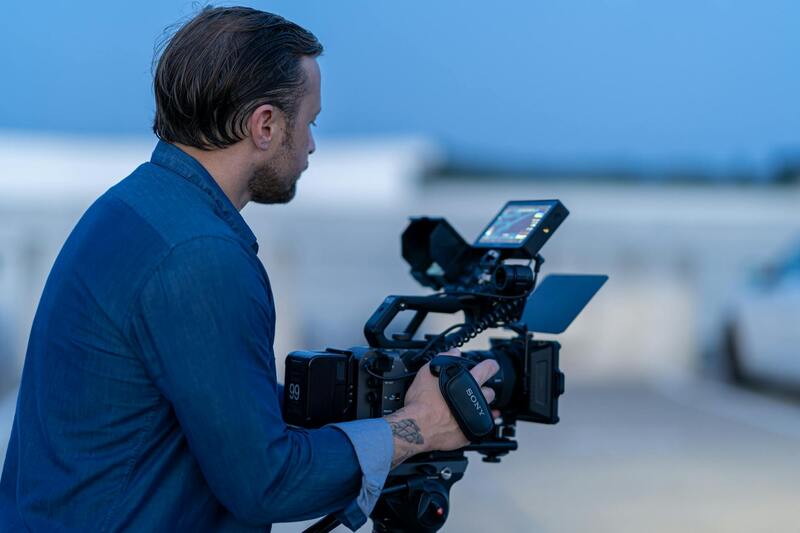
Effective planning is central to the success of any live broadcast. This process involves detailed coordination among various teams to ensure a flawless event delivery. The planning phase typically includes site surveys, understanding venue infrastructure, and assessing internet connectivity to address potential challenges beforehand.
Key components include:
- Pre-Production Meetings: Discussing event goals, content flow, camera positioning, and technical requirements, aligning all stakeholders on the broadcast vision.
- Technical Rehearsals: Running test broadcasts to troubleshoot potential issues, optimize camera angles, and test connectivity and equipment performance.
- Logistics and Crew Management: Scheduling equipment setup, crew shifts, and ensuring all personnel are briefed on their roles. Preparing backup equipment and plans to mitigate unforeseen technical difficulties is equally important.
- On-Site Coordination: During the event, real-time communication among crew members is vital. Broadcast directors monitor live feeds, coordinate camera operators, and address any technical glitches swiftly.
- Post-Event Review: Analyzing the broadcast operation, noting areas for improvement, and archiving footage for future reference or content repurposing.
Precision in planning and execution enhances the overall quality and viewer engagement of the live broadcast, delivering a seamless experience regardless of event complexity or scale.
Understanding Live Broadcast Services
Live broadcast services have become an integral part of contemporary event production, offering real-time content delivery to diverse audiences across the globe. These services encompass a range of technical and logistical components designed to ensure that live events—be it concerts, corporate meetings, sports games, or religious ceremonies—are transmitted with high quality and reliability. When selecting a live broadcast service, it is vital to understand the core processes involved, from pre-production planning to post-event analysis, to facilitate seamless execution and maximum viewer engagement.
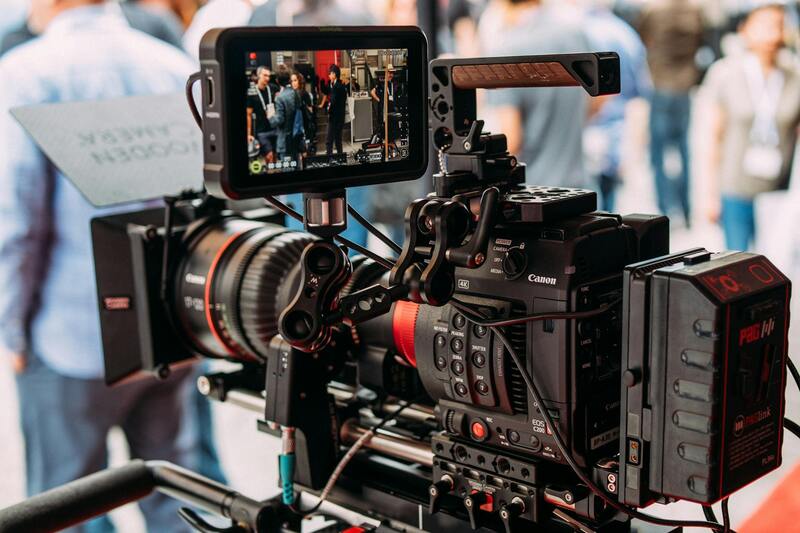
Key Components of Live Broadcast Services
- Content Planning and Strategy: Defining the event’s objectives, key messages, and audience engagement strategies ensures the broadcast aligns with overall goals and delivers value to viewers.
- Technical Setup and Infrastructure: This involves determining the necessary equipment such as cameras, audio gear, streaming encoders, and reliable internet connectivity. Proper infrastructure setup is critical for uncompromised broadcast quality.
- Equipment Management: Using state-of-the-art cameras, switching systems, and audio consoles allows producers to deliver immersive and clear content. Backup equipment and redundancy measures are also integral to prevent disruptions.
- Production Crew Coordination: Skilled operators, directors, audio engineers, and technicians work collaboratively to execute the live stream smoothly, responding promptly to on-air signals and technical issues.
- Connectivity and Streaming Platforms: Choosing secure, fast, and scalable streaming platforms ensures consistent content delivery across multiple devices and locations, accommodating large or diverse audiences.
- Real-Time Monitoring and Support: Continuous oversight during the broadcast enables immediate troubleshooting of issues, maintaining stream stability and quality throughout the event.
- Audience Engagement and Interaction: Incorporating live chat, polls, and social media integration can enhance viewer participation and expand the event's reach.
Managing these elements effectively requires a detailed understanding of the technology and logistical challenges involved in live streaming. The expertise of seasoned professionals ensures all technical components work harmoniously, thus avoiding common pitfalls such as lag, buffering, or audio-visual sync issues.
Advanced Technologies Powering Live Broadcasts
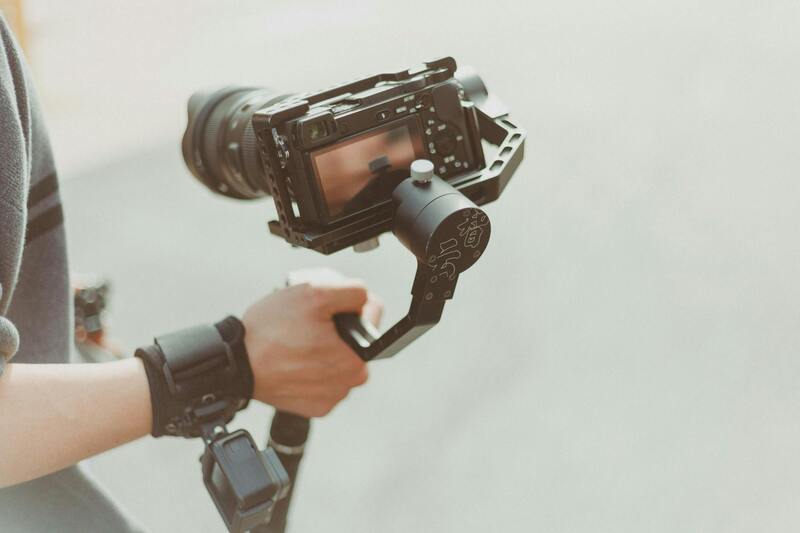
The evolution of broadcasting technology has significantly enhanced the capacity for high-definition streams with minimal latency. Modern productions utilize cloud-based encoding, multi-camera switching, and advanced stabilization equipment to achieve broadcast excellence. 4K resolution capabilities provide crisp visuals, while dedicated internet connections, such as fiber optics, guarantee bandwidth stability. Additionally, Artificial Intelligence (AI) and machine learning are increasingly integrated to automate camera tracking, improve image stabilization, and optimize audio quality, resulting in more dynamic and engaging content.
Protocols and Compliance in Live Streaming
To deliver consistent results, live broadcast providers adhere to specific protocols that govern data security, privacy, and stream integrity. Secure streaming involves end-to-end encryption to protect sensitive content, while compliance with industry standards ensures compatibility across various devices and platforms. Regular maintenance of equipment, adherence to safety standards, and training personnel on the latest best practices further enhance the overall quality and safety of live broadcast operations.
Investing in professional live broadcast services ensures a comprehensive approach that covers all technical and logistical facets, leading to engaging, reliable, and high-quality live event coverage. Whether it's broadcasting a large-scale concert or a corporate seminar, attention to detail at every stage guarantees a compelling viewing experience that resonates with your audience and elevates your event's profile.
Understanding Live Broadcast Services
Live broadcast services encompass a range of professional solutions designed to transmit real-time video and audio content to audiences via the internet or proprietary networks. These services are essential for events such as corporate conferences, concerts, sports competitions, and community festivals, ensuring that viewers can experience the event as if they were physically present. Unlike traditional recorded broadcasts, live streaming requires specialized technology and infrastructure to manage real-time data transmission without delays or interruptions, maintaining high quality and viewer engagement.
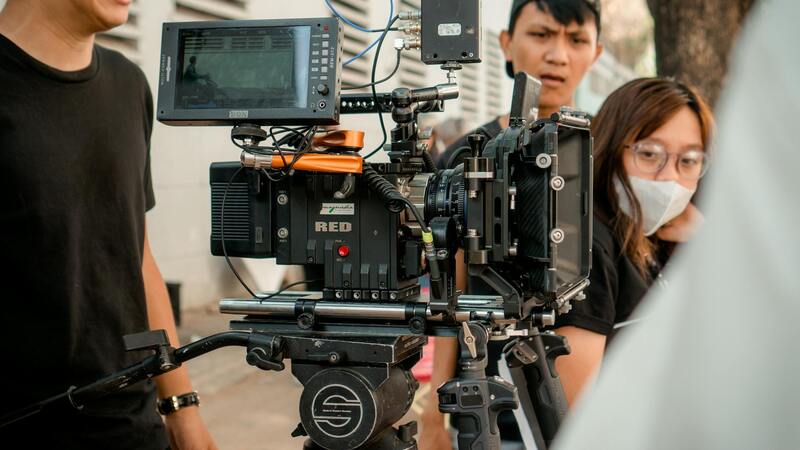
Implementing effective live broadcast services involves meticulous planning, robust technological setup, and expert execution. The core objective is to deliver a continuous, high-definition stream that remains stable irrespective of the location, audience size, or event scale. Professional solutions address challenges such as latency, data security, and compatibility across various devices and platforms, thereby ensuring that the broadcast reaches viewers reliably and with exceptional clarity.
Key Features of Professional Live Broadcast Services
- High-Definition Streaming: Advanced streaming capabilities support formats such as 4K or HD, providing crisp visuals that enhance viewer engagement.
- Reliable Connectivity: Dedicated internet lines, including fiber optic connections, minimize lag and buffering, ensuring smooth delivery even during high-traffic periods.
- Multiple Platform Integration: Compatibility with social media, website embeds, and streaming platforms broadens content reach and accessibility.
- Backup and Redundancy Systems: Redundant hardware and connection pathways ensure uninterrupted streaming despite technical issues.
- Interactive Features: Incorporation of live chat, Q&A sessions, and polls boosts audience interaction and participation.
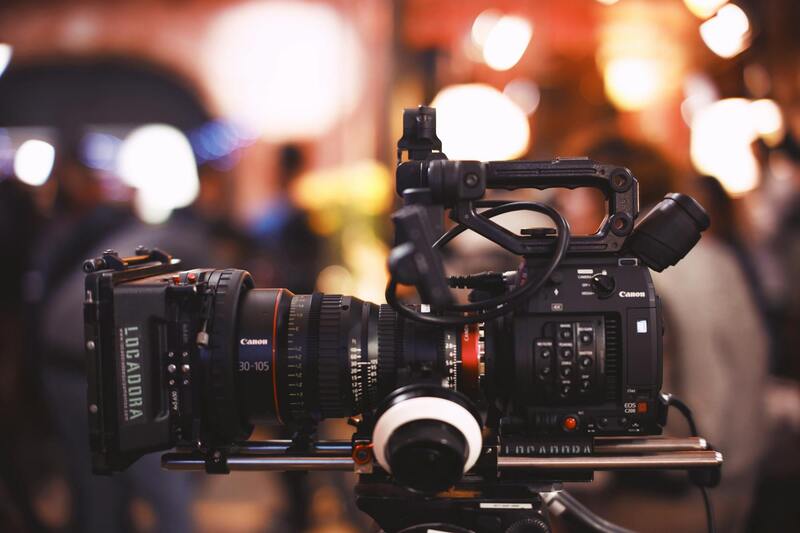
- Professional Equipment: Use of high-end cameras, switchers, encoding hardware, and audio systems guarantees broadcast quality.
- Technical Expertise: Skilled operators monitor stream health, troubleshoot issues in real-time, and optimize performance throughout the event.
Types of Live Broadcast Services Offered in Miami
Miami's diverse event landscape fosters a variety of live broadcasting options tailored to specific needs. These services include:
- Corporate Live Streaming: Covering conferences, seminars, product launches, and internal meetings with professional-grade production that enhances brand image and engagement.
- Entertainment and Concert Live Streams: Broadcasting music festivals, theater performances, and celebrity events to a broad audience, capturing the essence of live entertainment with immersive visuals and high-quality audio.
- Sports Events: Streaming sporting competitions and tournaments with real-time score updates, multiple camera angles, and instant replays for an enhanced viewer experience.
- Community and Cultural Events: Promoting local festivals, parades, and cultural celebrations, helping communities share their traditions on a wider scale.
Each service type typically involves tailored technical arrangements and specialized equipment to meet the unique demands of the event, ensuring optimal delivery and audience satisfaction.
Understanding Live Broadcast Services
Professional live broadcast services are comprehensive solutions designed to deliver high-quality, real-time video streaming of various events. These services leverage cutting-edge technology and expert personnel to ensure that audiences, irrespective of their location, experience seamless, immersive content. Whether it’s a corporate meeting, a concert, or a community festival, live broadcast services are tailored to meet the specific needs of each event, providing a dynamic platform that enhances engagement and extends reach beyond physical boundaries.
Significance of Professional Live Broadcasts
In the current digital landscape, the ability to broadcast live content effectively has become crucial for organizations and event organizers. A professionally managed live broadcast elevates brand visibility, fosters audience interaction, and captures the essence of the moment with clarity. The strategic implementation of live streaming enables real-time communication, audience participation, and instant information sharing, making it an indispensable part of modern event management.
Key Components of a Quality Live Broadcast Service
- High-Resolution Video Capture: Utilizing professional cameras ensures crisp, clear visuals that can be seamlessly streamed across various platforms.
- Reliable Audio Systems: Clear sound quality enhances the viewer's experience, especially during speeches, performances, or panel discussions.
- Advanced Streaming Infrastructure: Robust encoding hardware and software are vital for smooth, buffer-free broadcasts.
- Technical Personnel: Skilled operators monitor the stream, troubleshoot issues promptly, and adapt to on-site conditions to maintain broadcast integrity.
- Multiple Camera Angles and Switching: Dynamic visuals through multi-camera setups create engaging viewing experiences.
Technical Quality and Security
Beyond visual and audio excellence, professional live broadcast services prioritize stream security and resilience. Encrypted transmissions prevent unauthorized access, while redundant systems ensure continuity in case of technical failures. This focus on reliability safeguards the event’s integrity and promotes viewer trust.
Types of Live Broadcast Services Offered in Miami
Miami’s vibrant event scene calls for a diverse range of live streaming options, each tailored to the nature and scope of the event. From corporate engagements to cultural festivities, local service providers deliver specialized solutions aimed at maximizing audience reach and engagement.
Corporate Live Streaming
Businesses frequently utilize live broadcast services to host virtual conferences, product launches, and internal meetings. These broadcasts often include multiple camera setups, branded graphics, and interactive features such as live chats or Q&A sessions. By showcasing professionalism and technical expertise, corporate live streaming enhances brand perception and facilitates stakeholder engagement.
Entertainment and Concert Live Streams
Music festivals, theater productions, and celebrity appearances benefit from high-quality live broadcasting, capturing the thrill of live performances with immersive visuals and crisp audio. These streams attract global audiences, increase event visibility, and often incorporate interactive elements like real-time comments or virtual meet-and-greets.
Sports Events
From local tournaments to major sporting competitions, live streaming of sports events offers real-time updates, multiple viewing angles, and features such as instant replays. This approach enhances the spectator experience, especially for fans unable to attend in person, broadening the reach of the event significantly.
Community and Cultural Events
Local festivals, parades, and cultural celebrations are increasingly shared with wider audiences through live broadcasts. These services help preserve cultural traditions, promote community pride, and foster inclusivity by enabling broader participation across digital platforms.
Planning and Coordination for Live Events
Effective live streaming begins long before the event starts. Pre-event planning involves detailed coordination, including site assessments, technical rehearsals, and equipment setup. Collaborating with experienced professionals ensures that all technical aspects—from camera placements to internet bandwidth—are optimized for a flawless broadcast. On-site coordination during the event is equally critical, requiring skilled personnel to manage cameras, audio feeds, and streaming hardware in real time. This meticulous planning and execution result in a smooth, professional broadcast that captures the event’s essence without disruptions.
Understanding Live Broadcast Services
In today’s digital age, live broadcast services serve as a vital bridge connecting event organizers with audiences across the globe. These services facilitate the seamless transmission of live content, ensuring viewers experience real-time engagement regardless of their physical location. They encompass a comprehensive suite of solutions, including video production, streaming infrastructure, and broadcast management, all aimed at delivering high-quality, uninterrupted live feeds. With the proliferation of mobile devices and high-speed internet, live broadcasting has become an accessible and powerful medium for sharing events, performances, corporate announcements, and more.
Key Features of Professional Live Broadcast Services
- High-Definition Streaming: Ensuring crystal-clear visuals and crisp audio that enhance viewer immersion.
- Multi-Camera Setups: Offering dynamic angles and perspectives, especially critical for concerts and sporting events.
- Stable Connectivity: Leveraging redundant internet connections and advanced encoders to minimize buffering and downtime.
- Real-Time Interaction: Incorporating live chat, Q&A sessions, and social media integration to foster viewer engagement.
- Recorded Playback: Providing on-demand access post-event to extend content reach and accessibility.
- Customized Branding: Embedding graphics, logos, and overlays that align with the event’s branding and messaging.
- Security Measures: Implementing encryption and access controls to safeguard content against unauthorized viewing.
Types of Live Broadcast Services Offered in Miami
Miami’s diverse event landscape calls for a range of specialized live streaming solutions:
- Corporate Events: Includes product launches, conferences, and seminars broadcasted internally or to a wider audience.
- Live Concerts and Performances: Professional sound and visuals capture Miami’s vibrant music scene, reaching fans worldwide.
- Sports Events: From local tournaments to major leagues, sports broadcasting prioritizes multiple angles and instant replays to enhance viewer satisfaction.
- Cultural and Community Events: Parades, festivals, and cultural celebrations are livestreamed to promote community engagement and cultural preservation.
- Educational Workshops and Seminars: Streaming educational content to expand access beyond physical venues.
Technologies and Equipment Used
Executing a professional live broadcast hinges on state-of-the-art technologies and reliable equipment, which include:
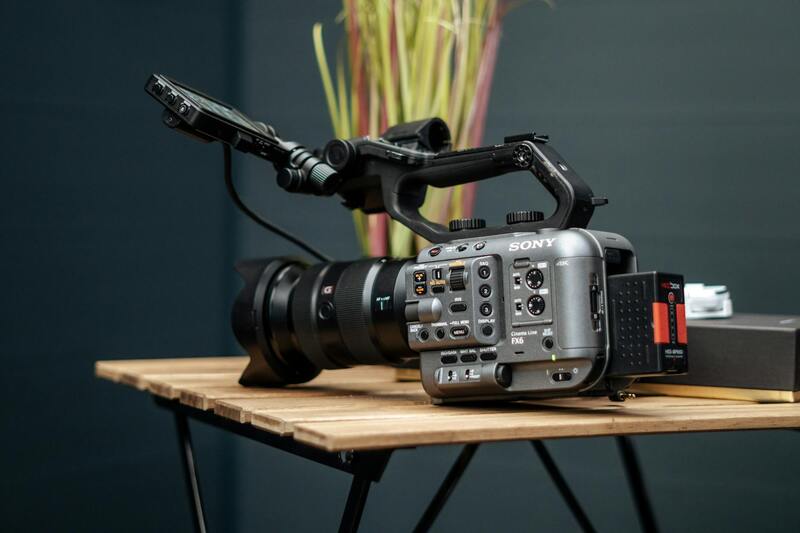
- Broadcast Cameras: High-quality camcorders with adjustable lenses for versatile shot composition.
- Video Switchers: Managing multiple camera feeds and transitions seamlessly in real-time.
- Encoder Devices: Converting raw video signals into streams compatible with online platforms.
- Audio Equipment: Wireless microphones, mixers, and soundboards ensuring clear audio delivery.
- Streaming Hardware & Internet: Dedicated networks and failover solutions to guarantee uninterrupted broadcasting.
- Lighting Instruments: Proper illumination enhances video clarity and highlights key aspects of the event.
- Monitoring Tools: Continuous oversight through control panels to detect and address issues instantly.
Planning and Coordination for Live Events
Effective live broadcasting demands meticulous planning and synchronized execution. Months before the event, organizers collaborate with production teams to outline the event’s scope, desired visuals, and technical requirements. This preparatory phase involves site visits to assess infrastructure, determine optimal camera placements, and evaluate internet bandwidth capabilities. Technical rehearsa ls are conducted to troubleshoot potential issues and refine the broadcasting workflow. During the event, dedicated personnel manage camera switching, audio levels, and streaming hardware, ensuring real-time adjustments are swiftly implemented. Post-event analysis helps in assessing the broadcast quality and gathering insights for future improvements. This holistic approach guarantees a professional presentation that captures the spirit of the event and delivers a seamless viewing experience.
Understanding Live Broadcast Services
Live broadcast services have revolutionized the way events, conferences, and special occasions are shared with audiences around the world. These services enable real-time streaming of footage directly from venue to viewers across multiple platforms, ensuring an immersive and engaging experience. By leveraging advanced technology, professional live broadcast providers deliver high-definition video and crisp audio, effectively capturing the atmosphere and nuances of each event. Whether broadcasting a corporate seminar, wedding, music concert, or sporting event, the objective remains to produce a seamless, high-quality stream that viewers can access effortlessly from any device.
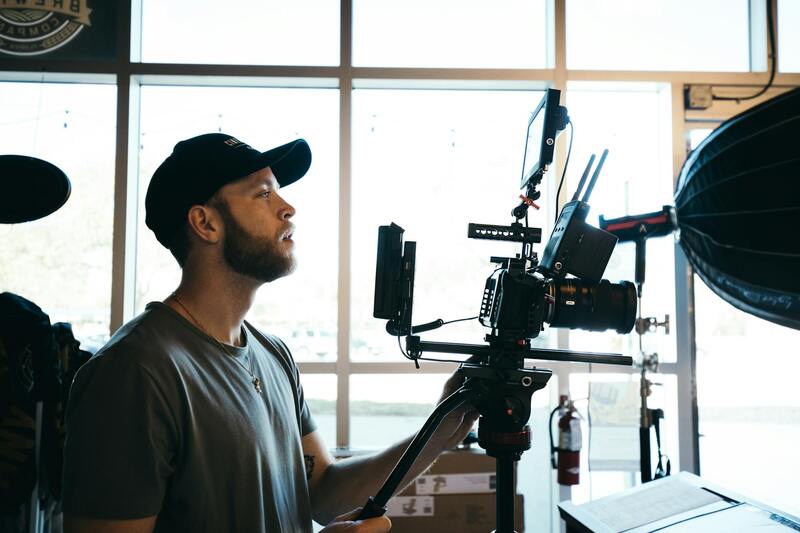
Professional live broadcast services involve a comprehensive setup that includes specialized cameras, audio equipment, encoding hardware, and reliable internet connections. These components work in tandem to ensure the live stream is stable, clear, and synchronized. Proper planning and execution are vital, as they allow for the smooth transmission of visuals and sound, accommodating large audiences without lag or interruption. Professionals also incorporate multiple camera angles, graphics, and instant replays to enhance viewer engagement, mimicking the production values of live television.
Key Features of Professional Live Broadcast Services
- High-Definition Video Streaming: Ensures viewers receive crisp visuals with rich detail, vital for recreating the event's ambience.
- Multiple Camera Angles: Offers dynamic coverage, capturing different perspectives and moments in real-time.
- Advanced Audio Management: Clear sound with noise reduction and multiple channels for diverse audio sources.
- Real-Time Graphics and Overlays: Display event information, sponsor logos, or interactive features during the live stream.
- Stream Reliability and Redundancy: Utilizes backup internet connections and failover systems to prevent disruptions.
- Platform Compatibility: Supports broadcasting across social media, dedicated websites, or streaming services for maximum reach.
Types of Live Broadcast Services Offered in Miami
Miami hosts a diverse array of live broadcasting options tailored to various event types and scales. These services include:
- Event Livestreaming: Covering conferences, panel discussions, and seminars for remote audiences.
- Corporate Broadcasts: Streamings of product launches, corporate meetings, or annual reports with professional polish.
- Wedding and Private Events: Capturing personal moments with high-quality visuals, allowing distant friends and family to participate.
- Concerts and Festivals: Delivering immersive audio-visual experiences to large online audiences, complete with multiple angles and real-time effects.
- Sports Events: Providing smooth, latency-minimized streams ideal for betting, analysis, or fan engagement.
Technologies and Equipment Used
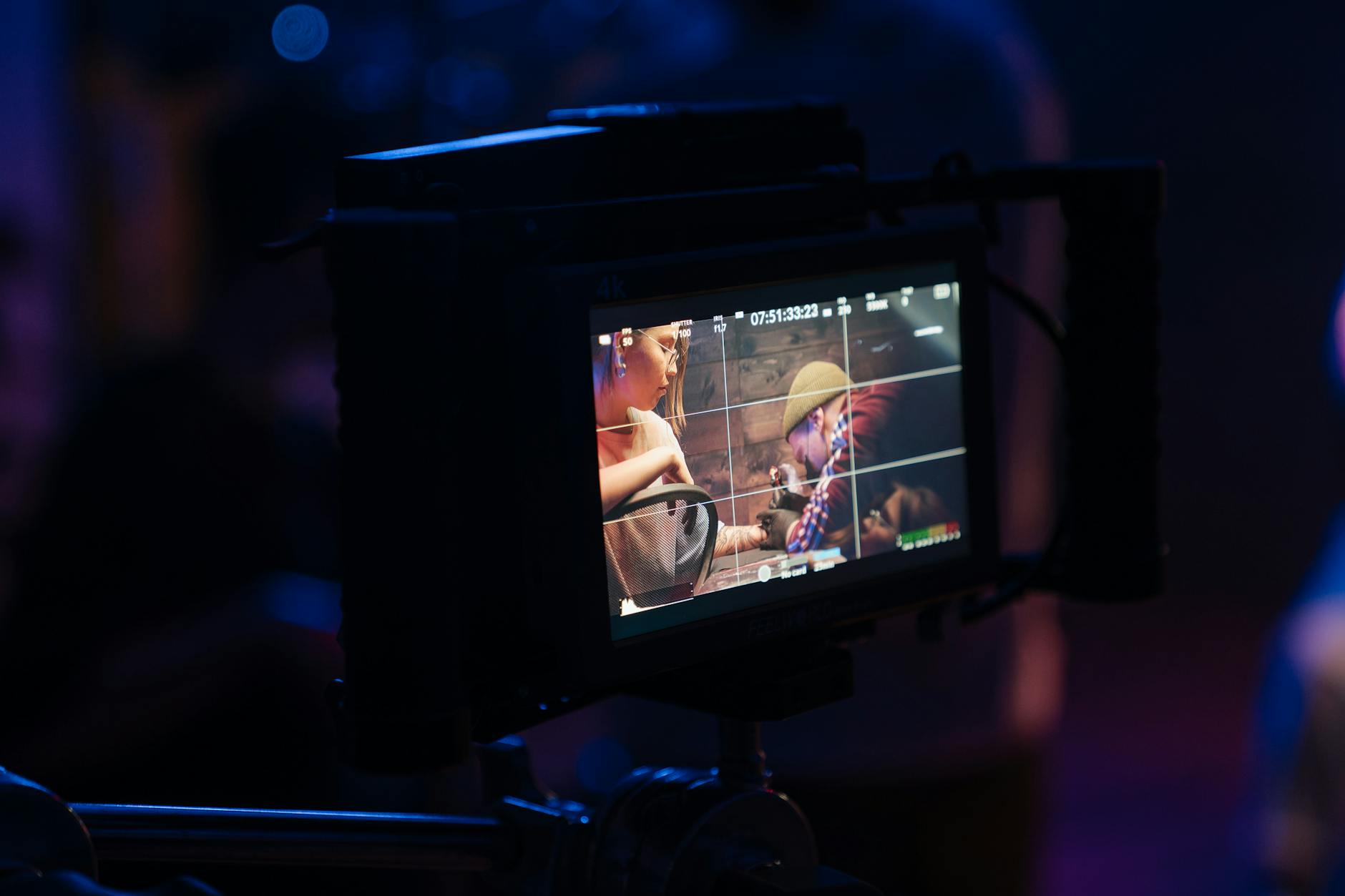
The backbone of professional live broadcast services lies in cutting-edge technology and specialized equipment. This typically includes high-definition professional cameras, real-time encoders, professional audio gear such as wireless microphones and mixers, and robust internet infrastructure. Broadcast workflows often utilize dedicated fiber optic lines or bonded internet solutions to maintain connection stability, especially in environments with variable network quality. Portable control rooms or truck-mounted units facilitate live switching, graphics insertion, and broadcast management on-site. In addition, monitoring tools track stream health and allow operators to troubleshoot issues instantly, reducing the risk of service interruptions.
Planning and Coordination for Live Events
Detailed planning is critical to successful live broadcasting. This process begins months in advance, with collaboration between event organizers, production teams, and technical specialists. Site visits assess infrastructure, lighting, camera positions, and internet bandwidth. Technical rehearsals mimic the live environment, allowing teams to troubleshoot potential issues and refine workflows. During the event, a dedicated director oversees camera switching, graphic overlays, and audio levels, ensuring a cohesive presentation. Support personnel monitor stream performance continuously, ready to implement adjustments if needed. Post-event analysis provides insights into stream quality and audience engagement, informing improvements for future broadcasts.
Benefits of Hiring Local Miami Production Agencies
Engaging local Miami-based live broadcast service providers offers strategic advantages. These agencies possess in-depth knowledge of the region's venues, infrastructure, and vendor networks, facilitating smoother coordination. They are familiar with local regulations and have established relationships with reliable internet providers, ensuring robust connectivity. Moreover, their familiarity with Miami’s event landscape allows them to adapt quickly to unique venue requirements or last-minute changes. Local agencies often boast experienced crews who understand the nuances of live event production, enabling them to deliver high-quality streams that fulfill client expectations. Additionally, proximity reduces logistical complexities, allowing for on-site support and immediate troubleshooting whenever needed. Employing local expertise enhances the overall quality and professionalism of the live broadcast, creating an impactful viewer experience.
Understanding Live Broadcast Services
Live broadcast services are essential tools for transmitting real-time audio and visual content over the internet or dedicated networks. These services enable businesses, event organizers, and content creators to reach their audience instantly, regardless of geographical barriers. A professional live broadcast ensures high-quality video and audio, minimal latency, and seamless streaming experiences, which are crucial for impactful communication and engagement. Implementing these services involves sophisticated technology, skilled personnel, and strategic planning to deliver a polished and reliable stream that aligns with the event's objectives.
Key Features of Professional Live Broadcast Services
- High-Quality Video and Audio: Utilization of HD or 4K cameras and professional audio mixers to produce sharp visuals and clear sound.
- Redundant Streaming Infrastructure: Multiple servers and internet connections prevent interruptions, ensuring continuous delivery even if one source fails.
- Real-Time Graphics and Overlay Integration: Dynamic graphics, lower thirds, and branding elements enhance viewer engagement and convey vital information effectively.
- Audience Engagement Tools: Live chat, polls, and interactive elements enable real-time interaction with viewers.
- Monitoring and Analytics: Continuous monitoring of stream performance and post-event analytics to assess reach, engagement, and viewer behavior.
- Technical Support and Troubleshooting: Dedicated support teams are on hand during broadcasts to address technical issues promptly.
Technologies and Equipment Used
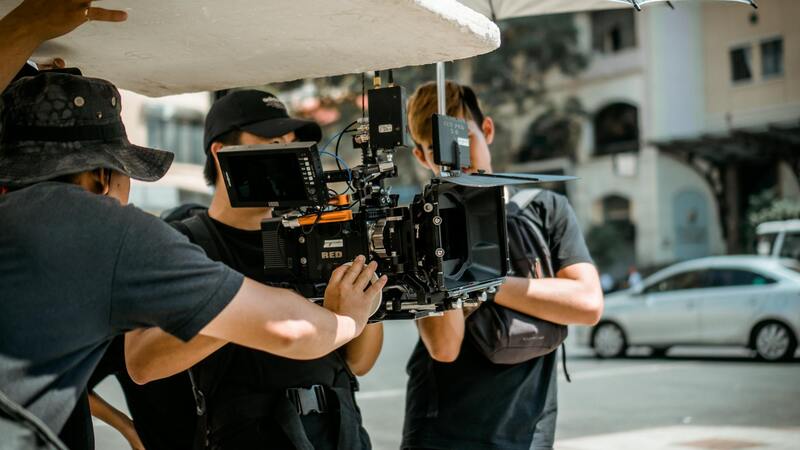
Professionally managed live broadcasts utilize advanced equipment, including multi-camera setups, wireless transmitters, and broadcast-grade encoders. Video switchers allow seamless transitions between camera feeds, while audio consoles ensure clear sound quality. Streaming software platforms facilitate encoding, ingesting, and distribution of content to multiple content delivery networks (CDNs). Signal testing, synchronization, and backup systems are integral to ensuring stability, especially in critical live environments. In Miami, where event venues vary widely, adaptability and access to high-speed internet connections are vital for consistent streaming performance.
Planning and Coordination for Live Events
Effective live broadcasting hinges on meticulous planning and coordination. This process begins with understanding the event’s scope, target audience, and desired outcomes. Pre-production tasks include technical site surveys, connectivity assessments, and equipment setup. The production team collaborates closely with event organizers to develop a detailed broadcast plan, covering camera angles, graphic elements, sound levels, and timing cues. Rehearsals are crucial to simulate the live environment, allowing team members to troubleshoot potential technical problems. During the event, the director oversees the entire operation, making real-time decisions on camera shots, graphics, and audio adjustments. Post-event, a comprehensive review of stream performance, viewer feedback, and technical logs provides insights to refine future broadcasts.
Benefits of Hiring Local Miami Production Agencies
- Regional Expertise: Local agencies understand Miami’s event landscape, venue specifics, and infrastructure nuances, which aids in smoother operations.
- Established Vendor Networks: They maintain strong relationships with internet providers, equipment rental facilities, and venue owners, facilitating quick access to resources.
- On-Site Support: Proximity allows for immediate technical assistance, minimizing the risk of delays or failures during the live stream.
- Cost and Time Efficiency: Reduced transportation and setup times lead to efficient project execution and cost savings.
- Customized Solutions: Local teams adapt their strategies to the unique requirements of Miami’s diverse venues and audience demographics.
Future Trends in Live Broadcast Services
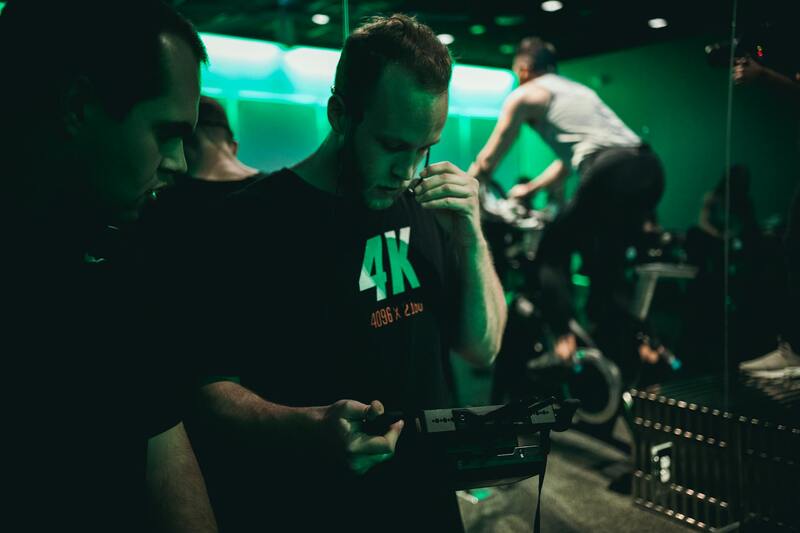
Emerging advancements in live broadcast technology are shaping the industry’s future. 4K and even 8K streaming promise unprecedented visual clarity, enhancing viewer immersion. Interactive features, such as integrated chat, virtual reality experiences, and augmented reality overlays, are creating more engaging live events. Social media platform integration allows seamless sharing and real-time interaction across multiple channels, broadening audience reach. Furthermore, advancements in 5G connectivity offer higher bandwidth and lower latency, making high-quality, mobile live streams more accessible. These innovations collectively push the boundaries of what’s achievable in live broadcasting, providing clients in Miami and beyond with new opportunities to elevate their events and engagement strategies.