Overview of Video Broadcasting Services
Video broadcasting services have become an essential component of modern communication, enabling real-time content delivery to audiences across various locations. These services are designed to facilitate the live transmission of events, presentations, and discussions, making them highly valuable for businesses, organizations, and content creators aiming to reach a broad audience. In professional settings, the primary goal of these services is to ensure high-quality, reliable video delivery that maintains clarity, stability, and engaging viewer experiences. Whether used for corporate meetings, live concerts, sporting events, or large conferences, video broadcasting solutions are tailored to meet the rigorous demands of live content delivery, providing seamless streaming capabilities that can adapt to different scales and technical requirements.
These services are inherently versatile, supporting a wide range of formats and platforms, including social media channels, dedicated streaming portals, and internal corporate networks. Their primary purpose is to bridge the gap between event organizers and viewers, bringing real-time experiences to remote audiences with minimal latency and maximum visual integrity. As technology advances, video broadcasting services continue to evolve, offering enhanced features such as multi-camera streaming, interactive elements, and high-definition resolution options, all of which contribute to a dynamic and engaging broadcasting experience.
Types of Video Broadcasting Technologies
The landscape of video broadcasting is diverse, comprising several core technologies that cater to different needs and scales. The most common types include:
- Live Streaming Platforms: These are cloud-based services that facilitate real-time content delivery over the internet. They provide tools for encoding, distribution, and viewer engagement, making them ideal for online webcasts and social media broadcasts.
- Satellite Broadcasting: Utilizing satellite transponders, this method delivers high-capacity signals over vast geographical areas. It is typically employed for large-scale events or broadcasting to regions with limited internet infrastructure.
- Cable and IPTV: These methods distribute video content through cable networks or internet protocol television systems, targeting localized audiences such as corporate campuses or hospitality venues.
- Dedicated Webcast Solutions: Custom-built infrastructure that supports high-security, high-quality broadcast streams for enterprise or government use, often integrating with existing IT and AV systems.

Key Features of Professional Video Broadcasting Solutions
Professionally designed broadcasting solutions offer a suite of features aimed at maximizing broadcast quality, reliability, and viewer engagement. These include:
- High-Definition Video Capture: Ensures crisp, clear visuals that enhance viewer experience, supporting HD and 4K resolutions depending on the event's scale and technical setup.
- Multiple Camera Angles: Facilitates dynamic coverage of live events, allowing production teams to switch between different perspectives seamlessly.
- Real-Time Encoding and Compression: Converts raw footage into internet-friendly formats while maintaining visual fidelity, minimizing latency during transmission.
- Robust Network Infrastructure: Employs dedicated bandwidth and backup systems to prevent interruptions and ensure continuous streaming even under challenging network conditions.
- Interactive Features: Incorporates chat, polling, and Q&A sessions to increase audience engagement and participation during live broadcasts.
Our focus remains on leveraging these features to produce professional-level broadcasts that resonate with viewers and uphold high standards of technical excellence.
Types of Video Broadcasting Technologies
Choosing the appropriate video broadcasting technology is essential for delivering seamless and high-quality live streams tailored to specific event needs. Several technologies offer diverse functionalities, scalability, and reach, each suited for different types of events and audience engagement models.
Live Streaming Technology
Live streaming remains at the core of modern broadcasting, permitting real-time content delivery directly to viewers across various devices. This technology typically involves a video capture setup, an encoder to compress the footage, and a streaming platform that disseminates the content. High-performance encoders ensure minimal latency and optimal quality, even for audiences with varying internet speeds.
On-Demand Video Delivery
On-demand video platforms allow viewers to access event recordings at their convenience. This technology is ideal for conferences, seminars, and webinars where flexibility in viewing times enhances reach. Content is stored on servers, optimized for rapid access and streaming without buffering issues, ensuring a smooth user experience.
Satellite Transmission
For large-scale or geographically dispersed audiences, satellite transmission offers a robust solution. It enables live content to be distributed to multiple locations that may lack reliable internet infrastructure. Satellite broadcasting supports high-definition transmission over vast distances, making it suitable for international events, concerts, and sports tournaments.
Hybrid Solutions
Many broadcasters employ hybrid setups that combine internet-based streaming with satellite or cable delivery. These integrated approaches maximize reach, reliability, and accessibility, providing flexibility to adapt to changing event conditions or audience needs.
Emerging Technologies
Advancements such as 5G connectivity, cloud broadcasting platforms, and virtual reality integrations continue to push the boundaries of video transmission. These innovations promise to deliver immersive, interactive experiences with lower latency and higher quality, broadening the scope of possible applications in live event broadcasting.
In selecting the right technology, it is essential to consider factors such as event scale, target audience locations, technical infrastructure, and desired interactivity levels. Professional video broadcasting services, particularly those tailored for high-profile or complex productions, leverage these advanced technologies to ensure superior stream quality and reliable delivery.
Overview of Video Broadcasting Services
Video broadcasting services are vital for delivering live and recorded content to a wide audience across various platforms and devices. These services utilize sophisticated infrastructure and technologies to ensure seamless transmission, high-quality visuals, and real-time interaction. In the context of professional events, corporate functions, or entertainment showcases in Miami, choosing the appropriate broadcasting method is essential for achieving maximum reach and impact. Production companies and event organizers often rely on these services to extend the experience beyond physical attendees, providing remote viewers with immersive and engaging content. The deployment of advanced streaming protocols and delivery networks helps maintain consistent quality, even during high-traffic periods, making sure viewers receive uninterrupted streams regardless of geographic location.

To optimize the reach and efficiency of live events, service providers employ a range of delivery methods tailored to specific needs. These include traditional satellite and cable transmissions suitable for large-scale audiences in fixed locations, as well as internet streaming for global accessibility. The technological landscape of video broadcasting continues to evolve with innovations that enhance transmission stability, reduce latency, and improve visual fidelity. Such developments are crucial for delivering captivating experiences that meet the expectations of contemporary audiences demanding high-definition and interactivity.
Types of Video Broadcasting Technologies
Understanding the different transmission methods is key to selecting the most appropriate solution for an event in Miami. Here, we explore the core technologies that form the backbone of modern video broadcasting:
Satellite Transmission
Satellite transmission remains a cornerstone for large-scale, far-reaching broadcasts. It supports high-definition quality over extensive distances, making it ideal for major concerts, sports tournaments, and international conferences. This technology ensures that even remote or rural areas with limited internet access can experience live events with minimal delays. Satellite broadcasting involves uplink stations that transmit signals to orbiting satellites, which then downlink the content to designated receiving stations or regional broadcast centers.
Internet Streaming
IP-based streaming has gained dominance due to its flexibility and scalability. With the ability to deliver content directly to viewers on desktops, smartphones, tablets, and smart TVs, internet streaming caters to a broad demographic. Technologies such as adaptive bitrate streaming dynamically adjust video quality based on the viewer’s bandwidth, providing a smoother experience. This method is especially effective for events with global audiences or when on-demand access post-event is desired.
Hybrid Solutions
Many production setups in Miami adopt hybrid strategies that combine satellite and internet broadcasting. This approach maximizes the strengths of both methods—ensuring high reliability for critical streams and versatile accessibility for broader audiences. Hybrid solutions are particularly advantageous for multi-location events, enabling broadcasters to deliver synchronized content while accommodating varying technical realities of different venues.

Emerging Technologies
With rapid advancements in connectivity and platform capabilities, future-oriented broadcasting technologies are transforming live event coverage. 5G networks facilitate ultra-low latency transmission, supporting real-time interactive features such as virtual audience participation and augmented reality overlays. Cloud-based broadcasting platforms enable scalable, flexible, and cost-effective streaming setups, often integrated with AI-driven content management. Virtual reality (VR) and 360-degree video enable immersive experiences, turning traditional broadcasts into engaging virtual environments. These innovations are reshaping how events are presented, experienced, and shared, pushing the boundaries of audience engagement.
Key Features of Professional Video Broadcasting Solutions
Successful live event coverage in Miami depends on the deployment of robust broadcasting solutions that embody certain key features:
- High-definition quality: Ensuring crystal-clear visuals and vibrant audio for an immersive viewing experience.
- Reliability: Minimizing downtime and buffering through redundant systems and advanced delivery protocols.
- Scalability: Accommodating fluctuations in viewer numbers without compromising quality, adaptable to different event scales.
- Integration capabilities: Seamlessly connecting with other production elements such as cameras, switchers, and social media platforms.
- Real-time analytics: Monitoring stream performance and audience engagement to optimize delivery and content strategies.
Benefits of Using Video Broadcasting Services in Miami
Employing professional broadcasting services in Miami offers numerous advantages for organizers, sponsors, and audiences alike. These benefits include expanded reach, allowing virtual attendees to participate regardless of their physical location. Enhanced audience engagement is facilitated through high-quality visuals, real-time interactions, and multimedia integration. Additionally, reliable streaming reduces the risk of technical disruptions that can diminish event impact. Incorporating such services also improves recording and post-event distribution, providing valuable content for promotional or archival purposes. For Miami-based events, partnering with experienced broadcasters ensures adherence to industry standards, delivering a polished and seamless viewing experience that elevates the event’s profile and impact.
Overview of Video Broadcasting Services
Video broadcasting services have revolutionized the way live events, corporate communications, and entertainment are delivered to audiences across Miami and beyond. These services enable real-time transmission of high-quality video content over the internet, allowing viewers to experience events as they happen, regardless of their physical location. Professional broadcasting solutions are designed to ensure seamless delivery, high fidelity visuals, and reliable streaming, which are essential for creating engaging and memorable virtual experiences.
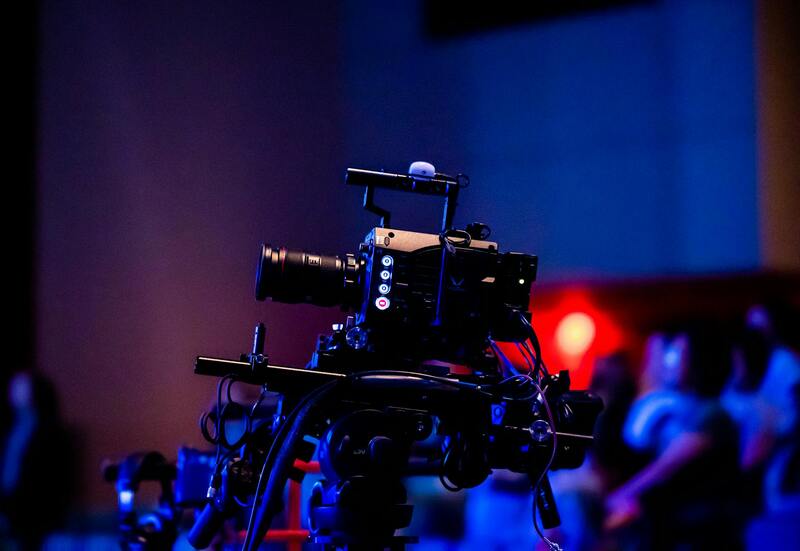
Leveraging advanced streaming technology, these services incorporate infrastructure capable of supporting large audiences, providing flexible options for event organizers, corporate entities, and media organizations. Customizable solutions are tailored to meet specific event objectives, from small conferences to large-scale concerts or sporting events. The overarching aim is to foster better interaction between hosts and viewers, enhance brand visibility, and broaden the scope of audience engagement through reliable and scalable streaming capabilities.
Types of Video Broadcasting Technologies
Different broadcasting methods suit various event needs and technical requirements. Here are some of the prevalent types:
- SSL (Secure Sockets Layer) Streaming: A secure method that encrypts data to prevent unauthorized access, often used for confidential corporate communications.
- RTMP (Real-Time Messaging Protocol): A foundation for live streaming that offers minimal latency, suitable for real-time engagement features like chat interactions.
- HLS (HTTP Live Streaming): Widely adopted for its compatibility across devices, providing adaptive streaming quality based on network conditions.
- DASH (Dynamic Adaptive Streaming over HTTP): Similar to HLS, supporting high-efficiency streaming for viewers with varying bandwidth.

Choosing the appropriate technology depends on factors such as desired latency, audience size, device compatibility, and security requirements. The integration of these technologies ensures a smooth and engaging viewing experience, with minimal interruptions and high-quality visuals, even in varying network conditions.
Key Features of Professional Video Broadcasting Solutions
Professional video broadcasting services in Miami are characterized by features that optimize stream stability, quality, and user engagement:
- Immersive Viewing Experience: High-definition visuals, multiple camera angles, and dynamic switching create engaging content.
- Reliability: Redundant systems and advanced delivery protocols minimize downtime, buffering, and stream disruptions, ensuring continuous availability during live events.
- Scalability: Solutions can accommodate fluctuating viewer numbers, seamlessly expanding server capacity during peak demand periods.
- Integration Capabilities: Compatibility with production equipment such as cameras, switchers, and social media platforms allows for a cohesive and interactive broadcast environment.
- Real-time Analytics: Monitoring tools provide insights into viewer engagement, stream performance, and content effectiveness, enabling immediate adjustments to improve delivery.
These features collectively support the delivery of high-caliber live experiences that resonate with audiences, build brand presence, and foster community engagement in the Miami event scene.

The deployment of professional services transforms ordinary events into immersive digital experiences, ensuring content delivery that meets the highest standards of quality and reliability.
Overview of Video Broadcasting Services
Video broadcasting services have become an essential component of modern event management and digital communication. These services enable organizations, entertainers, and corporations in Miami to transmit live video content to audiences across various locations seamlessly. Whether broadcasting corporate conferences, music festivals, sporting events, or social gatherings, professional video broadcasting ensures high-quality delivery and real-time engagement with viewers. Such services leverage sophisticated technology to provide a reliable and immersive viewing experience that maintains the viewer's attention and fosters a sense of immediacy. Broadcasters can tailor their content delivery to meet diverse needs, adapting to different scales, formats, and audience preferences, ensuring that each event reaches its intended viewers with clarity and impact.
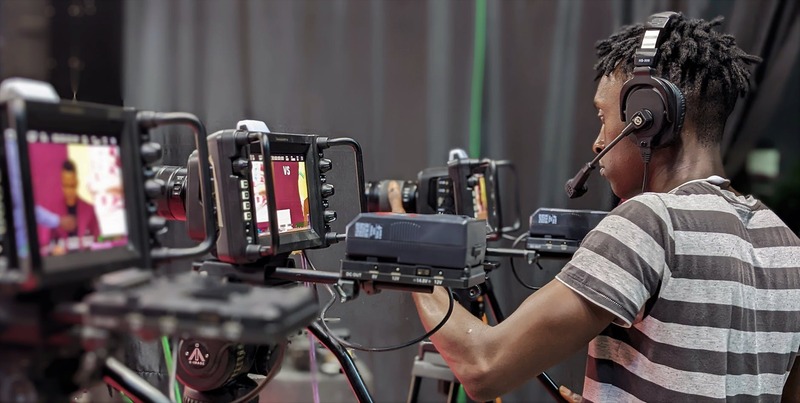
Key to successful broadcasting is understanding the fundamental components involved, which include video capture devices, streaming servers, content delivery networks (CDNs), and compatible interfaces for audience interaction. These interconnected elements work collectively to deliver content without interruptions, even during high traffic volumes. Effective service providers employ advanced encoding techniques, adaptive bitrate streaming, and robust infrastructure to ensure that audience experience remains optimal regardless of network conditions. In addition, the integration of multiple camera feeds, live graphics, and interactive features enhances viewer engagement and creates a dynamic live broadcast environment. The goal is to provide an experience that rivals traditional television broadcasts, with the added benefits of immediacy and interactivity.
Types of Video Broadcasting Technologies
Several technologies underpin the delivery of live video content through broadcasting services, each suited to different event types and technical requirements:
- Webcasting: This method allows for live streaming directly through the internet, typically facilitating wide distribution with minimal setup. Webcasting is ideal for corporate webinars, educational seminars, and product launches where accessibility and ease of use are priorities.
- Live Streaming via Content Delivery Networks (CDNs): CDNs optimize the distribution of high-quality video content to large audiences by caching data across multiple servers worldwide. This technology ensures minimal latency and buffering, even during simultaneous access by numerous viewers.
- Satellite Broadcasts: For large-scale events requiring broad geographical coverage or areas lacking reliable internet infrastructure, satellite broadcasting offers a stable transmission pathway. It is often used for international sporting events and political summits.
- Hybrid Solutions: Combining internet-based streams with satellite relay, hybrid solutions provide flexibility, redundancy, and enhanced security for critical broadcasts.

Key Features of Professional Video Broadcasting Solutions
Professional broadcasting services in Miami are distinguished by their ability to deliver high-quality, stable, and engaging content. Several core features set these solutions apart:
- High-definition Visuals: Use of 4K or higher resolution video equipment ensures crisp, detailed images that captivate viewers and provide a premium viewing experience.
- Diverse Camera Angles and Switching: Multiple camera feeds, facilitated by professional switchers, contribute to a dynamic viewing environment and allow for seamless transitions that keep viewers engaged.
- Advanced Encoding and Compression: Efficient encoding ensures minimal bandwidth usage while maintaining video quality, essential for smooth streaming across varying network conditions.
- Redundant Systems and Failover Protocols: These provide continuous broadcasting even in the event of equipment failure or network issues, safeguarding live streams against interruptions.
- Audience Interaction and Engagement Tools: Integration of chat functions, polls, and social media feeds enhances interactivity and builds a community around the event.
- Real-time Analytics and Monitoring: Data on viewer behavior, stream health, and engagement metrics allow broadcasters to make instant adjustments, optimizing the viewing experience.
Implementing these features ensures that events in Miami are not only broadcasted with high technical standards but also resonate emotionally with audiences, fostering brand loyalty and community involvement. The capacity to customize streams with tailored graphics, multiple languages, and accessibility options further elevates the professional quality of the service provided.
Legal and Compliance Considerations
When selecting a professional video broadcasting service, it is crucial to ensure adherence to all relevant standards and regulations governing content distribution. Services that prioritize licensing agreements for music, footage, and branded content demonstrate a commitment to responsible broadcasting practices. Moreover, compliance with data privacy laws is essential, especially when collecting viewer information or enabling interactive features. Reliability and transparency in obtaining necessary permissions help prevent potential disruptions or legal complications that could compromise the event’s success.

Broadcasting providers that employ rigorous content management processes, including rights verification and secure rights clearance, are well-positioned to deliver consistent, compliant streams. These measures reduce the risk of copyright infringement claims or content takedowns, which can disrupt live event coverage. Additionally, comprehensive policies regarding viewer data protection, along with secure streaming protocols, reinforce trust and safeguard against potential breaches.
Future Trends in Video Broadcasting
The landscape of video broadcasting services continues to evolve rapidly, influenced by technological advancements and audience preferences. Emerging trends include the wider adoption of 8K resolution streams for ultra-high-definition visuals and the integration of augmented reality (AR) and virtual reality (VR) to create immersive viewing experiences. Cloud-based broadcasting solutions are gaining prominence, offering scalable and flexible options for live and on-demand content delivery. AI-powered analytics and automated captioning are improving accessibility and engagement, enabling broadcasters to tailor content dynamically and reach broader audiences effectively.
Furthermore, the development of edge computing enhances streaming stability and reduces latency, especially in busy networks or remote locations. These innovations are poised to transform how live events are experienced, making broadcasts more interactive, immersive, and accessible. For organizations in Miami aiming to stay competitive, partnering with providers that continuously adopt and integrate these advanced technologies ensures they remain at the forefront of the industry.
Overview of Video Broadcasting Services
Video broadcasting services serve as the backbone of modern live communication, enabling organizations and individuals to share content with audiences across the globe in real time. These services facilitate the seamless transmission of high-quality video streams, ensuring viewers experience crisp visuals and clear audio regardless of their location. By utilizing robust infrastructure, these solutions can support a diverse range of applications, from corporate conferences and sports events to cultural festivals and educational seminars. Precision and reliability are paramount in this sector, demanding technological approaches that guarantee minimal latency, jitter-free playback, and adaptability to various bandwidth conditions. Opting for professional video broadcasting services ensures that broadcast quality is maintained consistently, which is essential for maintaining audience engagement and preserving brand reputation. Platforms that specialize in these services often incorporate advanced encoding techniques, multisource streaming options, and comprehensive security protocols, making them a trusted choice for high-stakes live event coverage.
Types of Video Broadcasting Technologies
The landscape of broadcasting technology is diverse, offering multiple methods tailored to different needs and scale. The primary categories include:
- Linear Broadcasting: Traditional broadcast methods, such as satellite or cable TV, deliver content in a fixed schedule to a broad audience. While less flexible, these methods are still prevalent for scheduled programming and large-scale distribution.
- Web Streaming: Internet-based streaming allows on-demand and live video delivery through websites and apps. This approach is highly accessible, supporting adaptive bitrate streaming for optimal user experience across various devices.
- OTT (Over-the-Top) Streaming: OTT services bypass traditional infrastructure, delivering content directly over the internet using platforms like proprietary websites or third-party apps. This method supports subscription-based, pay-per-view, and ad-supported models.
- Social Media Live Streaming: Platforms such as Facebook Live, YouTube Live, and Instagram offer instant broadcasting capabilities with integrated audience interaction tools, ideal for reaching specific community segments or promoting brand awareness.
- Hybrid Solutions: Combining multiple technologies like satellite and internet streaming to enhance coverage and reliability, especially during large-scale or remote events.

Key Features of Professional Video Broadcasting Solutions
High-end broadcasting solutions are distinguished by their reliability, scalability, and feature-rich interfaces. Critical features include:
- Ultra-HD Support: Support for 4K and even 8K resolutions ensures stunning visuals suitable for large-format screens and immersive viewing experiences.
- Multi-Platform Compatibility: Seamless streaming across desktops, mobile devices, tablets, and smart TVs broadens audience reach and engagement.
- Content Security: Secure protocols like AES encryption, Digital Rights Management (DRM), and secure token authentication protect content from unauthorized access and piracy.
- Adaptive Bitrate Streaming: Adjusts video quality based on viewer bandwidth, reducing buffering and enhancing user satisfaction.
- Real-Time Analytics: Provides broadcasters with insights into viewer engagement, geographic location, and device preferences. This data helps tailor content strategies and improve future broadcasts.
- Integrated Captioning and Subtitles: Enhances accessibility by providing real-time captions and multilingual subtitles, wide-reaching inclusivity.
Benefits of Using Video Broadcasting Services in Miami
Miami’s vibrant event scene, diverse population, and strategic location make it an ideal hub for live video broadcasting. Choosing professional services offers numerous advantages:
- Enhanced Audience Reach: Broadcasters can effectively target both local communities and international viewers, expanding event visibility beyond physical attendance.
- Cost-Efficiency: Virtual broadcasting reduces the need for extensive on-site setups, travel expenses, and logistical arrangements, resulting in significant savings.
- Time Flexibility: On-demand content and replay options provide viewers with opportunities to engage with the event at their convenience, boosting overall engagement metrics.
- High-Quality Experience: Professional services ensure high-definition streams, professional audio, and minimal latency, delivering a polished viewing experience that enhances brand image.
- Data Collection and Analysis: Gathers valuable viewer data that informs marketing strategies, sponsorship decisions, and future event planning.
- Brand Promotion: Live broadcasts serve as powerful promotional tools that enhance brand visibility and credibility within Miami’s competitive event industry.
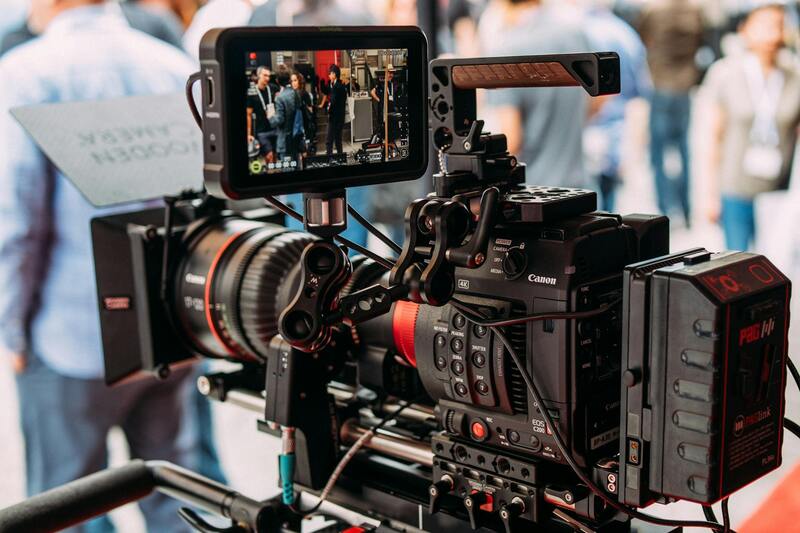
Choosing a Video Broadcasting Service Provider
Selecting the right provider requires careful consideration of several crucial factors:
- Experience and Track Record: Verify the provider’s history of successful live broadcasts, especially those related to your event type or industry.
- Technology and Infrastructure: Ensure the provider uses state-of-the-art equipment, scalable cloud solutions, and secure streaming protocols to guarantee quality and security.
- Customer Support and Technical Assistance: A dedicated support team available before, during, and after the event helps troubleshoot technical issues swiftly and minimizes downtime.
- Customization Options: The ability to tailor the broadcast layout, integrate branding, and add interactive features can significantly enhance viewer engagement.
- Pricing Structure: Transparent pricing with clear service levels ensures there are no unexpected costs. Consider packages that offer scalability as your needs evolve.
- Security Protocols: Prioritize providers that implement robust security measures, including encrypted streams, access controls, and compliance with privacy standards.
- Compatibility with Existing Systems: Compatibility with your current production or streaming platforms ensures a smooth integration process without disruptions.
Advanced Methods of Video Broadcasting in Miami
Beyond the basic offerings, several advanced methods of video broadcasting are setting new standards for live event coverage and corporate communications in Miami. High-quality streaming technologies now enable seamless integration of multiple camera angles, real-time graphics, and augmented reality overlays, elevating the viewer experience to an immersive level. These sophisticated techniques require cutting-edge infrastructure, including robust network architectures and dedicated hardware to handle high data throughput, ensuring that viewers receive uninterrupted, crystal-clear visuals regardless of their device or location.
One notable advancement is the use of multi-platform streaming, which distributes live content across various channels such as social media, proprietary apps, and websites simultaneously. This method maximizes reach and audience engagement, allowing viewers to choose their preferred platforms while maintaining consistent broadcast quality. To facilitate this, providers often deploy adaptive bitrate streaming protocols, which adjust video quality dynamically based on the viewer’s internet speed, delivering a smooth experience even in areas with fluctuating connectivity.
Moreover, improvements in cloud-based broadcasting solutions are transforming Miami’s event landscape. Cloud broadcasting offers scalability, rapid deployment, and cost efficiency. With cloud infrastructure, broadcasters can easily handle large-scale live events, record sessions for on-demand access, and incorporate interactive features such as live chat, polls, and viewer feedback in real time. This environment also simplifies collaboration among multiple production teams, enabling a more flexible and agile approach to live event management.
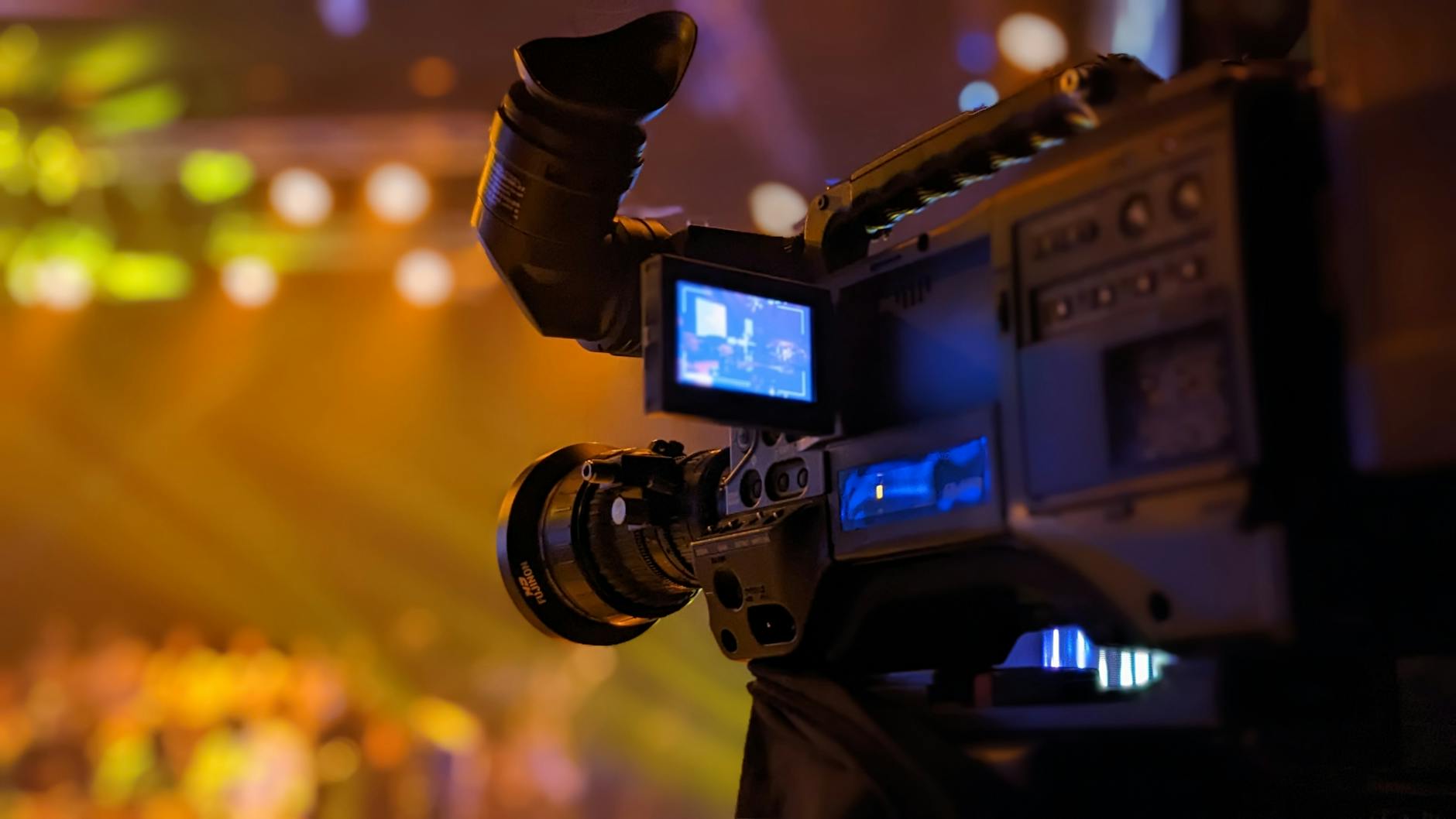
Emerging streaming protocols like SRT (Secure Reliable Transport) are increasingly adopted by Miami broadcasters to secure high-quality video transmission over unpredictable networks. SRT minimizes latency and packet loss, ensuring that the broadcast remains synchronized and visually consistent from source to viewer. These technical enhancements contribute significantly to broadcast stability, especially during large crowd events or in areas with challenging network conditions.
Virtual and hybrid broadcasting models are also gaining popularity in Miami, combining live on-site production with virtual elements such as 3D models, virtual sets, and remote guest appearances. These innovative approaches allow event organizers to deliver engaging content without the constraints of physical venue limitations, broadening audience reach and interaction possibilities.
To stay ahead in Miami’s competitive event hosting scene, industry professionals invest in cutting-edge broadcasting methods that integrate seamlessly with emerging technologies and audience preferences. The deployment of AI-driven analytics further refines content delivery by providing insights into viewer behavior, optimizing broadcast schedules, and personalizing viewer experiences. This synergy of advanced broadcasting methods and innovative tools facilitates a dynamic, engaging, and high-quality live coverage environment.