Understanding Corporate Live Video Streaming
In the realm of modern business communication, corporate live video streaming has emerged as a pivotal tool for connecting organizations with their audiences in real time. This technology enables companies to broadcast events, product launches, seminars, and internal meetings directly to stakeholders, clients, and employees regardless of geographical boundaries. The core advantage of live streaming in a corporate setting lies in its ability to foster genuine engagement, provide instant communication channels, and enhance brand visibility.
Corporate live video streaming typically involves transmitting high-quality video content over the internet through secure, scalable platforms. This approach not only improves accessibility for viewers but also ensures that the broadcast reaches a broad audience efficiently. Unlike pre-recorded content, live streaming offers immediacy, allowing organizations to address questions, showcase products, or deliver critical updates in a compelling, interactive manner.

Within a corporate context, live streaming can serve a variety of functions:
- Hosting virtual conferences and seminars for local and international audiences.
- Streamlining internal communications through town halls and training sessions.
- Facilitating product launches with live demonstrations and Q&A segments.
- Promoting brand engagement at trade shows and corporate events.
As the digital landscape continues to evolve, the strategic adoption of live video streaming aids organizations in maintaining credibility and fostering closer relationships with their audiences. The ability to deliver compelling, real-time content underscores a commitment to transparency, innovation, and customer engagement that modern businesses must incorporate to remain competitive.
Understanding Corporate Live Video Streaming
Corporate live video streaming has become an indispensable tool for organizations seeking to communicate more effectively and expand their reach. This technology allows companies to broadcast high-definition video content directly to target audiences across the globe via the internet, utilizing robust and scalable platforms designed specifically for professional settings. These platforms ensure secure transmission, safeguarding sensitive information while providing a seamless viewing experience for audiences. The primary advantage of live streaming over traditional event hosting or pre-recorded videos is its ability to create real-time interaction, enabling immediate feedback, Q&A sessions, and dynamic presentations that resonate authenticity and immediacy.
Implementing effective live streaming solutions involves more than just capturing video content. It requires a well-thought-out strategy, including choosing the right technology, ensuring reliable internet connectivity, and planning engaging content delivery. Secure, scalable platforms facilitate large-scale broadcasts to diverse audiences, accommodating both internal stakeholders and external attendees, regardless of geographical limitations. This technology seamlessly integrates with existing corporate communication channels, such as intranet portals, social media channels, and email campaigns, allowing for coordinated and widespread dissemination of material.
Technical Foundations of Corporate Live Streaming
- Streaming Protocols: Utilizing advanced protocols such as HLS (HTTP Live Streaming) and RTMP (Real-Time Messaging Protocol) ensures resilient delivery across multiple devices and network environments.
- Video Capture Equipment: High-definition cameras, professional microphones, and encoders contribute to broadcast quality, delivering crisp visuals and clear audio for a premium viewer experience.
- Infrastructure: Reliable internet connections, backup power supplies, and content delivery networks (CDNs) play crucial roles in maintaining uninterrupted streams.
- Security Measures: Secure access controls, encryption, and authentication protocols help protect content from unauthorized viewing or data breaches.
Integration and Accessibility
Corporate live streaming platforms are designed to integrate with enterprise systems, including customer relationship management (CRM) platforms, marketing automation tools, and internal communication channels. This integration streamlines content management, allows for targeted audience engagement, and facilitates analytics tracking to assess viewer interaction. Accessibility features, such as multilingual subtitles, customizable player interfaces, and mobile device compatibility, further enhance viewer accessibility, making it easier to reach diverse demographics effectively.
Content Security and Compliance
Safeguarding sensitive corporate information during live streams is paramount. Secure streaming services employ encryption technologies to prevent unauthorized access and digital rights management (DRM) to control content distribution. Compliance with relevant data privacy standards, such as GDPR (General Data Protection Regulation), ensures that streaming activities align with legal and organizational policies. These measures help maintain corporate credibility and protect proprietary information while supporting transparency and open communication with audiences.
Continuous Improvement and Optimization
To maximize the impact of live streaming initiatives, organizations should regularly assess their streaming performance through detailed analytics. Metrics such as viewer engagement levels, viewership duration, and geographic distribution assist in refining future content strategies. Incorporating audience feedback and keeping abreast of technological advancements allows companies to continuously innovate their live streaming practices, ensuring sustained effectiveness and relevance in a competitive environment.
Understanding Corporate Live Video Streaming
Corporate live video streaming involves transmitting real-time video content over the internet to a remote audience. It serves as a dynamic communication tool that enhances transparency, employee engagement, and stakeholder interaction. Unlike pre-recorded videos, live streaming offers immediacy and authenticity, allowing businesses to showcase product launches, company events, executive messages, and training sessions directly to viewers around the globe. This technology harnesses high-quality video transmission, ensuring clear visuals and sound, which are essential for maintaining professional standards and conveying messages effectively. Implementing live streaming within a corporate setting requires a strategic approach that considers content relevance, the target audience, and technical specifications to deliver seamless, impactful broadcasts that meet organizational objectives.

Core Components of Corporate Live Video Streaming
- Streaming Platforms: Utilization of professional platforms that support scalable, reliable streaming solutions tailored for corporate needs.
- Content Management: Planning, scripting, and rehearsing content to ensure timely and cohesive delivery during live events.
- Technical Infrastructure: High-definition cameras, professional audio equipment, and robust internet connectivity form the backbone of a successful broadcast.
- Security Measures: Encryption and access controls safeguard sensitive information, maintaining the integrity of corporate communications.
- Analytics Tools: Monitoring tools that track viewer engagement and gather actionable data for future improvements.
For organizations, aligning these components ensures their live streams are not only technically sound but also resonate effectively with their intended audiences, reinforcing their brand image and strategic messaging.

Understanding Corporate Live Video Streaming
Corporate live video streaming has become an indispensable tool for organizations aiming to reach wider audiences, showcase products, host virtual conferences, or engage employees in real time. This method enables businesses to broadcast high-definition video content directly to viewers across different locations, ensuring instant interaction and enhanced engagement. Unlike pre-recorded videos, live streams offer a dynamic platform for genuine communication, fostering transparency and immediacy that resonate well with corporate stakeholders.

Utilizing corporate live video streaming involves several strategic components, including selecting appropriate platforms, investing in top-tier equipment, and preparing content that aligns with organizational goals. The process begins with identifying the target audience and determining the most suitable streaming channels to maximize reach and engagement. Executing a seamless live broadcast necessitates meticulous planning, from content scripting and rehearsals to technical checks and team coordination. With the right approach, businesses can significantly enhance their communication strategies, deliver impactful messages, and foster meaningful connections with their audience.
Key Benefits of Live Streaming for Businesses
Implementing corporate live streaming offers numerous advantages that can elevate a company's brand presence and operational efficiency. These benefits include increased visibility, cost-effective outreach, and real-time interaction, which together boost audience engagement and brand loyalty. Live streaming also facilitates transparency, allowing companies to showcase behind-the-scenes processes or executive messages directly to stakeholders without geographical barriers.
- Global Accessibility: Reaching audiences worldwide without the limitations of physical location.
- Enhanced Engagement: Interactive Q&A sessions, polls, and live comments foster active participation.
- Cost Efficiency: Reducing travel, venue, and production expenses compared to traditional events.
- Real-Time Feedback: Immediate insights into audience reactions help tailor ongoing communication.
- Content Repurposing: Recorded streams can be archived for future reference, training, or marketing use.
Essential Technologies and Equipment
To ensure the highest quality of corporate live streams, organizations must invest in reliable technology and equipment. Core components include high-definition cameras capable of capturing crisp visuals, professional-grade microphones for clear audio, and a robust internet connection with sufficient upload bandwidth to prevent buffering or drops during the broadcast. Streaming hardware or encoders convert the captured video into a live feed compatible with the chosen platform, while content management systems help schedule, monitor, and control the live broadcast process.
Stream security remains a top priority; therefore, encryption protocols and password-protected access options are standard practices to safeguard sensitive information. Additionally, deploying backup systems and contingency planning further mitigate risks associated with technical failures. Employing analytics tools allows organizations to monitor viewer engagement, measure performance, and gather insights for future streaming enhancements, ensuring continuous improvement of their digital communication strategy.
Legal and Compliance Considerations
Ensuring adherence to legal and regulatory standards is paramount when conducting corporate live video streaming. Organizations must carefully manage content rights and permissions, particularly when featuring third-party intellectual property such as videos, images, music, or proprietary data. It is critical to acquire appropriate licenses or user consents to avoid unintentional infringement issues. This due diligence extends to the use of copyrighted material and multimedia content embedded within the live stream, requiring transparent documentation of rights clearance.
Data privacy regulations, such as the General Data Protection Regulation (GDPR) or the California Consumer Privacy Act (CCPA), mandate strict controls over the collection, storage, and processing of personal information of viewers and participants. Corporate entities should implement clear privacy policies, obtain explicit consent where necessary, and facilitate data access or deletion requests. Securing personal data through encryption and access controls is also a fundamental aspect of compliance.
Intellectual property considerations extend beyond content rights to include branding and trademarks. When broadcasting corporate logos, slogans, or proprietary visuals, companies must ensure proper authorization to prevent misuse or misrepresentation. Moreover, implementing disclaimers and copyright notices within the stream adds a layer of protection and transparency.
Organizations should develop comprehensive internal protocols for content review and approval prior to live broadcasting. This involves coordination between legal, marketing, and technical teams to identify potential risks and establish contingency plans for regulatory changes or unforeseen issues. Regular training sessions and updates on industry standards help staff stay informed of evolving legal requirements.
By prioritizing legal and compliance measures, companies reinforce their commitment to ethical digital communication, minimize risks, and uphold their credibility in the marketplace. Implementing official procedures and keeping meticulous records of permissions and agreements form a solid foundation for secure and compliant corporate live streaming initiatives.
Legal and Compliance Considerations
When hosting a corporate live video stream, it is crucial to adhere to a set of verified procedures and official channels to ensure content integrity and operational legitimacy. Organizations should secure explicit permissions for all content elements included in the stream, such as music, video clips, images, and branded visuals. This process involves obtaining licenses or clearances from copyright holders and trademarks, preventing potential disputes or infringements.
Protecting privacy is another essential aspect of a compliant live streaming initiative. Businesses must implement official privacy policies aligned with industry standards and legal frameworks. These policies should outline user data collection practices, usage, storage, and sharing protocols. Gaining explicit consent from participants or viewers when collecting personal data or broadcasting identifiable information safeguards the company against unintended breaches.
Compliance extends beyond content rights and privacy; it also involves adherence to industry regulations governing online communications and digital media. Organizations should consult verified legal resources or official industry guidelines to ensure their streaming activities meet all regional and international standards. Regular audits and compliance checks, conducted through official procedures, can help identify and rectify any deviations early in the process.

Implementing a robust, officially documented approval process before going live minimizes risks associated with unauthorized content use or compliance violations. This involves meticulous review and approval stages led by designated compliance officers, legal advisors, and content managers. Keeping a detailed record of permissions, licenses, and consent forms not only enhances transparency but also builds an audit trail in case of disputes.
Choosing the Right Production Partner in Miami
Selecting an experienced, official production partner in Miami is vital to achieving high-quality, compliant live streams. Reputable providers offer comprehensive solutions, including professional equipment, technical expertise, and adherence to industry standards. When evaluating potential partners, evaluate their portfolio of past corporate streaming projects, client testimonials, and certifications relevant to legal and technical compliance.
Effective communication with your chosen provider helps establish clear expectations, including compliance requirements, privacy considerations, and permissible content. The collaboration should be built upon official contracts that specify ownership rights, confidentiality clauses, and responsibilities. Opting for a partner with a verified track record in ethical and lawful streaming practices ensures your corporate event runs smoothly, securely, and within all official parameters.

Furthermore, an experienced local provider can offer on-site support, ensuring equipment reliability and compliance with regional broadcasting standards. The right partnership also facilitates seamless integration of official branding, synchronized overlays, and secure data handling measures, all critical for maintaining a professional and trustworthy corporate live stream.
Legal and Compliance Considerations
Conducting corporate live video streaming requires adherence to a structured set of official procedures designed to maintain operational integrity and uphold trustworthiness. Establishing this compliance framework involves multiple facets, including securing proper permissions, controlling access to sensitive content, and implementing secure data management protocols. Ensuring these elements are in place mitigates the risk of content disputes or unauthorized distribution, fostering a professional environment during your live event.
One of the fundamental steps involves obtaining necessary clearances from relevant authorities and stakeholders involved in the event. This can include permissions for the venue, usage rights for any protected intellectual property, and compliance with local broadcasting standards. Effective documentation of these permissions provides a solid foundation for the live stream, supporting transparency and accountability.
Implementing robust cybersecurity measures is essential for safeguarding live content and participant data. This encompasses the use of encrypted streaming protocols, secure login credentials, and restricted access controls to sensitive sections of the broadcast. Employing certified security solutions ensures that your assets are protected against breaches, preserving your company’s reputation and stakeholder confidence.

In addition, it is critical to understand and comply with regional broadcasting standards and content requirements. This includes verifying that all visual, auditory, and textual content aligns with governmental guidelines and does not infringe on intellectual property rights. Employing an experienced legal and technical team familiar with Miami’s regulatory landscape can streamline this process and ensure thorough compliance.
Finally, establishing a thorough review process prior to the live event allows for the identification of potential compliance pitfalls. This involves verifying that all content, including overlays, branding elements, and participant disclosures, meet official standards. Conducting dry runs not only tests the technical setup but also confirms that compliance protocols are correctly implemented, reinforcing the professionalism of your live stream.

Choosing the Right Production Partner in Miami
Partnering with a professional production company in Miami for corporate live video streaming ensures your event is executed with technical expertise, high-quality visuals, and seamless delivery. An experienced local provider brings an understanding of regional broadcasting regulations, regional event venues, and logistical considerations unique to Miami. This familiarity helps in streamlining the setup process, reducing technical issues, and maintaining a professional presentation.
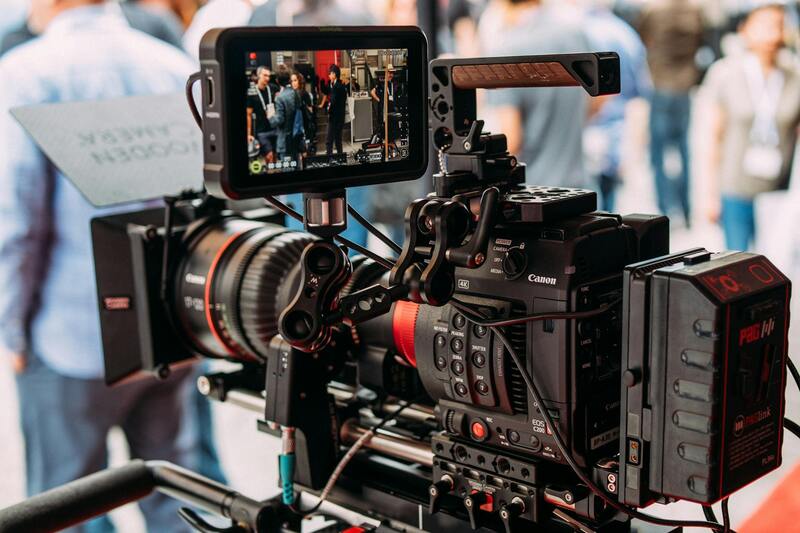
When selecting a production partner, evaluate their portfolio, especially their experience with corporate events similar to yours. Look for providers who demonstrate a strong track record of executing live streams with high production values, including multiple camera setups, professional audio, and graphics management. Their capability to adapt to various event sizes and formats is also crucial.
Key Criteria for Choosing a Production Partner
- Technical Expertise: Proficiency with the latest live streaming platforms, encoding hardware, and backup solutions to ensure uninterrupted delivery.
- Reputation and References: Positive testimonials from past clients and examples of successful project executions.
- Tailored Services: Ability to customize streaming solutions based on your corporate needs, including branding, interactive features, and bilingual options.
- On-Site Support: Dedicated technicians and producers who will oversee the entire event, troubleshoot technical issues, and coordinate with your team.
- Compliance Knowledge: Familiarity with regional broadcasting standards and content regulations to guarantee lawful transmission.
Working with Local Miami Experts
Local experts are instrumental in navigating Miami’s specific logistical and technical landscape, from securing access to venue spaces to ensuring optimal internet connectivity. Their local contacts can facilitate smoother setup, quick access to necessary permits, and on-the-ground troubleshooting. Additionally, Miami’s vibrant cultural scene and diverse audience require tailored content strategies, which local production partners can expertly advise on.
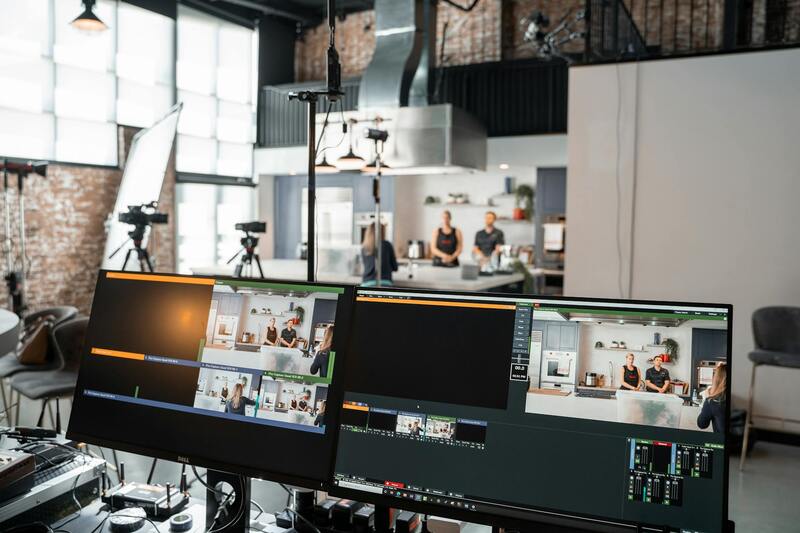
Ultimately, choosing a dedicated, experienced, and regionally familiar production partner not only improves the visual and technical quality of your live stream but also ensures compliance with applicable standards and efficient event management. This strategic partnership allows your organization to focus on delivering impactful content while leaving the technical complexities to seasoned professionals.