Overview of Corporate Live Streaming
Corporate live streaming has become an essential component of modern business communication, allowing organizations to broadcast events, seminars, product launches, and conferences to a geographically dispersed audience in real-time. This method enhances the reach and impact of corporate messages, enabling businesses to connect with stakeholders, clients, and employees more efficiently than traditional methods. By leveraging high-quality live streaming platforms, companies can deliver seamless content that maintains professionalism and aligns with strategic communication goals.
In essence, corporate live streaming encompasses the use of digital technology to transmit live video feeds over the internet, providing an interactive experience that can be tailored to specific audiences. It serves as a bridge for engagement, fostering transparency and immediacy in corporate interactions. Whether for internal training sessions, investor meetings, or large-scale public events, live streaming offers a dynamic way to communicate that transcends geographic barriers.

As the landscape of digital communication continues to evolve, businesses recognize the strategic value of integrating live streaming into their communication frameworks. It provides real-time visibility and allows for instant feedback through chat functions and interactive elements, making it a versatile tool for enhancing overall engagement. Additionally, with advancements in streaming technology, companies can now ensure high-quality video delivery that preserves professionalism and brand integrity.
Effective corporate live streaming not only involves broadcasting content but also encompasses a well-organized approach to planning, execution, and post-event analysis. When executed properly, live streams can elevate brand reputation, foster inclusivity, and support audience-centric strategies. As more organizations adopt this technology, understanding its underlying principles and operational requirements becomes crucial for maximizing impact and maintaining a competitive edge in the digital age.
Types of Corporate Live Streaming Events
Understanding the various formats of corporate live streaming events helps organizations select the most effective approach to achieve their communication goals. Different event types demand tailored planning, technology, and engagement techniques to maximize impact.
Corporate Announcements and Product Launches
Broadcasting major company announcements, product launches, or updates to a broad audience requires high-quality production values. These events serve to create buzz and reinforce brand positioning. They often include key visuals, professional presenters, and multimedia elements to engage viewers and convey messaging clearly. Live streaming these events ensures widespread reach, allows real-time reactions from the audience, and facilitates immediate dissemination of critical information.
Internal Training and Workshops
Live streaming internal training sessions enable organizations to deliver educational content to dispersed teams efficiently. These sessions can include interactive Q&A segments, polls, and assessments to enhance learning outcomes. The flexibility of training through live streaming supports continuous development initiatives while minimizing logistical constraints associated with in-person sessions.
Investor Relations and Earnings Calls
Regular live streams for investor relations foster transparency and trust. These events typically involve presenting quarterly or annual financial results, strategic updates, and future outlooks. The platform used must guarantee confidentiality, security, and seamless access for viewers to ensure the integrity of shared sensitive information. Real-time communication channels allow investors to pose questions, fostering engagement and clarity.
Webinars and Panel Discussions
Webinars continue to be a popular format for thought leadership, industry insights, and collaborative discussions. They bring together subject matter experts and audience members, often with interactive components such as chat, polls, and breakout rooms. Effective webinars blend informative content with engaging visuals to sustain viewer interest and facilitate meaningful dialogue.
Large-Scale Public Events and Conferences
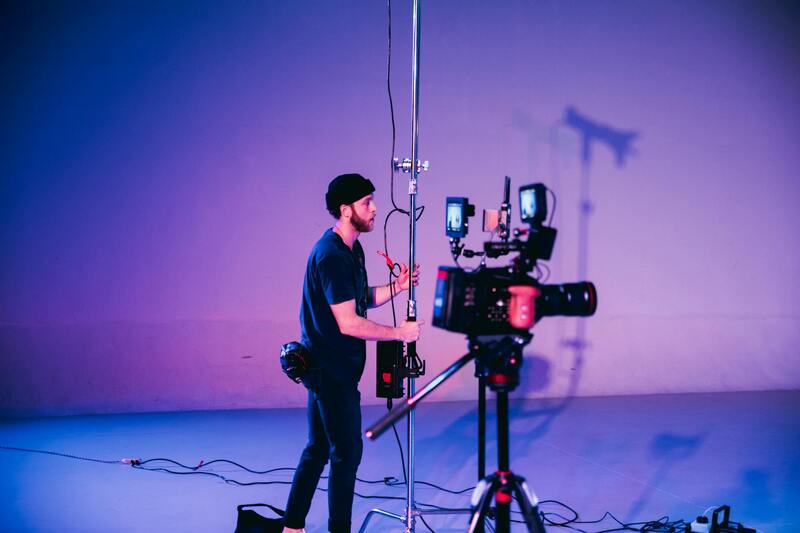
Transforming expansive events into live streams enables organizations to reach a global audience, transcending physical venue limitations. These broadcasts demand sophisticated streaming infrastructure to handle high attendee volumes, multi-camera setups for dynamic visuals, and reliable delivery systems to prevent interruptions. This approach amplifies event impact and drives participation from remote viewers.
Trade Shows and Exhibitions
Live streaming trade show booths, demos, and speaker sessions open avenues for extended engagement and lead generation. Virtual attendees can explore exhibits interactively, ask questions, and connect with representatives in real time, boosting the overall ROI of participating companies.
Training and Certification Events
For certification programs, live broadcast ensures consistency and standardization. Participants receive real-time instruction from certified trainers, while organizers monitor attendance and engagement, enabling immediate feedback and post-event assessment.
Choosing the right type of live streaming event aligns with specific organizational needs and audience expectations, ensuring that the digital communication strategy is aligned with business objectives. Whether it’s a high-stakes product launch or an internal training session, understanding the nuances of each format allows companies to optimize their content delivery and engagement methodologies.
Technical Requirements and Equipment for Corporate Live Streaming
Executing a seamless corporate live streaming event relies heavily on selecting the appropriate technical setup and equipment. These components ensure high-quality broadcast delivery, minimize technical disruptions, and enhance viewer experience. A comprehensive approach begins with a robust internet connection, preferably wired Ethernet, capable of supporting high bandwidth to accommodate multiple streams and audience interactions simultaneously.
Key hardware essentials include high-definition cameras that capture clear visuals from various angles, ensuring dynamic and engaging presentation delivery. Professional-grade microphones are vital for crisp audio, allowing speakers to be heard clearly without background noise interference. For larger venues or complex setups, additional audio equipment such as mixers and wireless microphones provide flexibility and control over sound quality.
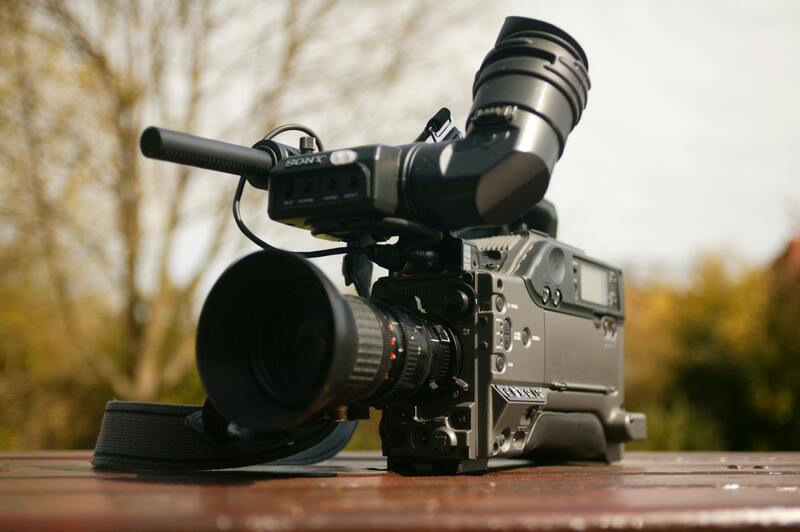
Furthermore, a multi-camera setup enables diverse perspectives and smooth transitions, enriching the viewer experience. Live switching software helps producers manage different video feeds efficiently, while encoders convert raw feeds into streaming-compatible formats. These devices must be compatible with the selected streaming platform to ensure smooth broadcast transmission.
Content management systems or streaming platforms also play a crucial role, providing reliable servers for distributing content globally, and offering functionalities such as real-time chat, viewer analytics, and recording capabilities. Backup solutions should also be in place—additional internet connections, power supplies, and redundant hardware—to mitigate potential technical failures during the event.
Effective Strategies for Audience Engagement in Live Streaming
Engaging viewers during a corporate live stream is pivotal to maximizing the event's impact. Active interaction fosters a sense of community and keeps the audience invested throughout the broadcast. Incorporating live polls and Q&A sessions allows participants to share their thoughts and receive real-time responses, making the experience more interactive and personalized.
Utilizing chat features, either integrated within the streaming platform or through third-party tools, encourages dialogue and networking among viewers. Recognizing comments and addressing questions during the stream creates a dynamic environment that promotes participation and attentiveness.
- Pre-event engagement: Send reminders, teaser content, and registration details to generate buzz and ensure attendance.
- Real-time interactions: Use chat, polls, and social media integrations to keep the audience actively involved.
- Post-event follow-up: Share recordings, supplementary materials, and solicit feedback to nurture ongoing relationships.
Incorporating interactive features tailored to the event's nature and audience demographics ensures that the content resonates and retains viewers' attention. Thoughtful planning of these engagement strategies contributes significantly to achieving strategic communication and branding objectives.
Technical Requirements and Equipment
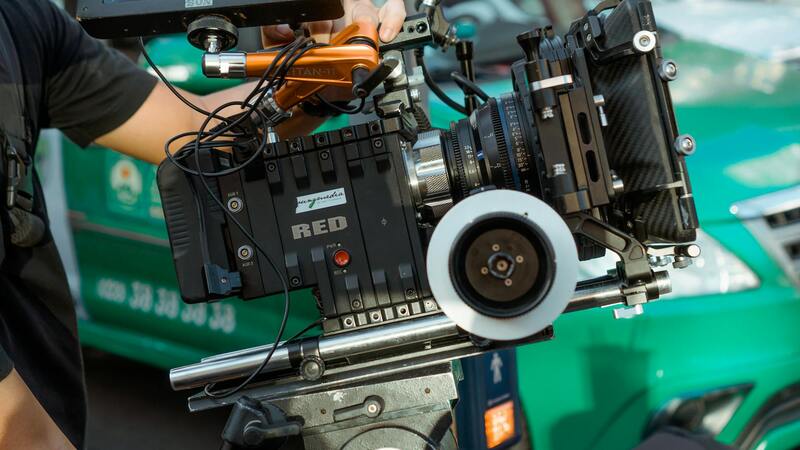
For a seamless and professional corporate live streaming experience, meticulous attention to technical requirements and equipment is essential. High-quality video and audio are the foundation of a compelling broadcast, necessitating reliable hardware and software solutions. Essential equipment includes professional-grade cameras capable of capturing high definition footage that reflects the brand's professionalism. These cameras should be complemented by high-quality microphones to ensure clear sound, as audio quality significantly impacts viewer engagement and overall perception.
In addition to cameras and microphones, a stable and high-speed internet connection is vital to prevent buffering and minimize latency issues. Ideally, a dedicated internet line with bandwidth capacity that exceeds streaming requirements will provide the stability necessary for a smooth broadcast. Backup internet options, such as satellite or mobile hotspots, should also be considered to mitigate potential connectivity disruptions.
Hardware such as professional encoders or streaming devices converts raw footage into digital streams suitable for online platforms. These encoders often support multiple input sources, allowing content creators to switch seamlessly between cameras, presentation slides, and other media. Additionally, software solutions for streaming management—such as those enabling multi-camera switching, overlays, and real-time graphics—are indispensable for a polished broadcast.
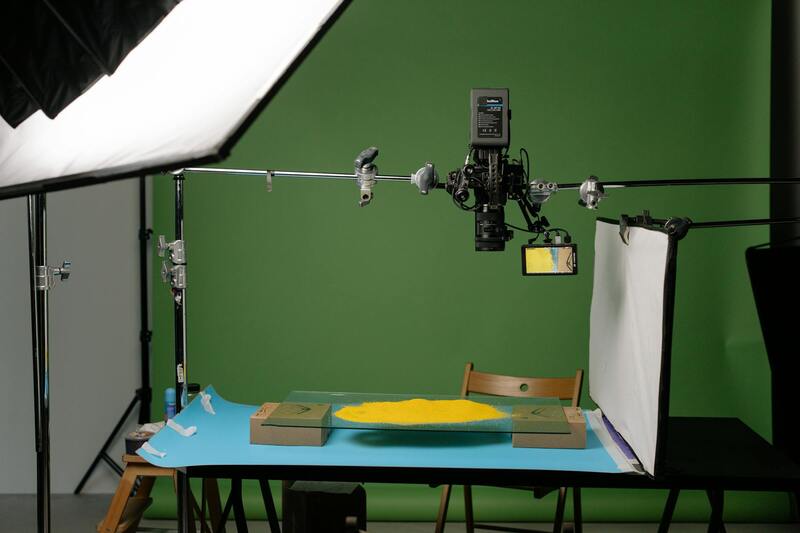
Audio management tools, including mixer consoles or digital audio interfaces, enable precise control over sound levels and quality. Proper lighting, including softboxes or ring lights, enhances camera performance and ensures that presenters are well-lit and visually clear. A dedicated control room or a stable station for operators to manage these technical components is strongly recommended.
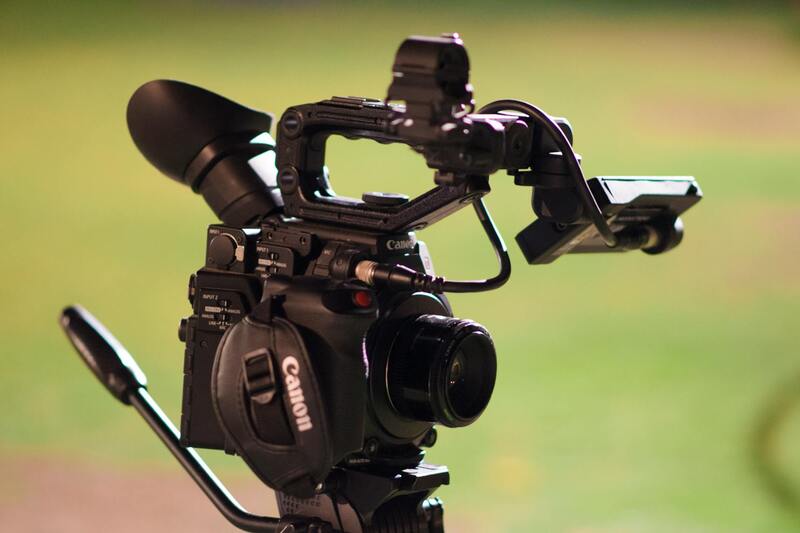
Integrating these technical elements requires a thorough pre-event setup and testing phase, where all equipment and internet connections are evaluated under live conditions. Coordination among technical staff is vital for troubleshooting issues quickly and ensuring a stable broadcast. Maintaining an organized workflow and detailed checklist helps keep all components aligned, reducing the risk of disruptions during the live event.
Technical Requirements and Equipment
For a seamless corporate live streaming experience, selecting appropriate hardware and ensuring robust internet connectivity are foundational elements. Reliable encoding devices are essential, as they convert high-definition video signals into digital streams compatible with various online platforms. These encoders should support multi-source input, enabling the switch between cameras, presentation screens, and multimedia content effortlessly. Pairing this with professional-grade microphones and audio mixers guarantees that sound quality remains crisp and intelligible, which is critical for engaging viewers.
To achieve a visually appealing broadcast, high-quality lighting systems such as softboxes, ring lights, or LED panels are recommended. Proper lighting highlights presenters and reduces shadows, contributing to a polished and professional appearance.
Figure placeholders for technical setup:
Technical Requirements and Equipment
Executing a successful corporate live stream hinges on utilizing the right technical setup to ensure clarity, reliability, and engagement. High-quality streaming hardware includes professional-grade cameras capable of capturing crisp visuals from multiple angles, along with audio systems that provide clear sound without echo or background noise. A multi-camera configuration allows for seamless switching between different perspectives, enhancing the viewer’s experience and maintaining engagement throughout the event.
For the best performance, a dedicated internet connection is essential. A wired Ethernet connection is preferred as it offers a more stable and consistent bandwidth compared to Wi-Fi, reducing the risk of interruptions. When configuring internet bandwidth, it’s critical to calculate the necessary speed based on the chosen resolution and bitrate of the stream. For HD streams, a minimum upload speed of 10 Mbps per stream is recommended, with additional buffer to accommodate network fluctuations. Having a secondary internet source, such as a mobile hotspot or backup fiber connection, provides an extra layer of security should primary connections experience outages.
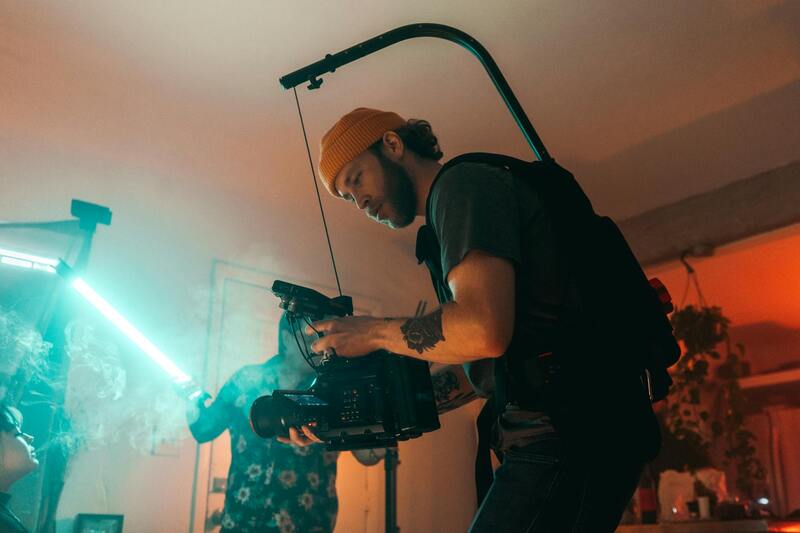
Software solutions are equally vital in delivering a polished live stream. Advanced streaming platforms facilitate real-time overlay placements, incorporating corporate branding, logos, and dynamic graphics that keep the audience visually engaged. These platforms also support multi-camera control, enabling producers to switch seamlessly between camera feeds, add picture-in-picture effects, and incorporate real-time comments or Q&A overlays to foster interaction.
Before going live, comprehensive testing is necessary to identify and address potential issues. Conducting rehearsal runs helps verify that all equipment works correctly, including cameras, microphones, streaming software, and internet connections. It’s also essential to coordinate between technical personnel to develop a detailed checklist, ensuring every component—from audio levels to camera angles—is optimized for the event.
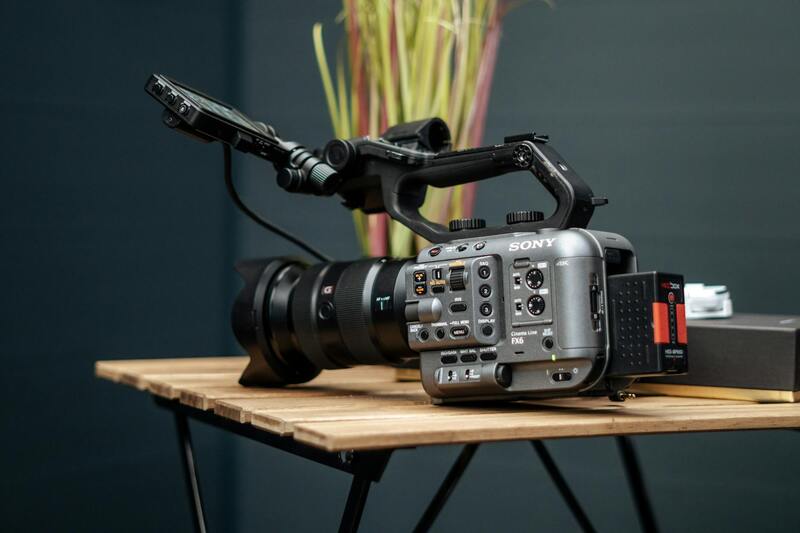
The strength of the technical setup directly influences the viewer’s experience. A well-prepared infrastructure guarantees a smooth, professional broadcast that aligns with branding standards and viewing expectations. Quality audio-visual delivery, coupled with reliable streaming technology, helps maintain audience trust and enhances the overall impact of the corporate message.
Effective Strategies for Audience Engagement
Maximizing engagement during corporate live streaming events requires the implementation of targeted strategies that foster interaction and enhance viewer experience. It is essential to create an environment where the audience feels involved and valued, which in turn elevates the overall impact of the broadcast.
One of the most effective methods for engagement is the integration of real-time interaction tools such as live chat, Q&A sessions, and polls. These features encourage viewers to participate actively in the event, pose questions, and share their opinions, which can be addressed directly by the presenters. Incorporating interactive elements not only sustains viewer interest but also reinforces brand presence and message retention.
Utilizing social media channels during the live stream can broaden audience reach and facilitate immediate feedback. Strategically promoting the event beforehand and encouraging viewers to share their thoughts on social platforms helps generate buzz and wider visibility. During the event, social media comments and hashtags can be monitored to identify trending topics or areas requiring clarification, ensuring the content stays relevant and engaging.

Employing visual aids and dynamic graphics throughout the broadcast sustains visual interest and emphasizes key messages. Customized overlays featuring corporate branding, real-time statistics, or event schedules can make the presentation more visually appealing and professional. Video segments, interviews, or testimonials inserted into the stream serve to diversify content delivery, maintaining viewer attention from start to finish.
Furthermore, clarity and professionalism in presentation tone are vital. Well-trained hosts or speakers who speak confidently and clearly help establish authority and trust. Practicing delivery and ensuring a confident appearance can significantly influence how the audience perceives the message being conveyed.
Post-event, it is important to gather feedback through surveys or comment analysis. This information provides insights into audience satisfaction and areas for improvement. Tracking engagement metrics such as view duration, participation in interactive features, and social media interactions offers a comprehensive view of the event’s success.
Incorporating these engagement strategies into your corporate live streaming plan ensures a memorable, impactful experience that resonates with viewers and maximizes return on investment for your event.
Additional Considerations for Corporate Live Streaming
Implementing a well-structured corporate live streaming strategy requires meticulous attention to various components that ensure the broadcast's success and professionalism. Beyond the initial planning and equipment setup, organizations should focus on refining the overall experience by considering aspects that optimize delivery and viewer satisfaction.
Ensuring Security and Privacy
Safeguarding the content and the streaming environment is paramount during corporate broadcasts. Businesses must utilize secure streaming platforms that offer encrypted data transmission to prevent unauthorized access. Setting up accessible authentication methods helps control who can view the event, thereby maintaining confidentiality and proprietary information. Additionally, employing digital rights management tools can further restrict recording or redistribution, ensuring content remains within designated audiences.
Integrating Seamless Content Delivery
Consistent and high-quality content delivery involves choosing reliable Content Delivery Networks (CDNs) capable of handling peak traffic loads without buffering or delays. These networks distribute the live stream efficiently across different geographic regions, providing viewers with a smooth, uninterrupted experience. It’s essential to perform bandwidth testing beforehand to identify optimal configurations and avoid potential disruptions during the event.
Leveraging Multi-Platform Streaming
Reaching a broader audience can be achieved through simultaneous multi-platform streaming. Using aggregators or multi-streaming tools enables businesses to broadcast across various social media channels, corporate websites, and video hosting platforms concurrently. This approach maximizes visibility and engagement, catering to diverse viewer preferences while maintaining control over branding and presentation consistency across channels.

Conducting Technical Rehearsals
Prior to the live event, organizing comprehensive rehearsals is crucial. These sessions allow technical teams and speakers to familiarize themselves with the equipment, test internet stability, and troubleshoot potential issues. Rehearsals also help refine the timing and coordination between segments, ensuring that transitions are seamless and that all content aligns with the planned agenda. This preparation reduces the likelihood of surprises during the live broadcast and contributes to a polished presentation.
Monitoring and Troubleshooting During the Broadcast
Real-time monitoring of the live stream is vital for identifying and resolving technical problems promptly. Having a dedicated team responsible for overseeing the broadcast enables swift responses to issues such as audio glitches, video freezes, or connectivity interruptions. Utilizing monitoring tools that display health metrics of the stream helps maintain quality control. Establishing clear communication channels among the production team ensures rapid coordination and minimizes downtime.
Post-Event Review and Feedback Collection
After the live streaming concludes, collecting feedback from viewers provides insights into the event’s overall impact. Surveys, comment analysis, and direct interactions help gauge viewer satisfaction, content relevance, and technical performance. Analyzing engagement metrics—such as average watch time, chat participation, and social media reactions—pinpoints strengths and areas for improvement. Documenting lessons learned aids in refining processes for future broadcasts,leading to more successful and engaging events.