Overview of Livestreaming Production Services
Livestreaming production companies play a crucial role in bringing real-time digital content to audiences across various platforms. These organizations specialize in delivering high-quality live video content for a wide range of events, including corporate conferences, entertainment shows, sports events, weddings, and community gatherings. Their expertise extends beyond simple video broadcasting, encompassing comprehensive solutions that ensure seamless event coverage from start to finish.
At the core, a livestreaming production company offers a suite of services designed to facilitate an engaging and professionally managed online presence. Key offerings include sophisticated video streaming capabilities, meticulous event coverage, and a broad spectrum of technical support to address the complexities of live broadcasting. This involves coordinating multiple cameras, managing live audio feeds, and implementing advanced graphics or overlays to enhance viewer experience.
Moreover, these firms are equipped to handle the logistical challenges of live events. They collaborate closely with clients during the planning phase, ensuring all technical requirements are met and that the broadcast aligns with the event’s goals. Their services often extend to providing specialized personnel, such as camera operators, directors, and technical supervisors, who work behind the scenes to deliver a professional-quality stream.
One of the primary benefits of engaging a livestreaming production company is their ability to reach audiences globally. Through platforms like social media, dedicated streaming sites, and corporate websites, they maximize event visibility and engagement. This is particularly valuable for corporate marketers aiming to expand brand reach or event organizers seeking to include remote participants. The integration of real-time chat, interactive features, and multi-camera angles further enriches the viewer experience, making live broadcasts dynamic and compelling.
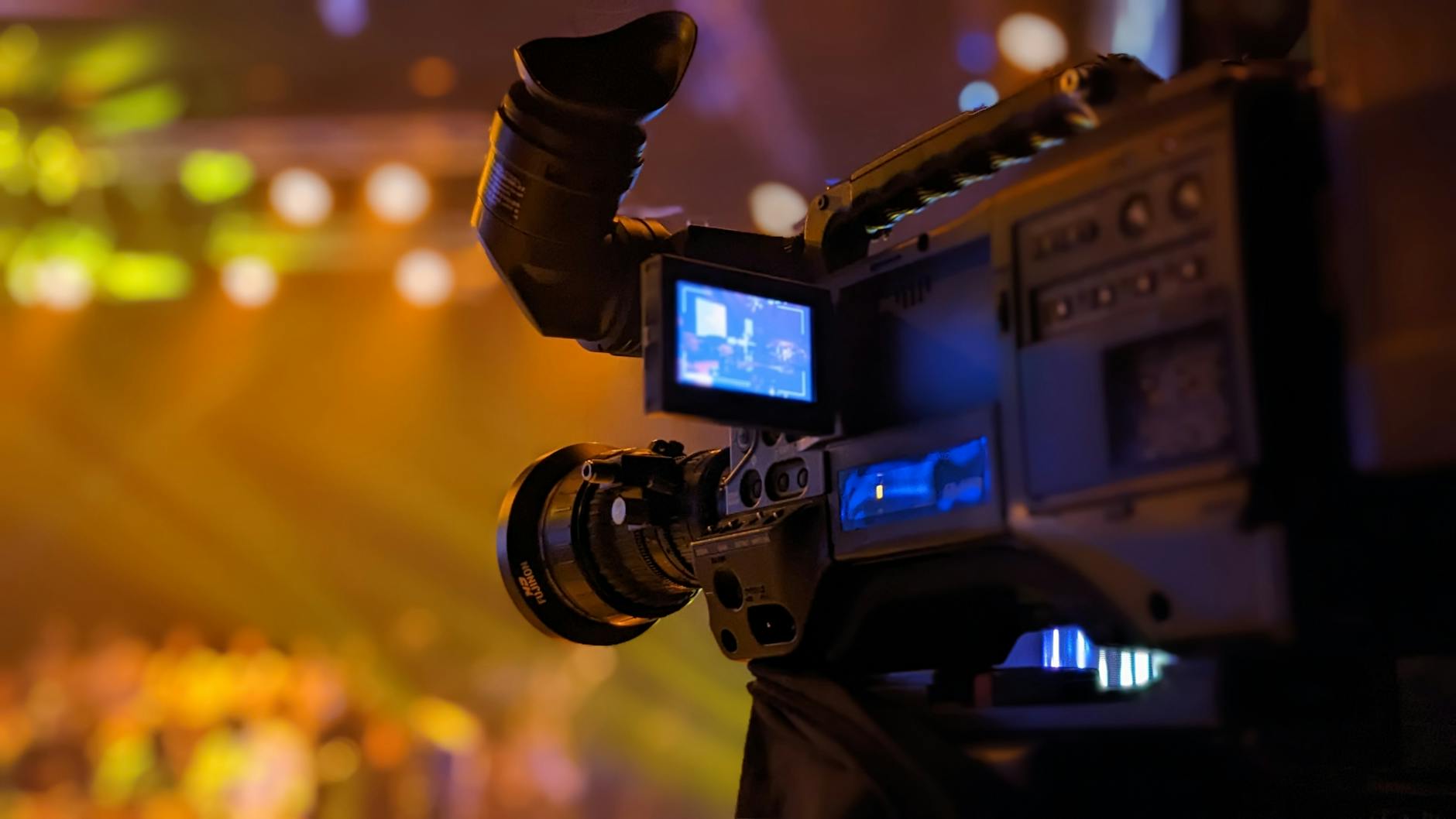
In essence, a livestreaming production company serves as a comprehensive partner in digital event delivery. Their expertise ensures that every detail, from initial planning and technical setup to on-site execution and content dissemination, is managed with precision. For organizations in Miami and beyond, partnering with a reputable livestreaming production company elevates the quality and reach of live events, creating memorable experiences accessible to viewers everywhere.
Engaging a credible livestreaming production partner involves understanding the specific services that align with your event’s goals. This includes assessing their experience with various event types, their technological capabilities, and their track record of delivering reliable streams. With professional support, organizations can focus on the core content of their events while trusting the technical execution to skilled specialists dedicated to achieving seamless live broadcasts.
Key Equipment and Technology Used in Livestreaming
Successful livestreaming relies heavily on advanced equipment and cutting-edge technologies that work cohesively to deliver high-quality live broadcasts. Central to this setup are professional-grade cameras capable of capturing video in high definition. These cameras often come with features like multiple lenses, optical zoom, and low-light capabilities to ensure clear visuals regardless of lighting conditions. For larger events, multi-camera setups enable producers to switch angles seamlessly, providing viewers with dynamic perspectives that enhance engagement.
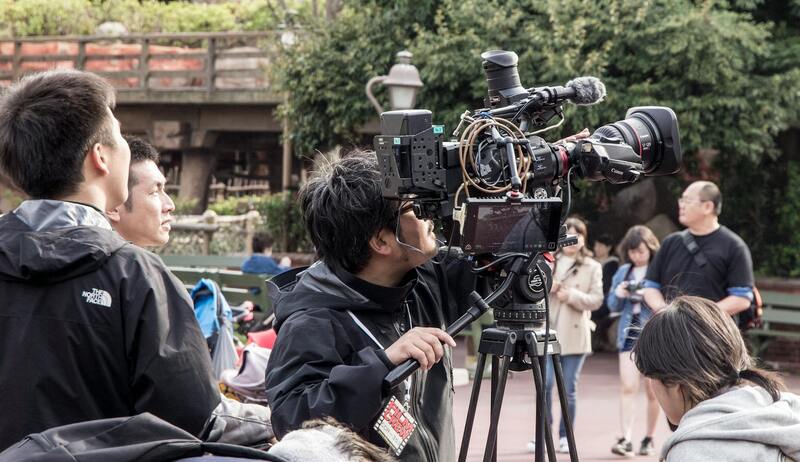
Encoders play an essential role in converting high-quality video signals into streams compatible with various platforms. Hardware encoders are preferred for their reliability and consistent performance, especially during large-scale broadcasts. Software encoders, on the other hand, offer flexibility and ease of use, making them suitable for smaller or more customized streaming needs. These tools work alongside streaming platforms—such as social media sites or dedicated streaming services—to facilitate smooth content delivery to audiences worldwide.
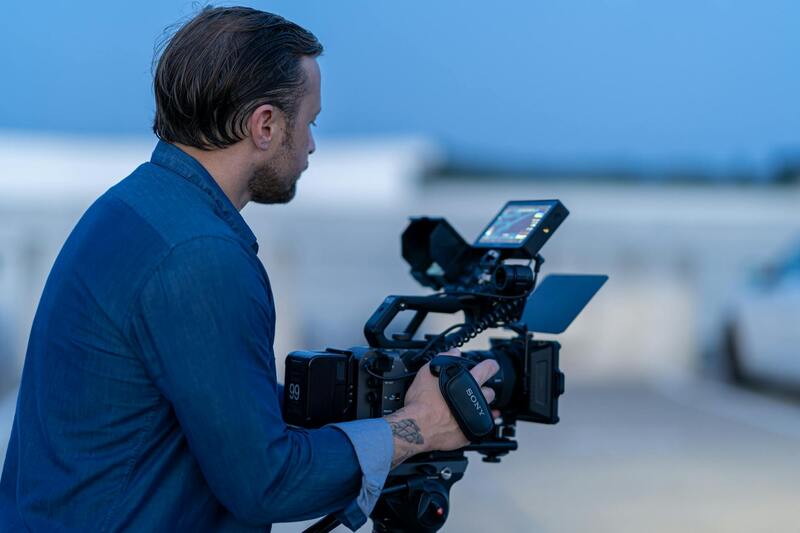
Additionally, audio equipment is critical to maintain clear sound quality. Professional microphones, audio mixers, and soundboards capture and refine audio signals, minimizing background noise and ensuring spoken words are easily understood. Multi-camera control systems and live switchers allow operators to transition between cameras efficiently, creating a cohesive and engaging broadcast. On the backend, reliable streaming platforms equipped with scalable servers and adaptive bitrate technology help accommodate different viewer bandwidths, reducing buffering and lag issues.
With the continuous evolution of technology, innovations like 4K resolution, 360-degree video cameras, and augmented reality overlays are increasingly integrated into livestream production workflows. These advancements not only improve visual fidelity but also open up new possibilities for interactive and immersive live content experiences.
On-site Production and Broadcast Management
Effective on-site production is crucial for delivering high-quality livestreams that meet audience expectations. This phase involves the deployment of advanced equipment, including multiple professional camera setups, audio capture devices, lighting rigs, and switching consoles. Skilled technical crews manage these resources to ensure seamless transitions, optimal framing, and consistent audio and video quality throughout the broadcast.
During live events, real-time coordination among directors, camera operators, audio engineers, and technical directors is essential. They monitor the feed continuously, adjusting camera angles, audio levels, and visual effects to enhance viewer engagement. Live switchers facilitate dynamic scene changes, ensuring the broadcast remains visually compelling and free from disruptions.
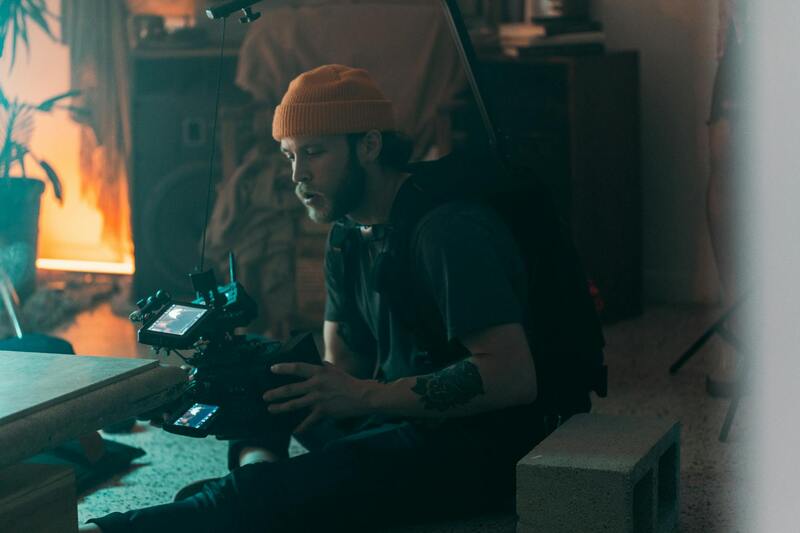
Additional aspects include managing internet connectivity, backup power supplies, and real-time trouble shooting to minimize potential technical issues. Dedicated streaming servers and bandwidth optimization strategies are implemented to support large audiences without latency or buffering. This meticulous on-site coordination guarantees a professional broadcast that aligns with the event's goals and maintains viewer satisfaction.
Post-production and Content Distribution
Once the live stream concludes, the focus shifts to post-production refinement and strategic content dissemination. Raw footage is archived and reviewed for quality control, with editors working to enhance visual and audio clarity, add graphics, and integrate interactive features if necessary. This process ensures the recorded content can be repurposed across various platforms, maximizing its reach and impact.
Effective content distribution involves uploading and sharing the footage on multiple digital channels such as social media, websites, and streaming platforms. Optimization techniques, including keyword tagging and tailored thumbnails, increase visibility. Analyzing viewer engagement metrics helps identify audience preferences and informs future livestream strategies. These post-broadcast efforts extend the event's lifespan, attract a broader audience, and generate additional value for stakeholders.
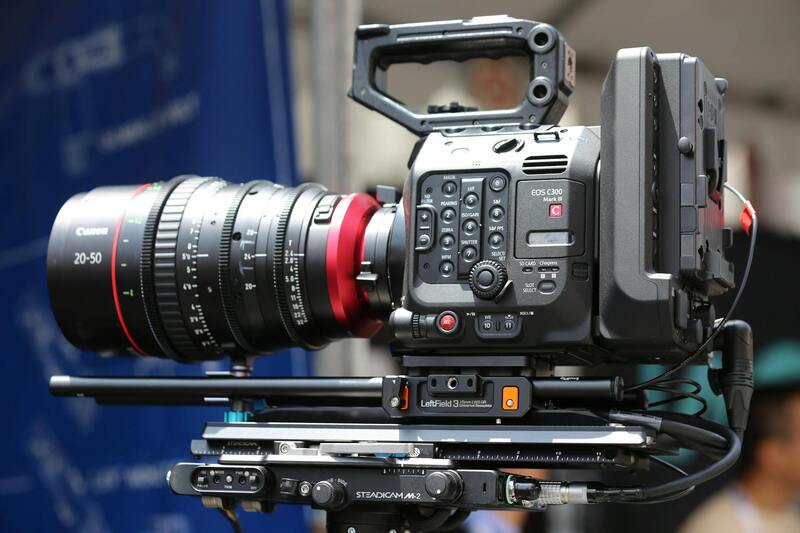
On-site Production and Broadcast Management
Executing a successful livestream involves meticulous coordination of multiple technical elements on-site. At the core are the camera operators who capture various angles of the event, ensuring comprehensive coverage that highlights key moments. These cameras are usually high-definition, with some employing robotic or remote-controlled systems for dynamic shots. Simultaneously, a dedicated team manages live video switching, seamlessly transitioning between camera feeds to maintain visual interest and narrative flow.
Audio management is equally vital, requiring skilled technicians to mix microphones, background music, and other sound sources. Clear sound quality enhances viewer engagement and preserves the integrity of the event's message. Additionally, real-time troubleshooting plays a crucial role; technical staff monitor all systems continuously to quickly resolve issues such as signal interference, equipment malfunctions, or streaming disruptions.
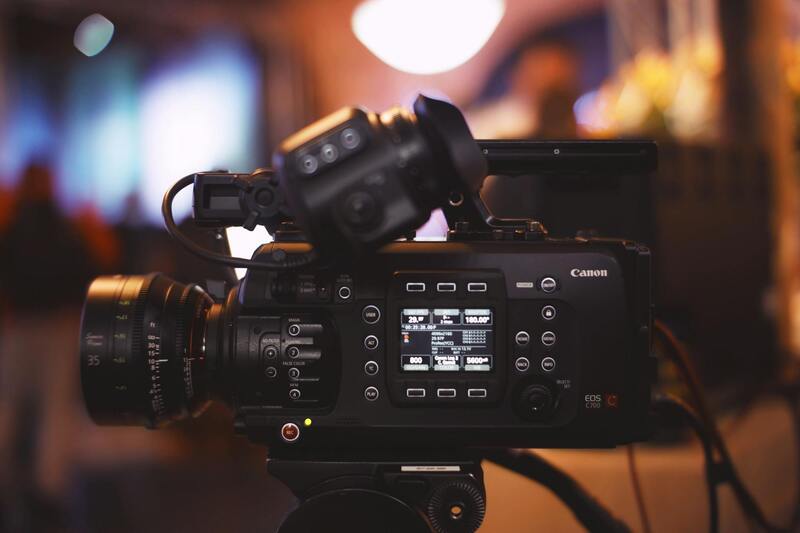
Network stability is fundamental to a smooth livestream. The production team employs redundant internet connections, including wired Ethernet, LTE, or 5G connections, to safeguard against connectivity lapses. Equipment such as encoders and switchers are used to compress and transmit the video feed efficiently, reducing latency and buffering.
On-site technical managers are responsible for overseeing the entire workflow, coordinating between camera crews, audio engineers, and streaming engineers. They ensure that each component operates harmoniously, providing live updates and adjusting settings as necessary to adapt to changing conditions during the event.
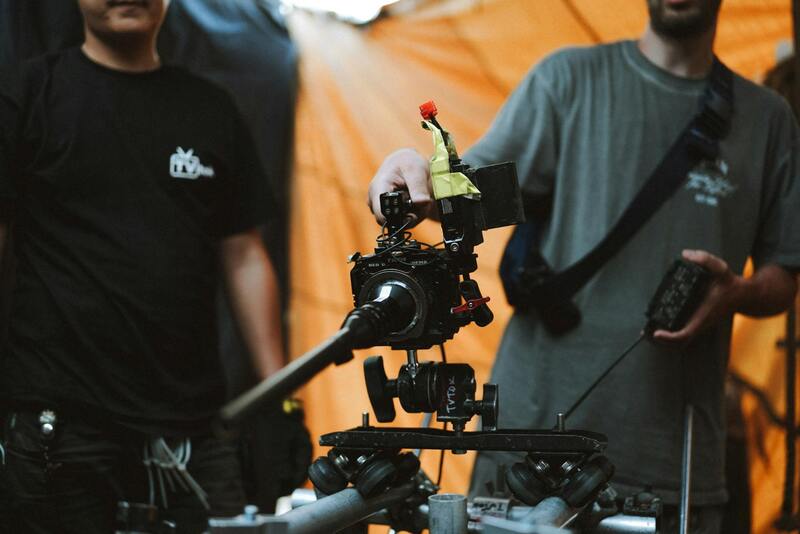
This meticulous on-site management allows for immediate response to unforeseen issues, minimizing downtime and maintaining broadcast quality. Additionally, logistical considerations such as equipment placement, cable management, and safety protocols are addressed thoroughly, reflecting professionalism and a commitment to seamless event execution.
Planning and Pre-production Process
Effective livestreaming begins long before the cameras start rolling. During the planning phase, the production team collaborates closely with clients to understand the purpose of the broadcast, target audience, and desired outcomes. A comprehensive plan is developed, outlining key event details, technical requirements, and contingency measures. This stage involves selecting suitable dates and times to maximize audience participation, especially in a vibrant city like Miami where event timing can significantly influence viewer engagement.
Pre-production also encompasses venue assessment. The team evaluates the location to determine the best camera placements, lighting setups, and audio configurations. This assessment helps optimize the visual and auditory quality of the broadcast while considering logistical constraints. For outdoor events or venues with limited infrastructure, additional considerations like power sources and weather-proof equipment are addressed.
Content planning is equally essential. This involves creating a detailed storyboard or shot list, coordinating talent arrivals and schedules, and preparing branding or graphical overlays. Communication channels are established between all parties involved, including camera operators, technical staff, and on-screen talent. Clear scheduling ensures that the livestream proceeds smoothly, with minimal delays or technical hiccups. The pre-production process also includes testing all equipment, conducting trial runs, and ensuring internet connectivity and backup solutions are ready to prevent disruptions during the live event.
Technical Coordination and Rehearsals
Rehearsals are a critical component within the pre-production phase, allowing the team to identify and resolve potential issues before the actual event. During these sessions, camera crews practice timing and cues, sound engineers test audio levels, and producers finalize graphics and overlays. Technicians verify that all streaming equipment, such as encoders and switchers, operate correctly and communicate effectively with each other.
In live streaming, timing and precision are paramount. Rehearsals help sync all elements, from camera angles to narration, ensuring that transitions are seamless and visuals are engaging. They also provide an opportunity to adjust technical settings based on real-time feedback, improving the overall quality of the broadcast. This meticulous preparation reduces the risk of technical failures and ensures the event's messaging is conveyed clearly to viewers across different platforms.
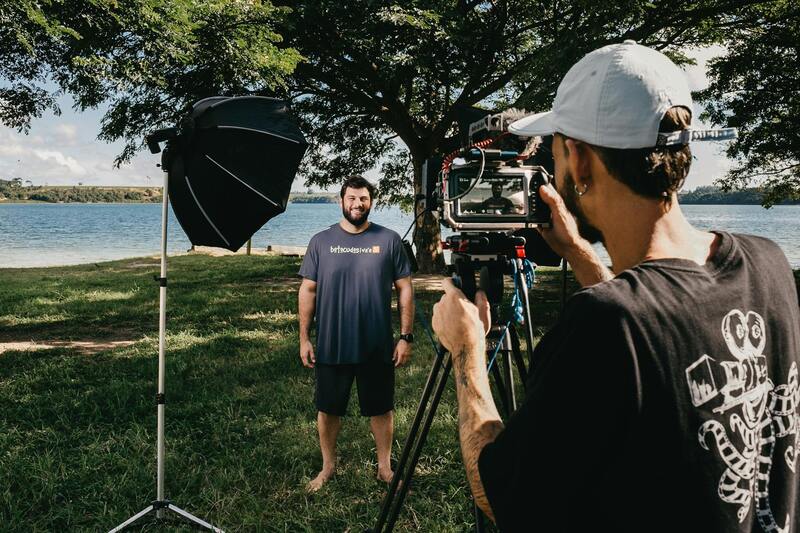
Coordination of Staff and Resources
A successful livestream hinges on the coordination of various skilled professionals, each responsible for specific facets of the broadcast. The planning phase involves assigning roles such as director, camera operators, audio engineers, graphics specialists, and technical support staff. Efficient communication among these team members ensures everyone understands their responsibilities and timing, fostering a synchronized workflow.
Resource management plays a crucial role in maintaining the high standards necessary for a professional livestream. Equipment inventory is verified, and backup systems are put in place to mitigate potential failures. Additionally, staffing considerations include scheduling sufficient personnel for setup, operation, and takedown, especially when covering large-scale or multi-location events in Miami, which may demand additional logistical planning due to city infrastructure and traffic.
Final Preparations and Equipment Setup
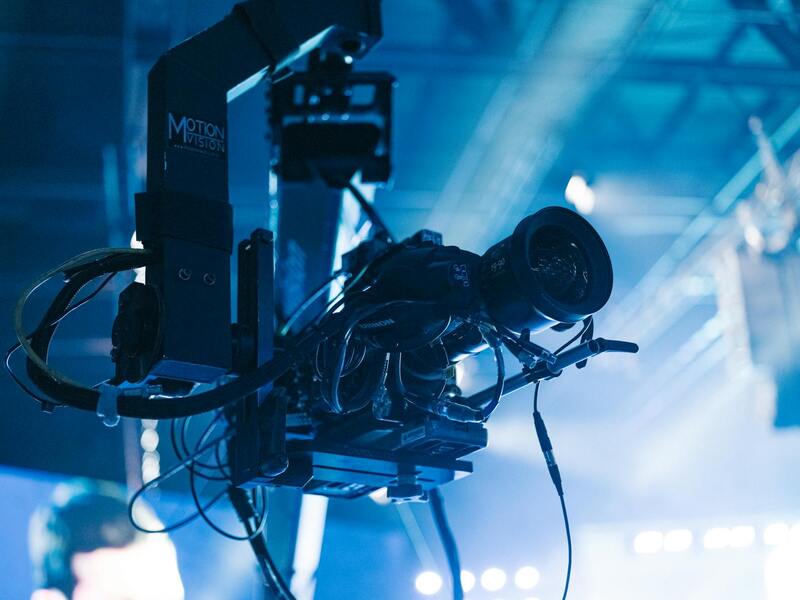
In the lead-up to the event, final checks are conducted to confirm that all technical components are ready. This includes verifying internet connections—often through multiple networks to ensure redundancy—and testing broadcast hardware like cameras, lighting, and audio gear. The setup phase also involves precise camera placements and configuring streaming encoders to optimize video quality while minimizing latency.
Signal testing is conducted to detect any interference or potential disruptions. These tests are crucial, especially in outdoor Miami venues where environmental factors can affect signal transmission. The technical team ensures safety protocols are in place, cables are managed securely, and all equipment is configured for ease of access during the live event. This comprehensive preparation minimizes unexpected issues, providing a stable foundation for the broadcast to unfold flawlessly.
Assessing a Livestreaming Production Company’s Portfolio and Client Feedback
When selecting a livestreaming production company, examining their portfolio offers valuable insight into their technical expertise, creativity, and capacity to handle diverse event types. A credible company will showcase a range of projects, including corporate conferences, live concerts, sports events, and large-scale public gatherings. High-quality visual content, innovative production techniques, and seamless integration of multiple feeds are indicators of their proficiency.
Reviewing client testimonials and case studies further enhances understanding of the company's reliability, professionalism, and ability to meet deadlines. Feedback from previous clients provides real-world perspective on communication efficiency, technical support, and overall satisfaction. An experienced production partner will often have established relationships within the local Miami event scene, allowing them to adapt efficiently to varying venue requirements and logistical challenges.
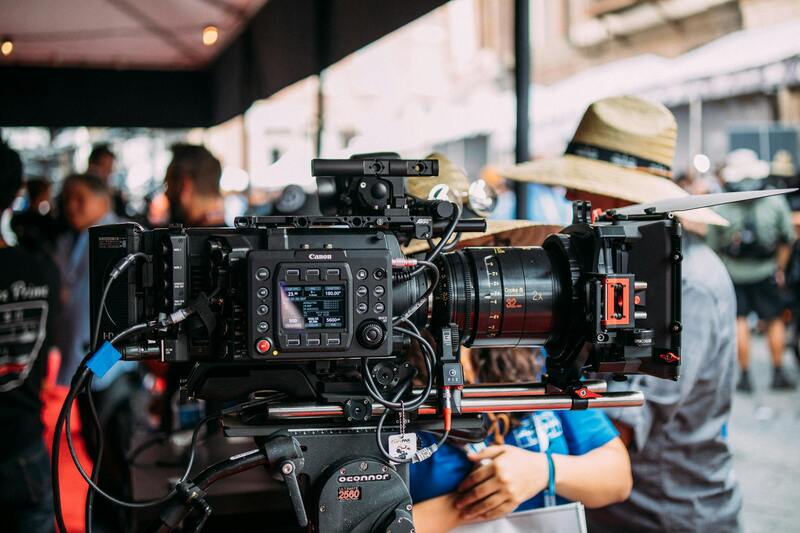
In addition to visual and testimonial reviews, evaluating the company's on-site team composition — including camera operators, sound engineers, technical directors, and streaming specialists — reveals their capacity to manage complex productions. A well-rounded team equipped with cross-disciplinary skills ensures adaptive problem-solving during live events, reducing potential technical disruptions. Confirming the company's familiarity with local Miami venues and infrastructure also plays a strategic role in ensuring smooth operations, especially in outdoor or high-traffic areas where signal stability and logistical planning are vital.
Technical Support and Customer Service
Exceptional technical support remains an integral aspect of a trustworthy livestreaming partner. responsiveness to client inquiries, proactive communication during the planning phase, meticulous setup, and prompt resolution of issues during the event demonstrate a company’s dedication to quality service. Additionally, comprehensive training for client teams and post-event debriefs contribute to successful collaborations and future project planning.
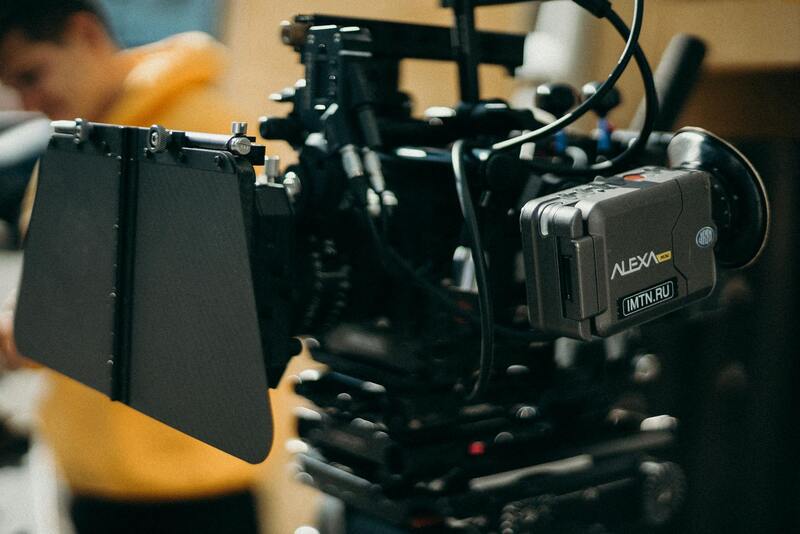
Ultimately, a reliable livestreaming production company in Miami combines a robust portfolio, proven client satisfaction, a skilled team, and excellent customer service. Thorough research and due diligence enable clients to engage with partners capable of delivering high-impact live content, tailored to their unique needs and audience expectations while navigating the dynamic local Miami environment efficiently.
On-site Production and Broadcast Management
Once comprehensive planning is in place, the on-site production phase begins, serving as the operational core of any livestreaming event. This stage involves executing the technical setup, coordinating multiple camera angles, and ensuring smooth switching between feeds to keep viewers engaged. Livestreaming production companies utilize advanced broadcast management systems that allow real-time editing, graphics overlays, and audience interaction features, enhancing the overall viewing experience.
Operational efficiency is crucial, especially when managing real-time interactions and multiple sources. Skilled directors and technical operators monitor video feeds, audio cues, and network stability continuously, making critical adjustments on the fly to prevent disruptions. During live events, a dedicated team handles any unforeseen technical challenges, promptly troubleshooting issues such as signal dropouts, audio inconsistencies, or hardware malfunctions.
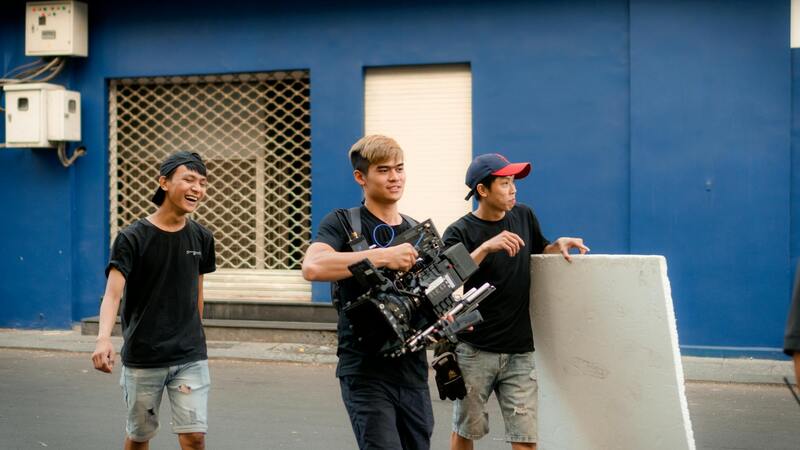
Effective communication among crew members, including camera operators, sound engineers, and technical directors, is essential for maintaining broadcast quality. Wireless communication devices streamline coordination, enabling rapid responses to changing event dynamics. The dedicated personnel also oversee transmission quality, ensuring a stable link between the event location and the streaming platform, which is vital for high-quality live content delivery.
Technical Management and Quality Assurance
Throughout the broadcast, continuous quality assurance checks are performed. This involves monitoring audio levels, video clarity, and latency issues to ensure viewers experience seamless content. Backup systems, such as multiple internet connections and redundant hardware, are commonly employed to mitigate risks of technical failures.
The use of encoders and hardware streaming devices supports high-resolution output, often up to 4K, providing sharp visuals for audiences accessing via various devices. Additionally, latency management technology ensures that live interactions and comments appear promptly, increasing viewer engagement and satisfaction.
Integration with Audience Interaction Platforms
Producers often integrate social media feeds, live polls, and chat functionalities into the broadcast, creating an interactive environment for viewers. This integration requires precise synchronization and technical coordination, reaffirming the importance of a professional, experienced production team during the event.
Comprehensive Approach to Livestreaming Production in Miami
Partnering with a dedicated livestreaming production company in Miami ensures access to a blend of advanced technology, professional expertise, and strategic planning essential for delivering impactful live content. These companies specialize in providing end-to-end solutions that encompass pre-event planning, technical execution during the event, and post-event content distribution, creating a seamless experience from start to finish.
Factors Influencing Livestreaming Success
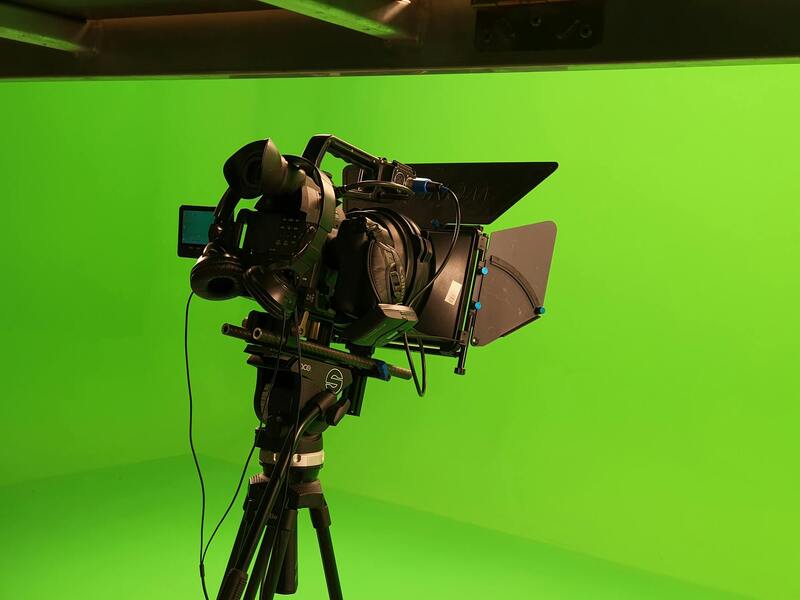
Several critical elements contribute to a successful livestream, including reliable hardware, robust internet connectivity, skilled personnel, and comprehensive planning. A professional production team conducts meticulous site surveys to assess infrastructure and identify potential challenges, allowing them to develop tailored solutions that align with the event’s scale and objectives.
Technical Infrastructure and Support
State-of-the-art equipment such as multi-camera setups, switchers, professional audio mixers, and real-time graphics are employed to produce dynamic and engaging live streams. High-bandwidth, dedicated internet connections and backup systems ensure uninterrupted transmission, even in the face of unforeseen technical issues.
Real-Time Monitoring and Quality Control
Continuous monitoring of video and audio quality during the broadcast is vital for maintaining viewer satisfaction. Experienced technicians oversee transmission stability, manage live graphics and overlays, and troubleshoot issues instantaneously. Latency management tools help synchronize live interactions, permitting real-time viewer engagement across social media platforms and chat features.
Audience Engagement Strategies
Incorporating interactive elements such as live polls, social media integration, and viewer Q&A sessions enhances engagement and increases participation. A professional production team ensures these features are seamlessly integrated, providing smooth communication channels between broadcasters and viewers.
Post-Event Content Processing and Delivery
After the live event,Editing and repurposing content are integral to extending the reach and impact of the broadcast. This involves editing for highlights, creating teaser clips, and distributing it across various digital channels. Proper content management ensures high-quality past broadcasts serve as valuable assets for future marketing and promotional activities.
Choosing the Ideal Livestreaming Partner in Miami
When selecting a livestreaming production company, it is crucial to evaluate their experience, technological capabilities, industry reputation, and client feedback. An ideal partner demonstrates a thorough understanding of local event dynamics, delivers tailored solutions, and maintains transparent pricing models. Their portfolio should showcase a diverse range of successful projects, from corporate events and concerts to sports and cultural festivals.
Embracing Innovation and Future Growth in Miami's Livestreaming Industry
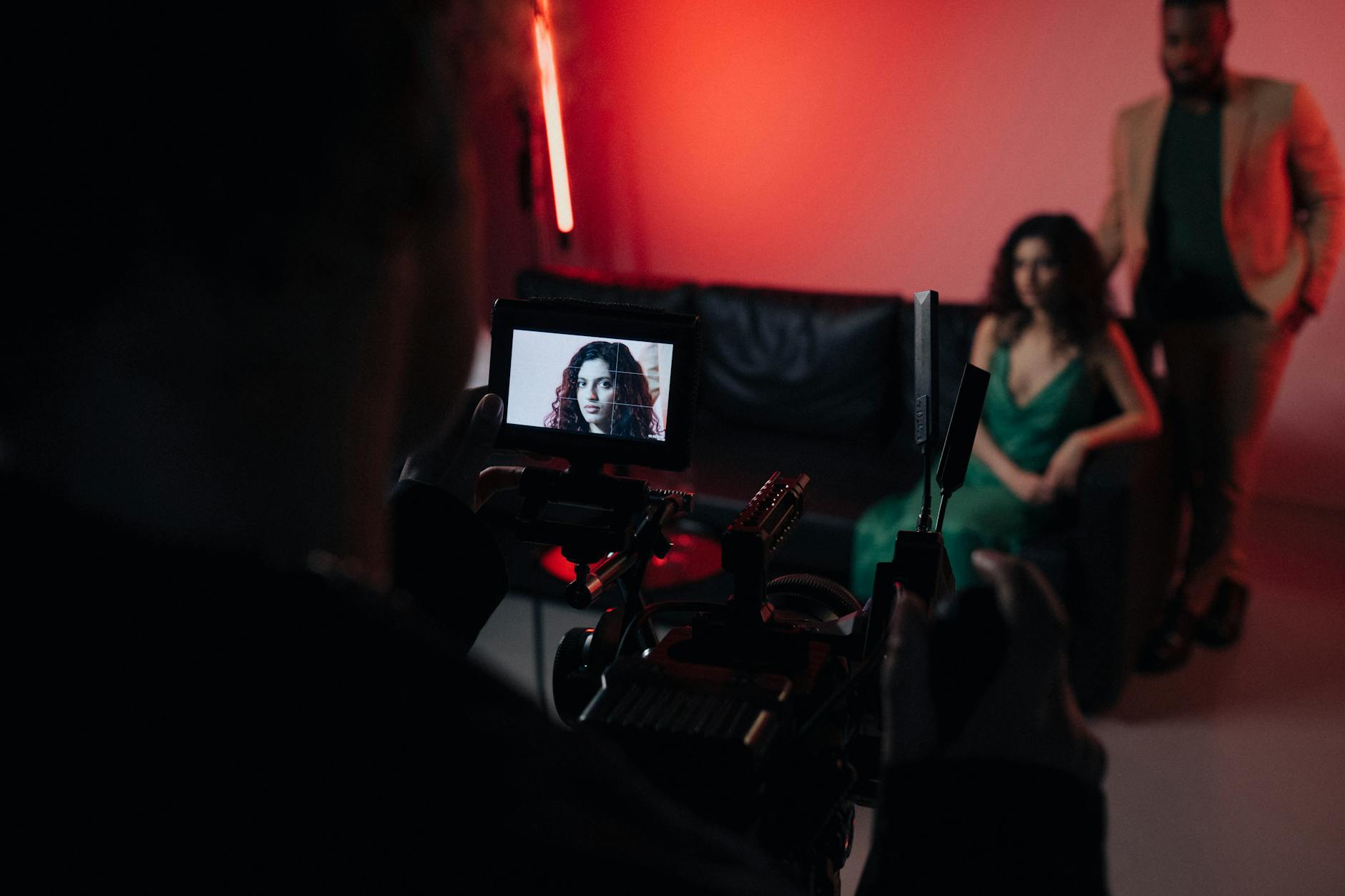
The livestreaming industry in Miami is rapidly evolving, driven by technological advancements and shifting audience preferences. Innovations such as 4K streaming, immersive virtual reality experiences, and 360-degree video are becoming more accessible, allowing companies to craft more immersive and engaging content. Additionally, the integration of AI-powered analytics provides insights into viewer behavior, enabling producers to refine content strategies and enhance personalization.
Furthermore, the increasing demand for hybrid events, combining in-person and virtual elements, underscores the importance of versatile production services capable of accommodating complex logistical setups and multi-platform streaming. As Miami continues to grow as a hub for events and entertainment, the demand for professional livestreaming production companies will expand, emphasizing the need for excellence in technical execution and content quality.