Understanding Live Streaming Video Production
Live streaming video production has transformed the way organizations, individuals, and brands connect with their audiences in real-time. This dynamic process involves capturing, processing, and broadcasting video content over the internet, providing an immediacy and engagement level unparalleled by traditional media. Whether it's a corporate conference, a music concert, or a community event, live streaming offers a platform to reach viewers worldwide without physical constraints.
Essentially, the core of live streaming video production encompasses several key components that work together to deliver seamless content. These include high-quality video capture devices, reliable encoding hardware or software, a stable internet connection, and an appropriate streaming platform. Each segment plays a pivotal role in the overall quality and success of the broadcast. For example, the camera setup must suit the event’s scale to ensure clear visuals, while encoding technology effectively compresses the video data for transmission without sacrificing quality.
Workflow in live streaming typically starts with pre-production planning, where the event's scope, audience, and desired outcomes are defined. This is followed by production, which involves capturing live footage, integrating graphics or multiple camera angles, and ensuring audio quality. Post-production then focuses on real-time monitoring for technical issues, with adjustments made as necessary to maintain broadcast integrity. Once the live stream is underway, continuous management and troubleshooting are critical to prevent interruptions and ensure the stream runs smoothly from start to finish.
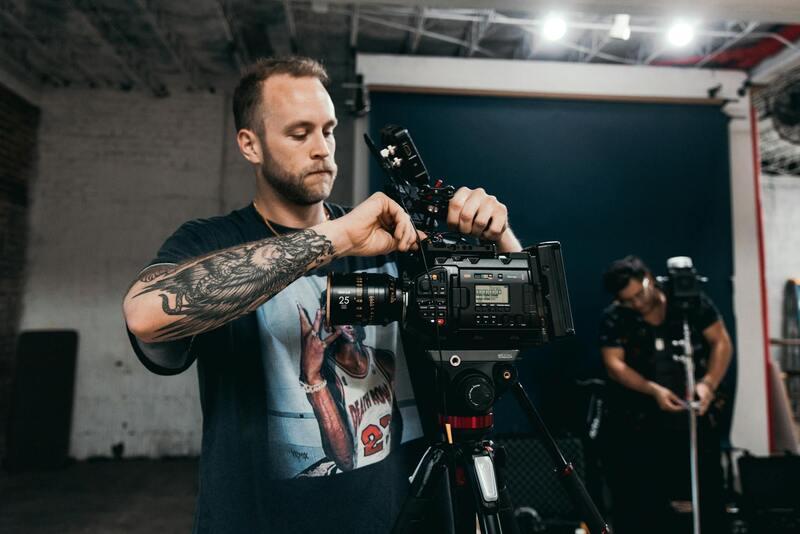
Understanding this framework clarifies how each phase contributes to producing a professional live stream. It also underscores the importance of meticulous planning and execution to achieve engaging, high-quality broadcasts that fulfill audience expectations and meet event objectives. Effective live streaming not only amplifies content reach but also enhances brand visibility and audience interaction in real-time.
Essential Equipment for Live Streaming
For professional-grade live streaming, utilizing the correct hardware and software is crucial in delivering a seamless experience that captivates audiences and meets the specific needs of each event. The backbone of successful live video production involves a suite of reliable equipment, each component playing a vital role in ensuring high-quality transmission.
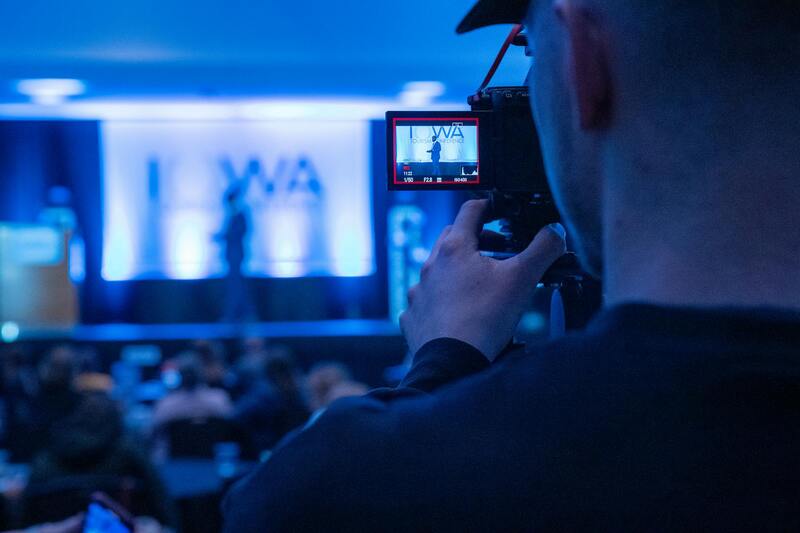
- Cameras: High-definition cameras with versatile functionalities, including pan-tilt-zoom (PTZ) capabilities, enable smooth, dynamic shots that adapt to the event’s flow. For large venues or multi-camera setups, switching between different angles enhances viewer engagement.
- Microphones: Selecting premium microphones, such as lapel or shotgun types, ensures audio clarity. Proper placement and sound mixing reduce background noise and improve overall sound fidelity.
- Video Encoders: Hardware encoders efficiently compress live video streams, facilitating transmission over limited bandwidth without compromising quality. These devices provide stable streams and often include features for switching between multiple input sources.
- Streaming Platforms and Software: Integrating compatible streaming platforms with robust APIs allows for customized distribution strategies. Live software solutions enable real-time graphics, overlays, and multi-source switching, elevating the production value.
- Networking Equipment: A high-speed, wired internet connection circumvents common issues related to wireless instability. Routers with load balancing capabilities and backup connections further secure the stream against disruptions.
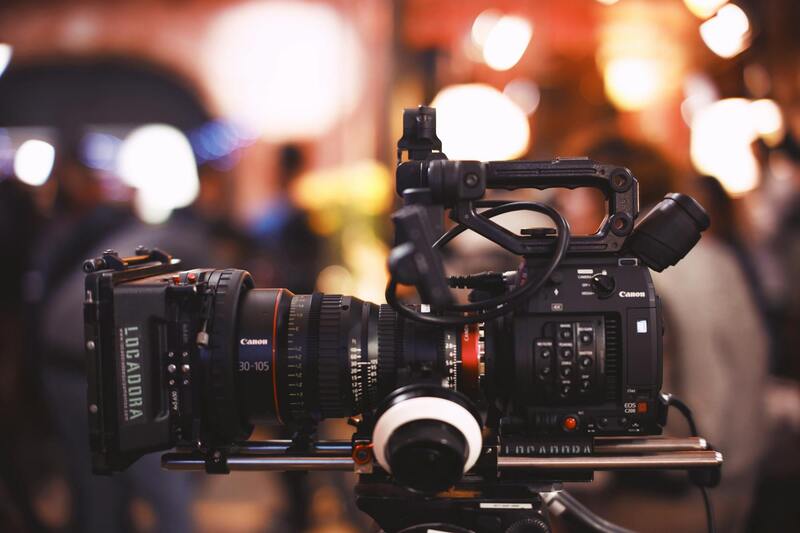
Supplementing this hardware, powerful control interfaces and multi-view monitors facilitate real-time management and swift adjustments during live events. Adequate power supplies and backup systems are also critical to prevent interruptions caused by power failures or hardware malfunctions.
Optimizing Live Stream Workflow through Equipment Integration
Integrating these devices effectively requires thorough planning and setup. Proper configuration of cameras, encoders, and audio equipment before the event minimizes technical hitches during the broadcast. Regular maintenance and testing of equipment further enhance reliability and prepare the team to troubleshoot swiftly should issues arise.
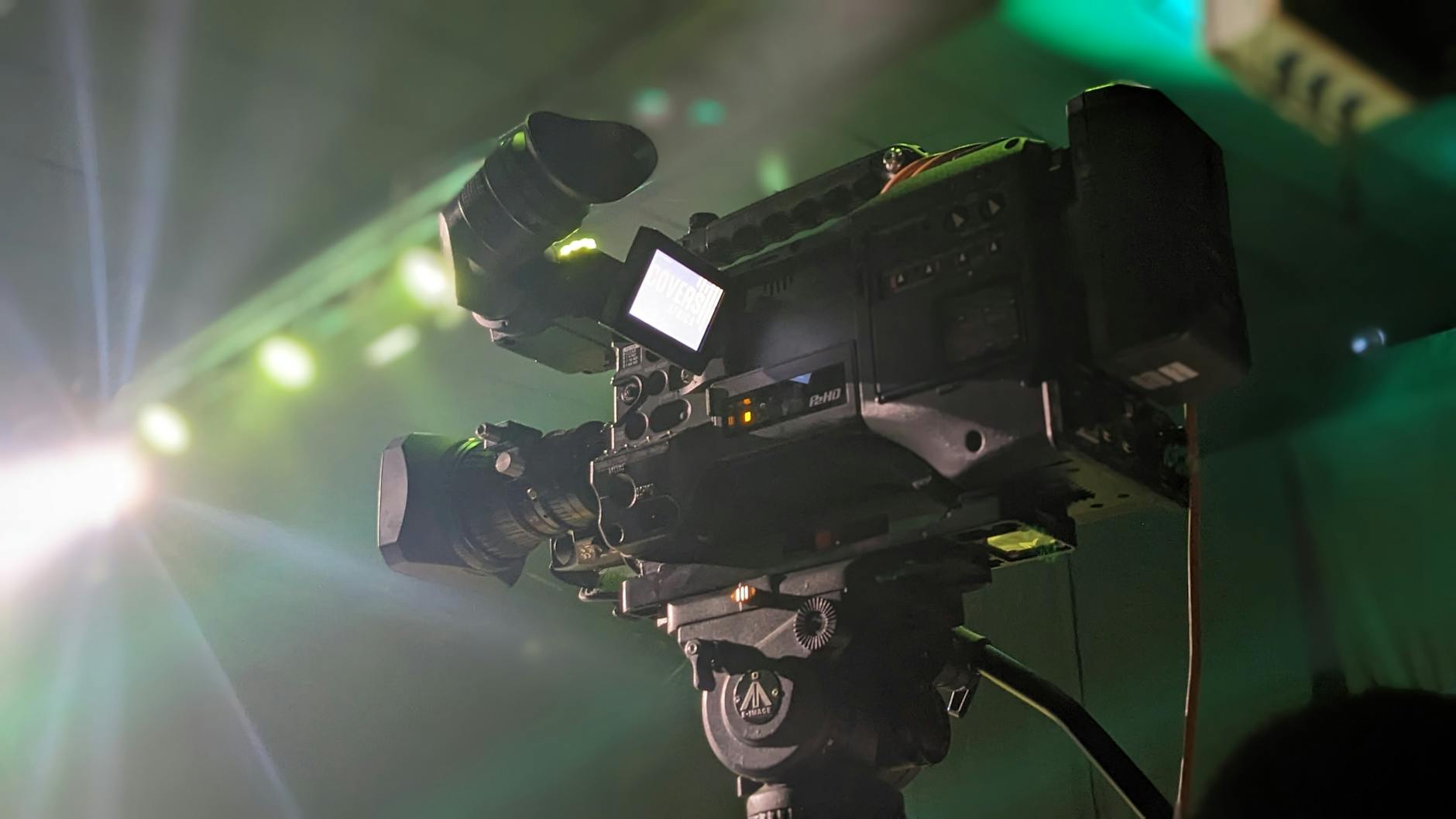
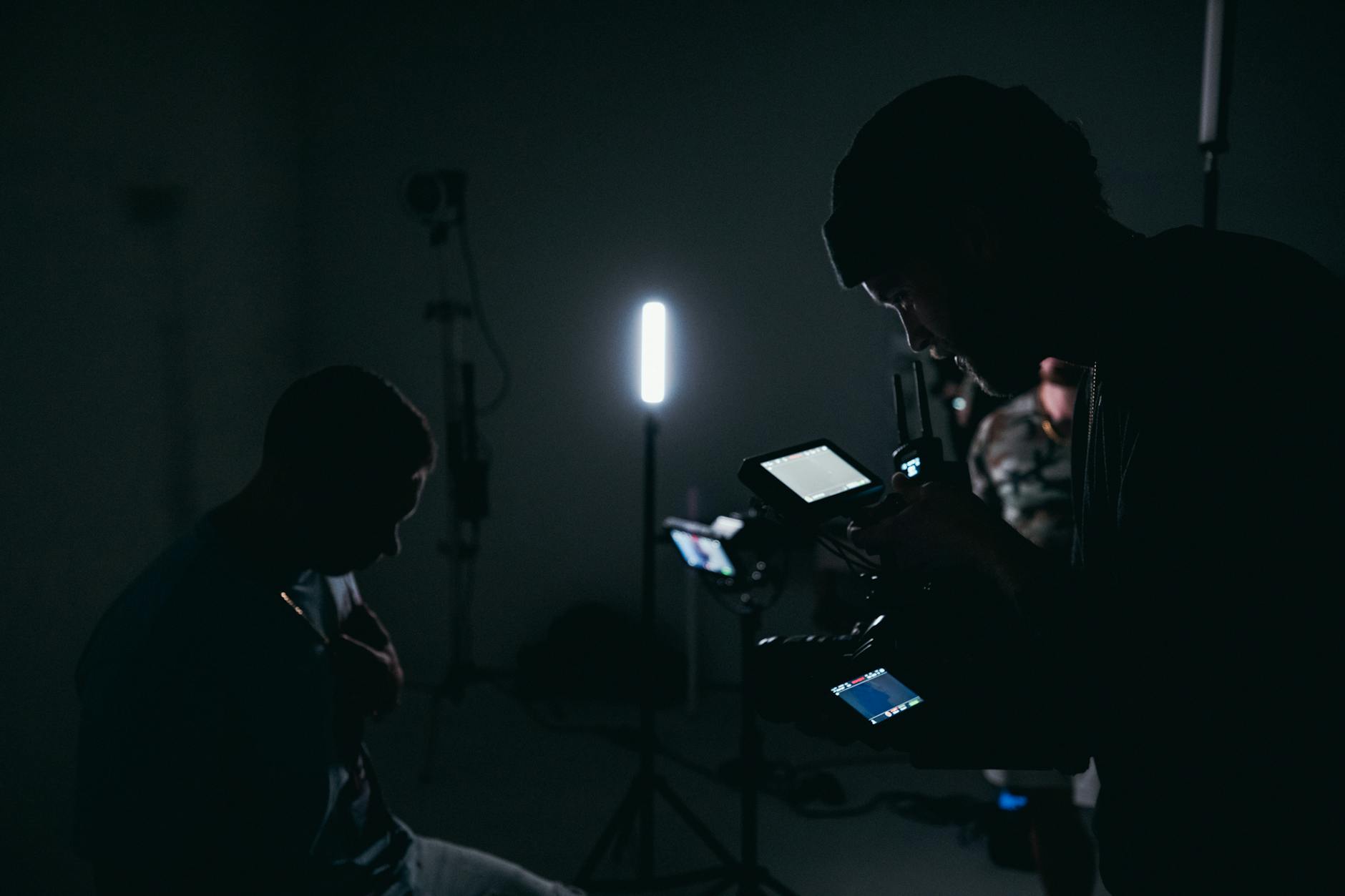
Advanced control room setups today also incorporate multi-camera video switchers and real-time streaming dashboards. These tools allow operators to manage multiple video sources effortlessly, apply live graphic overlays, and monitor stream health continuously, providing a professional touch to each broadcast.
Investing in top-tier equipment, paired with skilled technicians capable of operating and troubleshooting complex setups, is fundamental in achieving a broadcast that engages viewers, enhances brand perception, and meets the aspirations of clients seeking flawless live event coverage.
Understanding Live Streaming Video Production
Live streaming video production is a sophisticated process that involves numerous technical and creative components working seamlessly to deliver high-quality content in real time. When planning a live stream, especially for significant events, it is essential to understand the intricacies involved in capturing, encoding, transmitting, and displaying your content to ensure a flawless broadcast.
At the core of professional live streaming services is the integration of high-definition cameras, which capture the event from various angles, providing dynamic coverage. These cameras are connected to encoders that convert raw video signals into digital formats, ready for streaming over the internet. The choice of encoder—hardware versus software—affects the stream’s quality and latency, making it vital to select equipment that meets your specific needs.
Audio quality plays a crucial role in the viewer’s experience. Professional microphones, audio mixers, and processors are used to capture and refine sound, ensuring clarity and balanced levels throughout the broadcast. Proper audio setup minimizes background noise and echo, which can detract from the overall production value.
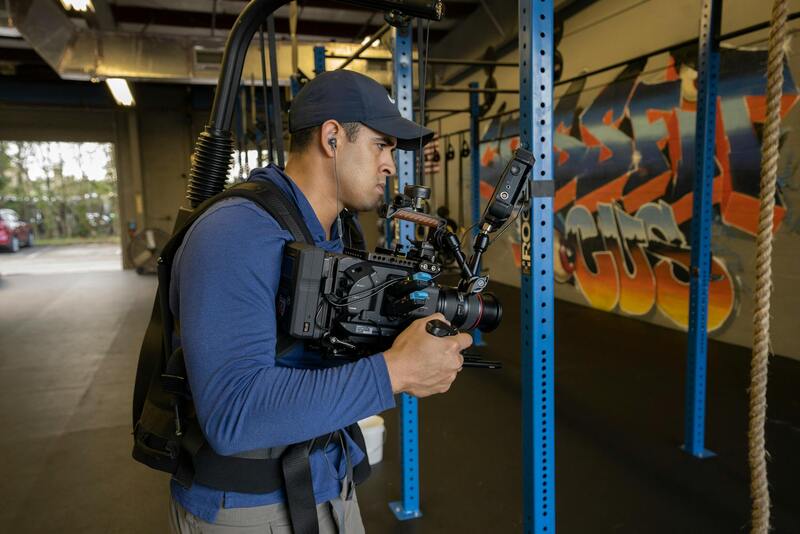
Control interfaces and multi-view monitors facilitate the management of multiple video feeds, enabling producers to switch between angles, add graphics, and overlay live captions in real time. These tools are often integrated into a control room setup, where technicians monitor stream health, troubleshoot issues, and make on-the-fly adjustments to keep the broadcast running smoothly.
Key Components of Live Stream Production
- Cameras: Multiple high-definition cameras to capture different angles of the event.
- Audio Equipment: Microphones, audio mixers, and processors for clear sound.
- Encoders: Hardware or software solutions that convert video signals into streamable data formats.
- Switchers and Monitors: Video switchers for seamless content transitions and multi-view monitors for real-time management.
- Control Interfaces: User-friendly consoles that enable quick adjustments during live transmission.
- Backup Power Sources: Uninterruptible power supplies (UPS) and redundant systems to prevent interruptions.
Effective live streaming production also involves network considerations. A dedicated high-bandwidth internet connection minimizes lag and buffering, maintaining stream stability regardless of external network conditions. Implementing dual-network configurations or secondary internet sources can safeguard against potential connectivity issues.
Integrating Equipment for Optimal Performance
Ensuring that all equipment interacts flawlessly involves meticulous pre-event planning. This includes testing all devices, calibrating cameras and audio gear, and configuring encoders and streaming settings to match platform specifications. Such pre-production diligence reduces the chance of technical difficulties during the actual event, fostering a smoother broadcast.
Advanced production setups often feature real-time monitoring dashboards, which display metrics such as stream bitrate, latency, and viewer engagement statistics. Using these tools, producers can make immediate adjustments to optimize quality and address any issues as they arise.
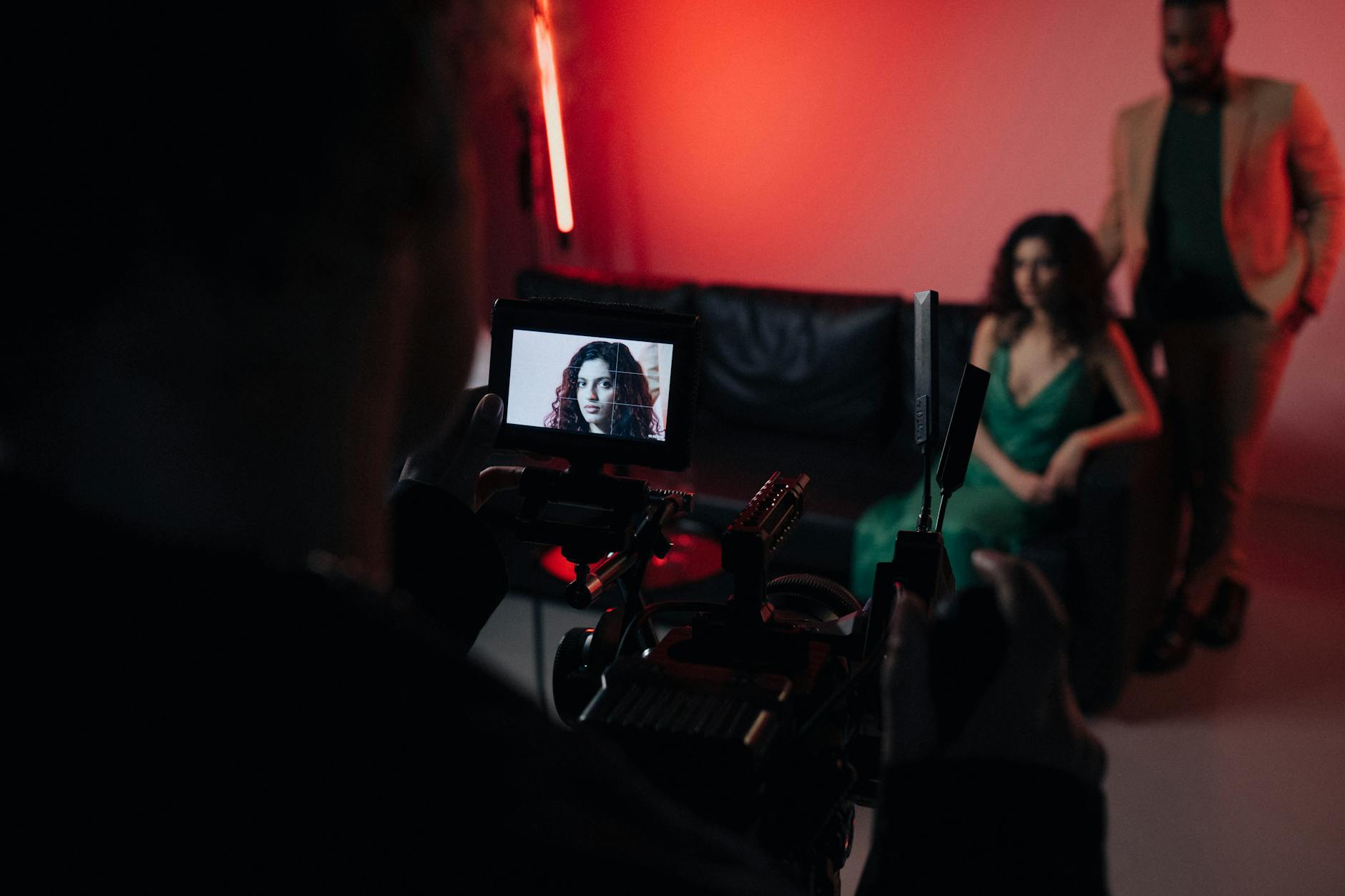
Regular maintenance, equipment updates, and staff training are critical components of a successful live stream operation. Skilled technicians who understand the complexities of live video production can troubleshoot problems swiftly, ensuring continuous and high-quality broadcast delivery. Their expertise contributes significantly to viewer engagement, brand image, and client satisfaction by providing a polished, professional webcast that meets audience expectations without interruptions or degradation of quality.
Ensuring Consistent Signal Transmission and Avoiding Interruptions
Maintaining a stable live stream requires meticulous attention to the transmission process. Employing hardware encoders that support adaptive bitrate streaming allows for dynamic adjustment based on network conditions, ensuring that the stream remains uninterrupted even when bandwidth fluctuates. Utilizing dedicated streaming hardware or professional-grade software minimizes latency and packet loss, providing a seamless viewing experience.
One essential method involves establishing redundant internet connections. Bonding multiple internet sources, such as combining fiber, broadband, or cellular data, creates a more resilient network environment. This approach ensures that if one connection experiences temporary issues, the other sources can seamlessly take over, thereby preventing stream outages.
Network monitoring tools are instrumental in early detection of potential issues. These tools track metrics like latency, jitter, and packet loss in real-time, enabling operators to respond swiftly before viewers encounter degraded quality. It is also advisable to perform comprehensive network tests during the pre-production phase to identify and address potential bottlenecks.
Implementing Proper Encoding and Streaming Settings
Choosing the correct encoding settings is fundamental for optimal video quality and bandwidth efficiency. Utilizing hardware encoders that support encoder presets for different content types allows for better control over bitrate, resolution, and frame rate. For instance, a 1080p stream at 60 frames per second demands different encoding parameters than a 720p stream at 30 fps.
It is vital to configure streaming software and hardware to match the platform requirements, whether streaming to social media channels, dedicated streaming servers, or CDN networks. Settings such as keyframe interval, bitrate, and audio sample rate should be optimized for platform compatibility, ensuring compatibility and minimizing buffering or latency.
Testing and Rehearsing Before the Live Event
Pre-event testing is crucial for gauging the entire setup's readiness. Conduct full rehearsals that replicate the actual live environment, checking camera positions, audio levels, switching transitions, and streaming parameters. This process reveals potential issues, such as audio-video sync problems or lighting discrepancies, which can be corrected prior to the event.
Involving the production team in dry runs helps clarify roles and responsibilities, ensuring everyone understands the workflow. Testing internet stability, backup systems, and emergency protocols builds confidence and reduces anxiety during the live broadcast.
Implementing Effective Control Room Operations
During the live broadcast, a dedicated control room with trained operators is critical for managing the production flow. This team monitors the live feed, audio levels, and streaming health in real-time, ready to make necessary adjustments.
Control room personnel also handle switching between camera angles, inserting graphics or lower thirds, and managing on-air talent. Employing multi-view monitoring setups facilitates simultaneous observation of multiple feeds, enhancing rapid decision-making.
Technical Aspects of Video Production Live Stream
Achieving a professional-grade live stream demands meticulous attention to technical details that ensure visual clarity, seamless coverage, and consistent audio quality. Central to this process is the integration of advanced hardware and software solutions that work harmoniously to deliver a flawless broadcast experience. The key technical elements include high-definition cameras, reliable streaming software, robust internet connectivity, and efficient encoding devices.
Modern live streaming setups leverage multiple camera angles to provide dynamic coverage, involving wide shots, close-ups, and specialized camera movements. For high-quality output, cameras equipped with high-resolution sensors, optimal frame rates, and superior low-light performance are essential. These cameras capture crisp visuals that are vital for audience engagement, especially during events like corporate conferences, concerts, or sports.
Encoding hardware and software play a pivotal role in transforming the raw camera signals into streamable formats. Hardware encoders are preferred in complex productions for their stability and speed, while software encoders offer flexibility and ease of use. Configuring these encoders involves setting the appropriate bitrate, resolution, and codec parameters to balance video quality and streaming stability, minimizing lag and buffering issues.
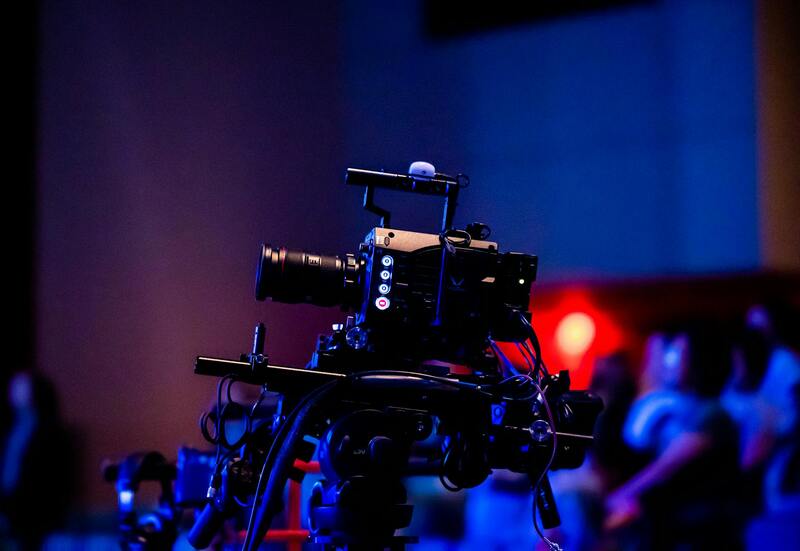
Reliable internet connectivity is crucial. Many professional setups incorporate bonded internet connections or dedicated fiber lines to ensure sufficient bandwidth and reduce jitter and packet loss. During the event, continuous monitoring of upload speeds and network stability is necessary to prevent interruptions. Backup systems such as secondary internet connections or mobile hotspots provide redundancy in case of primary network failure, protecting against unexpected disruptions.
Audio quality is equally vital, requiring high-quality microphones, sound mixers, and echo-cancellation tools to deliver clear sound. Wireless microphones and lapel mics are often used for mobility, while directional microphone placement minimizes ambient noise. Post-production audio management can also be integrated for live correction if needed.
In addition to hardware, live production software enables seamless switching between cameras, adding graphics, lower thirds, and real-time overlays. These tools enhance viewer engagement by delivering contextual information and branding elements seamlessly integrated into the broadcast. The coordination between technical and creative aspects culminates in a polished live streaming experience.
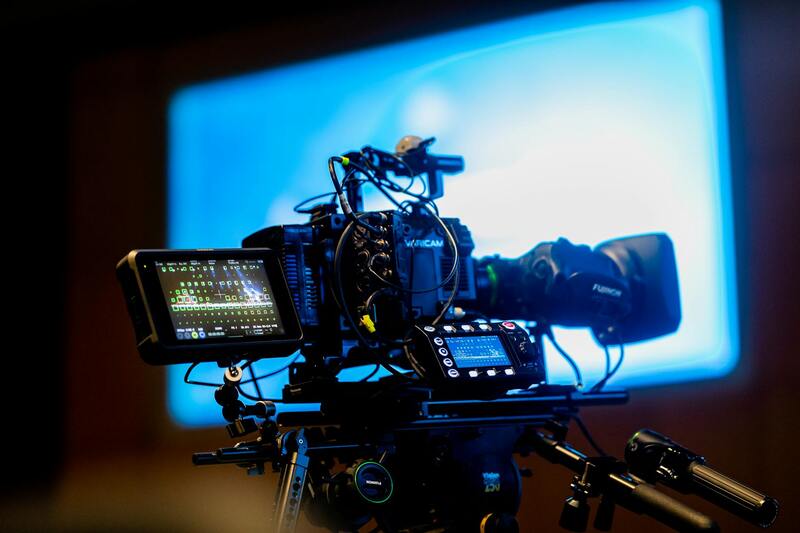
Successful live streaming hinges on detailed planning, with a focus on technical rehearsals to troubleshoot potential issues before the event. This includes verifying camera setups, testing streaming settings on chosen platforms, and ensuring all backup systems are functional. Documenting the entire technical workflow creates a reliable blueprint to guide the production team during the live event, leading to a professional presentation that can be appreciated by audiences worldwide.
Understanding Live Streaming Video Production
Successful live streaming video production requires meticulous planning and technical precision to ensure a seamless experience for viewers. It involves coordinating multiple elements, including camera placement, audio management, streaming technology, and troubleshooting. The objective is to deliver a broadcast that is professional, engaging, and free from interruptions. This process begins well before the event, with thorough planning and equipment setup, and continues through the event with real-time monitoring and adjustments. Properly executed, live streaming elevates event visibility, engages remote audiences, and enhances overall brand presence.
Essential Equipment for Live Streaming
High-quality equipment is the backbone of effective live streaming. A reliable camera setup, such as professional-grade camcorders or high-definition digital cameras, ensures crisp visuals. These cameras should be supported by sturdy tripods or mounting rigs for steady shots. Audio fidelity is equally important; therefore, high-definition microphones like shotgun mics, lapel microphones, or boundary microphones are recommended to capture clear sound. Sound mixers allow for real-time adjustments, balancing multiple audio sources, and filtering out background noise.
Connectivity is another critical aspect. A stable broadband internet connection with sufficient upload speeds is necessary to prevent streaming disruptions. Doubling as a safeguard, backup systems such as mobile hotspots or secondary internet connections can maintain the stream during primary network failures. Streaming hardware encoders convert raw video footage into a broadcast-ready format, and software solutions facilitate the switching of camera feeds, graphic overlays, and other visual enhancements. 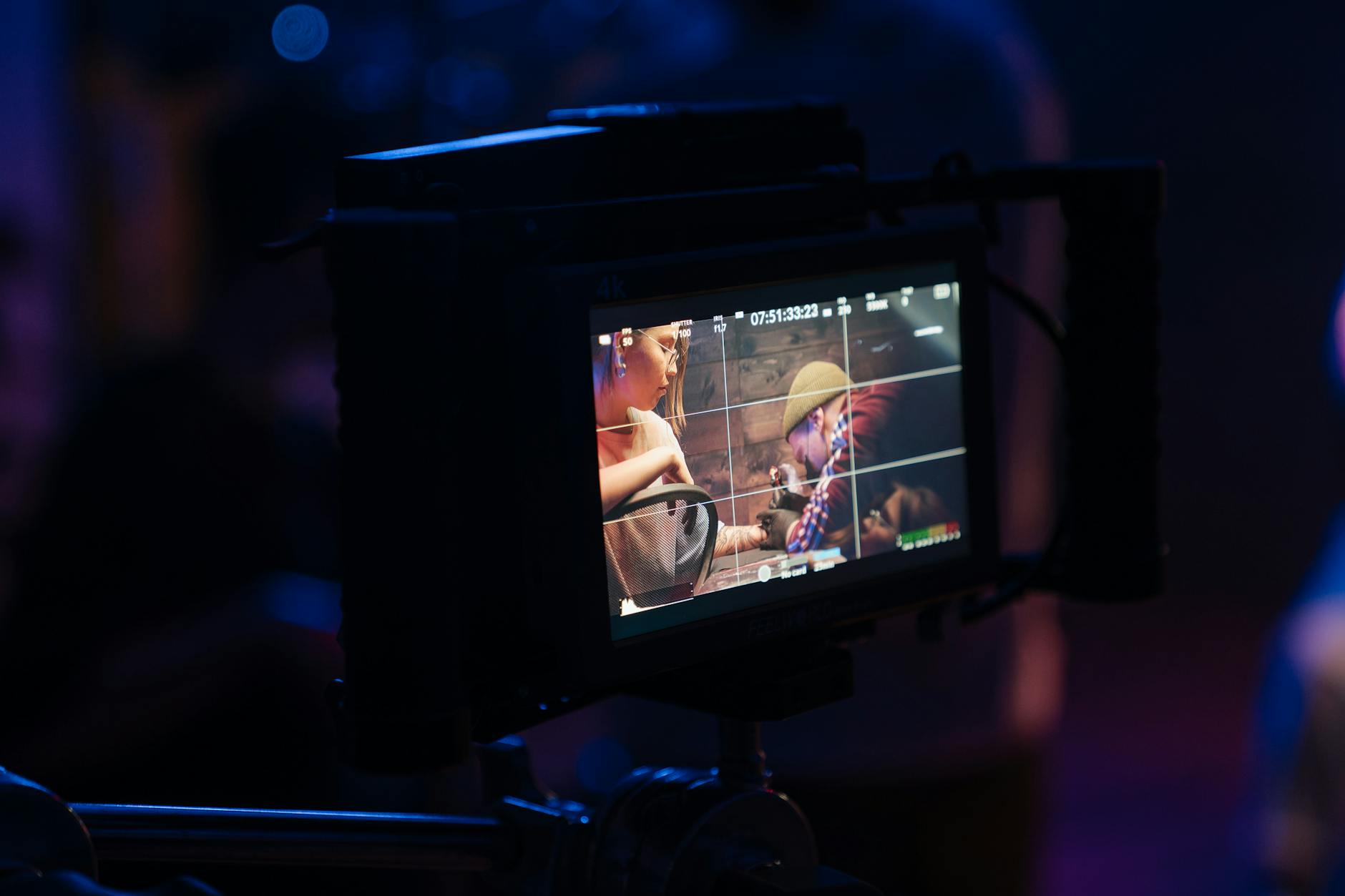
Planning and Pre-production for Live Events
Effective live streaming production hinges on detailed pre-event planning. This phase involves selecting appropriate camera angles, ensuring all equipment is tested and operational, and scheduling rehearsals. During rehearsals, the technical team verifies audio levels, camera transitions, and streaming settings. Establishing a clear script or outline helps coordinate the on-camera talent or presenters, ensuring smooth delivery. It is crucial to prepare backup plans, including alternative internet sources and spare equipment, to address unforeseen issues swiftly. Documentation of procedures and connectivity layouts ensures all team members are aligned and aware of their roles during the live broadcast.
Coordination with event organizers or hosts ensures synchronization between live segments and scheduled content, optimizing viewer engagement. Additionally, integrating graphics, lower thirds, and branding elements into the pre-production storyboard enriches viewer experience and reinforces event messaging. The pre-production phase sets the foundation for a polished and professional live stream, reducing the risk of technical difficulties and maximizing broadcast quality.
Production Techniques for High-Quality Live Streams
During the live event, production techniques focus on delivering a visually engaging broadcast. Camera switching, achieved through multi-camera setups and real-time switchers, offers diverse perspectives that keep viewers interested. Proper framing and adherence to visual composition principles enhance the overall quality. Live overlays, including logos, titles, and real-time data, improve branding and contextual information without disrupting flow. Transition effects between camera angles should be smooth to maintain viewer immersion.
Audio levels require continuous monitoring; adjustments in real-time prevent issues such as muffled sound or distortions. Using windshields and directional microphones reduces ambient noise, especially in outdoor settings. Effective lighting enhances visual clarity, ensuring subjects are well-lit and backgrounds are appropriately illuminated. Additionally, managing latency to minimize delay between the live event and broadcast is essential for viewer engagement and interaction.
Streaming Platforms and Distribution
Selecting the right streaming platform involves evaluating target audiences, platform stability, and offered features. Popular options include dedicated live streaming services that support high-resolution broadcasts, interactive features, and multi-user access. Encoders integrated with these platforms facilitate smooth transmission from the production setup, providing options for local recording and multiple stream outputs. Multi-platform distribution allows the reach of the stream to be maximized, engaging audiences across social media, dedicated portals, and enterprise solutions. Proper platform setup and account management, alongside robust internet connections, are crucial for successful distribution.
Securing and Managing Streaming Rights
One crucial aspect of producing a compliant and professional live stream involves securing the rights to distribute all content used during the broadcast. This includes any music, video clips, images, or proprietary material incorporated into the stream. Prior to the event, it’s essential to verify that all content is either original, licensed, or cleared for streaming to prevent interruptions or takedown notices that could impact broadcast integrity.
Customarily, this process requires obtaining permissions from rights holders or licensing entities, which may involve negotiations and documentation. Creative teams should maintain detailed records of licenses and permissions, ensuring that all content used aligns with intellectual property regulations. This practice not only fosters trust and transparency but also safeguards the production against potential disputes or claims.
Understanding Content Sensitivity and Privacy Controls
Live streaming often involves capturing real-time footage of individuals, events, or private spaces. Respecting privacy preferences and managing sensitive content are vital for maintaining professionalism and ethical standards. Producers should clearly communicate to participants and audiences about what will be streamed, how the data will be used, and obtaining proper consent when necessary.
Implementing privacy controls—such as restricted access links or password protection—maximizes security and allows control over who views the live content. For events that feature personal or confidential information, integrating encryption or secure streaming protocols ensures that viewers only access authorized material while preventing unauthorized recordings or redistribution.
Adherence to Content Guidelines and Community Standards
Each streaming platform has established content guidelines aimed at fostering a respectful and lawful viewing environment. Producers should familiarize themselves with these policies, including restrictions on offensive or inappropriate material, hate speech, and graphic content. Ensuring that live streams align with these standards avoids penalties, removal, or suspension of streaming privileges.
In practice, this entails comprehensive pre-broadcast checks, moderation tools, and monitoring during the live event. Employing real-time moderation helps respond swiftly to any inappropriate content or unexpected issues, preserving the stream's professionalism and integrity.
Strategies for Maintaining Ethical Broadcast Standards
Maintaining ethical standards during live streaming involves transparency, honesty, and respect for all participants. Clearly articulating the purpose and scope of the broadcast can set expectations and enhance viewer trust. Additionally, avoiding sensationalism or misleading presentation respects the intelligence and rights of the audience.
Implementing a code of conduct for on-air talent and production staff further reinforces ethical practices. Regular training and review of these standards ensure everyone involved understands their responsibilities, contributing to a seamless, respectful, and legally compliant live stream.
Finalizing the Live Stream: Post-Broadcast Procedures
After the live stream concludes, the focus shifts to post-production and the management of the recorded content. Proper handling of the recorded material ensures that the content remains accessible, valuable, and compliant with distribution standards. This phase involves a series of key steps that uphold the quality and security of the broadcast for future use.
Archiving and Storage
Efficient archiving begins with secure storage solutions that prevent data corruption or loss. Utilizing high-capacity servers or cloud storage providers with redundant backups guarantees that the recorded footage remains accessible for extended periods. Proper cataloging, metadata tagging, and categorization facilitate easy retrieval for editing, distribution, or promotional purposes. Maintaining organized archives also supports compliance efforts, especially when dealing with content that requires specific management under licensing or contractual agreements.
Editing and Repurposing Content
Post-broadcast editing allows for the refinement of the recorded video, enhancing visual quality, removing any unintended snippets, or adding supplementary elements such as graphics, subtitles, or branding. Repurposing content through highlights, clips, or condensed versions can expand the reach of the original broadcast. These snippets are valuable for marketing, social media engagement, or supplementary promotional campaigns. Ensuring edits are performed efficiently while maintaining the integrity of the original content is crucial for ongoing engagement.
Quality Assurance and Feedback Analysis
Reviewing the recorded stream offers insights into production strengths and areas for improvement. Analyzing viewer feedback, engagement metrics, and technical data helps tailor future live productions to meet audience expectations more effectively. Identifying issues, such as audio delays, video buffering, or synchronization errors, supports continuous enhancement of the live streaming process.
Distribution Strategy Post-Event
Once the broadcast is archived and edited, deploying a strategic distribution plan maximizes outreach. Hosting the recorded content on official platforms or channels enhances visibility and audience engagement. Sharing via email campaigns, social media, or specialized video platforms extends the content’s lifespan and reach. Additionally, ensuring that the content complies with platform-specific guidelines and copyright policies sustains the stream's compatibility with various distribution channels.
Monitoring Content Performance and Engagement
Effective post-event management includes monitoring how viewers interact with the recorded material. Metrics such as view counts, comments, shares, and audience retention inform content effectiveness and guide future live streaming initiatives. This data highlights preferences, identifies potential areas for improvement, and helps tailor content strategies to meet evolving viewer expectations.
Legal and Copyright Considerations for Stored Content
Safeguarding recorded content involves adherence to copyright regulations and licensing agreements. Proper attribution, licensing clearances for third-party materials, and the implementation of digital rights management (DRM) help prevent unauthorized use or distribution. Maintaining comprehensive records of permissions and licenses simplifies compliance and supports the lawful use and sharing of the content in subsequent distribution phases.