Overview of Live Broadcasting Services
Live broadcasting services have become an essential component of contemporary event coverage and multimedia production, offering real-time transmission of events to audiences worldwide. These services encompass a wide range of technological solutions that enable organizations, event organizers, businesses, and individuals to share live experiences with viewers instantly via internet platforms, television networks, and social media channels. With the rapid advancement of digital infrastructure and multimedia technology, live broadcasting has transitioned from traditional television broadcast methods to more flexible, scalable, and accessible online streams, allowing for higher reach and engagement.
At its core, live broadcasting involves capturing, encoding, transmitting, and distributing live video footage. This process relies on specialized equipment such as high-definition cameras, streaming encoders, and robust internet connections. Whether broadcasting at concerts, conferences, sports events, or corporate gatherings, professional live broadcasting services ensure seamless transmission, high-quality visuals, and audio clarity. These services are vital for creating immersive experiences, expanding viewership, and increasing event exposure without geographical constraints.
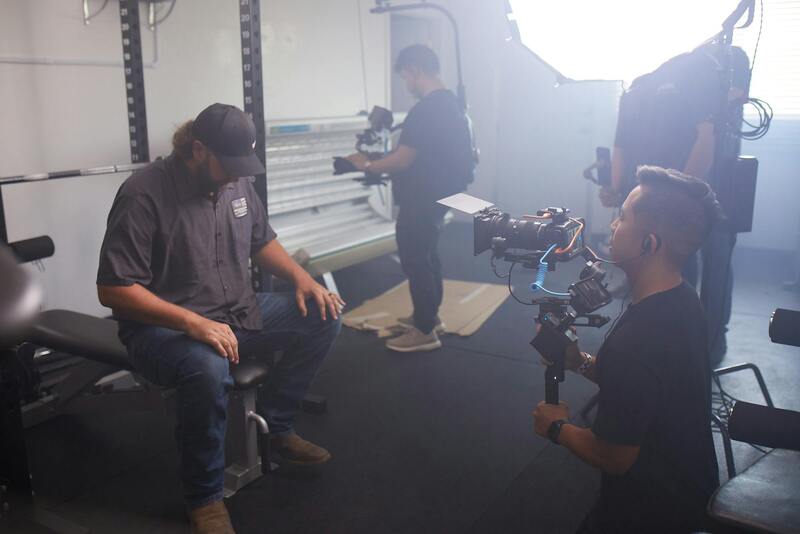
Modern live broadcasting solutions are designed to accommodate the dynamic nature of events, providing flexibility in production scale, crew requirements, and technical specifications. Advanced platforms integrate interactive features such as live chat, multiple camera angles, and real-time graphics, significantly enriching viewer engagement. Additionally, live broadcasting is integral to marketing strategies, virtual conferences, and hybrid events, enabling a broader audience reach and fostering interactive experiences that were previously unattainable. The evolution of this field continues to be driven by innovations in internet connectivity, streaming protocols, and broadcasting hardware, establishing live streaming services as a cornerstone of contemporary multimedia dissemination.
Key Technologies and Equipment
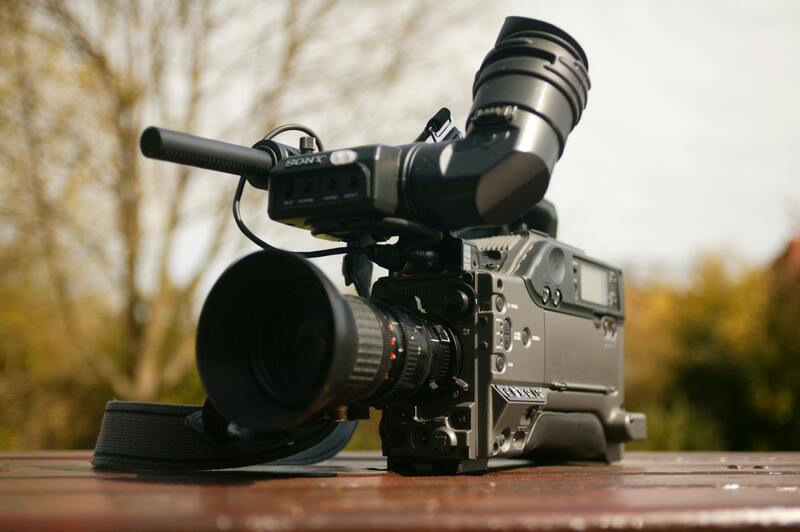
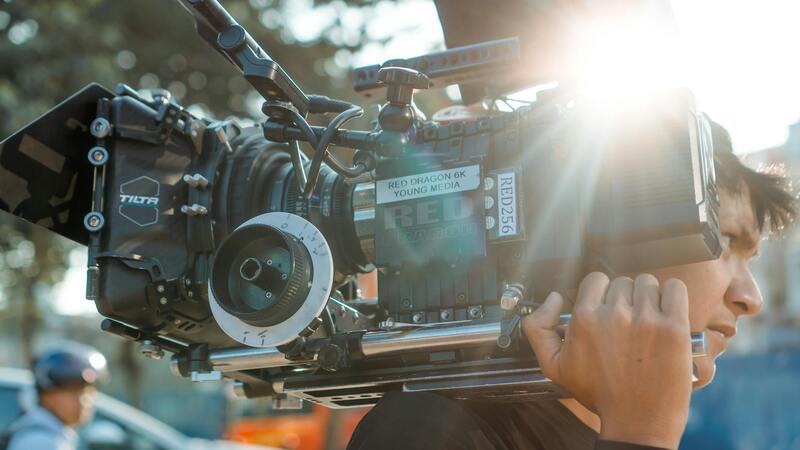
Successful live broadcasting relies on the integration of advanced technologies and high-quality equipment that ensure smooth transmission and premium audiovisual experience. Central components include professional-grade cameras capable of capturing high-definition video from multiple angles, facilitating variability in shot selection and establishing a dynamic viewing experience. These cameras often feature robotic mounts or remote control capabilities, allowing for seamless switching between different perspectives without disrupting the broadcast flow.
Encoding hardware is essential for compressing video signals into streams suitable for internet transmission while preserving image quality. Modular streaming encoders often support various protocols such as RTMP, HLS, or MPEG-DASH, providing versatility to adapt to different platforms and bandwidth conditions. Additionally, audio equipment like wireless microphones, mixers, and audio processors are incorporated to guarantee crystal-clear sound, which is vital for engaging remote viewers.
Reliable internet connectivity is another fundamental element, often achieved through dedicated fiber optic lines or bonded internet solutions that combine multiple connections for redundancy and increased bandwidth. Content delivery networks (CDNs) are employed to distribute the live feed globally, minimizing latency and buffering issues for viewers accessing the stream from different locations.
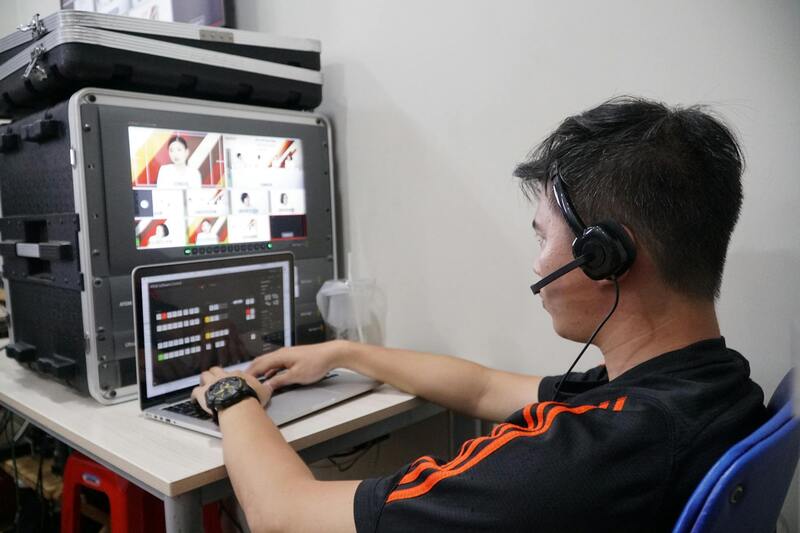
Complementing the hardware, software solutions such as live switching platforms enable operators to integrate graphics, overlays, and multiple video feeds in real-time, enriching the overall presentation. Live chat modules, viewer analytics, and interaction tools are also incorporated to foster engagement and gather valuable audience data.

Maintaining the technical integrity of a live broadcast also involves extensive pre-production planning, testing, and troubleshooting. Backup solutions, such as secondary internet lines and redundant hardware, are put in place to mitigate unforeseen issues. The synergy of these technological components ensures that every live event is broadcast smoothly, professionally, and with high visual and audio fidelity, meeting the expectations of diverse audiences and stakeholders.
Key Technologies and Equipment
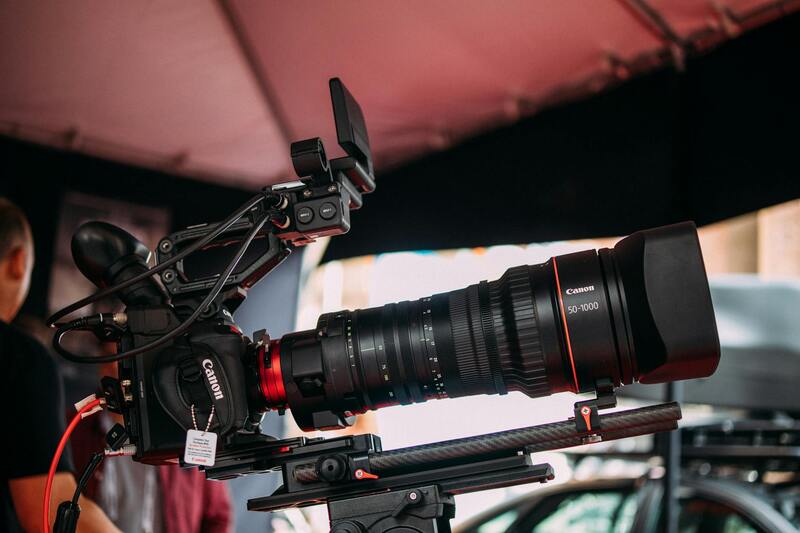
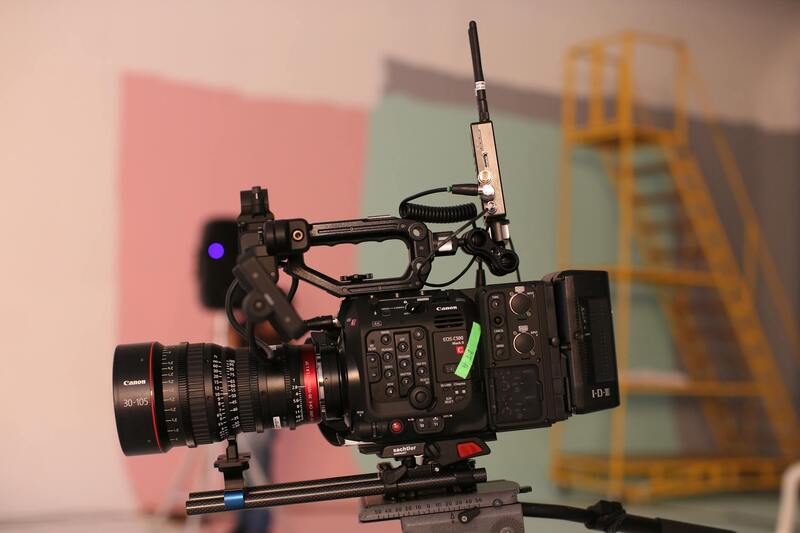
To deliver seamless and high-quality live broadcasts, a combination of advanced technologies and equipment is fundamental. Core components include professional-grade cameras capable of capturing detailed video footage under various lighting conditions, ensuring crystal-clear visuals that captivate remote audiences. These cameras often feature high-definition sensors and optical zoom capabilities, allowing operators to focus on the finest details of the event.
Pairing cameras with robust streaming hardware, such as high-performance encoders, transforms raw video signals into compressed data suitable for internet transmission. These encoders support multiple streaming protocols, offering flexibility and reliability during live events. Software-based solutions for live switching enable real-time switching between camera angles, overlaying graphics, and inserting pre-recorded segments to enrich the broadcast.
Beyond the core video and streaming hardware, audio technology is equally critical. Industrial-grade microphones, mixers, and sound processing units ensure that sound quality matches the visual clarity, providing an immersive experience for viewers.
For larger or more complex events, multiple camera setups— including stationary, handheld, and drone cameras—may be integrated for diverse perspectives. Video switchers, multi-view monitors, and real-time graphic generators facilitate dynamic production control.
Content delivery is optimized via high-capacity internet connections, often leveraging dedicated fiber optic links or bonded internet solutions that combine multiple connections for stability and increased bandwidth. This setup minimizes latency and buffering, ensuring viewers experience smooth playback regardless of their location.
Legal and Compliance Considerations
When engaging with live broadcasting services, understanding the legal and compliance landscape is vital for ensuring smooth operations and safeguarding intellectual property rights. Professionals in the field adhere strictly to established standards for content usage, copyright adherence, and participant rights, which include obtaining necessary permissions for broadcasting copyrighted music, video clips, or proprietary visuals. Clear contractual agreements are essential to delineate rights concerning recording, streaming, and distribution of content, preventing potential disputes.
Event organizers should ensure that all individuals featured in the broadcast have provided informed consent, especially in scenarios involving private or sensitive content. This consent often involves signed releases that specify the scope of the broadcast, its intended audience, and usage rights. Compliance with local, state, and federal regulations regarding broadcasting rights, privacy laws, and data protection is equally important.
In addition to legal considerations, adherence to safety and accessibility standards enhances the professionalism of live broadcasts. This includes implementing policies for managing on-air conduct and ensuring that the content is appropriate for diverse audiences. Platforms used for streaming should support features like closed captioning and alternative audio tracks to meet accessibility requirements, thus broadening viewership and demonstrating inclusivity.

Organizations offering live broadcasting services often collaborate with legal experts to review content, contracts, and compliance procedures. This proactive approach helps mitigate risks associated with content infringement or regulatory violations, ensuring a seamless streaming experience that upholds professional standards.
Preparation and Planning for Live Broadcasts
Effective preparation is fundamental to successful live broadcasting services. This process begins with thorough coordination between event organizers, technical teams, and broadcast professionals to establish clear objectives and requirements. A detailed plan should outline the scope of the broadcast, target audience, preferred streaming platforms, and critical content segments. Scheduling is crucial, including rehearsals to identify potential technical issues and ensure all equipment functions seamlessly during the live event.
Pre-broadcast technical checks involve testing audio and video quality, verifying internet stability, and configuring backup systems to prevent interruptions. Content preparation entails coordinating with presenters and performers to ensure they are familiar with the streaming process and adhering to content guidelines. Additionally, establishing a dedicated team to monitor the live feed helps address any unforeseen technical or content-related issues promptly.

Another essential aspect of planning involves audience engagement strategies. Interactive features such as live chat, Q&A sessions, and polls can enhance viewer involvement, provided they are integrated into the broadcast setup. Ensuring compatibility across various devices and internet speeds also expands accessibility for a broader audience.
Technical Checklists for Live Broadcasting
- High-quality cameras and microphones
- Reliable internet connection with sufficient bandwidth
- Backup power sources and redundant streaming hardware
- Synchronization of audio and visual feeds
- Platform-specific configurations and permissions
- Test runs to simulate the actual event environment
Coordination and Rehearsals
Conducting rehearsals allows teams to familiarize themselves with the event flow and technical setup. It provides an opportunity to adjust camera angles, test audio clarity, and fine-tune streaming parameters. Rehearsals with all participants help identify any potential disruptions and ensure everyone is aware of their roles during the live broadcast. Having contingency plans in place for technical failures or unexpected delays is vital to maintain a professional presentation.
Legal and Compliance Considerations
Adherence to Content Rights and Permissions
Ensuring proper rights and permissions are obtained before streaming any content is critical. This includes securing consent from performers, speakers, or any individuals appearing on camera, as well as rights for copyrighted material such as music, videos, or images incorporated into the broadcast. Failing to obtain necessary clearances can lead to content removal, broadcasting interruptions, and potential reputational damage.
Implementing a comprehensive approval process helps verify that all content complies with copyright regulations. This process often involves detailed documentation of permissions, usage rights, and licensing agreements reviewed before going live. Such diligence guarantees that the streamed event aligns with all applicable standards and avoids inadvertent infringements.
Data Privacy and Security Measures
Handling viewer data responsibly and securing the streaming infrastructure are integral aspects of compliant live broadcasting. This includes implementing encryption protocols to safeguard data transmission, managing user access with secure authentication methods, and ensuring personal information collected during viewer interactions is protected under relevant privacy regulations.
It is also important to establish secure channels for streaming, such as using trusted Content Delivery Networks (CDNs) and secure servers, to prevent unauthorized access or cyber threats. Regular security audits and updates help maintain the integrity of the live broadcast, ensuring a safe viewing experience for audiences.
Compliance with Broadcast Standards
Broadcasting standards vary across regions and platforms, demanding adherence to specific technical and content guidelines. This includes compliance with audio-visual quality requirements, appropriate content classification, and restrictions on certain types of material to avoid violations. Working with experienced broadcasters familiar with local and platform-specific standards ensures that content is broadcasted appropriately.
Additionally, monitoring ongoing content for compliance during the live stream—such as avoiding offensive material or unauthorized advertising—helps maintain credibility and prevent interruptions. This ongoing oversight is part of a broader compliance strategy that supports professional and trouble-free live broadcasts.
Implementing Ethical Guidelines and Best Practices
Professional live broadcasting involves more than just technical execution; it also encompasses adherence to ethical guidelines. Avoiding sensationalism, respecting audience sensitivities, and maintaining accurate representation of the event contribute to credibility and trustworthiness. Establishing clear policies for content moderation and responsible messaging ensures the broadcast aligns with community standards.
Training staff and hosts on these ethical practices fosters a respectful and professional environment, both on-screen and behind the scenes. Consistently applying these principles enhances the reputation of the hosting organization and contributes to a positive viewer experience.
Overview of Live Broadcasting Services
Live broadcasting services have become essential for organizations aiming to reach a broad audience in real time. These services enable the seamless transmission of events, presentations, or performances over the internet, allowing viewers from different locations to experience the event as it unfolds. High-quality live streaming ensures that all visual and audio elements are delivered with clarity, engaging viewers and maintaining their interest throughout the broadcast. For Miami-based events, leveraging professional live broadcasting services ensures that the event’s visual and technical aspects meet high standards, providing a polished and compelling viewer experience.
Types of Live Broadcasts Offered
Live broadcasting services in Miami cater to a variety of event types to accommodate diverse organizational needs. Common types include:
- Event Broadcasts: Covering corporate events, conferences, trade shows, and seminars with high-quality video and audio.
- Concerts and Performances: Streaming live music, theater productions, and cultural events for audiences worldwide.
- Sports Events: Providing real-time coverage of local and regional sports tournaments, ensuring that fans can follow the action live.
- Academic and Educational Events: Hosting webinars, lectures, and workshops that require consistent connectivity and broadcast reliability.
- Religious Services: Streaming church services, spiritual gatherings, or ceremonies to facilitate participation from remote congregants.
Key Technologies and Equipment
The success of a live broadcast heavily relies on advanced technology and precision equipment. Essential components include:
- Professional Cameras: High-resolution cameras capable of capturing detailed visuals across varying lighting conditions.
- Audio Equipment: Lavalier microphones, mixers, and sound systems designed to deliver crisp, clear audio.
- Encoding Hardware: Devices that convert video and audio signals into digital formats suitable for streaming.
- Reliable Internet Connectivity: Dedicated bandwidth and backup systems to prevent interruptions during live transmission.
- Streaming Platforms and Servers: Secure, scalable infrastructure that supports large audiences without lag or buffering.
Benefits of Professional Live Broadcasting
Opting for professional live broadcasting services provides numerous advantages that elevate the overall quality of an event. These include:
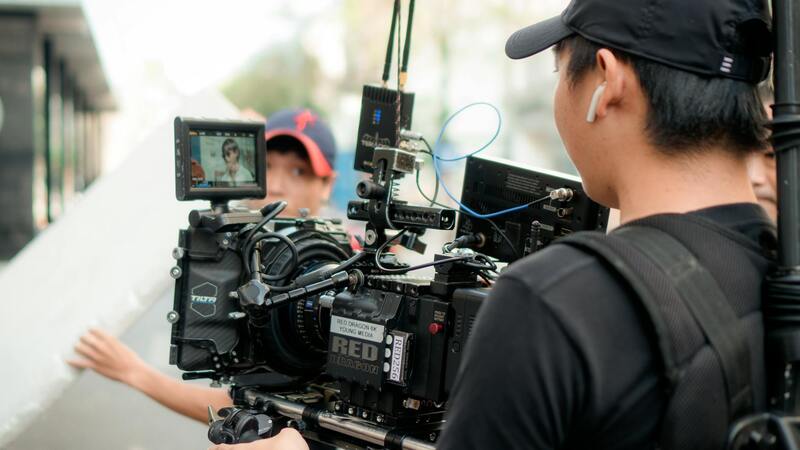
- Enhanced Visual and Audio Quality: Professional equipment and expertise ensure crisp visuals and clear sound for an immersive viewer experience.
- Global Reach: Immediate access for viewers worldwide, expanding audience engagement beyond physical boundaries.
- Real-Time Interaction: Opportunities for live chat, Q&A sessions, and audience participation to foster engagement.
- Brand Visibility: High-quality broadcasts reinforce branding efforts and demonstrate organizational professionalism.
- Documentation and Replay: Recorded streams can be archived for future reference or on-demand access, maximizing event value.
Customizing Live Broadcast Solutions for Miami Events
Each live event in Miami has unique requirements that necessitate tailored broadcasting solutions. Customization may include selecting appropriate streaming platforms, adjusting technical setups for outdoor or indoor venues, and integrating interactive features such as audience polls or multiple camera feeds. Professional service providers work closely with event organizers to develop a comprehensive broadcast plan aligned with the event’s objectives, target audience, and logistical considerations. This ensures a seamless integration of technology, content, and audience engagement strategies to deliver a compelling live experience.

Preparation and Planning for Live Broadcasts
Effective live broadcasting in Miami hinges on meticulous preparation and planning. This involves conducting site surveys to assess technical requirements, testing all equipment in advance, and coordinating with venue staff to manage logistical aspects. Content planning is equally crucial, including scripting or outlining event segments, assigning roles to technical staff, and establishing contingency plans for potential disruptions. Ensuring robust internet connectivity, managing power sources, and setting up backup systems help mitigate risks during the broadcast. Additionally, pre-event rehearsals enable the team to troubleshoot issues and optimize camera angles, audio levels, and streaming parameters to ensure a smooth live broadcast that meets professional standards.
Comprehensive Approaches to Live Broadcasting in Miami
For event organizers and businesses seeking to amplify their reach through digital platforms, employing official and reputable live broadcasting methods is essential. These methods ensure high-quality transmission, synchronized content delivery, and positive audience engagement. Leveraging trusted streaming services allows for a professional-grade experience that aligns with the event’s objectives and audience expectations, without compromising on clarity or stability.
Utilizing Certified Live Streaming Platforms
Choosing established live broadcasting platforms, such as authorized service providers, guarantees consistent performance during live events. These platforms offer advanced features that support high-definition video, multi-camera integration, and real-time audience interaction. By working with providers that have proven expertise in handling high-volume streams, event organizers minimize potential disruptions and ensure seamless content delivery.
Securing Reliable Internet Connectivity
Effective live broadcasting relies heavily on the stability of internet connections. It is crucial to utilize dedicated, high-bandwidth internet sources — such as fiber-optic connections or bonded cellular networks — that can sustain the data demands of high-resolution streams. Consultation with IT specialists can optimize network configurations, eliminate latency issues, and prevent buffering that diminishes audience experience.
Implementing Hardware and Software from Approved Vendors
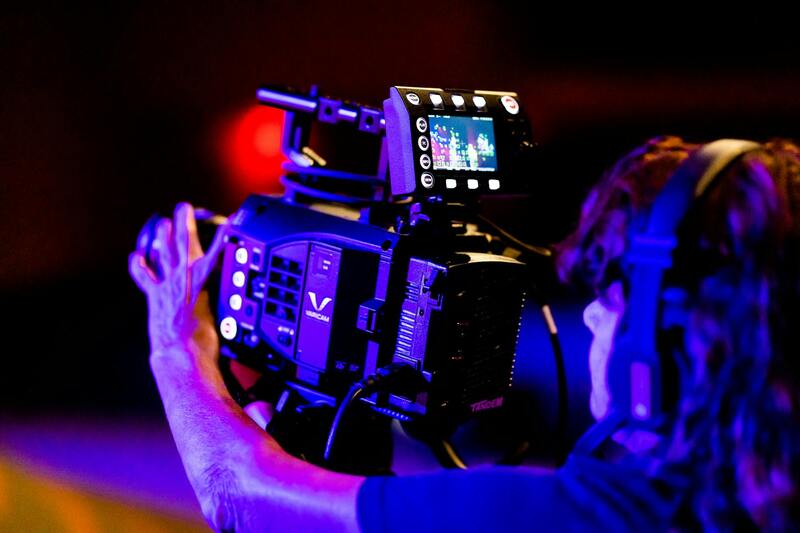
Use of top-tier cameras, audio equipment, and streaming software from reputable vendors enhances broadcast quality. Reliable hardware, including professional-grade encoders and switchers, facilitates smooth switching between camera angles, integration of graphics, and real-time adjustments. All equipment should be regularly maintained and tested prior to the event to avoid technical failures during the live transmission.
Strict Adherence to Standardized Procedures
Maintaining consistency in live broadcasts involves following structured operational protocols. This includes verifying equipment compatibility, establishing clear communication channels among technical staff, and documenting streaming workflows. Routine audits of procedures and ongoing staff training contribute to the delivery of broadcast content that meets industry standards.
Ensuring Security and Data Privacy
Although not explicitly labeled as legal requirements, protecting the broadcast from unauthorized access or cyber threats is vital. Secure streaming channels with end-to-end encryption, password-protected streaming links, andmonitoring tools help safeguard content integrity. These measures maintain audience trust and uphold the reputation of the event and organizers.
Monitoring and Quality Control
Real-time analytics and monitoring tools are integrated into legitimate live broadcasting setups to track stream stability, viewer engagement, and technical performance. Immediate troubleshooting capabilities allow technical teams to address issues promptly, delivering a glitch-free experience for viewers regardless of geographic location.
Collaborating with Certified Live Broadcast Providers
Partnering with reputable Miami-based live broadcasting service providers ensures access to professional expertise, advanced technology, and personalized solutions tailored to specific event requirements. These providers help orchestrate every phase of the live stream, from pre-event planning to post-broadcast analysis, ensuring the delivery of a polished, high-quality live experience to audiences.