Understanding Video Production Live Streaming
Live streaming in video production refers to the real-time broadcast of multimedia content over the internet, enabling audiences to experience events as they happen, regardless of their geographic location. This technology has fundamentally transformed the way organizations and individuals share content, offering immediate engagement and broad accessibility. As an essential component of modern digital communication, live streaming allows for seamless coverage of various events, including conferences, concerts, sports, corporate meetings, and community gatherings.
Implementing a successful live stream requires meticulous planning and advanced technology to ensure high-quality audio and visual delivery. The importance of live streaming extends beyond instant broadcasting; it fosters increased interaction with viewers through comments, Q&A sessions, and social media integration, creating a dynamic virtual environment. For event organizers and content creators aiming to maximize reach and engagement, understanding the core elements of live streaming in video production is crucial.
In addition to expanding audience reach, live streaming provides valuable analytics and data insights, allowing content providers to tailor future broadcasts for maximum impact. Proper execution of live streaming demands a combination of sophisticated technology, strategic planning, and skilled personnel to produce content that is both visually appealing and technically sound. With the rapid evolution of internet bandwidth and streaming platforms, the potential for engaging live video content continues to grow exponentially, making it a vital feature of contemporary digital presence.

Legal and Official Methods for Video Production Live Streaming
Executing a professional live stream requires adhering to established methods that ensure quality, compliance, and security. Selecting reputable streaming platforms and infrastructure is fundamental. Practitioners typically utilize well-known platforms such as YouTube Live, Facebook Live, or Vimeo Live, which are equipped with robust security protocols, extensive bandwidth support, and reliable delivery systems. These platforms also offer integrated analytics and audience engagement tools, enhancing the overall streaming experience. To guarantee high-performance delivery, broadcasters often leverage content delivery networks (CDNs) that distribute streams across geographically dispersed servers, reducing latency and buffering.
Beyond platform selection, the integrity of the live stream depends on the use of certified and high-quality hardware and software. Video production companies often employ dedicated encoders, such as those from industry leaders, that comply with ITU, H.264, or H.265 standards. These devices convert raw camera footage into streams optimized for online delivery, maintaining clarity and stability. Additionally, software solutions like Wirecast or vMix facilitate real-time production, including switching between camera feeds, overlay incorporation, and audio mixing, all within legitimate licensing and support structures.
Technical infrastructure also involves secure internet connections with sufficient bandwidth, preferably through dedicated fiber optic lines or bonded internet solutions. These configurations help prevent disruptions, especially during high-profile events. Redundant systems and backup power supplies are standard practices, safeguarding against outages and ensuring continuous transmission. Compliance with industry standards not only preserves stream quality but also guarantees data security, preventing unauthorized access or tampering.
Furthermore, content rights management is a critical component. Broadcasters must ensure they possess or have licensed the rights to all media included in the stream, including music, video clips, and visual elements. Proper attribution and licensing verification through official channels prevent copyright infringement and uphold professional integrity. These official methods underscore a commitment to lawful broadcasting practices, fostering trust with viewers and stakeholders alike.
- Selection of reputable streaming platforms with enterprise-grade security features.
- Utilization of certified hardware and encoding solutions conforming to industry standards.
- Implementation of dedicated internet connections and redundant systems for uninterrupted delivery.
- Adherence to content rights and licensing requirements to protect intellectual property.
- Compliance with data protection regulations and platform-specific community guidelines.
Key Equipment and Technology for Live Streaming
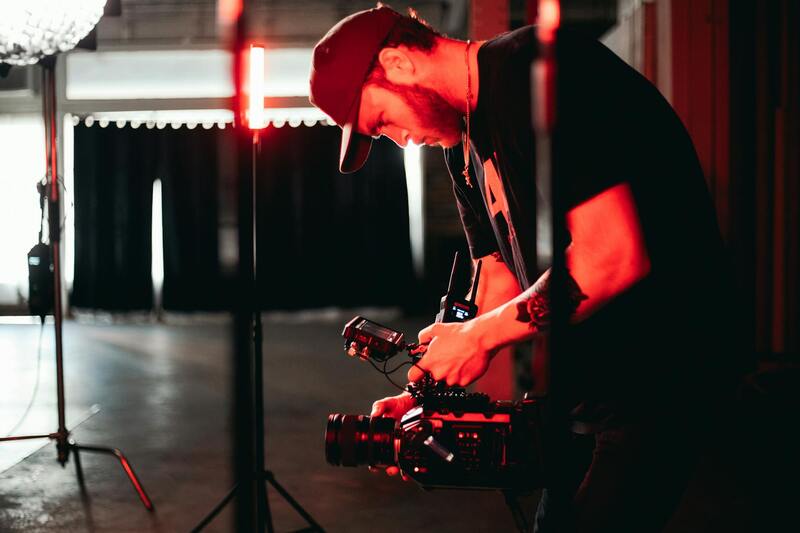
Effective live streaming hinges on the deployment of high-quality, reliable equipment that ensures a seamless viewer experience. Central components include professional-grade cameras capable of capturing high-definition footage, even in challenging lighting conditions. These cameras should ideally support multiple video outputs and have remote control capabilities to facilitate dynamic framing and focus adjustments during broadcasts.
Complementing high-end cameras are robust encoding solutions. Hardware encoders convert raw video signals into compressed streams suitable for transmission over the internet. They provide superior stability and lower latency compared to software-based encoders, making them indispensable for live events where timing is critical. Advanced encoding devices often offer features like multi-bitrate streaming, enabling adaptive streaming based on viewers' internet speeds, thereby reducing buffering and improving overall quality.
Reliable streaming requires a dedicated, high-bandwidth internet connection—preferably utilizing fiber optic technology or bonded internet solutions that aggregate multiple connections for increased bandwidth and redundancy. These configurations prevent interruptions caused by network congestion or outages, particularly during significant events with large audiences. Multiple internet sources should be tested and configured to switch seamlessly if primary connections fail, ensuring uninterrupted transmission.
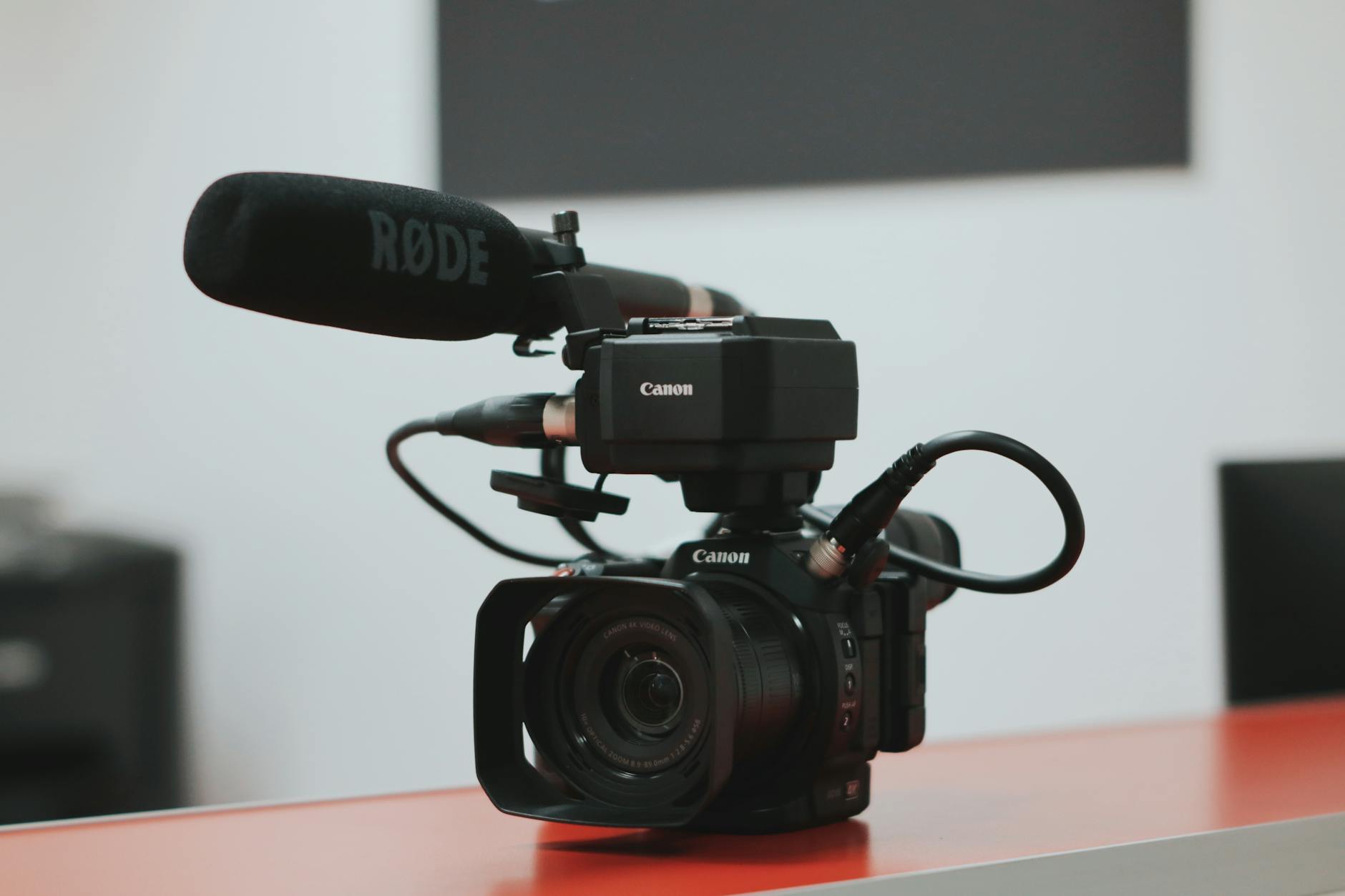
Audio quality plays a crucial role in viewer engagement. Professional microphones, audio mixers, and soundboards allow for clear, balanced sound that complements the visual content. Post-production audio processing tools can also be integrated to eliminate background noise and enhance clarity in real-time.
Additional essential technology includes live switchers and video mixers, which enable the seamless transition between multiple camera feeds, graphics, and pre-recorded content. These tools contribute to a polished broadcast aesthetic, reinforcing professional standards. Simultaneously, overlay graphics, lower thirds, and branding elements enhance viewer engagement and ensure consistent visual identity throughout the stream.
It is equally important to utilize secure and monitored networks during the broadcast. Employing firewall protections, VPNs, and encrypted data channels maintains the integrity of the stream and safeguards against hacking or unauthorized access. Certifications for hardware and adherence to industry standards for streaming equipment reassure stakeholders of the broadcast’s reliability and security.
Ensuring that all software used aligns with current cybersecurity best practices minimizes vulnerabilities. Additionally, rigorous testing prior to the event helps identify potential issues, allowing for adjustments that guarantee a trouble-free live stream. When selecting platforms and hardware, prioritizing features like scalability, additional security layers, and technical support ensures the live stream can adapt and endure unforeseen circumstances, maintaining professional broadcast quality without interruption.
Production Setup and Execution
Proper on-site setup is essential to a successful live streaming event, requiring meticulous planning and coordination. The physical arrangement of equipment, location of cameras, and positioning of audio hardware need to be optimized to capture the best angles and sound quality. This involves selecting appropriate camera mounts, lighting, and ensuring clear visibility of presenters, speakers, or performers. A well-organized setup minimizes technical issues during the broadcast, facilitating a smooth execution.
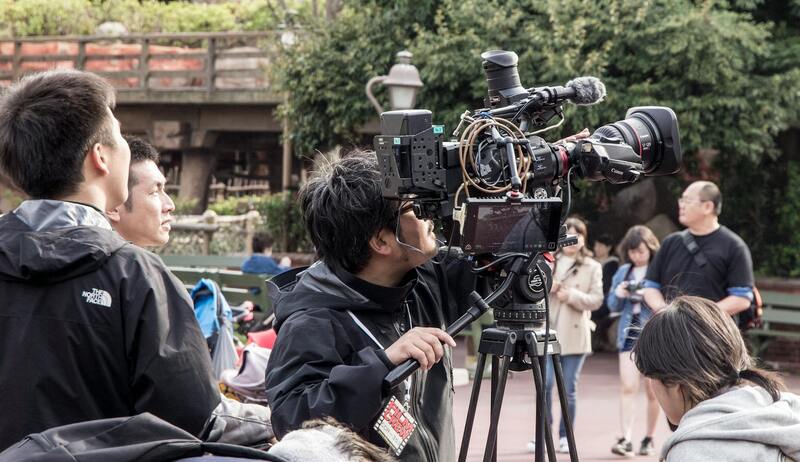
Camera operation is a critical element in maintaining viewer engagement. Skilled operators control framing, focus, zoom, and movement, ensuring high-quality visuals that align with the event’s tone. Utilizing multiple cameras allows for dynamic shots, including wide angles, close-ups, and cutaways, which keep the broadcast visually interesting. Modern live streaming setups often employ robotic or PTZ (pan-tilt-zoom) cameras, enabling remote control and seamless shot transitions, reducing the need for extra personnel on-site.
Directed personnel coordinate the overall flow of the broadcast, communicating with camera operators, audio technicians, and technical staff. A dedicated director oversees scene transitions, graphics, and timing, ensuring the stream adheres to the event’s schedule. Clear communication protocols are crucial to respond swiftly to unforeseen circumstances or technical glitches, preserving broadcast continuity.
Audio management is equally vital; high-quality microphones, mixers, and monitoring equipment ensure that sound remains clear and balanced throughout the event. Wireless microphones, lapels, and boom mics are commonly used, with audio feed routed through professional mixers to balance levels and eliminate unwanted noise. Proper cabling and wireless systems minimize interference, and real-time audio monitoring allows for immediate adjustments.
Ensuring reliable live transmission hinges on a combination of robust internet connectivity and backup systems. Redundant internet connections—such as primary wired networks complemented by LTE or 5G backup—are standard practices to prevent disruptions. Network configurations include quality-of-service (QoS) settings to prioritize streaming traffic, while firewalls and VPNs safeguard data integrity. Additionally, hardware redundancies like backup encoders and power supplies further secure the broadcast against equipment failures.
Pre-broadcast checks, including testing all connections, verifying hardware functionality, and rehearsing the event flow, are mandatory to identify and resolve potential issues beforehand. This process ensures that during the actual live stream, all components work harmoniously, and the event runs without unexpected interruptions.
Production Setup and Execution
Executing a high-quality live stream requires meticulous setup and coordination across multiple technical domains to ensure seamless delivery to viewers. The process begins with a comprehensive on-site hardware configuration and testing phase, where all equipment—including cameras, audio gear, streaming encoders, and network connections—is thoroughly checked. It is essential to verify compatibility among devices and confirm that all software interfaces are functioning correctly before the event goes live. Skilled technical personnel should oversee this phase, conducting rehearsals that replicate the actual streaming scenario to identify potential issues early.
During production, a multi-camera arrangement is often employed to provide varied angles that enhance viewer engagement. Professional camera systems—such as PTZ (pan-tilt-zoom) cameras or high-definition broadcast cameras—are integrated into live switches powered by production switchers. These switchers facilitate real-time transitions between camera feeds, graphics, and pre-recorded content, creating a polished viewing experience.
Audio management remains critical, with specialized microphones capturing clear sound from all event sources. Wireless lavalier mics are ideal for speakers or performers, while ambient microphones capture audience reactions or environmental sounds as needed. Audio signals are routed through digital mixers that provide real-time balancing and equalization, avoiding audio dropouts or feedback issues. Ensuring accurate audio synchronization with video feeds is vital for professional-grade production.
Concurrent with hardware setup, a dedicated streaming encoder translates the camera and audio inputs into a digital stream compatible with chosen delivery platforms. Hardware encoders or software solutions like live streaming software (encoding programs) are configured with appropriate bitrate and resolution settings to deliver optimal quality based on available bandwidth. Testing these configurations prior to the event guarantees that encoding operates smoothly under live conditions.
Network reliability remains a cornerstone of successful live transmission. Utilizing wired Ethernet connections with dedicated bandwidth ensures stability, while secondary backup connections—such as LTE or 5G digital modems—provide fail-safes that automatically activate if primary internet access is lost. Configuring Quality of Service (QoS) settings prioritizes streaming data to minimize lag or buffering, while firewalls and VPNs are employed to secure data transmission against interference or unauthorized access.
The execution of the live event involves continuous monitoring of equipment and connections. Skilled operators oversee the production switcher, audio feeds, and internet status, ready to make real-time adjustments. For instance, if a camera feed drops or audio levels fluctuate, technicians can swiftly switch to backup sources or adjust gain settings. This proactive oversight is crucial for maintaining a professional broadcast quality throughout the event.
Furthermore, visual graphics, titles, and overlays can be integrated dynamically during transmission to enhance the viewer experience and communicate essential information. These elements are pre-designed but layered live by the production team to keep viewers informed and engaged.
Overall, the success of a live streaming event hinges on the seamless interaction of hardware setup, reliable internet connectivity, comprehensive testing, and real-time technical intervention. A well-orchestrated production process ensures that the live content is delivered with clarity, stability, and professionalism, leaving a lasting impression on the audience and fulfilling event objectives effectively.
Understanding Video Production Live Streaming
Video production live streaming involves the transmission of real-time video content to an audience via the internet. This process demands meticulous planning and execution to ensure a seamless experience for viewers. It encompasses everything from capturing high-quality footage, managing multiple camera angles, and audio sources, to encoding, broadcasting, and monitoring the stream throughout the event. The goal is to deliver a professional, uninterrupted viewing experience that engages the audience and effectively communicates the intended message or showcase.
Key Equipment and Technology for Live Streaming
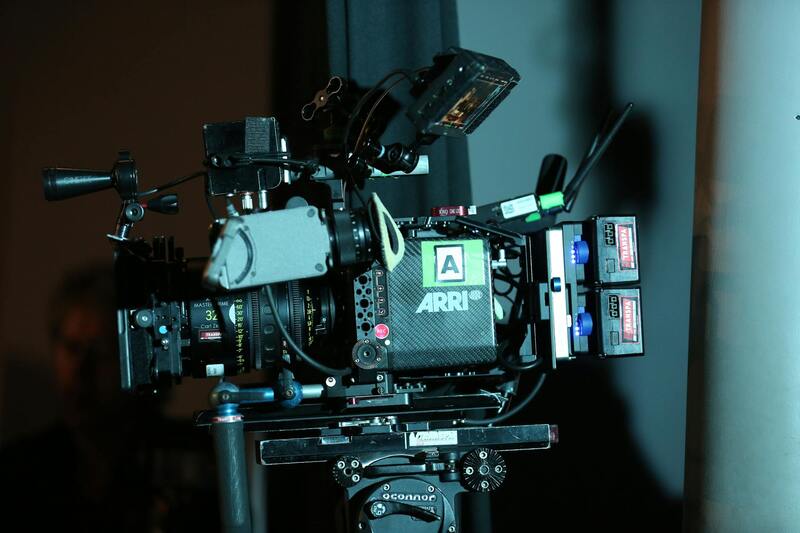
Achieving a polished live stream depends heavily on the right mix of hardware and software. High-definition cameras serve as the foundation for crisp visual content, with professional-grade switchers allowing operators to seamlessly transition between different camera feeds. For audio, high-quality microphones and sound mixing consoles are essential to deliver clear, balanced sound. An encoder, whether hardware or software-based, compresses the video feed for transmission, ensuring it conforms to platform specifications and bandwidth limitations.
- High-definition cameras for sharp visuals
- Video switchers for dynamic scene changes
- Professional microphones and audio mixers
- Reliable encoding hardware or software
- Robust internet connection with sufficient upload speed
Pre-Production Planning and Coordination
Effective live streaming begins well before the event goes live. Pre-production involves detailed planning, including content scripting, shot list creation, and establishing a comprehensive production schedule. Coordination among camera operators, sound technicians, and technical directors ensures everyone is aligned on cues and responsibilities. Testing all equipment and internet connections prior to the event is critical, as it minimizes the likelihood of technical issues during live transmission. Creating backup plans and redundant systems for internet connectivity and key hardware components is equally vital to ensure uninterrupted streaming. Additionally, obtaining graphics templates, overlays, and branding elements beforehand helps to maintain a professional appearance during the event.
Production Setup and Execution
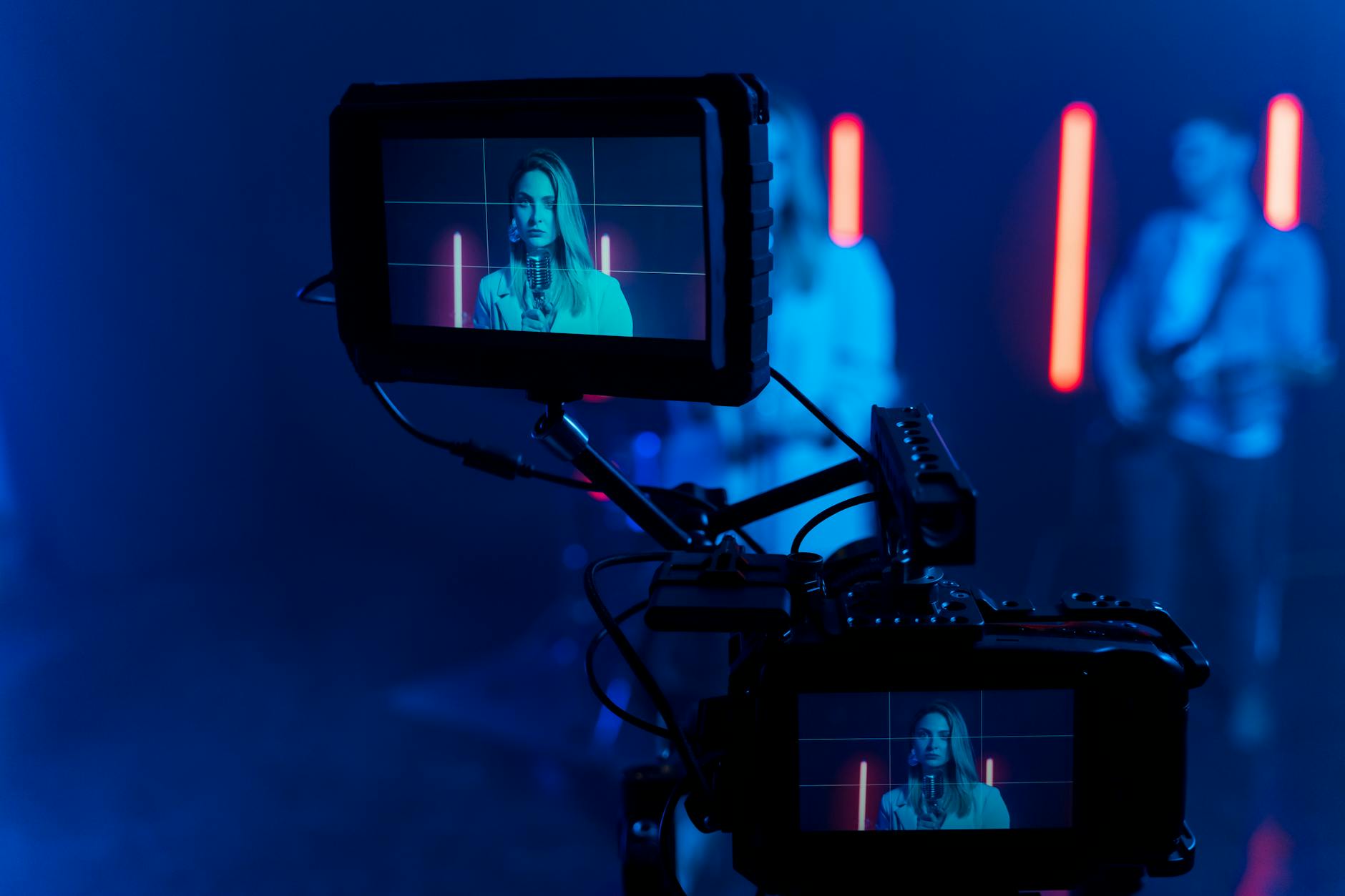
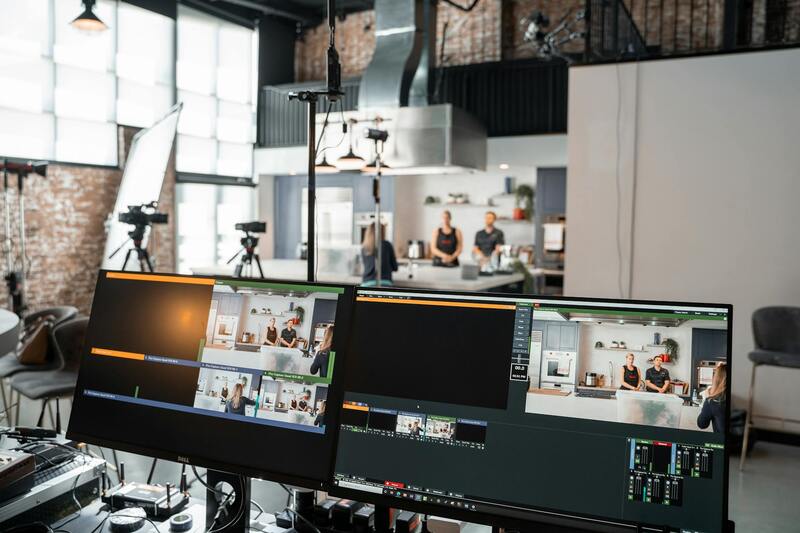
During the live stream, the production team manages multiple tasks to maintain broadcast quality. Cameras are operated by skilled personnel following the predetermined shot list, while the director oversees the switching between feeds in real time. Audio levels are monitored continuously, with adjustments made as needed to prevent distortion or imbalance. The internet connection must be monitored for stability, with backup options activated if disruptions are detected. Visual elements, such as titles and overlays, are dynamically added to enhance viewer engagement and provide relevant information. A dedicated control room with multiple monitors and a team of technical operators ensures all elements come together smoothly, enabling a professional and engaging broadcast.
Streaming Platforms and Delivery Methods
Choosing the appropriate streaming platform and delivery method is crucial to reaching the target audience effectively. Popular platforms offer different advantages, from wide accessibility to specific features for engagement and monetization. These include live streaming services integrated with social media platforms or dedicated streaming platforms designed for high-quality broadcasts, such as Vimeo Live or YouTube Live. Delivery methods can range from simple direct streams to adaptive bitrate streaming, which dynamically adjusts video quality based on viewers' internet speeds. Proper configuration of stream settings, including resolution, bitrate, and encoding options, enhances the viewer experience. Multiple streams can also be combined with additional content layers, such as subtitles or real-time graphics, to enrich the broadcast. For larger events or corporate livestreams, content delivery networks (CDNs) are often used to distribute the stream efficiently across a broad geographic area, minimizing latency and buffering issues.
Understanding Video Production Live Streaming
Video production live streaming involves the process of broadcasting real-time video content over the internet to a dispersed audience. This method has become increasingly vital for events such as conferences, concerts, corporate meetings, and social gatherings, where engaging a remote audience with high-quality visual and auditory experience is essential. Successfully executing a live stream requires meticulous planning, sophisticated equipment, and a clear understanding of the technical processes involved to ensure a seamless broadcast span.
The core advantage of live streaming in video production lies in its ability to reach a broad and diverse audience instantly while maintaining the immediacy and authenticity of live events. It enables viewers to participate remotely, fostering interactive engagement and expanding the reach beyond physical limitations. Moreover, the dynamic nature of live broadcasting allows for real-time updates, audience interactions through chat or social media integration, and immediate feedback mechanisms that can enhance viewer experience and event impact.
High-caliber live streaming also demands strategic content management. This includes setting up multiple camera angles, deploying professional audio sources, and integrating graphics or overlays to provide contextual information or branding. The entire process revolves around delivering a reliable and immersive viewing experience, which is achievable through proper technical setup and refined execution. As technology continues to evolve, tools for live streaming become more sophisticated, offering enhanced stability, better quality, and interactive features that elevate the professionalism of video production live streaming.
Key Equipment and Technology for Live Streaming
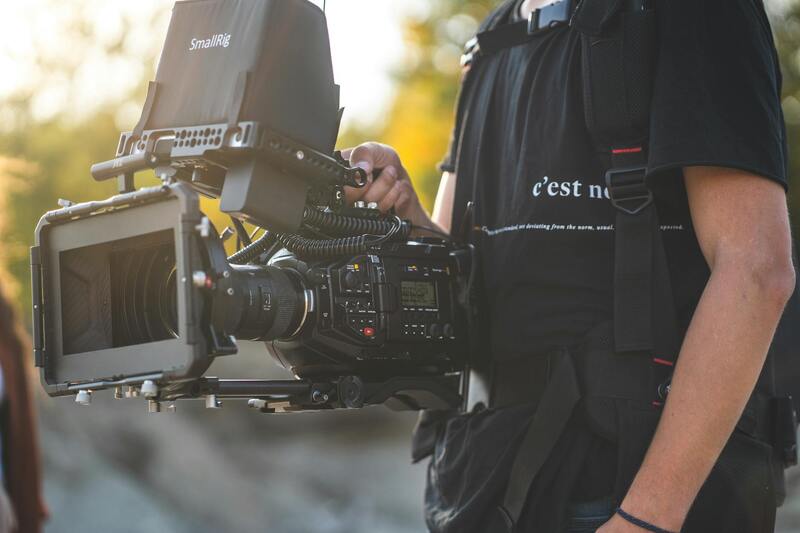
To achieve professional-grade live streams, specific equipment and technology are mandatory. Essential components include high-definition cameras capable of capturing crisp visuals from multiple angles, professional audio devices such as wireless microphones and audio mixers to ensure clear sound, and powerful encoders that convert live feed into streamable formats. Encoders can be hardware-based or software-based, with each offering distinct advantages depending on the scale of the event and operational preferences.
Reliable internet connectivity is the backbone of any successful live streaming setup. Fiber-optic connections are highly recommended for their stability and high bandwidth, reducing the risk of interruptions. For larger events, redundant internet links or bonded connections are often employed to provide backup in case of primary connection failures.
Additional equipment includes lighting systems to enhance visual clarity, teleprompters for on-camera talent, and monitors for real-time feedback and monitoring. Integration accessories, such as switchers for live camera feed blending and graphics servers for overlays, enable a polished broadcast that meets professional standards. It’s equally important to utilize state-of-the-art streaming software in conjunction with hardware encoders to manage the live feed efficiently, control transitions, and add visual enhancements dynamically during transmission.
Pre-Production Planning and Coordination
Pre-production planning is critical in ensuring a smooth live streaming experience. This phase involves detailed scheduling, technical rehearsals, and coordination among various teams. Establishing a comprehensive run-of-show helps identify key moments to be captured, camera placements, and graphical overlays, all aligned with the event’s objectives.
Effective communication with stakeholders, including presenters, technical staff, and production coordinators, ensures synchronized efforts during the broadcast. Content rehearsals allow teams to troubleshoot issues, test equipment, and refine camera angles, audio levels, and graphics integrations. These preparations minimize unforeseen challenges during the live event and contribute to a cohesive presentation.
Logistical considerations, such as power supplies, backup equipment, and internet bandwidth, are also addressed during this phase. Additionally, content rights, branding guidelines, and compliance requirements are reviewed to maintain a professional and consistent broadcast.
Ensuring Legal and Secure Live Streaming Practices
Executing a successful live streaming event requires adherence to official protocols and industry standards that guarantee a high-quality, reliable broadcast. Strictly following legitimate methods involves utilizing certified hardware, established platforms, and verified workflows to ensure data integrity and viewer satisfaction. It also incorporates proper infrastructure checks, such as secure internet connections, backed-up power supplies, and robust encoding solutions, to prevent interruptions and maintain seamless continuity during live transmission.
Adopting standardized encoding protocols and streaming formats, such as RTMP (Real-Time Messaging Protocol) or HLS (HTTP Live Streaming), contributes to a stable transmission that works smoothly across diverse devices and networks. These methods are supported by renowned streaming service providers that comply with interoperability standards, enhancing reliability and scalability for any event size. Employing encrypted streaming channels and secure login credentials protects content from unauthorized access, safeguarding intellectual property and respecting rights management guidelines.
In addition, collaborating with certified technology vendors and service providers ensures adherence to industry best practices. These entities employ updated firmware, certified streaming hardware, and tested software solutions, minimizing technical vulnerabilities. Maintaining detailed documentation of the streaming setup and configurations facilitates troubleshooting and audit processes, which is crucial when verifying the quality and integrity of live broadcasts.
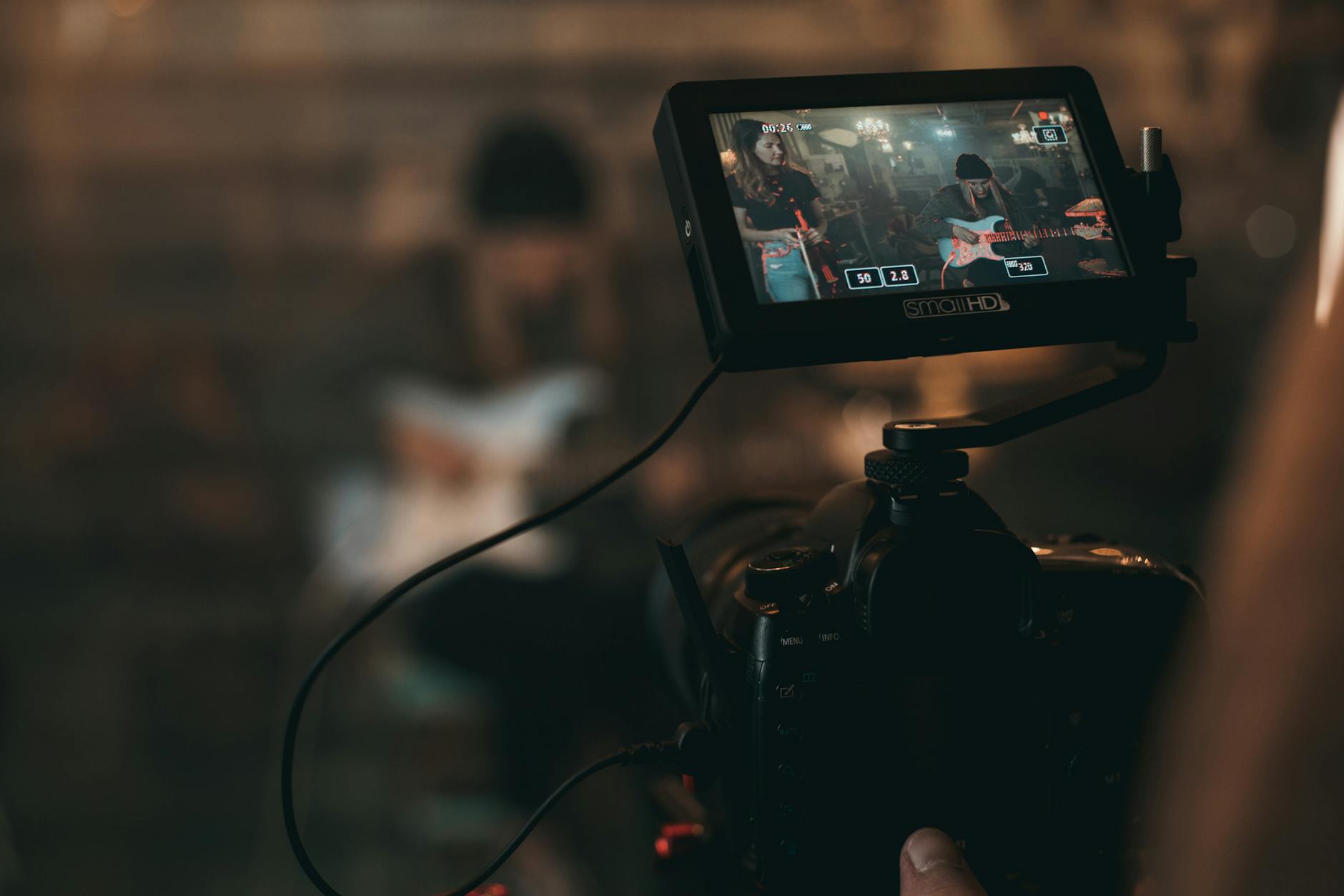
Furthermore, it is essential to comply with event-specific licensing requirements, follow content distribution rights, and obtain necessary permissions for broadcast. This ensures that all streaming activities align with local regulations and contractual agreements, providing legal clarity and protecting both the event organizers and the streaming service team.
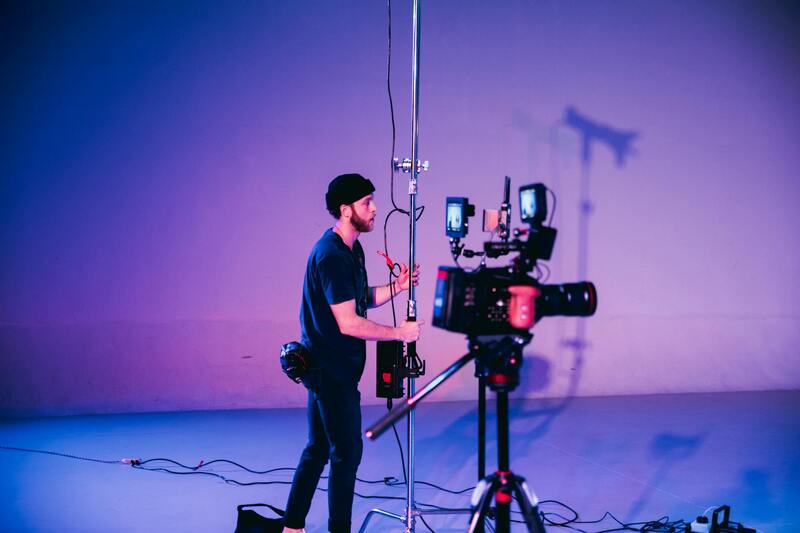
By rigorously implementing these official practices and maintaining a meticulous approach to setup and execution, live streaming events can be delivered with exceptional quality, minimal risk, and lasting content security. This meticulous attention to legitimate operational standards guarantees a professional presentation that builds trust with audiences while preserving the event’s integrity and rights management.