Understanding Livestreaming Production Services
Livestreaming production services encompass a comprehensive suite of technological and creative solutions designed to broadcast live events over the internet with high quality and reliability. These services are integral to extending the reach of events such as corporate conferences, concerts, weddings, and sporting events, enabling audiences to engage in real-time from any location. The core components of professional livestreaming include meticulous video capture, seamless switching between multiple camera angles, advanced encoding methods, and efficient content distribution channels. Each phase requires specialized equipment and expert oversight to ensure a smooth, high-definition viewing experience for the audience.
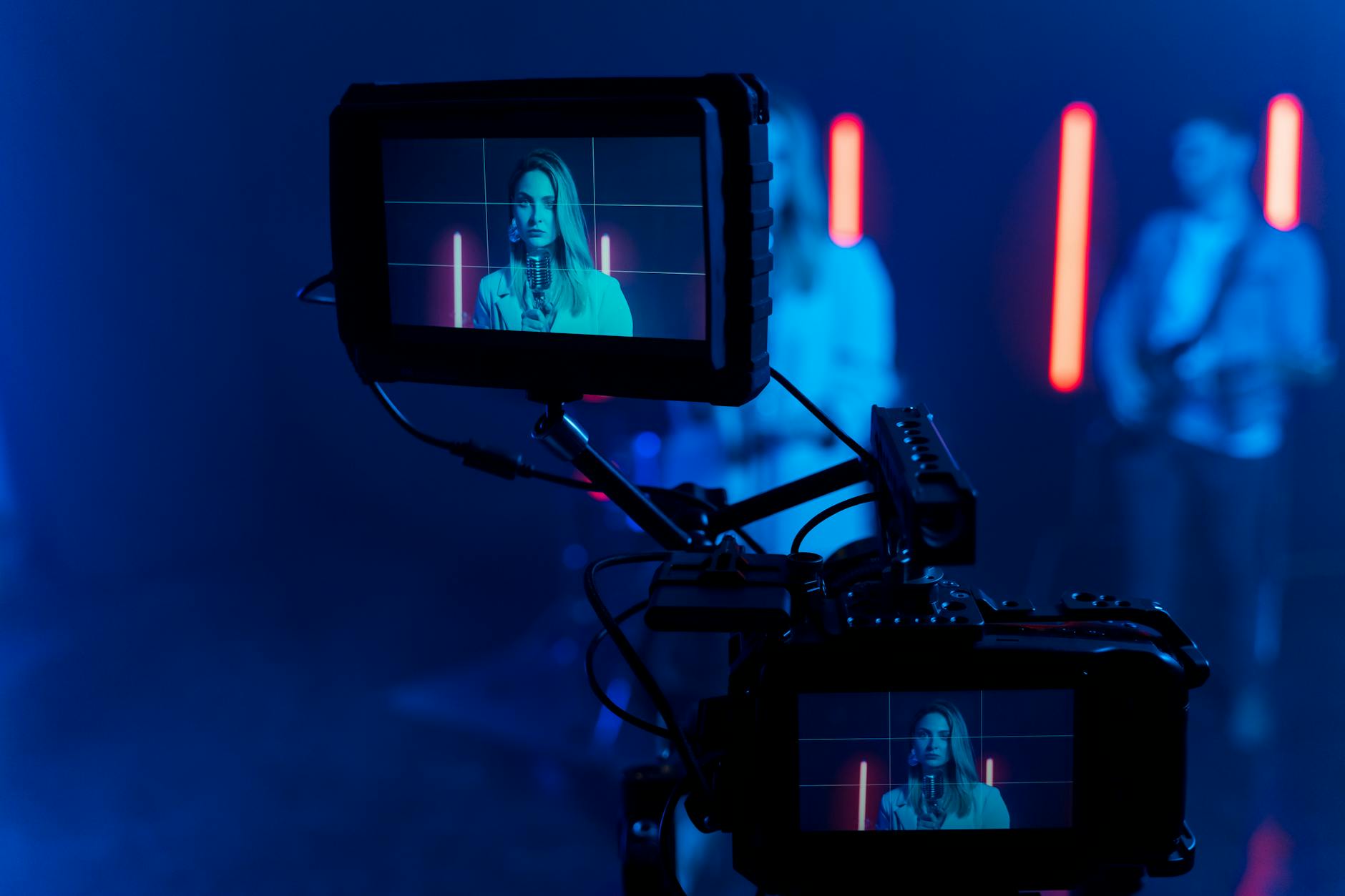
Modern livestreaming involves a multi-layered workflow. First, live video feeds are captured using professional-grade cameras, which deliver crisp visuals even in dynamic lighting conditions. These feeds are then processed through video switchers that allow producers to alternate between different camera sources, incorporate graphics or overlays, and add video effects. The processed signals are then encoded using specialized hardware or software encoders, compressing the video content into a format suitable for internet transmission. The encoded data is subsequently distributed via Content Delivery Networks (CDNs) or dedicated streaming platforms, ensuring minimal latency and maximum accessibility for viewers regardless of their location.
The Role of Key Components in Livestreaming Infrastructure
- Video Capture Devices: High-definition cameras, webcams, and mobile devices capable of delivering clear visuals in various scenarios.
- Video Switchers: Hardware or software tools that facilitate real-time switching, adding effects, and managing multiple video sources.
- Encoding Solutions: Hardware encoders or software-based platforms that convert raw footage into streamed content optimized for internet delivery.
- Distribution Networks: Infrastructure that transmits the live feed reliably to online platforms and viewers worldwide.
Choosing the appropriate combination of equipment and technology significantly impacts the quality and stability of the live stream. Therefore, expert management and tailored solutions are vital for achieving desired broadcast standards and audience engagement levels.
Key Equipment and Technologies Used
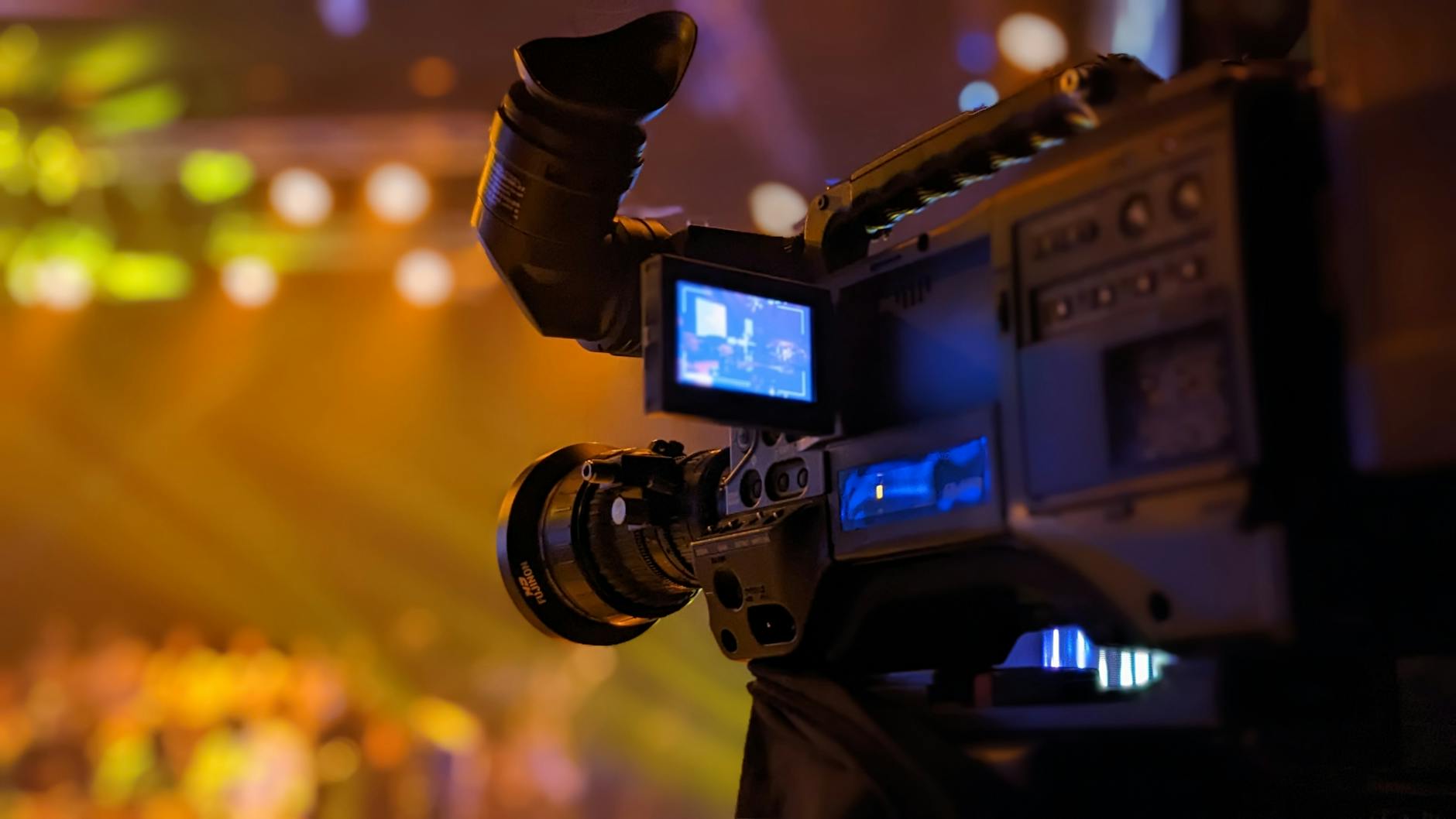
Delivering seamless and professional livestreams hinges on deploying the right set of equipment and leveraging advanced technologies. The foundation of a high-quality live broadcast starts with the selection of dependable video capture devices. These include professional-grade cameras capable of shooting in high definition, ensuring crisp visuals even in challenging lighting conditions. Webcams and mobile devices also find their place in less complex setups, providing flexibility for smaller or more informal events.
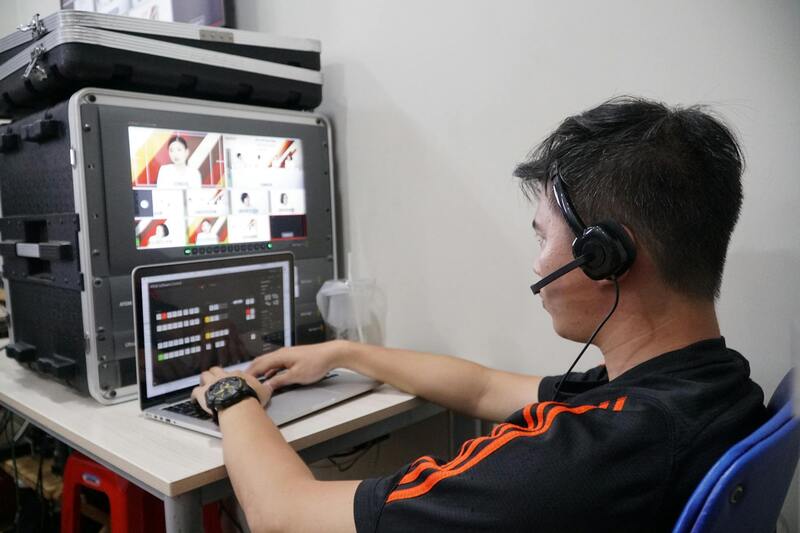
Video switchers serve as crucial control points, allowing a producer to seamlessly transition between multiple video sources. These can be physical hardware panels or sophisticated software platforms that provide added versatility, such as real-time effects and overlays. Incorporating graphics and branding elements contributes to a polished presentation, making the livestream more engaging and visually appealing.
Encoding solutions are equally vital, transforming raw video signals into compressed streams suitable for online transmission. Hardware encoders offer robust and reliable performance, especially for larger events, while software encoders provide greater flexibility and lower costs for smaller productions. The choice between hardware and software encoders depends on specific production needs, bandwidth constraints, and scalability considerations.
Reliable distribution networks are essential for getting the live feed to viewers across the globe. Content Delivery Networks (CDNs) distribute the stream efficiently, minimizing latency and buffering issues. Dedicated streaming platforms or custom distribution infrastructure ensure that the broadcast remains accessible and stable, regardless of the audience’s location. During a livestream, these components work in unison, requiring meticulous setup and calibration to prevent technical issues and ensure a smooth viewing experience.

In addition to core video equipment, audio systems play a decisive role in overall broadcast quality. High-quality microphones, mixers, and speakers ensure clear audio, which is as crucial as visuals for viewer engagement. Synchronization between audio and video feeds must be precisely maintained to avoid disjointed viewing experiences.
Furthermore, the importance of scalable and adaptable streaming platforms cannot be overstated. Cloud-based solutions often provide the flexibility needed to scale up or down based on event size, with intuitive control interfaces that enable live editing, overlays, and interactive features. Incorporating technologies like multiple camera feeds, lower thirds, and real-time graphics enhances the production value, making it more professional and immersive for the audience.
Customizing Livestream Solutions for Different Events
Effective livestreaming services are tailored to meet specific event objectives, audience size, and logistical requirements. Small corporate meetings might utilize a simplified setup with fewer cameras and minimal overlays, focusing on clarity and professionalism. Conversely, large concerts or conferences demand elaborate setups, multiple camera angles, dynamic overlays, and comprehensive audio systems to capture all facets of the event.
Customization extends beyond equipment to include software configurations that support interactive features, such as live Q&A, viewer polls, or embedded social media feeds. The choice of streaming platforms also depends on target audiences—public streaming channels, private access, or hybrid solutions offering both options. Regardless of scale, pre-production planning involves detailed studious of technical requirements, venue assessments, and backend infrastructure to ensure that all elements integrate seamlessly.
By understanding these fundamental equipment options and technology integrations, event organizers and production teams can create a customized streaming solution that aligns with their goals, budget, and audience expectations. Professional consultation and on-site testing are integral to finalizing the technical setup, helping to mitigate potential issues and guarantee a successful broadcast experience.
Understanding Livestreaming Production Services
Livestreaming production services encompass a comprehensive range of technical and logistical solutions designed to transmit live events to audiences via internet platforms. These services involve meticulous planning, advanced equipment deployment, real-time management, and post-event content dissemination. Partnering with experienced providers ensures that every aspect of the broadcast aligns with the event’s objectives, ensuring high-quality delivery and audience engagement. From small-scale corporate webinars to large-scale festivals, professional livestreaming services adapt their strategies to match event size, scope, and viewer expectations, delivering seamless and impactful live content.
Key Aspects of Livestreaming Production Services
Successful livestreaming hinges on several core components, including robust pre-production planning, cutting-edge technology integration, and expert on-site execution. This multi-step process starts well before the event begins, with detailed consultations to understand the desired outcome, audience engagement goals, and specific technical requirements. During pre-production, team members select appropriate equipment configurations, create detailed production schedules, and coordinate with venue staff to address logistical considerations. This phase also involves testing internet connectivity, audio and video quality, and streaming platform compatibility to minimize disruptions during the live event.
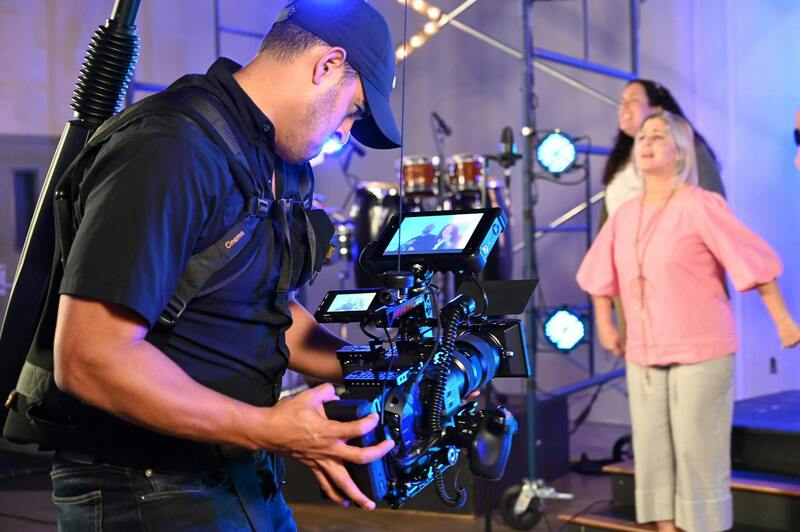
On the day of the event, the production team manages the live operation, which involves camera switching, audio mixing, graphical overlays, and any interactive features such as viewer polls or Q&A sessions. A dedicated technical director oversees the broadcast flow, ensuring smooth transitions and real-time adjustments as needed. Close collaboration among camera operators, sound engineers, and directors guarantees that the visual and audio feeds are synchronized and resilient to potential issues.
Post-Production and Content Delivery
Following the live event, post-production services facilitate content editing, clipping, and distribution. Event organizers often repurpose the recorded footage for marketing, training, or archival purposes. Delivery methods vary, including on-demand access, dedicated portal streaming, or social media uploads, tailored to audience access needs. Detailed analytics reports provided after the event help organizers evaluate engagement levels, viewer demographics, and technical performance. These insights inform future livestreams and help refine production strategies for ongoing success.
Effective post-event content management extends the reach and longevity of the event footage, maximizing return on investment and audience engagement across multiple channels.
Advantages of Using Local Miami Livestreaming Providers
Choosing a local Miami-based livestreaming production company offers significant benefits, such as immediate on-site support, familiarity with regional venues, and an understanding of the local event landscape. Proximity enables more thorough site assessments, quicker response times for troubleshooting, and customized service tailored to Miami's unique event environments. Local providers often have established relationships with venues, AV vendors, and community organizations, facilitating smoother coordination and logistical planning. Additionally, working locally can reduce transportation costs and scheduling complexities, ensuring a more streamlined production process.
With Miami’s vibrant event scene, local livestreaming services also bring cultural insights and audience engagement strategies that resonate with regional viewers, enhancing the overall impact of each broadcast.
Pre-Production Planning and Coordination
Effective livestreaming begins well before the event goes live. Detailed pre-production planning is essential to ensure seamless execution. This includes comprehensive consultations with clients to understand the event’s objectives, target audience, and content preferences. Establishing the desired broadcasting platforms—whether social media channels, dedicated websites, or multiple outlets—guides technical setup and resource allocation. Developing a thorough run-of-show timeline, specifying key moments and cue points, prevents missed segments and maintains a steady flow during the live event.
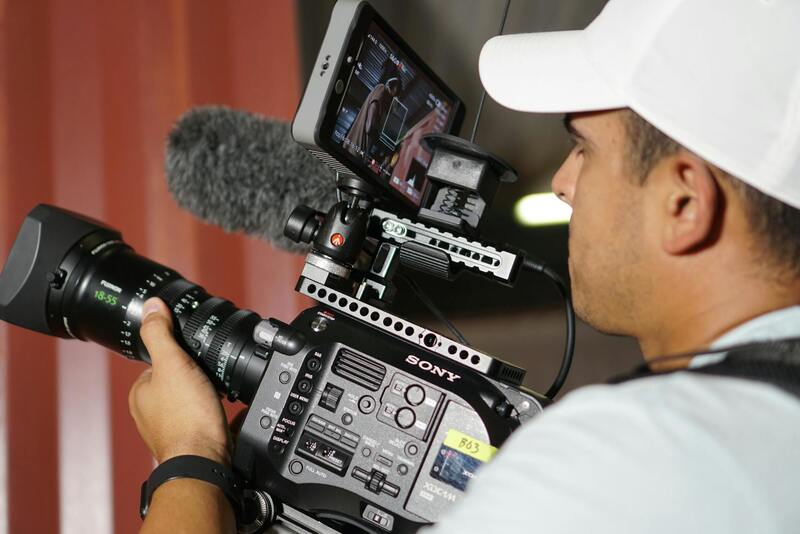
Coordination involves technical rehearsals that simulate the actual broadcast conditions. During these rehearsals, all equipment is tested, and the production team reviews camera angles, audio levels, and graphics. It’s crucial to involve key personnel, including camera operators, audio technicians, and directors, in these sessions to identify and resolve potential issues beforehand. This process not only improves technical preparedness but also helps synchronize communication protocols, ensuring everyone understands their roles during the live stream.
In addition to technical readiness, securing necessary permits, coordinating with venue staff, and establishing a contingency plan for unforeseen circumstances are vital components of pre-production planning. Having backup power sources, redundant streaming links, and test streams ready to deploy minimizes the risk of technical failures. The goal is to create a cohesive strategy that integrates all elements—content, technology, and personnel—to deliver a professional, glitch-free broadcast.
On-Site Live Production Execution
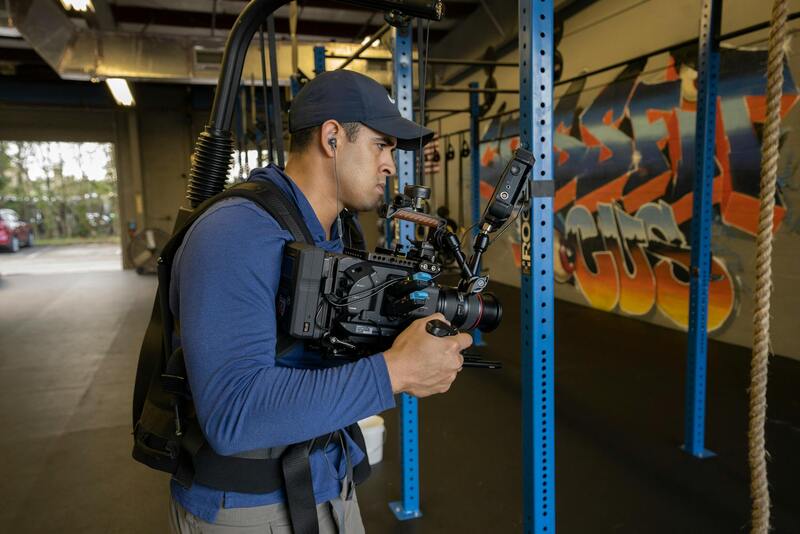
During the event, the production team executes the pre-established plan with agility and precision. Real-time monitoring of audio and video feeds ensures high-quality output, while live switching between camera angles and overlays enhances viewer engagement. Skilled directors and technicians coordinate seamlessly to respond to on-the-fly adjustments, such as changing camera shots or integrating live comments from viewers.
Sound management remains critical during live events. Ensuring clear, balanced audio across all streams requires constant attention to microphone levels, sound mixing, and interference control. Camera operators focus on capturing the most compelling moments, while graphics teams update on-screen visuals to provide context or promote event branding.
Overall, the on-site execution hinges on the meticulous coordination of technical staff, adherence to the run-of-show, and adaptive problem-solving. This ensures a polished, professional experience for viewers, whether they tune in from a smartphone, tablet, or desktop. The efficiency of the live production not only influences viewer satisfaction but also reflects on the credibility of the event organizers and the production service provider.
Post-Production and Content Delivery
Following the live broadcast, the focus shifts to post-production and content management. This phase includes editing the footage, adding graphics or subtitles if necessary, and optimizing the content for various platforms. Delivering high-quality recordings allows organizers to extend the event’s reach beyond live viewers, providing on-demand access to conference sessions, performances, or other key segments.
Publishing the edited content across multiple channels—such as websites, social media, or internal portals—maximizes audience engagement and generates additional impact. Utilizing analytics tools, organizers can assess viewership patterns, engagement metrics, and audience demographics. These insights inform future livestream strategies, helping to tailor content and outreach efforts to better resonate with target audiences.
Efficient content delivery also involves ensuring compatibility across devices and platforms, optimizing streaming formats, and providing accessible options for viewers with disabilities. Maintaining a consistent brand presence through visual elements, logos, and messaging enhances recognition and professionalism. Moreover, storing recordings securely for future use—whether for promotional material, event recaps, or training—adds value to the investment made in high-quality livestream production services.
Understanding Livestreaming Production Services
Livestreaming production services encompass a comprehensive range of technical and creative solutions designed to deliver high-quality live broadcasts for various types of events. These services involve meticulous planning, deployment of advanced equipment, seamless on-site execution, and post-event content management. Their primary objective is to ensure that live content reaches the intended audience efficiently, with clear visuals, crisp audio, and minimal technical disruptions.
Detailed coordination among production teams guarantees that the event’s core message is effectively communicated, whether it's a corporate conference, a music concert, or a community festival. By leveraging off-the-shelf, legitimate streaming methods, operators can deliver a professional experience that enhances audience engagement and supports brand consistency. Professionals tailor these solutions specifically for each event, ensuring optimal streaming quality, reliability, and viewer interaction.
This comprehensive approach begins well before the event, with strategic planning around transmission quality, audience interaction, and platform compatibility. Using verified streaming channels, such as reputable CDN services, ensures a stable broadcast, even when multiple viewers tune in simultaneously. As the event unfolds, these services enable real-time adjustments, monitor stream health, and troubleshoot potential issues promptly, all while maintaining a seamless viewing experience.
Effective livestreaming production services transcend simple broadcasting by integrating elements such as multi-camera setups, live graphics, on-screen overlays, and audience engagement tools. Such technological integrations require adherence to industry standards and proven methods to guarantee audience satisfaction and content integrity.
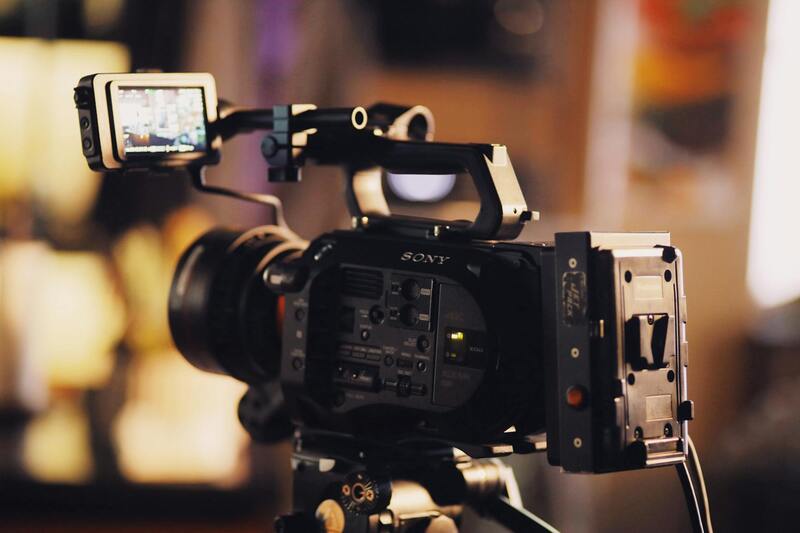
Understanding Livestreaming Production Services
Livestreaming production services encompass a comprehensive suite of technical and creative solutions designed to broadcast live events seamlessly across digital platforms. These services involve meticulous planning, state-of-the-art technology, and expert coordination to ensure a polished viewing experience for audiences, whether they are tuning in from desktop computers, mobile devices, or smart TVs. Providers specialize in creating customized workflows that align with the specific nature and scale of each event, whether it's a corporate conference, music festival, or nonprofit fundraiser. Their goal is to deliver high-quality audio and visual content in real time, capturing the event’s essence while providing interactive features that engage viewers. Leveraging specialized hardware and software, these services support multiple camera feeds, graphic overlays, and real-time data integration, all adhering to proven, legitimate methods that uphold the integrity of the broadcast. This comprehensive approach ensures the event is accessible, visually appealing, and technically robust, fostering audience engagement and enhancing brand visibility.
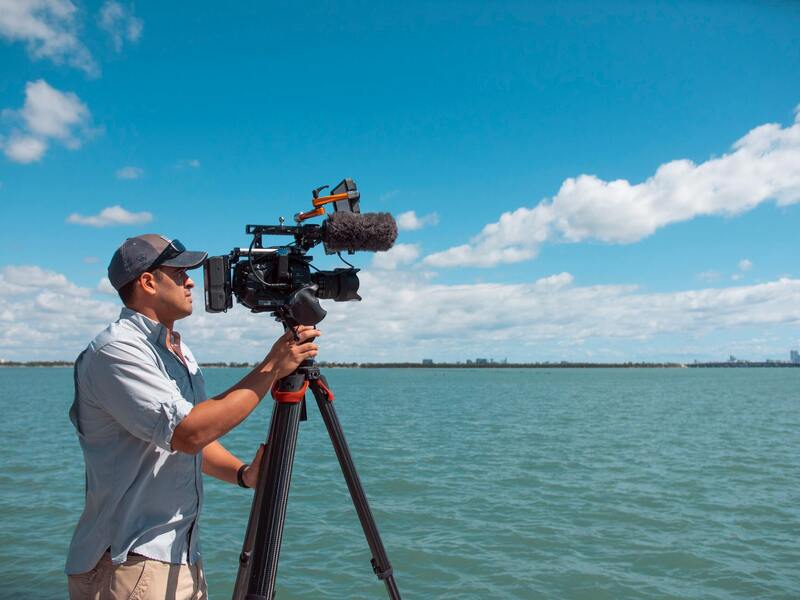
Key Equipment and Technologies Used
Delivering a flawless live stream relies heavily on the integration of reliable, industry-standard equipment and technological systems. Essential hardware includes multiple high-definition cameras, professional audio mixers, encoders, and switchers, which facilitate dynamic switching between camera angles to capture different perspectives. Modern live streaming setups also incorporate hardware and software streaming encoders, which compress and transmit signals securely to streaming platforms. For smooth operation, robust internet connectivity solutions such as bonded internet setups or dedicated fiber connections are critical, minimizing latency and preventing interruptions. Specialized control systems enable technicians to remotely monitor stream health, add real-time graphics, and incorporate audience interaction tools. Additionally, deployment of verified Content Delivery Network (CDN) services guarantees consistent streaming quality, even during spikes in viewer traffic. This combination of equipment and reliable streaming channels is integral to executing professional-grade livestreams, anchored in industry best practices and proven methodologies to ensure technical excellence.
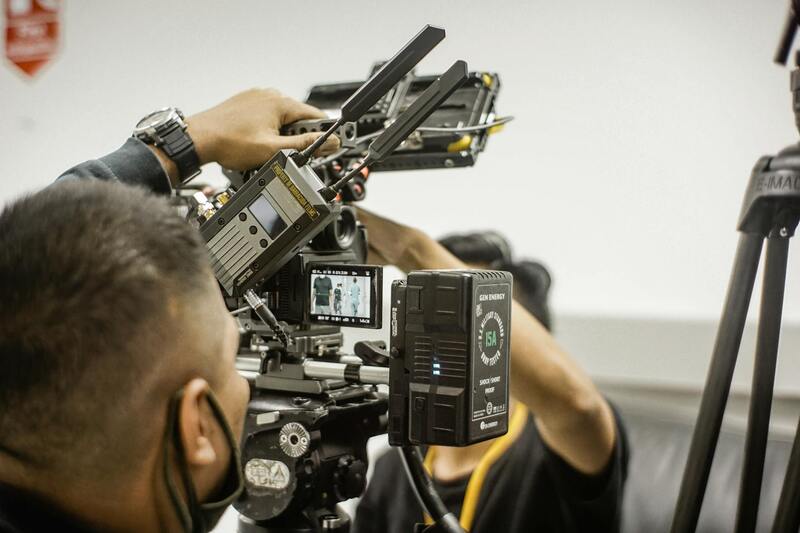
Customizing Livestream Solutions for Different Events
Every event possesses unique characteristics and objectives that demand tailored livestreaming strategies. From large-scale corporate summits to intimate community gatherings, production teams modify their technical approach to align with specific needs. For instance, a multi-day conference might require advanced camera setups with remote control capabilities, separate audio feeds for different speakers, and multiple streaming platforms to maximize reach. Conversely, a live concert may prioritize high-fidelity audio, immersive video angles, and real-time visual effects. Interactive features such as live polls, Q&A sessions, and viewer chat integrations are also customized based on audience engagement goals. Content format considerations—such as broadcasting in 4K resolution or integrating multiple language streams—are determined by the event’s scope and target demographic. These solutions are crafted with proven, legitimate methods to optimize viewer satisfaction and align with the event’s branding and messaging strategies. Properly tailoring livestreaming services ensures that each event maximizes its impact and provides a memorable digital experience.
Pre-Production Planning and Coordination
Effective livestreaming begins long before the event starts, with thorough pre-production planning. This phase involves detailed coordination between event organizers, technical teams, and content creators to establish clear objectives and deliverables. Key activities include site assessments to determine logistical requirements, equipment testing, and establishing reliable internet connections. Content planning encompasses scheduling camera shots, graphics, and scripted segments, ensuring alignment with overall event flow. It also involves selecting appropriate streaming platforms, setting up branding overlays, and creating contingency plans for technical issues. Communication is critical during this stage, with regular check-ins and rehearsals to fine-tune camera angles, audio levels, and visual transitions. Legitimacy and adherence to industry standards are maintained through the use of verified equipment, professional personnel, and tested workflows. This strategic groundwork ensures that the live event unfolds smoothly, minimizing technical hiccups and maximizing audience engagement.
Understanding Livestreaming Production Services
Livestreaming production services encompass a comprehensive range of technical and creative solutions designed to broadcast live events seamlessly over digital platforms. These services involve strategic planning, advanced equipment deployment, real-time video switching, audio management, graphical overlays, and content management to ensure a high-quality viewing experience. Professional livestreaming providers prioritize the alignment of broadcast quality with the event’s goals and branding, employing industry-standard practices to deliver engaging content that resonates with viewers. From corporate conferences and music festivals to nationwide webinars and sports events, tailored solutions are crafted to meet specific requirements, ensuring that every livestream is optimized for viewer engagement and operational efficiency.
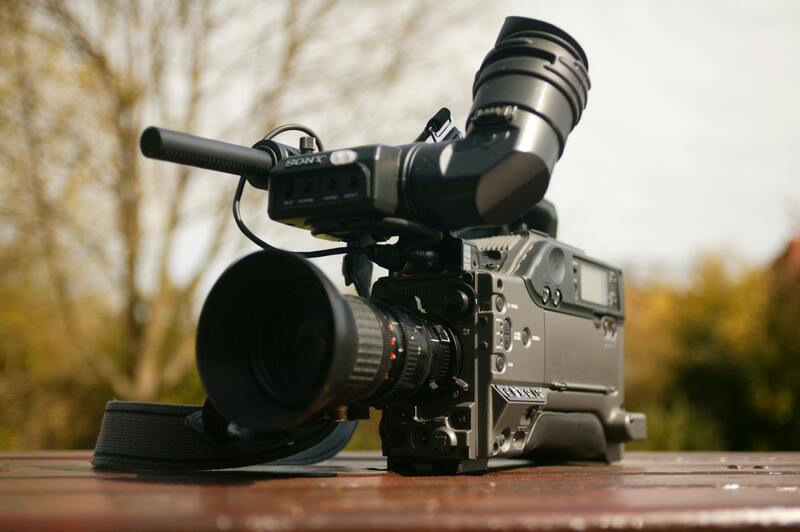
Successful livestreaming is rooted in meticulous planning and execution, involving a detailed understanding of the event’s scope, audience, and desired outcomes. Beyond simple video transmission, professional services integrate multiple camera angles, real-time editing, high-fidelity audio, and branded graphics to enhance the viewer experience. These elements are synchronized seamlessly through industry-leading software and hardware, ensuring minimal latency and crisp visuals. Providers also implement secure streaming protocols and backup systems to guarantee uninterrupted broadcast even in challenging network conditions. Such comprehensive solutions are designed to leverage the latest technology, providing an engaging, reliable, and visually appealing digital event that captures the essence of the physical gathering.
Key Equipment and Technologies Used
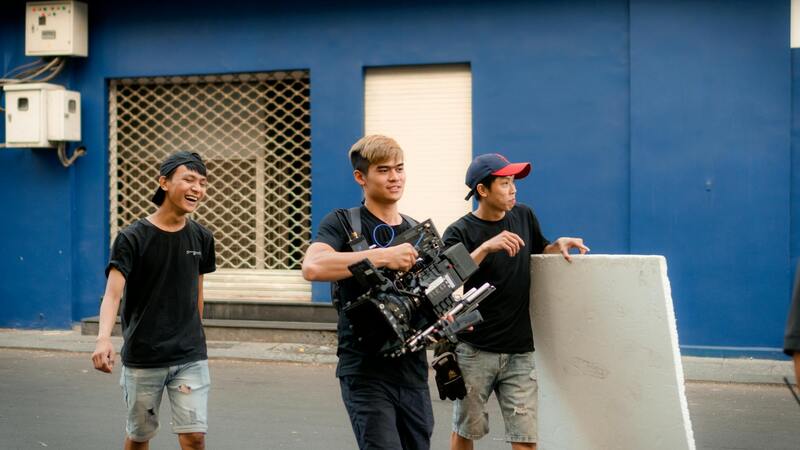
Implementing robust livestreaming production hinges on employing the right equipment and advanced technological tools. High-definition cameras are fundamental, offering crystal-clear visuals capable of capturing every detail of the event. These are often complemented by switchers—devices that allow live editing and seamless transitions between multiple camera feeds, creating a dynamic viewing experience. Audio mixers and wireless microphones ensure high-quality sound, with professional-grade microphones capturing clear speech and music performances without background noise interference.
- Multi-camera setups for various angles and panoramic views.
- Professional audio equipment, including mixers, microphones, and speakers.
- High-speed internet connections with redundant backup to prevent interruptions.
- Broadcast-grade encoders for high-quality stream transmission.
- Graphics overlays and branding elements to reinforce event identity.
- Live switching software for real-time content management.
Customizing Livestream Solutions for Different Events
Every event comes with unique objectives, scale, and audience expectations; thus, customizing livestream solutions is essential. For corporate meetings or webinars, the focus is on clarity, branding, and integration of presentation materials. Musical concerts and cultural events may emphasize immersive visuals, multiple camera angles, and high-fidelity sound to capture atmospheres and performances authentically. Sports events demand fast-paced switching, multiple viewpoints, and real-time graphics to highlight scores and statistics. Similarly, large-scale conferences might require multi-room streaming, interactive features, and coordinated content delivery across various platforms. Tailoring these solutions involves not only selecting appropriate technical setups but also designing content workflows that streamline live operations while providing the flexibility to adapt to unforeseen changes during the event.
Pre-Production Planning and Coordination
Effective livestreaming begins long before the event day, with comprehensive pre-production planning to ensure all technical and creative aspects are aligned. This phase includes evaluating the event site to determine logistical needs and potential challenges, testing all equipment to verify operational readiness, and establishing a reliable internet connection capable of handling the expected data load. Content planning involves scripting, creating shot lists, and scheduling camera shots and graphics to synchronize with the event’s program. Coordination with the event organizers is vital to establish key moments for coverage, identify branding opportunities, and prepare contingency plans in case of technical difficulties. Regular rehearsals facilitate fine-tuning camera angles, audio levels, and visual transitions, promoting a smooth live broadcast. Utilizing verified technology and professional personnel throughout this phase guarantees adherence to high standards, minimizing technical issues during the event and maximizing audience engagement.
Understanding Livestreaming Production Services
Livestreaming production services encompass a comprehensive suite of technical and creative processes designed to broadcast live events to digital audiences effectively. These services involve a team of skilled professionals who orchestrate every aspect of the live broadcast, ensuring a seamless presentation that engages viewers across various platforms. From multi-camera setups, professional audio, and real-time graphics to synchronized content delivery, the goal is to deliver a high-quality viewing experience that captures the essence of the event while integrating branding and interactive elements.
Specialized livestreaming providers utilize advanced hardware and software solutions to manage multiple video and audio feeds, enabling dynamic switching, overlays, and instant replays. They also incorporate data encoding and streaming protocols optimized for minimal latency and buffer-free viewing. Whether it's a corporate conference, music festival, wedding, or sports event, the production team tailors their approach based on the event’s scope, audience size, and desired level of interactivity. An experienced provider ensures that all technical components operate in harmony, providing real-time troubleshooting and live support throughout the event.
Key Equipment and Technologies Used
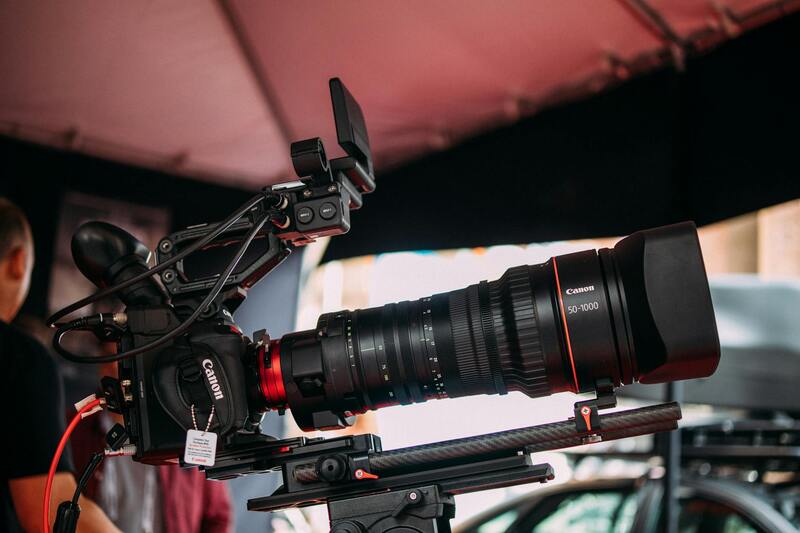
- Broadcast Cameras: High-definition professional cameras with PTZ (pan-tilt-zoom) capabilities allow for flexible coverage and precise shot framing.
- Audio Equipment: Lavalier and shotgun microphones, audio mixers, and wireless systems ensure clear sound quality in diverse environments.
- Video Switchers: Facilitate real-time transitions, overlays, and picture-in-picture displays, creating a polished broadcast flow.
- Encoding Hardware and Software: Devices and programs that compress and transmit video streams efficiently to online platforms, ensuring compatibility with different streaming services.
- Internet Connectivity Solutions: Dedicated high-speed internet connections with backup options to prevent stream disruptions.
- Graphics and Overlay Systems: Customizable graphics, lower thirds, and branding elements enhance the visual appeal and professional look of the broadcast.
- Remote Control and Monitoring Tools: Allow operators to manage various broadcast elements remotely, maintaining quality and consistency during live production.

Customizing Livestream Solutions for Different Events
No two live events are identical, which necessitates the customization of livestreaming approaches to suit specific needs. For corporate events, the focus might be on clear branding integration, interactive Q&A sessions, and multi-location coverage. Live concerts or festivals may require advanced multi-camera setups, high-fidelity sound, and dynamic visual effects to capture the energy of the event.
Academic symposiums or webinars often benefit from screen sharing, slide integration, and moderated chat functionalities to foster engagement. Wedding and private celebrations may prioritize intimate camera angles, high-quality visuals, and seamless viewer interactions. The flexibility of professional livestreaming services enables tailored solutions that incorporate specialized equipment, dedicated personnel, and unique content workflows aligned with the goals of each event.
Pre-Production Planning and Coordination
Effective livestreaming begins long before the event's start, emphasizing meticulous planning and coordination. This phase involves assessing the event venue to identify optimal camera placements, power sources, and internet needs. Advance testing of all equipment ensures readiness and helps identify potential issues that could hinder the broadcast. Content planning, including scripting, shot listing, and graphics preparation, guarantees synchronized coverage aligned with the event’s agenda.
Collaborating closely with event organizers helps define critical moments for coverage, branding opportunities, and any specific visual or interactive requirements. Regular rehearsals allow the technical team to optimize camera angles, audio levels, and transitions, reducing the chances of technical difficulties during the live event. Clear communication channels between the production team and organizers streamline the workflow, ensuring everyone understands roles, responsibilities, and contingency plans.
On-Site Live Production Execution
During the event, the on-site production team manages the technical process in real-time, coordinating camera operators, audio engineers, and streaming technicians. Skilled professionals monitor the live feed for audio-visual synchronization issues, switching between camera angles, overlaying graphics, and adjusting visuals as needed. They also handle unforeseen circumstances, such as technical glitches or participant changes, with minimal disruption to the broadcast.
Maintaining a backup internet connection, having spare equipment on hand, and conducting ongoing system checks are critical components of reliable live execution. Communication tools like intercom systems ensure that team members coordinate effectively, facilitating quick responses to any situation that arises. Continuous quality control during the broadcast preserves high standards and maximizes the audience’s viewing experience.
Post-Production and Content Delivery
Once the live event concludes, the emphasis shifts to post-production processes, including editing, clipping, and repurposing content for on-demand viewing. Cloud-based platforms and content management systems allow clients to access recordings, highlights, and full sessions efficiently. This step enhances the event’s reach by providing additional engagement opportunities beyond the live broadcast, such as social media snippets or promotional videos.
Delivering the final content involves encoding into various formats compatible with multiple devices and platforms, ensuring broad accessibility. Detailed analytics and feedback collection help evaluate viewer engagement and identify areas for improvement. Distributing the recorded material through client websites, social channels, or internal portals maximizes event impact and brand exposure.
Advantages of Using Local Miami Livestreaming Providers
Partnering with local providers in Miami offers numerous benefits, including quicker response times, personalized service, and a deep understanding of the regional venue landscape. Local teams bring familiarity with specific event spaces, logistical considerations, and community preferences, which enhances the overall quality and efficiency of livestreaming projects. Their proximity enables in-person consultations, on-site testing, and immediate troubleshooting, reducing the risk of technical delays.
Moreover, Miami-based providers often have established relationships with local vendors, venues, and media outlets, streamlining logistics and resource procurement. Their experienced staff can adapt rapidly to the unique demands of any event and deliver customized solutions that align with client expectations. Working locally also fosters direct communication, ensuring that creative vision and technical execution are precisely synchronized throughout the process.