Understanding Live-Streaming Video Production
Live-streaming video production is a sophisticated process that allows organizations, content creators, and event organizers to broadcast real-time video content to audiences across various digital platforms. This comprehensive approach combines technical expertise, high-quality equipment, strategic planning, and seamless execution to deliver engaging and professional live video experiences. As the demand for instant digital communication grows, understanding the fundamentals of live-streaming production becomes essential for those aiming to utilize this technology effectively.
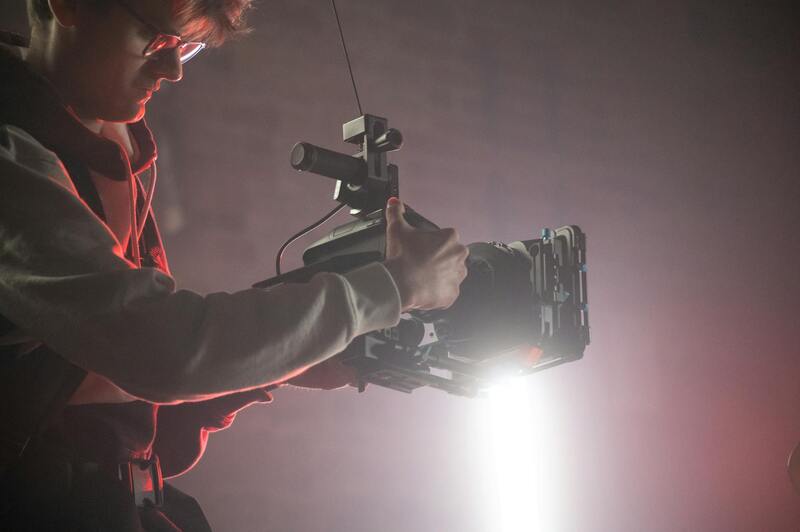
The core components of successful live-streaming include powerful hardware such as cameras, microphones, video switchers, and encoding devices. These ensure that the visual and audio quality remains high under varying conditions. Complementary to hardware are sophisticated software applications used for managing the stream, adding graphics, overlays, and controlling multiple camera feeds. The process also involves meticulous planning, from content scheduling and storyline development to choosing the right platform, ensuring technical readiness, and coordinating roles among team members.
Successful live-streaming production also demands reliable internet connectivity, as bandwidth stability directly impacts stream quality. Typically, a dedicated high-speed internet connection is preferred to prevent disruptions. Positioning cameras and audio equipment strategically across the venue enhances coverage and visual interest, requiring thorough site assessment and setup. Additionally, pre-production rehearsals are vital for testing equipment, synchronizing audio-visual feeds, and troubleshooting potential issues before the actual broadcast begins.
In essence, live-streaming video production is not merely about transmitting content but involves delivering a high-quality, uninterrupted viewer experience. This requires a detailed understanding of technology integration, creative content management, and real-time problem-solving skills. As technology advances, new tools and methods continue to evolve, making the landscape of live-streaming dynamic and innovative, yet grounded in fundamental principles that ensure professional and seamless broadcasts.
Essential Equipment and Technology
To achieve professional-grade live-streaming video production, utilizing the right equipment and technology is paramount. High-definition cameras capable of capturing sharp visuals across diverse lighting conditions form the backbone of any successful broadcast. These cameras should support HD or 4K resolution, feature interchangeable lenses for versatility, and include SDI or HDMI outputs for seamless integration with other production hardware.
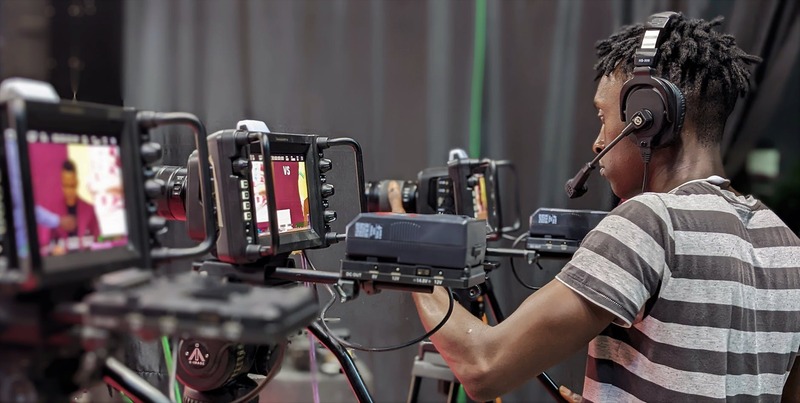
Audio quality holds equal importance; therefore, employing professional microphones such as lavalier, shotgun, or handheld dynamic microphones ensures clear sound capture. Audio mixers facilitate real-time balancing and mixing of multiple audio sources, enhancing the overall viewer experience. Additionally, integrating audio interfaces with digital soundboards enables precise sound control and synchronization with video feeds.
Transitioning to the core of live-streaming technology, encoders are responsible for converting camera outputs into streams compatible with online platforms. Hardware encoders provide reliable, low-latency streaming, while software encoders—like OBS Studio or Wirecast—offer flexibility and customization options. A robust, high-speed internet connection is essential; fiber optic connections with symmetrical upload and download speeds prevent latency issues and buffering during broadcasts. Backup internet solutions, such as cellular 4G/5G hotspots, are recommended to maintain continuity if primary connections encounter problems.
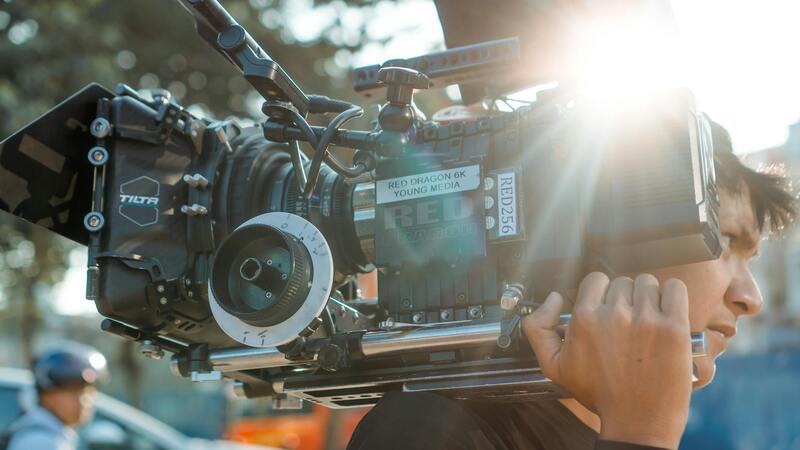
Additional peripherals such as tripods, stabilizers, wireless transmitters, and monitors for real-time viewing are indispensable. For advanced productions, hardware controllers allow seamless switching between camera angles, overlays, and graphical elements, elevating the professionalism of the broadcast.
Finally, dedicated streaming software manages the assembly of multiple feeds, graphics overlays, and live switching. These tools often include features for adding lower-thirds, logos, and real-time audience interactions, which are integral to engaging live content. Integrating these technologies correctly and testing each component prior to broadcast ensures a smooth, high-quality live-streaming experience capable of captivating target audiences across various platforms.
Ensuring Reliable Streaming Infrastructure
Creating a high-quality live-streaming video production demands a carefully constructed infrastructure that guarantees seamless transmission and optimal viewer experience. Central to this is a stable, high-bandwidth internet connection—preferably fiber optic—that permits high data transfer rates with minimal latency. Such connections facilitate smooth broadcasting, preventing buffering and interruptions that could detract from viewer engagement. To enhance reliability, utilizing dedicated network lines solely for streaming purposes is recommended, avoiding bandwidth congestion caused by other online activities.
Moreover, incorporating backup internet sources significantly mitigates potential disruptions. Mobile hotspots leveraging 4G or 5G networks serve as effective contingency solutions, ensuring the stream remains live even if primary connections falter. This dual-internet setup requires proper configuration to enable automatic failover, which maintains consistent output despite unforeseen network issues.
The hardware components involved extend beyond internet connectivity. A suite of essential peripherals includes robust encoders—hardware encoders are favored for their dedicated performance and low latency, while advanced software options like OBS Studio or Wirecast provide extensive customization capabilities. Coupling these with high-quality cameras, professional audio equipment, and multi-input video mixers ensures the production maintains a polished, broadcast-ready appearance.
Monitoring tools are equally important, allowing producers to oversee streams in real-time. Multi-monitor setups facilitate immediate troubleshooting, review of multiple camera angles, and assessment of graphics overlays. Wireless transmitters and stabilization devices like tripods and gimbals contribute to camera mobility and stability, enhancing overall production quality. For larger events or multi-camera setups, deploying hardware controllers can streamline switching, transitions, and effects management, enabling swift adjustments that keep the broadcast dynamic and engaging.
Pre-production testing of all equipment is vital. Conducting walk-throughs and dry runs helps identify and resolve technical issues beforehand, minimizing latency, audio-video synchronization problems, and equipment malfunctions during the live event. Reliable hardware, robust internet, and meticulous preparation collectively establish a foundation for professional-grade live video production.
Understanding Live-Streaming Video Production
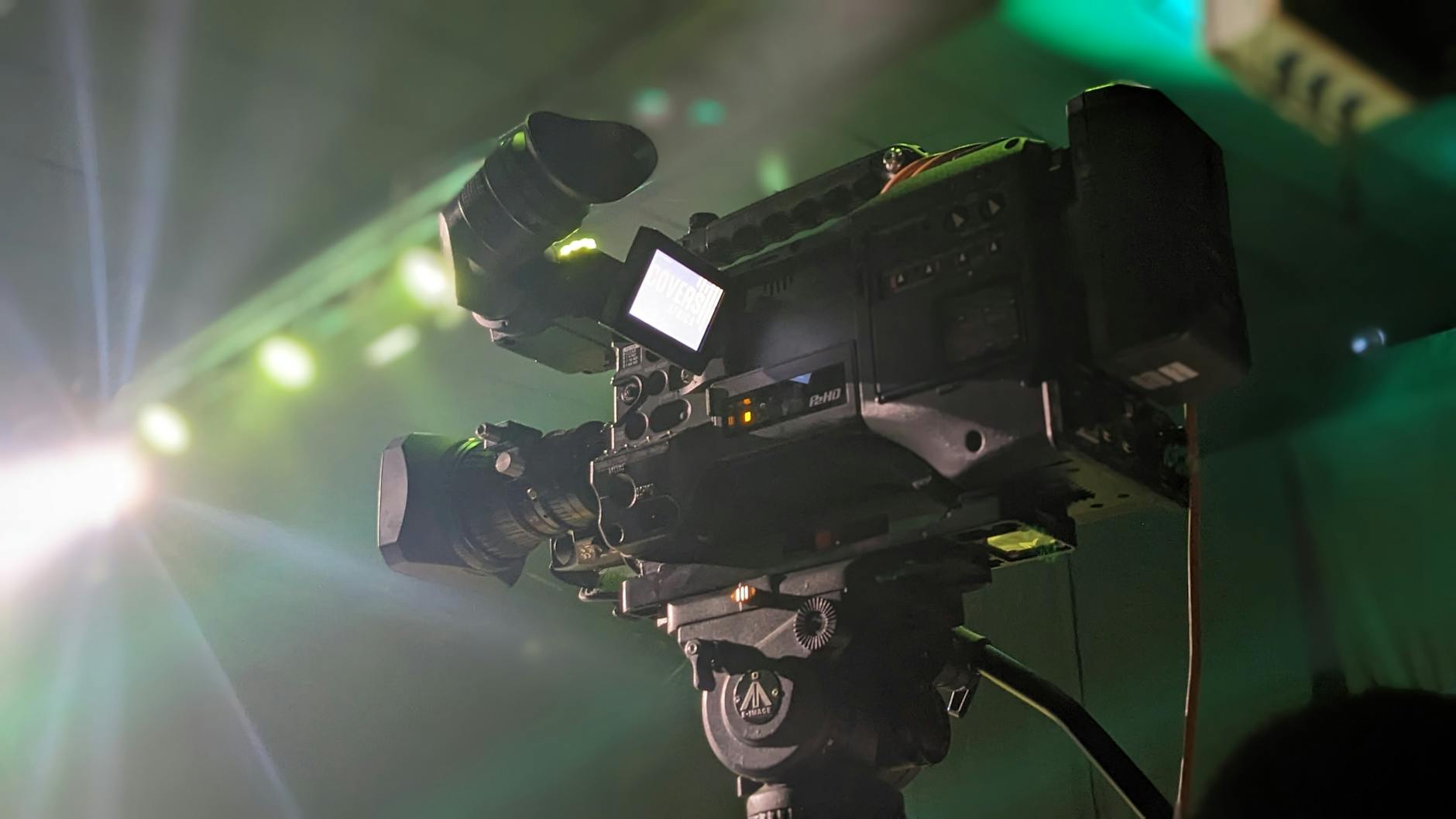
Live-streaming video production encompasses a complex orchestration of technology, talent, and strategy to deliver engaging content in real time. This process involves capturing video and audio, processing and encoding the signals for broadcast, and transmitting them to viewers through various platforms. The goal is to provide a seamless experience, maintaining high visual and audio standards while accommodating various network conditions. Key components include professional-grade cameras, audio equipment, and streaming encoders, which work collectively to ensure clarity, stability, and minimal latency during the broadcast.
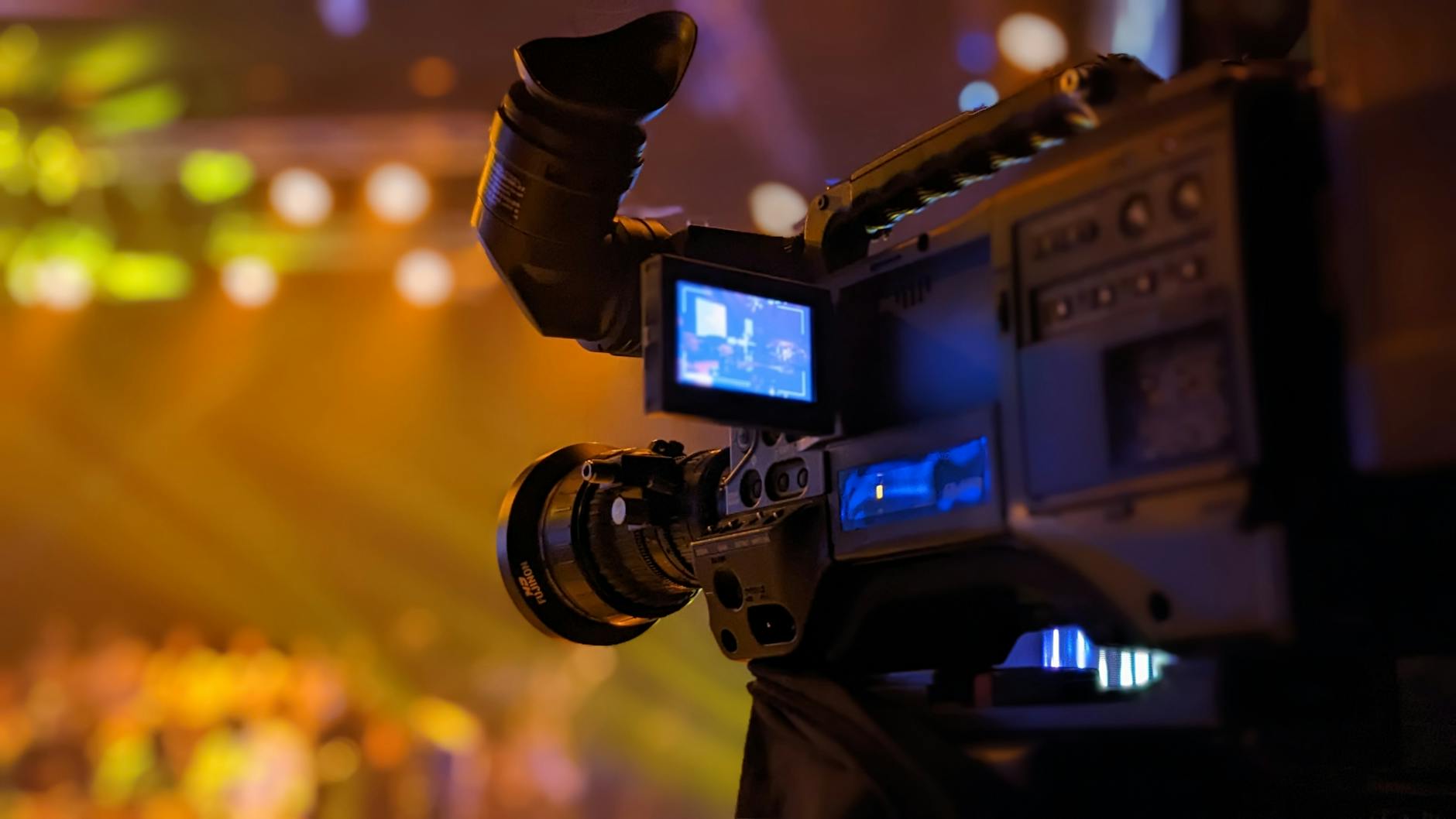
Effective live-streaming production combines hardware and software elements strategically selected to match the scope and scale of the event. Hardware encoders, whether external devices or built-in features of streaming hardware, serve as the bridge translating raw video signals into optimized data packets suitable for transmission over the internet. Advanced software solutions like OBS Studio, Wirecast, or vMix augment hardware tools by enabling real-time graphics, overlays, and scene switching, thus elevating production value. Complementing these, professional audio gear ensures that sound quality meets broadcast standards, with mixers, microphones, and audio processors providing clarity and balance.
Multi-camera setups demand versatile video mixers and switchers to facilitate dynamic transitions and multi-angle coverage. Wireless transmitters and stabilizers such as gimbals, tripods, and monopods enhance camera mobility, allowing for engaging camera movements that captivate viewers. Additionally, portable monitors and real-time monitoring tools are vital for overseeing the live feed, enabling producers to respond swiftly to any technical issues that arise during the broadcast.
Pre-production planning is crucial to minimize potential disruptions. This includes comprehensive testing of gear, internet connections, and streaming workflows through dry runs on the actual setup. Confirming the synchronization of audio and video, verifying graphics and overlays, and ensuring all hardware functions properly in the event environment are essential steps to uphold broadcast quality. For larger productions, deploying dedicated, high-bandwidth internet connections and backup systems can prevent interruptions, ensuring reliable transmission throughout the event.

Monitoring tools play an indispensable role in live-streaming, providing real-time feedback on stream health, viewer stats, and technical performance. Multi-monitor setups allow producers to keep tabs on different aspects simultaneously, such as the live feed, chat interactions, and system diagnostics. This continuous oversight enables prompt troubleshooting, minimizing viewer disruptions and maintaining the event’s professional presentation.
In summary, high-quality live-streaming video production relies on meticulous preparation, ensemble hardware and software integration, and vigilant monitoring to deliver engaging content reliably. Employing premium equipment, ensuring strong internet connectivity, and implementing thorough rehearsal protocols establish a robust foundation for any live event, whether it’s a corporate conference, concert, or community gathering. The combination of strategic planning and technical excellence ensures that live streams capture the intended audience with clarity and impact, turning digital broadcasts into memorable experiences.
Streaming Platforms and Delivery Methods
Choosing the Right Platform for Your Live-Stream
When planning a live-streaming video production, selecting an appropriate platform is essential to reaching your target audience effectively. Popular streaming platforms such as YouTube Live, Facebook Live, and Vimeo Livestream offer robust features tailored to various needs. YouTube Live is advantageous for its extensive reach and integration with other Google services, making it ideal for broad public events. Facebook Live allows seamless sharing within social networks, fostering real-time interactions and community engagement. Vimeo Livestream provides high-quality video hosting with advanced customization options, suitable for professional presentations and corporate events.
Strategies for Content Distribution
Effective content distribution involves leveraging multiple channels to maximize visibility. Simultaneous streaming on several platforms, a technique known as multistreaming or simulcasting, broadens your reach by engaging audiences across different social media networks. Utilizing an encoder or streaming software that supports multistreaming enables seamless distribution without compromising broadcast quality. Additionally, pre-event promotions through email marketing and social media posts can generate anticipation, while post-event highlights or rebroadcasts help maintain engagement and extend the lifespan of your content.
Optimizing Streams for Diverse Devices and Audiences
Ensuring your live-streaming video production is accessible across various devices involves careful adaptation of video quality and delivery settings. Large-screen displays, smartphones, tablets, and desktops each require tailored streaming resolutions and formats to guarantee optimal viewing experiences. Adaptive bitrate streaming technology adjusts video quality dynamically based on viewers' internet speed, reducing buffering and enhancing user satisfaction. Properly optimized streams also consider compression standards and playback compatibility, which are crucial for maintaining high visual clarity and audio fidelity across all viewing platforms.
Enhancing Interactive Engagement During a Live-Stream
Real-time interaction significantly elevates the viewer experience during live events. Incorporating chat features, polls, and Q&A sessions encourages active participation, making viewers feel involved. Moderating live chat helps manage community interactions, maintaining a respectful and professional environment. Some advanced setups include integrating social media feeds or live comment overlays, which display viewer comments directly within the stream, fostering a sense of community and immediate feedback. These engagement strategies can improve viewer retention, increase event reach, and create a memorable digital experience for all participants.
Legal, Branding, and Engagement Considerations
When executing a live-streaming video production, attention to legal, branding, and audience engagement considerations is paramount to ensure a successful and professional broadcast. These elements collectively contribute to a seamless viewer experience while safeguarding the integrity of the event and the reputation of the hosting organization.
Ensuring Proper Rights and Permissions
To avoid interruptions or content disputes during a live stream, it's essential to secure the necessary rights and permissions for all media content used. This includes music, video clips, images, or any third-party materials incorporated into the broadcast. Implementing a clear process for content clearance and rights management ensures that all elements are appropriately licensed, which helps maintain a smooth stream without unexpected takedowns or legal complications.
Branding Consistency
Consistent branding enhances brand recognition and establishes a professional appearance for the live event. Incorporate elements such as logos, color schemes, and branded overlays seamlessly within the video feed. Pre-designed Graphics and lower thirds can be used to display event titles, sponsor logos, or participant information, reinforcing brand identity throughout the live stream. Additionally, maintaining brand voice and messaging tone across all communications and on-screen elements contributes to a cohesive viewer experience.
Engagement Strategies During the Broadcast
Active engagement with viewers during a live stream fosters connection and encourages participation. Incorporate real-time chat features, polls, and Q&A sessions to make the audience feel involved in the event. Moderating chat channels is crucial to maintain a respectful environment and prevent spam or inappropriate comments. Utilizing integrated social media feeds or comment overlays allows viewers to see their comments or questions displayed directly within the stream, creating an interactive and dynamic atmosphere.

Monitoring and Feedback
Real-time analytics and monitoring tools enable producers to track stream performance, viewer engagement, and technical issues promptly. Monitoring audience reactions and feedback during the broadcast helps refine ongoing production strategies and address any unforeseen challenges swiftly. Post-event surveys or engagement metrics can provide insight into viewer satisfaction levels and areas for improvement in future broadcasts.
Stream Management and Data Privacy
Managing the stream effectively involves securely handling viewer data, especially if registration or interactive components are involved. Adherence to data privacy standards ensures viewer trust and compliance with relevant policies. Establishing clear terms of service and privacy policies communicates transparency concerning data collection and usage, fostering a professional relationship with your audience.
Prioritizing legal compliance, consistent branding, and active audience engagement throughout the live-streaming process culminates in a polished, professional event that resonates with viewers and upholds the reputation of the production team.
Understanding Live-Streaming Video Production
Live-streaming video production has become a vital component for organizations and individuals looking to reach wider audiences in real-time. Producing high-quality live streams involves more than just broadcasting video content; it encompasses meticulous planning, advanced technology, and expert execution to ensure a seamless viewer experience. This process integrates multiple processes, including pre-production setup, real-time broadcasting, and post-event analysis, all aimed at delivering engaging, professional-grade content.
Key Components of a Live-Stream Production
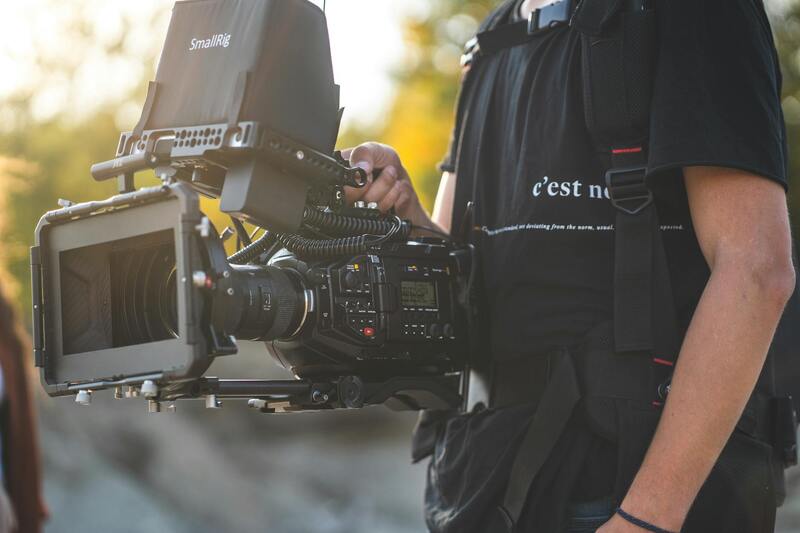
- Video Capture Devices: Includes professional cameras, webcams, and mobile devices that capture live footage with clarity and precision.
- Audio Equipment: Microphones and audio mixers are crucial to ensure clear sound, minimize background noise, and balance audio levels for synchronized output.
- Encoding Hardware and Software: Transcodes raw audio and video signals into digital formats suitable for streaming, optimizing quality and ensuring compatibility across platforms.
- Streaming Infrastructure: Reliable internet connections, content delivery networks (CDNs), and cloud servers facilitate uninterrupted content delivery to viewers worldwide.
- Monitoring Tools: Systems that track stream health, viewer engagement, and technical performance, allowing real-time adjustments and issue resolution.
Implementation of Production Techniques
Effective live-streaming video production relies on strategic camera angles, lighting, and scene transitions that enhance visual storytelling. Multi-camera setups enable dynamic perspectives, while professional lighting techniques improve image clarity and viewer focus. Scene switching and graphic overlays add a professional touch, making the content more engaging and polished. Proper sound design—including mixing and synchronization—ensures audio complements the visuals, creating a cohesive and immersive experience for viewers.
Legal, Branding, and Engagement Considerations
Ensuring that your live-streaming video production aligns with proper legal practices, branding guidelines, and audience engagement strategies is essential for a successful event. This includes securing necessary permissions, rights for all content, and adhering to platform-specific policies. Clear branding in overlays, graphics, and transitions reinforces the event identity and builds brand recognition among viewers.
Effective audience engagement involves real-time interaction through chat moderation, live polls, and Q&A sessions. Incorporating these elements can enhance viewer participation and create a sense of community during the stream. Thoughtful integration of branding elements without overwhelming the content maintains a professional appearance while elevating brand visibility.
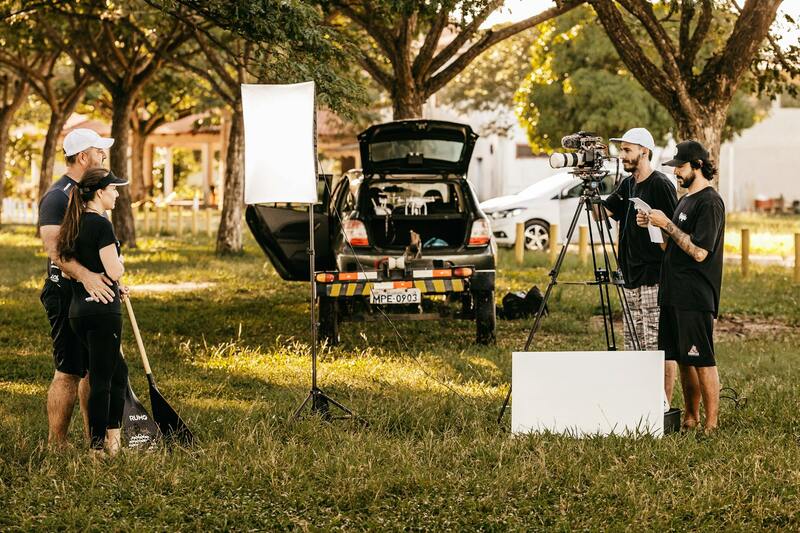
Additionally, it is important to develop a contingency plan for technical issues, such as connectivity problems or equipment failures. Having backup equipment, such as spare cameras or microphones, and a clear troubleshooting procedure ensures minimal disruption. Regular rehearsals and technical dry runs help identify potential issues before the actual event, allowing production teams to implement necessary adjustments.
By adhering to industry standards for intellectual property, ensuring your branding elements are consistent and prominent, and engaging viewers through interactive features, your live-streaming video production will present a polished and authoritative experience. Integration of proper moderation tools and analytics also provides insight into viewer demographics and behavior, informing future content strategies and maximizing viewer retention.
Maintaining transparency regarding licensing, sponsorships, and contributions shown during the stream builds trust with your audience. Ethical collaboration with content creators and partners ensures all involved parties are credited appropriately and that all shared content complies with licensing agreements.