Overview of Live-Streaming Production Services
In recent years, live-streaming production services have become an essential component for a wide range of events and commercial activities. These services encompass the planning, setup, and execution of broadcasting live video content over the internet, allowing audiences to participate in real-time regardless of geographic location. As technology advances, the scope and quality of live-streamed events have significantly improved, providing immersive and engaging experiences for viewers.
For businesses and event organizers in Miami, the significance of professional live-streaming production cannot be overstated. Whether hosting a corporate conference, an entertainment event, a product launch, or a community gathering, live-streaming services ensure that the event reaches a broader audience without geographical constraints. This expands engagement and visibility, helping businesses connect more effectively with their target demographics.
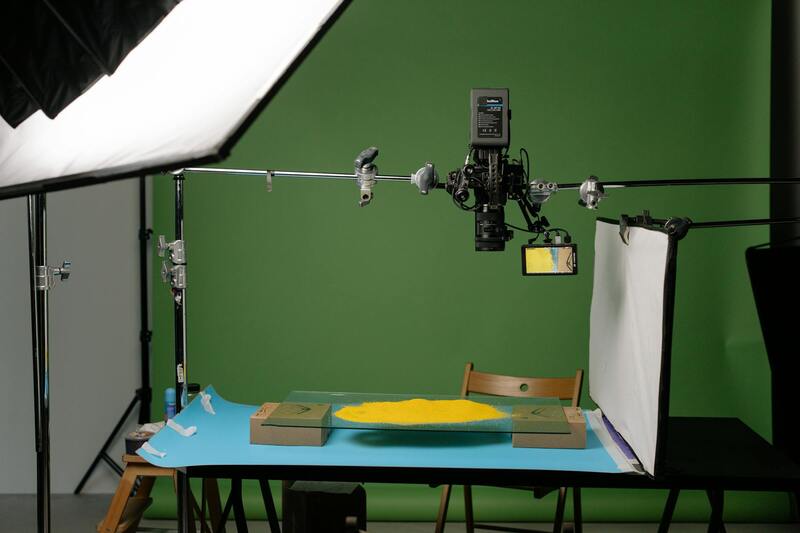
Effective live-streaming production involves meticulous planning, technical expertise, and seamless execution. It requires a combination of advanced equipment, skilled operators, and strategic communication to deliver a polished broadcast. This professional approach minimizes technical disruptions and guarantees that the audience receives a consistent, high-quality viewing experience.
Miami's vibrant events scene, characterized by festivals, conferences, and corporate gatherings, greatly benefits from high-caliber live-streaming production services. These services not only facilitate real-time content delivery but also contribute to post-event marketing efforts, creating lasting digital content that can be shared across multiple platforms.
In an era where digital presence is integral to brand success, leveraging live-streaming production services provides a competitive advantage. They enable entities to extend their reach, enhance audience interaction, and generate valuable analytics about viewer engagement and behavior. As the demand for professional live broadcasts grows, Miami's event hosts increasingly turn to specialized production companies to meet the evolving expectations of their audiences.
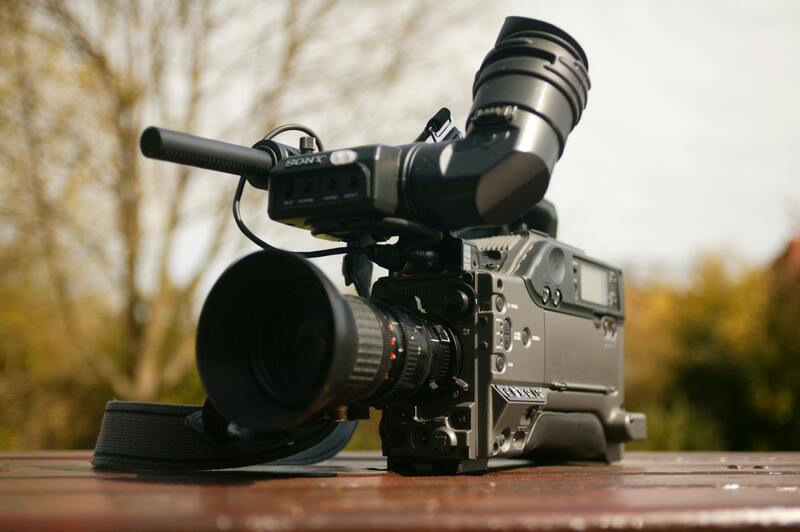
Key Components of Live-Streaming Production
Executing a seamless live-streaming event requires meticulous coordination of several critical technological components. Each element plays an integral role in ensuring the broadcast maintains high-quality standards and delivers engaging experiences to viewers.
- Video Capture: This foundational step involves high-definition cameras that record the event from multiple angles. Selecting professional-grade cameras capable of low-light performance and smooth zooming ensures crisp visuals, accommodating the diverse lighting conditions typical of live events.
- Video Switching: Switchers or production consoles allow real-time transitions between different camera feeds, overlays, and multimedia elements. Skilled operators utilize these tools to create polished, dynamic presentations that captivate audiences, whether through picture-in-picture effects or smooth scene changes.
- Encoding: Encoders convert raw video signals into digital formats suitable for streaming. Modern encoding hardware or software solutions optimize video quality while minimizing latency, ensuring viewers experience minimal delay and buffering, even under varying internet speeds.
- Streaming Platforms and Delivery: The choice of streaming platforms—such as dedicated enterprise solutions or popular CDN providers—directly impacts broadcast reach and stability. Utilizing robust content delivery networks ensures the live stream is distributed efficiently across different regions, supporting a large concurrent audience without interruption.
- Audio Management: Clear, balanced audio is essential. Professional microphones, mixer consoles, and audio processors guarantee sound quality, reducing background noise and feedback. Syncing audio with video feeds further enhances viewer immersion.
- Networking Infrastructure: Fast, reliable internet connections with redundancy backup are crucial. High-bandwidth fiber optic connections and dedicated network routes help prevent interruptions, packet loss, or lag during the broadcast.
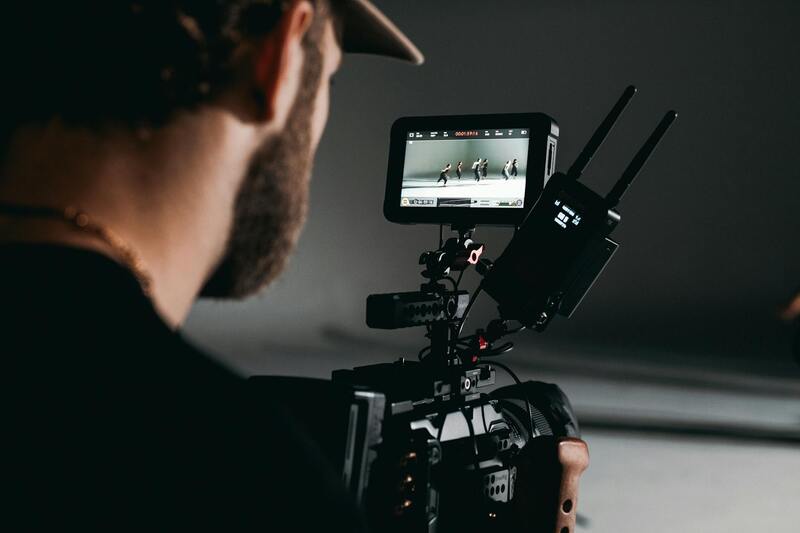
Furthermore, the integration of streaming management software allows real-time monitoring of stream health, viewer metrics, and troubleshooting, ensuring any potential issues are addressed promptly. Combining these components with skilled technical personnel fosters a professional environment where live broadcasts are executed flawlessly, providing a seamless experience for viewers and hosts alike.
Key Components of Live-Streaming Production
Delivering a high-quality live stream involves a complex interplay of technical elements designed to ensure a smooth viewing experience. Each component plays a vital role in maintaining the integrity, stability, and professionalism of the broadcast, making it essential to partner with experienced providers who utilize proven methods and cutting-edge technology.
Video Capture and Encoding
At the core of live-streaming production is the use of top-tier cameras capable of capturing high-definition footage. These cameras are often supplemented with multiple angles and remote camera setups for dynamic coverage. Once footage is acquired, it undergoes live encoding through hardware or software encoders that compress video streams into formats suitable for internet transmission. Advanced encoders support adaptive bitrate streaming, which adjusts video quality based on viewer bandwidth, reducing buffering issues.
Video Switching and Production
Professional live-streaming relies on switching equipment that facilitates seamless transitions between multiple video sources. Video switchers allow operators to add overlays, graphics, and pre-recorded segments to enhance the broadcast. Additionally, real-time editing capabilities enable producers to make on-the-fly adjustments, ensuring a polished presentation that engages viewers throughout the event.
Audio Management
High-quality audio is critical for viewer engagement. Industry-standard microphones—such as lapel, shotgun, or condenser types—are used to capture clear sound from presenters, performers, or speakers. Audio mixers enable real-time adjustments for levels and effects, while digital processors ensure audio signals are clean and balanced. Synchronization of audio with video feeds guarantees audio cues align perfectly with visual content, avoiding disjointed viewing experiences.
Content Delivery and Streaming Platforms
The choice of streaming platforms significantly impacts reach and stability. Reliable Content Delivery Networks (CDNs) distribute the live feed efficiently across various regions, supporting large numbers of viewers without interruption. Whether distributing through specialized enterprise solutions or popular platforms, the delivery infrastructure must be robust enough to handle traffic spikes and ensure consistent quality.
Networking Infrastructure
Undergirding successful live-streaming is a strong network backbone. High-bandwidth fiber optic connections and dedicated internet routes minimize latency and packet loss. Redundant network pathways are employed to provide failover options, maintaining stream continuity during unforeseen disruptions. Quality of service (QoS) configurations prioritize streaming traffic, further enhancing stability.
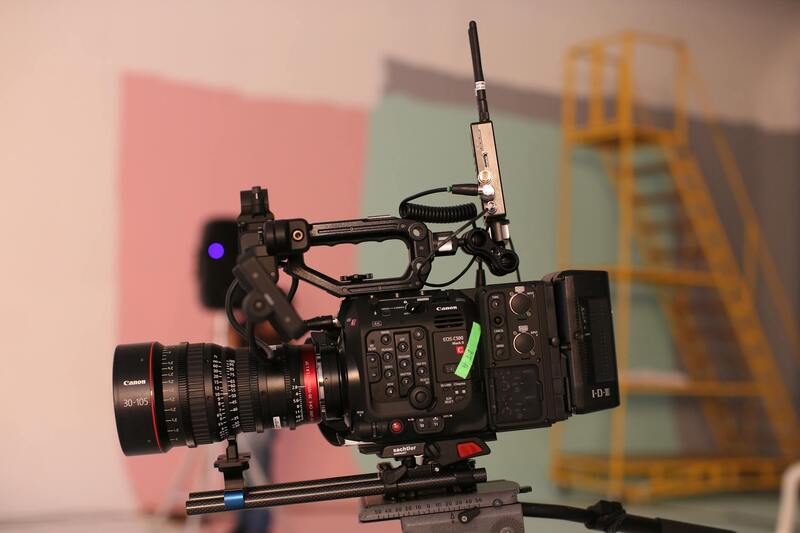
Monitoring and Troubleshooting Software
Real-time monitoring tools keep track of stream health, viewer engagement, and network performance. These solutions enable technical teams to identify issues swiftly and rectify them without disrupting the broadcast. Having trained personnel capable of responding to live troubleshooting situations is indispensable for maintaining a professional presentation.
Technical Personnel and Support
Experienced engineers and production specialists oversee the entire live-streaming process, from setup to execution. Their expertise ensures optimal calibration of equipment, seamless switching, and prompt resolution of technical anomalies. This level of support is crucial to delivering an experience that reflects the event’s importance and professionalism.
Types of Live-Streaming Events
Live-streaming production services encompass a broad spectrum of event types, each requiring tailored technical setups and creative approaches to ensure optimal viewer experience. Recognizing the diverse nature of live events allows production teams to adapt their methodologies, ensuring each broadcast meets the specific demands of its audience and purpose.
Corporate Events and Conferences
Corporate live streams include product launches, seminars, workshops, and annual meetings. These events often involve multiple camera angles, dynamic graphics, live subtitles, and real-time audience interaction features. The aim is to deliver professional-grade production quality that reflects company branding and maintains viewer engagement across geographically dispersed locations.

Entertainment and Concerts
From music festivals to theatrical performances, entertainment broadcasts demand high bandwidth and sophisticated audio-visual technology. Multi-camera setups capture the energy of live performances, while specialized streaming platforms support interactive features such as live chat and fan engagement tools. These events often require real-time editing and seamless transitions to ensure an immersive experience for viewers.
Sports and Fitness Events
Live sports broadcasts demand minimal latency, high-resolution feeds, and redundancy to handle rapid camera movements and fast-paced action. Production teams often integrate multiple camera feeds, instant replays, and real-time statistics to enhance viewer engagement. Similarly, fitness classes conducted online rely on high-quality video to accurately showcase exercises, positioning, and form, providing an effective virtual workout experience.
Religious and Community Gatherings
Religious services and community events increasingly utilize live-streaming services to extend their reach beyond physical attendees. These broadcasts focus on clarity of audio and visuals, enabling remote participants to feel connected. Often, these events incorporate captions, multiple camera angles, and interactive elements that foster community participation.
Educational Courses and Workshops
Educational institutions deploy live-streaming to facilitate remote learning, professional training, and interactive workshops. The technical setup involves multiple media inputs, real-time quizzes, and engagement tools to promote active participation. Ensuring a stable and secure connection is vital for uninterrupted delivery of content and seamless interaction.
Legal and Compliance Considerations in Live-Streaming
Mitigating potential legal issues begins with verifying permissions for content sharing, ensuring appropriate licensing for media assets, and securing clearances for copyrighted material. Production teams must also adhere to privacy standards, especially when broadcasting sensitive information or personal data. Displaying clear disclaimers, obtaining necessary consents from speakers and participants, and maintaining accurate records of licensing agreements are essential steps to uphold compliance in all live-streaming activities.
Overview of Live-Streaming Production Services
Live-streaming production services encompass a comprehensive suite of solutions designed to deliver high-quality, real-time video broadcasts of events, conferences, performances, and more. These services combine advanced audio-visual equipment, skilled technical personnel, and reliable internet connectivity to ensure a seamless viewing experience for remote audiences. The focus is on creating engaging and visually appealing broadcasts that accurately capture the essence of the event, while providing features such as multiple camera angles, real-time graphics, and interactive functionalities that boost viewer engagement.
Partnering with a professional live-streaming production team guarantees meticulous planning—from pre-event setup to post-broadcast analysis—and ensures all technical aspects are managed efficiently. This includes managing camera operations, audio mixing, streaming encoding, and platform integration. Ultimately, these services enable organizations to extend their reach beyond physical locations, foster greater interaction, and maximize the impact of their events.
Key Components of Live-Streaming Production
Effective live-streaming hinges on several critical components that work synergistically to produce professional-grade broadcasts:
- Video Capture Equipment: Multiple high-definition cameras or stabilized mobile units that allow for dynamic shots and multi-angle filming.
- Audio Equipment: Clarify sound with professional microphones, audio mixers, and soundboards to ensure speech and music are intelligible.
- Encoding and Streaming Hardware: Hardware encoders convert raw footage into streamable formats while maintaining optimal quality and latency.
- Content Management Systems: Platforms that facilitate the organization, scheduling, and management of live streams, including integration with social media or dedicated websites.
- Internet Connectivity: Robust and dedicated bandwidth solutions to prevent interruptions and maintain stream stability, especially when broadcasting in high resolution.
- Production Crew: Skilled operators for camera switching, audio management, graphics overlay, and technical support throughout the event.
Technical Considerations for Optimal Performance
Ensuring technical excellence involves multiple layers of preparation:
- Pre-Event Testing: Conduct comprehensive tests of all equipment, internet connections, and platform integrations to identify and mitigate potential issues.
- Redundant Systems: Implement backup solutions such as secondary internet connections, backup power sources, and spare hardware components to avoid disruptions.
- Audio-Video Synchronization: Maintain precise timing between visual and audio streams to deliver a cohesive viewing experience.
- Stream Quality Management: Adjust resolution and bitrate according to network conditions to balance quality and stability.
Continuous monitoring during the broadcast is critical to respond swiftly to any technical difficulties and ensure a smooth delivery.
Overview of Live-Streaming Production Services
Professional live-streaming production services have become an essential component for organizations and individuals seeking to reach audiences in real time with high-quality multimedia presentations. These services encompass all phases of live event broadcasting, including pre-production planning, real-time filming, and post-event analysis. Partnering with experienced providers ensures seamless transmission, high production values, and enhanced viewer engagement. Miami's vibrant event scene benefits immensely from such tailored services, offering solutions that align with the distinct needs of corporate events, entertainment shows, educational seminars, and community gatherings. The intricacies of live production include comprehensive equipment setups, expert technical crews, and sophisticated streaming platforms, all working cohesively to deliver a distraction-free broadcast. Opting for professional live-streaming services in Miami guarantees that each component—from camera operation to streaming infrastructure—is optimized to sustain elevated standards in broadcast quality.

Key Components of Live-Streaming Production
A successful live-streaming event hinges on several core elements that require meticulous coordination. Central to this is the equipment, including high-definition cameras, professional audio systems, switchers for camera angles, and graphics overlay devices to enhance visual appeal. These are supported by robust hardware such as encoders, which convert and compress video data into formats suitable for online streaming, ensuring minimal latency. Streaming platforms and content management systems play a crucial role in scheduling and distributing broadcast content efficiently, while stable internet connections are foundational for uninterrupted transmission. Technical teams dedicated to live production handle camera switching, audio mixing, real-time graphics overlay, and troubleshooting to resolve unexpected issues promptly. Additionally, pre-event rehearsals are conducted to synchronize all systems, test equipment, and refine the production flow, securing a flawless broadcast irrespective of the event size or complexity.
Critical Equipment and Technologies
- High-definition broadcast cameras with remote control capabilities
- Quality audio capture devices and mixers for clear sound
- Reliable encoders and streaming servers for optimal data handling
- Graphics and overlay software for branding and information display
- Secondary backup systems to prevent signal loss or hardware failure
Types of Live-Streaming Events
The scope of live-streaming events ranges from small webinars to large-scale festivals, encompassing various formats to accommodate audience engagement and content accessibility. Corporate presentations and product launches benefit from polished production setups that emphasize brand identity while maintaining clarity. Educational institutions utilize live streams for lectures, workshops, and conferences, expanding their reach beyond physical limitations. Religious services, community events, sports matches, and cultural festivals also rely on professionally managed live broadcasts to connect with viewers globally. Each event type demands customized production approaches, with considerations for the scale, audience interaction, and content complexity. Whether it’s a straightforward single-camera setup or a multi-camera production with dynamic transitions, professional services adapt to ensure the broadcast meets the event’s specific goals and audience expectations.
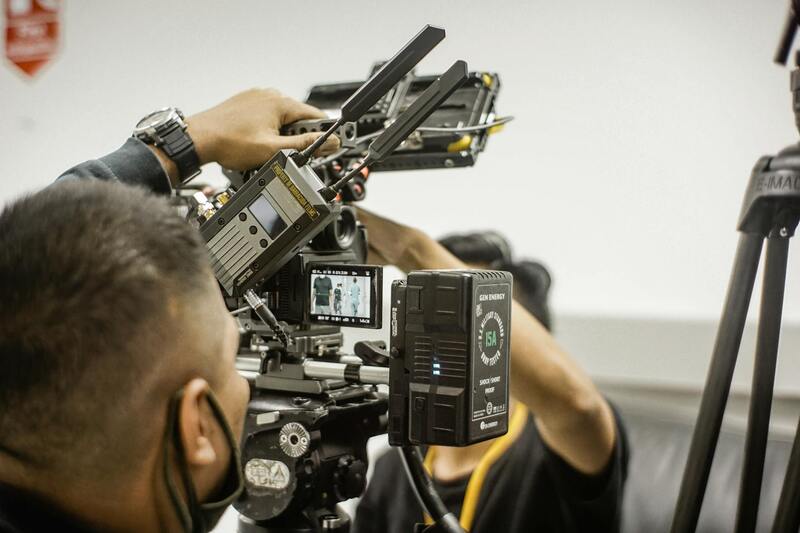
Overview of Live-Streaming Production Services
Live-streaming production services have become an essential component for organizations seeking to reach global audiences in real-time. These services encompass the entire process of capturing, encoding, transmitting, and broadcasting live video content across various online platforms. They are designed to facilitate seamless viewer experiences by utilizing advanced broadcasting technology, skilled technical teams, and strategic content delivery methods. Professional live-streaming ensures high-quality visuals and audio, effective branding, and reliable transmission, enabling organizations to connect authentically with their audiences regardless of geographical barriers.
Core Aspects of Live-Streaming Production
Effective live-streaming involves three pivotal elements: content creation, technical execution, and audience engagement. Content creation focuses on capturing compelling visuals and sound that convey the event's essence. Technical execution encompasses equipment setup—including cameras, microphones, encoders, and streaming servers—to deliver smooth and uninterrupted streams. Audience engagement involves interactive features such as live chats, polls, and social media integration to foster active viewer participation. When coordinated by experienced professionals, these elements combine to produce high-quality streams that elevate the overall event experience.
Importance of Content Quality and Reliability
The success of live-streamed events heavily depends on the quality and reliability of the content delivery. High-definition video with clear audio creates an immersive experience that maintains viewer interest. Reliable streaming technology and backup systems prevent disruptions caused by hardware failures, internet interruptions, or software glitches. This resilience ensures that the event remains accessible and meets audience expectations for professionalism and clarity. Moreover, professional services incorporate real-time monitoring, allowing immediate troubleshooting to address potential issues swiftly, thereby ensuring seamless transmission throughout the event duration.
Professional vs. In-House Live-Streaming
While some organizations attempt to handle live-streaming internally, leveraging professional production services offers significant benefits. Experts bring specialized technical knowledge, advanced equipment, and strategic planning expertise that are often beyond the scope of in-house setups. They can adapt to the specific needs of each event, manage multichannel broadcasts, and incorporate branding elements effectively. The result is a polished, engaging production that maintains high standards of quality, efficiency, and viewer satisfaction—factors that are critical for events with large or diverse audiences.
Final Considerations for a Successful Live-Streaming Event
Executing a live-streaming event that resonates with viewers and achieves your organizational goals requires meticulous planning and the right technological setup. From pre-event preparations to post-broadcast analysis, each phase plays a crucial role in ensuring a seamless experience. Leveraging professional live-streaming production services not only enhances the quality of your broadcast but also provides strategic advantages that can elevate your event's impact.
Pre-Event Technical and Content Planning
Effective preparation begins with a detailed strategy that maps out every aspect of the live stream. This includes defining your target audience, setting clear objectives, and choosing appropriate platforms. Content creators and technical teams collaborate to develop a comprehensive storyboard or rundown that ensures the flow remains engaging and aligned with your branding. Planning the camera angles, graphics, and visual effects entails a professional team that understands how to capture attention and convey your message compellingly.
Equipment readiness is vital. High-quality cameras, professional lighting, and crisp audio setups should be tested thoroughly before the event. Modern live-streaming services often employ redundancy systems—backup internet connections, secondary power supplies, and auxiliary streaming devices—to prevent interruptions caused by technical glitches or network issues.
On-Site Setup and Technical Execution
An efficient on-site setup involves multiple skilled operators managing various aspects of the broadcast simultaneously. This includes camera switching, audio mixing, graphic overlay insertion, and real-time audio-visual adjustments. Advanced control rooms equipped with monitoring dashboards provide comprehensive oversight, enabling technicians to proactively address potential technical hiccups. Video encoding hardware with adaptive bitrate capabilities ensures viewers get the highest possible quality without buffering, even in fluctuating network conditions.
Post-Event Review and Feedback
Post-event analysis involves evaluating broadcast quality, viewer engagement metrics, and overall operational efficiency. This review helps identify areas for improvement, ensuring subsequent streams achieve even higher standards. Collecting audience feedback provides insight into viewer satisfaction, content relevance, and technical performance, informing future event planning strategies.
Maintaining Security and Content Rights
Security measures are essential during live streaming, especially when sensitive or proprietary content is involved. Professional services incorporate encryption protocols, secure login procedures, and digital rights management to safeguard your material from unauthorized access. Additionally, adherence to broadcasting rights and licensing agreements is crucial to avoid legal complications and ensure compliance with copyright laws.
Final Tips for a Flawless Live-Stream
- Conduct thorough rehearsals to familiarize all participants with technical procedures and cues.
- Utilize real-time monitoring tools to keep track of stream health throughout the event.
- Prepare contingency plans for common issues, such as internet failures or hardware malfunctions.
- Engage with your audience actively, leveraging chat features and interactive polls to boost participation.
- Post-event, archive the broadcast for on-demand viewing and additional content sharing.
Enlisting the support of experienced live-streaming production services ensures each of these elements is managed expertly. This approach not only enhances production quality but also allows your team to focus on delivering valuable content and engaging your audience effectively.