Understanding Live Streaming Production
Live streaming production refers to the comprehensive process of broadcasting live video content over the internet in real-time. It encompasses all activities involved in capturing, transmitting, and presenting live events to online audiences through various digital platforms. For Miami-based businesses, mastering live streaming production becomes increasingly vital as it offers a dynamic way to reach broader audiences, engage viewers more interactively, and elevate brand visibility.
The primary purpose of live streaming production is to deliver high-quality live content that accurately reflects the event's essence while ensuring a seamless viewing experience. Whether it's corporate meetings, product launches, conferences, entertainment shows, or community events, professional live streaming allows businesses in Miami to connect with their audience beyond geographical limitations. It also provides opportunities for real-time interaction, such as live chats and Q&A sessions, enhancing engagement and fostering a sense of community.
In today's digitally driven landscape, the importance of live streaming production extends beyond mere content delivery. It plays a fundamental role in digital marketing strategies, enabling brands to showcase authenticity and immediacy. High-quality live streams can boost online presence, generate leads, and facilitate direct communication with customers in Miami and beyond.
Planning and Pre-Production Strategies
Effective live streaming production begins well before the camera starts rolling. Meticulous planning and preparation are fundamental to achieving a seamless broadcast that meets both technical and content objectives. The initial phase involves defining the purpose of the event, identifying the target audience, and establishing clear goals. Whether it’s a corporate conference, a music festival, or an educational seminar in Miami, understanding the end goal guides every decision in the pre-production process.
Creating a comprehensive storyboard or script helps streamline the flow of the event, ensuring that key moments are captured and transitions are smooth. This planning phase also includes selecting appropriate locations, arranging logistics for equipment setup, and coordinating personnel involved in the production. Securing necessary permits, if applicable, and conducting site visits are also integral to avoiding surprises during live execution.
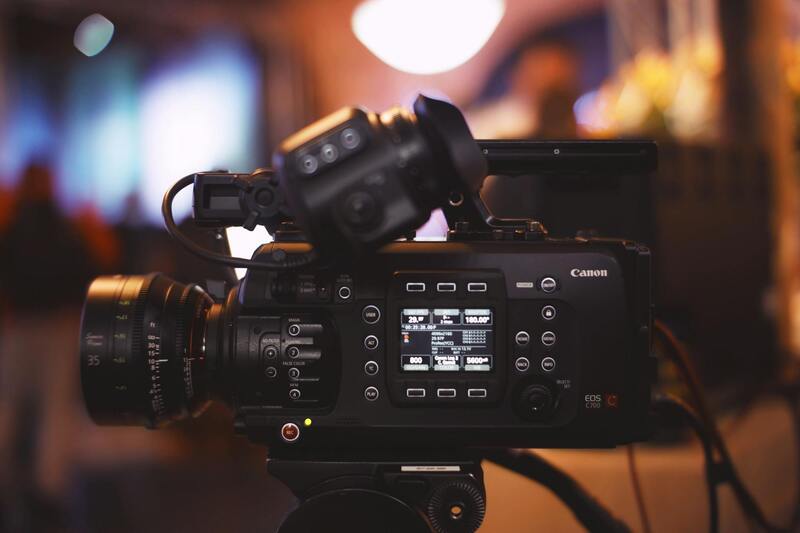
Equally important is the technical planning of the broadcast. This involves choosing suitable cameras, audio gear, and streaming hardware tailored to the event’s scale and nature. A detailed equipment checklist minimizes the risk of technical failures and enhances the overall quality of the broadcast. Additionally, scheduling rehearsals allows the team to troubleshoot unforeseen issues, test equipment, and familiarize everyone with the event’s flow, ensuring a professional and polished delivery.

Production Process and Technical Execution
During the event, the focus shifts to the precise technical execution of the live stream. This phase involves managing multiple elements simultaneously to produce a cohesive broadcast. Skilled operators control camera angles, switch between feeds, and adjust audio levels in real-time, maintaining high visual and sound quality standards. Using professional-grade equipment ensures sharp video output, minimal latency, and reliable audio feeds.
Streamlining the connection between hardware components is critical to minimize disruptions. This includes ensuring stable internet connectivity, utilizing redundant bandwidth options, and calibrating streaming encoders for optimal data compression and transmission. Live producers oversee the flow, making real-time decisions to add graphics, overlays, or split screens, enhancing viewer engagement and providing essential event information.
Monitoring technical performance throughout the event allows immediate response to any issues, such as audio dropouts or video glitches. Moreover, employing multiple cameras provides dynamic visuals that cater to viewers’ preferences, simulating a professional studio production. High-quality audio systems, including microphones and sound mixers, capture the ambiance and participation levels, vital for immersive viewer experiences.
Choosing the Right Streaming Platforms
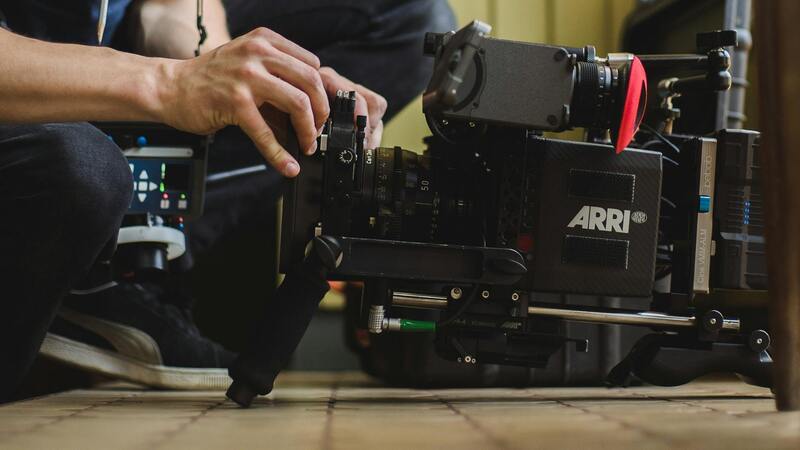
Selecting an appropriate streaming platform is integral to the success of a live production. Businesses and organizations need to consider factors such as audience reach, platform reliability, customization options, and compatibility with various devices. Platforms like YouTube Live, Vimeo Livestream, or specialized enterprise solutions cater to diverse needs, from casual viewership to professional, branded broadcasts.
For Miami-based events seeking broader exposure, platforms with high bandwidth and extensive distribution networks are preferable. These solutions often offer additional features like analytics, monetization, and interactive tools, which can enhance viewer engagement and provide valuable insights into audience behavior.
In some cases, opting for custom-branded players embedded within the organization's website ensures consistent brand presentation and easier viewer tracking. Ensuring that the chosen platform supports multi-streaming capabilities allows simultaneous broadcast across several outlets, maximising reach and visibility.
By leveraging the right streaming technology, organizations can deliver superior experience and analytics, enabling informed decisions for future productions. Proper platform selection helps in accommodating audience growth, ensuring stability, and providing interactive capabilities that keep viewers engaged throughout the event.
Optimizing the Technical Workflow for Live Streaming Production
Effective live streaming production hinges on meticulous technical workflow management. This begins with setting up a robust infrastructure capable of handling high-quality video and audio signals. Both hardware and software components need to be carefully selected and configured to ensure seamless operation throughout the broadcast.
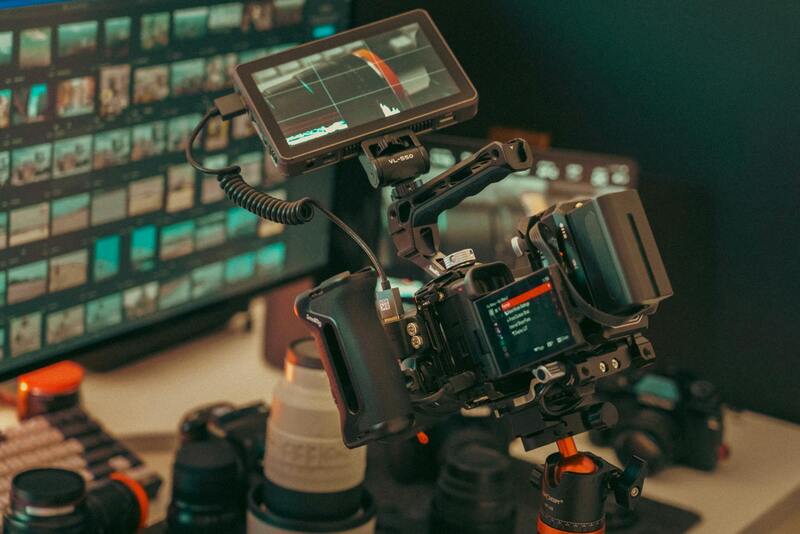
Core hardware elements include professional cameras, video switchers, audio mixers, and encoders. High-definition cameras, such as 4K or HD models, provide sharp visuals that meet viewer expectations. Video switchers allow real-time scene changes, enhancing production dynamism. Meanwhile, audio mixers ensure clear, balanced sound, accommodating multiple audio sources for a polished auditory experience.
On the software side, encoders are vital—they encode the live feed into formats suitable for streaming. Hardware encoders dedicated to live production offer minimal latency and stability, especially crucial for events requiring multi-camera setups. Software encoders, like OBS Studio or vMix, also serve well for smaller productions, providing flexibility and cost efficiency.
Pre-production testing defines the success of a live event. Conducting comprehensive rehearsals ensures all technical elements work harmoniously. This includes verifying camera positions, lighting, audio levels, internet bandwidth, and streaming configurations. In particular, ensuring a stable and high-capacity internet connection prevents disruptions and buffering during the broadcast.
Redundancy measures, such as backup internet sources and spares for critical hardware, are essential to mitigate unforeseen failures. This proactive approach minimizes downtime and maintains professional standards, delivering a smooth viewing experience regardless of technical hiccups.
- Ensure all devices are synchronized for precise timing between audio and video feeds.
- Test network connections and streaming platform compatibility.
- Develop a detailed production checklist to coordinate roles and responsibilities.
- Coordinate with technical staff to oversee each phase of the live stream.
Monitoring real-time analytics and feedback during the event allows production teams to make immediate adjustments. This includes managing stream quality, correcting audio issues, or switching camera angles as needed to enhance viewer engagement. A dedicated technical director or producer should oversee the entire operation, ensuring every element functions as intended.
Ultimately, the precision in technical execution directly influences the quality of the live streaming experience. Investing in top-tier equipment, conducting thorough preparations, and maintaining operational agility streamline the production process. This adherence to best practices ensures a fluid, professional broadcast that resonates with viewers and enhances the overall production value.
Production Process and Technical Execution
Once all pre-production elements are in place, the core of a successful live streaming production hinges on seamless on-site operations. The technical team is responsible for managing multiple facets that contribute to a smooth broadcast. Central to this process are camera operation, live switching, audio mixing, and real-time feed management.
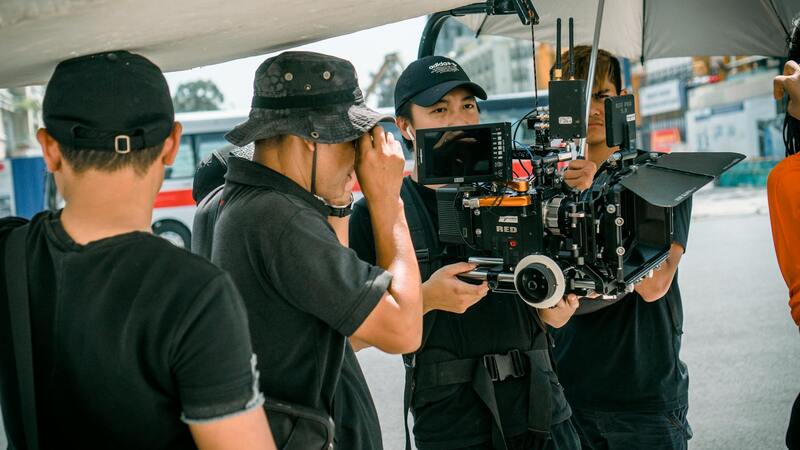
Effective camera operation requires skilled operators who can capture the event from various angles, ensuring dynamic coverage that engages viewers. They must be mindful of framing, focus, and exposure settings, adapting to changing lighting conditions and event dynamics. Simultaneously, the production team utilizes video switchers to transition between different camera feeds smoothly, creating a coherent narrative flow that matches the event’s mood and pacing.
Audio plays a critical role in the viewer experience. An audio mixing engineer manages multiple sound sources, including microphones, ambient sound, and pre-recorded segments. They ensure clarity, proper levels, and minimal background noise, adjusting in real time to maintain an immersive experience.
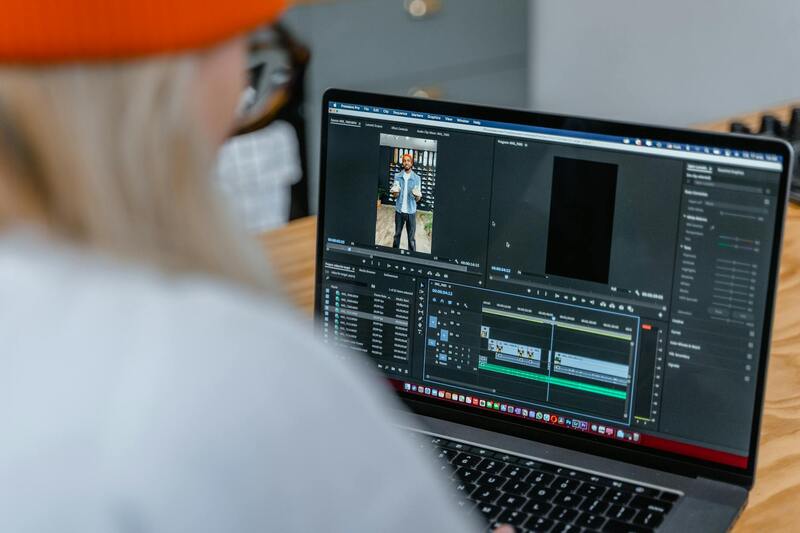
Monitoring the live feed involves constant communication among team members coordinating different technical functions. A director oversees the overall flow, making quick decisions to switch camera angles, adjust audio levels, or handle unforeseen issues. Technical operators utilize various monitoring tools to observe the stream’s health, latency, and quality, ensuring that the output meets broadcast standards.
Real-Time Troubleshooting and Quality Control
During the broadcast, vigilance is essential for immediate issue resolution. Common challenges include audio feedback, camera dropouts, or signal degradation. Skilled technical personnel employ diagnostic tools to identify problems swiftly, applying corrective measures such as adjusting audio feeds, switching to backup cameras, or reallocating bandwidth. Maintaining an open line of communication ensures that all team members are synchronized, allowing for prompt responses to any anomalies.
Integration of Graphics and Overlays
Adding graphics, titles, and overlays enhances the professionalism of a live stream. These visual elements can display speaker information, event branding, or real-time data. A dedicated graphics operator inputs these elements to synchronize with the on-screen content, enriching viewer engagement without disrupting the broadcast flow.
Security and Data Management
Protecting the live stream from unauthorized access is a crucial aspect of technical execution. Implementing secure streaming protocols, encryption, and access controls helps safeguard sensitive content. Additionally, recording the event facilitates post-broadcast review and content repurposing, extending the event's reach and longevity.
Overall, the technical execution of a live stream encompasses meticulous planning, vigilant on-site management, and rapid problem-solving. When executed with precision, it results in a high-quality, engaging broadcast that reinforces the professionalism of the production and the credibility of the client.
Ensuring Seamless Connectivity and Reliable Equipment
Fundamental to a successful live streaming production is the deployment of dependable hardware and robust network infrastructure. The use of high-quality cameras, professional-grade microphones, and resilient streaming encoders minimizes technical disruptions and guarantees crystal-clear audio-visual delivery. To sustain uninterrupted broadcast quality, redundant systems such as backup internet connections and secondary power supplies are vital. This redundancy ensures that even in the event of a primary connection failure, the live stream continues seamlessly, maintaining viewer engagement and safeguarding brand reputation.
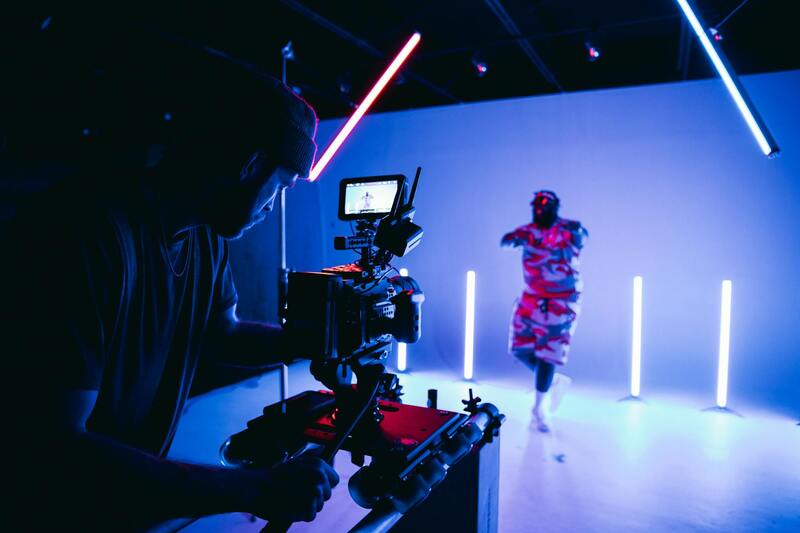
Additionally, real-time monitoring tools and diagnostic software enable technicians to track bandwidth consumption, signal integrity, and device performance throughout the event. Prompt identification of issues allows for rapid intervention, preventing minor technical hiccups from escalating into larger broadcast failures. Prior to the event, comprehensive testing of all equipment and network paths assures readiness, reducing risk and ensuring a smooth streaming experience.
Implementing Effective Content Delivery Strategies
Optimal content delivery hinges on selecting appropriate encoding settings and transmission protocols aligned with the target platform and audience location. Adaptive bitrate streaming dynamically adjusts video quality based on viewer bandwidth, reducing buffering and maintaining a consistent viewing experience regardless of internet speed fluctuations. Moreover, utilizing Content Delivery Networks (CDNs) helps distribute streams more efficiently across geographically dispersed audiences, improving latency and stream stability.
Strategic placement of streaming servers and the use of secure protocols, such as RTMP or HLS, fortify the transmission process. Properly configured security measures not only protect content from unauthorized access but also comply with privacy standards necessary for sensitive corporate or event content. In addition, employing digital rights management (DRM) solutions can further restrict unauthorized redistribution and preserve content integrity.
On-Site Technical Management and Coordination
Successful live streaming production involves a team of skilled professionals managing various technical facets in real-time. Camera operators, audio engineers, and switchers coordinate closely to ensure smooth scene transitions, proper framing, and balanced sound. A dedicated technical director oversees the entire broadcast, making immediate adjustments in response to evolving live conditions.
The integration of real-time graphics, overlays, and branding elements requires meticulous synchronization. These visual effects and informational displays boost viewer engagement and reinforce the event’s messaging. During the event, continuous communication among team members guarantees that any unexpected issues are addressed promptly, maintaining the broadcast’s quality and professionalism.
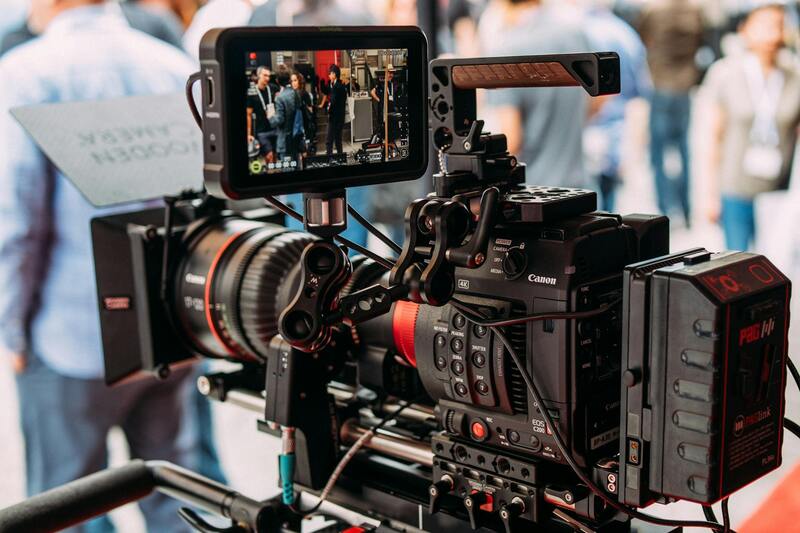
Post-event data collection and analysis provide insights into viewer metrics, stream performance, and engagement patterns. These analytics support ongoing improvements and inform future streaming strategies, ensuring each production achieves higher standards of quality and effectiveness.
Technical Challenges and Solutions in Live Streaming Production
Executing a seamless live streaming event involves overcoming various technical challenges that can disrupt the broadcast quality or audience experience. Common issues include latency, buffering, audio-visual synchronization errors, and signal disruptions. Addressing these challenges requires a combination of robust infrastructure, meticulous planning, and real-time problem-solving skills.
Common Technical Challenges
- Latency: Delay between the live event and the broadcast can diminish viewer engagement. Techniques such as optimizing encoding settings and choosing efficient streaming protocols help minimize latency.
- Buffering and Stream Interruptions: Fluctuating internet bandwidth and server overloads often cause buffering. Employing a Content Delivery Network (CDN) with geographically distributed servers ensures smoother content delivery to viewers across different locations.
- Audio-Visual Sync Issues: Mismatched audio and video streams can impair viewer comprehension. Accurate synchronization during production and using high-quality hardware prevent such issues.
- Signal Loss and Hardware Failures: Mechanical failures or signal interruptions can disrupt the transmission. Redundant setups, backup hardware, and real-time monitoring mitigate these risks effectively.
Effective Strategies for Overcoming Challenges
- Pre-Event Testing: Conduct comprehensive dry runs that simulate live conditions to identify and troubleshoot potential technical problems beforehand.
- Dedicated Technical Team: Having trained professionals overseeing the production ensures quick response to issues. This team manages equipment, network stability, and stream quality throughout the event.
- Hardware and Software Optimization: Use high-performance cameras, microphones, and reliable encoding software designed for live events. Regular upgrades and maintenance prevent technical failures.
- Network Infrastructure: Stable and high-bandwidth internet connections are essential. Employing wired connections over Wi-Fi enhances reliability, especially in complex venues.
- Real-Time Monitoring: Continuous observation of stream health metrics allows for immediate intervention. Tools that monitor data throughput, latency, and stream stability are integral components.
Importance of Infrastructure Resilience
Investing in resilient infrastructure, including backup internet lines, redundant power sources, and multiple streaming servers, ensures minimal downtime during live productions. This resilience not only maintains broadcast quality but also reinforces confidence among clients and viewers.
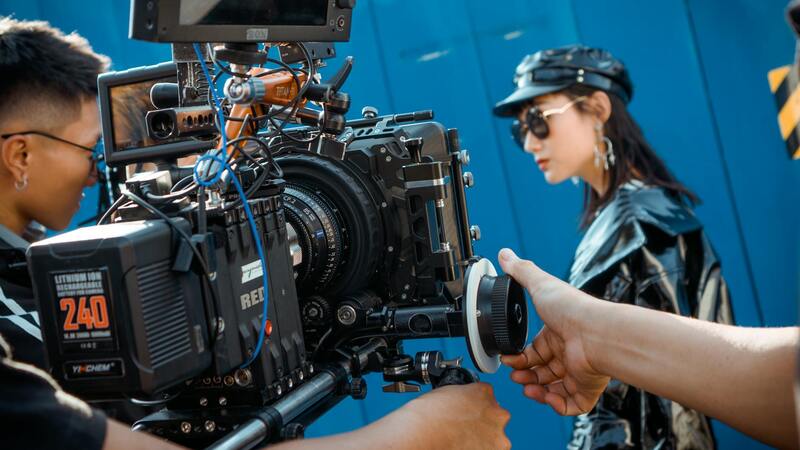
By understanding and proactively addressing these technical challenges, producers can deliver high-quality, engaging live events that meet expectations and stand out in competitive markets. Implementing thorough testing protocols, utilizing reliable equipment, and maintaining vigilant monitoring are essential strategies for successful live streaming production.
Understanding Live Streaming Production
Effective live streaming production hinges on meticulous planning, advanced technical execution, and the adept management of resources. Professional-grade equipment, combined with expert handling, ensures seamless delivery of live content. It’s essential to employ high-quality cameras capable of capturing clear, sharp visuals and microphones that provide crisp, interference-free audio. The choices made during setup significantly influence the viewer experience, especially when broadcast to large audiences across various devices and platforms.
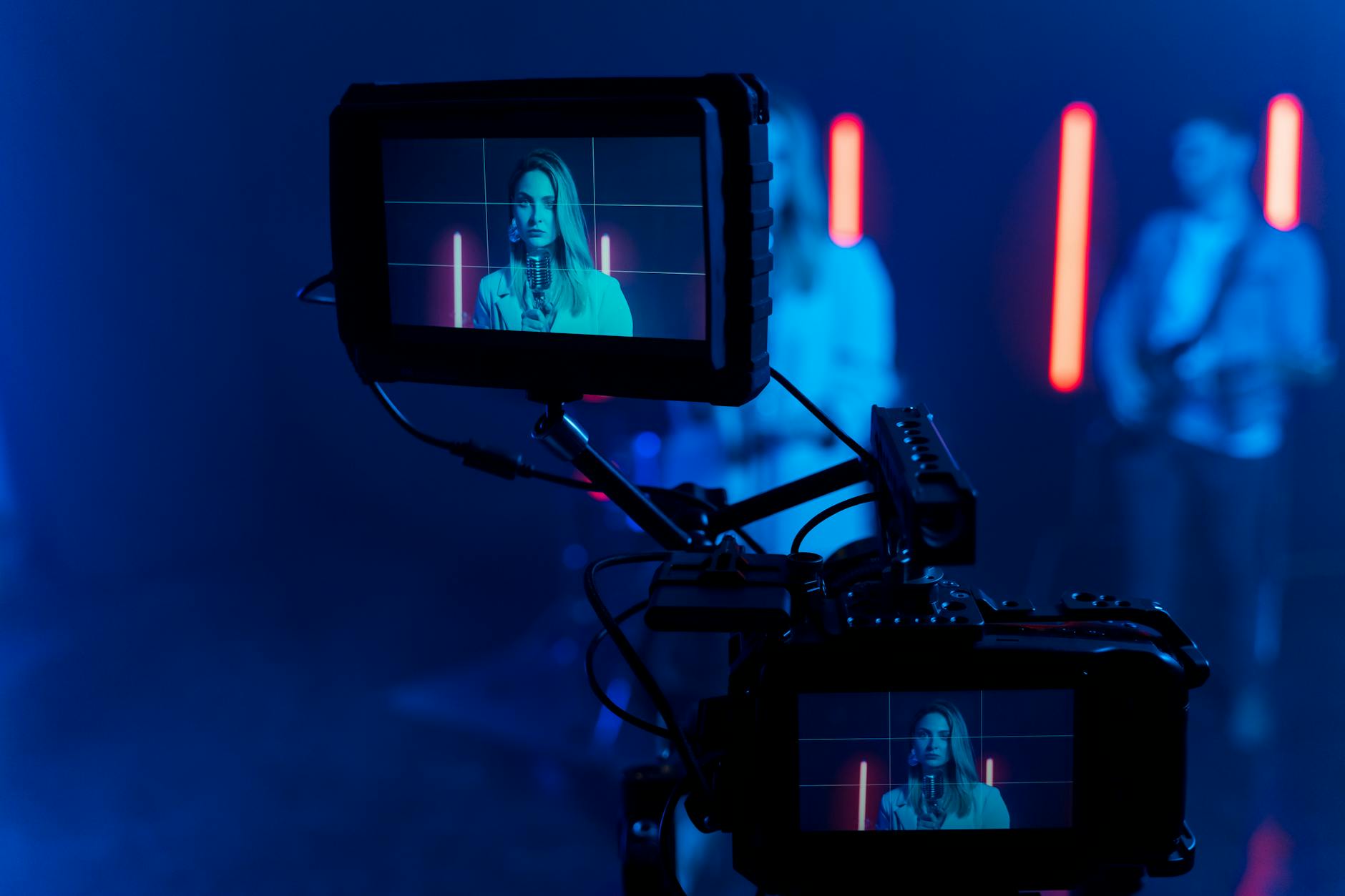
Encoding software plays a critical role in converting raw audio and video signals into digital streams that can be efficiently transmitted. Selecting reliable encoding solutions that support multi-bitrate streaming adapts content to various bandwidths, providing a buffer against network instability. Simultaneously, robust network infrastructure—preferably wired Ethernet connections that offer higher stability and consistent upload speeds—minimizes interruptions. Using backup internet lines and redundant servers further enhances stream resilience, ensuring continuous delivery even when network issues arise.
Key Components of a Live Streaming Setup
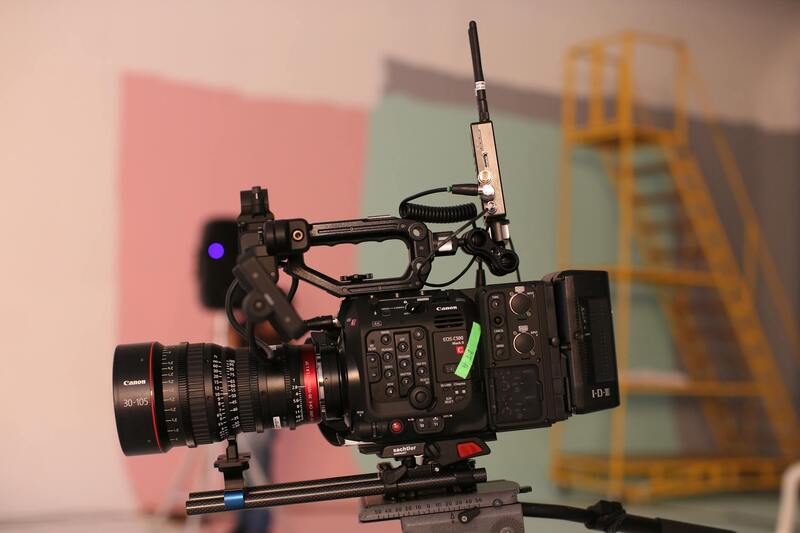
- Capture Devices: Cameras and microphones that capture high-definition audio-visual content.
- Switchers and Mixers: Equipment that manages multiple video and audio sources, enabling dynamic switching between cameras and overlaying graphics or video feeds.
- Encoding Hardware/Software: Converts captured data into streams suitable for online transmission with options for adjusting quality and bandwidth.
- Streaming Servers and Content Delivery Networks (CDNs): Distribute the live stream efficiently to viewers across the globe, minimizing latency and buffering issues.
- Monitoring Tools: Software solutions that track stream health, data throughput, and viewer engagement, allowing real-time adjustments.
Planning and Pre-Production Strategies
Successful live streaming begins well before the event starts. Developing a detailed production plan helps coordinate all technical and creative aspects, ensuring seamless execution. This involves scheduling, sourcing appropriate equipment, and securing trained personnel to handle technical operations. Pre-production also includes a comprehensive content outline, audience engagement strategies, and contingency plans for potential technical difficulties.
Rehearsals are integral to minimizing on-air glitches. They provide an opportunity to fine-tune camera angles, audio levels, and transitions, as well as to test internet stability and backup systems. Effective communication channels among production team members, including a clear flow of commands and cue sheets, facilitate a coordinated effort during live broadcast.
Production Process and Technical Execution
During the live event, technicians monitor stream quality continuously, making real-time adjustments as necessary. Keeping an eye on latency, dropped frames, and buffering helps maintain a professional broadcast. Video switchers and graphics overlays enhance visual engagement, while audio mixing ensures sound clarity across the venue and viewers' devices.
Remote management capabilities enable technical directors to oversee the stream from different locations, providing flexibility and rapid response to issues. Utilizing reliable power sources and backup systems safeguards against interruptions caused by outages. Additionally, maintaining clear communication with on-site personnel and stream supervisors ensures that all elements of the production operate harmoniously.
Choosing the Right Streaming Platforms
Selecting suitable platforms is crucial for reaching your target audience effectively. Factors such as platform user interface, audience demographics, and compatibility with devices influence this choice. Professional live streamers often opt for platforms that support multi-camera streaming, monetization features, and robust analytics tools. Ensuring the platform's infrastructure aligns with your event's scale and technical requirements promotes a smoother broadcast.
Independent of platform choice, compliance with platform guidelines and content policies guarantees uninterrupted streaming and minimizes risks of content removal or account suspension. Preserving stream quality by leveraging platforms known for high capacity and adaptive streaming capabilities creates an engaging viewer experience across desktops, tablets, and smartphones.
Post-Production and Analytics
After the live event, reviewing detailed analytics offers insights into viewer engagement, stream performance, and content effectiveness. Metrics such as viewer retention, average watch time, and peak concurrent viewers inform future production strategies. Editing recorded streams or highlights can extend content value, foster greater audience interaction, and support additional marketing efforts.
Feedback collection from viewers and clients provides critical input for refining technical settings, content delivery, and overall production quality. By analyzing perceived issues and success areas, producers can implement targeted improvements for upcoming events. Maintaining a comprehensive archive of live streams enhances content accessibility, branding, and long-term audience growth.
Advanced Techniques and Best Practices in Live Streaming Production
Achieving a seamless and engaging live stream requires meticulous attention to advanced production techniques and the integration of best practices throughout the process. This entails a comprehensive understanding of the technical infrastructure, content delivery, and viewer engagement strategies that can elevate a live event from a simple broadcast to an impactful visual experience.
Utilization of Multi-Camera and Over-the-Shoulder Shooting
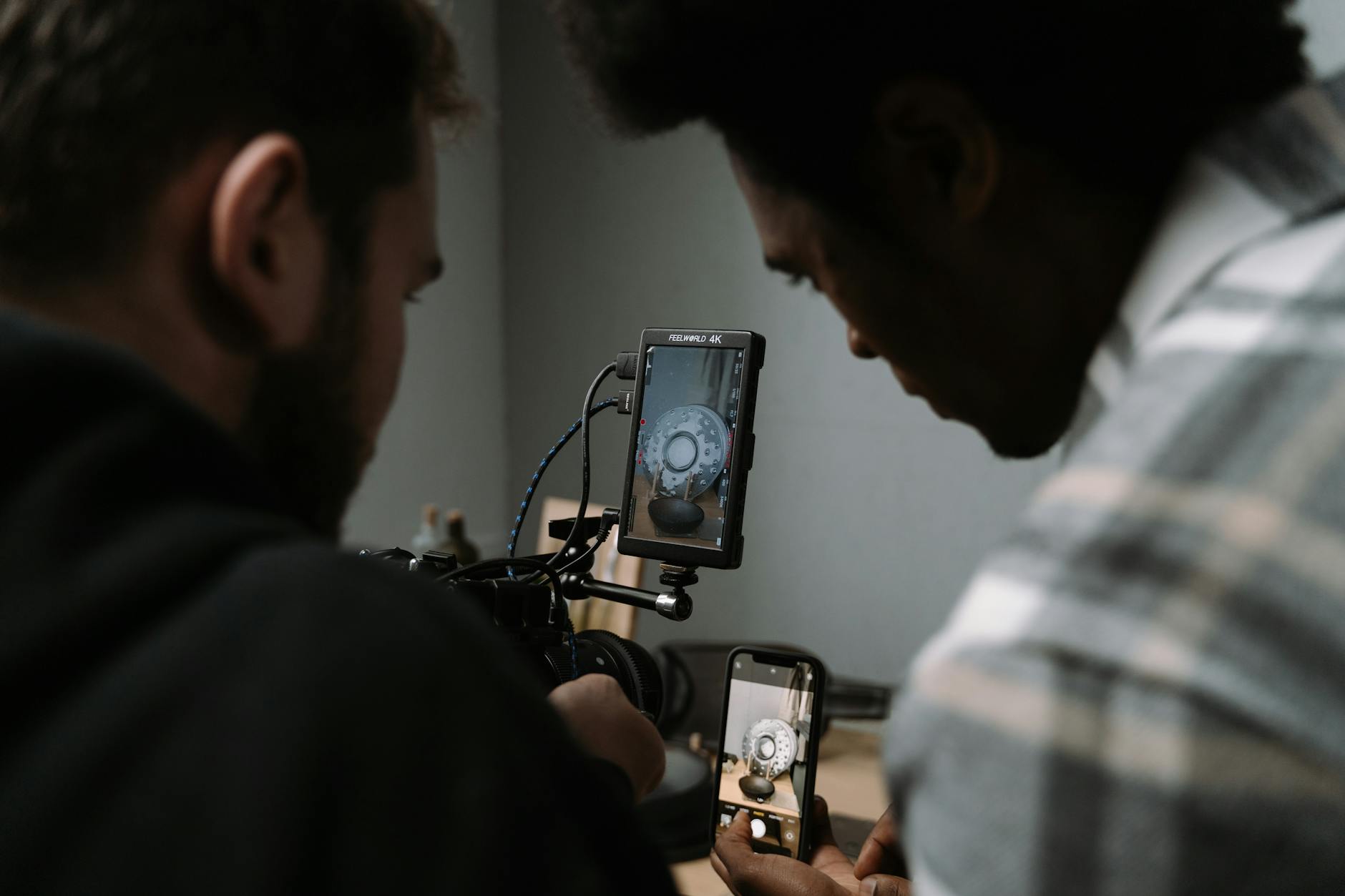
One of the most effective methods to create dynamic live streams involves incorporating multi-camera setups. This approach allows producers to switch between different angles, creating a more immersive experience for viewers. Over-the-shoulder shots, close-ups, wide-angle views, and B-roll footage can be seamlessly integrated to maintain viewer interest and highlight key moments. Properly synchronized camera feeds and real-time switching capabilities demand a reliable hardware and software ecosystem, often combining professional-grade video mixers and live switchers.

Audio Quality and Mixing
In live streaming production, audio quality is just as vital as video clarity. Contractors should employ high-quality microphones, audio mixers, and natural sound reinforcement techniques. Proper sound mixing, including balancing levels, reducing background noise, and incorporating live commentary or guest audio, contributes significantly to the overall viewer experience. Ensuring minimal latency and synchronized audio-video feeds prevents disorienting the audience and maintains professional delivery standards.
Real-Time Graphics and Overlays
The addition of real-time graphics, lower thirds, and overlays provides viewers with contextual information and enhances visual appeal. These elements can include live score updates, participant names, branding, or interactive prompts encouraging viewer participation. Advanced production setups enable the dynamic updating of graphics, often driven by dedicated software that integrates with the live stream’s core platform, ensuring timely and synchronized display.
Rehearsal and Technical Run-Throughs
Thorough pre-event rehearsals are crucial for identifying and resolving potential technical issues. These practice sessions should mimic actual live conditions, including network simulations, camera operation, and cueing sequences. Rehearsals help familiarize presenters and camera operators with their roles, fine-tune technical elements, and establish efficient communication protocols among the production crew.
Transition to Automated and Remote Productions
With technological advancements, automation tools for live switching, audio control, and graphics overlay are increasingly prevalent. Remote production setups, utilizing cloud-based software, empower team members from different locations to collaborate seamlessly, reducing logistical complexities. These innovations ensure continuous, high-quality broadcasts even with limited physical presence, expanding the scope and scale of live streaming events.
Ensuring Sustainable Streaming Infrastructure
Reliable and scalable infrastructure forms the backbone of successful live streaming. This involves choosing high-bandwidth internet connections, redundant data pathways, and disaster recovery plans to prevent interruptions. Network monitoring tools can provide real-time insights into bandwidth usage and stream stability, allowing immediate mitigation of issues. Implementing adaptive bitrate streaming ensures optimal viewer experience across different devices and network conditions, maintaining high quality and minimizing buffering.
Post-Stream Analysis and Continuous Improvement
Post-event analysis is a vital component of ongoing enhancement. Gathering detailed analytics that include viewer engagement metrics, stream stability reports, and viewer feedback helps identify technical and content-related strengths and weaknesses. Reviewing recorded streams with the production team facilitates learning and innovation, informing strategies for future events. This continuous cycle of evaluation and adaptation sustains a high standard of live streaming production.