Understanding Remote Live Stream Production
Remote live stream production has become an essential solution for organizations and event organizers seeking to broadcast live events with high quality and reliability. This approach allows content creation and management to occur remotely, enabling producers, directors, and technical teams to operate from different locations, often coupling physical event sites with dedicated control centers miles away. In the Miami event landscape, remote streaming offers unparalleled flexibility—allowing businesses, nonprofits, and entertainment venues to reach wider audiences without geographical constraints. This method enhances audience engagement, provides real-time interaction capabilities, and reduces the logistical complexities associated with on-site production teams.
Remote live stream production involves multiple technological layers working in harmony to deliver a seamless viewing experience. From capturing high-definition footage at an event venue to transmitting signals over the internet to a remote production team, each step requires meticulous planning and execution. For Miami-based events, leveraging remote production methods can significantly cut costs, streamline workflows, and expand reach to international audiences, which is crucial amid the evolving digital landscape. The ability to produce professional-quality live streams remotely is transforming how events—from corporate conferences and sporting events to concerts and cultural festivals—are experienced and shared globally.
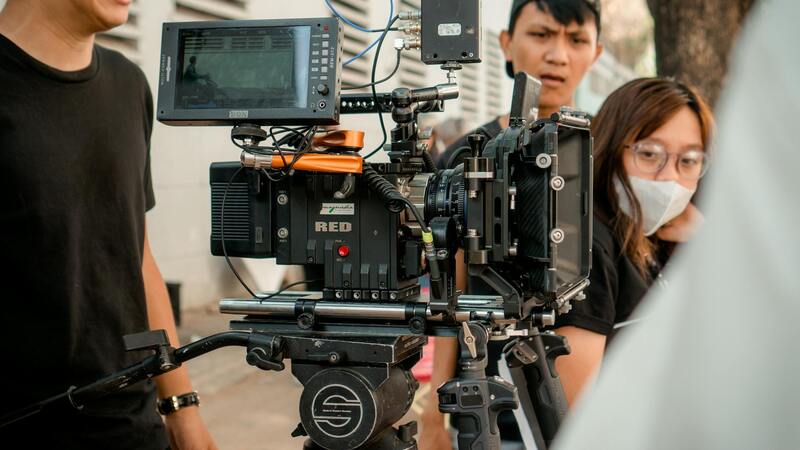
By integrating remote production processes, organizers can benefit from optimized resource allocation, reduced on-site personnel needs, and access to a broader pool of skilled operators. As technology advances, the importance of technical proficiency and robust infrastructure becomes paramount, highlighting the growing demand for specialized remote production services in the Miami market. Overall, understanding the fundamentals of remote live stream production is vital for any organization aiming to stay competitive in today’s digital-first environment. It ensures that live content delivery remains consistent, professional, and engaging across diverse viewing platforms, making it an indispensable component of modern event execution.
Key Components of Remote Live Stream Setup
Executing a high-quality remote live stream requires a comprehensive understanding of the core elements involved in the setup. Ensuring seamless integration of hardware, software, and network infrastructure is critical to delivering a professional and engaging viewing experience for audiences across the globe.
Essential Hardware
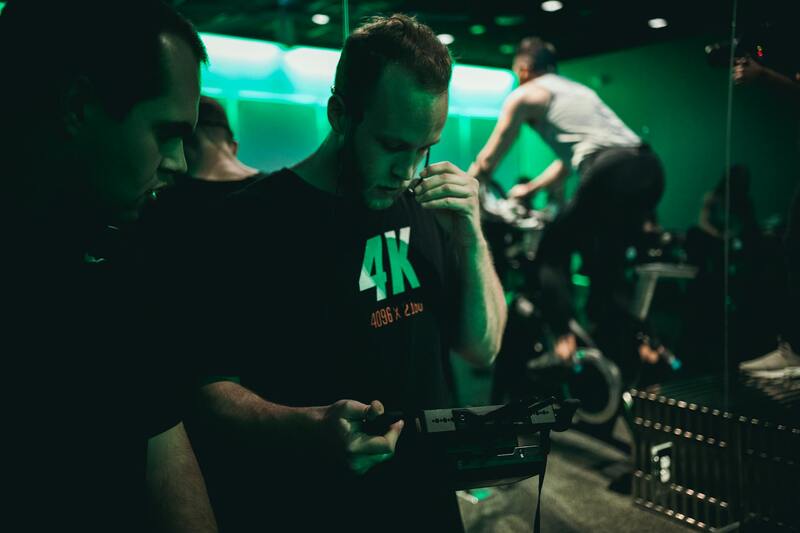
- Cameras: Professional-grade cameras capable of broadcasting in HD or 4K ensure crisp visuals. PTZ (pan-tilt-zoom) cameras offer remote control capabilities, enhancing flexibility.
- Video Switchers: These devices facilitate real-time switching between multiple camera feeds, allowing dynamic production.
- Encoders: Video encoders convert raw footage into compressed digital streams suitable for internet transmission.
- Audio Equipment: High-fidelity microphones and audio mixers ensure clear sound quality, crucial for engaging remote audiences.
- Streaming Hardware: Servers and routers optimized for live streaming handle data transmission efficiently and securely.
Software Solutions
- Production Software: Platforms that enable multi-camera control, graphics overlays, and real-time editing contribute to a polished livestream.
- Encoding Software: Advanced software encoders provide additional control over the quality and stability of streams.
- Platform Integrations: Compatibility with streaming platforms such as YouTube, Facebook Live, or custom RTMP servers ensures wide accessibility.
Infrastructure and Connectivity
Robust, high-speed internet connections are fundamental to maintaining stream stability. Redundant network setups, including backup connections via wired Ethernet, fiber optics, or dedicated cellular networks, minimize disruptions. Proper network configuration, with high bandwidth and low latency, supports real-time data transfer without quality degradation.

Furthermore, deploying firewalls and security protocols protects the streaming environment from potential threats, ensuring a smooth broadcast without interruptions caused by cyber risks.
Conclusion
Building an effective remote live stream setup involves a strategic combination of advanced hardware, reliable software, and sturdy network infrastructure. Attention to detail in each component not only enhances the quality of the broadcast but also ensures an uninterrupted, professional presentation that reaches audiences worldwide with clarity and engagement.
Understanding Remote Live Stream Production
Effective remote live stream production hinges on meticulous planning and seamless integration of various technological elements. As live events grow more sophisticated, the remote setup must accommodate multiple camera feeds, high-quality audio, graphics, and real-time editing, all transmitted over secure and stable networks. By delving into the core aspects of remote live stream production, organizers can ensure a professional and engaging broadcast that meets audience expectations and maintains the integrity of the event.
Key Components of Remote Live Stream Setup
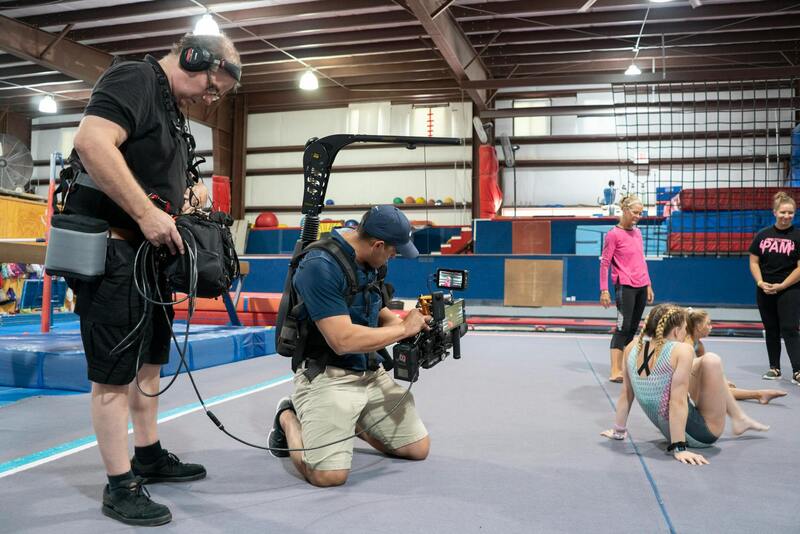
At the heart of a successful remote live streaming operation are several crucial components. The selection of reliable hardware and software ensures high-quality output and minimal latency. Modern production software platforms offer multi-camera control, overlays, chroma keying, and real-time editing capabilities, empowering remote operators to create dynamic and polished streams. Meanwhile, advanced encoding software helps optimize video quality while reducing bandwidth consumption, adapting seamlessly to different network conditions. Compatibility with streaming platforms such as YouTube Live, Facebook Live, or custom RTMP servers broadens audience reach and ensures content delivery across various channels.
Hardware and Software Foundations
- Production Hardware: Professional-grade cameras, audio mixers, and control interfaces facilitate high-definition capture and flexible operation from remote locations.
- Video Encoders: Hardware and software encoders compress video streams efficiently, ensuring minimal lag and interference.
- Streaming Platforms: Integration with multiple platforms provides redundancy and broadens audience engagement.
Network Infrastructure and Connectivity
Stable and high-capacity internet connections serve as the foundation for remote live streaming. Employing multiple feeds and backup connections, such as fiber optics, wired Ethernet, and dedicated cellular networks, fortifies the setup against potential disruptions. Proper network configuration—including high bandwidth availability, low latency, and quality of service (QoS) settings—ensures consistent stream quality. Additionally, deploying firewalls and encryption protocols safeguards the streaming environment from unauthorized access and cyber threats, maintaining a secure broadcasting experience.
Planning and Coordination for Remote Streaming
Effective remote live stream production begins with detailed planning. It involves establishing a clear schedule, aligning technical requirements with the event timeline, and coordinating seamlessly with team members located in different locations. Assigning specific roles—such as camera operators, technical directors, and sound engineers—facilitates efficient task execution. Remote collaboration tools and communication platforms allow real-time coordination, troubleshooting, and adjustments, minimizing the risks of miscommunication or technical failures during the live event.
Technical Preparation and Rehearsals
Pre-event rehearsals are critical to identify potential issues related to connectivity, equipment functionality, and synchronization. Conducting test runs with all involved personnel ensures familiarity with workflows and swiftly resolves hardware or software conflicts. Additionally, verifying backup systems and establishing contingency plans build resilience into the production process, preventing minor glitches from escalating into significant broadcast disruptions.
Choosing the Right Technology and Equipment
Selecting appropriate technology depends on event scale, audience expectations, and budget constraints. Professional-grade cameras and encoders, along with reliable switching hardware, provide high fidelity and flexibility. Wireless solutions, such as bonded cellular modules, offer mobility and quick deployment, ideal for outdoor or remote locations. Cloud-based management platforms facilitate remote control and monitoring, offering centralized oversight and streamlined workflows.
Network and Connectivity Considerations
A comprehensive approach to network infrastructure is paramount. Dual internet connections, load balancing, and automated failover mechanisms ensure uninterrupted streaming. Network hardware should support high throughput and low latency, while private or qos-enabled networks prioritize streaming data for optimal performance. Continuous network monitoring helps detect issues proactively, enabling rapid intervention and minimizing downtime.
Production Management and Remote Operator Roles
Clear delineation of responsibilities enhances operational efficiency. Designated roles include technical director, switching operator, graphics operator, and audio engineer. Each role requires specialized knowledge and coordination, often managed through remote desktop or control software. Synchronizing efforts across multiple locations demands precise communication, especially when making real-time decisions about shot selection, overlays, and transition effects.
Best Practices for Producing and Streaming Live Events
- Conduct comprehensive pre-event testing to identify and resolve technical issues.
- Establish reliable communication channels among team members to facilitate quick decision-making.
- Create a detailed production timeline, including transition points and contingency procedures.
- Implement redundancy in hardware and internet connectivity to safeguard against failures.
- Engage a dedicated technical supervisor to oversee all aspects of remote streaming operations.
- Continuously monitor stream health, viewer feedback, and data metrics to optimize live performance.
- Maintain clarity in visual and audio quality standards, ensuring content remains engaging and accessible.
- Align all staff on safety protocols and cybersecurity measures to protect the production environment.
Figure Placeholder for Equipment Setup and Connectivity Configuration

Network and Connectivity Considerations
Establishing a robust network infrastructure is fundamental for seamless remote live stream production. High-bandwidth internet connections with symmetrical upload and download speeds are essential to support multiple high-definition video feeds and real-time data transfer. Utilization of dedicated internet lines, such as fiber optic connections, minimizes latency and reduces the risk of interruptions during live broadcast. It is advisable to implement multiple internet sources with automatic failover capabilities, ensuring continuous streaming even if one connection drops.
Beyond primary internet connectivity, network security measures—including firewalls, VPNs, and encryption protocols—are vital to protect sensitive production data and prevent unauthorized access. Quality of Service (QoS) configurations prioritize critical streaming traffic on the network, thereby maintaining stability and quality during peak usage periods. Additionally, deploying redundant hardware such as load balancers, switches, and routers contributes to system resilience, minimizing potential technical disruptions.
For onsite setups, optimal placement of network equipment should be carefully planned to avoid physical obstructions and electromagnetic interference. Regular network performance monitoring helps identify bottlenecks or unstable links early, allowing for prompt corrective action. Ensuring the entire production environment is equipped with reliable internet is critical for maintaining professional standards and delivering a high-quality viewing experience.
Implementing Effective Connectivity Solutions
- Opt for fiber optic internet connections for high capacity and minimal latency
- Use multiple internet providers with automatic failover systems
- Configure network QoS to prioritize live stream data packets
- Secure networks with encryption, firewalls, and VPNs
- Regularly monitor network performance and conduct routine maintenance
- Position networking hardware strategically to avoid physical and electromagnetic interference
Technical Challenges and Mitigation Strategies in Remote Live Stream Production
Executing a seamless remote live stream demands meticulous attention to a variety of technical factors that influence the overall quality and reliability of the broadcast. One of the most prominent challenges is maintaining a stable and high-bandwidth internet connection, especially when multiple streams or high-definition video feeds are involved. Fluctuations in network performance can lead to buffering, pixelation, or even complete stream interruptions, undermining viewer engagement and the professional image of the production.
To counteract these issues, industry professionals often employ advanced connectivity solutions, including dedicated fiber optic internet lines that ensure high throughput with minimal latency. Employing multiple internet service providers (ISPs) with automatic failover capabilities creates a resilient connection environment, enabling the stream to switch seamlessly in case one connection experiences downtime or degradation. This redundancy is essential for maintaining continuous broadcast quality during live events.
Quality of Service (QoS) configurations play a crucial role in prioritizing live stream traffic over other types of network data. By assigning high priority to streaming packets, QoS ensures that the live feed receives the necessary bandwidth and minimal jitter, even during peak network usage periods. Network security measures such as encryption protocols, firewalls, and virtual private networks (VPNs) protect sensitive production data from unauthorized access or cyber threats, preserving the integrity of the live stream. Regular network performance monitoring and routine maintenance further enhance stability, allowing technical teams to identify and resolve bottlenecks proactively.
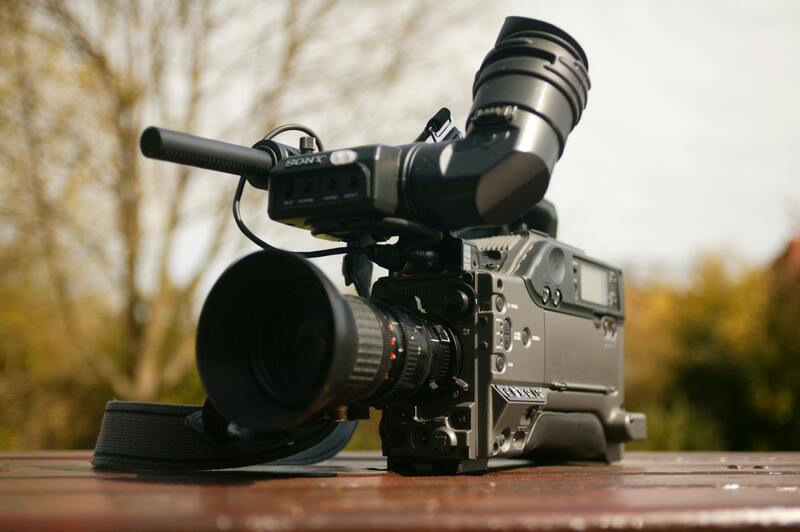
In addition to the internet infrastructure, deployment of reliable hardware components forms the backbone of a successful remote live stream. Load balancers distribute traffic efficiently across servers, preventing overloads, while high-performance routers and switches ensure swift data transmission. Strategically positioning networking hardware to avoid physical obstructions and electromagnetic interference enhances signal clarity and consistency. Continuous monitoring of network health indicators allows technicians to respond swiftly to emerging issues, minimizing potential disruptions and ensuring a smooth broadcast experience.
Optimal Connectivity Solutions for Remote Live Streaming
- Utilize fiber optic internet connections for high bandwidth and low latency
- Implement automatic failover systems with multiple ISPs to ensure uninterrupted connectivity
- Configure network QoS to prioritize streaming data packets
- Secure networks with encryption, firewalls, and VPNs to guard against unauthorized access
- Conduct routine network performance assessments and maintenance
- Position networking hardware strategically to avoid physical and electromagnetic interference
By integrating these connectivity strategies, production teams can significantly reduce the risk of technical failures, thereby enhancing the viewer experience and maintaining the high standards of professional live streaming. Compatibility between hardware, software, and network configurations is essential; therefore, thorough testing during pre-production phases ensures all systems operate harmoniously during the actual event.

Effective management of network and connectivity issues forms the foundation of any successful remote live stream production. These efforts result in consistent, high-quality broadcasts that meet audience expectations, adhere to professional standards, and effectively showcase the event regardless of geographical distances.
Legal, Security, and Compliance Aspects
Ensuring the integrity of a remote live stream production involves meticulous attention to legal, security, and compliance measures. These aspects are fundamental in safeguarding the content, respecting intellectual property rights, and maintaining a professional standard that aligns with industry best practices.
Regarding legal considerations, securing appropriate rights and permissions for all content involved in the broadcast is crucial. This encompasses music rights, video footage, images, and any copyrighted material. Proper licensing agreements and clearances must be obtained prior to streaming to prevent disputes and uphold ethical standards. Moreover, contractual arrangements with all stakeholders—including remote crew members, sponsors, and participating entities—should outline responsibilities, confidentiality clauses, and provisions for content use.
Security measures play a pivotal role in protecting live stream content from unauthorized access or hacking attempts. Implementing robust encryption protocols during data transmission helps prevent interception and tampering. Utilizing secure network configurations, such as Virtual Private Networks (VPNs) and firewall protections, adds additional layers of security. Regular security audits, vulnerability assessments, and real-time monitoring enable production teams to identify and mitigate potential threats proactively.
Compliance and Best Practice Standards
- Adherence to industry-specific broadcast standards ensures that live streams meet quality and technical requirements.
- Compliance with data protection regulations, such as GDPR or CCPA, safeguards viewer information and respects privacy rights.
- Implementing accessibility features, such as closed captioning or descriptive audio, demonstrates inclusivity and complies with legal accessibility standards.
- Clear privacy policies should be communicated to viewers, detailing how their data and interactions during live streams are handled.
Maintaining comprehensive documentation and record-keeping enhances transparency and accountability. These measures support quick responses to any incident or inquiry that may arise, fostering trust among clients and viewers alike.
Ultimately, detailed planning, strict adherence to legal frameworks, and proactive security strategies ensure a safe, compliant, and professional remote live stream production. This foundation not only protects the organization but also enhances its reputation as a responsible and capable creator of high-quality live content.
Network and Connectivity Considerations
Reliability and stability of the internet connection are fundamental to successful remote live stream production. High-bandwidth connections with low latency ensure smooth transmission of audio and video feeds, minimizing disruptions that can detract from viewer experience. Typically, bonded internet solutions that aggregate multiple connections—such as fiber, DSL, and LTE—provide redundancy, keeping streams live even if one link encounters issues.
Furthermore, network security plays a crucial role in safeguarding the data transmitted during a live event. Implementing Virtual Private Networks (VPNs) can encrypt streams, preventing interception by unauthorized parties. Firewalls and intrusion detection systems should be configured to monitor and restrict access, reducing vulnerabilities that could be exploited during transmission.
It is also essential to conduct thorough pre-event network testing to identify potential bottlenecks or points of failure. During the event, real-time monitoring of network performance allows operators to respond swiftly to any anomalies, such as fluctuations in bandwidth or spikes in latency. Having backup plans, including secondary internet sources and failover configurations, ensures continuous streaming even amidst technical disruptions.
Production Management and Remote Operator Roles
Effective remote live stream production relies on well-defined roles and clear communication channels. A dedicated remote director oversees the broadcast, coordinating multiple feeds, graphics, and transitions. Technical operators handle tasks such as camera controls, audio mixing, and stream encoding, often from a remote control room or a distributed team environment.
In addition, a reliable support team manages issues as they arise, including troubleshooting connectivity problems, adjusting encoding settings for optimal video quality, and ensuring the broadcast adheres to timing and content flow. Utilizing cloud-based production platforms facilitates real-time collaboration among remote operators, giving multiple team members access to the necessary tools and feeds irrespective of location.
Regular training sessions and clear procedural documentation enable team members to operate effectively during live events. Additionally, employing automation tools for switching between camera feeds and inserting graphics reduces the potential for human error, maintaining a professional presentation throughout the broadcast.
Legal, Security, and Compliance Aspects
Ensuring a smooth remote live stream production involves a comprehensive understanding of legal, security, and compliance considerations. When broadcasting events, especially within Miami’s vibrant multimedia environment, adhering to federal and state regulations is essential to avoid disruptions and uphold professional standards.
One of the primary concerns is obtaining the necessary permissions for copyrighted content, including music, footage, or branded visuals that are integrated into the broadcast. Proper licensing agreements must be in place to prevent unauthorized use, which can lead to content strikes or legal challenges. It’s also vital to document all permissions related to visual and audio elements used during the stream.
Data security is another critical aspect. Remote workflows involve transmitting sensitive data—such as login credentials, live feeds, and personal information of participants—over the internet. Implementing encryption protocols and secure access controls protects these assets from cyber threats. Using virtual private networks (VPNs) and trusted cloud services minimizes vulnerabilities associated with remote operations.
Compliance with local regulations, including those specific to Miami and Florida, involves adhering to broadcasting standards, consumer protection laws, and privacy policies. For instance, recording and sharing live footage of individuals must respect their rights, requiring clear notifications or consent forms in certain scenarios. Maintaining detailed documentation of consent and licenses supports transparency and accountability.
Additionally, organizations should stay current with evolving policies regarding digital content dissemination, especially with the rise of user-generated content. Establishing internal guidelines and regular staff training ensures all team members understand their responsibilities related to legal and security compliance.
For Miami-based productions, collaborating with legal advisors or compliance specialists familiar with local and federal regulations can provide targeted insights. These professionals help craft policies that meet industry standards while also enhancing overall security posture. A proactive approach to legal and security adherence not only safeguards the organization but also reinforces client trust and viewer confidence in the live streaming process.