Understanding Live Stream Productions
Live stream productions have transformed the way events are broadcasted and experienced in real-time, providing an accessible platform for reaching audiences regardless of their geographical location. These productions involve capturing live footage of an event, broadcasting it through the internet, and ensuring a seamless viewing experience for viewers tuned in from around the world. In recent years, the demand for professionally produced live streams has surged, especially within dynamic cities like Miami, where events range from corporate conferences and concerts to sports competitions and social celebrations.
For Miami-based clients, the importance of high-quality live stream productions cannot be overstated. The city’s vibrant cultural scene, combined with its status as a hub for business and entertainment, creates a significant need for reliable, engaging, and professional streaming services. These productions ensure that the energy and exclusivity of an event are captured and shared effectively, elevating the event’s visibility and engagement with both local and international audiences.
Deploying a live stream is more than simply broadcasting footage; it involves a comprehensive process that guarantees professional quality, technical stability, and audience engagement. Whether for a corporate keynote, a music festival, or a community event in Miami, the goal remains the same: delivering a compelling digital experience that mirrors the physical event while expanding its reach beyond physical boundaries.
Understanding the different aspects of live stream production—from planning to post-event analysis—helps clients appreciate the intricacies involved in delivering a polished, professional broadcast. For businesses and organizations in Miami, partnering with experienced providers ensures that their event’s digital presence is both impactful and memorable.
Key Components of a Live Stream Setup
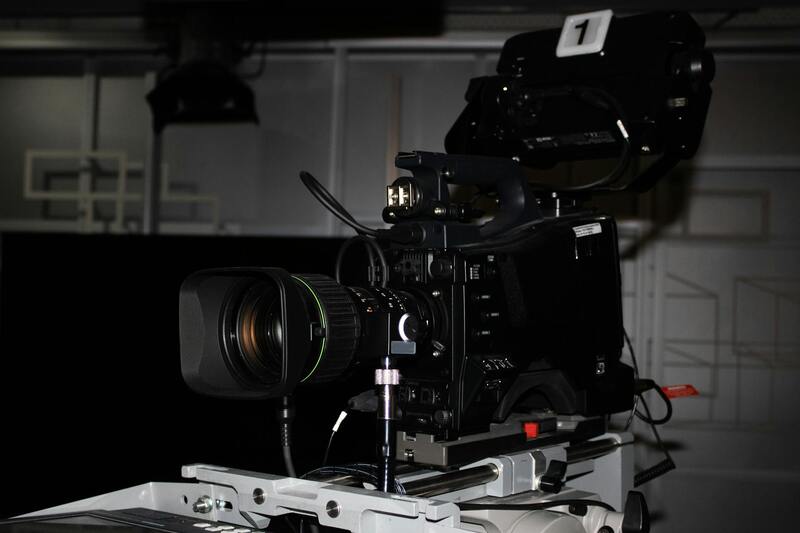
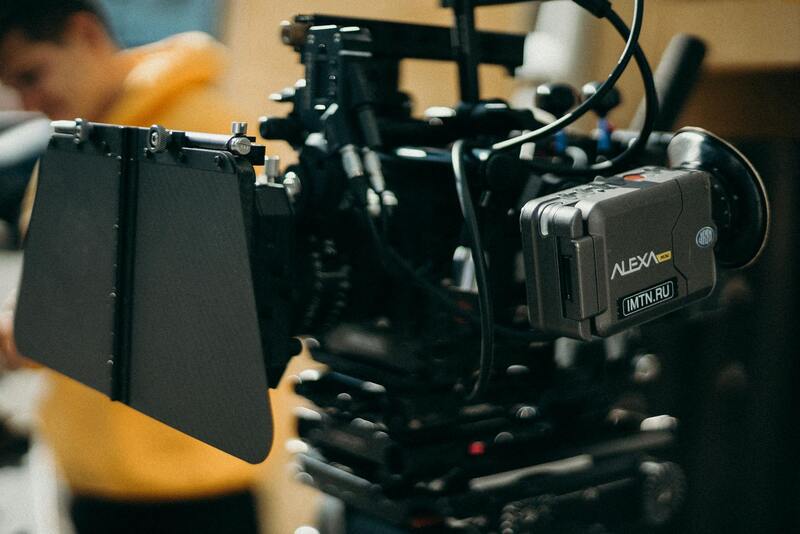
Implementing a seamless live stream requires a carefully curated array of equipment designed to ensure clarity, stability, and interactivity. At the core of this setup are high-definition cameras capable of capturing multiple angles and dynamic shots that adapt to the flow of the event. These cameras must be integrated with advanced switching hardware, allowing operators to transition smoothly between different sources, enhancing viewer engagement. Supplementary audio equipment, including professional microphones and mixers, is essential to pick up sound faithfully and synchronize audio with visual feeds for a polished broadcast.
Reliable internet connectivity forms the backbone of any successful live stream. Redundant internet sources, such as fiber-optic lines and 4G/5G backup connections, help mitigate network interruptions that can disrupt the broadcast. Encoding devices then process the mixed audio and video signals, compressing the data appropriately for streaming platforms—ensuring optimal quality without excessive latency.
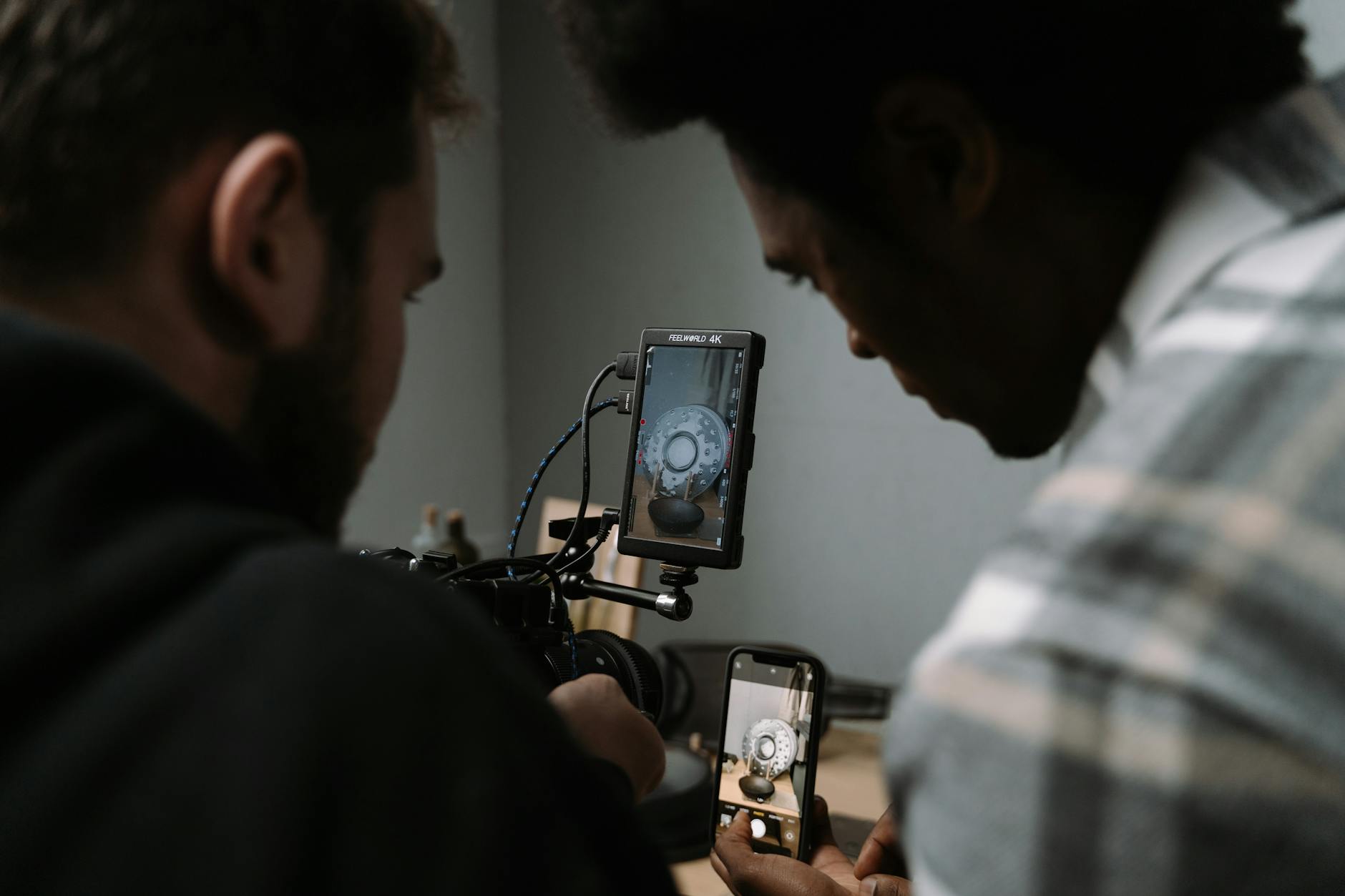
Additional essential tools include backup power supplies to prevent interruptions during power outages, and high-capacity storage solutions for recording the broadcast for later use or editing. Modern live stream setups also incorporate sophisticated graphics and overlays, which can be used to display information, branding, or live annotations, heightening the professional appearance and engagement of the streamed content.
Planning and Pre-Production for Live Events
Effective live stream production begins long before the event starts. Strategic planning involves understanding the event’s objectives, target audience, and desired outcomes. Content flow, camera angles, graphics, and interactive features are mapped out during initial meetings, ensuring alignment with the client’s vision. Precise logistical planning encompasses site surveys to identify optimal camera positions, wireless networks, and power sources, reducing unexpected hurdles on the day of the event.
Pre-production also involves coordinating with event organizers, performers, speakers, and technical teams. Rehearsals are crucial to test equipment and workflows, allowing adjustments to be made before the live broadcast. Creating a comprehensive production timeline helps synchronize all moving parts, from camera cues to audio levels, ensuring a smooth flow during the live event.
Production Process During Live Streaming
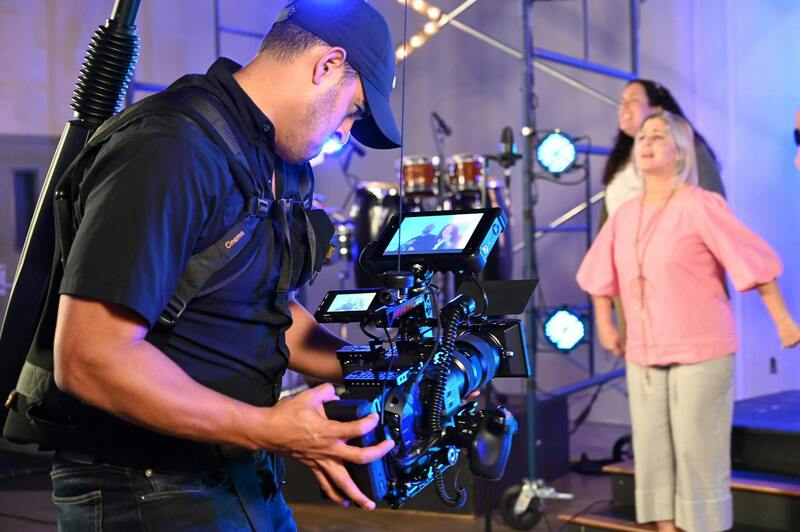
During the event, the production team manages all technical aspects in real-time. Multiple camera feeds are monitored and switched seamlessly to maintain visual interest and engagement. Audio levels are constantly adjusted, and live graphics or branding are integrated to highlight key moments. The director oversees the overall flow, coordinating cues for camera operators, audio engineers, and graphics technicians.
Continuous quality control ensures the feed remains steady, clear, and accurately synchronized across all elements. Real-time troubleshooting is essential for responding swiftly to unforeseen issues, such as audio feedback or connectivity problems. The goal is to deliver an uninterrupted stream that captures the atmosphere, energy, and significance of the event, making viewers feel immersed, regardless of their physical distance.
Technical Challenges and Solutions
Implementing a successful live stream requires overcoming various technical challenges that can disrupt the broadcast if not properly managed. One common issue is inconsistent internet connectivity, which can lead to buffering, lag, or dropped feeds. To counter this, professional live stream productions utilize high-bandwidth dedicated internet connections, backup networks, and redundant streaming setups to ensure a stable connection throughout the event.
Audio quality is another critical element; poor sound can diminish viewer engagement. This is addressed by deploying high-quality microphones, audio mixers, and real-time sound monitoring systems. Ensuring proper cable management and avoiding interference are also vital steps. Additionally, audio engineers continually adjust levels during the broadcast to maintain clarity and volume consistency.
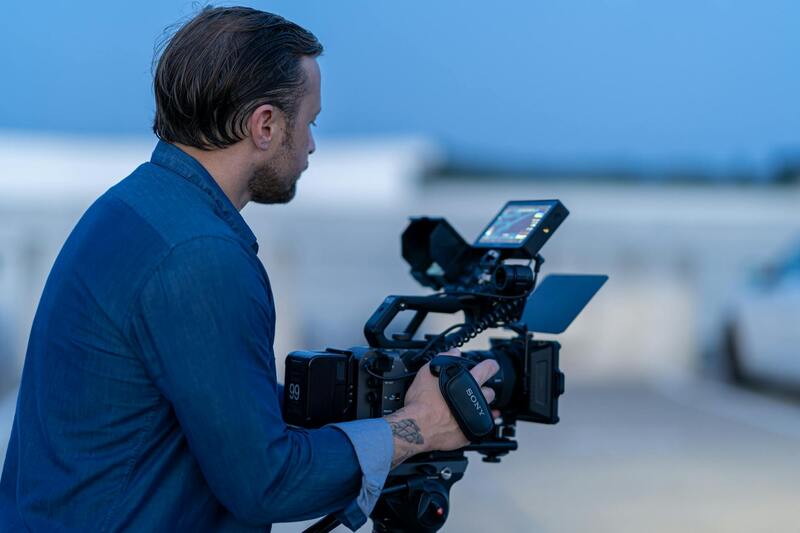
Video synchronization issues can arise from latency differences between multiple cameras and feeds. To mitigate this, live stream professionals employ sophisticated switching hardware and software that synchronize inputs precisely. This guarantees that all visual content remains cohesive and aligned, providing viewers with a seamless visual experience.
Besides hardware concerns, there are software-related challenges such as encoding errors or software crashes. These are mitigated by using reliable, industry-standard streaming platforms and performing comprehensive pre-event testing. Continuous monitoring during the broadcast allows teams to identify and resolve issues promptly, minimizing disruptions and maintaining the quality of the live stream.
Post-Production and Distribution
After a live event concludes, the footage often requires editing or repurposing to maximize its value. Post-production involves reviewing the live stream recording, editing for highlights, and adding graphics and branding elements. These enhancements help in creating promotional clips, highlight reels, or on-demand content for future use.
Distribution strategies encompass uploading content to multiple digital channels like websites, social media platforms, and streaming services. Optimizing the content for each platform, considering format specifications and audience preferences, ensures broader reach and engagement. Additionally, providing access to recorded streams allows attendees who could not join live, to experience the event at their convenience.
Implementing targeted marketing campaigns can boost post-event viewership. Social media ads, email newsletters, and strategic partnerships are effective methods to promote the available recordings. Successful post-production and distribution maximize the return on investment for any live stream production, ensuring the event's impact resonates long after the live broadcast concludes.
Understanding Live Stream Productions
Live stream productions have become the core of modern event broadcasting, offering real-time engagement and extensive reach for events ranging from corporate conferences to entertainment festivals. The essence of a successful live stream lies in meticulous planning, technical expertise, and seamless execution. This process involves multiple stages, each crucial in delivering a high-quality viewing experience.
Key Components of a Live Stream Setup
Establishing an effective live stream setup necessitates an understanding of several critical components that work together to ensure smooth broadcast delivery. These include:
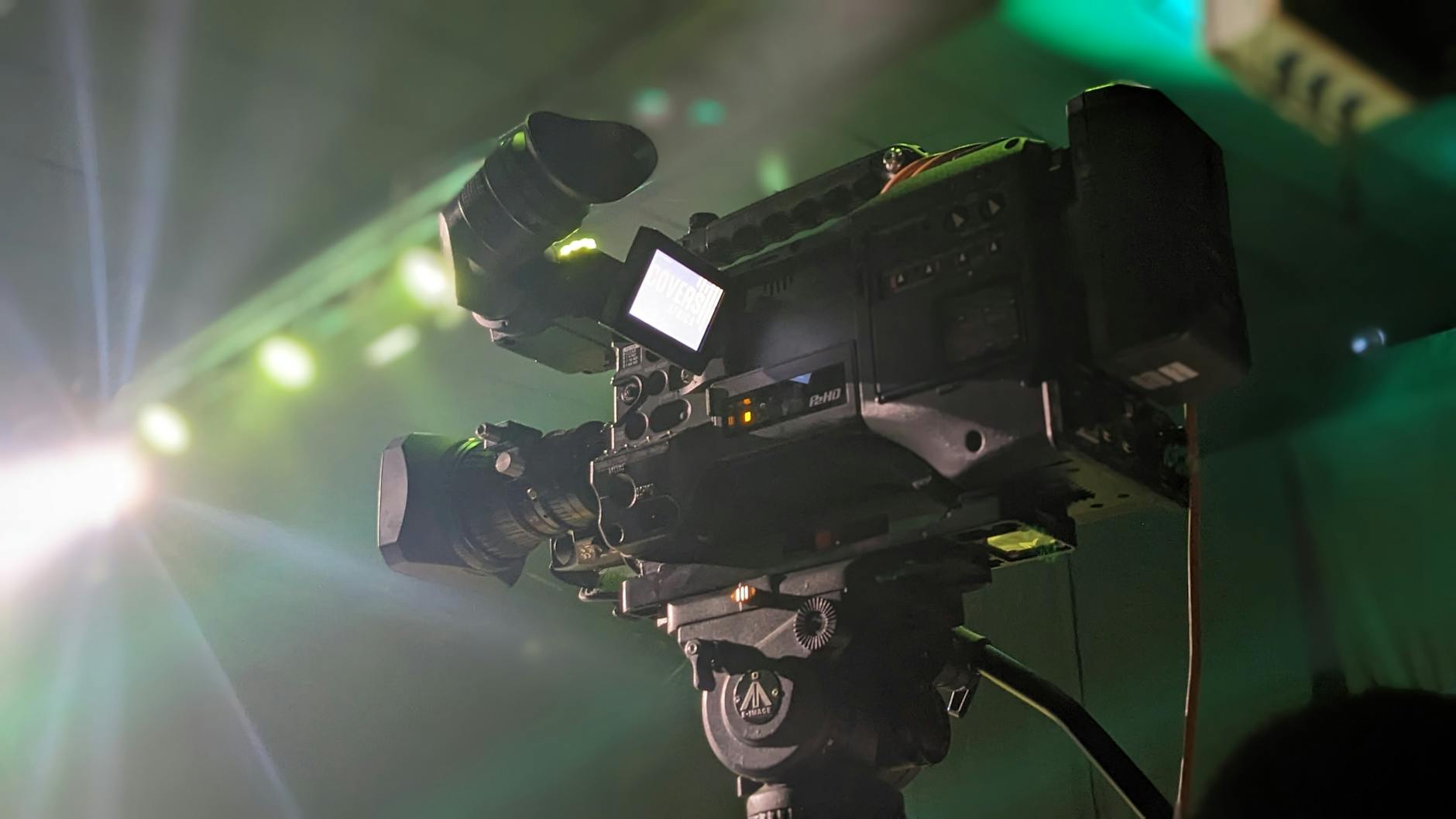
- Video Capture Devices: High-definition cameras are essential for capturing clear visuals. Depending on the scale of the event, this might range from basic camcorders to professional broadcast cameras with multiple angles.
- Video Switchers: Also known as video mixers, these hardware or software tools allow live switching between different camera feeds, creating a dynamic viewing experience.
- Audio Equipment: Clear audio is fundamental. This involves the use of quality microphones, audio mixers, and speakers, ensuring sound clarity for remote viewers.
- Encoding Hardware and Software: Encoders convert video signals into a digital format compatible with streaming platforms. Hardware encoders are more robust, while software solutions offer flexibility and ease of use.
- Streaming Platform Integration: Connecting the live feed to popular platforms like Facebook Live, YouTube Live, or specialized streaming services ensures broad accessibility for viewers worldwide.
- Reliable Internet Connection: A high-speed and stable internet connection prevents interruptions during broadcasts, which is critical for maintaining stream quality and viewer engagement.
Planning and Pre-Production for Live Events
Effective live streaming starts well before the event begins. Pre-production involves detailed planning to align technical setup with event objectives and audience expectations. This includes defining the scope of coverage, preparing camera and audio setups, and conducting comprehensive tests to identify potential issues.
Pre-event rehearsals are vital, especially for complex productions with multiple camera angles and interactive elements. They allow the production team to familiarize themselves with the event flow, troubleshoot technical challenges, and coordinate roles among crew members.
Additionally, integrating branding elements such as overlays, lower thirds, and logos into the stream enhances professionalism and reinforces brand identity. Establishing communication protocols ensures smooth coordination among the production team during the live broadcast.
Production Process During Live Streaming
During the live event, execution hinges on the skill of the production team. Camera operators work to capture the most engaging angles, while the switcher seamlessly transitions between feeds based on direction from the director. Simultaneously, audio engineers manage sound levels, balancing microphone input and removing unwanted noise.
Real-time adjustments are often necessary, ranging from fixing framing issues to managing unexpected technical glitches. A dedicated technical director monitors all systems, ensures stream stability, and coordinates with the live crew to address any emerging problems swiftly.
Effective communication among the team members, combined with a well-cohe grouped workflow, ensures the broadcast remains professional and engaging throughout the event.
Technical Challenges and Solutions
Common hurdles in live streaming include connectivity issues, hardware failures, and synchronization errors. To mitigate these, production teams often employ backup equipment, redundant internet connections, and pre-configured failover protocols. Continuous testing before the event helps identify potential issues, while real-time monitoring allows for immediate problem resolution. Employing hardware with robust build quality and maintaining a controlled environment minimizes hardware malfunctions. Additionally, selecting streaming solutions that offer adaptive bitrate streaming ensures viewers experience minimal buffering even with fluctuating internet speeds.
Understanding Live Stream Productions
Live stream productions have become a cornerstone for broadcasting events in real-time, offering immediacy and engagement that pre-recorded content cannot match. This process involves capturing live footage through professional-grade cameras, managing audio feeds, and transmitting the content seamlessly over the internet to audiences around the world. The quality of a live stream depends heavily on meticulous coordination between various technical elements and a skilled production team dedicated to ensuring a flawless broadcast experience.
Key Components of a Live Stream Setup
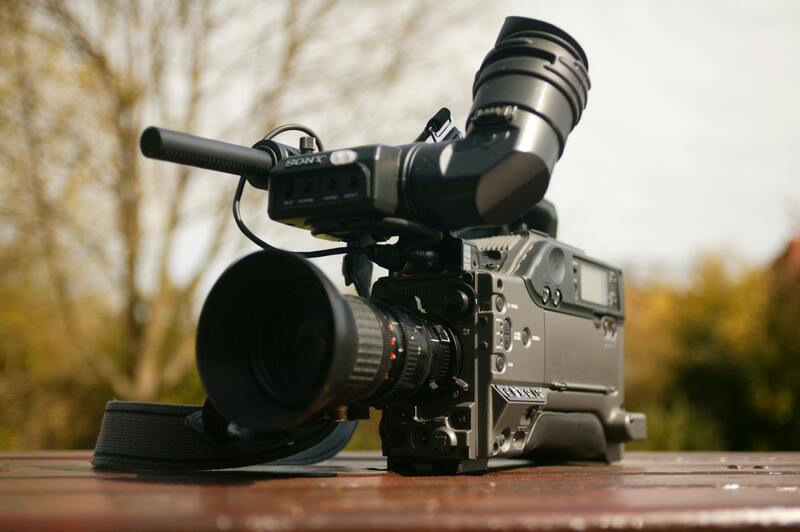
- Video Capture Equipment: High-definition cameras that provide crisp visuals and multiple angles allow for dynamic and engaging content. Camera operators are essential for capturing the most compelling moments during an event.
- Audio System: Clear, balanced sound is critical. This includes microphones, audio mixers, and possibly wireless systems to ensure speech and music are delivered without interference or background noise.
- Video Switchers and Encoding Devices: These enable real-time switching between camera feeds and encoding the video for streaming, ensuring the broadcast is smooth and visually appealing.
- Internet Connectivity: A robust and reliable internet connection, often with backup options, is vital for maintaining stream stability and preventing interruptions.
- Streaming Platform: Secure, scalable platforms that support adaptive streaming quality based on viewer bandwidth, ensuring accessibility across various devices and network conditions.
Planning and Pre-Production for Live Events
Successful live streaming begins well before the event, with comprehensive planning and pre-production meetings. These sessions focus on defining the event timeline, establishing camera shots and angles, and testing all equipment to avoid unforeseen issues. Assigning specific roles—such as camera operators, audio technicians, and the director—ensures clarity during the broadcast. Creating detailed shot lists and storyboard layouts can streamline operations, minimizing delays and confusion during the live event.
Technical rehearsals are crucial, allowing the team to simulate the live environment. During these rehearsals, all systems are tested for connectivity, synchronization, and overall quality. This process enables the identification of potential problems, with contingency plans in place for equipment failures or internet disruptions. It also provides an opportunity to train team members on the specific workflow, maximizing efficiency during the actual event.
Production Process During Live Streaming
Executing a live stream involves a coordinated effort where the production team manages multiple elements concurrently. As the event unfolds, camera operators capture different angles, and the technical director monitors all feeds through a video switcher. The director makes real-time decisions to switch between views, add graphics or overlays, and communicate crucial cues to the team.
Audio engineers continuously monitor sound quality, adjusting levels to maintain clarity for viewers. Any technical glitches, such as lag, buffering, or hardware hiccups, require immediate attention, often through predefined troubleshooting protocols. The use of dedicated communication channels among team members facilitates quick problem resolution, preventing minor issues from escalating into significant disruptions.

Technical Challenges and Solutions
In live streaming, reliability depends on foresight and preparation. Connectivity disruptions are mitigated through redundancies like dual internet connections and portable hotspots. Hardware failures are managed via backup equipment, ensuring that critical components such as cameras, audio equipment, and encoders can be swiftly replaced or bypassed.
Synchronization issues between audio and video signals are addressed through meticulous calibration and real-time monitoring. Employing hardware with durable build quality reduces the likelihood of malfunctions, especially in outdoor or challenging environments. Adaptive bitrate streaming technology adjusts the quality of the stream dynamically, minimizing buffering issues for viewers with slower internet connections. Pre-event testing and continuous monitoring throughout the broadcast are essential practices to maintain high-quality streaming standards.
Technical Challenges and Solutions in Live Stream Productions
Executing a seamless live stream involves navigating a variety of technical challenges that require precise planning, advanced equipment, and expert troubleshooting. Network reliability remains a focal point, as connectivity interruptions can severely impact broadcast quality. To mitigate this, utilizing redundant internet connections—such as dual broadband sources or portable cellular hotspots—ensures a backup pathway if the primary connection falters. These redundancies allow the production team to seamlessly switch over without disrupting the viewer experience, maintaining continuous transmission regardless of network fluctuations.
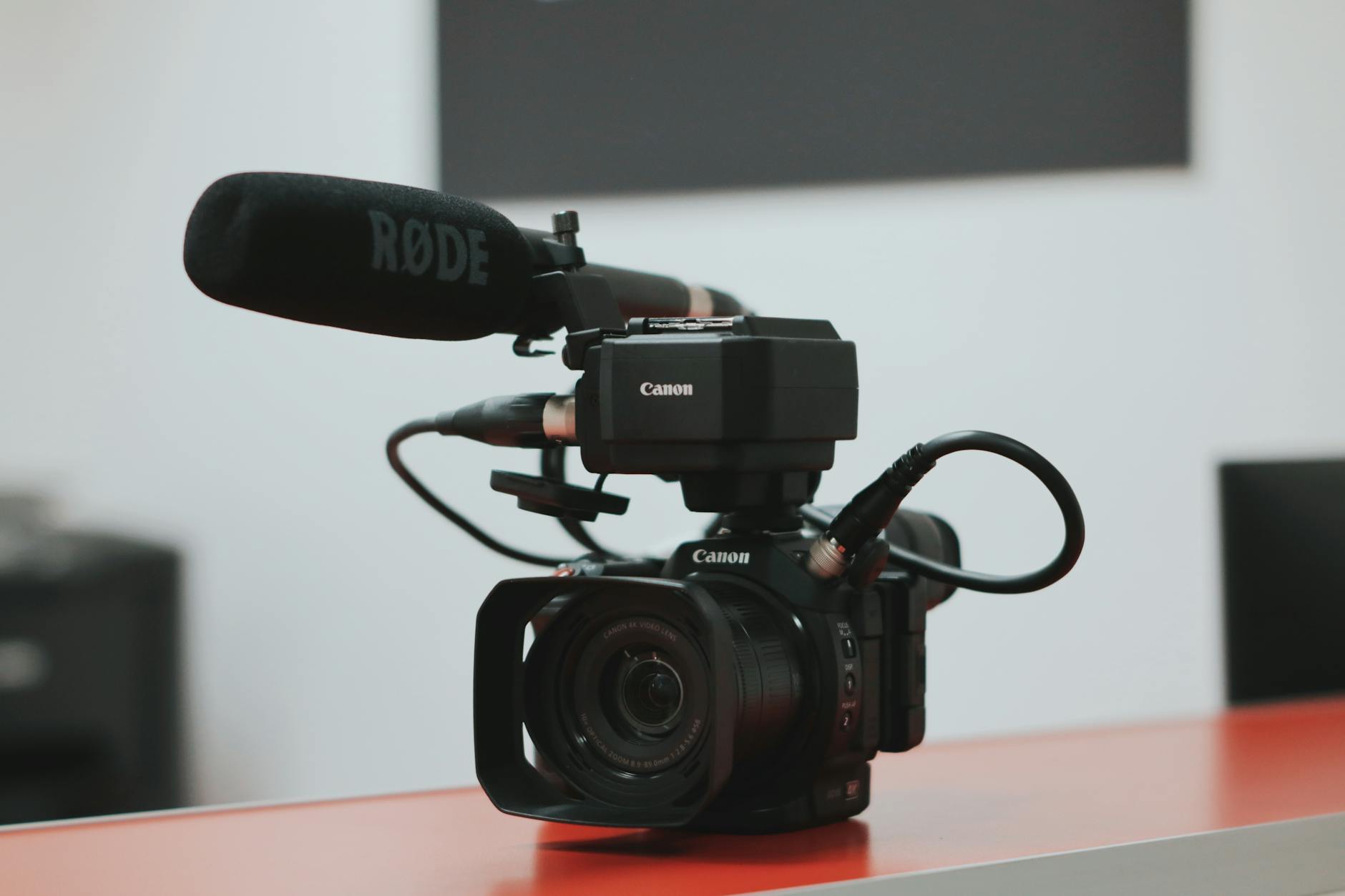
Hardware malfunctions are another significant concern. Critical equipment like cameras, audio mixers, and streaming encoders must be equipped with backup devices. This strategy ensures that a hardware failure, whether caused by physical damage, overheating, or technical defects, does not lead to a complete broadcast shutdown. Setting up quick-connect adapters and spare hardware allows the crew to replace faulty components swiftly, minimizing downtime and preserving stream quality.
Synchronization of Audio and Video Signals
Proper synchronization between audio and video feeds is vital for a professional broadcast. Discrepancies can cause disorienting experiences for viewers, affecting the credibility and engagement levels of the event. Achieving perfect sync involves meticulous calibration of equipment ahead of time and continuous real-time monitoring during the stream. Hardware devices like timecode generators help align signals, while software tools provide feedback on latency or lag issues, enabling immediate corrective measures.
Managing Buffering and Streaming Quality
Buffering problems and inconsistent streaming quality primarily result from internet bandwidth issues or adaptive bitrate misconfigurations. Employing adaptive bitrate streaming technology adjusts the quality of the stream dynamically based on the viewer's internet speed, reducing buffering and providing a smoother viewing experience. Additionally, pre-event testing allows teams to identify potential bottlenecks, fine-tune settings, and confirm that all equipment operates correctly under live conditions.
Environmental and External Factors
Outdoor or challenging environments introduce additional variables such as weather conditions, ambient noise, and physical obstructions. Using weatherproof and durable hardware designed for outdoor use helps withstand environmental stresses. Proper planning, including selecting suitable locations and establishing secure enclosures for equipment, contributes significantly to the success of an outdoor live stream. Furthermore, real-time environmental monitoring tools alert operators to sudden changes, allowing immediate adjustments to preserve stream quality.
Pre-Event Testing and Continuous Monitoring
Thorough pre-event testing forms the backbone of a successful live stream. This phase involves simulating the entire broadcast, checking all connections, equipment functionality, audio-video synchronization, and streaming quality. During the event, dedicated personnel monitor the stream continuously, observing metrics such as latency, buffering, and hardware performance. Prompt responses to any anomalies prevent minor issues from escalating into major disruptions, ensuring a reliable viewing experience brought to you through meticulous preparation and vigilant oversight.
Understanding Live Stream Productions
Live stream productions encompass the comprehensive process of broadcasting real-time events over the internet. This involves coordinating multiple technical elements, including high-quality video capture, audio clarity, seamless switching between camera angles, and reliable signal transmission. Effective live streaming ensures that remote viewers experience the event as if they were physically present, reinforcing engagement and interaction. Precision in planning and execution plays a crucial role in delivering a polished and professional broadcast, whether the occasion is a corporate conference, live concert, or community event.
Key Components of a Live Stream Setup
A successful live streaming setup integrates several vital components designed to maximize production quality:
- Cameras: High-definition cameras capable of capturing multiple angles and providing clear visuals regardless of lighting conditions.
- Encoding Equipment: Hardware or software encoders convert raw video signals into streams compatible with online platforms, maintaining high fidelity while managing bandwidth constraints.
- Audio Systems: Professional microphones and sound mixers ensure crisp, clear audio that complements the visual content.
- Streaming Platforms: Reliable services or servers that facilitate smooth delivery of the live feed to audiences worldwide.
- Networking Infrastructure: Robust internet connections with sufficient upload speeds and backup solutions to prevent interruptions.
Planning and Pre-Production for Live Events
Effective planning is essential to the success of any live stream production. The process begins with clearly defining the event objectives, target audience, and desired outcomes. This includes mapping out the event timeline, determining camera placements, and establishing roles for the production team. Technical rehearsals are integral to this phase, allowing the team to test equipment, synchronize audio and video feeds, and troubleshoot potential issues before the event goes live. Creating a detailed production schedule helps ensure everybody involved understands their responsibilities and timings, minimizing last-minute surprises and technical hiccups.
Pre-Event Checks and Testing
Prior to the broadcast, comprehensive testing confirms that all equipment functions correctly and interfaces seamlessly. This involves verifying internet connections, ensuring battery backups are in place, calibrating cameras, and checking audio levels. Conducting dry runs also provides an opportunity to rehearse transitions and graphics, ensuring smooth scene changes during the actual live event. Thorough preparation reduces the likelihood of transmission delays, poor video quality, or sound issues, ultimately delivering a more professional viewing experience.
Production Process During Live Streaming
Once live, the production team manages the broadcast in real-time, continuously monitoring video and audio feeds. Essential tasks include switching between camera angles, adjusting audio levels, inserting graphics or overlays, and responding swiftly to unexpected occurrences such as technical glitches or on-stage incidents. Operators must maintain focus, ensuring fluid transitions and consistent quality throughout the event. Additionally, real-time audience interaction features, such as live chat or polls, can enhance engagement, provided they are integrated seamlessly into the broadcast.
Technical Challenges and Solutions
Common challenges faced during live streaming include latency, buffering, signal dropouts, and audio/video synchronization issues. To mitigate these, employing redundant internet connections, including fiber and LTE networks, is highly effective. Advanced encoding hardware and adaptive bitrate streaming techniques dynamically adjust video quality based on viewer bandwidth, decreasing buffering for audiences with slower connections. Environmental factors, like outdoor conditions or crowded venues, can also impact signal stability. Using weather-resistant equipment and establishing dedicated production zones diminishes environmental risks. In addition, having a skilled technical support team on-site provides rapid response capabilities to address unforeseen issues swiftly, maintaining stream integrity and minimizing disruptions.
Post-Production and Distribution
After the live event concludes, the focus shifts to post-production activities. This phase includes editing recorded footage to enhance visual and audio quality, adding graphics, subtitles, or branding elements, and preparing the content for on-demand access. Many producers also analyze analytics, such as viewer engagement, viewership numbers, and drop-off points, to evaluate the broadcast’s success and inform future events. Distributing the finished video across multiple channels—such as social media, websites, or dedicated streaming platforms—extends the reach of the event and provides opportunities for continued engagement. Proper archiving of the footage ensures easy access for re-purpose, marketing, or archival preservation.
Choosing a Miami-Based Live Stream Production Partner
When seeking a reliable partner for live stream productions in Miami, it is essential to focus on providers who possess a proven track record of delivering high-quality broadcasts tailored to diverse event types. An experienced local agency understands the unique demands of Miami’s vibrant event scene, from corporate conferences and sports events to festivals and cultural celebrations.
Evaluate potential partners based on their technological capabilities, including the availability of cutting-edge streaming hardware, multi-camera setups, and robust network infrastructure. Their expertise should extend beyond equipment, encompassing comprehensive pre-production planning, real-time technical support, and post-event content management. This ensures a seamless viewing experience for audiences both locally and globally.
Moreover, a thorough understanding of Miami’s dynamic environment is vital. Local agencies are better equipped to anticipate logistical challenges, such as navigating outdoor conditions, securing appropriate permits, and managing venue-specific requirements. They often maintain strong relationships with local venues and vendors, streamlining the coordination process and reducing scheduling conflicts.
Transparency and communication are key qualities when selecting a live stream production partner. By reviewing case studies, client testimonials, and portfolios, event organizers can gauge the agency's ability to handle projects similar in scope and complexity. Ensure that the provider offers flexible packages that can be customized to meet specific event objectives, whether it’s a simple single-camera stream or a sophisticated multi-angle live broadcast.

In addition, confirm that the chosen partner adheres to industry standards for audio-visual quality, cybersecurity, and data management. Securing the stability and safety of the broadcast is paramount to prevent disruptions or unauthorized access. A dedicated on-site technical support team capable of troubleshooting unexpected issues in real-time reinforces confidence that your live event will proceed smoothly.
Ultimately, partnering with a Miami-based live stream production company that combines technical excellence, local market knowledge, and reliable service is key to delivering a compelling online event. This strategic collaboration can significantly enhance audience engagement, expand your reach, and elevate your brand’s profile within Miami’s competitive event landscape.