Understanding Streaming Production
Streaming production refers to the process of creating live or on-demand video content that is transmitted over the internet in real-time or near real-time to viewers worldwide. This method of content delivery has revolutionized how events, performances, corporate communications, and entertainment are shared, allowing audiences to engage instantly regardless of their geographic location. The significance of streaming production in today’s media landscape cannot be overstated. It provides a flexible, dynamic platform for reaching diverse audiences and offers opportunities for interactive engagement. Businesses leverage live streaming to launch products, host webinars, or conduct virtual conferences. Event organizers utilize it to broadcast concerts, sports events, and festivals to a global audience. The educational sector benefits from online classes and workshops, fostering continuous learning without physical boundaries. At its core, streaming production involves a combination of creative and technical components that work seamlessly together. These include pre-production planning, the use of advanced broadcasting equipment, content creation, and distribution. Each element contributes to producing high-quality streams that meet the expectations of viewers and clients alike. The key components of streaming production are:
- Video and audio capture: High-definition cameras and microphones gather the raw footage and sound necessary for broadcast.
- Encoding and compression: Raw media is processed through encoding software to compress the video and audio, making it suitable for live transmission without sacrificing quality.
- Streaming platforms: Content is delivered via specialized platforms or Content Delivery Networks (CDNs) that ensure stable, high-capacity streaming to a broad audience.
- Production control: A team of operators manages live feeds, switching between camera angles, adding overlays, graphics, and ensuring audio-video synchronization.
- Monitoring and quality assurance: Continuous oversight guarantees that the stream remains uninterrupted and maintains high quality standards throughout the broadcast.
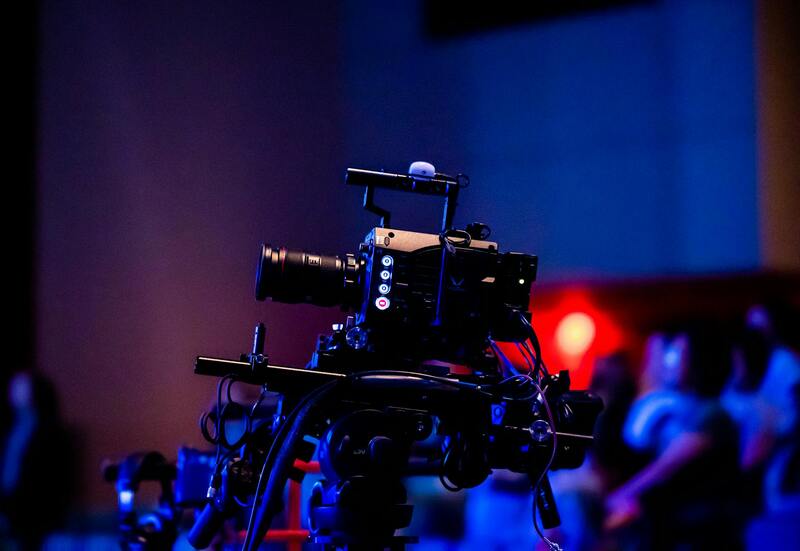
Understanding Streaming Production
Many organizations and content creators in Miami opt for professional streaming production to ensure their broadcasts are polished, engaging, and reliable. The foundation of effective streaming lies in meticulous planning and precision execution of each technical component involved. From choosing the right equipment to integrating sophisticated software solutions, every element must work harmoniously to deliver a flawless viewing experience.
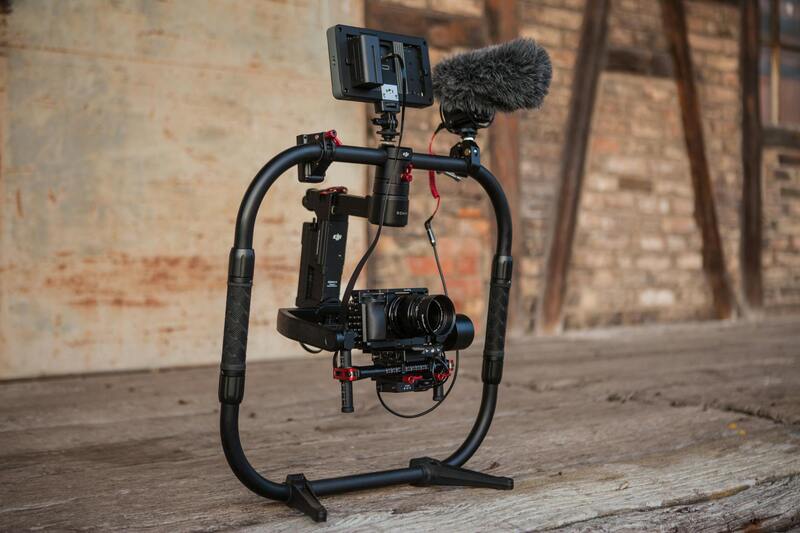
Video and Audio Capture
The process begins with high-definition cameras capable of capturing sharp, professional-quality video suited for live broadcast. Microphones and audio mixers enhance sound clarity, capturing the nuances of speech and ambient sounds, which are crucial for audience engagement. Proper placement and calibration of this equipment ensure that visual and audio elements synchronize seamlessly during the live event.
Encoding and Compression
Once raw footage is captured, it requires encoding to facilitate real-time transmission. Advanced encoding software compresses data efficiently, balancing file size and quality. This step is vital to prevent lag or buffering issues, especially when broadcasting to large or geographically dispersed audiences. Reliable encoders are equipped to adapt to varying network conditions, maintaining stream stability at all times.
Streaming Platforms and Delivery
Stream delivery relies on specialized platforms and Content Delivery Networks (CDNs) capable of distributing content at scale. These networks utilize multiple servers worldwide to minimize latency and ensure viewers receive a consistent, high-quality stream regardless of their location. Choosing the correct platform involves considering factors such as audience size, interactivity features, and integration capabilities with other broadcast components.
Production Control and Live Management
The backbone of any professional streaming event is a team of skilled operators managing live feeds. They switch between multiple camera angles, overlay graphics or informational banners, and adjust audio levels in real-time. Using hardware switchers and digital control panels, producers maintain a dynamic, engaging broadcast that reacts seamlessly to live performance cues or audience interactions.
Monitoring and Quality Assurance
Throughout the broadcast, dedicated personnel oversee the stream’s health by continuously monitoring image and sound quality. Immediate troubleshooting is essential to correct any technical issues, such as signal drops or synchronization errors. This vigilance guarantees that the stream remains stable and maintains high standards, ultimately preserving the credibility of the broadcast.
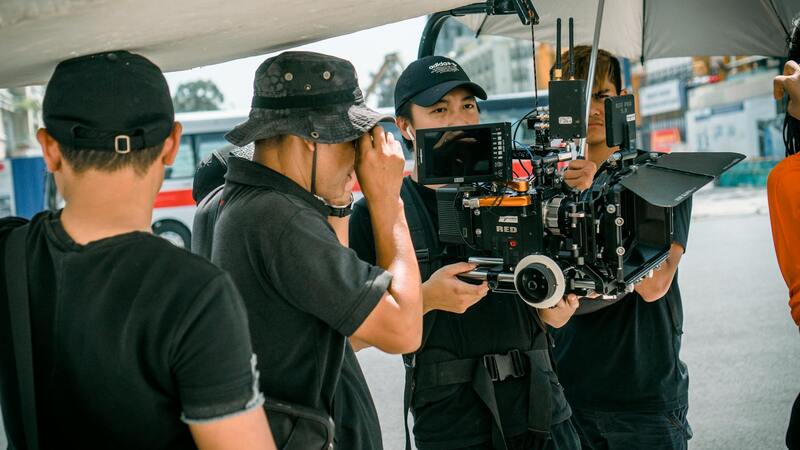
Visual Representation of Modern Setup
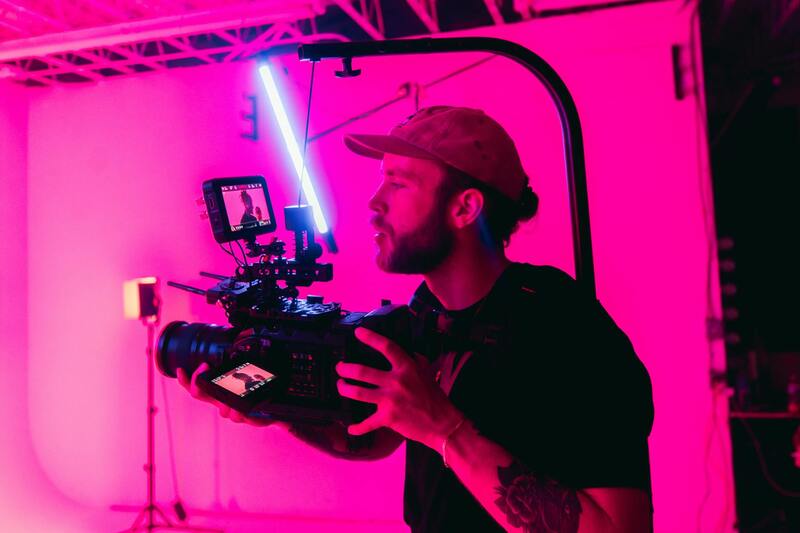
Deploying a comprehensive streaming setup involves a combination of these critical components, often supported by a dedicated technical team. This team’s expertise ensures that each phase from pre-production to live execution and post-event review is handled with precision, resulting in a professional and engaging broadcast experience tailored to the needs of Miami-based clients.
Understanding Streaming Production
Streaming production involves the entire process of creating live or pre-recorded video content that is delivered over the internet for real-time viewing. It requires a cohesive integration of hardware, software, and skilled personnel to ensure a seamless experience for viewers. This process begins with meticulous planning, including determining the content format, expected audience size, and interactive features that can enhance engagement. The technical team then manages the setup, involving high-quality cameras, encoders, and reliable internet infrastructure to facilitate uninterrupted broadcast quality. During the live event, dedicated operators switch camera angles, overlay graphics, and manage audio levels to produce a polished final product. The production team must respond swiftly to any unforeseen technical challenges, employing advanced monitoring tools that enable immediate troubleshooting. Effective streaming production hinges on meticulous coordination among team members and robust equipment to deliver a compelling broadcast that captures the event's essence and maintains viewer interest. In Miami, where diverse events such as corporate functions, concerts, and sports competitions occur frequently, professional streaming producers tailor their setups to meet the specific demands of each event, ensuring high standards and audience satisfaction at every turn.
Types of Streaming Content
Streaming content spans a broad spectrum, each catering to different audience needs and event objectives. Live event coverage remains the most common, allowing real-time broadcasting of conferences, seminars, concerts, and sports matches. This form of content requires specialized production skills to handle multi-camera setups, on-screen graphics, and instant audio mixing, providing viewers with an immersive experience. Additionally, pre-recorded videos are often incorporated into live streams or are used as standalone content to deliver polished narratives, product demonstrations, or interviews. Hybrid formats, combining live and recorded segments, are increasingly popular for webinars, corporate updates, and virtual tourism, offering flexibility and higher production quality. These varied formats demand adaptable workflows and precise synchronization between video feeds and broadcast systems to ensure seamless transitions and consistent quality. For Miami-based clients, understanding these different content types helps in developing targeted streaming strategies that align with audience expectations and event goals, whether it’s an interactive workshop or a major product launch.

Key Technology and Equipment
Achieving professional-grade streaming production depends heavily on selecting the right hardware, software, and infrastructure. Central to this setup are high-definition cameras capable of capturing detailed visuals, often supported by multiple angles to add dynamism. Video encoders are essential for converting live footage into digital signals compatible with streaming platforms, with hardware encoders being preferred for their reliability and low latency. Robust internet connectivity, ideally via dedicated fiber-optic lines, ensures bandwidth stability and prevents interruptions during live broadcasts. Audio equipment, including mixing consoles and professional microphones, guarantees clarity and balance, which are crucial for maintaining viewer engagement. Complementing the hardware are production software solutions like switching interfaces, graphic overlay tools, and real-time analytics, all housed within a secure and scalable network infrastructure. In Miami, where venue sizes and event scopes vary significantly, tailored technical setups are deployed to match specific broadcast requirements, delivering consistent performance regardless of the project's complexity.
Planning and Pre-Production
Pre-production is the foundation of any successful streaming event. It involves careful planning of the content, scripting, and logistics, such as venue setup, camera placement, and technical rehearsals. Clear communication channels are established among the production team, hosts, and talent to synchronize the event flow. Detailed storyboarding and shot lists help organize camera angles and graphics, ensuring that every visual element aligns with the overall narrative. Testing internet connectivity, equipment functionality, and audio-video synchronization are critical steps to prevent technical issues during live execution. Additionally, content rights, permissions, and compliance with broadcast standards are reviewed during this phase, particularly for content involving third-party media or copyrighted materials. In the Miami market, where client expectations are high, dedicated pre-production planning ensures that every aspect of the broadcast meets professional standards and delivers a memorable viewing experience.
Production Process and Techniques
The live production phase involves executing the pre-planned procedures using a combination of technicians and automation tools. Skilled directors and camera operators coordinate their efforts to capture the event from multiple perspectives, utilizing video switchers to transition smoothly between shots. Overlay graphics, titles, and informational banners are integrated in real-time to enhance the broadcast’s informativeness and visual appeal. Audio engineers continuously monitor sound quality, adjusting levels for clarity and balance. Advanced techniques such as picture-in-picture, multi-screen layouts, and slow-motion replays can be incorporated to elevate the broadcast quality, especially for sports or live performances. Employing automated cues and preset transitions enhances efficiency, allowing the team to focus on managing live interactions and resolving any issue swiftly. In Miami’s vibrant event scene, a well-executed production process captures the energy and essence of each event, offering viewers an engaging and professional experience.
Post-Production and Distribution
Post-event activities are vital to maximizing the reach and impact of the streamed content. The recorded footage undergoes editing to correct any technical glitches, enhance visual quality, and add supplementary graphics or captions. Edited videos are then prepared for distribution across multiple channels, including social media, dedicated websites, or internal platforms, depending on the client’s goals. Segmenting the content into shorter clips or teasers can boost viewer engagement, attracting new audiences and extending the lifespan of the event. Archiving the footage provides valuable resources for future marketing, training, or recap purposes. Additionally, gathering viewer analytics such as engagement levels, viewership numbers, and feedback helps refine future streaming strategies. For Miami-based events, ensuring seamless content delivery after the live broadcast maintains audience interest and supports ongoing marketing efforts.
Choosing a Miami Streaming Production Agency
Selecting an experienced production partner is a critical step toward ensuring a seamless streaming experience. A reputable agency should demonstrate a thorough understanding of the latest streaming technologies, a solid portfolio of successful events, and the ability to customize solutions to fit specific needs. Local expertise in Miami's diverse event landscape ensures that the agency comprehends the unique logistical and technical challenges present in the area. Proven credentials, transparent communication, and a commitment to quality are essential factors to consider during the selection process. Collaborating with professionals familiar with Miami’s venues, permit requirements, and audience expectations greatly enhances the overall quality and reliability of the streaming project.
Legal and Compliance Considerations
Ensuring all streaming content aligns with relevant legal and compliance standards is vital for a smooth and reputable production. It involves understanding the rights associated with the content being broadcast, such as copyrighted materials, music, and imagery. Permission must be secured from rights holders to prevent infringement issues. Additionally, obtaining necessary permits for live streaming events—especially those held in public venues or high-traffic locations—is crucial for avoiding disruptions or penalties. Clearance of third-party content, including videos, photographs, and licensed music, should be managed proactively. It’s also important to adhere to privacy laws related to capturing and broadcasting individuals on camera. For instance, individuals in the footage should have granted consent to be featured, particularly for promotional use post-event. This involves communicating the scope of broadcast and recording clearly during the planning stages. Technical compliance is equally essential. Streaming platforms enforce specific standards regarding bandwidth, encoding formats, and data security. Ensuring the content is delivered in formats supported by various devices and networks maximizes accessibility. Moreover, implementing secure streaming protocols prevents unauthorized access or piracy, safeguarding the event’s assets. From a local standpoint, understanding the regulatory landscape in Miami—such as permits for drone footage or restrictions on certain venues—supports a compliant streaming operation. Collaborating with a production team well-versed in these regulations minimizes risks and ensures uninterrupted event coverage. Lastly, documenting all approvals, licenses, and permissions forms a critical part of the post-event process, facilitating accountability and serving as proof of compliance if needed in the future. Maintaining meticulous records demonstrates professionalism and helps uphold the integrity of the streaming initiative.
Understanding Streaming Production
Streaming production involves multiple stages that require technical expertise and strategic planning to deliver high-quality live content. It encompasses the coordination of video capture, audio management, encoding, and broadcasting across various platforms. A streamlined production process ensures that the audience experiences uninterrupted, clear, and engaging content, whether it's live event coverage, corporate webinars, or entertainment shows.
Core Elements of Streaming Production
- Pre-Production Planning: This initial phase involves conceptualizing the content, scheduling, and logistical coordination. It is essential to determine the type of content, target audience, and platform specifications to tailor the production accordingly.
- Technical Setup: Proper selection of cameras, audio equipment, and streaming hardware forms the backbone of the operation. Ensuring these devices are compatible with streaming protocols and can deliver high-resolution footage is vital for an immersive viewer experience.
- Content Creation: During the event, real-time video switching, live graphics, overlays, and audio mixing are critical for maintaining viewer engagement. Skilled operators manage multi-camera setups, adjusting angles and focus to highlight important moments seamlessly.
- Encoding and Transmission: The process involves converting raw footage into streamable formats supported by various platforms, such as H.264 or H.265 codecs. Optimizing bitrate and data rates minimizes lag and buffering issues.
- Monitoring and Troubleshooting: Continuous monitoring of the live feed ensures technical issues are addressed promptly. Redundancies like backup internet connections and alternate feeds reinforce reliability during the broadcast.
Optimal Use of Equipment for Miami Streaming Events
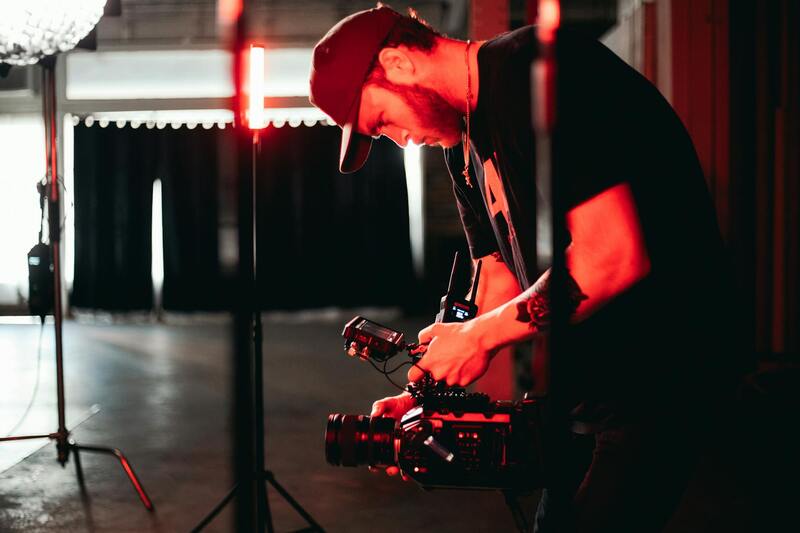
Utilizing professional-grade equipment tailored for the Miami environment ensures that the unique atmosphere of events is captured with clarity and precision. This includes selecting weather-appropriate gear for outdoor venues, employing stabilization technology for dynamic shots, and integrating wireless microphones for unobtrusive audio capture.
Special Considerations for Miami-based Streaming Production
When producing streaming content in Miami, specific regional factors influence operational decisions. The city’s diverse event landscape—from waterfront concerts to urban conferences—demands adaptable equipment and procedures. Also, understanding the local infrastructure, such as available internet bandwidth and venue restrictions, will enhance production reliability.
Post-Production and Distribution
After the live event concludes, the focus shifts to editing and distributing the content for maximum reach. Post-production involves cutting unnecessary segments, enhancing video and audio quality, and adding graphics or captions. Distributing the finished product across social media, websites, and video platforms extends the event's accessibility and engagement.
Effective Content Management for Miami Streaming Events
- Editing and Quality Enhancement: High-quality post-production ensures the final product resonates with the audience and reflects the event’s professionalism.
- Archiving and Repurposing: Maintaining organized archives allows for future content repurposing, such as highlights or promotional clips.
- Distribution Strategies: Deploying content across targeted channels ensures visibility while considering regional preferences and viewership behavior in Miami.
Content Delivery and Accessibility
Implementing adaptive streaming techniques, such as scalable bitrate streaming, ensures accessibility for viewers with varying internet speeds. Providing multiple resolutions and subtitles enhances user experience and inclusivity across Miami’s diverse demographic.
Understanding Streaming Production
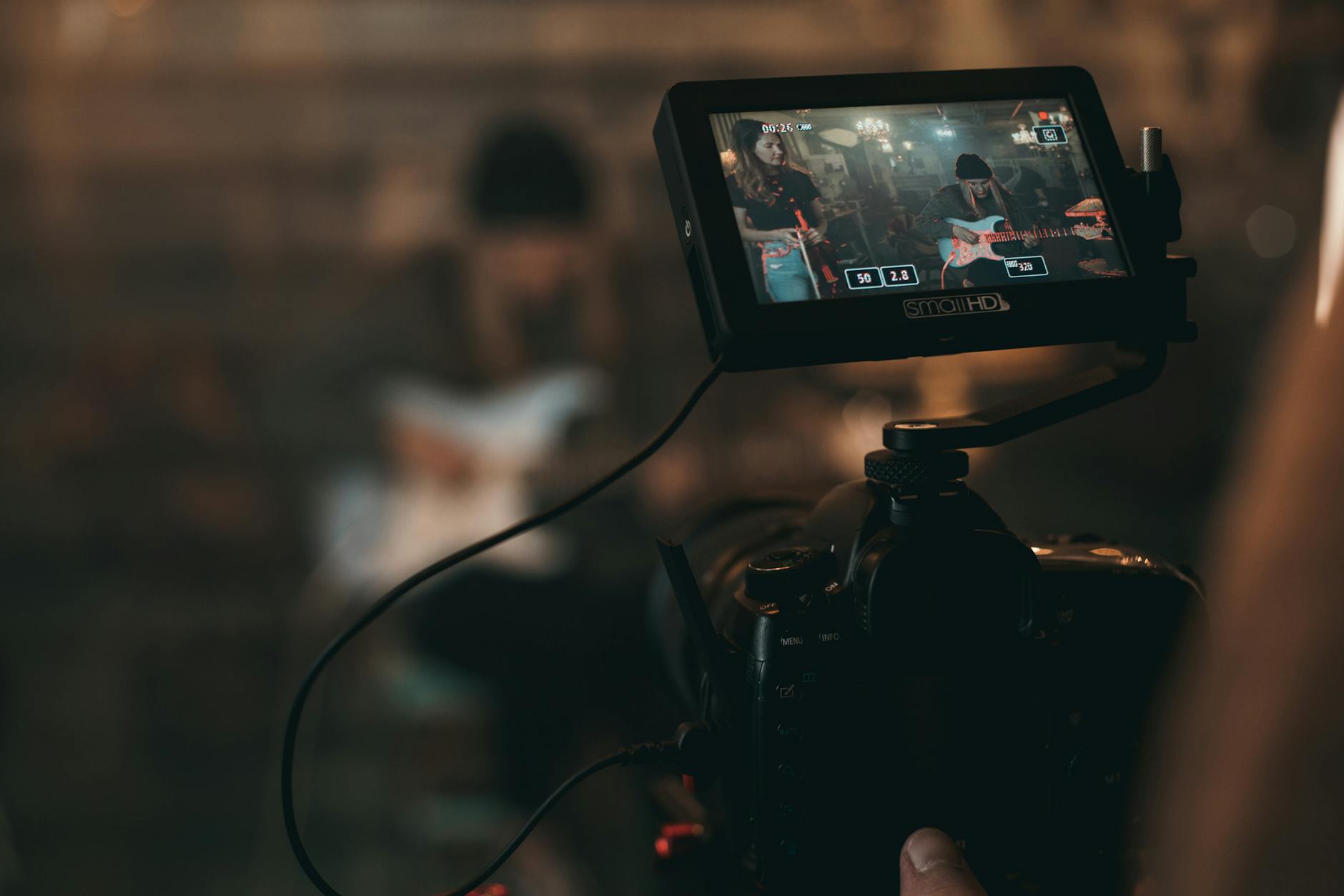
Streaming production is a multifaceted process that involves coordinating various elements to deliver live or on-demand video content effectively. It encompasses everything from conceptualizing the event to executing the technical setup and ensuring seamless delivery to viewers. Essential to this process is a structured approach that emphasizes both the creative and technical aspects, including scene setup, camera operation, audio management, and real-time switching of multiple video feeds. In Miami's vibrant event scene, employing proper streaming production techniques ensures your content reaches audiences with clarity and engagement, whether it’s a corporate conference, music festival, or local community event.
Types of Streaming Content
Within streaming production, content can be categorized based on its format and purpose. Live streams are popular for real-time interaction, such as webinars, sports, or concerts. Pre-recorded streams, on the other hand, involve editing content beforehand for smoother playback. Hybrid content, combining live and on-demand segments, is also common to maximize viewer engagement. Miami hosts a diverse array of streaming content types, adapting to the varying demands of audiences and event organizers. Choosing the right content type influences equipment choices, production techniques, and distribution channels, ultimately shaping the viewer experience.
Key Technology and Equipment
Effective streaming relies on advanced technology and reliable equipment. High-definition cameras, professional-grade microphones, and encoders are foundational. Video switchers enable seamless transitions between multiple camera angles, while streaming hardware and software facilitate encoding and transmission. Network stability is paramount; therefore, a robust internet connection with sufficient bandwidth and backup options prevent interruptions. Additionally, CDNs (Content Delivery Networks) help distribute content efficiently across geographic regions like Miami, mitigating latency issues and ensuring smooth viewing experiences.
Handling Network Infrastructure
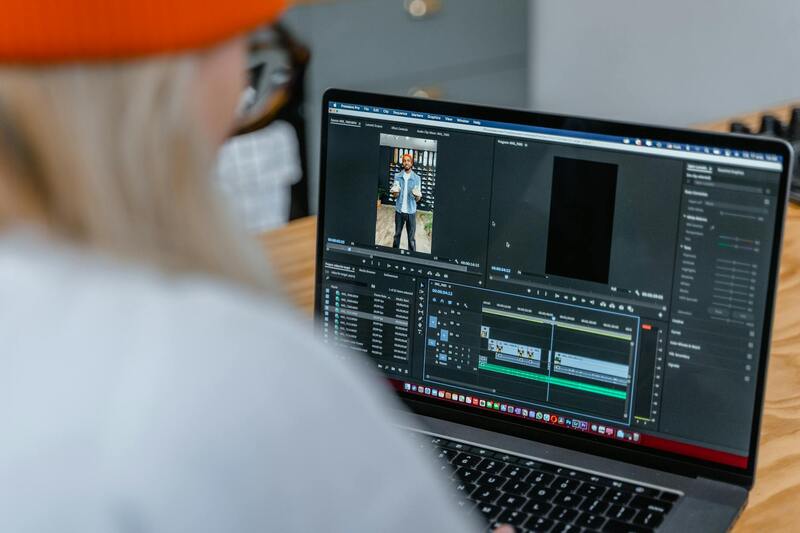
In Miami's diverse venues, understanding the available network infrastructure is crucial. Venues may have different internet capabilities, requiring organizers to adapt with portable solutions such as bonded cellular networks or dedicated fiber connections. Testing connectivity prior to the event ensures the production runs without disruptions. Investing in high-quality routers and network switches further optimizes data flow, reducing latency and buffering issues during critical moments of the stream.
Planning and Pre-Production
Meticulous planning lays the foundation for successful streaming. This includes defining clear objectives, developing detailed shot lists, scheduling rehearsals, and coordinating with all stakeholders. Pre-production also involves logistical arrangements—securing permits, confirming venue setups, and checking equipment compatibility. Collaborating with a team experienced in Miami's event landscape ensures that physical and technical elements align seamlessly. Pre-event testing, including run-throughs with all devices and network checks, helps identify potential issues before the live event, minimizing risks during the actual streaming session.
Coordination and Content Logistics
Streamlining communication among team members—directors, camera operators, audio engineers—is vital. Establishing a clear timeline for content delivery and technical cues ensures smooth transitions. Content logistics also include managing graphics, overlays, and branding elements that enhance the production without distracting from the main event. For Miami-based productions, consideration of local cultural attributes and audience preferences can drive creative decisions, making the content more relatable and engaging.
Implementing Effective Streaming Production Techniques
Executing a successful streaming production requires meticulous attention to the integration of various technical components and production techniques. Ensuring high-quality visuals involves more than just capturing footage; it encompasses lighting, camera placement, and real-time image processing. Proper lighting is crucial in creating a visually appealing and consistent image, especially in diverse Miami venues that may have variable ambient light conditions. Camera operators should employ a combination of static shots and dynamic movements to keep viewers engaged, utilizing multi-camera setups to provide comprehensive coverage of the event.
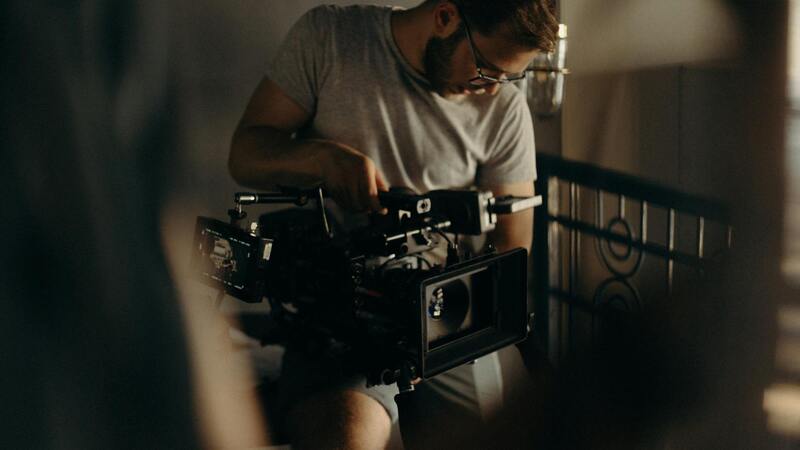
To maintain professional broadcasting standards, the selection of camera equipment must align with the scale of the event. High-definition, broadcast-quality cameras with reliable optical zoom capabilities allow for close-up shots and wide-angle views, enhancing the viewer's experience. Smooth camera movements can be achieved through the use of gimbals or steadicams, minimizing unwanted shakes and jitters. Additionally, incorporating multiple camera angles facilitates dynamic switching during the stream, providing a more engaging narrative flow.
Audio quality plays a vital role in maintaining viewer engagement. Employing wireless microphones, lapel mics, and audio mixers ensures clear sound capture from speakers, performers, or interviewees. Sound checks conducted prior to the event are essential to mitigate issues such as background noise, feedback, or volume inconsistencies. For outdoor Miami events, windshields and directional microphones help reduce environmental sounds, delivering crisp audio for the audience.
Streaming techniques also integrate real-time graphics, overlays, and lower thirds that provide contextual information—such as speaker names or event branding—without obstructing the main visuals. Software solutions like advanced live switching and compositing tools facilitate seamless transitions and visual effects during the broadcast. Stream control rooms equipped with multi-view monitors enable producers to monitor multiple feeds simultaneously, ensuring a flawless production flow.
Stability and redundancy are fundamental to avoiding interruptions during live streams. Using backup internet connections, such as LTE tethering or secondary fiber lines, ensures continuous data flow if primary connections falter. Additionally, real-time encoding hardware optimizes video compression without sacrificing quality, crucial for high-resolution streams in large Miami venues where bandwidth demands are substantial.
Furthermore, employing scalable streaming architectures allows for flexible coverage based on event requirements. Engagement can be amplified through cohesive incorporation of chat integrations, live polls, and social media feeds, fostering interaction with remote viewers. These elements, combined with expert production workflows, elevate the overall quality and professionalism of the streaming experience.
In summary, comprehensive planning, precise technical execution, and adaptive streaming techniques form the backbone of high-caliber streaming production in Miami. Leveraging cutting-edge equipment and innovative methodologies guarantees an engaging, reliable broadcast tailored to diverse event needs and audience expectations.
Choosing a Miami Streaming Production Agency
When selecting a professional streaming production partner in Miami, it is essential to evaluate agencies based on their technical expertise, portfolio, and experience with live event coverage. A reputable agency should demonstrate a comprehensive understanding of the latest streaming technologies and possess a track record of successful event broadcasts across various industries, including corporate events, concerts, sports, and cultural festivals.
Assess their capability to manage end-to-end production processes, from pre-event planning and technical setup to live broadcasting and post-event content distribution. An agency with robust pre-production planning ensures smooth execution, including venue assessments, equipment logistics, talent coordination, and content scheduling. Their familiarity with local venues, such as Miami’s event halls, outdoor spaces, and entertainment districts, can significantly influence the clarity and reliability of the stream.
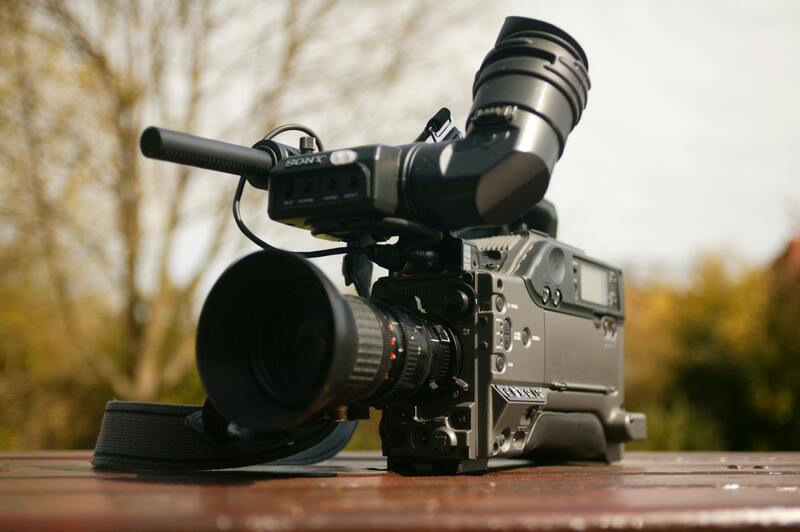
Quality of equipment plays a critical role in delivering high-definition, uninterrupted streams. Confirm that the agency uses professional-grade cameras, switching systems, encoders, and streaming platforms. Advanced stabilization tools and multiple camera angles enhance viewer engagement by providing dynamic and immersive content. Additionally, the agency should prioritize reliable internet solutions, including multiple redundant connections, to mitigate potential data interruptions during live broadcasts.
Experience in integrating multiple content sources — such as pre-recorded videos, live interviews, and social media feeds — allows for a versatile and captivating broadcast. A skilled Miami streaming production agency also offers scalable solutions, accommodating small private gatherings or large public events with extensive viewership needs.
Evaluating Client Support and Post-Production Services
- Pre-Event Consultation: Assistance with event layout, scheduling, and content strategy to optimize the viewer experience.
- Live Monitoring and Troubleshooting: Real-time monitoring ensures issues are addressed promptly, minimizing disruptions.
- Post-Event Editing and Content Delivery: Professional editing services to create highlight reels, promotional clips, or on-demand streaming content for further audience engagement.
Effective communication and dedicated customer service are marks of a trustworthy agency. They should offer clear timelines, transparent pricing, and comprehensive support throughout the entire production process. Additionally, they should be familiar with Miami’s specific audience preferences and technical challenges, such as building wireless infrastructure and managing high bandwidth environments.
Ultimately, choosing the right Miami streaming production agency involves a balance of technical proficiency, creative vision, and logistical support. Engaging a team with local expertise can significantly enhance the quality, reliability, and overall impact of your live event broadcast, providing a compelling virtual experience for remote audiences while maintaining professionalism and attention to detail throughout the process.