Understanding Live Streaming Productions
Live streaming productions have become an essential element for hosting captivating events, corporate presentations, and entertainment experiences across Miami. They involve the real-time broadcasting of events over the internet, allowing audiences to participate from anywhere in the world. This method ensures instant accessibility, broadening reach and engagement for organizers and brands alike. Effective live streaming transforms traditional events into interactive, dynamic experiences that can significantly enhance brand visibility and audience interaction.
At its core, a live streaming production integrates multiple technical and creative components to deliver seamless, high-quality broadcasts. It combines professional audiovisual equipment, sophisticated streaming technology, and expert coordination to produce a polished presentation. Businesses and event organizers recognize the importance of reliable live streaming for expanding their outreach, increasing attendance, and creating memorable engagement opportunities, especially in a vibrant city like Miami, where diverse audiences are eager for innovative digital experiences.

Understanding the significance of live streaming productions involves recognizing their ability to combine real-time content delivery with professional-grade production values. These productions are vital for conferences, trade shows, concerts, and corporate celebrations, providing a cost-effective option for reaching wide audiences without geographical limitations. As Miami continues to grow as a hub for entertainment and business, the importance of polished and engaging live streaming productions becomes increasingly apparent. They enable organizers to showcase Miami’s vibrant culture and innovative spirit, reaching diverse audiences across different platforms seamlessly.
Moreover, professional live streaming productions incorporate optimized audio-visual quality, camera work, transitions, and interactive features to ensure viewers have an experience comparable to attending in person. This comprehensive approach maximizes audience retention and enhances the perceived value of the event, making it an essential strategy for businesses aiming to make a lasting impression in Miami’s competitive market.
Key Components of Live Streaming Setups
Implementing a successful live streaming production requires a combination of advanced equipment and strategic setup. The cornerstone of any professional live stream begins with high-quality cameras. These cameras should be capable of capturing clear, detailed video with good low-light performance, enabling smooth transitions and dynamic visuals that mirror in-person experiences. Using multiple cameras allows for varied angles and shot compositions, adding depth and engagement to the broadcast.
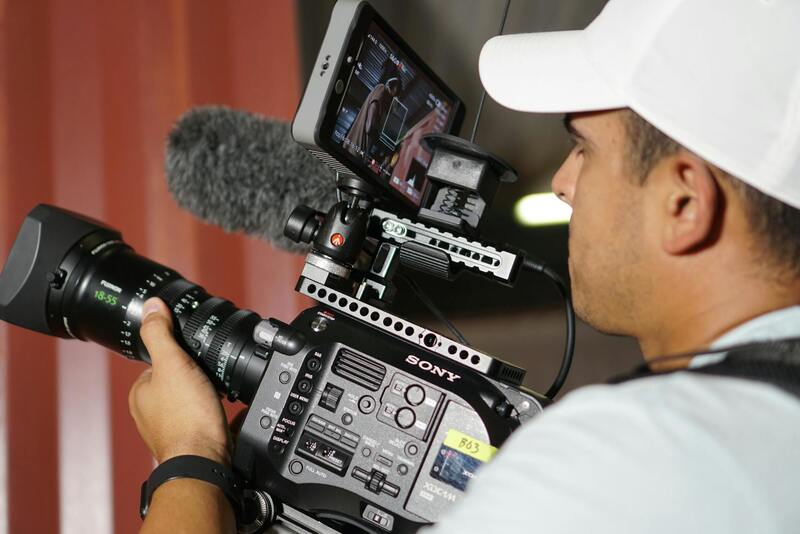
An encoder transforms the optical and audio signals from the cameras into a digital format suitable for streaming. Hardware encoders provide robust and stable streams, especially for large or complex productions. Software encoders offer flexibility and cost-effectiveness, suitable for smaller or more dynamic live streams.
Choosing an appropriate streaming platform involves evaluating factors such as bandwidth requirements, compatibility with various devices, and interactive features like chat integration or viewer polls. Platforms tailored specifically for professional productions often offer better control over broadcast quality and security.
- Audio Solutions: Quality audio is non-negotiable. Professional wireless microphones, mix consoles, and soundboards ensure clear sound delivery, capturing both ambient sound and speech effectively.
- Lighting: Adequate lighting enhances video clarity and creates a polished visual aesthetic. The use of key lights, fill lights, and backlights can dramatically improve the overall production quality.
- Networking and Bandwidth: A reliable, high-bandwidth internet connection is crucial for seamless streaming. Redundancies such as backup internet options prevent interruptions during live broadcasts.
Additional equipment, like video switchers, graphics generators, and teleprompters, further refine the production, allowing for smooth transitions, branded overlays, and professional presentations. Proper coordination of all components results in a cohesive, engaging live streaming experience that maintains the momentum and professionalism of the event.
Technical Execution During the Live Stream
Ensuring a smooth technical execution is vital for delivering a professional live streaming experience. This phase involves meticulous coordination of equipment, real-time monitoring, and swift problem-solving to prevent disruptions.
Before going live, a comprehensive technical check should be conducted. This includes verifying camera angles, audio levels, internet stability, and streaming platform settings. During the broadcast, an operator should monitor the stream continuously, watching for issues like latency, buffering, or audio drops. Redundancies such as backup internet connections and duplicate audio feeds are essential to maintain broadcast continuity in case of primary system failures.

Video switchers enable seamless transitions between camera feeds or scenes, maintaining viewer engagement. Graphics generators add dynamic overlays, such as titles, lower thirds, or branded visuals, enhancing the visual impact and professionalism of the broadcast.
Audio management during live streams demands constant oversight. Sound engineers adjust levels in real-time, balancing microphone inputs and ambient audio. Utilizing advanced mixing consoles or digital audio workstations ensures clarity and consistency, which is crucial for audience retention and overall presentation quality.
Engagement and Interaction Strategies
Maximizing audience engagement during live streams involves strategic interaction techniques that foster participation. Incorporating live chat features, Q&A sessions, and real-time polls encourages viewers to actively participate and feel connected to the broadcast.
Assigning a dedicated moderator helps manage viewer comments, address questions, and facilitate a seamless flow of interaction. Incorporating branded overlays or on-screen prompts can direct viewers to social media platforms, hashtags, or related content, expanding the event's reach.
Running live giveaways or contests enhances viewer retention and sharing, turning passive viewers into active participants. Timing these interactions appropriately ensures they complement the flow of the event without causing interruptions or delays.
Legal and Ethical Considerations
Adhering to established guidelines and best practices during live streaming ensures a respectful and compliant broadcast environment. This includes obtaining necessary permissions for copyrighted materials, such as music, videos, or images used during the stream.
Respecting privacy rights is paramount. This involves obtaining explicit consent from individuals appearing on camera and informing them about the use of their likeness. Using releases or waivers can help facilitate clear understanding and agreement.
Maintaining transparency with viewers by clearly communicating streaming details, such as event dates and content scope, fosters trust and professional integrity. It also involves avoiding deceptive practices in promotional materials or broadcast content.
Post-Production and Content Repurposing
After the event, editing plays a crucial role in refining the raw footage captured during live streaming. Highlight reels, summaries, or full recordings can be edited for various distribution channels, extending the lifespan of the content.
Content repurposing includes creating shorter clips for social media, promotional videos, or educational materials. This process maximizes the value derived from the original broadcast and reaches broader audiences.
Archiving the footage securely is essential for future reference, legal compliance, or potential reuse. Proper metadata tagging and cataloging facilitate easy retrieval for different projects or promotional efforts.
Choosing a Miami Production Partner
Selecting a reliable production partner in Miami with proven expertise in live streaming productions can significantly impact the success of your event. An experienced team understands local venue logistics, permits, and technological challenges, ensuring seamless execution.
Look for a partner with a comprehensive service offering, including pre-production planning, technical execution, audience engagement, and post-production support. Their familiarity with the Miami event landscape ensures tailored solutions that cater to both large-scale events and intimate gatherings.
Transparent communication, competitive pricing, and a portfolio of successful projects should guide your selection process. Partnering with the right professionals guarantees a polished, impactful live streaming experience that meets your event goals and elevates your brand presence in Miami and beyond.
Technical Execution During the Live Stream
Executing a seamless live streaming production requires meticulous attention to real-time technical management. Key aspects include managing live feeds, switching between multiple camera angles, and maintaining high audio quality. Skilled operators utilize multiple video sources to create a dynamic viewing experience, ensuring each shot is carefully coordinated to match the event's energy and flow.
Switching angles smoothly is crucial for viewer engagement. This involves operating video switchers capable of seamless transitions such as fades or cuts, synchronized with the event's rhythm. Audio management also plays a vital role; clear, balanced sound enhances viewer experience by reducing background noise and ensuring all spoken content is intelligible.
Furthermore, proactive troubleshooting strategies are essential. Real-time monitoring of internet stability, streaming equipment, and encoding settings allows operators to identify and rectify issues immediately. Establishing backup systems, such as secondary internet connections and redundant hardware, minimizes disruptions and guarantees continuous broadcast quality.
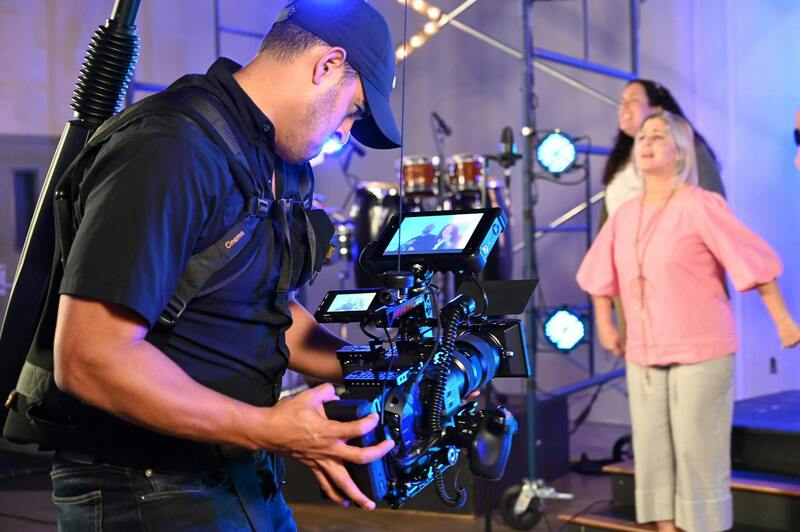
Technical setup also involves configuring encoding software to optimize video quality across various devices and bandwidth conditions. Understanding the specifications of streaming platforms helps in selecting the appropriate output resolution and bitrate. Ensuring compatibility between all hardware and software components, along with rigorous pre-event testing, prevents potential delays or failures during the live broadcast.
Another critical element is metadata management, which includes setting up proper stream titles, descriptions, and tags that enhance discoverability and audience reach. Using analytics tools during the broadcast provides real-time data on viewer engagement, enabling operational adjustments to maximize impact.
Understanding Live Streaming Productions
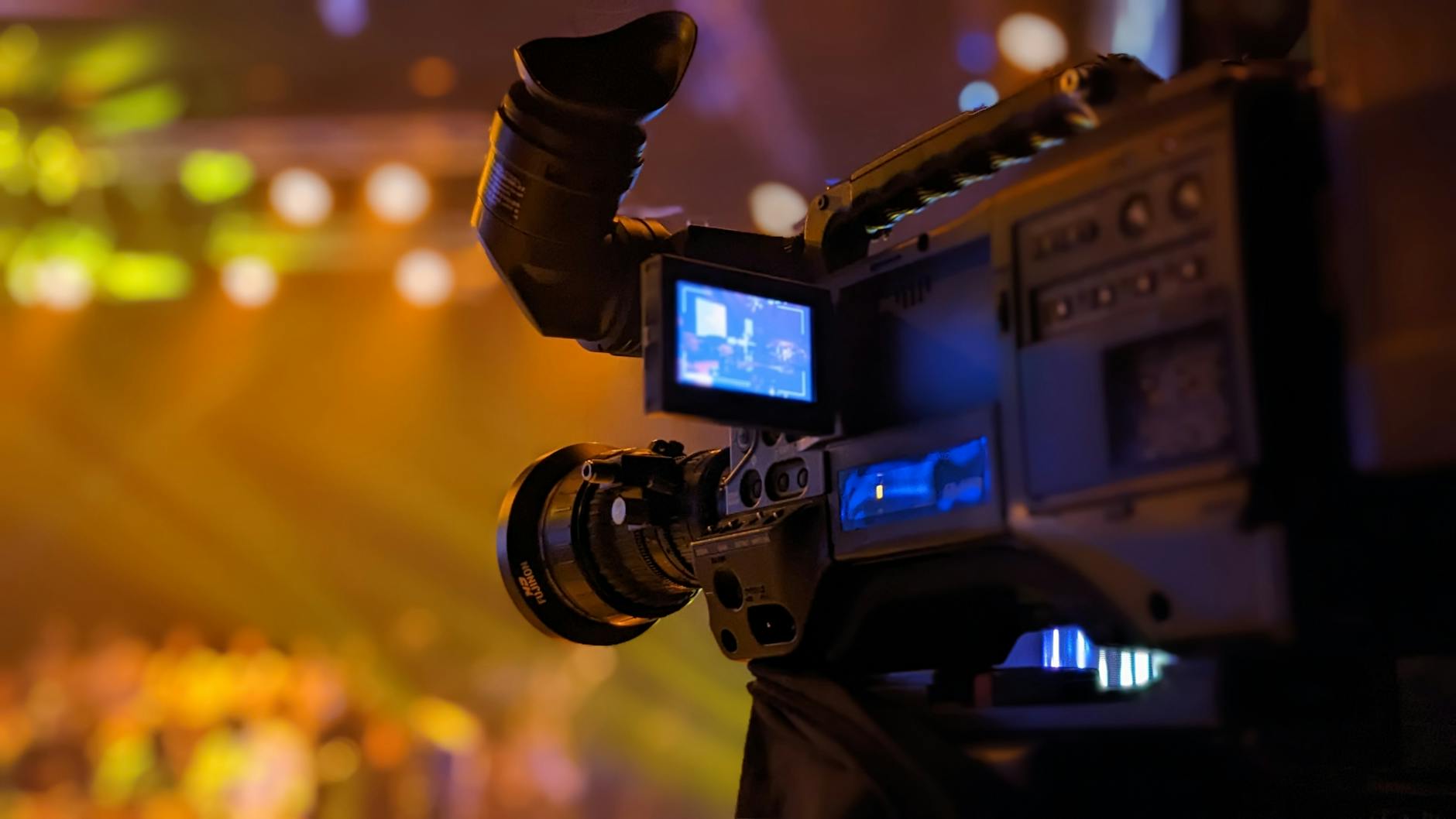
Executing a successful live streaming production involves meticulous planning and adherence to industry best practices aimed at delivering high-quality content to viewers. These productions encompass a variety of events, from corporate conferences and product launches to concerts and community gatherings. Ensuring a seamless broadcast requires careful coordination of technical resources, content management, and audience engagement strategies. By leveraging professional methodologies, organizations can amplify their reach, foster audience interaction, and achieve their communication objectives effectively.
Key Components of Live Streaming Setups
An effective live streaming setup integrates several critical elements that work synchronously to produce a polished broadcast. These components include high-definition cameras, professional audio equipment, reliable internet connections, and robust encoding hardware or software. The selection of appropriate streaming platforms also plays a vital role, as each platform has specific technical specifications and audience preferences. Proper configuration and integration of these elements ensure broadcast stability and optimal viewing experiences.
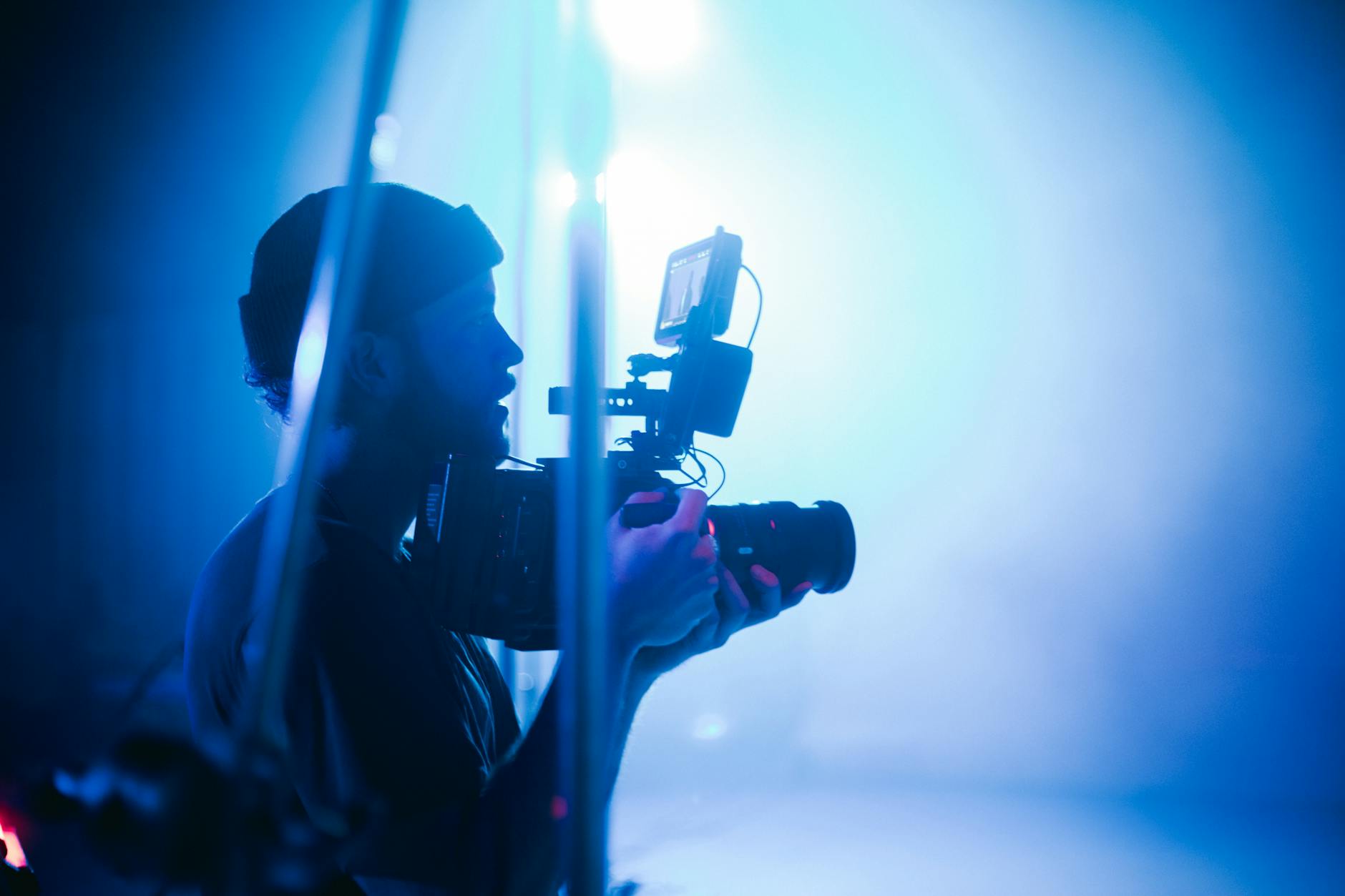
- Camera Systems: Multiple high-definition cameras capture different angles, providing visual diversity and maintaining viewer interest.
- Audio Equipment: Clear sound is achieved through wired microphones, wireless options, and mixing consoles that eliminate background noise and ensure clarity.
- Internet Connectivity: Stable, high-bandwidth internet connections, often with backup options, prevent interruptions and buffering issues.
- Encoding Hardware/Software: Devices or programs that convert video signals into formats compatible with streaming platforms, optimized for various bandwidths and device types.
- Lighting: Proper illumination enhances video quality, highlights key participants, and improves overall production value.
- Monitoring Tools: Software solutions that enable real-time oversight of stream quality, hardware performance, and viewer engagement metrics.
Planning and Pre-Production for Live Streams
Thorough planning lays the foundation for a successful live stream. This process involves detailed scheduling, content scripting, talent rehearsals, and technical dry runs to anticipate and address potential issues. Coordinating with all stakeholders, from hosts and speakers to technical teams, ensures clarity on roles and responsibilities. Developing a comprehensive pre-production checklist helps confirm equipment functionality, internet reliability, and platform readiness.
Transportation of content, permissions, and rights management are also pivotal considerations. Securing necessary clearances for music, visuals, or third-party content prevents disruptions during the broadcast. Additionally, setting up metadata—titles, descriptions, keywords—enhances discoverability and attracts targeted audiences. Pre-recorded segments or B-roll footage can be integrated into live sessions to enrich content and maintain viewer engagement.
Technical Execution During the Live Stream
During live production, real-time management is crucial. Skilled operators monitor broadcast quality, including video resolution, audio levels, and internet stability, to swiftly address any anomalies. Dynamic switching between camera angles and managing graphics or overlays further enriches the viewer experience. Maintaining open communication among the technical team is essential for smooth transitions and prompt problem resolution.
Proactive troubleshooting strategies involve continuous diagnostics of streaming hardware, network infrastructure, and software configurations. Implementing redundant systems, such as secondary internet links or backup encoders, provides contingency options that mitigate the impact of technical failures. Employing live analytics allows organizers to gauge viewer engagement, identify peak activity times, and adapt content delivery accordingly—ultimately maximizing the effectiveness of the live streaming event.
Technical Execution During the Live Stream
Ensuring a seamless live streaming experience hinges on meticulous technical execution. At the heart of this process is real-time management, where skilled production operators and technicians vigilantly monitor all aspects of the broadcast. Video quality, including resolution and frame rate, must be maintained consistently to deliver a professional appearance that aligns with client expectations. This involves continuous oversight of equipment such as encoders, cameras, and streaming hardware to prevent signal degradation or latency issues.
Audio quality is equally vital. Dynamic adjustments may be required to balance sound levels, eliminate background noise, and synchronize audio with video feeds. Echoes, distortions, or audio dropouts can detract from viewer engagement, making real-time audio monitoring and adjustments indispensable.
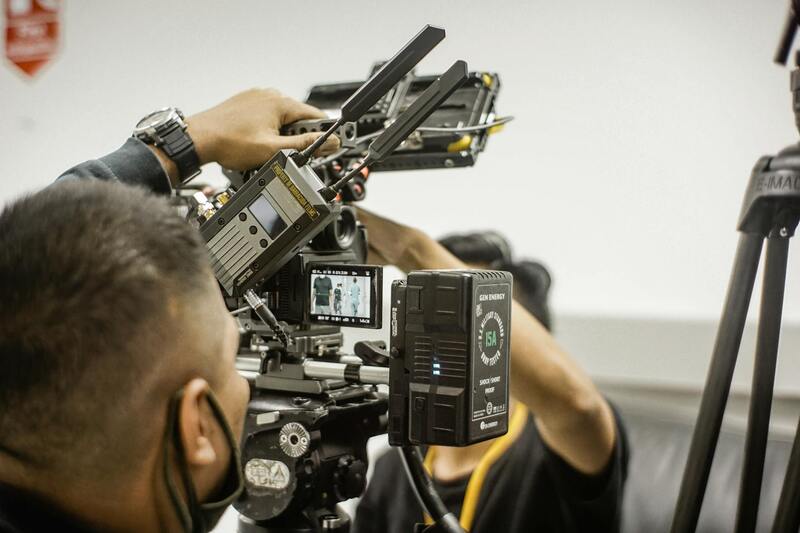
Technical directors employ multiple camera angles and switch seamlessly between different views to add visual interest. Graphics, overlays, and lower thirds are integrated to highlight key information or branding, requiring precise timing to avoid overlaps or flickering. Managing these visual elements effectively contributes to a polished production and keeps viewers engaged throughout the event.
Internet stability remains a critical concern; thus, redundant connectivity solutions are necessary. Secondary internet connections, backup encoders, or failover servers help mitigate disruptions caused by network failures. Constant diagnostics of hardware and software—such as streaming software settings, hardware encoders, and network configurations—ensure optimal performance. Operators also utilize real-time analytics tools to track viewer engagement, observe viewing patterns, and make informed adjustments to content delivery, maximizing audience retention and interaction.
Furthermore, contingency planning involves preparing responses for potential technical failures. Skilled teams perform routine maintenance and testing before the event, balancing load capacities and ensuring all equipment functions correctly. By maintaining clear and continuous communication within the technical team, swift troubleshooting and resolution of issues can be achieved, preserving the quality of the live stream regardless of unforeseen challenges.
Advanced monitoring tools and diagnostic systems play a crucial role. These tools track the health of all streaming components, alerting operators to anomalies or performance bottlenecks proactively. During the broadcast, real-time metrics related to viewer counts, buffer rates, and stream stability provide valuable feedback, informing live adjustments. Post-event, detailed logs and analytics aid in evaluating technical performance, contributing to continuous improvement of future streaming productions.
Legal and Ethical Considerations in Live Streaming Productions
When executing live streaming productions, it is essential to adhere to established standards that ensure the integrity and professionalism of the broadcast. This encompasses obtaining the necessary permissions and clearances for all content shared during the stream, including music, videos, and images. Proper licensing agreements and rights management prevent potential disputes and uphold the reputation of the production team. Ensuring compliance with content guidelines also involves monitoring broadcast content to avoid the inclusion of prohibited or inappropriate material.
Maintaining transparency with viewers through accurate representations and disclosures fosters trust and upholds ethical standards. For example, clearly indicating sponsored content, advertisements, or product placements aligns with industry best practices. Furthermore, protecting the privacy of individuals involved in the production by securing proper consent and handling any personal data responsibly is paramount.
Adopting a comprehensive approach to content management involves regular audits and reviews of the production process, ensuring that all aspects align with current regulations and ethical practices. This also includes maintaining records of permissions, licenses, and compliance measures for future reference and accountability. By cultivating a culture of responsibility and adherence to established protocols, live streaming producers can deliver high-quality content that respects legal boundaries and upholds audience trust.
Ensuring Authentic Content Delivery and Proper Content Management
Authenticity and accuracy are the cornerstones of professional live streaming productions, especially when showcasing events or experiences to a broader audience. To maintain a credible and visually appealing broadcast, it is essential to utilize legitimate sources for all visual, audio, and multimedia content. This includes sourcing music tracks, videos, and images through authorized distributors or licensing agencies, which guarantees that content used during the stream adheres to licensing agreements and rights management protocols. Properly licensed content not only avoids potential copyright issues but also preserves the integrity of the production.

Meticulous content management extends to the monitoring of live broadcast streams. Ensuring that all content complies with platform guidelines, community standards, and content policies is critical. This includes avoiding the inclusion of prohibited or inappropriate material, which could disrupt the broadcast or harm the production’s reputation. Regular checks and real-time moderation tools can help identify and address any issues promptly during a live session.
Transparency with viewers is essential to establish and maintain trust. Clearly communicating content disclosures, such as sponsored segments, product placements, or advertising, aligns with transparent broadcasting practices and helps audience members differentiate between editorial content and promotional material. When sharing personal or sensitive information, obtaining explicit consent and handling data ethically further reinforces trustworthiness.
Regular Documentation and Compliance Records
- Maintaining detailed records of licenses, permissions, and content rights ensures easy tracking and verification of ownership.
- Conducting periodic audits of the production process to identify potential ethical or legal concerns.
- Implementing documented procedures for content review and approval before broadcast.
Professional Content Management Strategies
- Utilize content management systems (CMS) to organize and control multimedia assets efficiently.
- Establish workflows for content approval that involve multiple stakeholders, ensuring quality control.
- Prioritize secure storage of all licensing agreements and documentation to facilitate compliance audits.
Maintaining rigorous standards in content management not only protects the production from legal complications but also enhances overall credibility and audience trust. This deliberate approach demonstrates a commitment to ethical and responsible broadcasting, ultimately reflecting positively on the brand and the live streaming team.