Overview of Webcasting Services
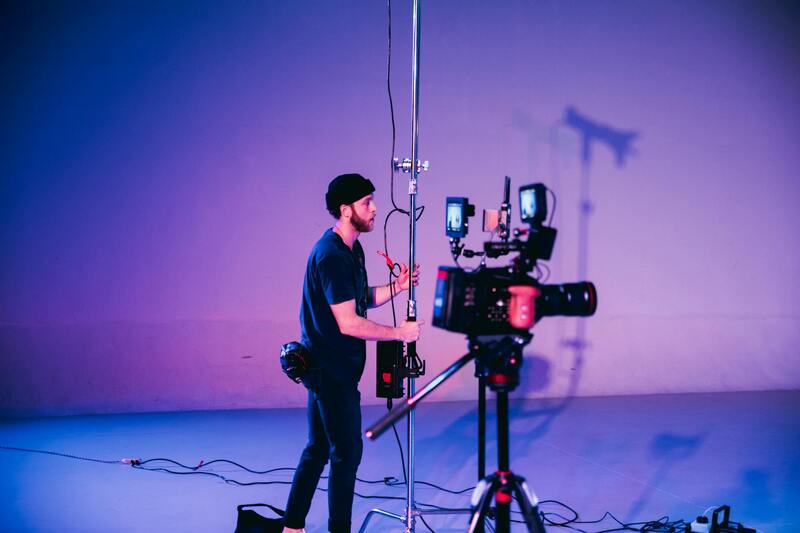
Webcasting services have revolutionized the way organizations, individuals, and businesses in Miami connect with their audiences. These platforms enable live streaming of events, presentations, and conferences over the internet, reaching viewers beyond geographical boundaries. As digital communication continues to grow, webcasting offers a powerful tool for expanding outreach, engaging participants in real-time, and delivering professional-quality content without the need for physical attendance.
Webcasting encompasses a variety of uses, from corporate meetings, product launches, and training sessions to cultural events and community gatherings. Organizations can leverage these services to enhance visibility, foster engagement, and streamline communication processes. For Miami-based entities, particularly those aiming to tap into a diverse and vibrant community, utilizing webcasting services can significantly amplify their event impact and accessibility.
Benefits of webcasting include cost savings by eliminating or reducing travel and venue expenses, increased event reach without the constraints of physical space, and the ability to record streams for on-demand viewing later. Additionally, many platforms offer interactive features, such as live chat and Q&A sessions, facilitating real-time audience interaction and feedback. The ability to analyze viewer data also provides valuable insights into audience engagement and preferences.
Criteria for Choosing Free Webcasting Platforms
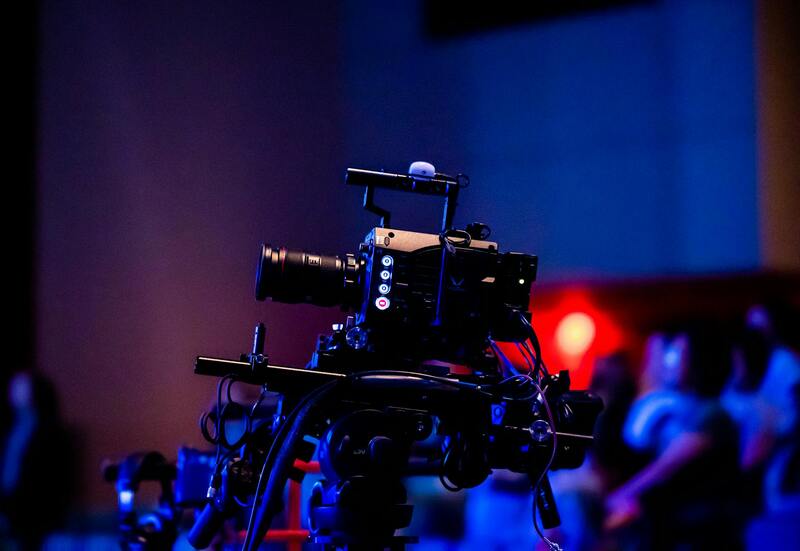
When selecting a free webcasting platform, it is essential to consider several key factors to ensure the service aligns with your event's requirements. Reliability and stability are paramount, especially for live events where interruptions can hamper viewer experience. The platform should support the number of viewers you anticipate without performance degradation.
Ease of use and setup simplicity are equally crucial, particularly for teams without extensive technical backgrounds. The platform should offer intuitive interfaces and straightforward procedures for streaming content. Compatibility across devices and browsers guarantees that your audience can participate regardless of their preferred device or operating system.
Additional features such as built-in chat, viewer analytics, and recording options add value. Security measures, like password protection or restricted access, help safeguard sensitive content. Finally, customer support and community resources can assist in troubleshooting and optimizing your webcast experience.
Popular Free Webcasting Platforms
Numerous platforms offer free webcasting services suitable for a variety of event sizes and types. Some of the most popular options discerned through reliability and feature sets include:
- Platform A: Known for its user-friendly interface and high-quality streaming capabilities, suitable for small to medium events.
- Platform B: Offers integrated chat functions and unlimited recordings, making it ideal for interactive sessions.
- Platform C: Provides essential live streaming features with simple setup, often favored by educators and community organizers.
While these platforms accommodate numerous users, it is crucial to evaluate their specific limitations and match their offerings to your event's scale and needs.
Setting Up a Free Webcast
Launching a live webcast with free tools involves a series of straightforward steps. Begin by selecting a suitable platform that aligns with your event goals and technical needs. Create an account if required, and familiarize yourself with the platform's dashboard and features.
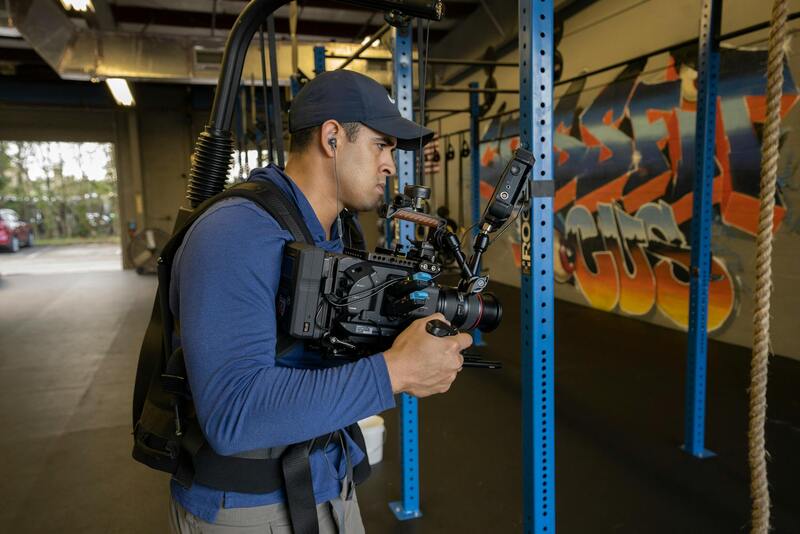
Next, prepare your content—ensure your audio and video sources are set up correctly. Most free platforms provide instructions for connecting webcams, microphones, and streaming software. Configure your stream settings, including title, description, and privacy options, to target the appropriate audience.
Once everything is in place, perform a test run to verify audio and video quality, synchronization, and streaming stability. Schedule your webcast to optimize viewer participation, and promote the event through your channels to maximize reach. During the live event, monitor the stream to address any technical issues promptly.
Technical Requirements and Best Practices
Effective free webcasting begins with understanding the technical prerequisites. A stable high-speed internet connection is vital to prevent buffering and interruptions. Employing a dependable computer or streaming device with sufficient processing power ensures smooth operation.
Use quality audio and video inputs to enhance viewer experience. Lighting and clear audio significantly impact perceived professionalism. It’s recommended to use a wired internet connection over Wi-Fi for stability. Additionally, closing unnecessary applications and devices reduces bandwidth competition.
Best practices include engaging your audience through interactive features, maintaining a clear and consistent presentation style, and preparing backup plans for potential technical failures. Recording your stream allows for content sharing afterward and provides an additional asset for continued engagement.
Criteria for Choosing Free Webcasting Platforms
When selecting a free webcasting service, it is crucial to evaluate several key features to ensure your event’s success and professionalism. High-quality video output is essential; platforms that support HD streaming provide clearer visuals, which enhance viewer engagement. Additionally, stability is paramount—an unreliable stream can lead to viewer frustration and diminished perception of your brand or event.
Capacity also plays a critical role. Depending on your expected audience size, choose a platform that can handle the number of simultaneous viewers without degradation of quality or connection issues. Ease of use is another vital criterion—intuitive interfaces and straightforward setup processes reduce technical barriers and allow you to focus on content delivery.
- Video Quality: Support for HD streams and adaptive bitrate streaming to accommodate different viewer bandwidths.
- Platform Stability: Minimal downtime and robust infrastructure to ensure consistent delivery.
- Audience Capacity: Ability to accommodate the anticipated number of viewers.
- Ease of Use: User-friendly interfaces with clear instructions for setup and management.
- Interactivity Features: Chat, polls, and Q&A to foster audience engagement.
- Customization Options: Branding and overlay capabilities to match your event’s look and feel.
Popular Free Webcasting Platforms
Several platforms are recognized for their reliability and feature sets for free live streaming. These include:
- Platform A: Known for its easy-to-navigate interface and decent audience capacity, suitable for small to medium events.
- Platform B: Offers strong customization tools and real-time analytics, beneficial for promotional events and webinars.
- Platform C: Features simple setup procedures and reliable streaming quality, ideal for educational and community broadcasts.
Setting Up a Free Webcast
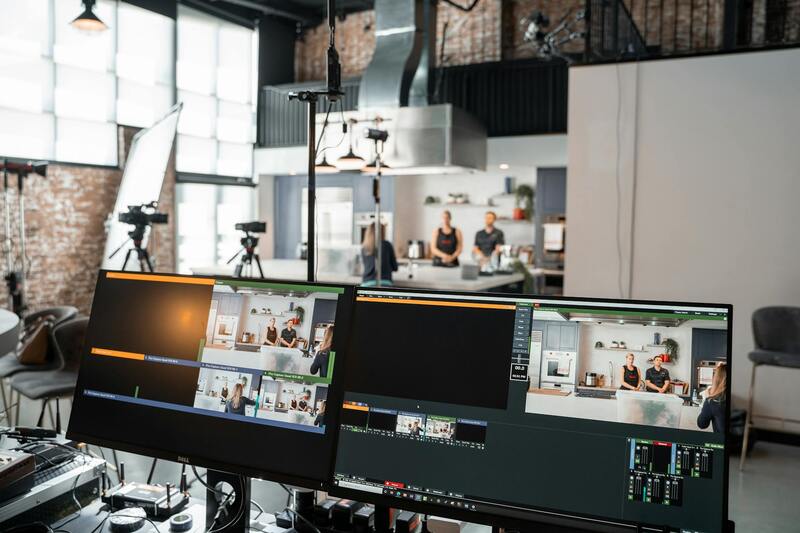
Initiating a webcast begins with selecting the appropriate platform and creating an account. Most platforms provide step-by-step guides for configuring your streaming setup:
- Register for a free account and verify your email.
- Connect your camera, microphone, and any additional audiovisual equipment.
- Configure your stream settings, including title, description, privacy options, and expected audience size.
- Perform a test stream to check audio and video synchronization and overall quality.
- Schedule your event and promote it through your channels to maximize reach.
During the event, monitor your stream for real-time quality and address any technical issues that may arise promptly.
Technical Requirements and Best Practices
Successful free webcasting hinges on a few core technical prerequisites. Maintaining a stable internet connection—preferably wired—is fundamental to prevent interruptions. Employ high-quality microphones and cameras to ensure clear audio and sharp visuals, which significantly improve the viewer experience. Adequate lighting, proper framing, and soundproofing further contribute to a professional presentation.
Limit background noise and distractions, close unnecessary applications, and disconnect other devices from the network to reduce bandwidth competition. Engaging your audience through interactive features like chat or polls helps sustain interest and participation. Prepare backup plans, such as recording your stream separately or having alternative internet sources, to mitigate potential disruptions.

Legal and Privacy Considerations
While utilizing free webcasting services, it's essential to respect copyright laws and audience privacy. Ensure that all content, including music, images, and videos, has the necessary permissions or licenses before broadcasting. Clearly communicate to your viewers how their data will be used, especially if interactive features collect personal information. Enforcing privacy settings available on your streaming platform can help restrict access to your webcast and protect sensitive information.
Limitations of Free Webcasting Services
Despite their accessibility, free platforms often come with restrictions. These may include limited storage duration for recordings, branding overlays that cannot be removed, and lower maximum audience capacity. Additionally, some features such as advanced analytics, HD streaming, or customization options might be unavailable or require paid upgrades. Recognizing these limitations allows organizers to plan accordingly and consider potential enhancements as their needs grow.
Future Trends and Upgrading to Paid Services
As your webcast requirements expand, migrating to paid services offers greater flexibility, superior quality, and enhanced features such as higher bandwidth, priority support, and comprehensive analytics. Emerging trends point toward integrated multi-platform streaming, 4K resolution support, and augmented interactive capabilities. When engaging in regular or larger-scale webcasting, investing in premium solutions ensures a more seamless and professional broadcast experience that aligns with evolving audience expectations.
Technical Requirements and Best Practices
To ensure a smooth and professional webcast, understanding the technical prerequisites and adhering to best practices is essential. The core components include reliable internet bandwidth, quality recording and streaming equipment, and a stable power supply. A high-speed internet connection, preferably wired Ethernet, is recommended to prevent interruptions during live broadcasts. Upload speeds should support the desired streaming quality; for standard streaming, a minimum of 5 Mbps upload speed is advised, while higher resolutions like HD or 4K demand even greater bandwidth.
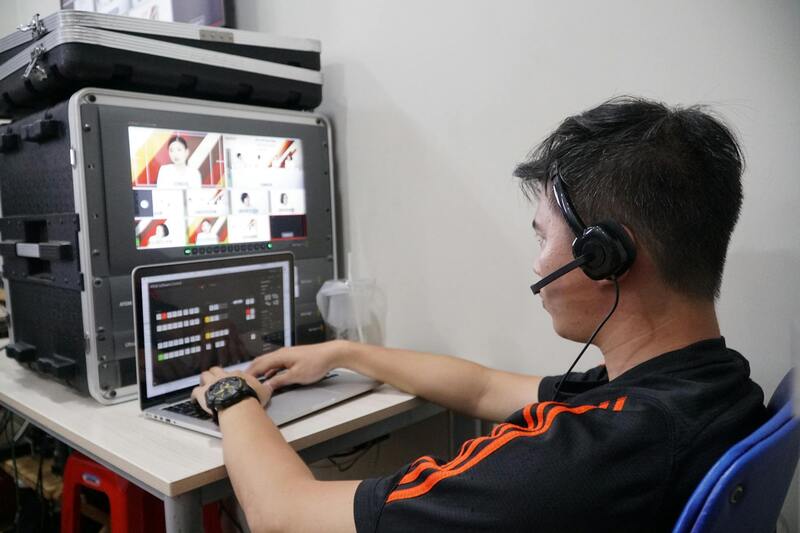
Quality audio is just as important as video; using directional microphones or lavalier mics helps capture clear sound. Lighting plays a significant role in video clarity; properly lit environments reduce shadows and enhance image quality. For software, choosing programs that support high-definition streams, screen sharing, and multi-camera switching can enhance viewer engagement.
Maintenance of encoding software and regular test streams are recommended to troubleshoot potential issues beforehand. Simulating the webcast environment allows organizers to identify and resolve lag, audio-visual synchronization challenges, or connectivity issues, minimizing disruptions during the live event. Additionally, ensuring all hardware drivers and software are up-to-date maximizes compatibility and performance.
Legal and Privacy Considerations
Maintaining compliance with copyright laws is paramount when webcasting content. This involves obtaining explicit permissions or licenses for music, images, videos, or any proprietary material included in the stream. Proper attribution should be provided where required, and content should be cleared to avoid copyright infringements.
Privately hosted webcasts necessitate strict access controls to safeguard sensitive information. Utilizing password protection, user authentication, or restricted access links ensures that only authorized viewers can participate. Transparency with viewers regarding data collection and usage policies builds trust and aligns with best practices in digital broadcast management.
It’s advisable to implement moderation protocols for interactive features, such as live chat or Q&A sessions. This prevents spam, harassment, or inappropriate content from affecting the webcast's professionalism. Furthermore, maintaining accessibility features like captions or transcripts enhances the viewing experience for a broader audience, complying with inclusivity standards.
Limitations of Free Webcasting Services
While free webcasting platforms offer convenience and cost savings, their limitations can impact the scale and quality of broadcasts. Common restrictions include limited storage duration for recorded content, which can hinder content reuse or archiving. Many free services include embedded branding or watermarks that cannot be removed, potentially affecting branding coherence.
Maximum concurrent viewers and bandwidth may be constrained, restricting audience size and leading to potential buffering issues during high traffic. The absence of advanced features such as detailed analytics, customizable player interfaces, or HD streaming quality can limit the capacity to analyze viewer engagement or deliver a polished production. Some platforms might also impose caps on the total number of broadcasts or total streaming hours available without upgrading to paid plans.
Understanding these constraints allows content creators and organizations to evaluate whether free platforms meet current needs or if development of a more scalable webcast solution is necessary. As the webcast requirements evolve, considering these factors helps in planning of future upgrades to ensure performance and audience satisfaction are maintained at optimal levels.
Future Trends and Upgrading to Paid Services
The landscape of webcasting continues to evolve rapidly, with emerging technologies geared toward enhancing viewer engagement and broadcast quality. Trends include the integration of multi-platform streaming, allowing simultaneous broadcasts across social media channels and websites, expanding reach effortlessly. 4K resolution support is becoming standard, delivering crisper visuals for audiences with high-speed connections.
Interactive features such as live polls, real-time chat, augmented reality overlays, and virtual audience participation are reshaping how organizers engage viewers. These tools create an immersive experience that was previously unattainable with basic free services.
Transitioning to paid platforms often unlocks sophisticated analytics tools that provide detailed insights into viewer behavior, engagement patterns, and content performance. Such data enables organizers to tailor content effectively and demonstrate value to sponsors or stakeholders. Paid services also typically offer priority technical support, higher bandwidth, and customization options, resulting in a more seamless and professional broadcast environment.
For frequent or large-scale webcasts, investing in premium solutions ensures scalability, stability, and advanced features that align with contemporary expectations for digital events. As webcasting continues to integrate emerging technologies, paid plans become increasingly valuable for organizations aiming to deliver high-quality, impactful online experiences without limitations.
Technical Requirements and Best Practices
Successfully executing a free webcast requires adherence to specific technical standards and best practices that ensure a professional and seamless experience for viewers. First and foremost, a reliable internet connection with sufficient upload bandwidth is essential. Streaming high-quality video, especially in HD or 4K, demands stable internet speeds to prevent buffering or interruptions. Many free platforms recommend at least 3-5 Mbps upload speeds for SD quality and upwards of 10 Mbps for HD streams.
Hardware setup plays a crucial role in production quality. A good quality camera and microphone typically suffice for smaller broadcasts, but for more polished presentations, investing in a webcam with HD capability and a directional microphone enhances audio-visual clarity. Lighting conditions directly influence video quality; well-lit environments result in sharper images and more engaging visuals.

For audio, minimizing background noise and conducting sound checks prior to the live session are important steps. Using headphones prevents echo and improves audio fidelity. When live streaming, selecting the optimal encoding settings within the streaming software ensures a balance between video quality and bandwidth usage.
Additionally, a clean and organized streaming environment minimizes disruptions. This includes disabling notifications, closing unnecessary applications, and testing all equipment in advance. Streaming platforms often provide preview options, which allow organizers to verify their setup and make adjustments before going live.
Legal and Privacy Considerations
While utilizing free webcasting services, it is vital to respect copyright laws. Ensure that all content—such as music, videos, images, and third-party materials—has appropriate permissions or licenses. Unauthorized use of copyrighted materials can lead to takedowns or account restrictions.
Privacy settings should be carefully configured to control audience access. Many platforms offer options to set streams as public, private, or unlisted. For events involving sensitive or proprietary information, restricting access to authorized viewers helps maintain confidentiality and compliance with relevant data protection policies.
It's also advisable to inform participants about recording policies, data collection practices, and any audience interaction data that may be collected during the webcast. Transparency fosters trust and aligns with best practices for responsible online broadcasting.
Limitations of Free Webcasting Services
Despite their accessibility, free webcasting platforms come with inherent limitations that can impact the scope and quality of your broadcasts. One primary constraint is bandwidth restriction, which can lead to reduced video resolution or interrupted streams during high traffic periods. These platforms often impose daily or monthly streaming limits, restricting the duration or frequency of broadcasts.
Customization options are typically limited in free services. This means fewer options for branding, overlays, or advanced interactive features, which are often reserved for paid plans. Moreover, the ability to access detailed analytics—crucial for assessing engagement, audience retention, and overall performance—is generally minimal or absent in free tiers.
Furthermore, customer support may be limited to community forums or automated help centers, making troubleshooting more challenging during live events. This can pose risks for organizers needing immediate technical assistance. Lastly, free platforms might display watermarks or branded logos, which can detract from the professionalism of your broadcast.

Future Trends and Upgrading to Paid Services
As digital broadcasting continues to evolve, more organizations recognize the importance of transitioning from free to paid webcasting platforms to unlock enhanced capabilities. Future trends point toward integration with emerging technologies such as augmented reality (AR), virtual reality (VR), and 360-degree video, creating more immersive viewer experiences. These innovations require robust infrastructure and advanced features only available in paid plans.
Advanced analytics will become increasingly vital for event organizers aiming to measure engagement and tailor their content. Paid solutions often provide detailed insights into viewer demographics, interaction patterns, and content performance, enabling data-driven decision making for future broadcasts.
Another significant trend is multi-platform streaming, where content can simultaneously broadcast across various social media channels and websites. This expands reach and audience engagement without additional effort from the organizer. Additionally, high-resolution support, like 4K streaming, is becoming standard, catering to audiences with high-speed internet connections and demanding viewers' expectations for crisp visuals.
To unlock these features, organizations are encouraged to consider upgrading to paid services. These solutions typically offer greater stability, scalability, and customization options—ensuring that large-scale or high-profile events are delivered flawlessly while also enhancing branding and viewer interaction.
Legal and Privacy Considerations
When utilizing free webcasting services, understanding the importance of adhering to legal and privacy standards helps safeguard your event and audience. It is crucial to secure permissions and rights for any copyrighted content, including music, videos, images, or proprietary material broadcasted during the webcast. Unauthorized sharing of protected content can lead to content removal, account suspension, or legal challenges.
Furthermore, data privacy policies must be carefully reviewed. Many free platforms collect user information to facilitate their services, and it is vital to ensure compliance with data protection regulations such as GDPR or CCPA. Transparency with viewers about data collection, usage, and storage practices enhances trust and helps prevent potential privacy issues.
In addition, implementing secure streaming protocols, such as HTTPS, is essential to protect against interception or tampering of the stream. This is particularly relevant when live interactions involve sensitive questions or personal information.
To maintain professionalism and uphold audience confidence, event organizers should clearly communicate privacy policies, obtain necessary consents for recording or broadcasting participant data, and ensure that all content complies with applicable laws and regulations.
Limitations of Free Webcasting Services
While free webcasting services offer a cost-effective solution for small-scale or occasional broadcasts, they come with certain constraints that can impact overall quality and reach. These limitations often include bandwidth restrictions, which can lead to buffering or degraded video quality during high-traffic periods. This affects viewer experience, especially for events with large audiences.
Another common restriction is limited customization options. Free platforms usually provide basic templates and minimal branding controls, making it difficult to create a unique and consistent event identity. This can diminish the professional appearance of the webcast and hinder brand recognition.
Additionally, free services might impose caps on the duration or number of concurrent viewers, which can be problematic for extended events or larger audiences. Such restrictions can force organizers to split content across multiple streams or limit participation.
Support and technical assistance are often minimal or nonexistent in free solutions. This can lead to challenges in troubleshooting issues swiftly, potentially resulting in interrupted broadcasts or poor user experiences.
Importantly, free services may also place restrictions on monetization options, precluding efforts to generate revenue through ticketing, donations, or advertising. As a result, scaling up or monetizing an event often requires transitioning to paid plans or alternative platforms.
Legal and Privacy Considerations
When utilizing free webcasting services, it is essential to adhere to established guidelines for legal compliance and privacy protection. This includes ensuring that all content broadcasted does not infringe on copyrighted material unless proper permissions or licenses have been obtained. Even if the platform itself is free, the content owner holds responsibility for the rights associated with the material shared during the webcast.
Most webcasting platforms offer privacy settings that enable hosts to control who can access the broadcast. Properly configuring these settings helps safeguard sensitive information and restricts viewing to intended audiences, such as registered attendees or specific user groups. It's crucial to review these options before going live to prevent unintended disclosures.
Handling attendee data responsibly is paramount. Free services may collect user information for registration or analytics purposes, so understanding how data is stored, processed, and protected is vital. Ensure that the platform's data handling practices comply with applicable regulations, and clearly communicate privacy policies to viewers.

Limitations of Free Webcasting Services
Despite their accessibility, free webcasting platforms often come with constraints that can impact the overall quality and professional appearance of a broadcast. Notably, bandwidth limitations may result in inconsistent streaming quality, especially during peak traffic times, leading to buffering, lag, or pixelated video for viewers.
Another common restriction includes limited customization options. Many free platforms provide basic templates, minimal branding capabilities, and limited control over the viewer interface. This can impede the ability to tailor the webcast's appearance to match branding or event themes, diminishing the sense of professionalism.
Additional restrictions often involve capped streaming durations and limits on simultaneous viewers. For longer or larger events, these caps may necessitate splitting streams or reducing quality to fit within the platform's parameters.
Support services are generally minimal, which can pose challenges in troubleshooting technical issues swiftly. Lack of dedicated customer support might lead to delays in resolving problems, negatively affecting the viewer experience.
Finally, free webcasting services frequently restrict monetization options, such as ticket sales, donations, or advertising. For organizers looking to generate revenue or expand audience engagement, transitioning to paid plans with advanced features may become necessary.
Technical Requirements and Best Practices
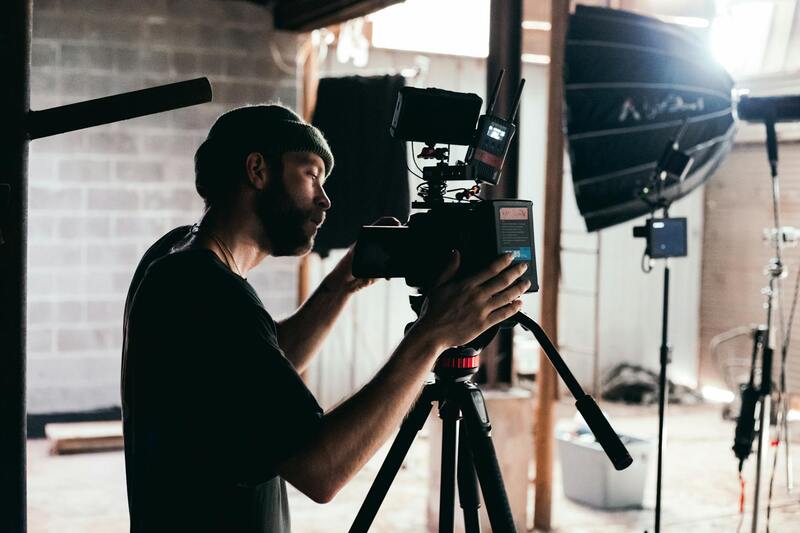
Implementing a successful webcasting event using free platforms requires careful attention to a range of technical factors. Ensuring high-quality transmission and a seamless viewer experience depends on both equipment and internet connectivity. Before initiating a broadcast, event organizers should verify that their equipment, including cameras, microphones, and streaming hardware, meets the minimum quality standards compatible with their chosen platform. High-definition video and clear audio contribute significantly to viewer engagement and the overall professional appearance of the webcast.
Internet bandwidth is critical; a stable, high-speed connection minimizes buffering issues and ensures a consistent stream. Ideally, broadcasters should use wired internet connections rather than relying on Wi-Fi, which can be susceptible to interference and fluctuations in speed. Upload speeds should substantially exceed the platform’s minimum requirements; for standard HD streaming, a minimum upload speed of 3-5 Mbps is recommended, but higher speeds provide additional buffer against network instability.
Optimizing your streaming setup also involves configuring encoding software or hardware correctly. Encoding settings should be tailored to balance quality and bandwidth, with a focus on resolution, frame rate, and bitrate. Most free platforms support standard streaming protocols such as RTMP or HLS, but understanding how to configure these settings effectively ensures a smooth broadcast. Many free services offer built-in encoders, but third-party software like OBS Studio or Streamlabs are popular choices for additional customization and control.
Best Practices for a High-Quality Webcast
- Test all equipment and internet connections multiple times before the event.
- Use a dedicated device for streaming to avoid background processes and system conflicts.
- Monitor the stream during the event for issues like dropped frames or audio sync problems.
- Ensure good lighting and sound quality to maximize viewer engagement.
- Communicate clearly with your technical team to coordinate transitions and troubleshoot potential problems swiftly.
Managing Audience Engagement and Interaction
Engagement is a key aspect of successful webcasting, even within the constraints of free platforms. Utilizing chat features, Q&A sessions, or polling tools available on the platform can significantly enhance viewer involvement. Ensuring these interactive elements are integrated smoothly into the broadcast without causing technical disruptions is essential. Assign a team member to monitor and respond to audience interactions in real-time, fostering a dynamic and engaging environment.

Another best practice involves promoting your webcast in advance. Leveraging social media and email newsletters helps maximize reach and attract viewers. Providing clear instructions on how to access the stream can reduce technical difficulties for viewers unfamiliar with the platform. For events with multiple sessions or segments, consider creating a schedule and sharing it beforehand to keep participants informed and engaged throughout the broadcast.
Legal and Privacy Considerations in Free Webcasting
When utilizing free webcasting services, understanding and adhering to legal and privacy standards is crucial. Even without explicitly discussing legality, it is essential to recognize that broadcasting content involves managing sensitive information, copyrighted materials, and personal data responsibly. Ensuring that all content shared during the webcast is either owned or properly licensed prevents potential disputes or issues related to content rights. Mandating that participants and viewers are aware of the privacy policies helps maintain transparency and trust.
It is equally important to implement measures that protect attendee privacy. This includes securing personal information collected during registration or participation, preventing unauthorized access to live streams, and avoiding the unintentional sharing of confidential information. Review the platform's privacy features to confirm they support encrypted data transmission and controlled access, such as password protection or access links with expiry dates.
For organizations handling sensitive or proprietary information, employing additional safeguards such as encrypted streams or secure login procedures enhances confidentiality. Also, posting clear guidelines about acceptable conduct and content restrictions helps prevent misuse or inappropriate behavior during the webcast.
Limitations of Free Webcasting Services
While free webcasting platforms offer a valuable solution for many users, they come with notable constraints that can impact the overall quality and reach of your broadcast. One primary limitation is the restriction on bandwidth. Many free services impose limits on streaming quality or data usage, which can affect the clarity of video and audio, especially during high viewer traffic.
Further, free platforms often lack advanced customization options. This can restrict branding opportunities, such as inserting logos, custom transitions, or branded overlays, which are crucial for maintaining a professional appearance. The absence of comprehensive analytics is another drawback; you may not have access to detailed viewer metrics or engagement data to evaluate the success of your webcast.
Technical support is usually minimal or community-based for free services, which means resolving issues quickly can be challenging during live events. Additionally, free services might limit the number of viewers or simultaneous streams allowed, which could hinder large-scale broadcasts.
Strategies for Overcoming Limitations
- Plan your content delivery within bandwidth and quality constraints to ensure a smooth viewer experience.
- Utilize branding elements kept simple but effective, such as consistent overlays, to maintain professionalism despite limited customization options.
- Employ external tools for audience engagement or analytics when possible, complementing the platform’s features.
- Test your stream extensively before the event to identify and mitigate potential technical issues.
- Consider hybrid solutions where superior features are needed, such as transitioning to paid services after initial event success.