Understanding Live Event Video Streaming
Live event video streaming has revolutionized the way audiences engage with events, providing real-time access to concerts, conferences, sports, and cultural gatherings across Miami and beyond. This technology enables organizers to broadcast their events directly to viewers' devices, regardless of geographic location, significantly expanding reach and fostering a sense of immediacy and participation.
At its core, live event video streaming involves transmitting a high-quality video feed from the event site to a remote audience via the internet. It requires a combination of reliable hardware and robust internet connectivity to ensure seamless delivery without interruptions, lag, or quality degradation. For Miami-based event organizers, leveraging professional streaming solutions is essential to maintain the vibrancy and dynamism of in-person experiences while reaching an online audience.

Whether it’s a corporate seminar, musical concert, or a sport event, live streaming provides unparalleled opportunities to engage viewers in real-time. It empowers event brands to create immersive experiences that foster interaction, drive brand awareness, and generate new revenue streams. As Miami continues to grow as a hub for entertainment and cultural exchange, the importance of professional live streaming solutions becomes increasingly evident for producers seeking to deliver compelling online content.
Core Benefits of Live Event Video Streaming
- Broader Audience Reach: Capture attendees worldwide, expanding event visibility beyond physical boundaries.
- Real-Time Engagement: Enable viewers to participate actively through live chats, Q&A sessions, and social media integration.
- Enhanced Accessibility: Allow individuals unable to attend in person to experience the event with high visual and audio clarity.
- Cost Efficiency: Reduce logistical expenses associated with physical attendance while maintaining audience interaction.
- Content Repurposing: Archive streamed footage for future use, marketing, or on-demand viewing.
As Miami continues to develop its reputation as a destination for dynamic events, integrating live video streaming becomes a vital component of event planning. Ensuring that the streaming process aligns with high-quality standards and audience expectations is key to maximizing impact and achieving desired outcomes.
Understanding Live Event Video Streaming
Live event video streaming has revolutionized the way organizers and audiences connect, offering a seamless bridge between physical and digital participation. When executed with precision, it transforms traditional events into dynamic, interactive experiences accessible from anywhere around the globe. This technology isn't merely about broadcasting footage; it encompasses a comprehensive approach that demands high-end equipment, resilient internet connectivity, and a strategic understanding of the audience's needs.
Essential Components for Successful Live Streaming
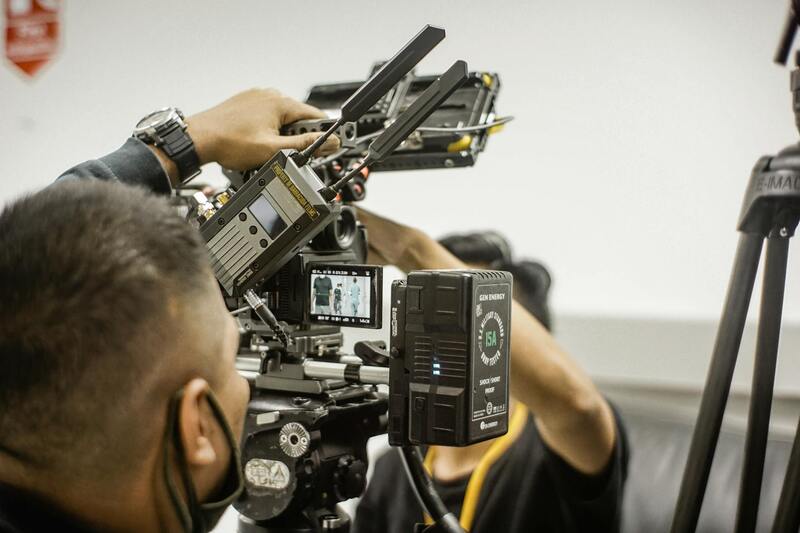
- Professional Video Cameras: High-definition cameras capable of capturing crisp visuals from multiple angles, essential for engaging broadcasts.
- Audio Equipment: Clear, high-quality sound through professional microphones and mixing consoles ensures that viewers receive an immersive auditory experience.
- Lighting Systems: Proper lighting enhances visual clarity, particularly in indoor or low-light environments.
- Encoding Hardware and Software: Reliable encoding devices convert live video feeds into suitable formats for streaming, maintaining low latency.
- Robust Internet Infrastructure: A dedicated, high-bandwidth broadband connection prevents buffering and lag, guaranteeing smooth playback for remote viewers.
- Backup Solutions: Redundant internet connections and equipment safeguard against technical failures during live broadcasts.

Beyond hardware, the integration of professional streaming software aids in managing live feeds, overlay graphics, and real-time content switching, all of which elevate the broadcast quality. For instance, multi-camera switching, graphics overlays, and live commentary can significantly enrich the viewer experience, making the content more engaging and polished. Securing stable internet connectivity through fiber-optic lines or bonded cellular solutions is vital, as interruptions can result in a poor viewing experience and diminish audience satisfaction.
Coordination and Technical Assessment
Prior to the event, comprehensive planning sessions focus on technical rehearsals. These rehearsals serve to identify potential issues, optimize camera angles, test audio levels, and fine-tune streaming settings. Establishing a detailed technical checklist ensures that all equipment functions harmoniously during the event. Moreover, assigning a dedicated technical team minimizes the risk of unexpected disruptions, allowing organizers to troubleshoot efficiently should any issues arise in real-time.
Monitoring and Troubleshooting
During the stream, continuous monitoring of feed quality, internet performance, and viewer feedback enables immediate responses to emergent problems. Utilizing dashboards that display bandwidth usage, frame rates, and stream health helps technical staff maintain optimal output. Modern streaming platforms or software often include alert systems that notify operators of issues, facilitating swift resolution and ensuring uninterrupted content delivery.
Understanding Live Event Video Streaming
Live event video streaming serves as a powerful conduit for sharing experiences with audiences around the globe in real-time. It enables organizers to extend the reach of concerts, conferences, sports events, and cultural festivals far beyond physical boundaries, allowing viewers to participate in the event regardless of their location. This technology hinges on delivering high-definition video and synchronized audio streams, ensuring viewers receive a seamless, engaging experience. Effective live streaming requires not just high-quality content capture but also robust transmission infrastructure to mitigate latency, buffer issues, and potential disruptions. As the demand for instant, high-fidelity broadcasts grows, so does the importance of employing best practices and reliable channels to ensure content quality and consistency. The key to successful live streaming lies in meticulously planning content delivery, ensuring that the technical backbone supports the event's scope, and continuously adapting to audience needs and technological advancements.
Key Equipment and Technical Requirements
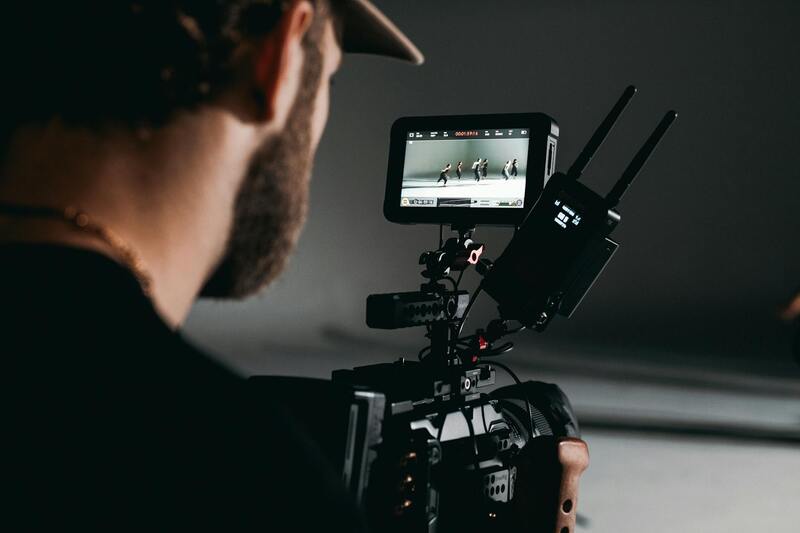
Executing a successful live event stream depends heavily on a suite of essential equipment and adherence to technical standards. High-definition cameras with multiple angles, professional audio capturing devices, and reliable video switchers form the backbone of broadcast setups. These tools enable dynamic switching between camera feeds, enhancing the visual interest and providing viewers with varied perspectives. Complementing the camera setup, graphics overlays, lower-thirds, and real-time annotations can be integrated to provide additional context, branding, or interactive elements.
Connectivity is equally critical. Organizations must prioritize high-bandwidth internet connections, preferably fiber-optic or bonded cellular networks, to facilitate smooth data flow. Redundant internet sources and backup solutions are prudent to safeguard against unexpected failures. For encoding, hardware or software encoders convert the raw footage into live streams compatible with streaming platforms. These devices must support high bitrates and adaptive streaming capabilities to optimize quality based on viewers’ device and network conditions.
On the software side, streaming management tools allow for stream monitoring, overlay customization, and real-time adjustments. Selecting platforms that support multiple inputs, scalable resolutions, and integrated analytics can significantly elevate the production quality. Once the technical setup is complete, rigorous testing and rehearsals are essential to identify potential issues and fine-tune all components for the live event.

Ensuring Stable and Secure Streaming Infrastructure
To deliver a positively memorable live viewing experience, stability and security of the streaming infrastructure cannot be overlooked. Implementing dedicated internet lines minimizes the risk of bandwidth congestion, especially during high-demand events. Using content delivery networks (CDNs) helps distribute the stream efficiently across multiple servers worldwide, reducing latency and buffering issues for viewers regardless of their geographic location.
Security protocols are vital to protect against unauthorized access, data breaches, or content piracy. Employing encrypted transmission methods, secure login processes for event administrators, and access controls for streaming channels ensures the integrity of the broadcast. Additionally, real-time monitoring tools provide immediate insights into stream health and performance, allowing technical teams to respond swiftly to issues before they impact the audience.

Legal, Security, and Privacy Considerations
Safeguarding live event streams involves a comprehensive approach to security and privacy that ensures both content protection and viewer trust. Implementing robust authentication methods for access management is crucial. This includes multi-factor authentication for administrators and secure login protocols for authorized personnel involved in streaming operations. Access controls should be finely tuned to restrict viewing to designated audiences, preventing unauthorized distribution or recording.
Encryption plays a vital role during transmission, preventing interception or tampering of video data. Employing Secure Real-Time Transport Protocol (SRTP) or Transport Layer Security (TLS) encrypts streams, preserving confidentiality and integrity. These protocols are standard in professional streaming setups, offering a resilient barrier against potential breaches.
Privacy considerations extend beyond technical measures to include compliance with data protection regulations. Collecting viewer information responsibly, with clear consent and secure storage, builds credibility and aligns with best practices. Stream overlays and on-screen graphics must be managed carefully to avoid revealing sensitive information unintentionally.
Real-time monitoring tools are indispensable for overseeing stream health, detecting anomalies, and responding promptly to disruptions. These tools track metrics such as bitrate stability, latency, and viewer engagement, providing a comprehensive view of the streaming environment. In the event of issues, having immediate response protocols minimizes downtime and maintains a seamless viewer experience.
Furthermore, appropriate content rights management and clear copyright notices foster respect for intellectual property. For events featuring copyrighted materials, secure digital rights management (DRM) solutions are recommended to prevent unauthorized distribution.
Legal, Security, and Privacy Considerations
Implementing robust security measures for live event video streaming is essential to maintain the integrity and confidentiality of the content. Employing advanced encryption protocols, such as Secure Real-Time Transport Protocol (SRTP) and Transport Layer Security (TLS), ensures that video streams are safeguarded from unauthorized access or interception during transmission. These security layers encrypt data, making it virtually impossible for malicious actors to access or manipulate the content.
Access control mechanisms further reinforce security by restricting stream access to verified viewers only. This can include password protections, token-based authentication, or secure link sharing that expires after a certain period. Such measures prevent unauthorized redistribution and help maintain control over the distribution of streaming content.
Another critical aspect is content rights management. For events featuring copyrighted materials, employing Digital Rights Management (DRM) solutions helps prevent unauthorized copying or redistribution. DRM technologies enable content owners to specify how their videos can be viewed and limit the ability to download or share recordings without permission.
Alongside technical security, privacy considerations require careful handling of viewer data. Collecting viewer information should be based on explicit consent, with transparent communication about data usage. Secure storage of personal information, combined with compliance with data protection standards, enhances trust and credibility. Additionally, stream overlays and on-screen graphics should be managed diligently to avoid revealing sensitive or personally identifiable information unintentionally.
Real-time monitoring tools are vital for overseeing stream integrity, detecting vulnerabilities, and responding swiftly to threats. These systems analyze metrics such as stream latency, bitrate stability, and viewer engagement to ensure optimal performance. Having incident response protocols in place minimizes downtime and mitigates potential security breaches.
In scenarios where copyrighted content is involved, clear copyright notices and proper licensing are crucial. Securing the distribution through digital rights management (DRM) systems discourages illegal sharing and protects intellectual property rights.
Maintaining an emphasis on security and privacy not only protects the stream from technological threats but also upholds the reputation of the streaming provider, fostering trust among viewers and stakeholders alike.
Legal, Security, and Privacy Considerations
When executing live event video streaming, adherence to established protocols for content protection and personal data management is essential. Implementing digital rights management (DRM) systems not only helps in safeguarding intellectual property but also provides a structured method to control how streamed content is accessed and shared. These systems can enforce restrictions such as view-only permissions, preventing unauthorized redistribution or downloads of the live broadcast.
Utilizing encrypted streams is a fundamental measure to secure live video feeds against interception or tampering during transmission. Encryption algorithms scramble data, making it unintelligible to unauthorized viewers, thus preserving the integrity and confidentiality of the broadcast. Moreover, deploying secure authentication mechanisms, like token-based access controls, ensures that only verified attendees can join the stream.
Data privacy compliance is equally critical. Collecting viewer information must be transparent, with explicit consent obtained beforehand. This includes details gathered for registration, ticketing, or interaction features. Secure storage solutions, aligned with data protection standards such as GDPR or CCPA, prevent breaches and unauthorized access to sensitive personal data.
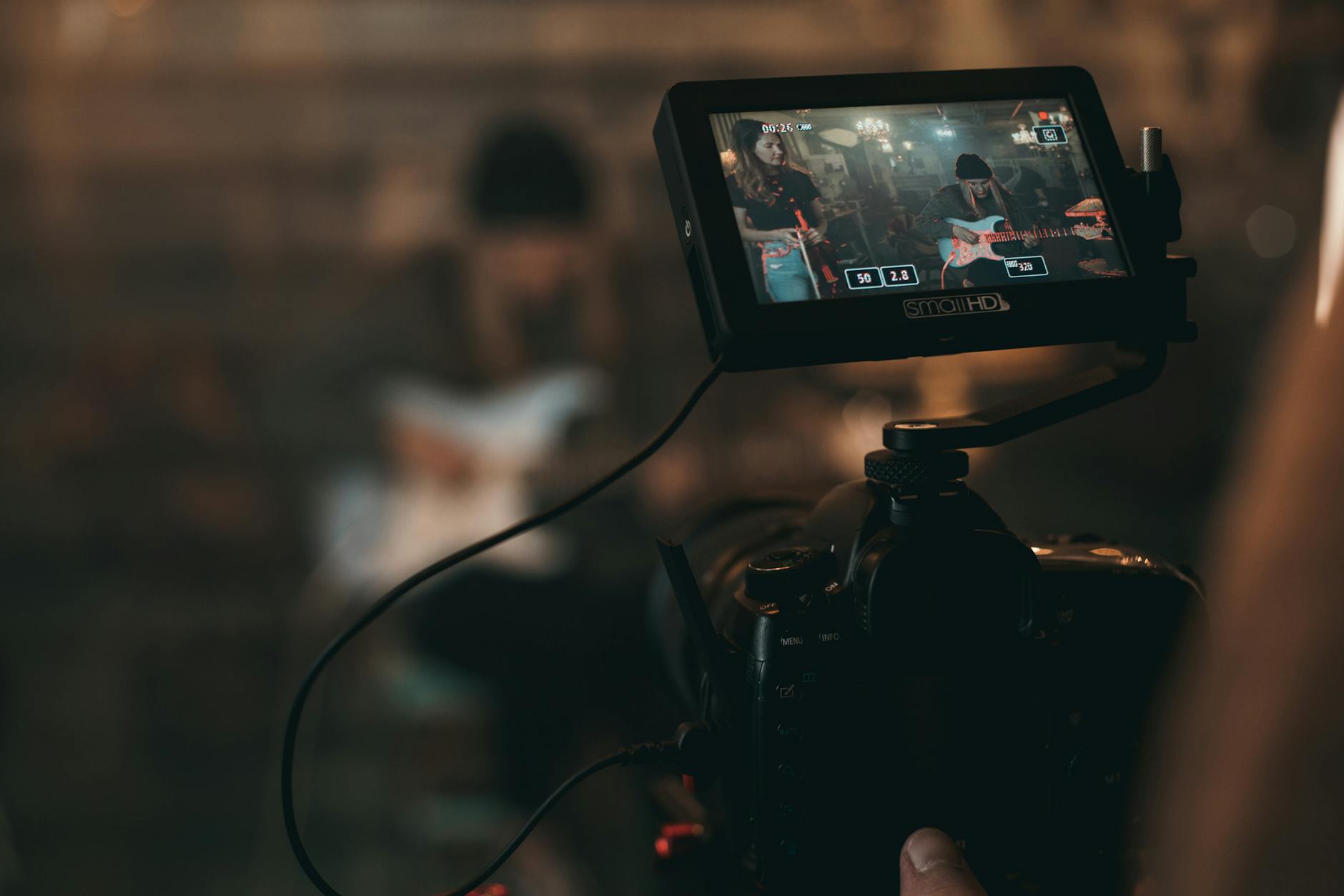
Additionally, on-screen graphics and overlays should be managed with care to avoid revealing personal information or confidential content. Regular monitoring tools can track stream health and identify vulnerabilities in real time, enabling prompt responses to potential issues. Establishing clear protocols for incident handling and swift troubleshooting enhances overall stream security and minimizes disruptions.
Intellectual property rights are further protected through proper licensing and copyright notices displayed consistently throughout the live event. When copyrighted content is used, obtaining necessary permissions and implementing digital watermarking techniques can deter unauthorized recordings or redistribution, maintaining the value and exclusivity of the event.
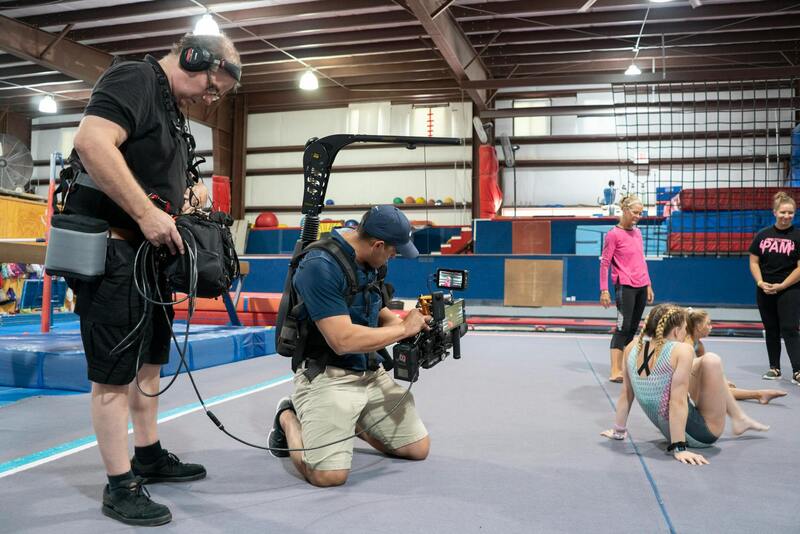
Adopting these comprehensive security measures not only prevents technological threats but also establishes a trustworthy environment for viewers and stakeholders. By respecting privacy laws and protecting content, live event organizers reinforce their reputation and foster sustained engagement with their audience.
Legal, Security, and Privacy Considerations
Effective live event video streaming in Miami demands adherence to established protocols that ensure both the safety of the content and the privacy of viewers. To guarantee a seamless experience, it is essential to implement comprehensive security measures that safeguard against potential digital threats. Encryption protocols play a vital role by protecting data transmission from unauthorized interception, ensuring that streams are delivered securely to viewers. Additionally, sophisticated access controls restrict viewing rights to authorized individuals, using mechanisms such as authentication tokens, geo-restrictions, and secure login portals.
Equally important is the careful management of on-screen graphics, overlays, and supplementary content. Sensitive information, whether personal details of attendees or proprietary event material, should be handled with precision, preventing accidental disclosures. Regularly monitoring stream health with dedicated tools helps detect vulnerabilities or disruptions in real time, allowing rapid responses to potential issues. Establishing detailed incident response strategies minimizes downtime and maintains a professional presentation throughout the event.
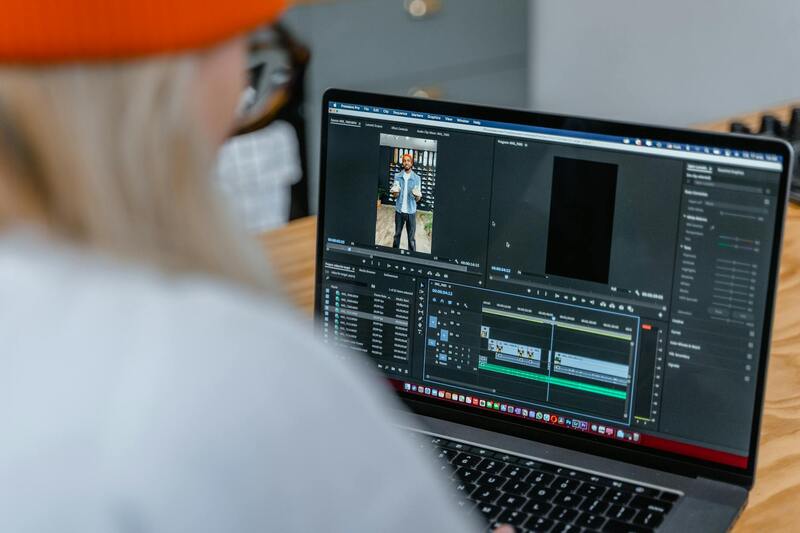
Protecting intellectual property during live broadcasts involves several practical steps. Clearly displaying copyright notices, securing proper licensing agreements, and utilizing digital watermarking techniques serve as deterrents against unauthorized recordings and redistribution. These measures help preserve the exclusive value of the event, especially when premium content or proprietary performances are involved.
Maintaining compliance with data protection standards such as GDPR or CCPA is fundamental to preserving trust with viewers. Implementing robust data handling policies, obtaining explicit consent for data collection, and ensuring secure storage of personal information prevent breaches and reinforce viewer confidence. Transparent communication about privacy policies and the means by which data is protected fosters a trustworthy environment that encourages sustained engagement.
By integrating these security and privacy protocols into your live streaming strategy, event organizers in Miami not only thwart potential threats but also cultivate credibility and integrity across the digital experience. This comprehensive approach supports a smooth, worry-free streaming environment that respects viewer rights and upholds content integrity at every stage of the event lifecycle.
Ensuring Seamless Delivery and Adaptability
To maintain high-quality live event video streaming, it is essential to implement adaptive bitrate switching technology. This ensures viewers receive the best possible quality based on their internet connection speed, resulting in minimal buffering and a smoother viewing experience. By utilizing adaptive streaming protocols, event organizers can dynamically adjust video quality on-the-fly, catering to diverse audience bandwidths without compromising the visual integrity of the broadcast.
Additionally, robust Content Delivery Networks (CDNs) serve as critical infrastructure for distributing live streams across geographically dispersed audiences. CDNs reduce latency by caching content closer to viewers and balancing load across multiple servers. This infrastructure minimizes delays, prevents server overloads, and guarantees consistent streaming performance regardless of the size of the event or the number of viewers connected simultaneously.
Implementing Redundancy and Failover Strategies
Redundancy is a cornerstone of a trustworthy live streaming setup. Employing multiple streams from different sources and backup servers ensures that if one pathway encounters issues, the stream can seamlessly switch to an alternative. This technical resilience involves setting up redundant encoders, backup internet connections, and automatic failover systems that detect disruptions and switch streams without interrupting viewer experience.

Advances in Cloud-Based Streaming Solutions
Cloud-based streaming technology offers scalable, flexible, and cost-effective solutions for live event broadcasting. Organizers can leverage cloud encoding, cloud playout, and real-time transcoding services that adapt to the specific demands of each event. Such solutions simplify infrastructure requirements, facilitate easy setup and management, and enable rapid deployment of multi-camera feeds for complex productions, making them particularly suitable for large-scale or high-profile events in Miami.
Monitoring and Quality Control
Constant monitoring during the live event is vital to identify and resolve issues promptly. Utilizing dedicated monitoring tools that track stream health, bitrates, and viewer engagement metrics assists in maintaining high standards throughout the broadcast. Automated alerts notify technical teams of potential problems, allowing swift intervention to address issues such as latency spikes or dropped connections.

Conclusion
Delivering high-quality live event video streaming that adapts to viewer needs involves a combination of advanced technology, strategic planning, and meticulous execution. By integrating adaptive streaming, leveraging reliable CDNs, establishing redundancy, embracing cloud solutions, and maintaining vigilant monitoring, event organizers in Miami can produce compelling, uninterrupted broadcasts that engage audiences and uphold the highest standards of digital presentation.