Overview of Live Event Video Streaming Services
Live event video streaming services have transformed the way organizations, companies, and individuals broadcast their events to global audiences. These services enable real-time transmission of events such as conferences, sports competitions, concerts, and corporate gatherings via the internet, allowing viewers worldwide to experience the event as it unfolds. This technology addresses the increasing demand for instant access, reaching audiences beyond geographical limitations and enhancing engagement through interactive features. In essence, live streaming solutions serve as a bridge connecting event organizers with viewers who seek immediate and immersive participation, thereby expanding event reach and visibility.
Implementing a reliable live streaming service involves multiple components — from capturing high-quality video footage to delivering seamless playback on various devices. This process typically involves robust content delivery networks (CDNs), sophisticated encoding hardware, and comprehensive platform management. As events grow in scale and complexity, the importance of choosing a capable service provider becomes evident, ensuring that technical difficulties do not compromise the viewer experience. With advancements in streaming technology, providers now offer tailored solutions that cater to a wide range of event sizes, formats, and audience engagement goals.

For event organizers, investing in professional streaming services means guaranteeing high-definition video quality, minimal latency, and reliable broadcast capabilities. These elements are crucial for preserving the integrity of the event and maintaining viewer satisfaction. As the digital landscape evolves, live streaming continues to be an indispensable component for event success, providing a vital link between organizers and viewers regardless of location.
Key Features of Live Streaming Solutions
When selecting a live event video streaming service, several core features ensure a high-quality and reliable broadcast. These features not only optimize viewer experience but also streamline event management for organizers. High-definition video output is indispensable, allowing audiences to enjoy crisp visuals regardless of device. The integration of multi-camera setups provides dynamic viewing angles, enriching the visual narrative and capturing diverse aspects of the event. Reliable bandwidth management guarantees seamless streaming without interruptions, even during peak viewer engagement. Moreover, platform compatibility with various devices—smartphones, tablets, desktops—ensures extensive reach and accessibility.
Advanced encoding hardware plays a vital role in maintaining video quality while minimizing latency. Adaptive streaming technologies dynamically adjust video quality based on the viewer's internet connection, reducing buffering and enhancing smooth playback. Security measures such as encrypted streams and secure access controls protect the content from unauthorized viewing and piracy. These security protocols are particularly significant for private or corporate events.
Another essential feature is audience interaction capabilities, allowing real-time chat, polls, and Q&A sessions that foster engagement. Analytics tools integrated within streaming platforms offer insights into viewer behavior, attendance metrics, and engagement levels, enabling organizers to evaluate and improve future events. Additionally, comprehensive platform management tools facilitate easy scheduling, live controls, and report generation, making the live streaming process efficient and transparent.
Robust content delivery networks (CDNs) are fundamental for ensuring broad and consistent reach across geographic locations. Utilizing multiple CDN providers can help reduce latency and prevent service disruptions. Additionally, scalability features built into advanced streaming solutions allow handling larger audiences without degrading the quality of broadcast. As the demand for live event coverage escalates, these scalable features become increasingly valuable.
Finally, multi-platform distribution is critical. A comprehensive live streaming service often supports simultaneous broadcasting across a variety of social media channels, websites, and custom apps, facilitating extensive audience engagement and content sharing. This multi-channel approach enhances visibility and allows event organizers to capitalize on diverse viewer bases.
Overview of Live Event Video Streaming Services
Live event video streaming services have revolutionized the way organizers broadcast their events to audiences across the globe. These solutions facilitate real-time transmission of live content, enabling attendees who cannot be physically present to participate virtually. Such services are indispensable for conferences, concerts, sports events, corporate gatherings, religious functions, and community festivals, offering a seamless viewing experience with high-quality audiovisual output.
Providers offering live event streaming employ advanced technologies that include high-definition video capture, reliable delivery networks, and user-friendly interfaces. This ensures minimal latency, high resolution, and consistent playback across various devices. The proliferation of smartphone usage and internet access has further amplified the importance of live streaming, making it a critical component of engaging and expanding event reach.
Some of the most reputable live streaming solutions are equipped with integrated multimedia production features, allowing for switching between multiple camera angles, incorporating graphics, overlays, and pre-recorded content during the broadcast. This integrated approach ensures a professional presentation that captivates viewers and maintains their interest throughout the event.
Moreover, these services often provide comprehensive dashboard controls for organizers, including scheduling, real-time monitoring, and post-event analytics. The analytics component offers insights into viewer demographics, engagement levels, and streaming quality metrics, which are invaluable for planning future events and optimizing content delivery.
Another significant aspect to consider is the security of streamed content. Platforms that incorporate robust encryption and authentication measures protect sensitive material and prevent unauthorized access. This is particularly crucial for corporate events and private functions, where confidentiality is paramount.
Scaling capabilities are also vital; as event popularity increases, streaming solutions should support higher bandwidths and larger audiences without compromising performance. Content Delivery Networks (CDNs) play a pivotal role here, ensuring reliable distribution across diverse geographic regions with minimal buffering or lag.
In summary, live event video streaming services represent a convergence of cutting-edge technology and strategic content management, empowering organizers to deliver engaging, secure, and high-quality live experiences to global audiences. Whether the goal is to maximize visibility, enhance audience participation, or generate revenue through virtual ticketing and advertising, selecting the appropriate streaming solution is essential for achieving these objectives effectively.
Technical Requirements for Live Streaming
Delivering high-quality live event video streaming requires meticulous planning around technical infrastructure and equipment. Ensuring a seamless broadcast involves a combination of reliable hardware, robust internet connectivity, and precise technical execution. The foundation begins with the appropriate capture devices, primarily high-definition cameras capable of producing clear, professional footage suitable for direct streaming. Depending on the event size and scope, multiple cameras may be employed to deliver varied angles, enhancing viewer engagement.

Complementing the cameras is the use of dedicated audio equipment to preserve sound clarity, which is vital for audience engagement. External microphones, mixers, and audio interfaces should be used to capture and optimize sound quality, especially for conferences, performances, or panel discussions. Proper lighting ensures visibility and color accuracy, reducing visual noise and improving the overall viewing experience.
Beyond hardware, a powerful and stable internet connection forms the backbone of a successful stream. Typically, a dedicated high-bandwidth internet line with minimal latency and jitter is optimal. Upload speeds should be significantly higher than the stream’s bitrate to accommodate simultaneous data transmission and avoid buffering issues. Redundant internet connections through additional carriers or failover systems are strongly recommended to mitigate potential disruptions during live events.

Streaming software or hardware encoders are employed to compress and convert raw footage into formats suitable for transmission over the internet. These encoders often include features for multiplexing multiple camera feeds, adding graphics or overlays, and adjusting bitrates dynamically to accommodate varying network conditions. Encoders can be software-based, run on dedicated computers, or hardware units optimized specifically for live broadcasting.
Content Delivery Networks (CDNs) are a crucial component in reaching a global audience efficiently. CDNs distribute the streamed content across multiple servers geographically dispersed, reducing latency and buffering. Proper configuration of CDN settings can enhance streaming stability and quality, especially during high-traffic events.
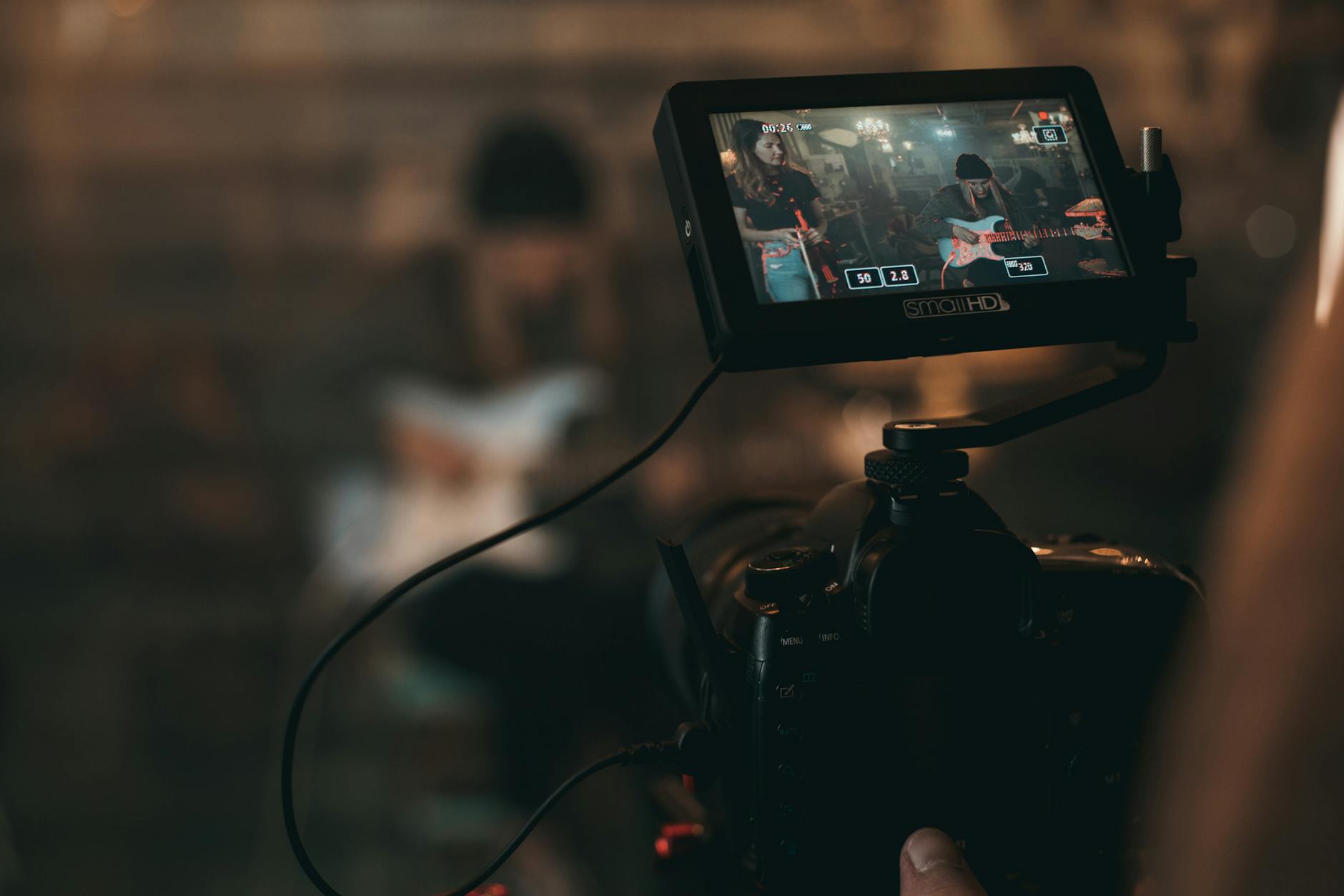
Finally, post-event technical review and testing are indispensable. Conducting rehearsals, performing speed tests, and updating equipment as needed help identify and resolve potential issues beforehand. Technical support staff should be present during live broadcasts to monitor streams, troubleshoot on the fly, and ensure the transmission remains stable and consistent throughout the event.
In summary, establishing a resilient technical setup for live streaming involves a strategic combination of quality hardware, dependable internet connectivity, specialized encoding solutions, and detailed planning. Proper execution of these elements determines the overall success of a live event broadcast, enabling organizers to deliver engaging, high-quality content to their audiences without interruption.
Factors to Consider for Miami Production Agencies
When selecting live event video streaming services in Miami, production agencies must account for several local factors that influence the choice and execution of streaming solutions. Miami’s vibrant cultural scene, diverse demographics, and bustling business environment create unique demands for live broadcasting. Understanding the local network infrastructure is essential, as proximity to major data centers and internet service providers can affect latency and streaming stability. Agencies should also evaluate the scalability of streaming solutions to accommodate both small gatherings and large-scale events, such as festivals, conferences, or sports competitions.
Audience demographics in Miami also shape the approach to live streaming. With a mix of local residents, international visitors, and a global online audience, content delivery must be tailored for multi-lingual accessibility, high engagement, and regional preferences. Additionally, Miami’s event types — from high-energy music festivals to corporate summits — require specialized streaming technologies and production workflows to ensure optimal quality and viewer experience.
Flexibility and adaptability are key considerations. Agencies should opt for services that provide customizable features such as multiple camera angles, real-time graphics, and interactive elements to enhance viewer engagement, especially for high-profile or multi-session events. The capacity to seamlessly integrate these features can significantly elevate the professionalism and reach of the event.
Moreover, local regulations pertaining to broadcasting rights, content licensing, and privacy must be thoroughly understood. Working with services that adhere to regional policies and offer comprehensive support ensures compliance and protects the integrity of the broadcast.
Investing in services that offer end-to-end solutions, including pre-event planning, onsite technical support, and post-event analytics, helps Miami-based agencies deliver polished and reliable live streams. Establishing partnerships with providers experienced in Miami’s unique landscape enables smooth execution and maximizes audience engagement across platforms.

Technical Requirements for Live Streaming
Ensuring a smooth and professional live event broadcast hinges on meeting specific technical standards that support high-quality streaming. Central to this is the selection of appropriate hardware, including high-definition cameras capable of capturing crisp visuals from multiple angles, high-performance encoders that compress and transmit video data efficiently, and reliable audio equipment to deliver clear sound quality. These components work together to produce a seamless viewing experience, free from lag or buffering issues.
Network bandwidth plays a critical role in live streaming, necessitating a dedicated and robust internet connection with sufficient upload speeds to handle the high data throughput. Typically, upload speeds of at least 10 Mbps are recommended for standard HD streams, while 4K streams demand even higher bandwidth. To prevent interruptions, some streamers utilize backup internet options or redundant connections, especially for large-scale or revenue-generating events.
Software solutions such as professional-grade encoders and streaming platforms are essential for managing live feeds, enabling features like real-time switching between camera feeds, overlays, graphics, and on-screen comments. These tools often include multi-bitrate streaming capabilities, allowing viewers to receive an optimal quality stream tailored to their device and connection speed.
Additional considerations involve synchronization of video and audio feeds, comprehensive testing prior to the event day, and contingency plans to address potential technical failures. Having trained technical staff onsite ensures quick resolution of issues, minimizing disruptions and guaranteeing a polished broadcast.
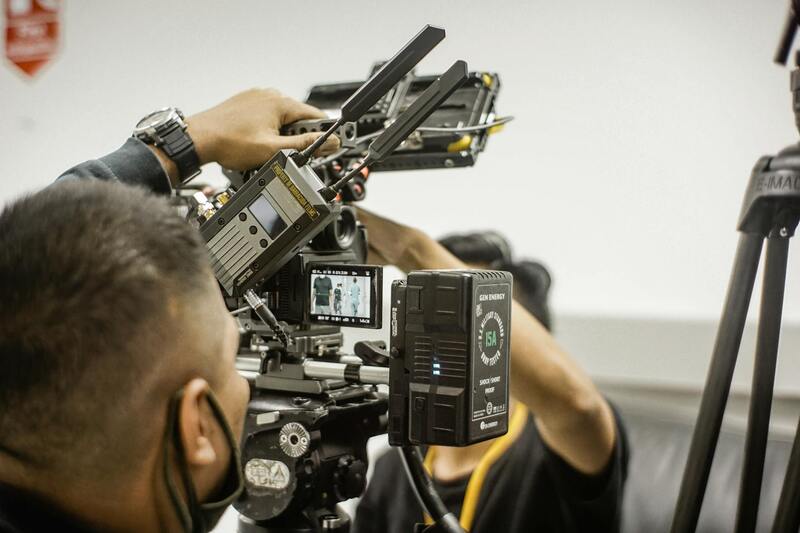
Complementing hardware, a stable power supply is crucial to prevent disruptions, alongside environmental controls to keep sensitive equipment functioning optimally. The importance of meticulous planning and precision execution cannot be overstated, especially in high-profile environments where brand reputation and viewer satisfaction are at stake.
Overview of Live Event Video Streaming Services
Live event video streaming services have revolutionized the way audiences experience events, conferences, concerts, and sports competitions. By broadcasting real-time footage over the internet, these solutions enable viewers from around the world to engage with content instantaneously, regardless of geographical barriers. They serve as a vital tool for organizers aiming to expand reach, increase engagement, and generate additional revenue streams through ticket sales, sponsorships, or pay-per-view models.
Implementing a seamless live stream involves more than simply pushing video content online; it requires a comprehensive infrastructure that handles large data uploads while maintaining optimal video quality. Modern live streaming services leverage adaptive bitrate streaming technology, which automatically adjusts video quality based on viewer bandwidth. This ensures smooth playback even in fluctuating internet conditions, thus reducing buffering and viewer frustration. Additionally, these services often provide integrated solutions that include content delivery networks (CDNs), encoding hardware, and dedicated support teams to manage the entire broadcasting process effectively.
As organizations increasingly turn to digital platforms to host their events, choosing a reliable live streaming solution becomes crucial. Quality and dependability directly influence audience satisfaction and the overall success of the event. Professional live event video streaming services offer end-to-end packages that encompass pre-production planning, high-quality encoding, multi-platform distribution, and post-event analytics, ensuring a comprehensive approach to live broadcasting that meets strategic goals.

Key Features of Live Streaming Solutions
- High-Quality Video Encoding: Professional codecs like H.264 or H.265 ensure efficient compression for crisp visuals without demanding excessive bandwidth.
- Multi-Platform Support: Compatibility across social media channels, dedicated websites, and mobile apps maximizes audience accessibility.
- Adaptive Bitrate Streaming: Dynamically adjusts stream quality to match viewers’ internet speeds, providing uninterrupted viewing experiences.
- Reservoir for Redundancy: Backup streams and failover mechanisms to prevent disruptions during unforeseen technical issues.
- Security Measures: Encryption and secure tokens protect content from unauthorized access and piracy.
- Interactive Features: Live chat, polling, and on-screen graphics foster audience engagement during the event.
Choosing the Right Streaming Platforms
When selecting a platform for live event broadcasting, organizations should evaluate several criteria to ensure the platform aligns with their specific needs. Factors to consider include streaming capacity, user interface, scalability, and integrated analytics. For high-profile events, platforms offering multi-camera support, real-time switching, and customizable viewer interfaces are essential for delivering a professional appearance.
Additionally, compatibility with mobile devices and accessibility features are increasingly important in global markets. Some popular options include dedicated enterprise streaming services that offer tailored solutions, while others utilize well-known platforms focusing on social media integrations. It is vital to assess the platform's ability to handle concurrent viewers and to provide quality assurances through test streams and prior rehearsals.
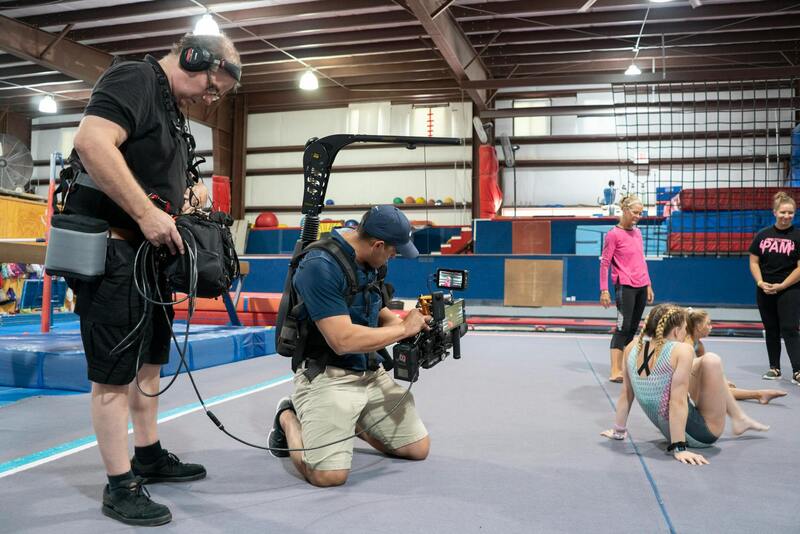
Technical Requirements for Live Streaming
Effective live streaming relies on robust technical infrastructure. The core components include high-speed internet connections with sufficient upload bandwidth—typically at least 10 Mbps for HD quality—adequate encoding hardware or software, and reliable content delivery networks to distribute the stream efficiently. Encoder setups often involve professional-grade hardware encoders or software-based solutions configured for multi-bitrate streaming, enabling adaptive quality adjustments.
Content management is equally critical. Syncing audio and video feeds ensures professional output, while redundancy systems, such as backup internet connections or dual encoding paths, minimize the risk of disruption. For large-scale events, onsite technical teams monitor real-time performance, troubleshoot issues promptly, and ensure smooth transitions between sources or overlays. Power backup solutions, environmental controls, and secure networking protocols further support operational stability.
Factors to Consider for Miami Production Agencies
Miami-based production agencies tasked with live streaming must consider local infrastructure, technical expertise, and audience demographics. Local internet service providers capable of offering high-capacity connectivity are crucial for large broadcasts. Agencies should also evaluate their experience with similar events, ensuring familiarity with multi-camera setups, switching, and graphic integration, which contribute to a polished final product.
Furthermore, understanding regional audience preferences and device usage trends helps tailor the content delivery strategy. Partnering with platforms that support multi-platform distribution maximizes reach across social media, corporate websites, and dedicated apps. Adequate staffing, including technical engineers familiar with Miami’s infrastructure, ensures event execution runs smoothly from setup through post-event analysis.

Overview of Live Event Video Streaming Services
Live event video streaming services have transformed the way audiences experience events across various industries, from corporate conferences and sports tournaments to concerts and community festivals. These services enable real-time broadcasting to viewers regardless of their geographic location, providing an immersive experience that aligns with contemporary digital consumption habits. The core purpose is to deliver high-quality, uninterrupted video content that captures the essence of an event, ensuring remote viewers feel as engaged as those present onsite. The platforms employed for live streaming leverage advanced encoding technologies, scalable cloud infrastructure, and multi-platform distribution methods to cater to diverse audience sizes and device preferences. As the popularity of remote viewing continues to grow, the importance of reliable and professional live streaming services becomes increasingly evident, offering solutions that combine robust technical capabilities with seamless user interfaces.

Key Features of Live Streaming Solutions
- High-Definition Video Quality: Support for HD, Full HD, and 4K resolutions ensures crisp visuals for viewers on various devices.
- Adaptive Bitrate Streaming: Automatically adjusts stream quality based on viewer bandwidth, preventing buffering and ensuring smooth playback.
- Multi-Platform Compatibility: Compatibility with social media, dedicated websites, and mobile apps extends reach and accessibility.
- Scalable Infrastructure: Cloud-based solutions accommodate both small gatherings and large-scale events with thousands of simultaneous viewers.
- Interactive Features: Live chat, real-time polling, and viewer engagement tools increase audience participation.
- Security and Privacy Measures: Encrypted streams, access controls, and secure streaming protocols safeguard content and viewer data.
- Reliable Encoding and Transmission: Dual-encoder setups and backup internet options minimize disruptions and ensure consistent quality.
Choosing the Right Streaming Platforms
Selecting an appropriate platform is pivotal to achieving a successful live event broadcast. The decision depends on factors such as event size, budget, technical capabilities, and distribution goals. Popular official streaming platforms include enterprise-grade solutions provided by renowned providers offering dedicated support and customizable features. For larger audiences, platforms with global content delivery networks (CDNs) ensure minimal latency and high availability. Compatibility with external analytics tools and CRM systems can help in tracking engagement and expanding outreach efforts. When evaluating options, agencies should consider platform support for multi-camera setups, overlay capabilities, and stream monetization features, which can add significant value to the broadcast. Moreover, robust customer support and technical assistance during the event are critical to address any unexpected challenges swiftly and maintain seamless streaming.