Understanding the Role of a Live Streaming Videographer
In the dynamic world of event coverage, a live streaming videographer plays a pivotal role in capturing and broadcasting live events to remote audiences. This professional is responsible for not only recording video footage but also delivering real-time streams with high-quality visuals and sound. Their expertise ensures that viewers, regardless of location, experience the event as if they were physically present, making them invaluable for conferences, weddings, corporate events, and entertainment shows.
Live streaming videographers combine technical proficiency with a keen eye for detail. They coordinate the deployment of multiple cameras, manage live editing, and synchronize audio and video feeds seamlessly. This role demands proficiency with specialized software and hardware, including encoding devices, switchers, and streaming platforms. With a focus on professionalism, they maintain a smooth and stable live broadcast, minimizing delays, interruptions, or technical issues that could detract from the viewer experience.
Among the key skills possessed by a live streaming videographer are advanced knowledge of camera operations, audio engineering, network management, and troubleshooting. They also excel in working under pressure, adapting quickly to unexpected circumstances during a live event. Their technical toolkit often includes high-definition cameras, wireless transmitters, tripod stabilizers, and portable lighting setups, all designed to optimize visual clarity and sound quality. Effective communication and collaborative planning are equally important skills, ensuring they coordinate successfully with event organizers and other service providers.
A proficient live streaming videographer’s impact extends beyond technical execution. They must also possess an understanding of the event’s goals, audience engagement strategies, and branding requirements. This comprehensive approach ensures the live broadcast aligns with the event's purpose, enhancing its reach and overall success. As technology rapidly advances, staying updated with the latest streaming innovations and trends remains an essential part of their professional development. Overall, the role of a live streaming videographer combines technical expertise, creative vision, and strategic planning to deliver engaging, reliable live broadcasts that meet clients' expectations and elevate the visibility of any event.
Technical Aspects and Equipment Utilization in Live Streaming Videography
When orchestrating a seamless live broadcast, the selection and deployment of specialized equipment are pivotal to achieving high-quality output. A professional live streaming videographer in Miami meticulously curates a set of advanced tools designed to optimize the visual and audio components of the event. Central to this setup are high-definition cameras capable of capturing sharp, clear images from multiple angles, providing viewers with an immersive experience. These cameras often include pan-tilt-zoom (PTZ) models that allow remote operation, facilitating dynamic shots and comprehensive coverage without the need for extensive physical repositioning.
Wireless video transmitters are integral for maintaining portability and flexibility, enabling the videographer to capture live footage from various locations effortlessly. Portable stabilizers such as gimbals and tripods ensure steady shots, even in dynamic or crowded environments. Proper lighting equipment, including portable LED panels and diffusers, enhances visual clarity, especially in low-light situations, ensuring an even, professional look throughout the broadcast.
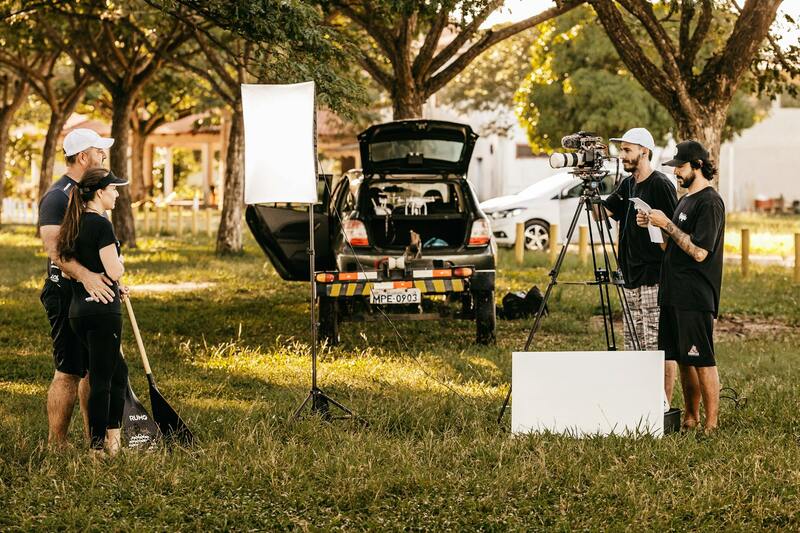
Audio quality is equally critical, requiring the use of lapel microphones, wireless microphones, and audio mixers to capture crisp, clear sound that complements the video feed. Properly managed audio ensures speech intelligibility and minimizes background noise distractions, which is essential for maintaining viewer engagement.
At the heart of the technological setup is a reliable streaming hardware and software system. Hardware encoders convert live video into digital streams suitable for various online platforms, while streaming platforms or Content Delivery Networks (CDNs) distribute the content efficiently. A skilled videographer continuously monitors internet connectivity, utilizing backup solutions such as mobile hotspots or wired connections to prevent interruptions. Sophisticated network management tools help optimize bandwidth allocation, reducing lag and ensuring smooth transmission even during high-traffic events.
Additionally, integration of multi-camera switching systems allows live operators to transition seamlessly between different video feeds, adding a dynamic and professional touch to the broadcast. This integrated approach to equipment use underscores the importance of comprehensive technical knowledge and careful planning prior to the event, ensuring every piece of gear functions harmoniously to deliver an engaging live experience.
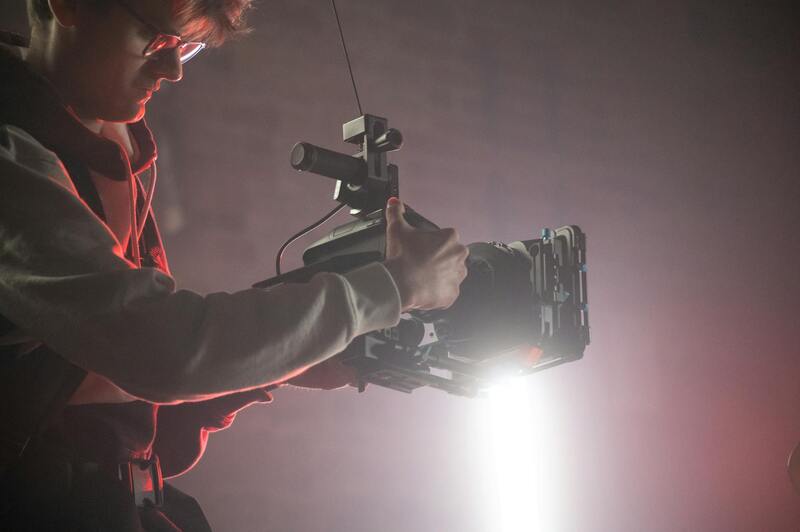
Overall, the meticulous selection and management of these tools form the backbone of effective live streaming videography. The aim is to produce a broadcast that is visually appealing, acoustically clear, and technically reliable, making viewers feel as though they are right there at the event. For clients in Miami seeking professional live streaming services, partnering with an experienced videographer ensures top-tier equipment utilization, tailored to suit the specific needs and scale of the occasion. This attention to detail ultimately elevates the event’s visibility and engagement across digital platforms.
Key Factors to Consider When Hiring a Live Streaming Videographer
Selecting the right live streaming videographer for your event involves a thorough evaluation of several critical factors. Priority should be given to professional experience, technical expertise, and the quality of previous work, particularly in delivering seamless broadcasts for similar event types. An experienced videographer demonstrates a comprehensive understanding of live streaming workflows, from setup and troubleshooting to post-event review.
Assessing the quality of their video output is essential. Look for clarity, stable framing, and professional audio integration, as these elements directly impact viewer engagement. The videographer should utilize high-definition cameras and professional-grade audio equipment to ensure crisp visuals and clear sound, both of which contribute to a compelling viewing experience.
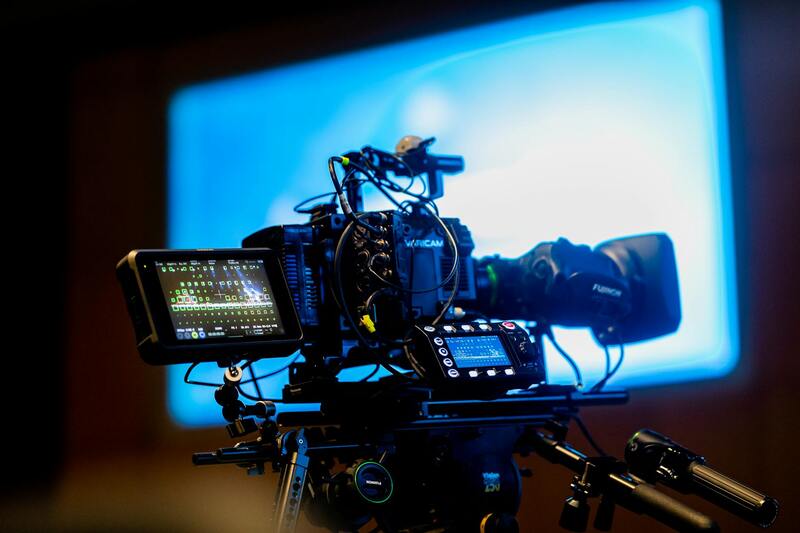
Equipment plays a pivotal role in the success of a live stream. A reputable videographer should have access to advanced streaming hardware, multi-camera setups, switchers, encoders, and reliable internet connectivity options. Their familiarity with multiple streaming platforms and ability to adapt to various event formats enhances confidence in their service quality.
Technical proficiency extends beyond equipment; it encompasses the ability to troubleshoot issues promptly during the broadcast. Adequate knowledge of network management, backup systems, and troubleshooting procedures minimizes disruptions. Furthermore, client reviews and testimonials offer valuable insights into the vendor’s reliability, responsiveness, and overall professionalism.
When choosing a live streaming service, consider how well the provider understands your specific event goals and their capacity to customize the production accordingly. Transparency regarding their approach, equipment list, and pricing structure reflects professionalism and helps set clear expectations. Additionally, a local provider familiar with Miami’s venues and infrastructure can offer advantages in setup efficiency and troubleshooting.
By thoroughly assessing these factors, clients can ensure they partner with a professional capable of delivering high-quality, reliable live streaming that elevates their event’s digital footprint and audience engagement.
Technical Setup and Workflow for Live Streaming
Efficient live streaming relies on a meticulously planned technical setup and seamless workflow execution. A professional live streaming videographer in Miami employs a comprehensive process that begins with pre-event planning, where understanding the client’s objectives, audience, and event specifics is crucial. This involves coordinating with event organizers to establish the optimal camera angles and audio configurations, ensuring all equipment functions harmoniously to deliver an engaging broadcast.
During the event, an integrated workflow manages multiple elements simultaneously. Multiple high-definition cameras capture different perspectives, which are then switched in real-time using professional switchers to create a dynamic viewing experience. Advanced encoders compress the video signal for transmission over the internet, supporting a range of streaming platforms such as YouTube Live, Facebook Live, or custom RTMP servers. These encoders must be capable of adjusting to network fluctuations, maintaining stream stability and quality.
Audio quality is equally prioritized using high-quality microphones and sound mixers, allowing clear communication and music or ambient sound to transmit without interruptions. Synchronized audio-visual elements are essential for engaging viewers and providing a professional broadcast atmosphere. Backup systems, including secondary encoders and redundant internet connections, are integrated into the setup to mitigate any potential disruptions, ensuring continuous streaming even in case of technical issues.
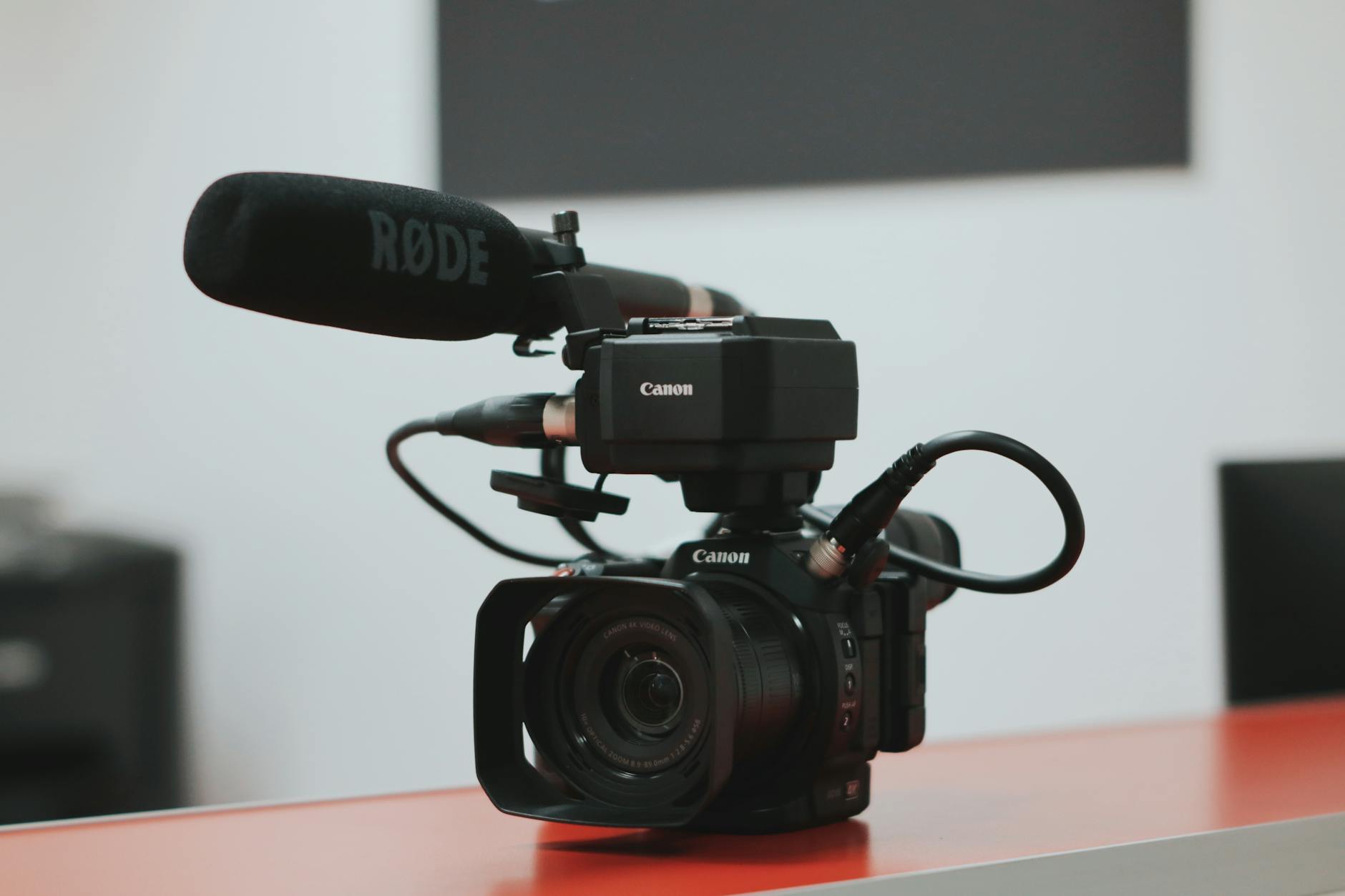
The live feed is monitored continuously by the videographer and support staff, with prompt troubleshooting protocols in place to address unforeseen issues swiftly. This proactive approach minimizes downtime, preventing quality degradation or stream failures that could impact audience engagement. Following the event, the recorded footage is often reviewed and provided to clients for additional use in post-event marketing or archival purposes.
Monitoring and Quality Control Measures
Maintaining a high standard of live stream quality necessitates comprehensive monitoring. A seasoned videographer employs real-time analytics tools to track stream health, bandwidth usage, and viewer engagement metrics. These tools enable immediate adjustments, such as switching camera angles or optimizing audio levels, to enhance viewer experience. Additionally, communication workflows between the technical team and event coordinators are established to ensure all parties are informed of any issues and resolutions during the broadcast.
Post-event, detailed reports evaluate performance metrics and viewer statistics, offering insights into audience reach and engagement levels. These reports assist clients in assessing the effectiveness of their live streaming efforts and inform future event strategies. The combination of precise technical execution and strategic oversight results in a polished, reliable live streaming experience that effectively captures the event’s essence and expands its digital footprint.
Understanding the Role of a Live Streaming Videographer
In the fast-paced environment of modern event broadcasting, a live streaming videographer serves as the central figure responsible for translating in-person moments into compelling digital experiences. Their core duties encompass managing complex technical setups, capturing high-quality footage, and ensuring seamless transmission through a stable internet connection. These professionals possess specialized knowledge in video production techniques, multi-camera synchronization, and real-time broadcasting systems, which enables them to adapt swiftly to the dynamic demands of live events. The videographer's expertise ensures that each frame, sound, and transition contributes to a coherent and engaging online presentation.
The effectiveness of a live streaming videographer extends beyond mere technical competence; it involves pre-event planning, on-site coordination, and post-event review. Prior to the event, they collaborate with clients to outline the streaming objectives, define camera angles, and set up necessary equipment. During the event, they monitor signal strength, manage live feeds, and troubleshoot issues to minimize disruptions. After the broadcast, they review the footage and analytics, offering valuable insights that help improve future live streaming initiatives.
Types of Events Suitable for Live Streaming
- Corporate conferences and seminars
- Weddings and personal milestones
- Music concerts and cultural festivals
- Religious services and community gatherings
- Product launches and promotional events
- Educational workshops and seminars
Screening and Engagement Strategies
For each event type, a skilled videographer tailors the streaming setup to maximize audience engagement. High-definition video, clear audio, and multiple camera angles create an immersive experience. Furthermore, integrating live chat features and social media interactions amplifies reach and fosters real-time participation. Ensuring accessibility through captioning and optimized streaming settings also broadens the event's impact across diverse audiences.
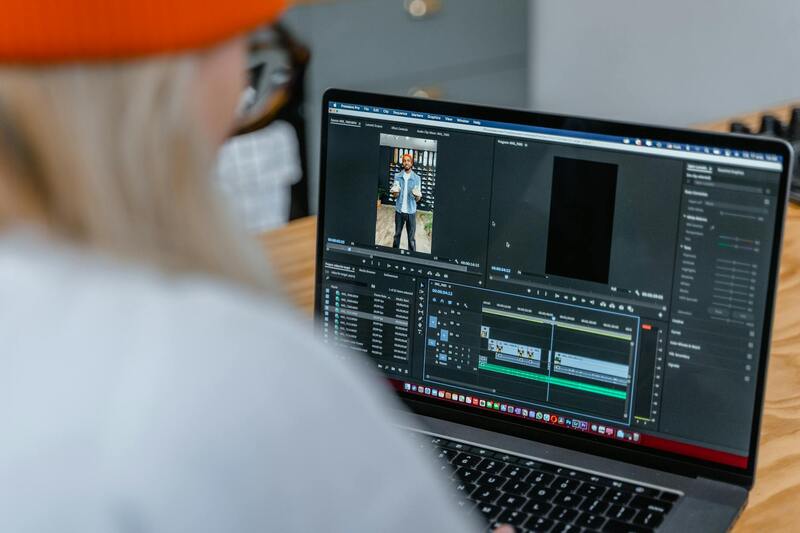
Key Factors to Consider When Hiring a Live Streaming Videographer
Choosing a qualified professional requires attention to several critical aspects that influence the overall quality of the broadcast. Experience is paramount; seasoned videographers have a proven track record of managing complex live productions and adapting to unforeseen circumstances. Portfolio review provides insight into their technical capability and aesthetic style, ensuring alignment with your event’s vision.
Technological proficiency is equally important, as the videographer must operate and troubleshoot advanced equipment like multi-camera rigs, live switchers, audio mixers, and streaming platforms. Reliability and support are essential; inquire about their contingency plans, backup equipment, and on-site technical assistance to prevent potential failures during the broadcast. A comprehensive understanding of audience interaction tools, analytics, and multi-platform streaming is also beneficial.
Communication skills should not be overlooked; the videographer must coordinate effectively with clients and event staff, providing clear instructions and updates throughout the event. Additionally, transparent pricing and detailed service packages help establish mutual expectations and budget considerations, ensuring a smooth collaboration from planning through execution.
Essential Equipment and Technology Used
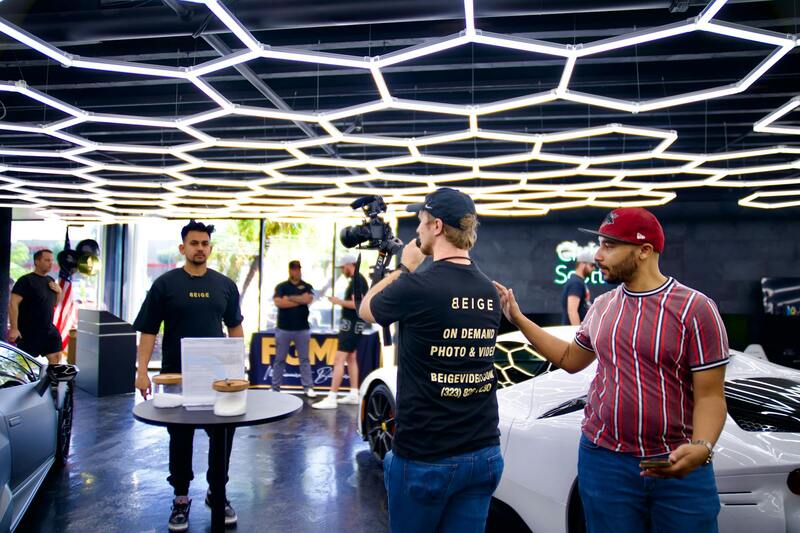
Successful live streaming relies on a suite of advanced hardware and software components optimized for stability and clarity. Key equipment includes professional-grade cameras capable of high-definition recording, multi-cable setups for multiple viewpoints, and external audio sources to capture clear sound. Video switchers or live production consoles facilitate real-time scene transitions – allowing seamless switching between camera feeds, adding graphics, or overlaying messages.
Reliable streaming hardware, such as encoders and routers, transmit high-quality video feeds over the internet, with redundancy built into critical systems to mitigate signal loss. Network infrastructure, including high-speed internet connections and backup solutions like cellular data, is vital for uninterrupted broadcasting. Post-production tools are also employed to review footage and create highlight reels or recorded copies for clients.
Engagement software, such as chat plugins and real-time analytics platforms, enhances viewer experience and provides insights into audience behavior. When integrated effectively, these tools enable the videographer to deliver not only a visually compelling stream but also an interactive and data-informed event experience.
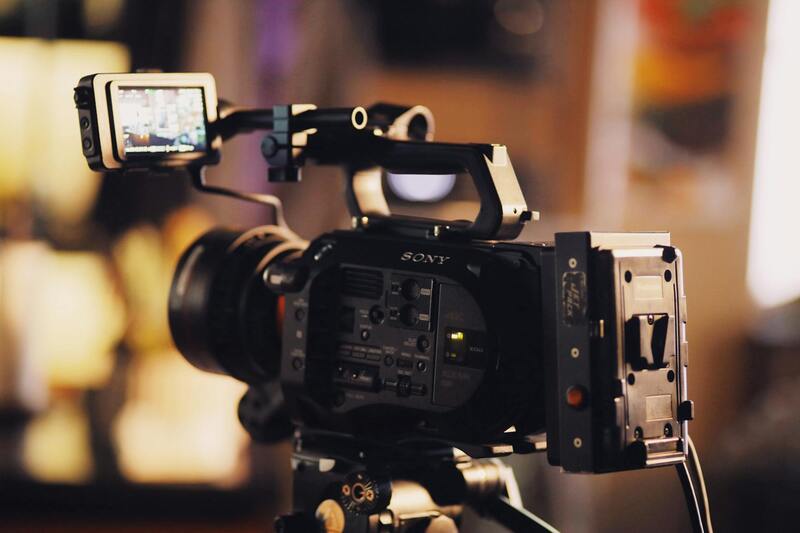
Essential Equipment and Technology Used
To ensure a professional and seamless live streaming experience, a live streaming videographer employs a comprehensive array of advanced hardware and software tools. Each piece of equipment plays a critical role in delivering high-definition broadcasts that capture the event’s essence with clarity and stability.
High-definition professional cameras are fundamental, typically capable of recording in 1080p or 4K resolution to provide crisp and detailed visuals. These cameras often feature interchangeable lenses to adapt to different event environments, from wide-angle shots at conferences to close-ups at performances. Multi-camera setups enable dynamic viewing angles, allowing viewers to experience the event as if they were physically present. Video switchers or live production consoles are utilized to facilitate smooth transitions between camera feeds, incorporate graphics, overlays, or branding elements, and manage visual effects that enhance overall production quality.
External audio sources are equally vital, with professional microphones capturing clear and consistent sound directly correlated with the video feed. Integrating microphones such as lavalier or shotgun mics ensures speech and ambient sounds are heard with precision, significantly augmenting viewer engagement. Audio mixers and processors are employed to fine-tune sound levels, reduce noise, and deliver a balanced audio mix in real-time.
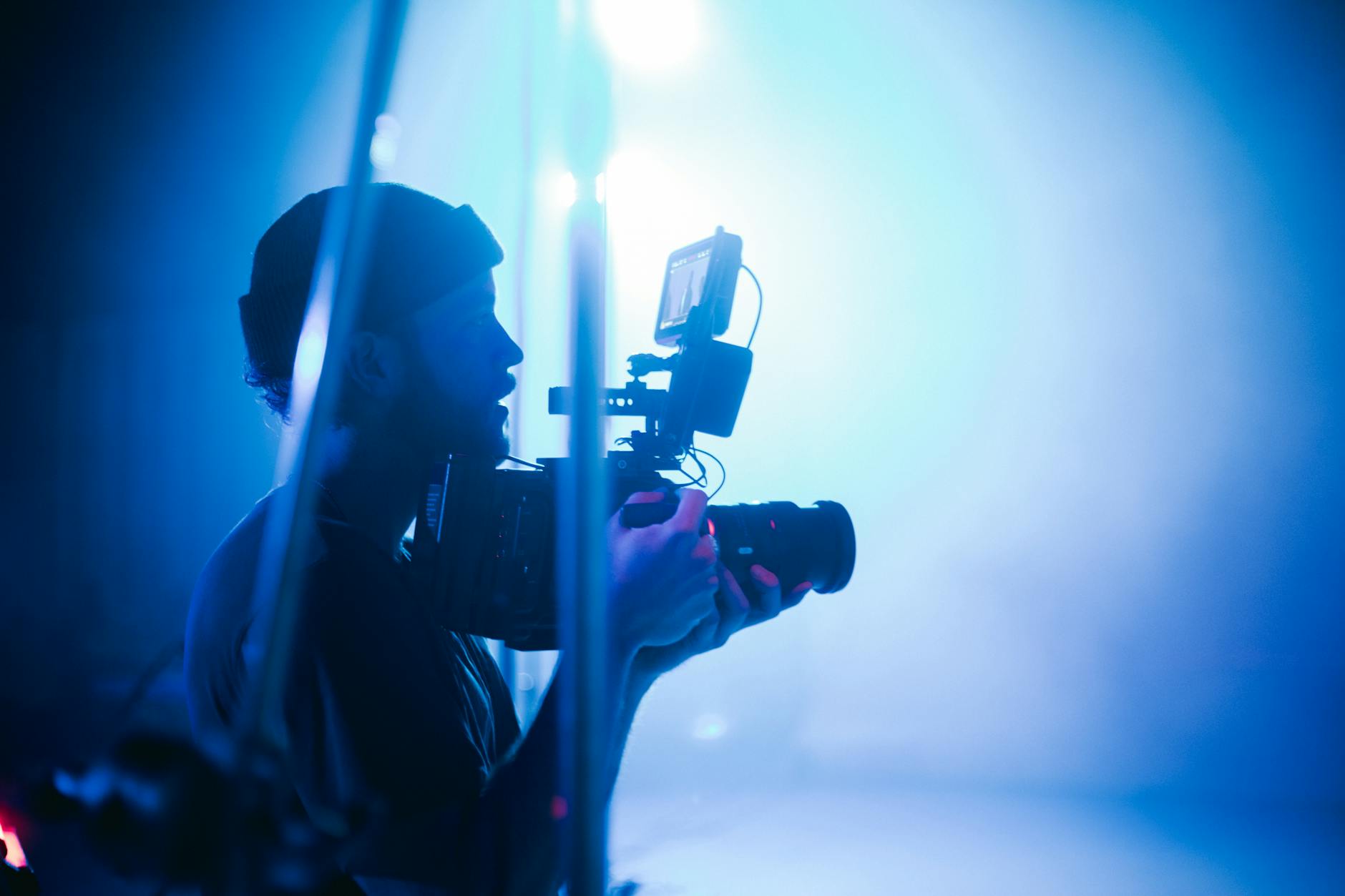
Video switchers or production consoles are the control hubs for live broadcasts, enabling real-time scene changes, graphic overlays, and motion effects. These tools offer versatility, allowing operators to respond swiftly to onstage moments or unexpected scenarios without disrupting the stream.
Reliable streaming hardware, such as encoders and routers, are integral in transmitting the high-quality video feeds over the internet. Hardware encoders convert raw video signals into compressed streams optimized for online transmission. Redundant systems and backup connections, including cellular data alternatives, are implemented to prevent interruptions due to connectivity issues. High-speed internet infrastructure, often supported by wired fiber connections, ensures minimal latency and consistent data flow, which is crucial for maintaining broadcast quality.
Post-production tools are frequently used after the event to review footage, edit recordings, and produce highlight reels. These materials serve as valuable assets for marketing, event documentation, or client archives. Additionally, engagement software, such as live chat plugins, polls, or real-time analytics, helps to foster interaction with viewers and gather insights into audience engagement. These technological components, when combined, deliver a compelling, high-quality live streaming experience that captivates audiences and meets client expectations.
Understanding the Role of a Live Streaming Videographer
A live streaming videographer specializes in capturing live events and broadcasting them in real-time over the internet. This role requires a blend of technical expertise, creative vision, and a thorough understanding of audiovisual equipment and streaming platforms. The primary responsibility is to ensure a seamless broadcast that maintains high visual and audio quality, effectively conveying the event’s atmosphere to remote viewers. They handle camera operations, switch between multiple video sources, and coordinate with technical teams to deliver a professional live stream.
In addition to operating cameras, a live streaming videographer manages the entire workflow of the event’s broadcast, from pre-production planning to post-event analysis. Pre-production involves assessing the venue, setting up equipment, and understanding the client’s goals. During the event, they ensure proper camera angles, smooth transitions, and synchronized audio-visual feeds. Post-event, they may oversee the editing or archiving of footage for future use. A skilled videographer maintains real-time communication with the event staff and streaming technicians to troubleshoot issues promptly, ensuring an uninterrupted viewing experience for online audiences.
The role demands proficiency not only with cameras but also with streaming technology, such as encoding hardware, internet connectivity solutions, and live production software. Their expertise guarantees that every shot aligns with the event’s branding and message, capturing key moments and providing viewers with an engaging experience. Whether it’s a corporate conference, wedding, or concert, a professional live streaming videographer brings a level of polish and reliability crucial for impactful online broadcasts.
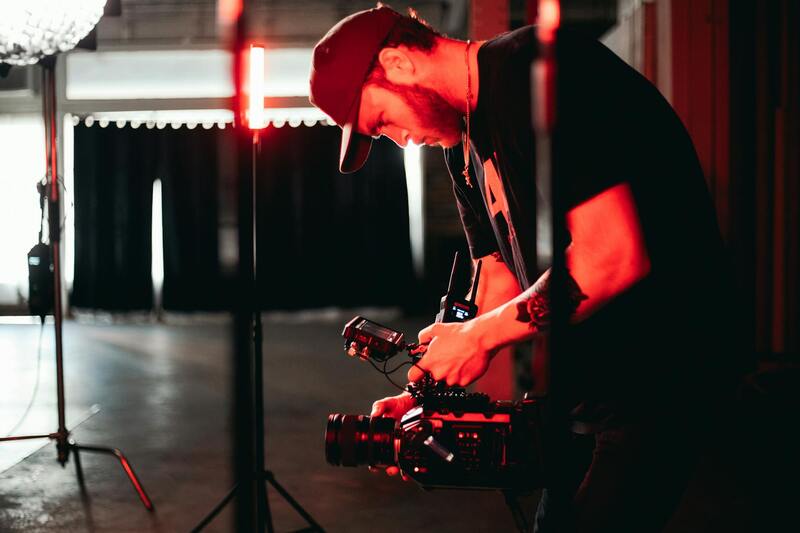
Types of Events Suitable for Live Streaming
Live streaming videographers are adept at covering a wide range of events, ensuring remote participants experience the event as vividly as those on-site. Corporate meetings, seminars, and product launches are common scenarios where real-time broadcasts facilitate broader engagement and reach. Weddings and social parties benefit from live streaming by allowing friends and family who cannot attend physically to participate in real-time celebrations, sharing their joy and well-wishes virtually. Entertainment events, including concerts, theater performances, and festival gatherings, are increasingly broadcast live to expand their audience beyond physical boundaries.
Educational institutions utilize live streaming for lectures, commencement ceremonies, and campus events, enabling students and alumni to stay connected regardless of geographic barriers. Religious services and community events are also suitable for live broadcasts, fostering extended participation and spiritual engagement. Sports competitions, fitness demonstrations, and panel discussions often leverage live streaming to boost visibility and interaction with viewers. Each event type necessitates tailored technical approaches and equipment configurations to ensure the broadcast aligns with the event's unique requirements and audience expectations.
Key Factors to Consider When Hiring a Live Streaming Videographer
Choosing a suitable live streaming videographer involves evaluating multiple professional criteria. Experience in managing different event formats ensures adaptability and foresight in handling unexpected challenges during broadcasts. A proven track record, particularly within the event’s industry, demonstrates the ability to deliver high-quality streams under varying conditions. Technical competence with streaming hardware, camera operations, and software is essential for seamless execution.
It is important to assess the videographer’s familiarity with the event venue, including understanding venue-specific lighting, acoustics, and space constraints. Compatibility with the client’s vision and communication style significantly influences the success of the project, making preliminary consultations vital. Additional considerations include availability on the event date, contingency planning for technical issues, and scalability options for added production value.
Reviewing portfolio samples or previous work helps in evaluating their production quality. Client testimonials and references provide insights into professionalism, punctuality, and responsiveness. It is also vital to clarify the scope of services offered—such as multi-camera feeds, live graphics, recordings, and post-event editing—and to establish transparent pricing structures aligned with the event’s budget.
Essential Equipment and Technology Used
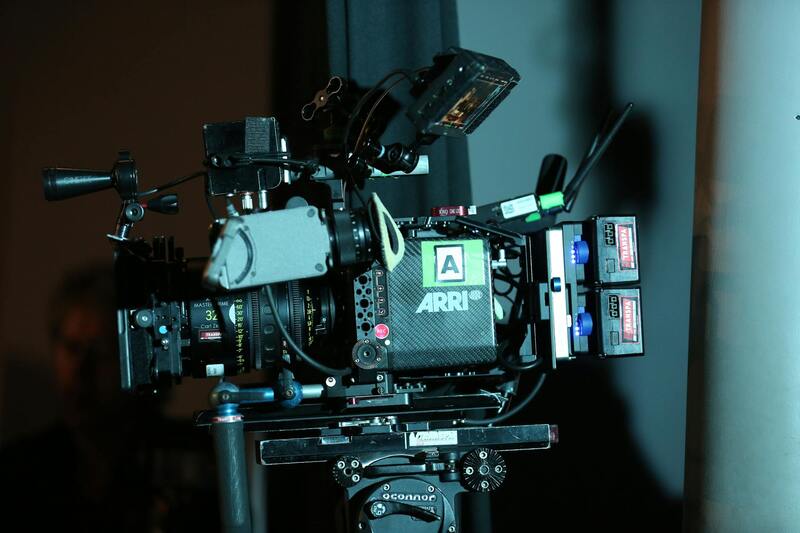
Delivering quality live streams depends heavily on sophisticated equipment and reliable infrastructure. High-definition cameras are the backbone, capturing clear visuals from multiple angles. These are typically paired with professional video switchers, which allow real-time transitions between camera feeds, overlays, and graphic enhancements, adding dynamism to the broadcast.
Reliable streaming hardware such as encoders are crucial for transforming raw video signals into compressed streams compatible with online platforms. These devices must support high bandwidth inputs to maintain video quality during transmission. Robust internet connections, preferably wired fiber optic lines, ensure continuous data flow with minimal latency, which is vital for synchronization and viewer experience.
Additional tools include audio mixers and microphones to guarantee crisp sound quality, especially in noisy environments. Backup systems, such as secondary encoders and dedicated internet links, are often employed to mitigate connectivity disruptions. Stream management software provides real-time control, overlays, and chat integrations, enhancing viewer engagement. Overall, investing in these technologies ensures a professional, seamless broadcast that effectively communicates the event to a remote audience.
Understanding the Role of a Live Streaming Videographer
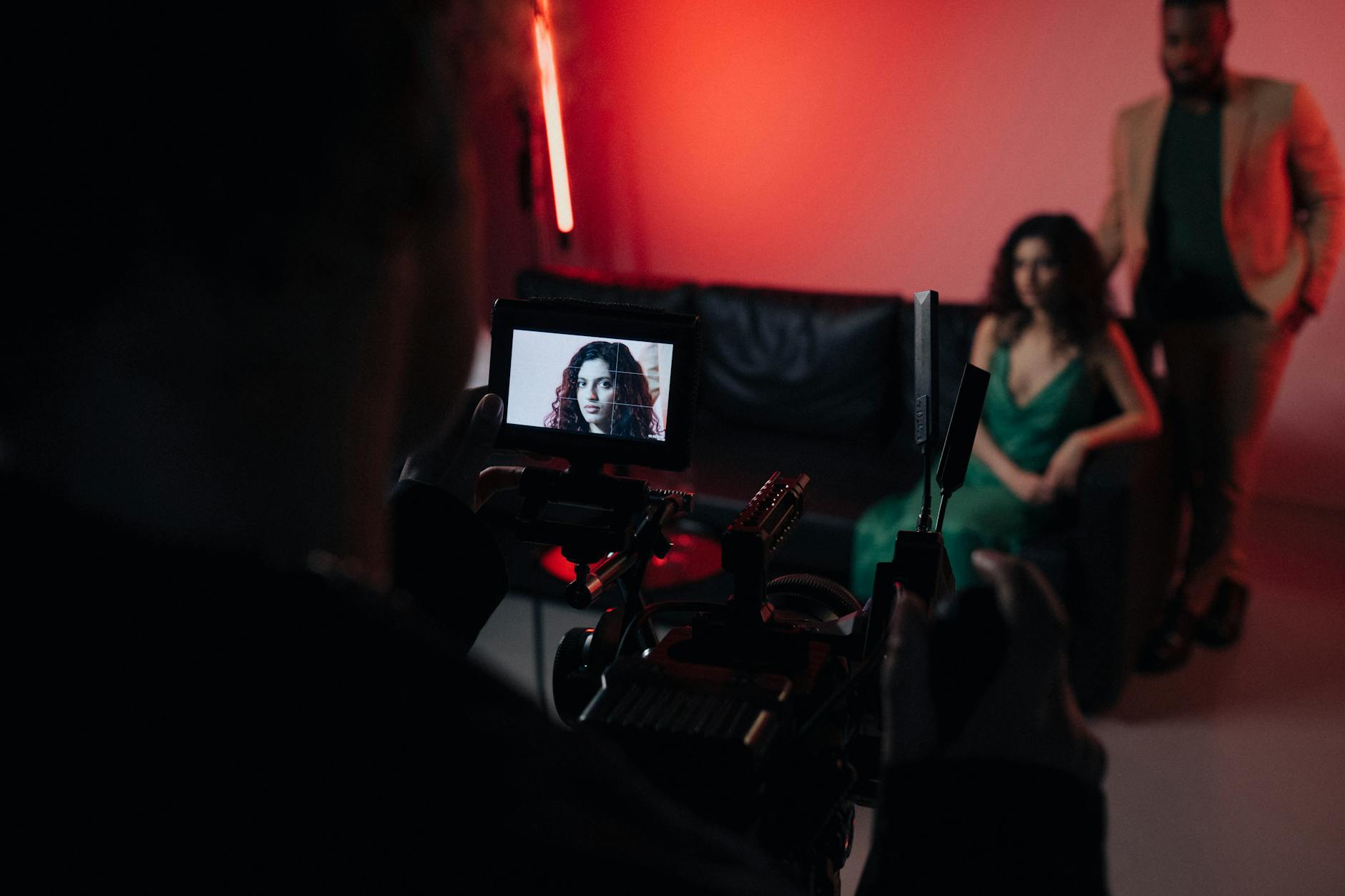
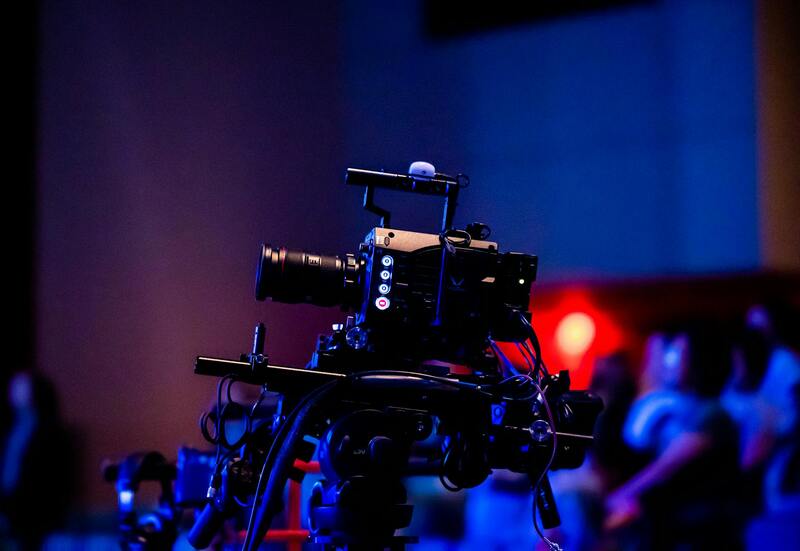
A live streaming videographer is a professional responsible for capturing, managing, and transmitting live video content during events. Their expertise encompasses operating high-end equipment, ensuring seamless transitions between camera angles, and maintaining optimal audio quality. Adept at managing real-time broadcast systems, they coordinate multiple technical elements to deliver a polished, engaging stream to viewers regardless of location. The role demands a combination of technical proficiency, creative vision, and calm problem-solving skills, especially when handling unexpected issues such as connectivity fluctuations or equipment malfunctions.
These specialists are also involved in pre-event planning, including setting up the necessary hardware and software, testing stream quality, and coordinating with event organizers to understand their specific requirements. During the live event, they monitor the feed continuously, making on-the-fly adjustments to visuals and audio. Post-event, they often assist with recording the session for later use or distribution. Their goal is to produce a professional broadcast that accurately represents the event's atmosphere while engaging viewers through high-quality visuals and sound.
Types of Events Suitable for Live Streaming
Various occasions benefit from live streaming, making it a versatile service that extends your event's reach beyond physical attendees. Corporate conferences, product launches, and training seminars are some of the most common events where professional live streaming enhances audience engagement and facilitates remote participation. Similarly, live streaming is invaluable for weddings, religious ceremonies, and cultural festivals, offering a way for friends, family, or community members to experience the event in real-time from afar.
Educational institutions frequently utilize live streaming to broadcast lectures, graduations, or campus events, ensuring accessibility for students and staff unable to attend in person. Additionally, charities and non-profit organizations use live broadcasts during fundraising events to maximize exposure and donations. Sports events, concerts, and theatrical performances also greatly benefit from real-time online coverage, allowing a broader audience to enjoy the experience without geographical constraints.
Effective Planning for a Live Streaming Event
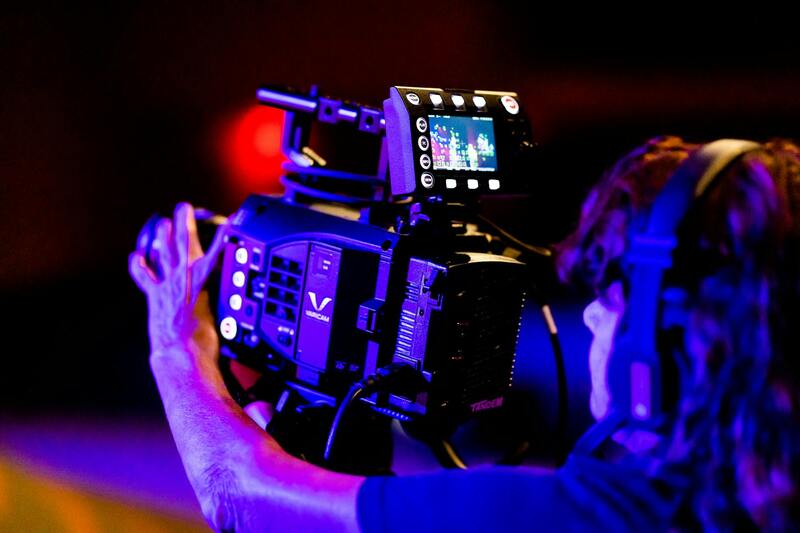
Preparation is crucial to ensuring a seamless live streaming experience. This involves coordinating with event organizers to outline the desired visual and audio outcomes, selecting appropriate broadcasting platforms, and establishing a clear timeline for setup and execution. A detailed technical plan should address equipment needs, internet bandwidth requirements, backup procedures, and contingency plans for unforeseen issues.
Properly communicating the plan with all stakeholders results in synchronized efforts and minimizes errors. The timeline should include venue setup, equipment testing, rehearsals, and a final review before going live. Assigning roles such as camera operators, audio engineers, and stream managers ensures each aspect is covered, leading to a professional and engaging broadcast.
Benefits of Hiring a Local Miami Live Streaming Videographer
Engaging a local Miami-based live streaming professional offers numerous advantages, including rapid response times, familiarity with local venues and infrastructure, and a better understanding of regional event dynamics. Local videographers often have established relationships with event venues, enabling smoother setup and compliance with venue-specific requirements. Additionally, they are more accessible for in-person coordination, site visits, and last-minute adjustments, which could be challenging for out-of-town service providers.
Furthermore, partnering with a Miami-based specialist supports the local economy and benefits from their insight into regional preferences and trends. Their experience with Miami’s vibrant event scene ensures they can adapt technical solutions to suit unique venues and event styles, ultimately delivering a high-caliber live stream tailored to your specific needs.