Understanding the Role of a Livestream Videographer
A livestream videographer plays a crucial role in capturing, managing, and delivering live video content to audiences in real-time. Their responsibilities extend beyond simply recording an event; they are tasked with ensuring seamless transmission, optimal video quality, and clear audio. In essence, their work bridges the gap between in-person events and virtual audiences, making it possible for viewers to experience live moments from anywhere in the world.
A professional livestream videographer possesses a diverse set of skills and technical knowledge. They must be proficient in operating high-end camera systems, audio equipment, and streaming hardware. Their expertise also includes understanding dynamic lighting conditions and adapting camera settings to maintain high-quality visuals regardless of environmental factors.
In addition to technical proficiency, a livestream videographer must excel in event coordination. This involves collaborating closely with event organizers, hosts, and technical teams to align on streaming goals, camera angles, and positioning. They are responsible for managing multiple video feeds, switching between camera views smoothly, and ensuring consistent signal strength throughout the event.
Key skills include a strong grasp of live editing, technical troubleshooting, and effective communication. They must anticipate potential issues and respond swiftly when technical difficulties arise, ensuring the live stream remains uninterrupted and professional.
Overall, the primary aim of a livestream videographer is to deliver an engaging, clear, and uninterrupted live broadcast. Their work demands a combination of creative vision and technical expertise, making them indispensable for events that rely on high-quality live streaming.
Ensuring Accessibility and Quality in Livestream Broadcasts
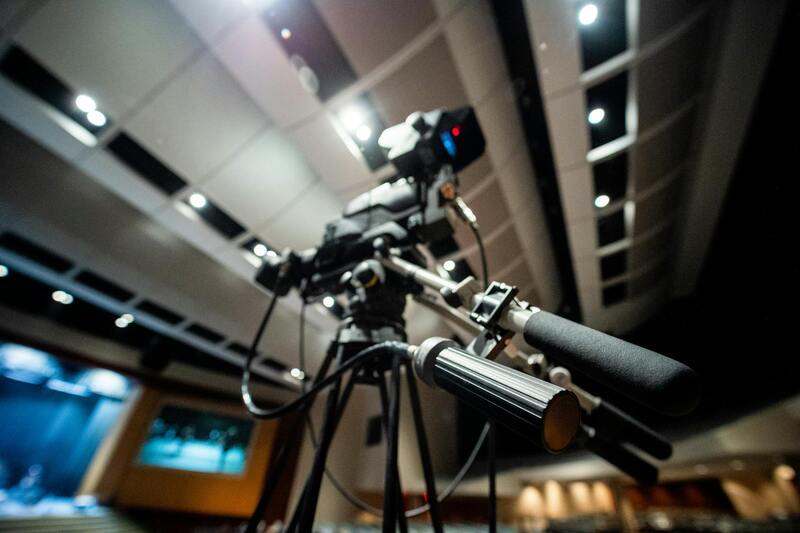
One of the foremost considerations when employing a professional livestream videographer is guaranteeing that the live feed is accessible and of the highest quality. This involves utilizing advanced encoding and streaming technologies to minimize latency and buffering, which are critical for viewer experience. A skilled videographer will select appropriate bitrate settings to balance video quality with bandwidth constraints, ensuring smooth playback across diverse internet connections.
For broader reach, many professional providers incorporate multi-platform streaming capabilities into their services. This allows simultaneous broadcasting to various social media channels, websites, and streaming platforms, expanding audience engagement. Ensuring reliable signal transmission from multiple sources often requires the deployment of redundant hardware and backup plans to address any unforeseen technical issues swiftly.
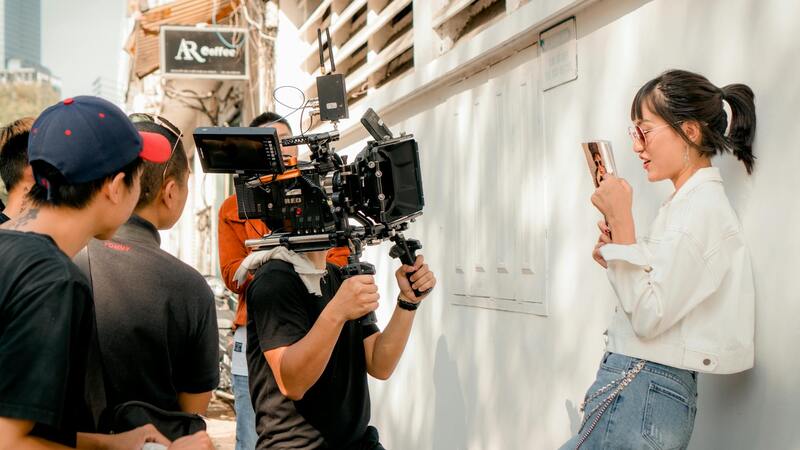
Technical proficiency extends beyond initial setup. During the event, continuous monitoring of stream quality is vital. Many experienced videographers utilize integrated monitoring tools that provide real-time feedback on signal strength, audio levels, and visual clarity. This proactive approach helps in quickly identifying and rectifying issues such as audio distortion, connection drops, or camera malfunctions, thereby preserving a professional broadcast.
Implementing Effective Audio and Visual Strategies
Superior audio quality is a cornerstone of effective livestreaming. Professional videographers employ high-quality microphones, audio mixers, and wireless systems to capture clear sound, even in challenging environments. Proper placement of microphones and sound checks before going live ensure that speech, music, or other audio components are balanced and intelligible.
Visual excellence relies on dynamic camera work and lighting optimization. Employing multiple camera angles helps provide a comprehensive view of the event, while smooth switching between feeds maintains viewer interest. Additionally, proper lighting adjustments—such as using diffusers, reflectors, and portable lighting kits—ensure that all participants are well-illuminated, regardless of the venue’s lighting conditions.
Coordination and Communication for Seamless Streaming
Effective communication between the livestream videographer and onsite event staff is fundamental. Employing dedicated headsets, walkie-talkies, or real-time chat tools helps coordinate camera operators, sound engineers, and technical support teams. This coordination ensures that camera angles are adjusted as needed, and that transitions occur smoothly without disrupting the live experience.
Pre-event planning meetings are essential to define roles, establish a schedule, and troubleshoot potential issues. A detailed run sheet outlining camera shots, audio cues, and streaming checkpoints allows for precision execution, minimizing the risk of mishaps during the live broadcast.
Adapting to Unforeseen Challenges
Even with meticulous planning, on-the-spot adaptability remains crucial. Skilled livestream videographers are experienced in troubleshooting common technical problems, such as internet disruptions, power outages, or equipment failures. They often prepare backup solutions, such as secondary streams or portable power sources, to maintain broadcast flow.
Utilizing cloud-based monitoring and remote support tools enhances responsiveness, allowing technical teams to oversee the stream remotely and address issues before they affect viewers. This proactive stance ensures a resilient and high-quality livestream, strengthening the event's overall professionalism.
Types of Events Suitable for Livestreaming
Livestream videography has become an indispensable part of capturing a wide variety of events, enabling organizers to reach a broader audience and preserve the moments with professional quality. The diversity of events that benefit from live streaming includes corporate conferences, trade shows, product launches, and industry seminars. These events often involve complex presentations, multiple speakers, and detailed visuals, making real-time broadcasting an ideal solution to provide seamless access to attendees regardless of their physical location.
Social gatherings such as weddings, anniversary celebrations, and birthday parties also benefit significantly from livestreaming. For these personal milestones, high-quality videography creates a shared experience for friends and family members who cannot attend in person, allowing them to witness the event as it unfolds with clarity and professionalism. Additionally, live concerts, performances, and entertainment showcases leverage livestream technology to engage audiences instantly, expanding reach and generating buzz around the event.
Educational institutions and nonprofit organizations increasingly utilize livestreaming for webinars, workshops, and charity events. These formats require reliable streaming setups to ensure that content is delivered smoothly and that participants can interact effectively in real-time. Similarly, religious services and community gatherings can extend their message beyond physical boundaries by engaging congregants and members through professional live broadcast services.
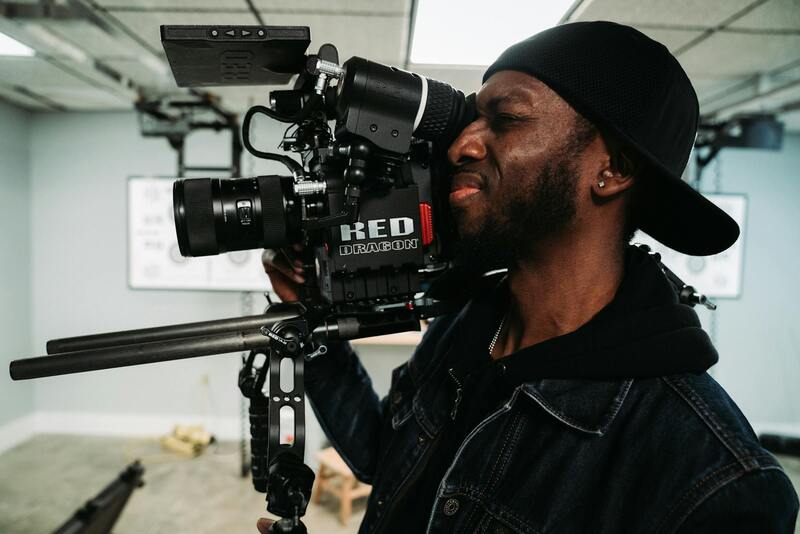
Each event type demands tailored solutions in terms of camera setups, audio quality, and streaming platform integration. A seasoned livestream videographer understands the specific requirements of different event categories, ensuring that the visual and audio elements are optimized for viewer engagement and clarity. By working closely with clients during the planning stages, a professional videography team can recommend the most effective technical configuration to deliver a compelling live experience.
Moreover, beyond standard live streaming, these professionals can incorporate supplementary features such as multiple camera angles, split-screen views, real-time graphics, and audience interaction components. These enhancements boost the overall production value, making the event more dynamic and engaging for virtual viewers.
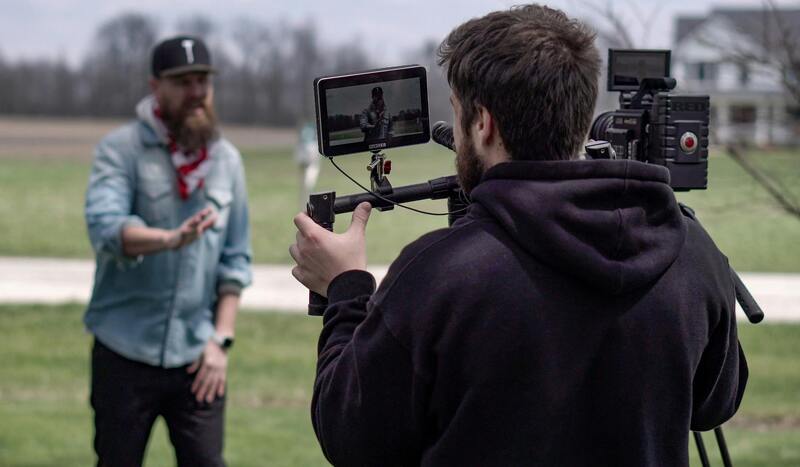
Choosing the right livestream videography service involves examining the provider’s experience with similar events, their technical capabilities, and their understanding of your specific needs. A comprehensive evaluation of their portfolio, along with client testimonials and case studies, can offer insights into their professionalism and reliability. When selecting a provider, it is also crucial to consider their ability to adapt to unforeseen challenges, manage complex technical setups, and deliver a seamless viewing experience.
By partnering with a qualified livestream videographer, organizations and individuals can maximize the impact of their events, ensuring that every moment is preserved with clarity and professionalism. Whether it’s a corporate keynote, an intimate wedding, or a large public concert, having a dedicated expert handling the live broadcast transforms the event's reach and legacy.
Understanding the Role of a Livestream Videographer
A livestream videographer specializes in capturing live events and transmitting them in real-time to a virtual audience through internet streaming platforms. Their responsibilities encompass not only filming but also managing the intricate technology infrastructure that ensures smooth broadcast quality. These professionals meticulously plan each aspect of the live production, from camera placement and angles to audio capture and internet connectivity, aiming to deliver an engaging and uninterrupted viewing experience.
Such specialists are adept at coordinating multiple sources of content, integrating real-time graphics, overlays, and audience interaction elements that elevate the overall production. Their expertise ensures that every visual and auditory detail aligns seamlessly, providing virtual viewers with a clear, professional perspective that matches or exceeds the on-site experience. The videographer’s role also extends to troubleshooting technical issues promptly, maintaining a consistent feed, and managing backup systems to prevent interruptions, which are vital for upholding a high standard of live broadcast quality.
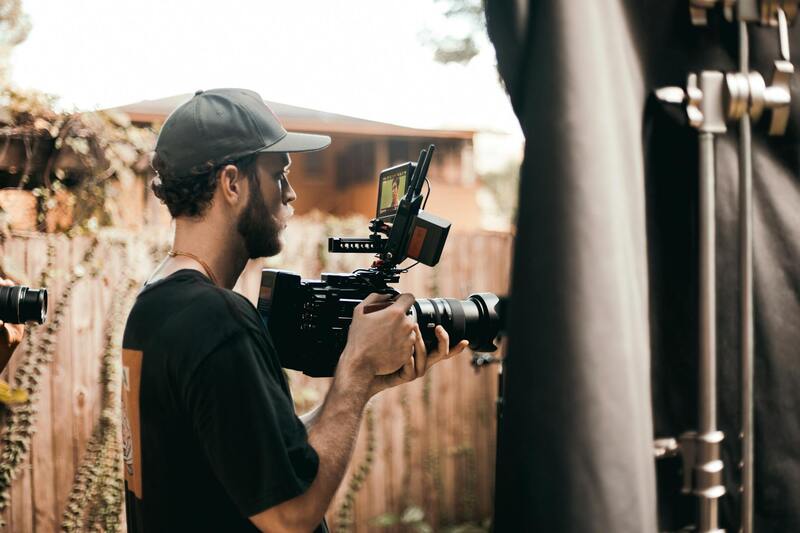
Types of Events Suitable for Livestreaming
Many events benefit significantly from real-time streaming, allowing content to reach wider audiences and ensuring greater engagement. Corporate events such as conferences, product launches, and shareholder meetings increasingly rely on livestreaming to expand their reach beyond physical venues. Educational sessions, seminars, workshops, and panel discussions are also ideal, enabling remote participants to engage with the material in real-time.
Private celebrations like weddings, milestone birthdays, and anniversaries can be transformed into memorable digital experiences through professional livestreaming, allowing loved ones who are unable to attend physically to participate virtually. Cultural and religious events, including festivals, ceremonies, and services, also find value in live streaming, ensuring accessibility and inclusiveness. Public concerts, sports tournaments, and community gatherings flourish with livestream coverage, boosting participation and viewer interaction across geographical boundaries.
Key Equipment and Technology Used in Livestream Video Production
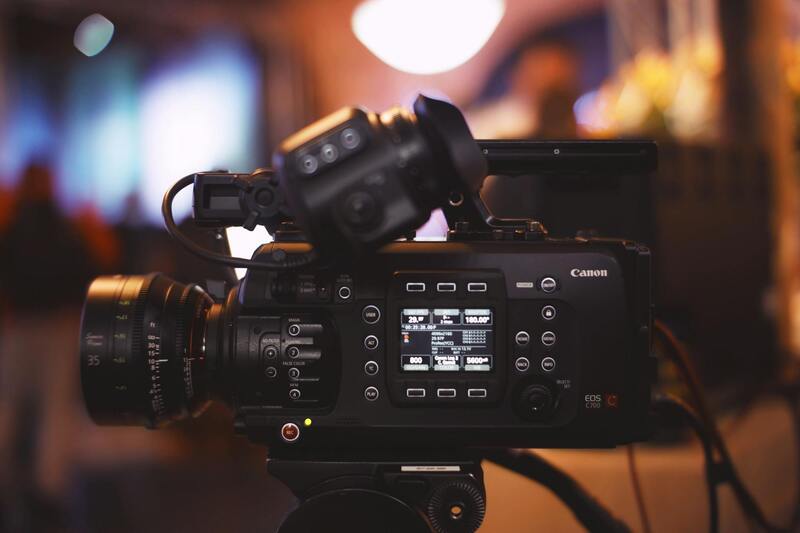
Producing a high-quality live stream involves a sophisticated setup of hardware and software components. Professional livestream videographers rely on multiple high-definition cameras with remote control capabilities to capture different angles and perspectives during an event. These cameras are often mounted on tripods, cranes, or stabilizers to achieve steady and dynamic shots. The visual signals from these cameras are transmitted to a video switcher or director’s console, where live editing occurs, enabling seamless switching between sources and incorporating visual effects.
While video hardware forms the backbone, audio quality is equally important. Lavaliers, shotgun microphones, and audio mixers are used to capture crisp sound, which is synchronized with the video feed. Reliable internet connectivity is critical—business-grade wired or wireless solutions such as dedicated fiber lines or bonded cellular networks are preferred to prevent buffering or disconnections.
For streaming, platforms like YouTube Live, Facebook Live, or specialized services provide the infrastructure for broadcasting to audiences worldwide. These services handle the encoding, compressing, and distribution of the live feed, ensuring compatibility with various devices and bandwidth conditions. Additionally, some productions incorporate live graphics, real-time annotations, and audience interaction features by integrating software solutions into the workflow. These enhancements make the broadcast more engaging and interactive, capturing viewers’ attention and encouraging participation.
Key Strategies for Ensuring Seamless Livestreams in Miami
To achieve a professional and engaging live broadcast, meticulous planning and execution are essential. This begins with a comprehensive understanding of the event's objectives and audience expectations. Establishing clear goals ensures that every aspect of the livestream aligns with the desired outcome, whether it’s capturing a corporate seminar, a music concert, or a wedding celebration. Detailed staging plans, including camera placements, lighting setups, and audio arrangements, form the foundation for a smooth event.
Effective technical coordination involves detailed scheduling, equipment checks, and pre-event tests. It is advisable to conduct a full rehearsal, simulating the actual live environment to troubleshoot potential issues. Communicating closely with clients and team members helps synchronize efforts, clarify roles, and streamline the workflow.
In preparation, securing a robust internet connection is critical. Utilizing dedicated fiber-optic lines or mobile bonding technology ensures stable bandwidth, reducing latency and buffering that could disrupt viewer experience. Backup plans, such as secondary internet sources or portable generators, add resilience against unforeseen technical failures.
Technical Setup and On-Site Execution
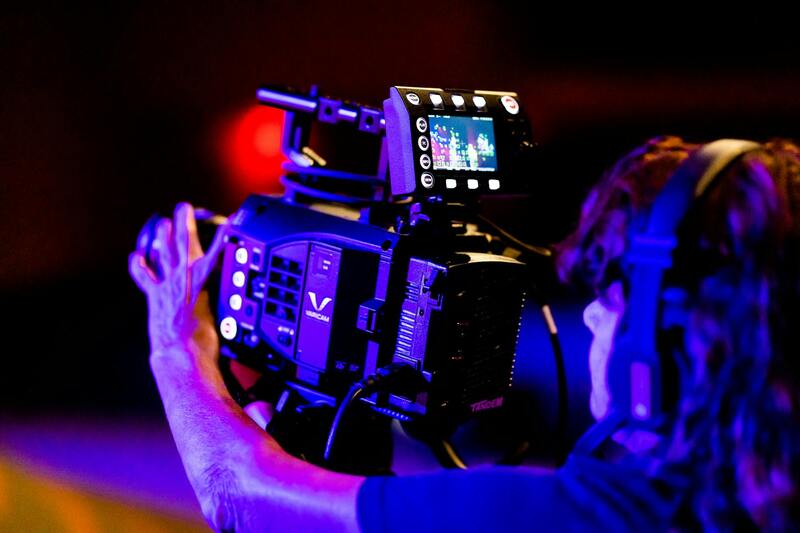
During the live event, the livestream videographer oversees the entire operation, managing equipment, monitoring feed quality, and coordinating with technical staff. Multi-camera setups with strategic angles help create a dynamic viewing experience. Camera operators adjust positions to capture different perspectives, while video switchers seamlessly alternate between shots, maintaining visual interest.
Audio fidelity is equally significant; using high-quality microphones and mixers ensures clear sound throughout the broadcast. Carefully balancing audio levels prevents distortions or periods of inaudibility that could compromise viewer engagement.
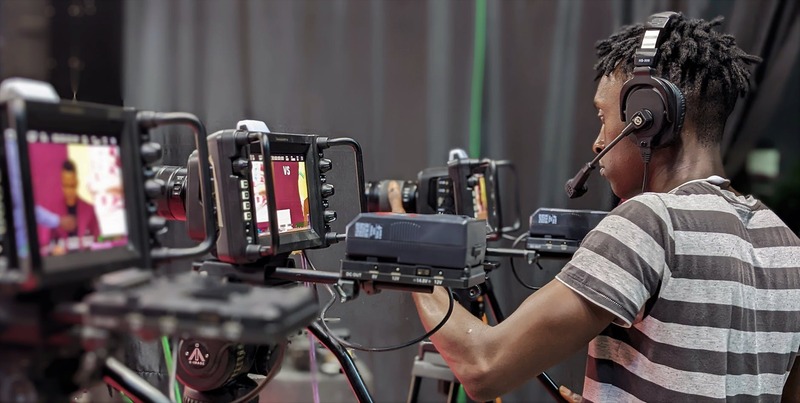
Real-time monitoring allows the production team to promptly address issues such as dropped signals, audio inconsistencies, or visual glitches. Specialized streaming hardware encodes and distributes the feed via trusted platforms, guaranteeing compatibility across various devices and internet conditions.
Engaging Viewers with Interactive Elements
Integrating interactive features enhances audience engagement during the livestream. On-screen graphics, live chat, and audience polls can foster a sense of participation. Many professional videographers utilize software solutions to embed these elements into the broadcast, making the event more dynamic and memorable.
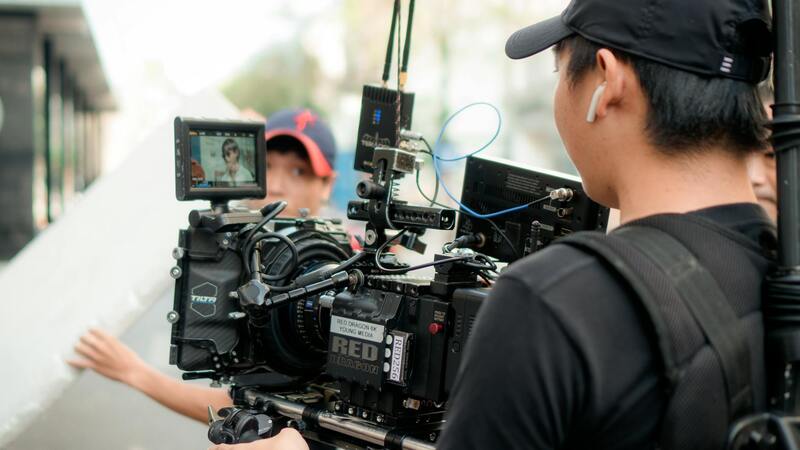
By carefully managing these technical and creative components, a livestream videographer in Miami can deliver a broadcast that not only meets expectations but also leaves a lasting impression on viewers, whether they are attending virtually or watching from afar.
Understanding the Role of a Livestream Videographer
A livestream videographer plays a pivotal role in capturing, producing, and broadcastsing live events with high-quality video and audio. Their responsibilities extend beyond simply operating a camera; they meticulously plan the visual story, coordinate with event organizers, and ensure technical elements align seamlessly for an uninterrupted viewing experience. Skilled livestream videographers possess a keen eye for detail, understanding how to capture the ambiance and key moments of an event while adapting to the dynamic environment of live production.
Their expertise encompasses multiple facets including camera work, audio management, lighting adjustments, and real-time video switching. They utilize sophisticated equipment to deliver crystal-clear visuals combined with pristine sound. During the event, they maintain a proactive approach, monitoring live feeds to preemptively address potential glitches—whether related to connectivity, image quality, or audio clarity. Their capacity to adapt quickly ensures the event remains engaging and professional from start to finish, making them integral to modern event coverage.
Many professional livestream videographers also incorporate auxiliary services such as encoding, streaming platform management, and audience interaction features to elevate the overall broadcast quality. Their role is essential in transforming a static event into an immersive digital experience, enabling remote viewers to feel as though they are physically present. This combination of technical prowess and creative insight results in a compelling live presentation that resonates with audiences across diverse platforms and devices.
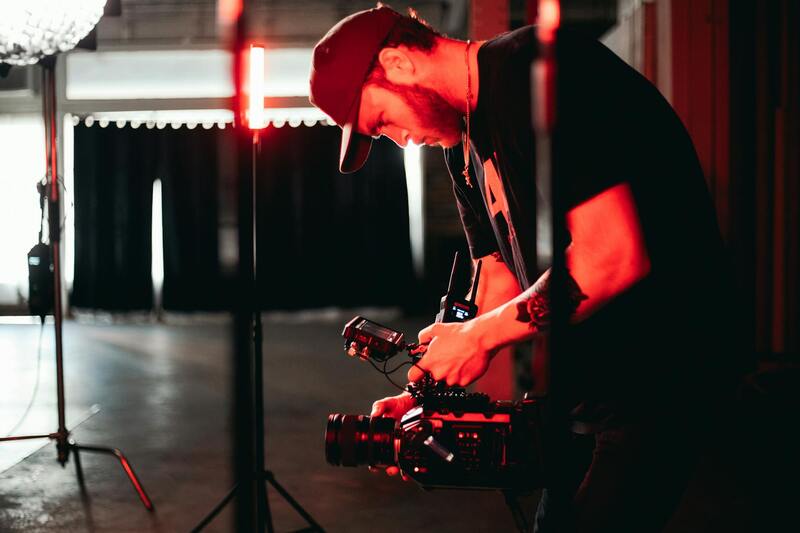
Types of Events Suitable for Livestreaming
Livestream videography is adaptable to a broad spectrum of event types. Corporate conferences, product launches, and seminars benefit from real-time broadcasting to reach wider audiences beyond physical attendees. Educational workshops and university convocations leverage livestreaming to make content accessible to students and stakeholders remotely.
Private celebrations—including weddings, birthday parties, and anniversary events—can be elevated through professional livestream services, allowing friends and family who cannot attend in person to participate virtually. Concerts, festivals, and cultural events also gain from live broadcasting, capturing the energy and atmosphere for viewers across the globe.
Furthermore, sports tournaments and charity fundraisers are ideal scenarios where high-quality live video helps maximize outreach and engagement. In each case, the livestream videographer tailors their approach to suit the event’s unique requirements, ensuring optimal video quality, audio fidelity, and real-time interaction capabilities.
Key Equipment and Technology Used in Livestream Video Production
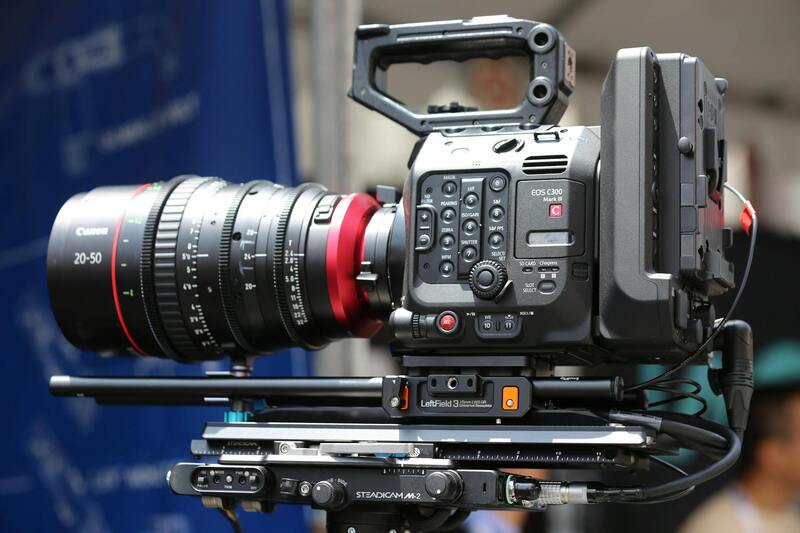
Achieving a professional-quality livestream requires a suite of advanced equipment. High-definition cameras with multiple lenses allow for diverse shot compositions and dynamic perspectives. Wireless transmitters enable smooth mobility, granting the videographer freedom to follow the action from various angles without tethering.
Audio equipment such as portable microphones, sound mixers, and wireless transmitters are critical for capturing clear dialogue and ambient sounds. Proper lighting setups enhance image clarity and prevent issues caused by inconsistent lighting conditions, especially in indoor venues.
For seamless streaming, encoding hardware and software are employed to compress and transmit the live feed efficiently. Reliable internet connectivity—often via dedicated fiber or backup connections—ensures stability during broadcasts. Complementary tools like video switchers, graphics overlays, and audience interaction platforms further enrich the streamed content.
How to Choose a Professional Livestream Videographer in Miami
Selecting a qualified livestream videographer necessitates a thorough evaluation of their expertise, portfolio, and technical capabilities. Start by reviewing their previous work to assess production quality and versatility across different event types. An experienced provider will have a comprehensive understanding of streaming platforms and current technology trends, ensuring compatibility and high performance.
It’s beneficial to inquire about their experience in Miami’s unique event environments, including any familiarity with specific venues and local vendors. Consider their approach to planning, equipment quality, and contingency planning to handle unexpected technical issues. Clear communication regarding services offered, package options, and turnaround times helps establish expectations and ensures alignment with your event goals.
Finally, check references or testimonials from past clients to gauge professionalism, reliability, and overall satisfaction. A reputable livestream videographer will bring a combination of technical skill, creative insight, and local knowledge to deliver a flawless live event broadcast in Miami.
Strategies for Ensuring Seamless Live Broadcasts
Achieving a flawless livestream requires meticulous planning and the implementation of proven strategies that address potential challenges. One crucial aspect is conducting comprehensive technical rehearsals before the event. These rehearsals allow the team to test all equipment, confirm internet stability, and verify that audio and video feeds are synchronized. During these sessions, operators can familiarize themselves with the venue’s layout and troubleshoot any issues that might arise during the live broadcast.
Another essential strategy involves establishing a robust communication plan. Coordinating with event organizers, venue staff, and technical assistants ensures everyone understands their roles and the timing of key moments. Real-time communication channels, such as dedicated radio or messaging apps, enable quick responses to emerging technical problems and facilitate smooth transitions between segments.
Maintaining backup systems is equally vital. This includes having spare cameras, microphones, and streaming hardware ready on-site. Additionally, securing redundant internet connections—such as a secondary Wi-Fi network or a cellular data hotspot—helps prevent interruptions should the primary connection fail. These contingency measures are critical for maintaining stream stability and ensuring the event remains accessible to viewers throughout.
Understanding Audience Engagement and Interaction
Engaging viewers during a live event extends beyond simply broadcasting content; it involves fostering interaction that captures audience attention and enhances their overall experience. Livestream videographers often incorporate features such as live chat integrations, polls, and Q&A sessions, which encourage viewers to participate actively.
Strategically scheduling audience interaction moments during the broadcast helps maintain viewer interest and can lead to increased sharing and word-of-mouth promotion. Employing on-screen graphics and overlays that display viewer comments or real-time statistics also adds a layer of dynamism, making the stream more interactive and personalized.
Understanding your target audience is vital when designing engagement strategies. Tailoring content, graphics, and interaction methods to suit your viewers’ preferences ensures a more compelling experience. In Miami’s vibrant event scene, leveraging local culture and themes through customized graphics and content can create an authentic and powerful connection with viewers.
Post-Event Support and Analytics
Post-event activities are fundamental for maximizing the reach and impact of your livestream. After the live broadcast concludes, a professional videographer will typically provide edited recordings suitable for sharing across various platforms. These edited videos can highlight key moments, speeches, or performances, offering additional content for promotional purposes or ongoing engagement.
Analyzing viewership data is another critical post-event task. Metrics such as peak viewership, engagement rates, and audience demographics provide insights into the event’s success and areas for improvement. This analysis informs future broadcasting strategies, allowing organizers to better target content and refine technological setups.
In Miami’s dynamic event landscape, having access to comprehensive post-event support ensures that your live streaming efforts translate into lasting promotional value, increased visibility, and sustained audience interest. A skilled livestream videographer not only documents the event but also contributes to its ongoing digital footprint, enabling wider community engagement and brand development.
Post-Event Video Delivery and Content Optimization
Following the conclusion of a livestream event, the process of delivering high-quality video content becomes a cornerstone of maximizing the event’s impact and extending its reach. A professional livestream videographer in Miami meticulously edits raw footage to produce compelling highlight reels, full recordings, or custom content tailored for diverse platforms. These polished videos serve multiple purposes, from promotional campaigns and social media engagement to archival documentation and future marketing efforts.
Digital delivery methods are optimized to meet the needs of various channels. Whether it's uploading to a private or public hosting service, sharing via direct links, or integrating into websites, a skilled videographer ensures seamless distribution. This involves encoding videos in compatible formats, setting appropriate resolution parameters, and employing secure sharing options to maintain content integrity.
Creating Engage-Worthy Content for Ongoing Promotion
Beyond simply uploading raw recordings, a strategic approach involves crafting content that resonates with target audiences. Short clips showcasing key moments or speaker highlights are particularly effective for social media ads or teaser campaigns. Additionally, providing accessible subtitles or captions enhances engagement among viewers with hearing impairments or those consuming content without sound.
Importance of Data and Analytics
Post-event analytics play a vital role in determining the success of your livestream. A professional videographer can help gather viewer statistics, such as peak viewership times, engagement levels, and demographic insights. This data informs future event planning, content customization, and technological adjustments, ensuring continuous improvement in live streaming quality and audience satisfaction.
Strategies for Extending Event Value
- Developing a content calendar that leverages recorded videos for ongoing marketing campaigns.
- Embedding videos on your website or dedicated platforms to boost SEO and visibility.
- Creating shareable snippets that encourage audience participation and word-of-mouth promotion.
- Utilizing viewer feedback and engagement metrics to refine future livestreams and post-event content.
Advantages of Choosing a Local Miami Livestream Videographer
Opting for a local Miami-based livestream videographer offers numerous benefits that significantly enhance the overall quality and effectiveness of your event broadcast. Local professionals possess an intrinsic understanding of Miami’s diverse event environment, allowing them to anticipate challenges and adapt quickly to changing conditions. Their familiarity ensures smoother logistical coordination, from site access to scheduling, ultimately reducing response times and onsite technical issues.
Additionally, a Miami-based videographer has extensive knowledge of the area's cultural nuances and audience preferences. This insight helps in customizing livestream content to resonate more deeply with local viewers, fostering greater engagement. Being embedded within the community also facilitates stronger collaboration with event organizers, vendors, and performers, resulting in a more cohesive production process.
Supporting Miami’s Dynamic Event Scene
Many of Miami’s vibrant events—ranging from corporate conferences and city festivals to charity galas and art shows—benefit from the expertise of local videographers who understand the city’s unique scheduling demands and venue characteristics. Their proximity allows for rapid deployment of equipment, swift problem resolution, and on-the-fly adjustments that can profoundly impact transmission quality and viewer experience.
Enhanced Response and Flexibility
When unforeseen technical issues arise, a local videographer's immediate presence allows for quick troubleshooting, minimizing downtime and interruptions. This agility ensures that the livestream maintains professional standards, keeps viewers engaged, and preserves the event’s credibility. The ability to adapt swiftly is especially crucial in bustling Miami environments where event logistics often change unexpectedly.
Building Long-Term Relationships and Customized Solutions
Partnering with a Miami-based livestream videographer fosters long-term collaboration, enabling tailored solutions aligned with your brand and event goals. This familiarity with your organization’s needs leads to more consistent quality, cost-effective services, and innovative approaches for future projects.