Understanding the Role of a Live Stream Videographer
A live stream videographer specializes in capturing and broadcasting live video footage of various events through digital platforms. Their primary responsibility is to ensure high-quality video production that engages viewers in real time. This role extends beyond traditional videography, demanding technical expertise in streaming technology, cameras, and audio equipment to deliver seamless broadcasts.
A live stream videographer's core tasks include setting up cameras, managing live feeds, coordinating audio and visual elements, and troubleshooting technical issues quickly during the event. Their work often involves operating multiple cameras and switching between different angles to present a dynamic viewing experience. They also coordinate with clients and event organizers to understand specific requirements, such as branding overlays or interactive elements.
Events covered by live stream videographers are diverse, spanning corporate meetings, conferences, religious services, weddings, concerts, and community festivals. Their ability to adapt to varied settings ensures that audiences, regardless of their physical location, experience the event as if they were present.
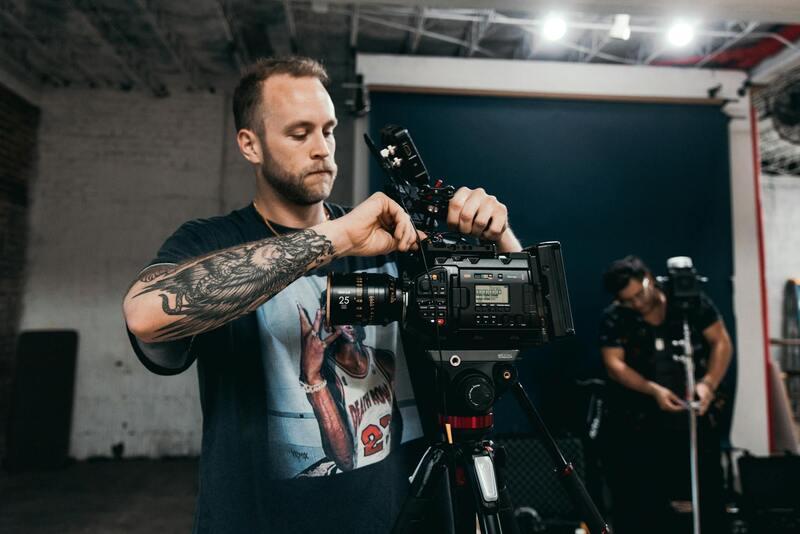
Key Skills and Equipment of a Professional Live Stream Videographer
To deliver seamless, high-quality live streaming experiences, a professional videographer must possess a blend of technical proficiency, creative insight, and adaptability. Core skills include expertise in operating a variety of professional-grade cameras, knowledge of live switching systems, and proficiency with audio mixing to ensure clear sound amidst potentially challenging acoustics. Effective live stream videographers continually update their knowledge of the latest streaming platforms and broadcasting technology to maintain optimal service quality.
Beyond technical skills, strong problem-solving abilities are crucial, especially in dynamic event environments where unforeseen issues can arise unexpectedly. The capacity to troubleshoot equipment failures, adjust camera angles on the fly, and ensure uninterrupted connectivity directly impacts the success of the live broadcast. Additionally, an eye for visual composition enhances the viewer experience, as capturing compelling angles and highlighting key moments elevates the overall production.
Equipping themselves with a range of tools is fundamental to a live stream videographer's work. Typical professional equipment includes high-definition cameras with versatile zoom and focus capabilities, professional video switchers, wireless microphones, and portable lighting systems. High-quality streaming hardware ensures stable transmission, while reliable internet connections—via fiber, LTE, or bonded cellular setups—are essential for minimizing latency and buffering. Backup equipment, such as spare cameras and batteries, enables quick responses to technical failures, ensuring continuous coverage.
- High-definition cameras capable of streaming in 4K or full HD resolutions
- Live video switchers for seamless scene transitions
- Wireless microphones and audio mixers for pristine sound delivery
- Portable lighting to enhance image clarity under varying conditions
- Robust internet connections tailored for live broadcasting
- Backup gear including cameras, batteries, and audio equipment
Mastery in camera framing, focus adjustments, and real-time editing is complemented by in-depth understanding of streaming protocols such as RTMP and SRT. Professional live stream videographers also employ specialized software for layouts, branding overlays, and interactive features, ensuring a polished and engaging webcast. Their ability to integrate multiple media inputs and manage live transitions requires a combination of technical skill and artistic judgment.
Understanding the Role of a Live Stream Videographer
A live stream videographer plays a pivotal role in capturing and transmitting events in real-time, creating a seamless visual narrative that reaches audiences wherever they are. Their responsibilities extend beyond mere recording; they are tasked with producing a technically flawless broadcast that maintains high visual quality and audio clarity. This demands a deep understanding of both the artistic elements of filming and the technical intricacies of live streaming protocols.
A proficient live stream videographer acts as the backbone of any online broadcast, whether it involves corporate conferences, weddings, concerts, or community events. They must coordinate multi-camera setups to provide dynamic angles and perspectives, ensuring viewers experience the event as if they were physically present. During the stream, they monitor all equipment, adjust settings on the fly, and respond swiftly to any technical issues that arise. Their expertise enables smooth scene transitions, professional audio management, and the integration of graphics or branding overlays seamlessly within the broadcast.
The role requires meticulous planning and detailed knowledge of various streaming platforms and hardware. From choosing the appropriate camera angles to managing live feeds with switchers, a live stream videographer ensures that every visual element aligns with the event's tone and message. Additionally, they coordinate with event organizers to understand key moments worth highlighting and anticipate technical needs to guarantee a successful broadcast delivery.
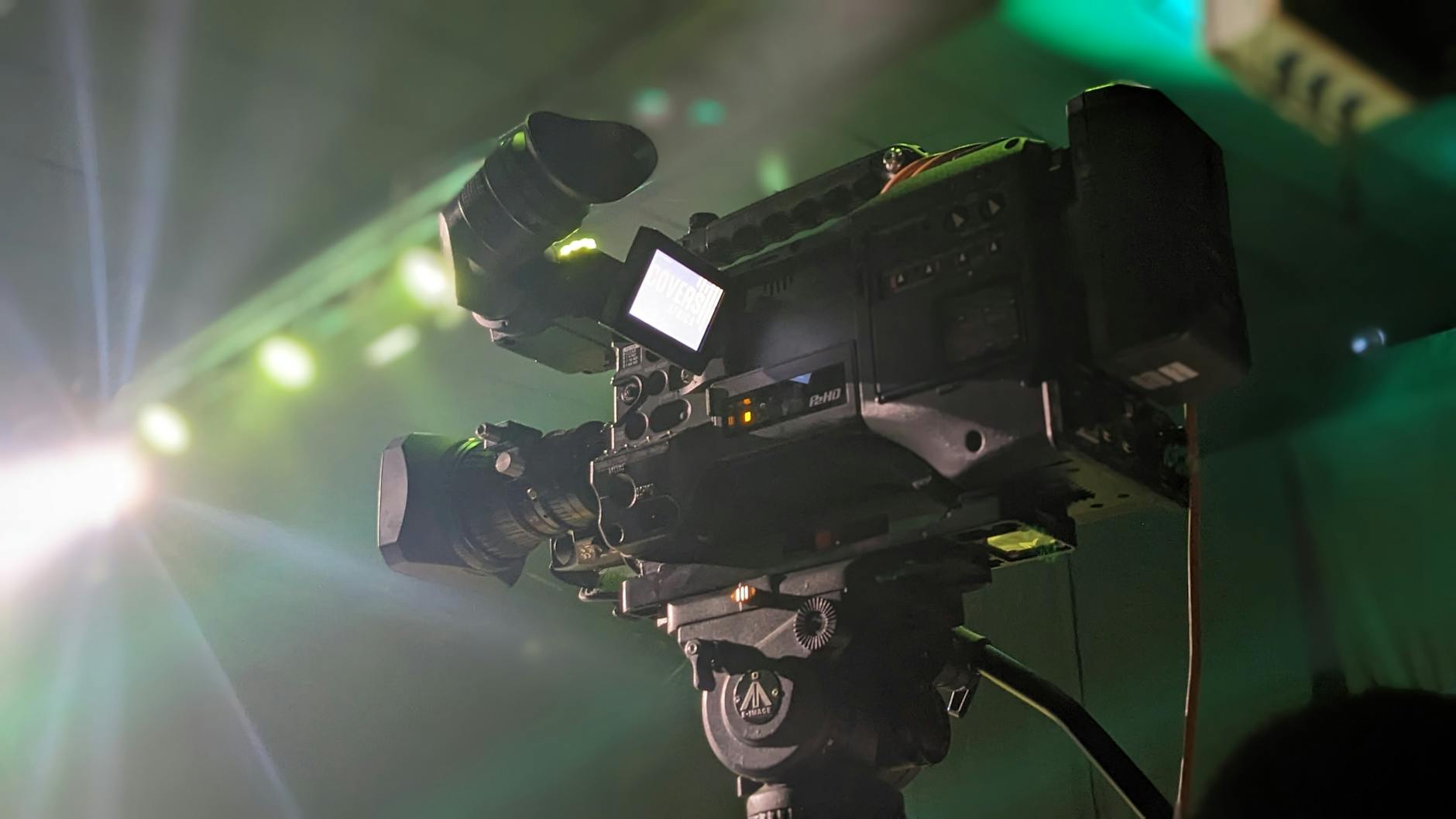
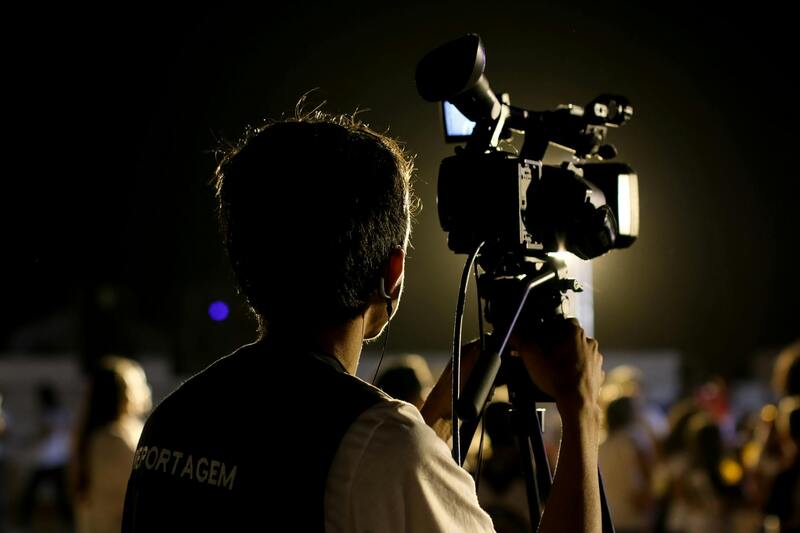
Understanding the Role of a Live Stream Videographer
A live stream videographer specializes in capturing and broadcasting events in real time, ensuring that audiences who cannot attend physically can still experience the event as if they were there. These professionals combine technical expertise with artistic sensibility to produce seamless, high-quality live broadcasts that effectively convey the event's atmosphere and key moments. Their role extends beyond merely operating cameras; it involves thorough pre-event planning, real-time monitoring, and post-event review to guarantee every aspect of the stream meets the desired standards.
In Miami's dynamic event scene, a live stream videographer must be adept at managing diverse environments—ranging from upscale corporate events in high-rise venues to outdoor cultural festivals. Their ability to adapt to changing conditions, such as varying lighting, acoustics, and internet connectivity, directly impacts the broadcast quality. They collaborate closely with event organizers, camera operators, and technical teams to ensure smooth coordination, minimizing disruptions and technical glitches during the live feed. The ideal professional is proactive in troubleshooting potential issues before they impact the broadcast, demonstrating a deep understanding of streaming technology and event logistics.
Furthermore, a proficient live stream videographer ensures that the broadcast aligns with the client's branding and visual preferences. They choose appropriate camera angles, incorporate graphics or overlays if necessary, and maintain audio clarity—all crucial for creating a compelling viewing experience. Their work is characterized by precision, attention to detail, and a commitment to delivering content that resonates with viewers. Ultimately, their expertise plays a vital role in extending the reach of Miami-based events, allowing for broader engagement and enhanced visibility across digital platforms.
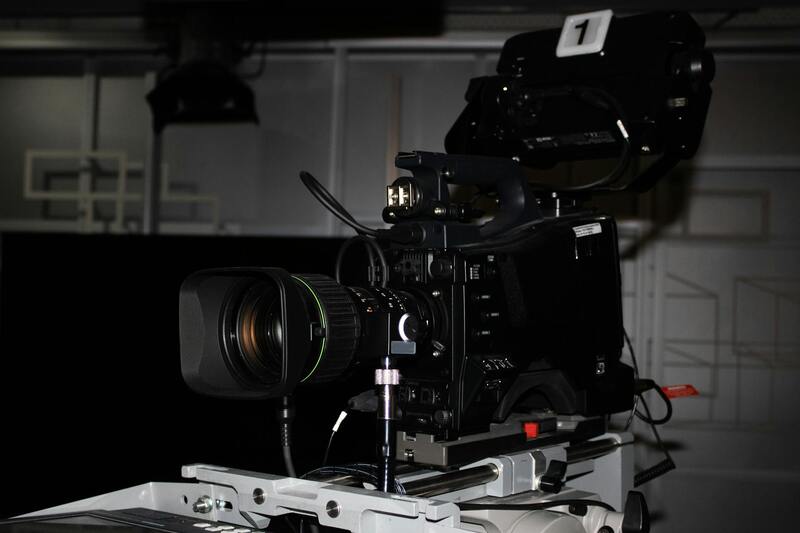
Key Skills and Equipment of a Professional Live Stream Videographer
A successful live stream videographer possesses a blend of technical proficiency, artistic talent, and logistical acumen. Key skills include understanding streaming software, camera operation, troubleshooting connectivity issues, and managing audio-visual synchronization. They must also have excellent communication skills to coordinate with clients and event staff efficiently.
Equipment is equally critical to the quality of the broadcast. Professional live stream videographers typically utilize high-definition cameras, video switchers, microphones, and stabilization gear to ensure steady, clear visuals and sound. In addition, they rely on reliable encoders and streaming platforms that support multiple viewers and provide stable internet connections. Backup equipment and contingency plans are essential, especially in Miami’s busy events environment where internet fluctuations or technical failures can occur unexpectedly.
Moreover, new advancements in streaming technology, such as wireless cameras, remote control systems, and 4K resolution capture devices, enable videographers to deliver more immersive and versatile broadcasts. They also employ software tools for live editing, overlays, and multi-camera switching to enhance the viewing experience. This technological proficiency allows them to adapt swiftly to event-specific demands, whether it’s a large conference, a wedding, or a concert.
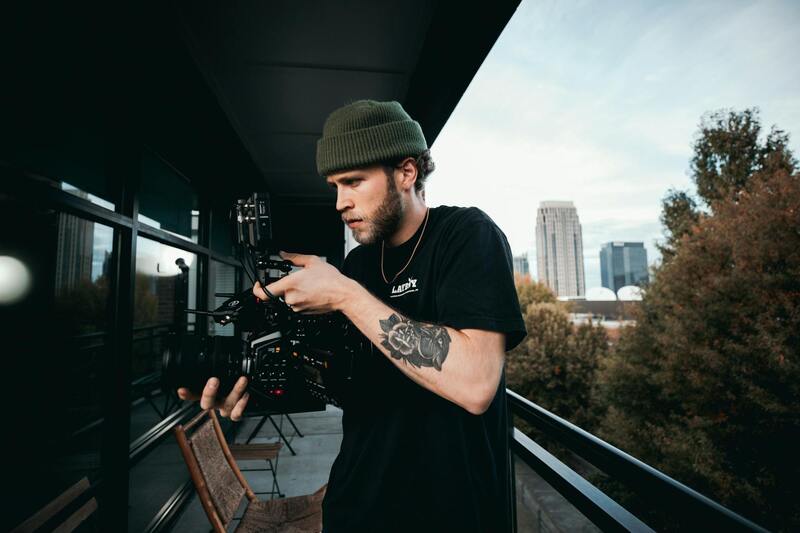
Technical Considerations for High-Quality Live Streaming
Achieving a seamless live stream in Miami demands more than just quality equipment; it requires meticulous technical planning and execution. The core components include robust internet connectivity, proper encoding, and synchronization of audio-visual elements. Videographers often utilize dedicated wired internet connections to minimize latency and packet loss, ensuring a stable stream even during peak network traffic.
Encoding hardware and software are also critical, converting raw footage into a format suitable for streaming platforms. Reliable encoders allow for real-time adjustments, such as bitrate management and resolution scaling, to adapt to fluctuating bandwidth conditions. High-quality microphones and audio mixers are employed to deliver clear sound that complements the visual broadcast, making sure audience engagement remains high.
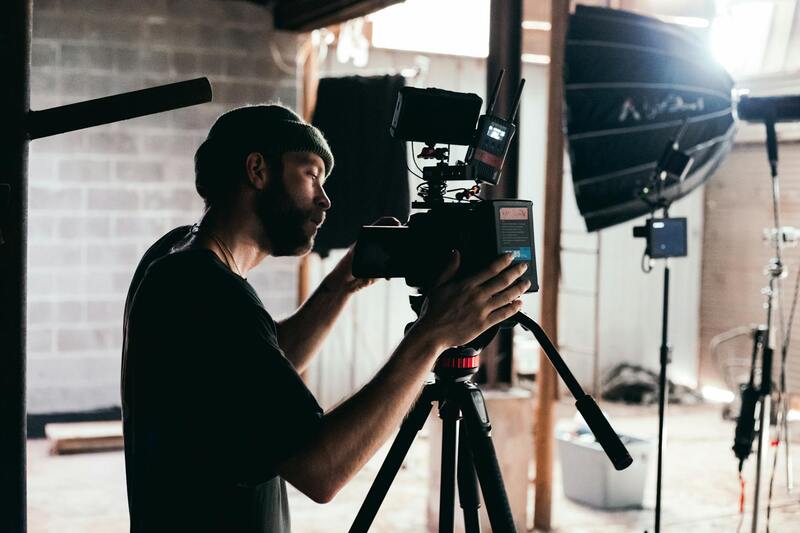
Contingency planning is vital due to Miami's dynamic event landscape, where unforeseen issues like internet disruptions or equipment malfunctions can arise. Skilled videographers prepare backup internet sources, such as cellular hotspots with bonding technology, and redundant hardware to quickly recover from technical setbacks. This proactive approach guarantees that the live stream continues uninterrupted, maintaining professional standards regardless of the environment.
Utilizing Advanced Streaming Technologies
Modern streaming solutions incorporate innovations like wireless cameras, remote monitoring, and 4K resolution capture. Wireless cameras afford flexibility in capturing dynamic angles and difficult-to-reach locations, which is especially beneficial during live concerts or outdoor events. Remote control systems enable operators to manage camera angles, focus, and even switching between multiple feeds remotely, allowing for real-time creativity and responsiveness.
Multi-camera setups, combined with live editing software, empower videographers to provide a polished broadcast that includes overlays, graphics, and interactive elements. These enhancements elevate the viewing experience, making it more engaging and professional.
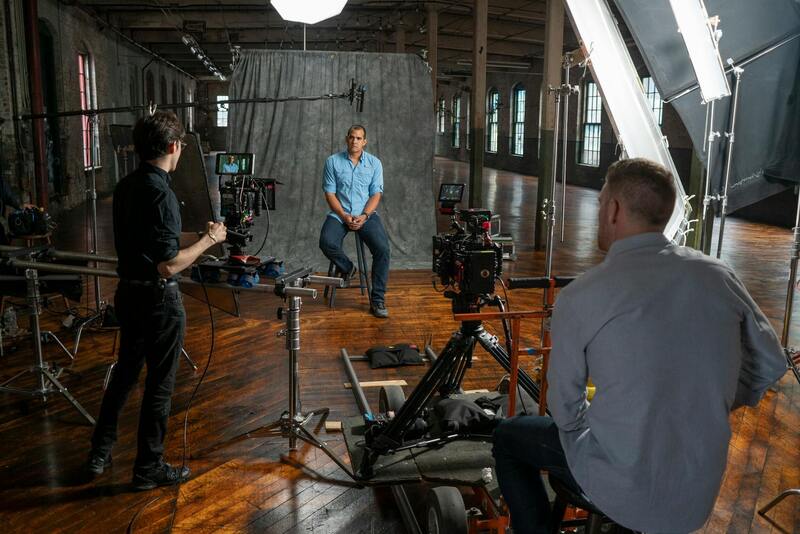
Assessing Connectivity and Control
Connectivity in Miami's vibrant event scene can vary significantly from venue to venue. Experienced videographers conduct site surveys beforehand to assess internet options, ensuring compatibility with streaming requirements. They often collaborate with venue technical staff or hire portable network solutions when necessary.
Control systems for live streaming are designed to work seamlessly with various cameras and audio sources. These systems typically include dedicated hardware controllers or software interfaces, providing real-time control over live feeds, overlays, and transitions. This level of control allows the videographer to respond swiftly to the pace of the event, ensuring a polished presentation from start to finish.
Understanding the Role of a Live Stream Videographer
A live stream videographer specializes in capturing and broadcasting live events in real-time, ensuring high-quality video and audio that meet the specific demands of each occasion. Their role extends beyond mere filming; it involves strategic planning, technical expertise, and real-time decision-making to deliver a seamless viewing experience to online audiences. They coordinate multiple aspects, including camera angles, audio inputs, and streaming protocols, to produce a professional broadcast that accurately portrays the event's atmosphere and importance.
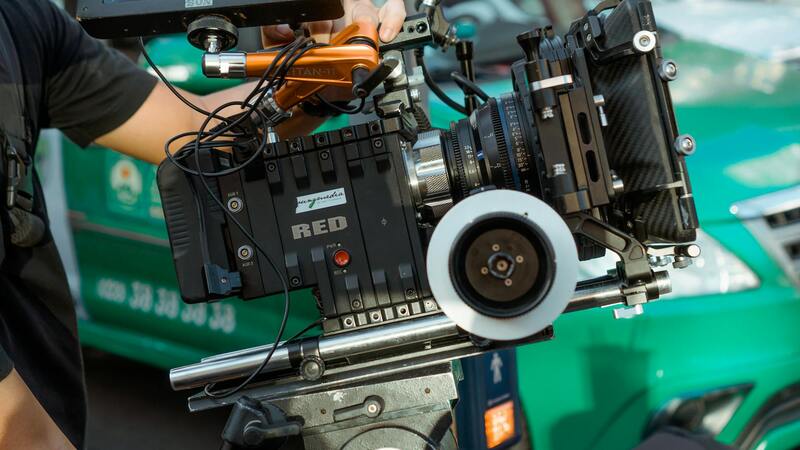
In Miami's vibrant event scene, live stream videographers often work closely with event organizers, hosts, and technical teams to understand the event’s objectives and audience expectations. They plan camera placements, select appropriate equipment, and prepare contingency measures for technical challenges that might arise during the broadcast. Their expertise ensures that the live event is accessible to remote viewers, increasing reach and engagement.
Core Responsibilities Include:
- Pre-event technical consultation and site assessment
- Camera operation and management, often involving multi-camera setups
- Audio mixing to ensure clear sound quality
- Real-time editing, graphics integration, and overlays
- Monitoring internet stability and implementing backup streaming options
- Post-event review and troubleshooting for continuous improvement
The Significance of Adaptability and Technical Knowledge
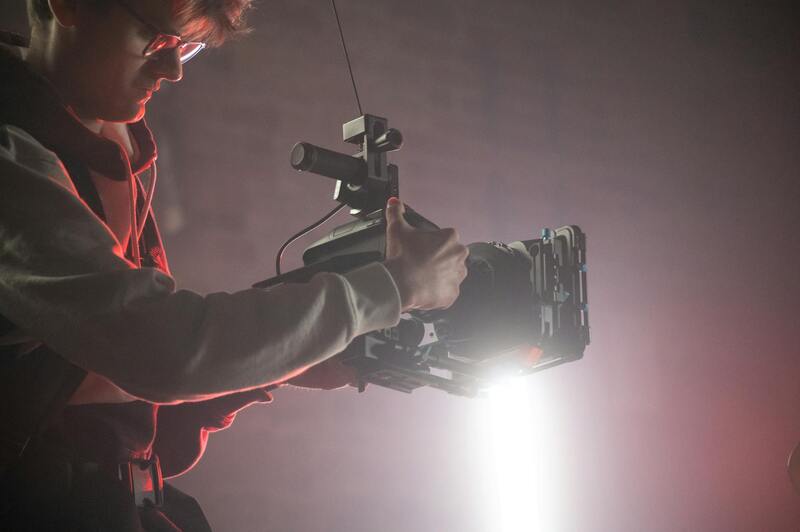
Given Miami's dynamic environment and diverse event formats—from corporate conferences to outdoor festivals—live stream videographers must exhibit adaptability. They should be proficient with various streaming platforms, understand network infrastructure, and troubleshoot connectivity issues swiftly. Their technical knowledge encompasses knowledge of encoding hardware, streaming protocols, and compatibility with different electronic devices to guarantee a smooth broadcast regardless of venue conditions.
Building Trust Through Professionalism and Experience
A seasoned live stream videographer’s portfolio often includes successful projects for corporate events, concerts, sports competitions, and religious gatherings in Miami. Their ability to adapt to unique venue layouts, manage multiple live feeds, and deliver on time consistently establishes credibility. Clients rely on their extensive experience to anticipate potential issues, manage logistics, and execute the live stream flawlessly, creating a memorable viewing experience for audiences tuning in from afar.
Ensuring High-Quality Broadcasts Through Proper Techniques
When it comes to delivering a seamless live stream, employing the right technical strategies is essential. This goes beyond merely capturing footage; it involves a comprehensive understanding of streaming protocols, network management, and real-time problem resolution. A professional live stream videographer meticulously plans the event setup, including testing all equipment beforehand to mitigate potential issues during the broadcast.
One critical element is the selection of appropriate streaming platforms and encoding hardware. Modern encoding devices are capable of optimizing video quality while managing bandwidth efficiently, which is vital in Miami’s diverse network environments. Compatibility with multiple devices, including smartphones, tablets, and high-definition displays, is also prioritized to accommodate varied viewing experiences.
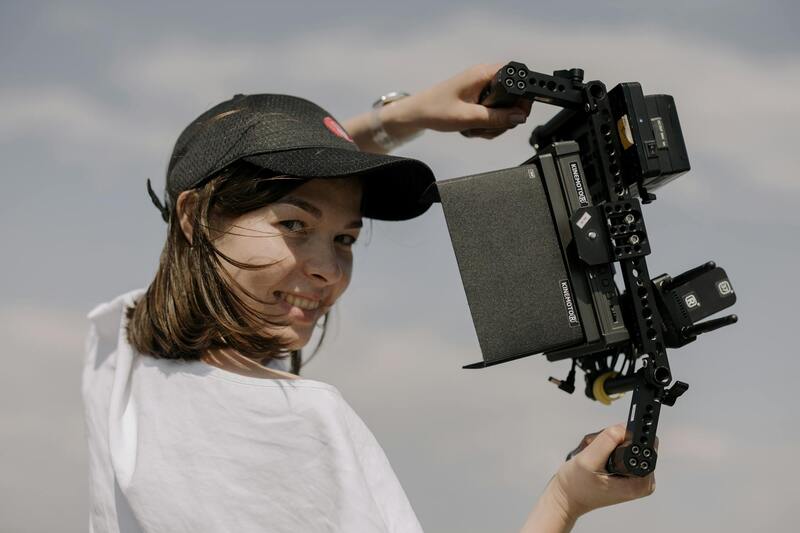
Sound quality significantly impacts viewer engagement and overall production value. Professional-grade audio mixers, wireless microphones, and audio monitors are integrated into the setup to produce clear, balanced sound. Audio feeds are often synchronized with video feeds in real-time to ensure consistency throughout the broadcast.
Connectivity stability is another cornerstone of a successful live stream. The use of multiple internet sources, such as wired Ethernet connections and 4G/5G backups, ensures redundancy. This approach minimizes the risk of interruptions caused by network fluctuations common in outdoor or high-traffic venues across Miami.
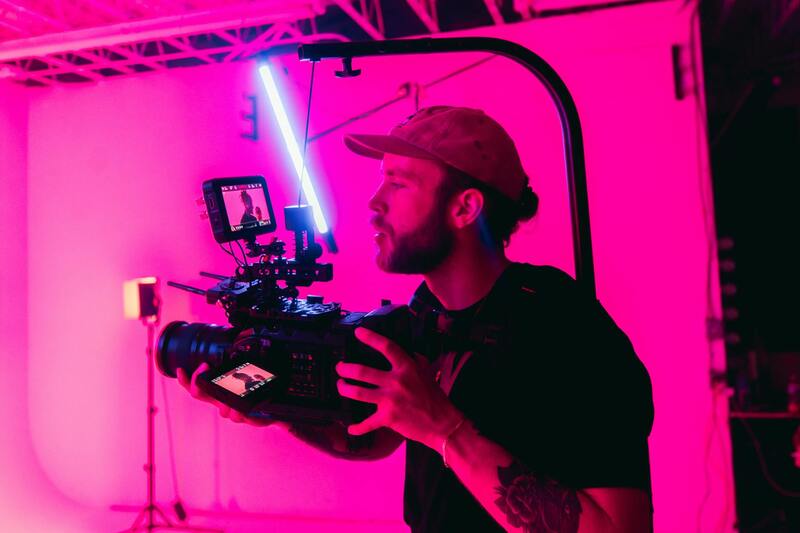
Real-time editing skills, including graphic overlays and on-screen text, enhance viewer experience and help convey key messages effectively. Skilled videographers continuously monitor the stream’s health, adjusting camera angles or switching sources as needed to maintain a professional appearance. Their ability to troubleshoot swiftly ensures the event remains on schedule and meets client expectations.
Adapting to Miami’s Unique Venue Conditions
Miami’s diverse venues—from beachfront stages to high-rise conference halls—present unique challenges for live streaming. Professional videographers assess venue layouts and lighting conditions beforehand, planning camera placements and lighting setups accordingly. This preparation is crucial in maintaining visual clarity, especially in outdoor settings where weather or natural light can change unexpectedly.
Moreover, understanding local infrastructure, such as available electrical outlets and internet connectivity, enables videographers to optimize equipment placement and reduce logistical issues. Experience in handling large-scale events at iconic Miami sites ensures that the technical execution aligns with the event’s scale and scope.
Choosing the Right Live Stream Videographer in Miami
Selecting a proficient live stream videographer in Miami requires meticulous consideration of several key factors. It's essential to evaluate their technical expertise, familiarity with local venues, and understanding of Miami’s unique environment. Begin by reviewing their portfolio to assess previous work quality, paying close attention to their ability to deliver high-definition streams with professional camera work and seamless transitions.
In addition to visual quality, the videographer's understanding of live streaming platforms and software is critical. They should be proficient with industry-standard solutions capable of handling high traffic and providing reliable streaming. This includes experience with encoding hardware, streaming servers, and integration with social media or event websites for broader audience reach.
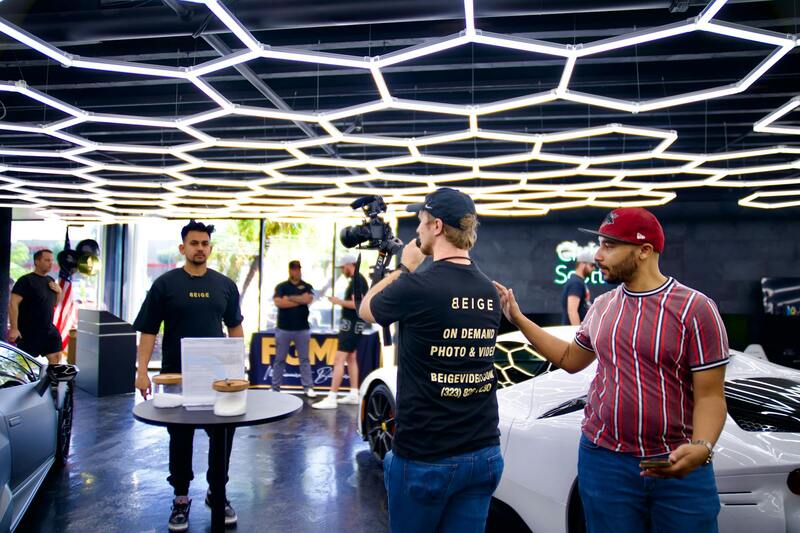
Another vital aspect is communication skills and the ability to collaborate effectively. The ideal professional will ask pertinent questions about the event, such as anticipated audience size, preferred camera angles, audio requirements, and any special visual effects or overlays needed. They should also be receptive to feedback and able to adapt quickly to changing conditions during the live broadcast.
Assessing Technical Capabilities and Equipment
- High-definition cameras suited for both indoor and outdoor settings
- Multiple camera setups for dynamic shot variations
- Professional audio equipment to ensure clear sound quality
- Reliable internet connectivity with backup options like cellular data or dedicated lines
- Streaming hardware capable of encoding and transmitting high-quality feeds
- On-site technical support team for troubleshooting and adjustments
It's equally important to verify the videographer's familiarity with Miami’s distinctive venues, from Miami Beach’s open-air spaces to downtown conference centers. Their prior experience in managing live streams in these settings enables them to anticipate challenges related to lighting, acoustics, and logistical constraints, ensuring a smooth broadcast regardless of venue complexities.
Evaluating Client Support and Post-Event Services
Does the service provider offer comprehensive support during the event? This includes pre-event consultations, on-site setup, real-time monitoring, and post-event recording or editing. Understanding their process helps ensure that your intended message reaches the audience without technical glitches.
Furthermore, inquire about additional services such as event highlight reels, on-demand content, or multi-camera editing options that can extend the reach and impact of your event beyond the live broadcast.