Understanding Live Streaming Event Services
Live streaming event services have become an essential component for modern event management, offering real-time broadcasting solutions that connect audiences across multiple locations. These services enable organizations and individuals to share their moments instantly, reaching viewers worldwide with high-quality audio and visual streaming. The scope of live streaming encompasses a wide array of event types, including corporate conferences, product launches, entertainment shows, weddings, social gatherings, and community events.
A professional live streaming event company provides a comprehensive range of solutions tailored to meet the specific needs of each event. These include pre-event planning, technical setup, content management, and post-event content delivery. With advanced platforms and equipment, these companies ensure seamless broadcast experiences that keep viewers engaged and informed. Moreover, they facilitate interactive features such as live chat, polls, and Q&A sessions, enhancing audience participation and overall event impact.
For corporate clients, live streaming services often revolve around training sessions, shareholder meetings, and marketing campaigns, where clear communication and broad reach are critical. Entertainment-based events may focus on broadcast quality, multi-camera angles, and special effects, allowing performers and viewers to enjoy an immersive experience. Social and community events also benefit from accessible online broadcasting, making significant moments more inclusive and memorable for wider audiences.
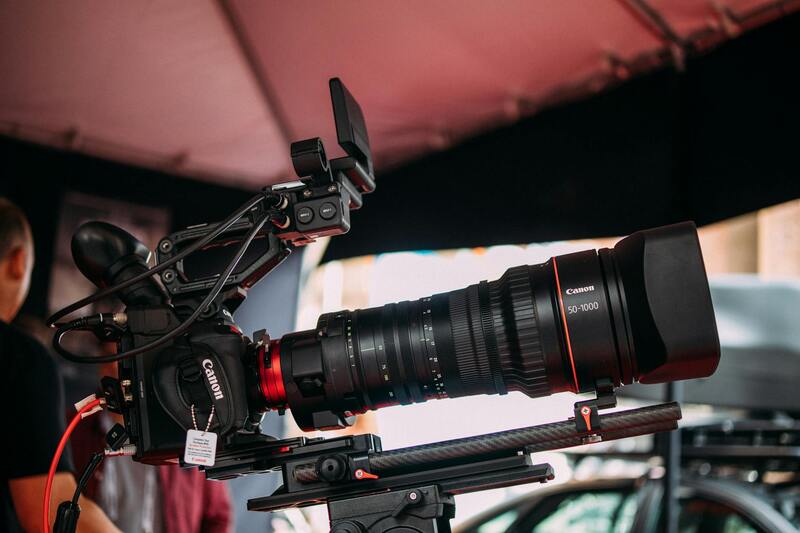
By leveraging the expertise of a specialized live streaming event company, organizers can focus on their core objectives while ensuring that their broadcast runs smoothly from start to finish. This includes everything from setting up reliable internet connections to configuring multiple streaming platforms suited for audience size and technical requirements. As technology advances, these services continue to evolve, incorporating innovative tools such as augmented reality, virtual reality, and 360-degree video streaming to enrich viewer experience and maximize event impact.
Types of Events Supported by Live Streaming Services
- Corporate meetings and conferences
- Product launches and demonstrations
- Entertainment shows, concerts, and performances
- Weddings and social celebrations
- Fundraisers and community gatherings
- Educational seminars and workshops
Key Technologies and Equipment Used
High-quality live streaming relies heavily on advanced hardware and software that work together seamlessly to deliver a clear, stable, and engaging broadcast. Essential components include professional-grade cameras capable of capturing multiple angles, which enable dynamic production values and immersive viewer experiences. These cameras often support HD or 4K resolutions, ensuring sharp images even on large screens or high-resolution devices.
Video encoders play a crucial role in converting raw footage into digital streams suitable for transmission over the internet. These encoders can be hardware-based or software-based, depending on the scale of the event and production complexity. Reliable streaming platforms are employed to host and distribute the content, supporting multiple platforms such as YouTube, Facebook Live, or proprietary streaming solutions, which facilitate audience access across different devices.
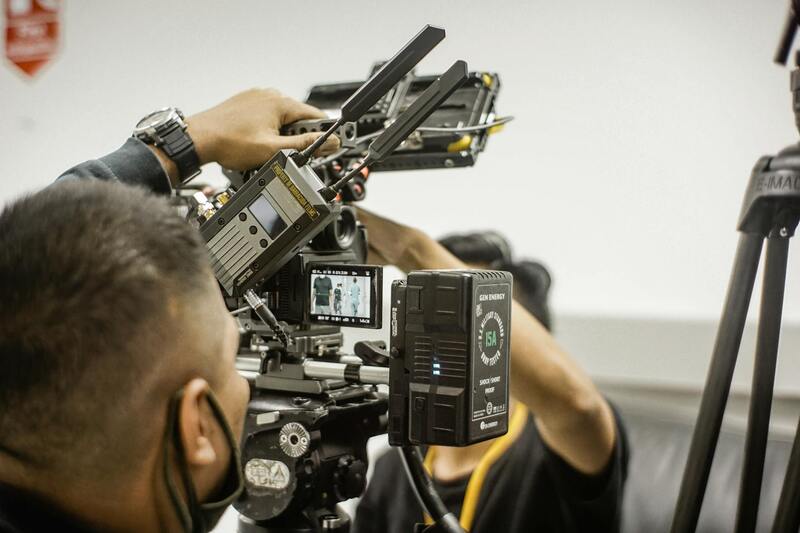
To prevent interruptions and ensure continuous coverage, backup systems are integral. These include secondary internet connections, redundant power supplies, and secondary streaming servers, providing resiliency in case of technical failures. Audio equipment such as high-fidelity microphones and mixers is equally important to transmit clear sound, particularly for performances and speeches.
Software tools support various aspects of live streaming, from managing the multi-camera feeds, switching between different angles, integrating graphics, and overlaying real-time information. Additionally, stream management software helps monitor the broadcast performance, adjust quality settings dynamically, and troubleshoot any issues promptly.
Innovations like augmented reality (AR) or virtual reality (VR) are increasingly integrated into live streams to enhance interaction and viewer engagement. 360-degree cameras also allow for immersive viewing experiences, letting audiences explore the event environment interactively. As technological advancements continue, live streaming companies adopt these tools to offer cutting-edge solutions that elevate event production and audience participation.
Understanding Live Streaming Event Services
Professional live streaming event companies specialize in delivering seamless, high-quality broadcasts tailored to meet the specific needs of various events. These services encompass a broad range of offerings, from corporate conferences and product launches to concerts and social gatherings. The core objective is to enable organizers to reach a global audience in real-time with professional-grade production and minimal technical disruptions. This involves meticulous planning, state-of-the-art equipment, and experienced technicians working behind the scenes to ensure a smooth transmission.
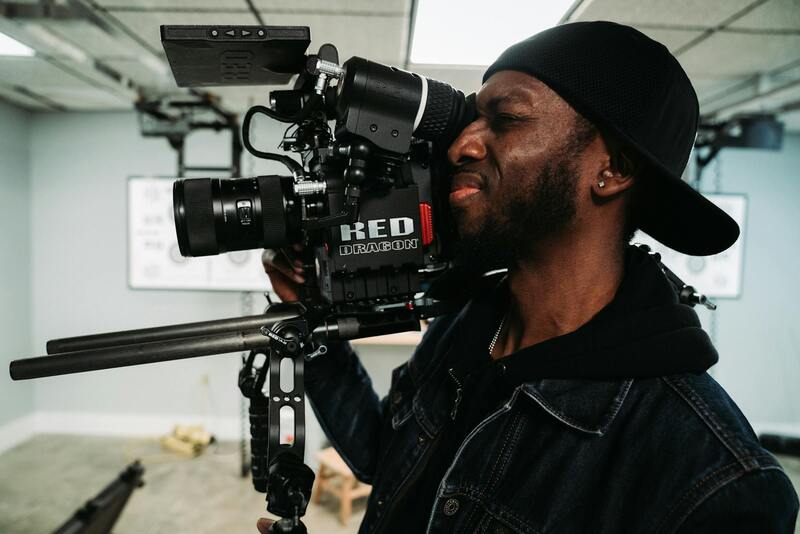
One key aspect of live streaming services is their ability to customize solutions according to the event's complexity and audience size. Whether it’s a small seminar or a large-scale festival, these companies analyze the event requirements and craft tailored streaming plans. They coordinate everything from camera placement, audio setup, lighting, and network requirements, to ensure the final broadcast aligns with the organizer's vision. The expertise in handling diverse event formats guarantees that the content remains engaging and professional, no matter the scale.
Moreover, real-time audience interaction features are often integrated during broadcasts. These include live chat channels, Q&A sessions, and social media engagement tools, which foster a sense of community among viewers. Post-event analytics are also a vital service component—they offer insights into viewer engagement metrics, peak viewership times, and content reach, helping event organizers evaluate success and plan future activities more effectively.
Key Technologies and Equipment Used
In the realm of live streaming, the deployment of cutting-edge technology is essential to achieve high-quality broadcasts. Advanced cameras capable of capturing high-definition video from multiple angles are standard. These cameras are often paired with professional-grade video encoders that compress and transmit the footage efficiently without compromising quality. Redundant encoding systems are critical to prevent data loss, especially during large live events where downtime can significantly impact audience engagement.
Audio quality significantly influences the viewer experience; hence, high-fidelity microphones and mixers are employed to ensure clarity. When capturing speeches, performances, or panel discussions, unobtrusive microphones and sophisticated sound systems guarantee consistent audio levels and minimal background noise. Additionally, reliable internet connections are a cornerstone of live streaming; secondary lines and load balancing techniques help maintain uninterrupted streams despite network fluctuations.
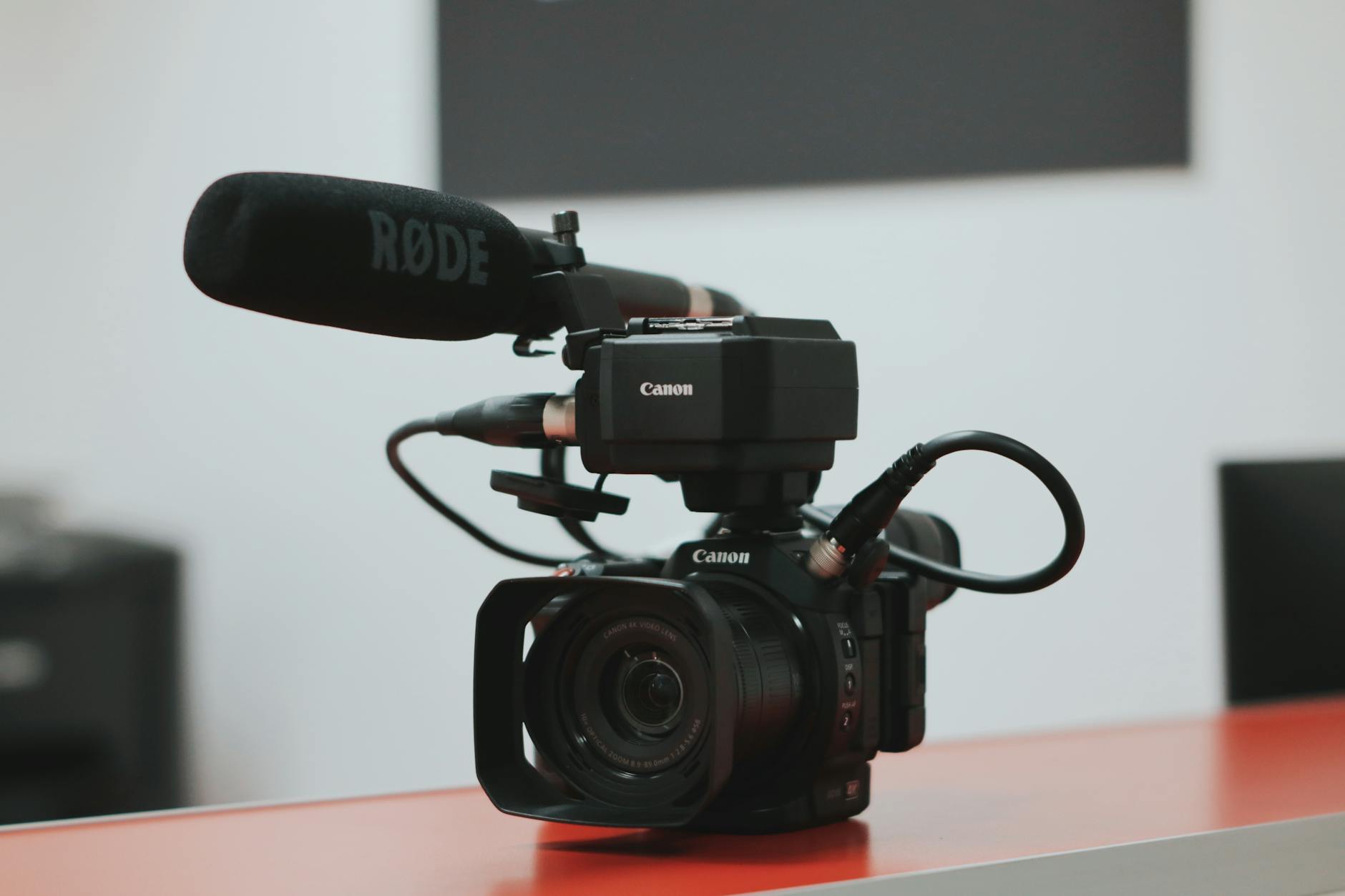
On the software side, multi-camera switching systems, real-time graphic overlays, and remote control interfaces enable producers to craft an engaging broadcast. Innovations such as augmented reality (AR) overlays and virtual sets enhance the visual appeal, making streams more immersive. For large-scale or interactive events, 360-degree cameras and virtual reality equipment are increasingly incorporated, offering audiences an engaging, panoramic experience from their devices.
Continuous advancements in streaming algorithms and bandwidth management software allow providers to dynamically optimize video quality based on viewers’ connection speeds. This ensures that audiences get the best possible experience regardless of their device or internet conditions. As technology evolves, live streaming companies continually upgrade their equipment and software to deliver innovative solutions that elevate event presentation and participant interaction.
Understanding Live Streaming Event Services
Live streaming event services encompass a comprehensive suite of solutions designed to broadcast live events to remote audiences through internet platforms. These services are tailored to meet the diverse needs of corporate conferences, concerts, sports events, religious gatherings, and community celebrations. Leveraging advanced broadcasting technologies, live streaming companies ensure that every visual and audio element is captured, encoded, and transmitted with precision. Their goal is to deliver a seamless viewing experience, replicating the vibrancy and energy of in-person attendance for viewers across the globe.
The core of a successful live streaming service lies in meticulous planning and technical expertise. This includes selecting suitable streaming platforms, configuring multi-camera setups for dynamic shots, integrating professional audio equipment for crystal-clear sound, and establishing redundant internet connections to prevent disruptions. These providers also handle content management, real-time encoding, and the implementation of interactive features such as live chat, polls, and Q&A segments, fostering engaged online audience participation.
Furthermore, these services often extend beyond basic streaming, offering value-added solutions like live event moderation, multi-language support, and post-event analytics. They demonstrate a keen understanding of broadcast standards and audience engagement strategies, ensuring that each event is not only visible but also impactful and memorable for viewers.
Key Technologies and Equipment Used
Implementing professional-grade live streaming involves a suite of advanced equipment and software designed to produce high-quality broadcasts. Multi-camera systems enable dynamic shots, allowing producers to switch seamlessly between different angles, close-ups, and wide shots to keep the audience engaged. These cameras are often equipped with 4K resolution capability to ensure crisp visuals, even on large displays.
Audio quality plays a crucial role, which is why industry-standard microphones, mixers, and soundboards are used to capture speech, music, and ambient sounds. Unobtrusive wireless microphones are frequently employed during speeches and performances to maintain clarity without distracting from the event itself.
On the software front, live switching platforms facilitate the integration of graphics, overlays, and effects in real time. These tools allow producers to add branding, titles, and informational graphics that enhance viewer comprehension and engagement. Content delivery networks (CDNs) are utilized to distribute streams efficiently to multiple platforms and devices, ensuring low latency and high streaming reliability.
Network Reliability and Support Packages
Effective live streaming depends heavily on internet stability. Reputable providers invest in redundant internet connections, load balancing solutions, and high-speed fiber-optic lines to maintain consistent stream quality. Network monitoring tools are used continuously to detect and resolve issues proactively. During events, dedicated technical support teams monitor the stream in real time, ready to troubleshoot and implement backup plans if needed, minimizing potential disruptions and ensuring a smooth broadcast experience.
Overall, the integration of cutting-edge technology and dependable infrastructure forms the backbone of a professional live streaming event, translating complex technical processes into a polished, engaging experience for remote audiences.
Understanding Live Streaming Event Services
Live streaming event companies serve as the backbone for transmitting events such as conferences, concerts, corporate gatherings, and special occasions to a global audience. These services encompass a broad spectrum, from initial planning and technical setup to real-time broadcasting and post-event content delivery. They ensure that the event’s core message reaches viewers seamlessly across devices, maintaining high-quality visuals and audio fidelity. Leveraging advanced software solutions and professional-grade hardware, these companies craft engaging live presentations that rival in-person experiences, fostering broader audience participation and interaction.
Key Technologies and Equipment Used
To provide a professional-grade broadcast, live streaming companies deploy a suite of sophisticated tools and technologies. This includes multi-camera configurations capable of capturing various angles and moments, along with hardware encoders that compress video signals for efficient streaming. State-of-the-art switchers facilitate dynamic transitions between camera feeds, ensuring a cinematic feel. Audio equipment such as wireless microphones, mixers, and noise-canceling headsets guarantee clear sound, even in noisy environments.
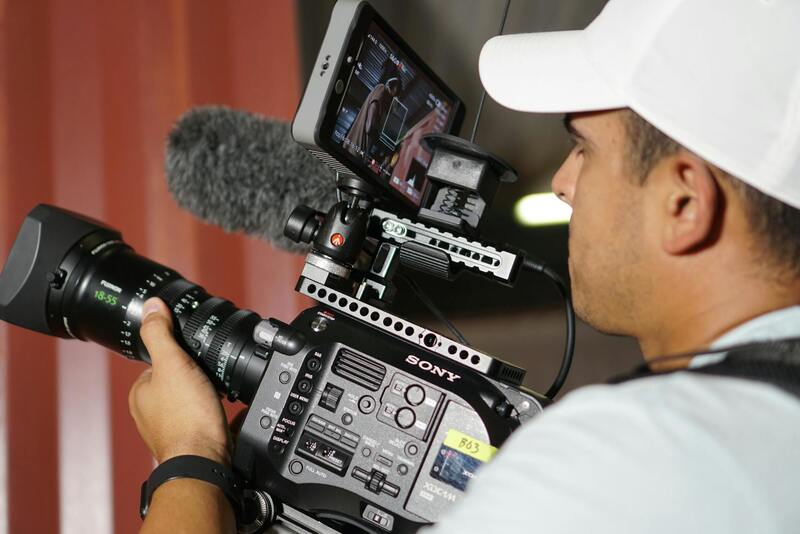
Furthermore, robust streaming software platforms enable real-time graphics overlays, branding elements, polls, and chat integrations, enhancing viewer engagement. Content delivery networks (CDNs) allow for the distribution of the live feed across multiple platforms simultaneously, reducing latency and preventing stream interruptions. Reliable, high-speed internet infrastructure, often backed by redundant connections and fiber-optic lines, forms the foundation for uninterrupted broadcasting. Continuous network monitoring and real-time technical support are critical to swiftly address issues that may arise during an event.
Benefits of Hiring a Local Miami Live Streaming Company
Partnering with a Miami-based live streaming event company yields distinct advantages. Local providers possess intimate knowledge of the region’s event venues, permitting tailored equipment setup and logistical planning. Their proximity ensures quick on-site response times to technical challenges, minimizing downtime. Additionally, local companies understand the audience demographics and cultural nuances, allowing for personalized content and effective engagement strategies. Their familiarity with Miami’s weather variability, city regulations, and event schedules ensures smoother coordination from pre-production to post-broadcast activities.
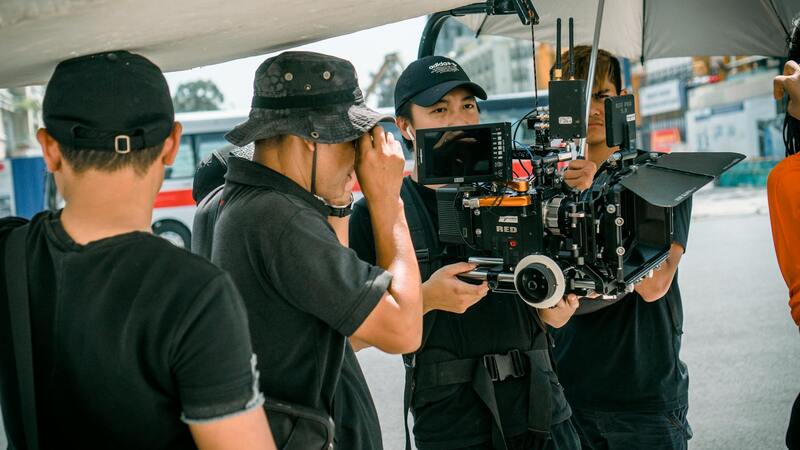
By choosing a Miami-based provider, event organizers benefit from personalized consultation, flexible service packages, and in-depth regional support. These collaborations not only elevate the quality of the live stream but also optimize costs and logistics, ensuring the event meets its objectives while providing an exceptional viewing experience for remote audiences.
Execution and Technical Support During Live Events
During a live streaming event, the technical team plays a pivotal role in ensuring a smooth broadcast from start to finish. Expert operators monitor multiple systems in real-time, including video feeds, audio levels, and data transmissions. This constant supervision helps swiftly identify and rectify potential issues such as signal disruptions, audio mismatches, or synchronization errors, thereby maintaining the highest quality standards throughout the event.
Advanced hardware and software solutions are employed to manage live feeds effectively. For instance, hardware encoders convert high-definition video signals into streaming data, compressing the content without compromising quality. Meanwhile, live switching equipment allows seamless transitions between camera angles, graphics, and visual effects, enhancing viewer engagement.
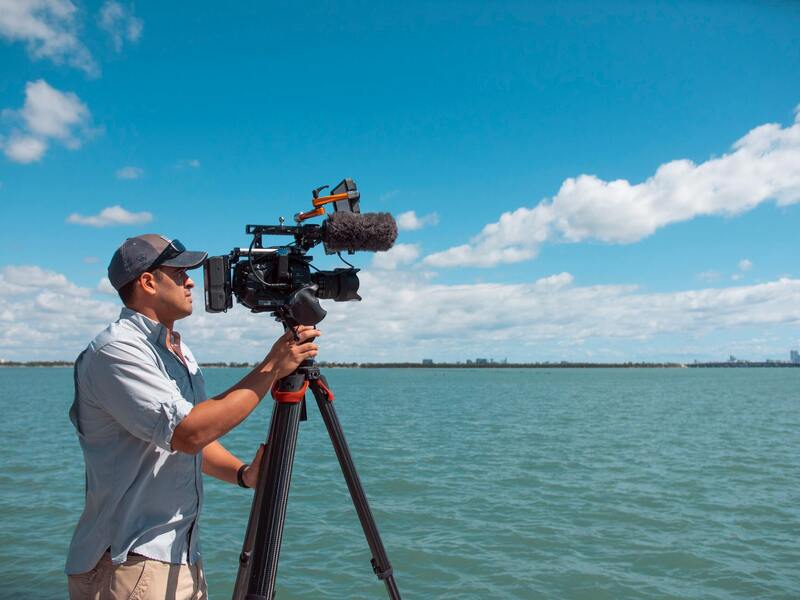
Reliable internet connectivity is the backbone of live streaming success. To prevent disruptions, multiple internet sources are often used simultaneously, such as fiber optic lines, dedicated LTE/5G connections, or satellite links. Network monitoring tools continuously track bandwidth usage, latency, and packet loss, enabling technicians to intervene proactively when anomalies are detected.
Moreover, a comprehensive contingency plan is implemented to address unforeseen issues swiftly. This may involve backup streaming pathways, redundant hardware setups, and on-site troubleshooting teams ready to respond to any technical challenge. Such meticulous planning and support significantly reduce the risk of stream interruptions, ensuring that the live broadcast proceeds without technical setbacks.
The role of skilled technical personnel extends beyond mere setup and troubleshooting. They coordinate closely with content creators, event organizers, and other stakeholders to ensure all elements of the event are synchronized and presented cohesively. Continuous communication between team members via intercom systems or messaging platforms ensures real-time updates and swift resolutions for any emerging issues.
Furthermore, during the event, the technical support team manages live chat integrations, overlays, and additional interactive features that can enhance viewer participation. They also monitor viewer metrics and feedback, allowing for instant adjustments to optimize the viewing experience and engagement levels.
Post-event, the technical team assists with closing down equipment, backing up data, and ensuring that all recorded content is properly stored for future use or analysis. This comprehensive approach to execution and support guarantees a high-quality live streaming experience from preparation through to post-broadcast activities.
Post-Event Services and Content Delivery
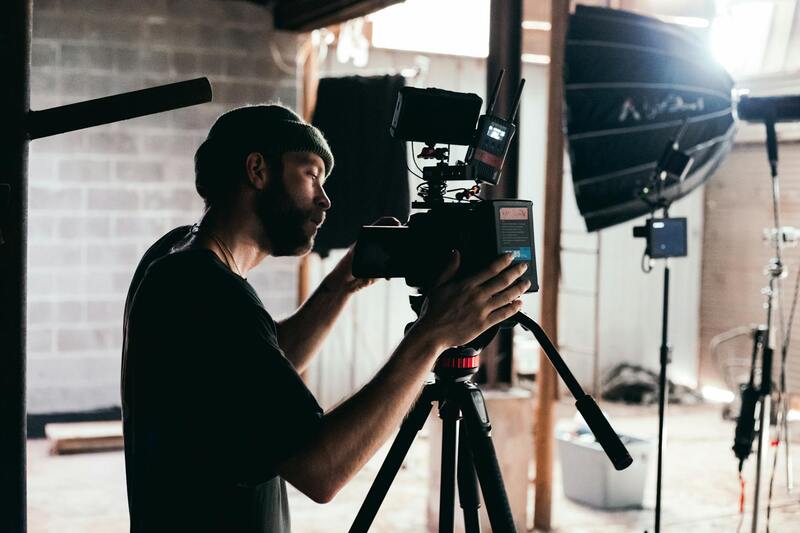
Following the conclusion of a live streaming event, the focus shifts to effective content management and distribution. A reputable live streaming event company in Miami will offer comprehensive post-event services designed to maximize content reach, ensure proper data archival, and facilitate ongoing engagement with your audience. This process begins with the careful editing and post-production work, which may include trimming, adding overlays, branding elements, or multi-camera angle synchronization to produce polished highlight reels or full-length recordings.
Once the content is finalized, the distribution phase involves multiple channels tailored to your target audience. Video hosting platforms such as YouTube, Vimeo, or specialized enterprise solutions enable broad accessibility and sharing capabilities. For corporate or private events, secure content delivery networks (CDNs) ensure controlled access along with high-quality streaming options, allowing viewers to access the content on-demand and at their convenience.
Effective content delivery also involves proper storage solutions. Cloud-based storage platforms allow for scalable and reliable data backup, making it easy to retrieve or republish content as needed. Additionally, data analytics tools are often employed post-event to assess viewer engagement, demographics, and interaction metrics. These insights help organizations refine their strategies for future live streams, improve viewer retention, and enhance overall event impact.
For event organizers looking to repurpose content, many live streaming companies offer additional services like creating short promotional clips, developing social media snippets, or integrating viewer feedback to boost post-event marketing efforts. Such strategies ensure the live event continues to generate value long after the finish line, fostering ongoing conversations and brand exposure.
Understanding Live Streaming Event Services
Live streaming event companies offer comprehensive solutions that encompass the entire process of broadcasting live events over the internet, from initial planning to content delivery and beyond. These services are vital for organizations seeking to reach wider audiences, enhance engagement, and ensure seamless transmission of their events. A seasoned live streaming partner provides expert guidance in content production, technical setup, and post-event analysis, making sure each aspect of the event runs smoothly and professionally.
Key Technologies and Equipment Used
Modern live streaming relies on sophisticated hardware and software to ensure high-quality broadcast experiences. Essential equipment includes professional-grade cameras capable of HD or 4K resolutions, multi-channel mixers for seamless switching between camera feeds, and audio systems designed for clarity and richness. Streaming encoders convert raw audio-visual data into internet-compatible formats, while robust internet connections and redundant network setups prevent disruptions.
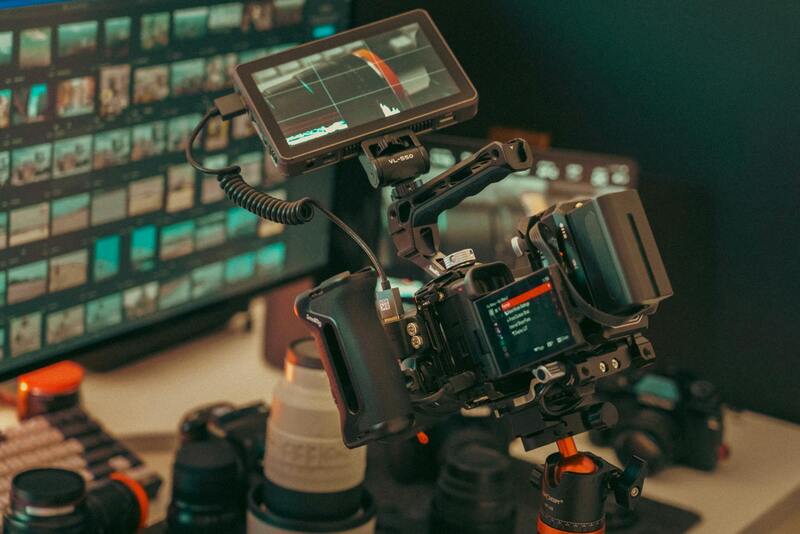
In addition, software solutions facilitate real-time graphics, overlays, and captioning, enhancing viewer engagement. Content delivery networks (CDNs) distribute the stream globally, ensuring consistent performance regardless of viewer location. For larger events, specialized equipment such as video walls and interactive kiosks can be integrated to enrich the visual presentation and foster interactive experiences.
Benefits of Hiring a Local Miami Live Streaming Company
Partnering with a Miami-based live streaming event company provides distinct advantages, including localized expertise, swift on-site support, and a better understanding of regional audience preferences. Local companies are familiar with the city’s venues, infrastructure, and logistical considerations, which enhances the efficiency of production planning and execution. Moreover, they can respond rapidly to on-site challenges, minimizing downtime and technical issues that could compromise the broadcast.
Engaging a nearby provider also simplifies coordination efforts, allowing for face-to-face meetings, timely equipment setup, and customized solutions tailored to specific event needs. This proximity often results in cost savings by reducing logistical expenses and travel time, while maintaining high service standards. Overall, a Miami-based company ensures that your event benefits from local insights and personalized attention, resulting in a polished, professional broadcast that resonates with your target audience.
Planning and Pre-Production Process
The success of a live streaming event hinges on meticulous planning and pre-production activities. This phase involves defining clear objectives, understanding the target audience, and establishing the desired technical specifications. Collaboration begins with site visits to assess venue layouts, power sources, and internet connectivity, enabling the team to develop a tailored technical plan.
Pre-production also includes content scripting, cue sheets, and visual design elements such as overlays and branding. These components are integrated into the broadcast workflow to ensure consistency and professionalism. During this stage, stakeholders select the appropriate equipment, assign crew roles, and establish rehearsal schedules to simulate the live event. Conducting test runs allows teams to troubleshoot potential issues, synchronize equipment, and refine transitions.
Effective pre-production minimizes surprises during the actual event, fostering a smooth live broadcast experience. It also serves as a foundation for creating contingency plans, ensuring preparedness for unforeseen technical challenges or logistical hurdles that may arise.
Execution and Technical Support During Live Events
On the day of the event, experienced technical staff monitor every aspect of the live stream, from camera feeds and audio levels to network stability and encoding performance. Real-time communication ensures swift resolution of any complications, maintaining broadcast quality throughout the event. Skilled operators switch camera angles, manage visual overlays, and coordinate timing based on the cue sheets prepared during pre-production.
Continuous backup systems and redundant internet connections are maintained to prevent interruptions, while on-site support teams handle equipment adjustments and troubleshoot unforeseen issues promptly. Audience engagement features such as live chat, polls, and Q&A sessions are managed seamlessly, enhancing viewer interaction and satisfaction.
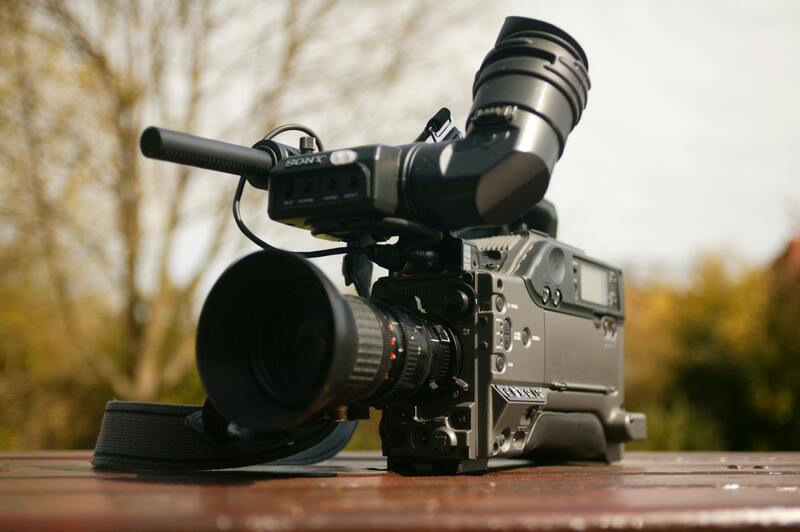
Post-event data collection, including viewer analytics and engagement metrics, provides valuable insights that inform future streaming strategies. The technical team ensures that the entire broadcast remains secure, with encrypted streams and controlled access, especially for private or corporate events.
Post-Event Services and Content Delivery
Following the live event, the focus shifts to content preservation, distribution, and analysis. Recorded footage is edited into highlight reels, full-length recordings, or promotional clips tailored to different platforms. Cloud-based storage solutions facilitate easy access and on-demand viewing, expanding the reach of the event beyond the live broadcast window.
Distribution channels such as YouTube, Vimeo, or enterprise streaming portals ensure broad accessibility, while secure CDNs deliver content promptly to designated audiences. Data analytics tools help organizers understand viewer demographics, engagement levels, and feedback, guiding improvements for subsequent events.
Additional post-event services include repurposing footage for marketing campaigns, social media content, and internal communications. This extended content lifecycle maximizes event ROI and keeps audiences engaged long after the live broadcast concludes.