Overview of Live Streaming Services for Events
Live streaming services for events have revolutionized the way organizers share experiences and connect with audiences. These solutions enable real-time broadcasting of live events, ranging from corporate conferences and trade shows to weddings and community gatherings. By leveraging high-quality internet infrastructure and advanced streaming technologies, live streaming ensures that audiences can participate remotely without geographical barriers.
In Miami, a vibrant city known for its dynamic social scene, arts festivals, and corporate events, live streaming enhances event visibility considerably. It extends the reach beyond physical attendees, allowing viewers from around the globe to engage with content in real time. This accessibility can significantly boost brand recognition, increase attendee engagement, and create new avenues for revenue streams through online viewership.
Moreover, live streaming services foster inclusivity, ensuring that individuals with mobility challenges or scheduling conflicts can still experience key moments. As digital consumption continues to grow, embracing live streaming becomes an essential component in strategic event planning.
Incorporating professional live streaming solutions also enhances the perceived professionalism and production quality of an event. It allows organizers to showcase their brand or message with clarity and high-definition visuals, making every moment memorable for viewers watching remotely. As technology advances, these services are becoming more sophisticated, offering features such as multiple camera angles, interactive chat functions, and real-time analytics, further enriching the virtual event experience.
For Miami-based event organizers, selecting the right live streaming service involves evaluating numerous factors, including technical capabilities, reliability, and customization options. With the right tools, live streaming turns any event into a powerful platform for engagement, marketing, and community building in the bustling Miami event scene.
Types of Live Streaming Solutions
Understanding the diverse range of live streaming formats is essential for selecting the most suitable solution for an event’s specific requirements. Each format offers distinct advantages, catering to various event types and audience engagement strategies.
Multi-Camera Productions
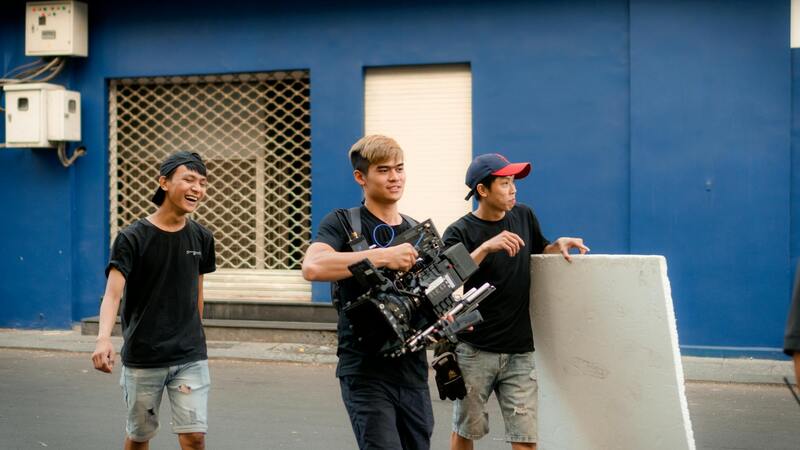
This format involves several high-definition cameras capturing different angles of an event, providing viewers with a dynamic and immersive experience. Multi-camera setups are ideal for conferences, performances, and award ceremonies where visual variety enhances viewer engagement. Skilled operators seamlessly switch between feeds, offering a professional broadcast quality that replicates traditional event coverage.
Webinars and Workshops
Webinars are perfect for educational, business, or training sessions conducted live online. They typically feature a single presenter or panel, with interactive elements such as Q&A sessions and polls. Webinars are often recorded and made available on-demand, expanding their reach beyond the live event.
Hybrid Events
Hybrid events combine in-person attendance with live streaming, extending the event’s accessibility to a broader audience. This format requires a reliable streaming infrastructure to deliver high-quality content concurrently to onsite participants and virtual viewers. Effective hybrid event solutions synchronize the live broadcast with physical proceedings, ensuring seamless integration.
On-Demand Streaming
On-demand streaming allows organizers to record live events and publish them for viewing at any time. It is especially beneficial for events that attract global audiences across different time zones, enabling viewers to engage with content at their convenience. This format also supports content repurposing for marketing or archival purposes.
Choosing the appropriate live streaming format depends on the event’s size, purpose, and target audience. A professional evaluation ensures that the selected solution maximizes engagement, maintains high technical standards, and aligns with the overall event goals.
Overview of Live Streaming Services for Events
In today's digitally connected environment, live streaming services have become an integral part of event planning and execution. They offer a pathway to reach a global audience, ensuring that geographic limitations no longer restrict attendance. These services encompass a broad spectrum of solutions tailored for different event types, from small workshops to large conferences and festivals. The core advantage lies in delivering high-quality, real-time content that maintains the integrity and excitement of the live experience, whether viewers are participating onsite or virtually.
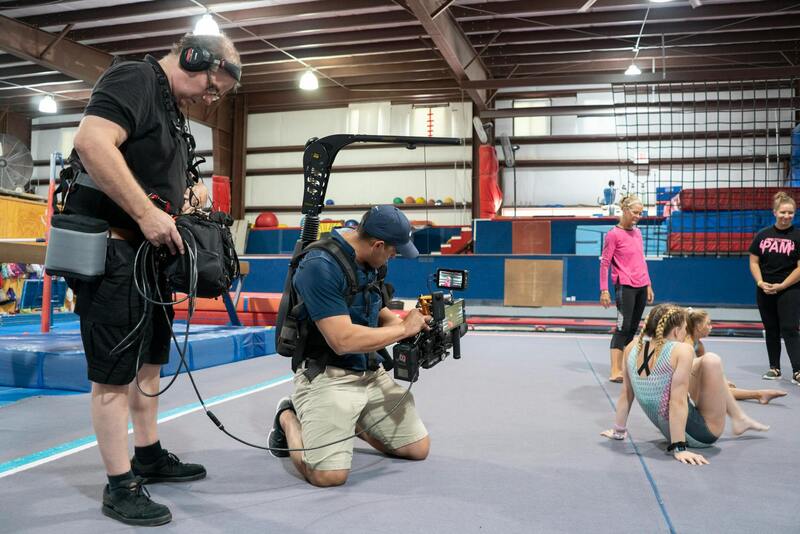
Organizations increasingly recognize the importance of deploying official, reliable streaming solutions to boost engagement, enhance accessibility, and improve event visibility. Official methods of streaming prioritize stability, security, and compatibility, ensuring participants receive a smooth and professional experience. These services often include multi-platform broadcasting, high-definition video, interactive features, and robust technical support, all designed to meet the demands of diverse event types and sizes.
Types of Live Streaming Solutions
Various solutions cater to different organizational needs, from small-scale webinars to large hybrid events. The selection hinges on the event's goals, targeted audience, and logistical requirements.
- Single-Platform Streaming: Broadcasting on a single platform such as Facebook Live, YouTube Live, or Vimeo. This method offers simplicity and broad accessibility, suitable for smaller events or when audience engagement through platform-specific features is desired.
- Multi-Platform Streaming: Simultaneously streaming content across several platforms increases reach and engagement. This approach often requires specialized software or hardware that can aggregate feeds into synchronized broadcasts.
- Custom Embedded Players: For organizations seeking a branded experience, streaming through custom players embedded on their websites ensures control over the presentation and integration with other event components.
- Hybrid Event Solutions: These incorporate both in-person attendance and virtual streaming, demanding comprehensive infrastructure to synchronize physical and digital experiences seamlessly.
Choosing the Appropriate Service
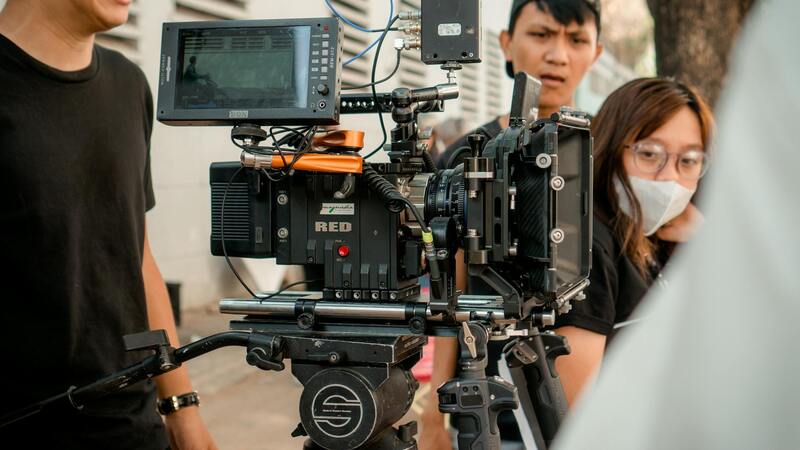
Selecting an official and effective live streaming service involves careful assessment of technical capabilities, security standards, and operational support. Factors such as the expected audience size, event complexity, and interaction level influence the optimal choice. Ensuring that the vendor provides reliable technical support, high-definition streaming options, and security features like encrypted streams or access controls is crucial to prevent disruptions and protect content integrity.
Overview of Live Streaming Services for Events
Deploying live streaming services for events presents a transformative opportunity to deliver real-time content to extensive audiences regardless of geographical boundaries. These services utilize advanced streaming protocols and robust infrastructure to ensure smooth transmission of high-quality video and audio feeds. Event organizers can reach a broader demographic, enhance participant engagement, and facilitate interactive experiences by leveraging these solutions. Moreover, live streaming offers the flexibility to integrate various multimedia elements, such as overlays, graphics, and multiple camera angles, enriching the viewer's experience. Selecting an appropriate live streaming service involves evaluating reliability, scalability, security, and compatibility with existing technical setups. Whether for corporate conferences, concerts, sports, or community gatherings, the right service enhances the event's impact, extending its visibility far beyond the physical venue.
Types of Live Streaming Solutions
Event organizers can choose from various live streaming methods, each suited to different requirements and event scales:
- Single-Platform Streaming: Broadcasting content on a specific platform like Facebook Live, YouTube Live, or Vimeo. This method prioritizes ease of use and broad accessibility, ideal for smaller events or organizations seeking minimal technical complexity.
- Multi-Platform Streaming: Simultaneously streaming across multiple platforms increases reach and audience engagement. This approach often employs specialized software or hardware encoders that can synchronize feeds to diverse channels for broader exposure.
- Custom Embedded Players: Embedding custom streaming players directly into a dedicated website or event portal provides brands with control over the viewer experience, allowing tailored interfaces, branding, and integration with other digital content.
- Hybrid Event Solutions: Combining in-person participation with virtual streaming, hybrid platforms facilitate seamless interaction between physical and remote attendees, supporting features like live Q&A, polls, and networking opportunities. These solutions require comprehensive infrastructure to deliver synchronized experiences.
Choosing the Right Solution
The optimal live streaming approach depends on factors such as target audience size, event complexity, desired level of interaction, and technical resources. It is essential to select a service that guarantees reliable connectivity, high-definition streaming, and robust security features to protect streamed content. A comprehensive assessment of available solutions ensures the chosen service aligns with the event’s goals, whether it’s maximizing outreach, enhancing engagement, or providing a memorable virtual experience.
Selecting the Right Technology for Seamless Live Streaming
Implementing effective live streaming for events in Miami requires selecting the proper technology that ensures a smooth and high-quality broadcast. Professional solutions typically involve a blend of hardware and software components designed to optimize video and audio delivery. High-performance encoders, either hardware-based or software-based, convert raw audio-visual signals into streaming-ready formats. Hardware encoders are preferred for their reliability and lower latency, especially during large-scale events. Software encoders provide flexibility and are suitable for smaller or more agile productions.

To guarantee uninterrupted transmission, network stability and bandwidth management are critical. Utilizing dedicated internet connections reduces the risk of disruptions and buffering issues. Additionally, employing failover systems, such as backup internet sources, can ensure continuity should primary connections face issues. This kind of redundancy is essential for high-stakes events where consistent streaming is paramount.
Incorporating content delivery networks (CDNs) enhances streaming reliability by distributing the load across multiple servers, thus minimizing latency and buffering. Professional streaming setups also employ multi-bitrate streaming, which automatically adjusts video quality based on viewer bandwidth, delivering a consistent viewing experience across diverse devices and connection speeds.
Furthermore, security features such as encryption protocols and access controls are vital to protect streamed content from unauthorized viewers. These measures help maintain control over who can access the live stream, ensuring the event's content remains exclusive to intended audiences.
Integrating Interactive Features for Enhanced Viewer Engagement
Modern live streaming solutions often incorporate interactive elements to foster engagement and participation. Integrations like real-time chat, live polls, Q&A sessions, and networking lounges can transform a passive viewing experience into an interactive platform that encourages audience involvement. These features not only boost viewer retention but also extend the event’s reach through social sharing and participation.
For Miami-based events, leveraging platforms that support these interactive tools can significantly elevate the event experience. Customizable interfaces allow organizers to align the streaming experience with their branding and event goals, creating a cohesive digital environment that reflects the event’s theme and messaging.
Evaluating Platform Compatibility and Scalability
Choosing a live streaming service involves assessing platform compatibility with various devices, operating systems, and browsers. The solution should ensure accessibility for participants tuning in via smartphones, tablets, or desktops. Scalability is equally important; the streaming infrastructure must accommodate anticipated viewer numbers without compromising quality or stability.
Many professional providers offer scalable hosting options that can grow alongside your event's needs. This flexibility is crucial for events that expect fluctuating attendance or are part of a series where future broadcasts might see increased engagement. Reliable support and technical assistance during the event are also essential components, helping address any unforeseen issues swiftly and minimizing disruptions.
Key Features to Consider When Choosing a Service
When selecting a live streaming service for your event, it's essential to evaluate features that ensure a seamless and engaging experience for both organizers and viewers. High-quality video and audio transmission form the foundation of effective live streaming, demanding services that utilize robust encoding technologies and reliable infrastructure. Additionally, adaptive bitrate streaming plays a vital role in maintaining smooth playback across different devices and internet speeds, reducing buffering and enhancing user satisfaction.
Interactivity features are increasingly pivotal in live event streams. Incorporating real-time chat functionalities allows viewers to engage directly with hosts or speakers, fostering a sense of community and participation. Live polls and Q&A sessions can further deepen audience involvement, making the broadcast more dynamic and memorable.
Security measures are crucial to protect intellectual property and sensitive event content. Look for services that offer secure access controls, encrypted streams, and options for password protection or private links to restrict viewing to authorized attendees. These features help maintain the integrity of your event and safeguard against unintended sharing.
Scalability and customization options also influence your choice. A service capable of scaling with your event’s size ensures that increased attendance does not compromise quality. Customizable interfaces and branding elements enable organizers to tailor the viewing experience to match their event’s aesthetic and thematic objectives.

Factors Influencing Cost and Budget Planning
When selecting a live streaming service for your event, understanding the key factors that influence the overall cost is essential for effective budget planning. These factors include the complexity and scale of the event, the level of technical support required, and the desired features that enhance viewer engagement. Larger events with higher attendee capacity typically necessitate more advanced infrastructure and additional bandwidth, which can significantly impact costs.
Another critical aspect is the choice between standard and premium streaming packages. While basic packages often cover fundamental streaming needs, premium options may include enhanced features such as multi-camera setups, high-definition video quality, or extended viewing options. Customization and branding services also contribute to the total expense, allowing organizers to tailor the viewer experience in line with the event’s branding and thematic elements.
Furthermore, the geographical scope of the audience plays a role. Streaming to a national or global audience may require the utilization of content delivery networks (CDNs) to ensure seamless delivery across varied internet infrastructures. The integration of interactive features such as live chat or polling, along with security measures like encrypted streams or private access links, can also influence costs, especially if these are customized or integrated into existing platforms.

Conclusion
Careful evaluation of these influencing factors enables event organizers to make informed decisions that align with their budget constraints while maintaining high-quality broadcast standards. Engaging with service providers that offer transparent pricing structures and comprehensive support ensures the seamless execution of live streams, ultimately enhancing the event's reach and impact.
Overview of Live Streaming Services for Events
Live streaming services have revolutionized the way events are hosted, extending their reach beyond physical boundaries and enabling real-time engagement with audiences worldwide. These services facilitate broadcasting live video and audio content directly from event venues to viewers through the internet, ensuring broad accessibility and interactive capabilities. For organizers, choosing the right live streaming provider involves understanding both the technical landscape and the specific needs of each event, such as scale, audience demographics, and desired viewer experience. Reliable live streaming not only enhances event visibility but also provides valuable analytics and engagement metrics, informing future planning and marketing strategies.
Types of Live Streaming Solutions
- Professional Broadcast Platforms: These are comprehensive solutions provided by established media companies offering end-to-end services, including multi-camera setups, high-definition streams, and integrated chat features. They are suitable for large conferences, concerts, or corporate events requiring seamless production quality.
- WebRTC-Based Platforms: Powered by real-time communication technology, these platforms enable low-latency streaming ideal for interactive sessions, workshops, and smaller gatherings where audience participation is crucial.
- Social Media Live Streaming: Utilizing platforms like Facebook Live, Instagram Live, or YouTube Live, organizers can broadcast instantaneously to large audiences, leveraging platforms with built-in engaged communities. This method offers simplicity but might lack advanced customization options.
- Hybrid Solutions: Combining professional studio broadcasting with social media distribution allows for maximizing reach while maintaining high production standards. This approach is particularly beneficial for hybrid events that incorporate both physical and virtual components.
Key Features to Consider When Choosing a Service
When selecting a live streaming provider for an event, several critical features should be evaluated to ensure optimal performance and viewer engagement:
- Video Quality and Resolution: High-definition broadcasting (1080p or 4K) enhances viewer experience, especially for visually rich events like concerts or fashion shows.
- Latency: Low-latency streaming minimizes delays between the live event and viewer reception, which is vital for interactive sessions.
- Scalability: The chosen service should support audience growth without compromising on quality, particularly for events expecting large online attendance.
- Customization Options: Features such as branded players, customizable interfaces, and embedded multimedia provide a professional and cohesive viewer experience.
- Engagement Tools: Interactive elements like live chat, polls, or Q&A sessions foster real-time engagement, boosting viewer involvement and satisfaction.
- Security and Privacy: Encrypted streams, password protection, and private links help control access and safeguard content, especially for exclusive or ticketed events.
- Technical Support: Reliable, accessible support from service providers minimizes technical issues during live broadcasts, ensuring smooth operations throughout the event.
Benefits of Using Professional Live Streaming for Events
Employing expert live streaming services delivers numerous advantages. High-quality content delivery ensures a professional presentation that reflects the event’s branding and standards. It also broadens audience reach, including remote viewers who cannot attend physically, thus expanding promotional opportunities. Moreover, professional services offer robust technical infrastructure that reduces buffering, lag, or disruptions, which is critical for maintaining audience engagement. Additionally, providers often deliver comprehensive analytics post-event, providing insights into viewer behavior, engagement levels, and geographic reach. These metrics assist organizers in evaluating success and planning future events with refined strategies.
Popular Platforms and Technologies in Miami
Miami hosts a dynamic market of live streaming technologies tailored to a variety of event sizes and types. Local providers often utilize platforms like Vimeo Livestream, Wowza, or IBM Cloud Video, which offer robust infrastructure suited for large corporate conferences, music festivals, and community events. These platforms support multiple input sources, adaptive bitrate streaming, and integrated security features. Many Miami-based companies also leverage cloud-based services like AWS Elemental MediaLive or Azure Media Services to deliver scalable, high-definition streams with reliable global delivery. Additionally, innovative solutions including augmented reality (AR) and virtual reality (VR) integrations are increasingly being adopted, enhancing the immersive experience for remote audiences.
Factors Influencing Cost and Budget Planning
The investment required for live streaming services depends on a variety of factors. Event scale and complexity significantly impact costs, with larger or more technologically intricate broadcasts requiring advanced equipment, higher bandwidth, and additional personnel. The choice between basic and premium packages influences pricing, as higher-tier options typically include multi-camera setups, higher resolutions, and interactive features. Geographic reach is another element; streaming to a global audience via content delivery networks (CDNs) involves additional fees but guarantees quality and stability. Customization, branding, and security measures add value but also contribute to overall expenses. Detailed planning and clear communication with service providers help align expectations with budget constraints, ensuring a successful broadcast without overspending.
Best Practices for Executing Live Event Streams
Executing a seamless live broadcast requires meticulous preparation and coordination. The process begins with thorough technical rehearsals, testing all equipment, internet connections, and streaming platforms. Assigning a dedicated technical team ensures that issues are addressed proactively. It is vital to have contingency plans in place, such as backup internet sources and alternative streams, to mitigate potential disruptions. During the event, real-time monitoring of stream quality and viewer engagement allows for immediate adjustments if needed. Post-broadcast, analyzing viewer metrics and collecting feedback provides insights to refine future streaming strategies. Proper audio-visual synchronization, clear communication channels among crew members, and ensuring reliable hardware setup are crucial elements that contribute to smooth execution. Additionally, informing viewers about the streaming schedule, technical requirements, and access instructions enhances overall satisfaction and participation.