Understanding Conference Live Streaming Services
Conference live streaming services have become an essential component in the event industry, enabling organizations to broadcast their events in real-time to a global audience. These services facilitate the seamless transmission of conference content over the internet, allowing remote attendees to participate virtually while maintaining the immersive experience of an in-person event.
At their core, conference live streaming services provide high-quality video and audio feeds that are accessible across multiple devices, including desktops, laptops, tablets, and smartphones. This technological capability ensures that participants, regardless of their geographical location, can view keynote speeches, panel discussions, and interactive sessions as they happen. Moreover, these services often include features such as chat functions, Q&A sessions, and breakout rooms, fostering engagement and interaction among attendees.
Implementing an effective live streaming solution entails more than simply broadcasting footage. It involves reliable infrastructure, skilled technical support, and a strategic approach to content delivery. As a result, conference organizers can extend their event's reach, increase accessibility, and enhance overall attendee engagement. Whether for corporate meetings, academic symposiums, or industry conventions, live streaming transforms the traditional conference model by bridging the gap between physical and virtual participation.
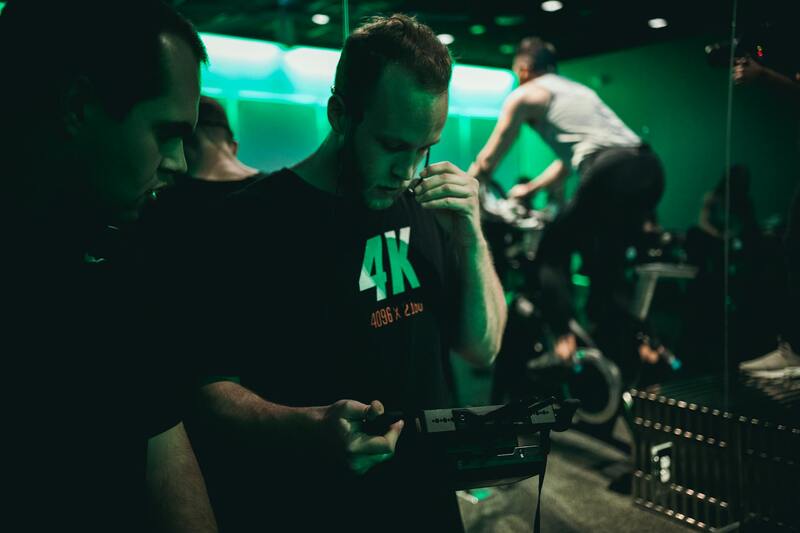
In addition to broadening audience reach, live streaming services also offer valuable analytics, allowing organizers to gather data on viewer engagement, geographic distribution, and viewing habits. These insights can inform future event planning and marketing strategies, making live streaming a pivotal tool in the contemporary conference landscape. Selecting the right service involves evaluating factors such as broadcast quality, platform stability, scalability, and support options, which will be discussed in subsequent sections.
Technologies and Equipment for Seamless Streaming
Achieving high-quality, reliable conference live streaming depends significantly on deploying the right technologies and equipment. Modern virtual event production requires a combination of hardware and software components designed to deliver crisp visuals, clear audio, and uninterrupted streaming experiences.
Central to seamless streaming is a robust internet connection. Optimal bandwidth is essential, with a dedicated fiber optic line often recommended to handle high data transfer rates without lag or buffering. A stable connection minimizes disruptions, ensuring attendees can follow event proceedings without frustration.
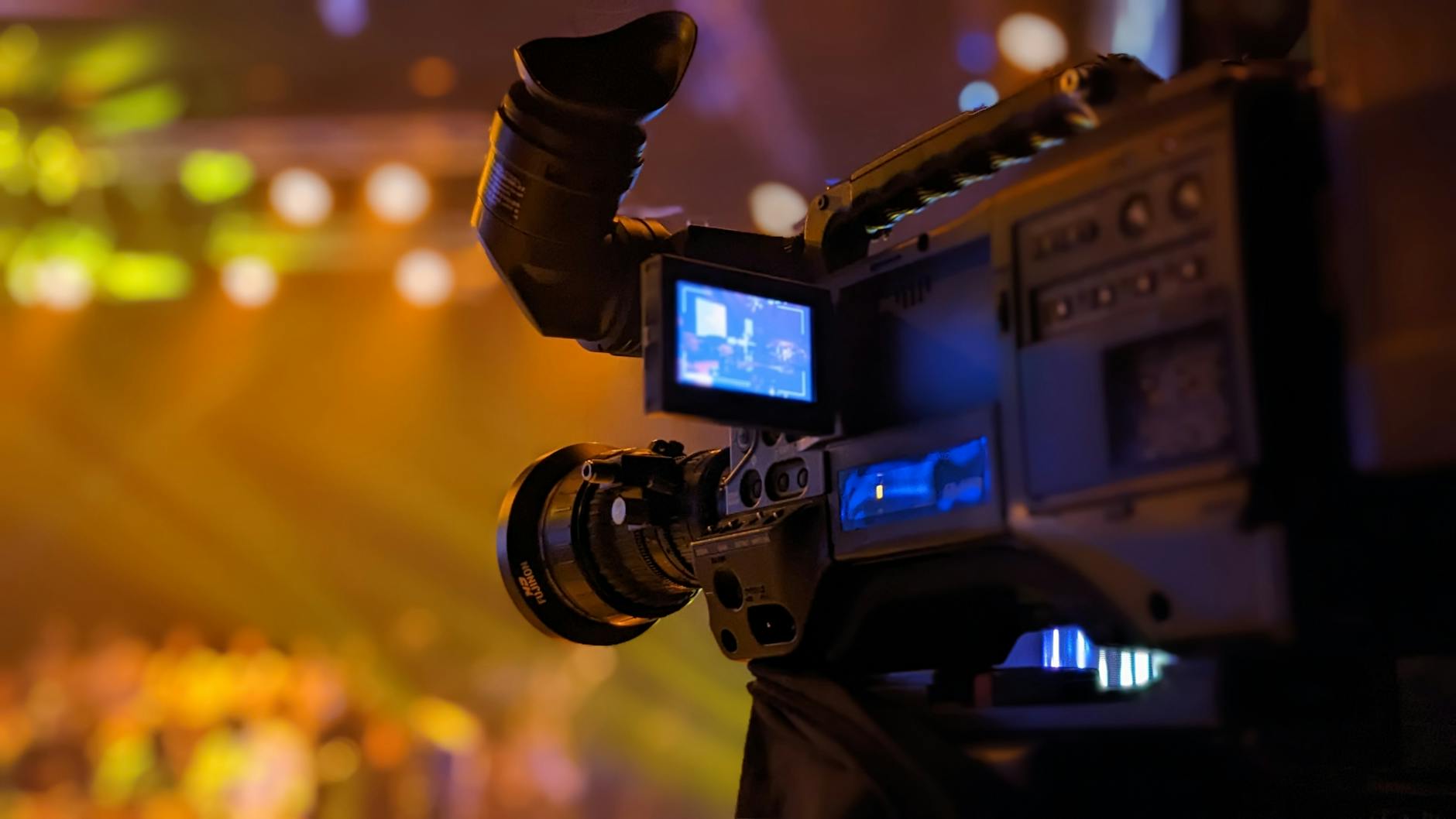
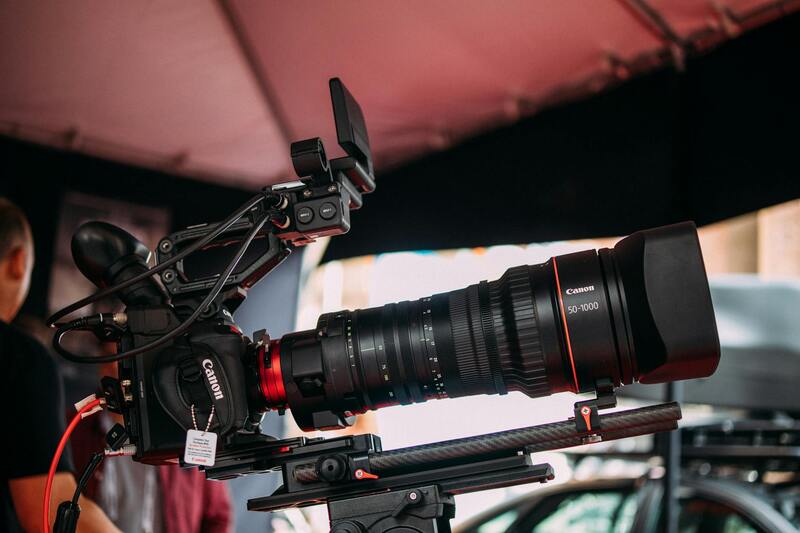
Professional-grade cameras serve as the foundation for capturing high-definition video. These cameras should offer features such as autofocus, wide dynamic range, and multiple input options to accommodate different angles and setups. When integrated with proper lighting, these cameras can produce clear, professional visuals that enhance viewer engagement.
Audio quality is equally important. Using lavalier microphones for speakers, shotgun mics for ambient sound, and mixing consoles ensures clarity and balanced sound. Quality audio equipment reduces background noise and echoes, creating a more immersive experience for remote viewers.
Further supporting the technical setup are streaming encoders, which convert raw video and audio signals into the digital format suitable for online broadcast. Hardware encoders tend to offer higher stability and lower latency compared to software solutions, especially in larger events.
Additional gear such as tripods, stabilizers, and backup power supplies contribute to the overall reliability of the broadcast. Redundant systems and fail-safes, like secondary internet connections and backup hardware, safeguard the live feed against potential technical failures.
Essential Technologies and Equipment Checklist
- High-speed fiber optic internet connection
- Professional HD/4K cameras
- Quality microphones and audio mixers
- Reliable streaming encoders
- Sturdy tripods and stabilizers
- Uninterruptible power supplies (UPS)
- Multiple internet connections for redundancy
- Effective lighting setups to improve video quality
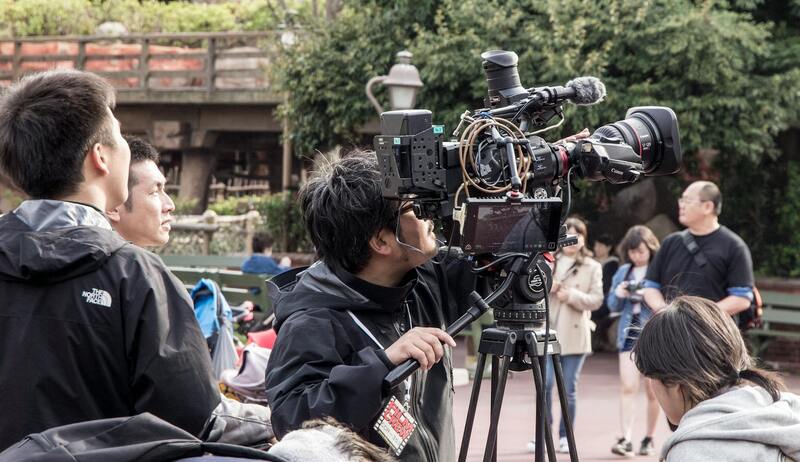
Investing in appropriate equipment and adopting the latest streaming technologies are crucial steps for conference organizers aiming to deliver a seamless virtual experience. Combining reliable hardware, powerful software, and strategic planning ensures that the broadcast maintains professional standards and keeps attendees engaged from start to finish.
Choosing a Conference Live Streaming Provider in Miami
When selecting a provider for conference live streaming services in Miami, it is essential to consider their technical expertise, reputation, and experience in delivering high-quality virtual events. Reliable providers should demonstrate a proven track record of managing similar events, with positive testimonials and case studies that highlight their ability to handle complex streaming setups. Their team should be knowledgeable about all stages of the streaming process, from initial setup and technical support to post-event analytics.
In addition, evaluating the provider’s infrastructure is crucial. They should utilize state-of-the-art hardware and software solutions, such as high-definition cameras, professional encoding equipment, and robust internet connections to ensure uninterrupted coverage. Multi-platform streaming capabilities are also vital; your provider should be capable of delivering content seamlessly across various devices and platforms, including social media, dedicated websites, and conference apps, thereby maximizing audience reach.
Another important factor is customer support and contingency planning. Reliable providers offer comprehensive technical support before and during the event, ensuring quick resolutions to any issues that may arise. They should also have backup systems in place, such as secondary internet connections and redundant hardware components, to prevent disruptions in case of technical failures.
Pricing structures vary across providers, so it’s important to assess what is included in their packages. Transparent pricing, clear communication about service scope, and an understanding of additional costs—such as custom interactive features or expansive multi-camera setups—are key to aligning your budget with your event's requirements. Many providers also offer consultation services to help customize streaming solutions tailored specifically for your conference’s size, format, and audience engagement goals.
By thoroughly assessing potential providers on these criteria, organizers can ensure that their virtual conference not only runs smoothly but also delivers a compelling and professional experience for remote attendees. Collaborating with a dedicated live streaming partner familiar with local infrastructure and technology standards will further enhance the overall quality and success of your event.
Technologies and Equipment for Seamless Streaming
Achieving a high-quality virtual conference hinges on deploying the right technologies and equipment. A robust streaming setup typically involves multi-camera systems to capture diverse angles and perspectives, ensuring an immersive experience for remote viewers. High-definition video cameras with reliable connectivity are essential, coupled with professional-grade audio equipment such as wireless microphones and mixers to ensure clear sound, minimizing background noise and echo.
Switching hardware like video switchers allows seamless transitions between different camera feeds, maintaining a professional broadcast appearance. Complementing this, streaming encoders convert the captured content into digital signals compatible with various streaming platforms. Hardware encoders are favored for their stability, especially during larger events, but software encoders are equally viable for smaller setups and offer greater flexibility.
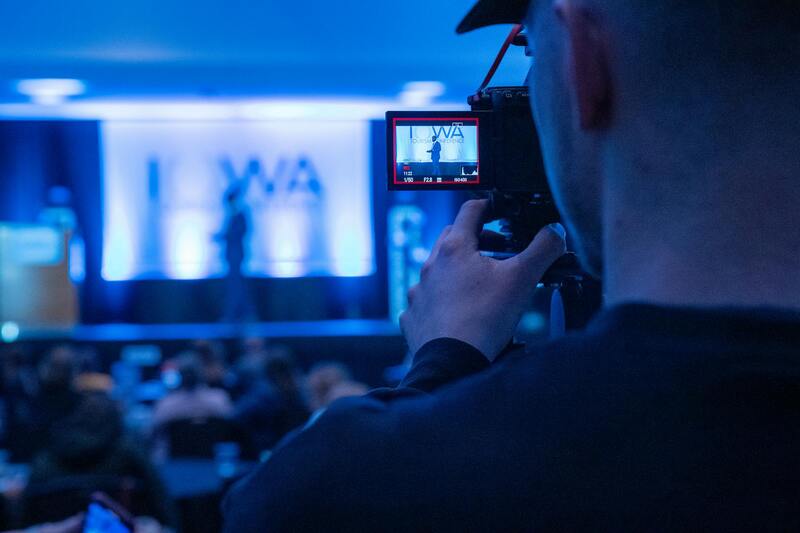
Reliable internet connectivity is paramount. Organizations often employ multiple internet connections or dedicated fiber optic links to prevent bandwidth issues. Network routers with quality of service (QoS) features prioritize streaming traffic, reducing lag and buffering problems. Additionally, backup power supplies like uninterruptible power supplies (UPS) safeguard equipment against power outages, maintaining a stable broadcast during unforeseen interruptions.
Combining these technologies with a dedicated technical team that monitors the stream in real time allows for immediate troubleshooting, ensuring minimal disruption. Investing in the right equipment and infrastructure translates directly into a seamless, engaging experience for your virtual audience, fostering professionalism and credibility.
Best Practices for Producing a Virtual Conference
Effective virtual conference production goes beyond hardware. Planning plays a crucial role, beginning with comprehensive pre-event rehearsals involving presenters, technical staff, and support teams to troubleshoot potential issues. Clear scheduling and communication with all stakeholders ensure everyone understands their roles and timings.
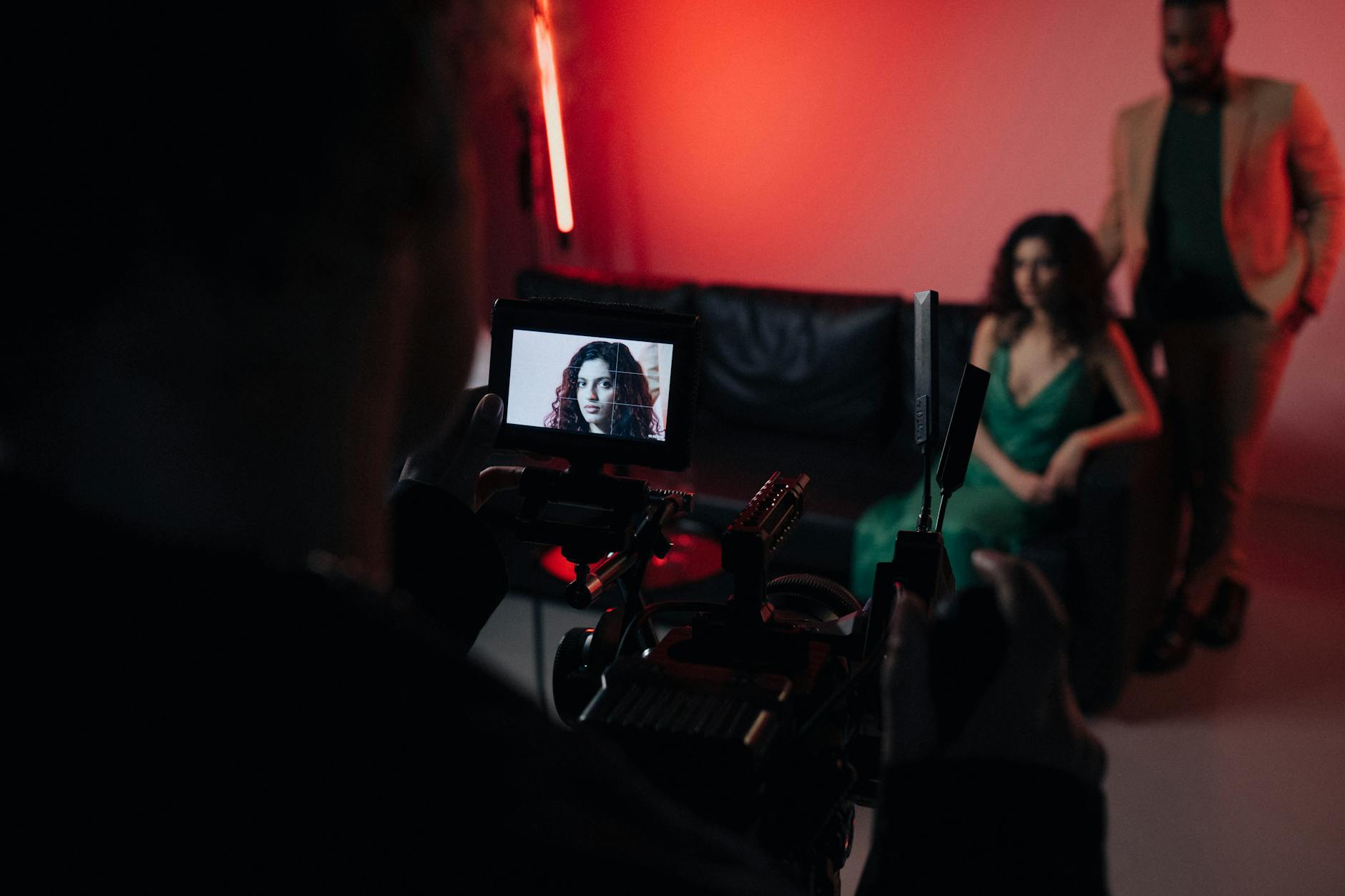
Creating engaging visual content, such as dynamic slideshows, overlay graphics, and live chat interactions, enhances viewer engagement. Proper lighting and audio setup at the venue also significantly improve the broadcast quality, making it easier for audiences to focus on content without distractions.
Stream management tools should be employed to monitor real-time viewer engagement and technical performance. This includes tracking viewership numbers, buffering issues, and stream health indicators. Prompt response to technical issues, combined with contingency plans such as secondary streaming channels or dedicated support teams, ensures the event runs smoothly without noticeable disruptions.
Post-event, analyzing viewer data and collecting feedback helps refine future streaming strategies. Providing on-demand access to recorded sessions can extend the lifespan of your content and increase overall reach, maximizing the investment in your live streaming infrastructure.
Evaluating Platform Reliability and Security Measures
When selecting a conference live streaming service in Miami, ensuring platform reliability and security are essential for a successful broadcast. Reliable streaming platforms incorporate advanced server infrastructure to handle peak viewership without buffering or interruptions. This stability guarantees that your virtual attendees experience consistent quality throughout the event.
Security measures, such as encrypted data transmission and secure login protocols, protect sensitive content and prevent unauthorized access. A reputable provider also utilizes authentication methods to verify attendees, whether through ticket-based access, unique login credentials, or integration with existing event registration systems. These safeguards help maintain the integrity of your event and provide a seamless experience for your audience.
Customization and Interactive Features
Top-tier conference streaming providers offer a variety of customization options to tailor the broadcast experience. Custom branding elements, such as logos, color schemes, and personalized overlays, help your event align with your organization’s identity and make the presentation more engaging.
Interactive features like live Q&A, polls, chat, and virtual networking lounges are critical in fostering attendee engagement. These tools transform passive viewing into active participation, which elevates the virtual conference experience. Additionally, some platforms support multi-language options and accessibility features, extending the reach of your event and ensuring inclusivity for diverse audiences.
Technical Support and Post-Event Analytics
Reliable providers offer comprehensive technical support before, during, and after the event. On-site or remote support teams monitor stream quality, troubleshoot issues in real-time, and assist with live production management. Having dedicated professionals ensures your event maintains a high standard of broadcast quality and minimizes technical disruptions.
Post-event analytics are invaluable for assessing reach and engagement metrics. Data on viewer demographics, session attendance, interaction levels, and streaming quality help you evaluate the success of your conference. These insights inform future planning and allow for continuous improvement of your live streaming strategy.
Technologies and Equipment for Seamless Streaming
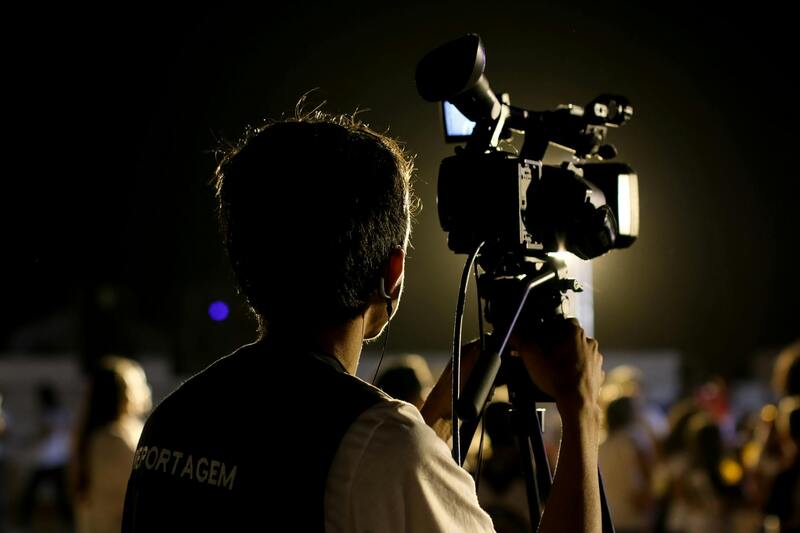
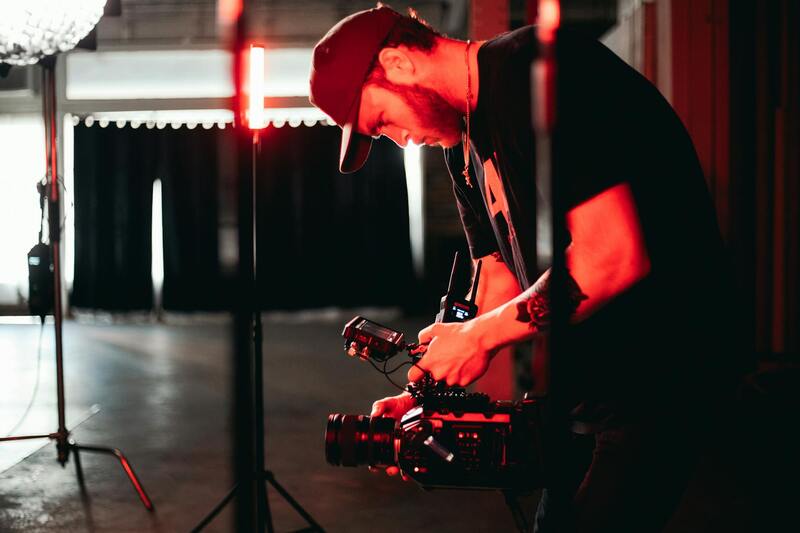
Ensuring a professional and uninterrupted live stream requires the deployment of advanced technologies and reliable equipment. High-definition cameras are fundamental, capturing clear visuals that keep virtual attendees engaged and provide a true representation of the event’s atmosphere. Camcorders and PTZ (pan-tilt-zoom) cameras enable versatile coverage and dynamic shots, essential for capturing speakers, panel sessions, and audience interactions.
Audio quality is equally critical; therefore, using professional-grade microphones, such as lavalier, shotgun, or boundary microphones, guarantees crisp and clear sound. Audio mixers can be employed to balance multiple sound sources, minimizing background noise and echo, which enhances the overall listening experience.
Streaming encoders act as the backbone of live broadcasts, converting raw audio and video signals into streams compatible with online platforms. Hardware encoders are preferred for their reliability and high performance, especially during large-scale conferences. Additionally, software encoders provide flexibility and cost-effectiveness for smaller events.
Stable internet connectivity via dedicated, high-bandwidth broadband connections minimizes buffering, latency, and potential interruptions. Redundant internet links or backup networks are advisable to ensure continuous broadcasting in case of primary connection failures.
Supporting infrastructure, such as portable lighting, adequate power supplies, and proper staging, further contributes to a seamless streaming experience. Proper setup and testing of all equipment before the event are crucial to troubleshoot potential issues proactively.
Technologies and Equipment for Seamless Streaming
Implementing a professional-grade conference live streaming setup relies heavily on the selection of appropriate technologies and equipment. High-quality hardware ensures that the broadcast maintains clarity, stability, and reliability, providing an engaging experience for remote viewers.
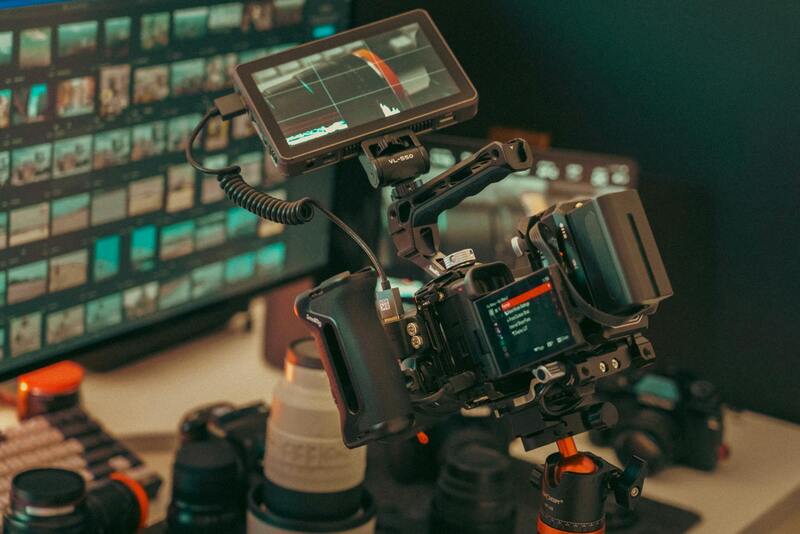
Central to a successful setup are professional cameras, such as PTZ (pan-tilt-zoom) models, which allow operators to dynamically capture different angles and focal points. These cameras facilitate smooth transitions between speakers and session segments, offering a cinematic quality to the stream. Pairing these with sturdy tripods and remote control systems enables flexibility and precision during live events.
Audio quality is equally critical with the deployment of microphones tailored for various scenarios. Lavalier microphones, worn by speakers, deliver consistent sound at close range, while shotgun microphones mounted on booms can capture audience reactions and panel discussions. Boundary microphones placed on tables or stages further enhance audio pickup in larger spaces. All audio sources should connect to a professional mixer, which balances sound levels and minimizes noise or echo, ensuring crystal-clear communication.
The backbone of live streaming is the encoder, a device that transcodes signals into a digital format suitable for broadcasting across online platforms. Hardware encoders are preferred for their robustness and lower latency, especially in large-scale conferences. Software encoders can serve smaller events effectively, offering flexibility and cost efficiency. These encoders integrate seamlessly with streaming platforms, providing options for multi-bitrate outputs that adapt to viewers’ internet speeds.
Reliable internet connectivity is paramount. Dedicated internet lines with high bandwidth capacities reduce buffering and latency, while redundant connections shield the stream from potential disruptions. Network routers configured for priority streaming traffic help maintain a steady signal. In addition, portable infrastructure such as lighting, staging, and power supplies should be optimized for optimal positioning and safety.
Pre-event testing of equipment and internet connections is essential. Running full dry-runs allows organizers and technical teams to identify and address potential issues, ensuring the actual broadcast proceeds smoothly. Utilizing professional-grade equipment combined with strategic infrastructure forms the foundation for a high-quality, seamless virtual conference experience.
Understanding Conference Live Streaming Services
Conference live streaming services provide a professional way to broadcast events across digital platforms, reaching global audiences in real-time. These services encompass a range of solutions designed to transmit high-quality audio and video content directly to viewers on desktops, tablets, and smartphones. They incorporate sophisticated technology and infrastructure to deliver seamless and engaging virtual experiences, ensuring that presentations, panels, keynotes, and interactive sessions are accessible in any location with an internet connection.
At the core, these services manage content encoding, multichannel broadcasting, and audience interaction, often integrating features such as live chat, Q&A sessions, and multimedia sharing. This comprehensive approach helps event organizers extend their reach without geographical limitations, increase attendee engagement, and provide valuable opportunities for networking and collaboration.
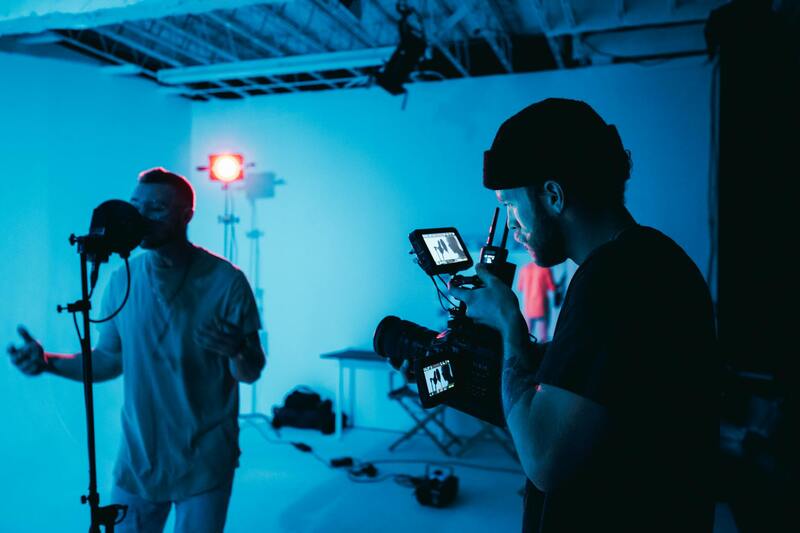
Utilizing the industry's best streaming protocols and secure content delivery networks (CDNs), conference live streaming ensures minimal latency and maximum reliability. These platforms are built with scalability in mind, supporting both small seminars and large-scale events with thousands of viewers, while maintaining crisp visuals and clear sound quality. Additionally, integrated analytics tools help organizers monitor viewer engagement, track attendance, and assess real-time feedback to optimize ongoing sessions.
Advantages of Using Live Streaming for Conferences
Deploying live streaming for conferences offers significant benefits, foremost being the ability to broaden event accessibility. Participants who cannot attend physically can still experience key moments and interact with presenters remotely, increasing overall participation and satisfaction. It also reduces logistical costs related to venue rental, travel, accommodation, and printed materials, leading to more efficient budget management.
Moreover, live streaming enhances content longevity; recorded sessions can be archived and made available on-demand for future reference. This flexibility benefits attendees who may wish to revisit specific presentations or share content with colleagues. Additionally, real-time streaming facilitates greater audience interaction through live polling and chat features, enriching the virtual experience and fostering a sense of community among dispersed participants.
Key Features of Effective Conference Streaming Platforms
- High-Definition Video Transmission: Ensures visual clarity, especially vital for detailed presentations and product demos.
- Stable and Scalable Infrastructure: Supports varied audience sizes without interruptions or buffering issues.
- Interactive Capabilities: Live Q&A, polling, and chat functions to promote engagement.
- Multi-Platform Compatibility: Compatibility across desktops, tablets, and smartphones for broad accessibility.
- Secure Content Delivery: Encrypted streaming to protect intellectual property and sensitive information.
- Analytics and Reporting: Tools to monitor viewer metrics and gather audience feedback.
Choosing a Conference Live Streaming Provider in Miami
When selecting a streaming provider in Miami, it’s vital to evaluate their technical expertise, industry reputation, and service portfolio. A reputable provider offers end-to-end solutions, from pre-event planning and equipment setup to real-time broadcasting and post-event analytics. Local providers can offer timely onsite support, ensuring that all technical elements function optimally during the event.
Consider providers that customize their services to meet specific event requirements, including production quality, audience engagement features, and budget constraints. It is also beneficial to review case studies or client testimonials to assess their capability in delivering successful virtual conferences. Ensuring transparent communication about costs, deliverables, and contingency planning can help establish a reliable partnership.
Technologies and Equipment for Seamless Streaming
Achieving a flawless streaming experience hinges on advanced technology and robust hardware. Professional-grade cameras with high-resolution capabilities capture clear visuals, while high-quality microphones and sound mixers ensure crisp audio. Encoder devices—whether hardware or software-based—convert raw signals into streamable formats suited for online platforms.
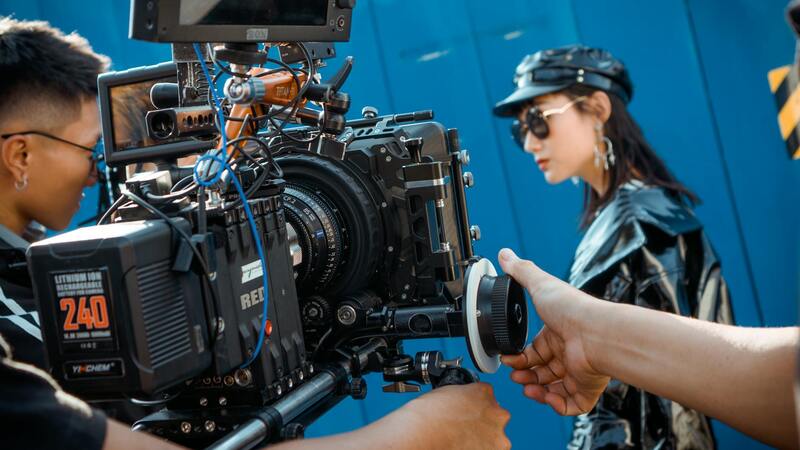
Networking hardware such as enterprise routers and dedicated internet lines are critical to prevent disruptions and minimize latency. Redundant connections and backup power supplies add layers of reliability. Additionally, lighting, staging, and environmental controls contribute to professional broadcast quality, enhancing the overall visual experience for remote viewers.
Best Practices for Producing a Virtual Conference
Effective virtual conference production involves meticulous planning and coordination. Conduct trial runs to test all technical components, including streaming hardware, internet connections, and platform functionalities. A designated technical team should monitor the broadcast continuously, addressing any issues promptly to ensure smooth transmission.
Pre-recorded content can be strategically integrated with live segments to maintain event pacing and manage technical challenges. Clear communication with speakers about presentation timing and technical requirements is essential. Implementing engaging visuals, synchronized slides, and multi-camera angles enhances viewer interest and professionalism. Post-event follow-up, including sharing recorded sessions and gathering feedback, provides additional value and insights for future events.
Cost Considerations for Conference Live Streaming
Budget planning for virtual conferences should encompass costs related to platform licensing, equipment rental or purchase, technical staffing, and pre- and post-event support. While premium services and advanced technology might entail higher expenses, they significantly improve broadcast quality and reliability, ensuring audiences have a satisfying experience. It's crucial to balance features and affordability, selecting a provider whose offerings align with the event’s scope and goals. Investing in quality streaming solutions ultimately maximizes audience engagement and the overall success of the conference, making it a worthwhile expense in today’s digital-focused environment.