Overview of Event Live Streaming Services
Event live streaming services have become an essential component for organizations and individuals looking to broadcast their events to a wider audience in real-time. These services utilize advanced video production and internet transmission technologies to broadcast live footage directly over the internet, allowing viewers to participate remotely. Whether hosting a corporate conference, wedding, concert, or seminar, live streaming provides an immediate and interactive way to connect with an audience beyond the physical venue.
Through professional live streaming platforms, event organizers can deliver high-quality video and audio content that maintains the professionalism and clarity required for diverse types of events. The purpose of these services extends beyond simple broadcasting; they are designed to enhance audience engagement, increase visibility, and expand the impact of an event by making it accessible to anyone with an internet connection. This method allows hosts to reach international audiences, boost attendance through virtual access, and provide on-demand content for future viewing purposes.

Implementing an event live streaming service involves a combination of specialized equipment, internet infrastructure, and professional expertise. It often includes multi-camera setups, high-definition video encoding, real-time editing, and reliable streaming platforms. These elements work together to ensure a smooth, high-quality broadcast capable of accommodating large online audiences without interruptions or significant delays.
The key advantage of choosing a legitimate and professionally managed live streaming service lies in the consistent quality, security, and adaptability they offer. Service providers typically deliver customizable solutions tailored to the specific nature and requirements of each event, ensuring that the broadcast aligns with the organizer’s goals and expectations.
In today’s digital age, the ability to host a successful live event extends well beyond physical attendance. Professional live streaming services serve as vital tools that enable event organizers to amplify their message, increase engagement, and build a broader community connection through innovative digital experiences.
Types of Events Suited for Live Streaming
Live streaming technology is versatile and adaptable, making it suitable for a wide range of event types. Recognizing the specific needs of each event category allows organizers to optimize the streaming experience for viewers and ensure engagement across various platforms.
Corporate Events and Conferences: These events often require professional live streaming to broadcast keynote speeches, panel discussions, product launches, and networking sessions to remote participants. High-quality audio-visual setups ensure clarity and professionalism, which are critical for maintaining brand reputation and stakeholder engagement.
Weddings and Social Celebrations: Live streams allow friends and family members who are unable to attend physically to share in the moment. Reliable streaming services can handle multiple camera angles and provide a seamless viewing experience, capturing the emotions and details of the celebration.
Educational Seminars and Workshops: Educational institutions and trainers leverage live streaming to reach broader audiences beyond physical classrooms. Interactive features such as Q&A sessions, polls, and chat functions enhance participant engagement and make remote learning more dynamic.
Music Festivals and Cultural Events: These events attract large crowds both physically and virtually. High-definition streaming combined with multi-camera angles captures performances from different perspectives, providing immersive experiences to global audiences.
Sports Events and Competitions: From local tournaments to larger leagues, live streaming makes it possible to broadcast games and competitions live, expanding audience reach and enabling real-time interaction with viewers. Advanced streaming solutions ensure minimal latency and high-quality visuals critical for sports.
Key Features to Consider in a Live Streaming Service
When selecting an event live streaming service, certain features are instrumental in delivering a professional and engaging experience. These features address technical quality, audience interaction, and operational efficiency.
- Multi-Camera Support: The ability to manage multiple camera feeds allows for dynamic perspectives, making the broadcast more engaging and professional.
- High-Definition Video Quality: HD streaming ensures clear visuals, essential for visual-heavy events like fashion shows, concerts, or corporate presentations.
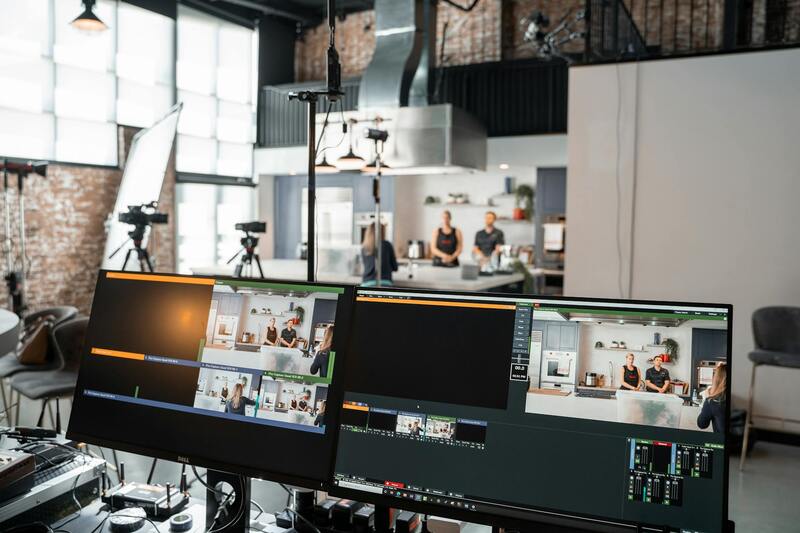
- Real-Time Editing and Switching: Seamless transitions between cameras and on-screen elements enhance broadcast flow and viewer experience.
- Interaction Features: Live chat, Q&A, polls, and social media integration foster audience engagement and participation.
- Reliable CDN and Infrastructure: Content Delivery Networks (CDNs) distribute the stream efficiently, minimizing buffering and lag, especially during high traffic periods.
- Security Measures: Secure login, encryption, and anti-piracy features protect content and ensure a secure viewing environment.
- Analytics and Reporting: Data collection on viewer metrics and engagement helps organizers optimize future events and understand audience preferences.
Overview of Event Live Streaming Services
Event live streaming services have become essential tools for extending the reach and impact of various gatherings, ranging from corporate meetings to entertainment festivals. These services leverage advanced broadcasting technologies to deliver real-time video content to audiences around the globe, allowing organizers to connect with viewers irrespective of location. The core of an effective live streaming setup involves utilizing professional-grade cameras, robust internet infrastructures, and specialized streaming platforms capable of handling high volumes of concurrent viewers. Many providers offer tailored solutions that cater to different event types, ensuring optimal quality, security, and viewer engagement.

Stream quality and stability are pivotal, particularly for large-scale or high-profile events. Selecting a service that supports multiple camera angles, HD resolution, and real-time editing ensures that the broadcast remains engaging and visually appealing. Integration with social media and audience interaction tools helps foster participation, transforming passive viewers into active attendees. Providers also offer analytics and reporting features that deliver insights into viewer behavior, engagement levels, and content performance, empowering event organizers with data-driven decision-making capabilities.
Benefits of Live Streaming for Events
Implementing live streaming for events unlocks numerous advantages that significantly enhance outreach and engagement. By broadcasting events live, organizers can massively expand their audience, transcending geographical barriers and time zone limitations. This inclusivity not only amplifies event visibility but also paves the way for increased participation and sponsorship opportunities. Additionally, live streaming creates a sense of immediacy and excitement, fostering a more immersive experience for viewers.
From a logistical standpoint, virtual attendance reduces costs associated with physical venue arrangements, travel, and accommodations. It also offers planners valuable insights through detailed viewer analytics, helping refine future events. Moreover, live streaming acts as a scalable communication method that can adapt to various event formats—be it conferences, product launches, concerts, or social gatherings—making it a versatile solution for diverse organizational needs.
Audience Engagement and Reach
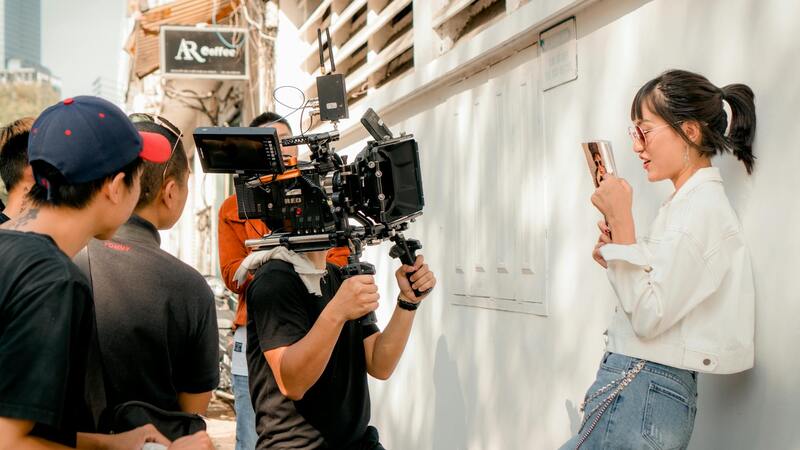
One of the foremost advantages of live streaming is the ability to engage audiences in real-time. Features such as live chat, polling, and social media integration create opportunities for direct interaction, making viewers feel more involved. These tools enable organizers to address questions instantly, gauge audience reactions, and foster a sense of community. Furthermore, the global accessibility of live streams opens up opportunities to reach international audiences, diversify attendee profiles, and extend the lifespan of the event content through recorded replays and highlight reels.
Enhanced Content Delivery
High-quality visuals and seamless streaming are vital for maintaining viewer interest. Advanced streaming platforms support multiple camera feeds, high-definition video, and professional switching capabilities, which collectively contribute to a dynamic viewing experience. During broadcasts, real-time editing and switching between perspectives add cinematic depth, enhancing the overall presentation. For high-stakes events such as sports and award shows, crisp visuals and reliable delivery are non-negotiable, emphasizing the importance of choosing a service with robust infrastructure and technical expertise.
Operational Efficiency and Data Insights
Strategically implementing live streaming can streamline event operations by reducing physical dependency and resource expenditure. Simultaneously, access to comprehensive analytics allows organizers to understand viewer demographics, engagement patterns, and content preferences. These insights are instrumental for marketing, content customization, and planning future events, ensuring ongoing improvements in quality and audience satisfaction.
Technical Aspects and Equipment Needed
Implementing a successful live streaming event demands a comprehensive understanding of the technical components that contribute to high-quality broadcast delivery. Ensuring smooth, reliable streaming requires investing in the right hardware and software to capture, encode, and transmit your content effectively.
Cameras and Video Equipment
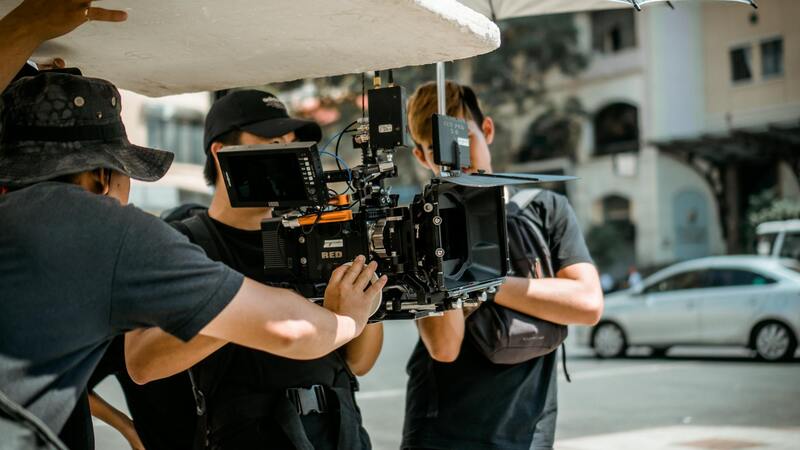
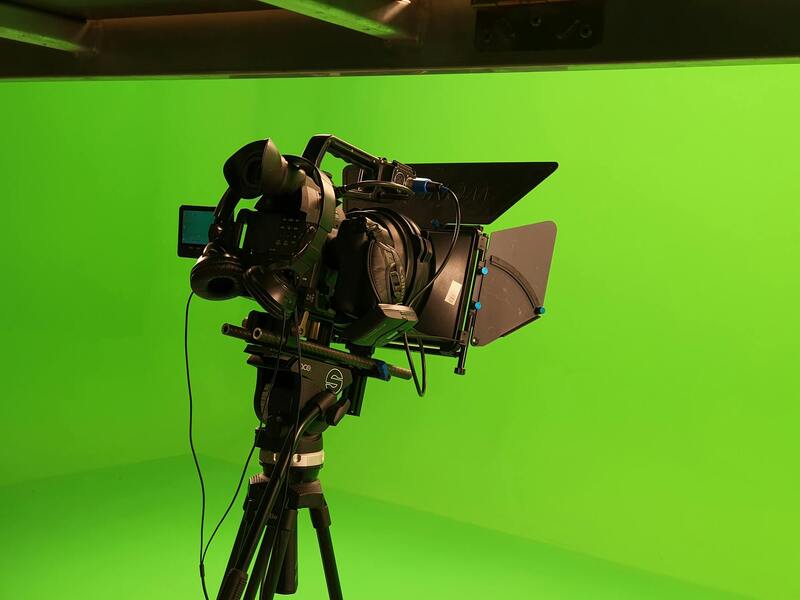
The backbone of any professional live stream is the camera setup. High-definition cameras are essential to capture clear, sharp visuals that engage viewers. Depending on the event's scale and dynamics, multiple cameras allow for varied angles and perspectives, creating a more immersive experience. For example, remote-controlled PTZ (Pan-Tilt-Zoom) cameras are popular for their flexibility and ability to cover large venues without extensive cabling. Tripods, stabilizers, and proper lighting are also crucial to maximize visual quality and ensure seamless coverage.
Audio Devices
Audio quality significantly impacts viewer satisfaction. Lavalier microphones, handheld mics, and in-ear monitors are common choices to capture speech clearly. Mixing consoles and audio interfaces help balance multiple audio sources, reduce background noise, and optimize sound levels for broadcast. High-quality microphones paired with soundproofing measures at the venue can dramatically improve clarity, making sure your audience hears every word distinctly.
Encoding and Streaming Hardware
At the core of the live streaming process are encoders—devices or software that convert raw video and audio signals into digital streams suitable for online transmission. Hardware encoders are preferred for their robustness and minimal latency, especially for larger events. They support multiple input sources, adaptive bitrate streaming, and real-time encoding to ensure a consistent viewer experience across diverse devices and internet speeds.
Internet Connectivity and Bandwidth
A reliable internet connection is paramount. For most events, a dedicated high-speed ethernet connection with sufficient upload bandwidth is recommended to prevent buffering and ensure uninterrupted streams. Some organizers utilize bonded internet solutions—combining multiple internet sources— to bolster bandwidth and provide redundancy. Testing internet stability beforehand is vital to avoid disruptions during live broadcasts. Additionally, network security measures, such as firewalls and VPNs, protect against unauthorized access and data breaches.
Streaming Platforms and Software
Choosing the right streaming platform or software is integral to managing the broadcast effectively. Features like multi-camera switching, real-time graphics, chat moderation, and audience interaction tools enhance the viewer experience. Professional-grade software solutions support integration with social media, custom branding, and analytics tracking, allowing organizers to tailor the content to their audience while monitoring engagement during live transmission.
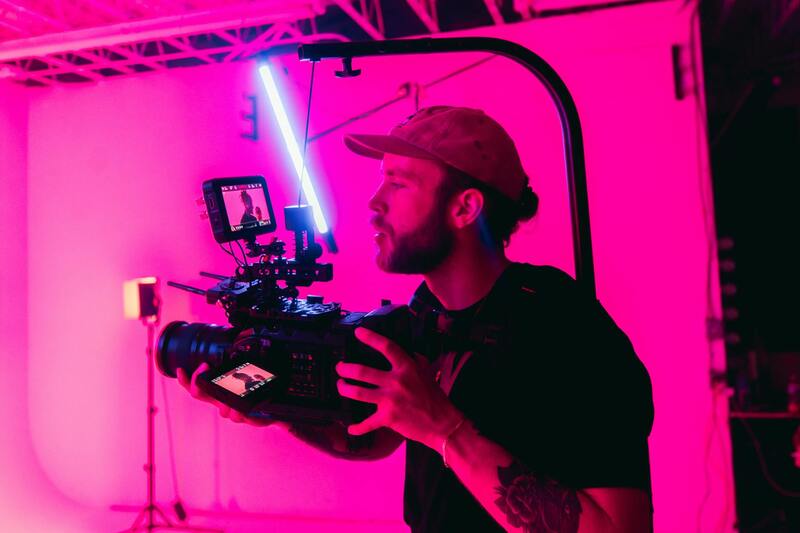
Combining these technical elements with meticulous planning and testing allows event organizers to deliver compelling live streams that meet the expectations of diverse audience segments. Collaborating with experienced technical professionals or dedicated service providers can further streamline the process, ensuring that your event's digital presentation is both professional and engaging.
Technical Aspects and Equipment Needed for Effective Event Live Streaming
To ensure a seamless live streaming experience at your event, meticulous planning of technical setup and equipment is essential. The primary components include high-quality cameras, reliable encoders, stable internet connections, and professional audio equipment. Each element plays a crucial role in delivering a broadcast that is clear, engaging, and free of disruptions.
Essential Equipment for Live Streaming
- Cameras: Investment in professional-grade cameras capable of high-definition output ensures sharp visuals. Multiple camera angles can add depth and professionalism, especially for large or complex events.
- Encoding Devices: Encoders convert the audiovisual signals into a streamable format. Hardware encoders are often preferred for their stability and lower latency compared to software solutions.
- Audio Equipment: Clear audio is vital for audience engagement. Use high-quality microphones tailored to the event type—such as lavalier, shotgun, or handheld mics—and ensure proper audio mixing.
- Internet Connection: A dedicated, high-speed connection with significant upload bandwidth is critical. Consider bonded internet solutions that combine multiple sources to enhance reliability and prevent buffering during the stream.
- Lighting: Proper lighting enhances video quality, especially in indoor venues or areas with variable lighting conditions.
Additional Technical Enhancements
Implementing professional switching software allows dynamic switching between camera feeds, adding graphics, overlays, and real-time captions. Additionally, utilizing backup power supplies and redundant internet connections can mitigate unexpected failures, maintaining continuous broadcast even in unforeseen circumstances.
Preparation and Testing
Rehearsing the setup before the event ensures that all equipment functions correctly and that the internet connection remains stable throughout. Conducting test streams to the chosen platform helps identify potential issues, allowing for adjustments prior to the actual event. Engaging experienced technical professionals for the setup can significantly improve the overall quality of the live stream, providing peace of mind during the event.
Overview of Event Live Streaming Services
Event live streaming services have transformed the way organizers share their moments with audiences across the globe. These services enable real-time broadcasting of a wide range of events, from corporate meetings and conferences to weddings and community gatherings. Employing professional-grade technology and infrastructure, reputable live streaming providers ensure seamless transmission, high-quality visuals, and crisp audio, making viewers feel as though they are physically present at the event. The core advantage lies in extending reach beyond geographical constraints, fostering engagement with remote audiences, and creating opportunities for wider exposure. When selecting an event live streaming service, it is essential to evaluate the provider’s technical capabilities, reliability, customization options, and experience in handling similar events, ensuring an impeccable broadcast experience that aligns with the event's objectives.
Benefits of Live Streaming for Events
- Increased Audience Reach: Live streaming allows event organizers to connect with a broader demographic, including remote attendees, international viewers, and those unable to attend in person.
- Enhanced Engagement: Interactive features such as live chat, Q&A sessions, polls, and instant feedback foster a participative atmosphere and increase viewer involvement.
- Cost-Effective Administration: Streamlining registration, ticketing, and viewing facilitation through digital platforms reduces costs associated with physical setups and logistics.
- Content Longevity: Recorded streams can be repurposed for promotional content, training, or future marketing efforts, extending the event's impact.
- Data Collection and Analytics: Detailed viewer metrics can be gathered, providing insights into audience behavior, preferences, and engagement levels for future strategic planning.
Types of Events Suited for Live Streaming
Various event categories greatly benefit from live streaming, including:
- Conferences and Seminars: Facilitates participation from attendees around the world, allowing for real-time presentations, keynote speeches, and panel discussions.
- Corporate Events and Meetings: Ensures remote team members stay informed, participate in strategic sessions, or witness product launches firsthand.
- Weddings and Personal Celebrations: Shares special moments with friends and family who cannot attend physically, creating lasting memories.
- Performances and Cultural Events: Broadens audience reach for concerts, theater performances, art exhibitions, and festivals.
- Educational Workshops and Classes: Supports remote learning, enabling learners to participate actively regardless of their location.

Key Features to Consider in a Live Streaming Service
When selecting an event live streaming service, several crucial features contribute to a successful broadcast:
- Video Quality: Support for HD and 4K resolutions ensures sharp, clear visuals across devices.
- Audio Clarity: Use of high-fidelity microphones and audio mixing capabilities guarantees pristine sound quality.
- Platform Compatibility: Compatibility with popular streaming platforms and customizable embedded players enhances accessibility.
- Interactive Tools: Features such as real-time chat, Q&A, polls, and viewer engagement analytics make the stream more dynamic.
- Reliability and Uptime: Redundant server infrastructure and backup internet options prevent stream interruptions.
- Security Measures: Encryption, access controls, and digital rights management protect content from unauthorized use.
- Customization Options: Ability to tailor branding, overlays, and interface to match event identity.
- Technical Support: Dedicated customer service, on-site technicians, and rapid troubleshooting ensure smooth operation.
Choosing a Local Live Streaming Provider in Miami
For optimal results, partnering with a Miami-based live streaming service provider offers distinct advantages. Local providers have in-depth knowledge of regional infrastructure, venues, and technical requirements, enabling them to customize solutions that seamlessly integrate with your event. They can provide on-site technical support, ensuring proper setup and testing, while also offering flexible scheduling to accommodate last-minute adjustments. Selecting an established provider with a proven track record in handling various event types ensures that your live stream meets high standards of quality and reliability, delivering an engaging experience for your remote audience. By working with professionals familiar with Miami’s event environment, organizers can expect tailored services that address specific logistical and technical challenges, ultimately enhancing audience satisfaction and event impact.
Technical Aspects and Equipment Needed for Live Streaming
Executing a high-quality live stream hinges on the right combination of technical components and reliable equipment. Ensuring a seamless broadcast requires commitment to detail in setup, from camera placement to internet connectivity. Here are essential technical considerations:
Camera Solutions
The choice of cameras impacts video quality, flexibility, and ease of operation. Professional-grade cameras with HD or 4K resolution provide crisp visuals essential for engaging viewers. Depending on the event scale, multiple cameras can be used to capture different angles, providing a dynamic viewing experience. Remote-controlled PTZ (pan-tilt-zoom) cameras can be employed for larger venues, offering smooth movement without requiring a large technical crew.
Audiovisual Equipment
Sound quality is equally critical. Utilizing high-quality microphones and audio mixers ensures your audience hears clear, synchronized sound without interference. Wireless microphones are suitable for dynamic performances or speeches, while lapel mics offer discreet options for speakers. Audio feeds should be integrated into the streaming setup with proper mixing to balance levels and prevent distortion.
Encoding and Streaming Hardware
Encoding devices are the bridge between your cameras and the live streaming platform. Modern hardware encoders compress video streams for transmission over the internet efficiently. These devices can handle multiple video inputs and are rendered with features like real-time transcoding, ensuring compatibility across multiple viewing devices.
Reliable Internet Connection
The backbone of any live streaming effort is a stable, high-bandwidth internet connection. Preferably, using dedicated fiber optic lines or bonded internet connections minimizes the risk of disruptions. Upload speeds should be at least 10 Mbps for HD streams, with higher bandwidth needed for 4K content. Redundant internet options, such as backup LTE connections, can provide additional security against connectivity lapses.
Additional Equipment and Accessories
- Tripods and Stabilizers: To keep cameras steady and eliminate shaky footage.
- Lighting: Proper lighting enhances image clarity, reduces shadows, and creates the right ambiance.
- Switchers and Mixers: For switching between multiple camera feeds smoothly.
- Monitors: To allow camera operators and technical staff to view feeds in real-time for quality control.
Testing and Rehearsals
Before the live event, comprehensive testing of all equipment and internet stability is crucial. Run rehearsals to identify potential technical issues, coordinate camera shots, and fine-tune audio settings. Proper preparation avoids unforeseen problems during the actual broadcast.
Investing in quality equipment and thorough testing are foundational steps to deliver a professional, engaging live stream. With the right technical setup, event organizers can significantly enhance viewer experience, turning remote spectators into captivated participants.
Ensuring Officiated and Reliable Live Streaming Methods
When selecting an event live streaming service, relying on official and reputable delivery channels guarantees both the quality and security of your broadcast. These methods leverage proven technology infrastructure, extensive network partnerships, and adherence to industry standards to provide consistent, high-quality streams to your audience. Using established platforms and service providers ensures your event reaches viewers without interruptions, while also facilitating smooth integration of additional features such as interactive chat, real-time analytics, and multi-platform compatibility.
Utilizing Content Delivery Networks (CDNs)
One of the most vital components of a legitimate streaming setup is the use of Content Delivery Networks (CDNs). These networks distribute your live stream across multiple server nodes globally, minimizing latency and buffering issues regardless of where viewers are located. CDNs also enhance security, protect content from unauthorized access, and handle large viewer loads efficiently. Trusted CDN providers often partner with well-known streaming platforms to ensure you receive dependable service with minimal downtime.
Engaging Certified Streaming Platforms
Many recognized streaming services offer specialized packages designed for events, providing end-to-end solutions that include encoding, hosting, and playback. These platforms are built on robust infrastructure and are compliant with industry standards, making them preferred choices for official event streaming. They typically include features such as multi-language support, adaptive bitrate streaming, and detailed viewer analytics, offering a comprehensive solution for event organizers seeking seamless delivery.
Secure Streaming Protocols
Implementing official secure streaming protocols, such as Hypertext Transfer Protocol Secure (HTTPS) or Secure Reliable Transport (SRT), helps protect your content from unauthorized access or interference. These protocols encrypt data streams, ensuring viewer privacy and preventing malicious activity. Moreover, they support reliable delivery, even in environments with fluctuating network conditions, maintaining a high standard of service for your audience.
Leveraging License-Approved Third-Party Integrations
In addition to primary streaming channels, utilizing licensed third-party services can enhance your event's production quality. For instance, integrating with well-established live chat modules, moderation tools, or real-time captioning services through authorized platforms provides a more interactive experience while maintaining security standards. These official integrations are designed to work seamlessly with streaming protocols, delivering a professional and trustworthy presentation.
Best Practices for Maintaining a Secure and High-Quality Stream
- Ensure all streaming hardware and software are up-to-date with the latest firmware and security patches.
- Use strong, unique passwords and multi-factor authentication for access to streaming accounts and control panels.
- Conduct thorough pre-event testing using off-site and onsite equipment to verify connection stability and stream quality.
- Maintain backup internet connections and redundant streaming hardware to prevent unexpected failures.
- Employ encryption methods during the streaming process to guard against unauthorized access or piracy.
- Work exclusively with established, reputable service providers that comply with industry standards for digital content delivery.
Additional Equipment and Technical Considerations
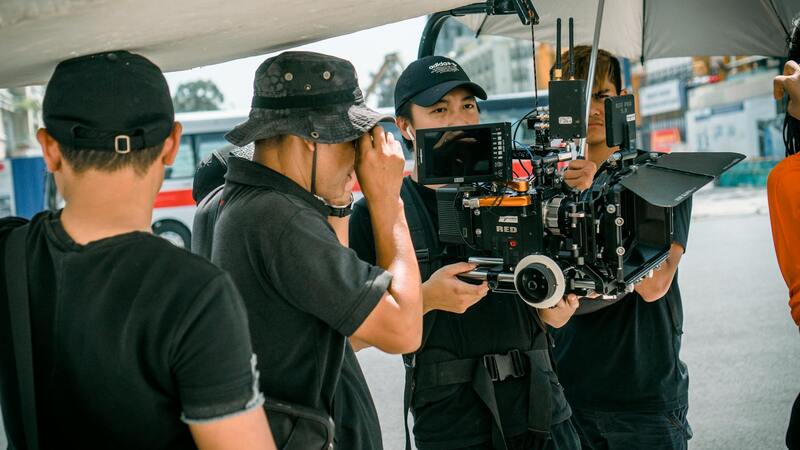
Besides the streaming platform itself, utilizing official, high-quality equipment enhances overall reliability. This includes professional-grade cameras, encoders from certified vendors, and trusted audio devices, all compatible with the streaming provider’s infrastructure. Maintaining a dedicated control room with monitored feeds, clear audio, and stabilized video ensures your broadcast meets professional standards. Regular maintenance and testing of all equipment are vital to avoid disruptions during live transmissions.
In summary, choosing official, legitimate methods for event live streaming—such as reputable CDN services, certified streaming platforms, and secure protocols—builds a foundation of trust and quality. This approach not only improves viewer experience but also safeguards your event’s digital assets and reputation, turning your live stream into a professional, well-hosted broadcast accessible to audiences worldwide.