Overview of Live Webcasting Services
Live webcasting services have revolutionized the way events are shared and experienced online. These services enable real-time streaming of live events over the internet, allowing viewers from any location to witness important moments without presence at the venue. By harnessing advanced broadcasting technology, organizations and event organizers can reach a broader audience, engage viewers more effectively, and deliver a seamless viewing experience.
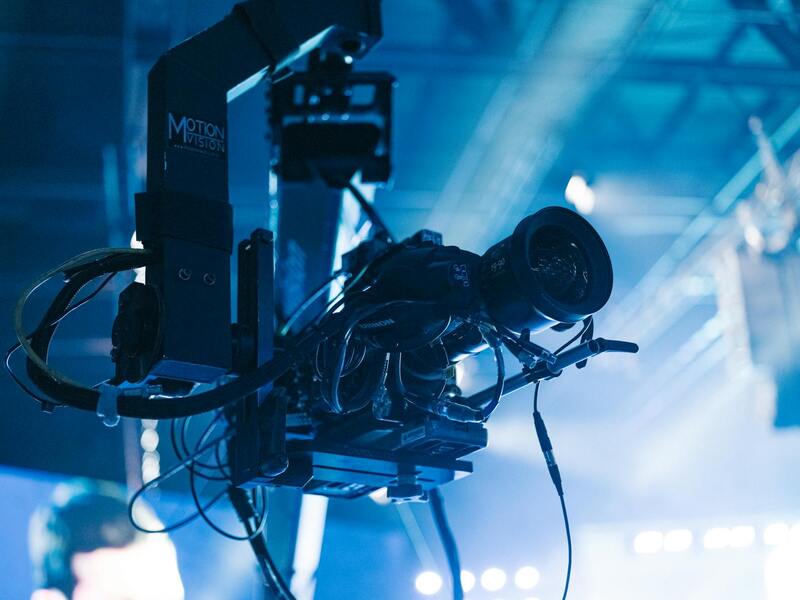
At its core, live webcasting involves capturing video and audio from an event, transmitting it via high-speed internet, and displaying it on digital platforms accessible to viewers. This process requires specialized equipment, including professional cameras, encoders, and robust streaming servers. The outcome is a professional, high-quality broadcast that replicates the experience of attending in person.
In today’s digital landscape, live webcasting serves as a vital communication tool across industries such as corporate, education, entertainment, and religious organizations. It ensures that critical content, announcements, celebrations, and conferences reach a global audience instantly. The importance of live streaming has increased exponentially amid the rising trend of remote engagement, especially during times when physical gatherings are limited or impractical.
Implementing professional webcasting solutions involves combining reliable technology, strategic planning, and experienced personnel to deliver uninterrupted streams. The services also include features like multi-camera production, live chat, interactive elements, and multiple viewing options, all contributing to an engaging online event experience. As a result, live webcasting has become an indispensable part of modern event planning and communication strategies, especially for entities looking to enhance their outreach and interact more dynamically with their audience.
Benefits of Live Webcasting for Miami Entities
Miami’s vibrant business environment, diverse cultural scene, and active community organizations greatly benefit from professional live webcasting services. By leveraging these solutions, local institutions and companies can dramatically expand their outreach and engagement capabilities.
One of the primary advantages is the significant increase in event accessibility. Whether a corporate seminar, a citywide festival, or a charitable gala, live webcasting ensures that audiences around the globe—regardless of geographic or physical limitations—can participate in real-time. This global accessibility not only broadens the event’s visibility but also enhances the potential for increased attendance and interaction.
Engagement levels are substantially elevated through interactive live streaming features. Viewers can participate via live chat, polls, or Q&A segments, creating a dynamic environment that mirrors in-person experiences. This active participation fosters a stronger connection between the event organizers and their audience, encouraging ongoing engagement and social sharing.
Cost efficiency is another compelling benefit. Hosting events with traditional in-person attendance often involves substantial expenses—venue rentals, accommodation, transportation, and logistics. Webcasting significantly reduces these costs by enabling remote viewing while maintaining high production standards. Moreover, replays of streamed events can be utilized for later outreach, marketing, or educational purposes, maximizing the value of the initial investment.
From a strategic communications standpoint, live webcasting allows Miami organizations to tailor their message to diverse demographic groups effectively. It facilitates targeted outreach, helps in crisis communication, and supports branding initiatives by providing a professional platform for delivering content seamlessly to a broad audience.
Additionally, for educational institutions and religious organizations, webcasting opens avenues for virtual participation, ensuring that vital content reaches members unable to attend physically. This inclusiveness enhances community cohesion while amplifying the event's impact.

Overall, the integration of professional webcasting services into Miami’s event landscape fosters innovation, expands reach, and creates memorable experiences for both organizers and audiences. As digital consumption continues to grow, the strategic use of live webcasting becomes indispensable for staying competitive and relevant in today’s fast-paced environment.
Ensuring Broadcast Integrity Through Official Live Webcasting Methods
For organizations in Miami aiming to deliver their events through live webcasting, choosing official and well-established methods of streaming is crucial to guarantee a seamless and professional experience. The foundation of legitimate webcasting involves utilizing robust platforms and tools that are designed specifically for high-quality live transmission. These include licensed streaming services that comply with industry standards, provide reliable bandwidth, and support features such as multi-camera feeds, real-time chat, and analytics tracking.
Official webcasting methods often involve partnerships with reputable service providers who possess the necessary infrastructure, licenses, and technical expertise. Such partnerships ensure that your event is broadcasted with minimal disruptions, with features like adaptive streaming to accommodate viewers with different internet speeds, and copyright-appropriate content delivery.
When selecting suitable streaming platforms, consider services that offer secure connections through end-to-end encryption, which safeguards the integrity of the broadcast, and user authentication options to control access. It’s essential to verify that the service provider adheres to standard protocols for data protection and has a track record of consistent performance during live events.

Technical setup plays a vital role in adhering to legitimate broadcasting practices. This involves utilizing licensed streaming software, professional-grade video equipment, and stable internet connectivity. For larger events, leveraging dedicated servers or CDN (Content Delivery Network) providers helps optimize delivery speed, reduce latency, and handle high viewership volumes effectively.
It is equally important to ensure the content being broadcast complies with copyright and intellectual property laws. Using licensed music, graphics, and video clips, and obtaining necessary permissions beforehand, maintains the event’s integrity and avoids legal complications.
In terms of method, official webcasting involves several well-accepted practices, including:
- Utilizing recognized streaming platforms like Vimeo Livestream, YouTube Live, or specialized enterprise solutions which are authorized to transmit high-quality content.
- Employing professional encoding hardware or licensed streaming software that transmits high-definition video feeds.
- Implementing multi-layered security features such as secure tokens and user authentication to restrict access to authorized viewers only.
- Ensuring redundancy by preparing backup internet connections and secondary streams to mitigate potential technical failures during the broadcast.
Choosing methods aligned with these practices guarantees that live webcasting sessions meet professional standards, are legally compliant, and deliver excellent viewer experiences. Miami-based organizations and event organizers should prioritize working with providers and platforms known for their adherence to these tested, official streaming methods, ensuring their content reaches audiences reliably and securely.
Technical Aspects of Live Webcasting
Executing a successful live webcasting event in Miami hinges on several critical technical components that ensure seamless streaming performance and high-quality viewer experiences. Key among these are the encoding software or hardware, bandwidth management, and content delivery infrastructure. Reliable encoding hardware, such as professional-grade encoders or licensed streaming software, converts high-definition video feeds into optimized formats suitable for internet transmission. These tools support multiple input sources, enabling comprehensive production elements like live camera feeds, graphics, and overlays to be integrated into the broadcast.
Bandwidth and internet stability are fundamental to maintaining uninterrupted streams, especially when broadcasting in high definition or during large events with substantial viewer engagement. A dedicated, high-capacity internet connection minimizes latency and buffering issues, providing a smooth viewing experience. Implementing backup internet connections and redundant streaming paths can serve as safeguards against unforeseen connectivity failures.

Content delivery networks (CDNs) play a pivotal role in distributing webcasting content efficiently across diverse geographic locations. These networks distribute streaming data to multiple servers closer to viewers, reducing latency and buffering. For Miami-based events catering to a local or international audience, partnering with webcasting providers that utilize top-tier CDNs ensures optimal delivery speed and stability.
Content security measures are equally vital, especially for proprietary or sensitive content. Incorporating secure tokens, access controls, and encrypted transmission protocols safeguards the broadcast from unauthorized access. Additionally, implementing multi-tiered security features, including user authentication and geo-restrictions, helps maintain control over who views the webcast.
Technical teams must meticulously plan for potential disruptions by establishing backup streams and contingency plans. This includes pre-configuring secondary streams that automatically activate if the primary stream experiences issues, thereby preserving continuous content delivery.
Overall, the integration of advanced encoding solutions, dedicated bandwidth, sophisticated content delivery infrastructures, and security protocols form the backbone of high-quality live webcasting. Ensuring that these technical parameters are met aligns with professional standards, providing Miami organizations with reliable, secure, and engaging virtual event experiences.
Technical Aspects of Live Webcasting
Effective live webcasting hinges on several critical technical components that together ensure a seamless viewing experience for audiences. A key element is the encoding process, which involves converting raw video and audio signals into a digital format compatible with streaming platforms. Professional-grade encoders are designed to optimize this process by providing high-quality output, reducing latency, and offering real-time adjustments to maintain stability during the broadcast.
Network stability and bandwidth allocation are fundamental to successful webcasting. Providers utilize dedicated internet connections and optimized networking infrastructure to handle large data transfers without interruption. Content delivery networks (CDNs) distribute the stream efficiently worldwide, minimizing buffering and delays—especially important for Miami-based audiences with diverse geographic locations.

For optimal performance, technical teams employ multi-bitrate streaming, allowing automatic adaptation to viewers’ internet speeds. This technique delivers multiple versions of the same stream at different qualities, and viewers’ devices dynamically select the best possible version, ensuring continuous playback regardless of network conditions.
Synchronization between video and audio streams is another vital technical consideration. Professional webcasting services synchronize multiple audio channels and video feeds, providing a cohesive viewing experience that mimics a live, on-site event. This is particularly crucial for meetings, conferences, and religious services where clear communication is essential.
In addition to live feeds, many providers offer integrated chat functionality, real-time Q&A, and interactive features to enhance audience engagement. These features require sophisticated backend technology to support simultaneous interactions without impacting stream quality.
To safeguard the quality and security of the broadcast, reliable content management systems are employed, facilitating stream control, access restrictions, and monitoring. Backup systems and redundant streaming pathways are also essential to mitigate issues such as hardware failures or network disruptions, ensuring continuous content delivery.
Effective webcasting in Miami demands advanced technical integration encompassing encoding, networking, synchronization, and security measures. When executed properly, these elements combine to deliver broadcasts that are not only high in quality but also resilient, secure, and engaging for remote audiences.
Technical Aspects of Live Webcasting
Successful live webcasting relies on a combination of advanced technological components that work seamlessly to deliver a high-quality streaming experience. Central to this process is robust internet bandwidth, which must be capable of supporting the volume of data transmitted during the broadcast. Insufficient bandwidth can result in buffering, lowered video quality, or interrupted streams, diminishing the viewer experience and undermining the event's professionalism.
Streaming platforms are another critical element, providing the infrastructure for encoding, distribution, and playback of live content. Choosing a reliable platform ensures compatibility across various devices and browsers, minimizing potential technical issues during the event. These platforms often include features such as adaptive bitrate streaming, which adjusts video quality based on viewers' internet speeds, ensuring smoother viewing experiences.

Encoding equipment, such as professional-grade hardware encoders or software solutions, converts raw video feeds into compressed formats suitable for streaming. Proper encoding settings are essential to balance quality and bandwidth usage, especially when supporting multiple resolutions or interactive features. Security measures, including encryption and access controls, protect sensitive content from unauthorized viewing or tampering, which is crucial for corporate meetings, private events, and other confidential broadcasts.
Network redundancy and backup pathways are implemented to minimize disruptions. Redundant internet connections or secondary streaming routes enable seamless transition in case of primary feed failure, ensuring uninterrupted content delivery. Additionally, content delivery networks (CDNs) distribute the stream across multiple servers worldwide, reducing latency and buffering issues for viewers regardless of their geographic location.
Cost Factors and Budgeting
The expenses associated with live webcasting services can vary widely, influenced by multiple technical and service quality considerations. Factors such as the complexity of the event, desired video quality, interactive features, and the level of security required all contribute to the overall cost. Basic streaming may be grouped into affordable packages suitable for smaller events, while larger, international broadcasts with advanced features tend to require more substantial investment.
In addition to platform fees, costs may include equipment rentals or purchases, technical staffing, and post-production services for event enhancement. It's important to work closely with service providers to define specific needs and establish budgets that align with your event goals. Proper planning ensures a professional presentation without exceeding financial resources.
Future Trends in Webcasting Services
Advancements in streaming technology are continually shaping the landscape of live webcasting. Emerging trends include the integration of artificial intelligence for improved content customization, real-time translation, and automated camera control, which enhances viewer engagement and accessibility. Virtual and augmented reality experiences are also beginning to be incorporated, providing immersive environments for remote attendees.
Furthermore, the adoption of 5G networks promises to drastically improve streaming speeds and reliability, allowing for higher-resolution content and more complex interactive features without latency concerns. As these technologies evolve, businesses and organizations in Miami will have greater opportunities to create dynamic, engaging, and seamless live events that extend their reach and impact.
Technical Aspects of Live Webcasting
Implementing successful live webcasting involves a complex combination of hardware, software, and network infrastructure. High-quality streaming depends on reliable encoding devices that capture and transmit video and audio signals seamlessly. Encoders convert raw footage into web-friendly formats, ensuring optimal balance between quality and bandwidth efficiency. Professional-grade cameras and sound equipment contribute significantly to the clarity and professionalism of the broadcast, especially for high-profile events such as conferences, corporate meetings, or entertainment performances.

Stable and high-speed internet connections are indispensable, particularly in densely populated Miami venues where network congestion can hinder streaming quality. Service providers often utilize dedicated broadband lines or bonded internet connections to mitigate potential disruptions. Content delivery networks (CDNs) play a vital role by distributing the stream across multiple servers, decreasing latency and buffering times, and ensuring viewers worldwide receive a smooth viewing experience.
On the software side, robust streaming platforms provide functionalities such as multi-camera switching, real-time graphics, touchscreen control, and audience interaction tools. These features elevate the viewer experience by making broadcasts more dynamic and engaging. Additionally, video analytics tools embedded within streaming software enable hosts to monitor viewer engagement levels, adjust content in real-time, and gather data for post-event analysis.
Network and Security Considerations
Securing live webcasts is a critical component, especially when dealing with sensitive content or private corporate events. Encryption protocols such as Secure Sockets Layer (SSL) and Transport Layer Security (TLS) protect data during transmission. Virtual Private Networks (VPNs) and firewalls further safeguard the streaming infrastructure from unauthorized access.
Implementing redundancy measures is essential for avoiding downtime. This can include backup internet connections, duplicate encoders, and failover systems that automatically switch sources if a primary component experiences issues. Ensuring these redundancies operate flawlessly is fundamental for maintaining continuous broadcasts under all circumstances.
Preparing for Interactive Engagement
Interactivity enhances viewer satisfaction and strengthens the connection between event organizers and remote audiences. Features such as live chat, Q&A sessions, polls, and social media integration are commonly incorporated into webcasting solutions. These functionalities require dedicated platforms or integrated tools that can handle high volumes of concurrent interactions without impacting stream stability.
Furthermore, for events that demand translation or closed captioning, integrations with AI-powered transcription and language processing services are utilized to provide accessible content to diverse audiences. This not only broadens reach but also fosters inclusivity and engagement across different demographic groups.
Compliance and Quality Assurance
Meeting regulatory standards for content distribution is vital, particularly when broadcasting in various jurisdictions. Protocols related to copyright, privacy, and data protection must be adhered to, ensuring legal compliance and safeguarding organizational reputation. Pre-broadcast testing, rehearsals, and quality checks are standard practices to identify potential issues beforehand and guarantee a flawless live experience.

Comprehensive Measures for Ensuring Secure Live Webcasting
Implementing secure live webcasting requires meticulous attention to several crucial factors that safeguard the integrity and confidentiality of broadcasts. Top-tier providers prioritize robust encryption protocols, such as Secure Sockets Layer (SSL) and Advanced Encryption Standard (AES), to protect data streams against unauthorized access. This encryption ensures that all transmitted content remains confidential during live transmission, preventing interception or tampering.
Furthermore, authentication mechanisms are vital for verifying the identities of authorized personnel involved in the webcast. Multi-factor authentication (MFA), digital certificates, and secure login processes serve as barriers against unauthorized access to streaming platforms and administrative controls. Restricting access to designated team members minimizes security risks and maintains operational control.
To further enhance security, many webcasting services employ digital rights management (DRM) systems that control how content is accessed and distributed. DRM solutions prevent unauthorized redistribution or recording of live streams, ensuring compliance with content licensing agreements.

Advanced firewalls and intrusion detection systems (IDS) are implemented to monitor and block malicious activities that could disrupt the webcast. Regular security audits and vulnerability assessments are conducted to identify and address potential weaknesses proactively. This proactive approach helps to prevent cyber threats before they materialize.
Best Practices for Enhancing Broadcast Reliability
- Redundant Connectivity: Utilizing multiple internet connections or failover systems ensures continuous streaming if one source experiences disruptions.
- Adaptive Bitrate Streaming: Adjusting video quality dynamically based on bandwidth availability maintains a smooth viewing experience, even under fluctuating network conditions.
- Independent Hardware Monitoring: Keeping watch over streaming hardware and network equipment helps detect issues early and prevents outages.
- Pre-Broadcast Testing: Conducting comprehensive dry runs verifies configuration accuracy, equipment functionality, and overall stream stability.
- Secure Content Delivery Networks (CDNs): Leveraging reputable CDNs facilitates efficient content distribution while minimizing the risk of unauthorized access and reduced latency.
Ensuring Audience Engagement and Data Security
Interactive features such as live chat, polls, and social media integration are incorporated to foster audience engagement. However, securing these interactive elements is equally critical. Implementing proper moderation, encryption, and user authentication helps prevent malicious activities like spam or impersonation.
Additionally, handling viewer data responsibly aligns with best practices for privacy and data protection. Employing anonymization techniques and complying with data handling standards reassure audiences and maintain trust.