Understanding Live Streaming Production
Live streaming production encompasses the process of capturing, editing, and broadcasting real-time video content through digital platforms to reach audiences instantaneously. It has become an essential element in contemporary event coverage, offering businesses and organizations the opportunity to extend their reach beyond physical boundaries. In the vibrant Miami scene, where events often combine cultural, corporate, and entertainment elements, high-quality livestreaming ensures that audiences both locally and globally can experience the event as if they were present.
This production process involves a series of carefully coordinated steps, from planning and technical setup to real-time execution and post-event content management. The significance of reliable live streaming lies in its ability to deliver seamless experiences for viewers, increase audience engagement, and generate measurable outcomes for event organizers.
For Miami-based events, effective livestreaming production facilitates broader visibility and interaction, essential for boosting brand presence and enhancing attendee experience. Whether for a corporate conference, music festival, or social celebration, professional live streaming transforms a standard event into an immersive digital experience, expanding its impact and outreach. Investing in expert production ensures that the complex aspects of live streaming—such as audio-visual quality, camera angles, stable internet connectivity, and real-time broadcasting—are handled with precision, resulting in a polished and engaging stream.
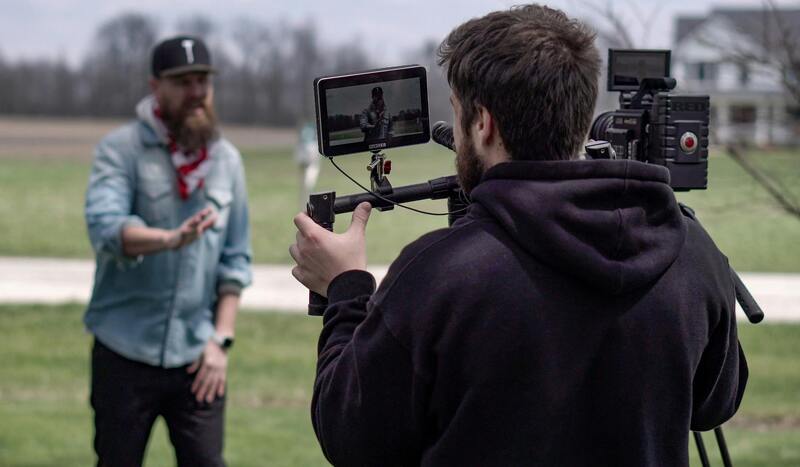
Understanding Live Streaming Production
Executing a successful live streaming production requires meticulous planning and execution across multiple stages, from initial setup to live broadcasting and post-event content management. The core of a seamless live stream lies in a combination of technological precision, operational coordination, and creative storytelling.
At the heart of a professional setup is the selection of appropriate equipment, including high-definition cameras capable of capturing dynamic angles and close-ups that convey the energy of the event. Simultaneously, audio quality is paramount; clear, balanced sound ensures viewers experience the event as if they were physically present. The use of professional-grade audio mixers and microphones helps eliminate ambient noise and enhance speech intelligibility.
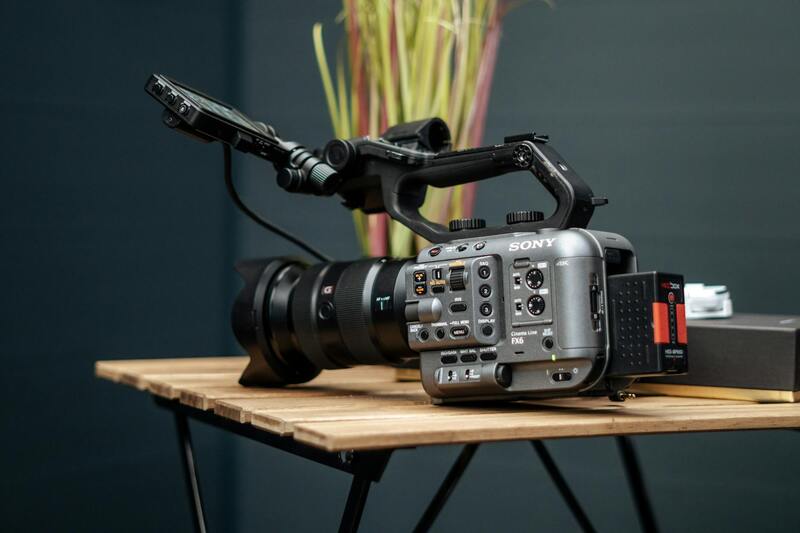
Reliable internet connectivity forms the backbone of any live streaming production. Backup connections and dedicated bandwidth are often necessary to prevent interruptions and ensure continuous broadcast flow. Encoders play a vital role, converting audio and video signals into digital formats compatible with streaming platforms, enabling real-time transmission without latency issues.
Moreover, a well-designed streaming infrastructure involves a strategic placement of cameras and monitors, allowing crew members to monitor feeds, switch angles, and manage the broadcast seamlessly. Audio-visual mixing consoles and live editing software further enhance the quality of the stream, enabling transitions, overlays, and graphics that add professionalism and branding elements to the broadcast.
Pre-Production Planning and Coordination
Effective live streaming begins well before the event itself. Detailed pre-production planning encompasses scheduling, technical rehearsals, and establishing clear communication channels among the production team, event organizers, and performers. Detailed shot lists and camera placement plans ensure comprehensive coverage of key moments and allow for contingency preparations for potential technical issues.
Coordination also involves visual branding elements, such as overlays and informational graphics, which are prepared beforehand and tested during rehearsals. Sound checks, lighting adjustments, and platform tests are fundamental to smoothing out potential issues that might disrupt the live broadcast.
Production Execution: Capturing and Broadcasting Live Content
During the event, the production team executes the plan with precision. Skilled camera operators and directors monitor and switch between feeds to highlight the most engaging content. Real-time audio adjustments and visual effects help maintain a dynamic and professional presentation. The live feed is transmitted via encoders to the streaming platform, where it is accessible to viewers across various devices and locations.
Real-time communication systems enable the crew to respond swiftly to any unforeseen setbacks, minimizing disruptions. Additionally, on-site technicians continuously monitor internet stability and equipment performance, ready to tackle technical challenges instantaneously.
Post-Production and Content Management
Once the live broadcast concludes, the focus shifts to post-production activities that enhance the recorded content. Editing raw footage, adding titles, and integrating graphics can improve the overall quality and provide valuable content for on-demand viewing or promotional purposes. Storage and organization of media files facilitate easy access for future use or sharing.
Archiving the live stream allows brands and organizers to analyze engagement metrics, gather feedback, and refine their approach for subsequent events. Repurposing content from the live stream for social media highlights, promotional clips, or educational material extends its value beyond the initial broadcast.
Best Practices for Engaging Live Streams
- Engage the audience with interactive features such as real-time polls or Q&A sessions.
- Maintain consistent audio-visual quality throughout the event.
- Use multiple camera angles to provide varied perspectives.
- Incorporate dynamic overlays and on-screen graphics for branding and information.
- Test all technical components thoroughly before the event day.
- Communicate clearly with the live audience, providing updates and instructions as needed.
Technological Trends in Livestreaming
Emerging trends include the integration of 4K video for enhanced clarity, adaptive streaming technologies that adjust quality based on viewers' internet speeds, and the use of AI-powered tools for automated camera switching and content analysis. Additionally, virtual and augmented reality elements are increasingly employed to elevate viewer engagement. Cloud-based streaming platforms offer scalable solutions, accommodating large audiences without compromising on stability.
Partnering with Local Miami Production Agencies
Collaborating with experienced Miami-based production companies ensures access to cutting-edge technology and local expertise. These agencies bring valuable knowledge of the regional event landscape, permitting effective logistical coordination and sourcing of appropriate resources. Their understanding of Miami’s unique event infrastructure and cultural nuances often results in a smoother production process, ultimately delivering a superior viewing experience that resonates with both local and global audiences.
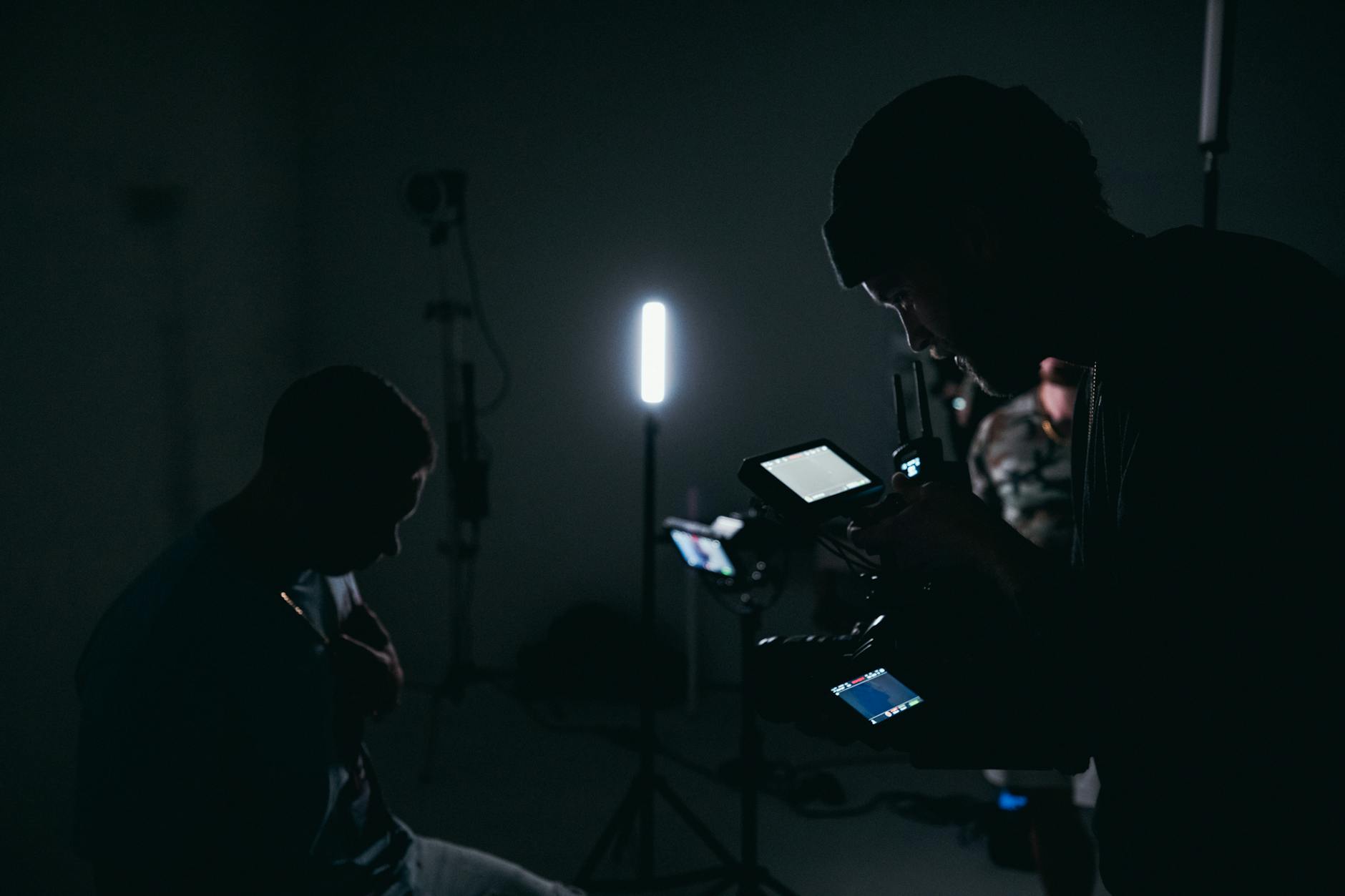
Understanding Live Streaming Production
Effective live streaming production is centered around meticulous planning, technical precision, and seamless execution. It involves all stages from initial concept development to the final broadcast, ensuring that the content reaches viewers with clarity and engagement. Live streaming is more than merely transmitting video; it’s about creating an immersive experience that resonates with the audience, whether they are attending remotely or part of a hybrid event setup. Successfully managing this process requires a comprehensive understanding of the technical requirements, creative visual storytelling, and logistical coordination.
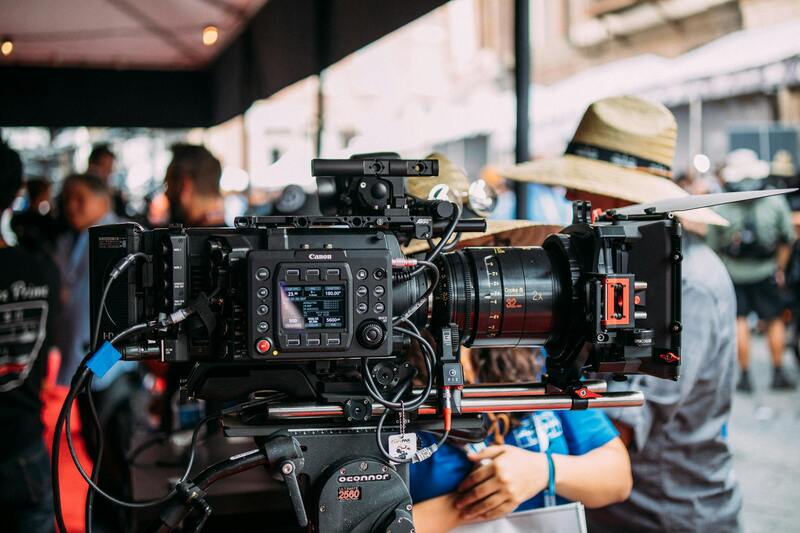
Key Components of Live Streaming Setup
A robust live streaming setup integrates various elements that work synchronously to deliver a smooth broadcast. These core components include:
- High-Quality Cameras: Selecting the right cameras, such as professional broadcast-grade or 4K-enabled devices, ensures crisp visuals and flexibility in capturing different perspectives. Multiple camera angles provide dynamic visuals and keep viewers engaged.
- Audio Systems: Clear audio quality hinges on using professional microphones, audio mixers, and sound checks. Audio fidelity is crucial for audience immersion and understanding.
- Streaming Hardware and Software: Encoders convert video signals into streams compatible with various platforms. Reliable hardware and user-friendly software facilitate real-time broadcasting and multi-streaming capabilities.
- Network Infrastructure: A high-bandwidth internet connection with redundancy measures prevents interruptions and buffering issues. Leveraging wired connections over Wi-Fi enhances stability.
- Visual Overlays and Graphics: Incorporating branding, titles, and informational graphics enhances professionalism and provides context during live broadcasts.
- Production Control Platforms: These platforms centralize source switching, graphic integration, and live editing, providing production teams with intuitive control over the broadcast environment.
Integrating emerging technologies such as adaptive bitrate streaming, 4K video feeds, and AI-powered camera management systems can significantly elevate the quality and responsiveness of live streams. Cloud-based solutions also allow scalability, handling large audiences efficiently without compromising performance.
Pre-Production Planning and Coordination
Successful live streaming hinges on detailed pre-production planning. This phase involves multiple critical steps to ensure execution aligns with strategic goals:
- Defining Content Goals: Clarify the event’s purpose, key messages, and target audience to tailor the visual and technical approach accordingly.
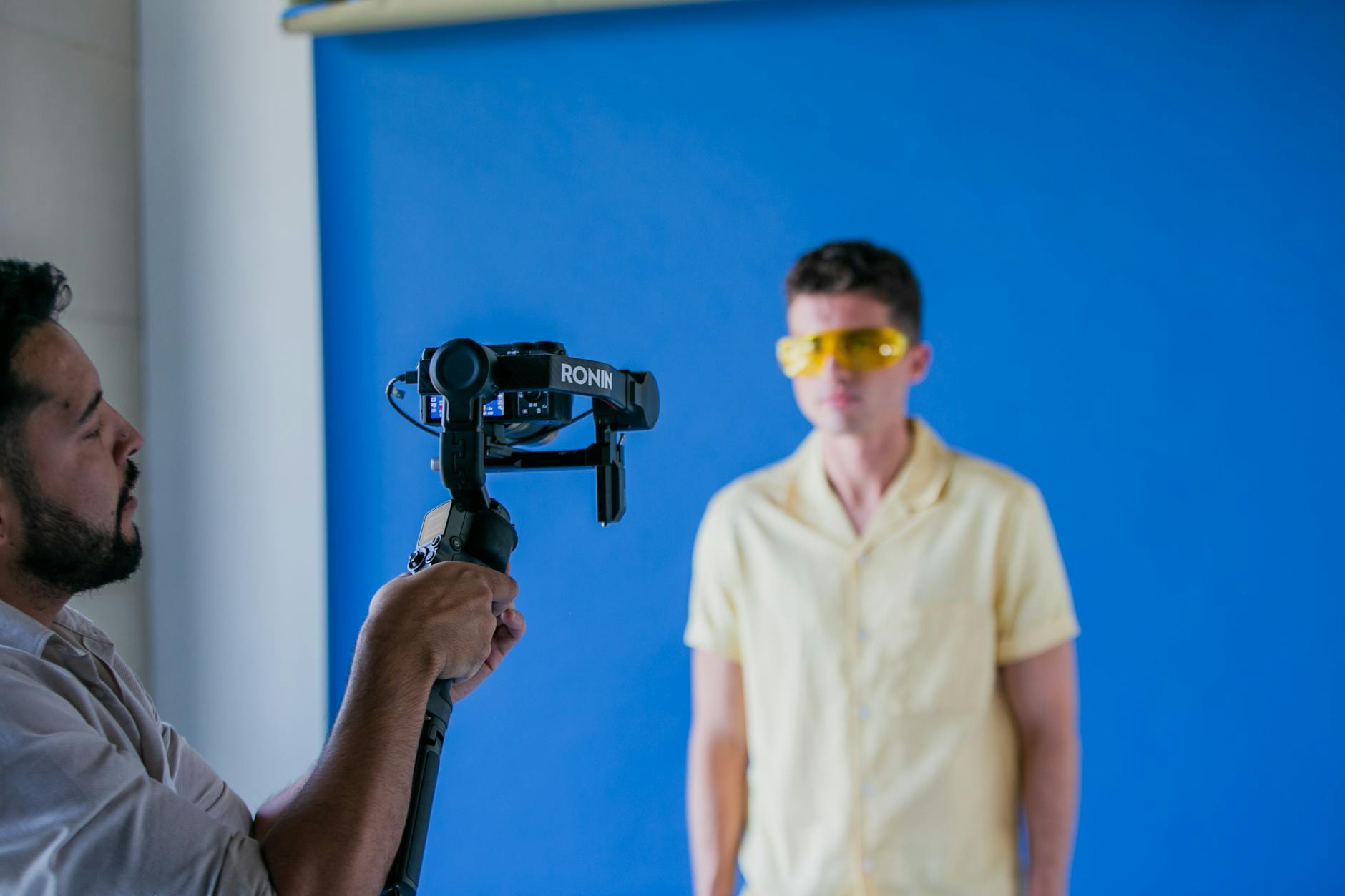
- Shot Planning and Camera Placement: Mapping out camera angles, determining focal points, and planning transitions are essential for smooth coverage. Pre-arranged shot sheets help streamline live operation.
- Technical Testing: Conduct thorough tests of all equipment, including internet connections, audio systems, and video sources. Simulate live conditions to identify potential issues.
- Talent and Crew Coordination: Establish clear communication channels with hosts, speakers, and technical crew. Brief all participants on cues, timing, and projection needs.
- Coordinate with Local Experts: Engaging regional production professionals familiar with the Miami event landscape ensures logistical smoothness and access to local resources.
Production Execution: Capturing and Broadcasting Live Content
During the event, the production team executes the pre-planned setup while maintaining flexibility for spontaneous moments. Key practices include:
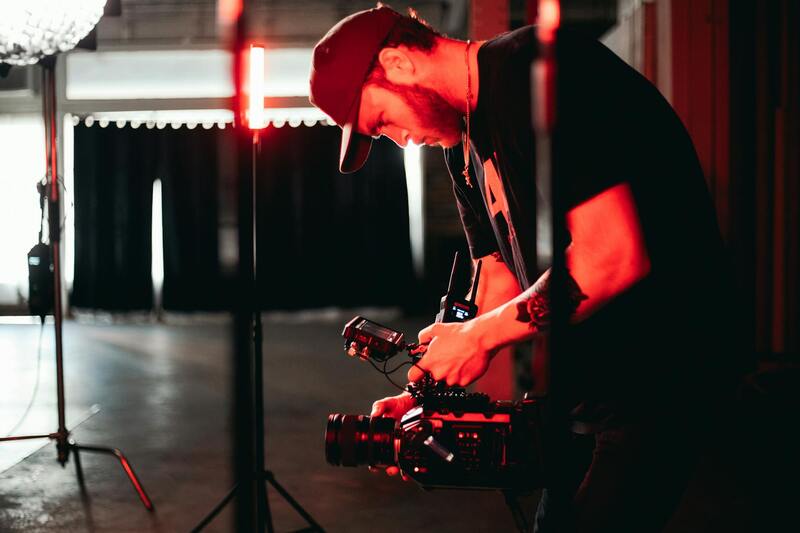
- Live Camera Operation: Skilled camera operators manage multiple angles, often utilizing tethered or wireless control systems for rapid switching.
- Audio Management: Constant monitoring and adjusting ensure consistent sound quality, minimizing disruptions due to technical issues or ambient noise.
- Graphics and Overlays: Real-time insertion of titles, sponsor logos, and informational banners enhances viewer engagement and branding consistency.
- Monitoring and Troubleshooting: Continuous observation of stream quality allows prompt responses to buffering, lag, or technical difficulties, ensuring minimal downtime.
Post-Production and Content Management
Once the live event concludes, post-production activities focus on refining the content for on-demand access, archiving, and promotional purposes. This includes editing recordings to remove technical glitches, adding visual or informational enhancements, and ensuring compatibility with multiple platforms. Efficient content management involves tagging, cataloging, and securing the videos for future use, maximizing the event's reach and impact.
Analogous to the physical aspects of production, digital post-event editing and content organization play pivotal roles in extending the value of live streamed events, allowing audiences to revisit key moments and enabling further engagement beyond the initial broadcast.
Production Execution: Capturing and Broadcasting Live Content
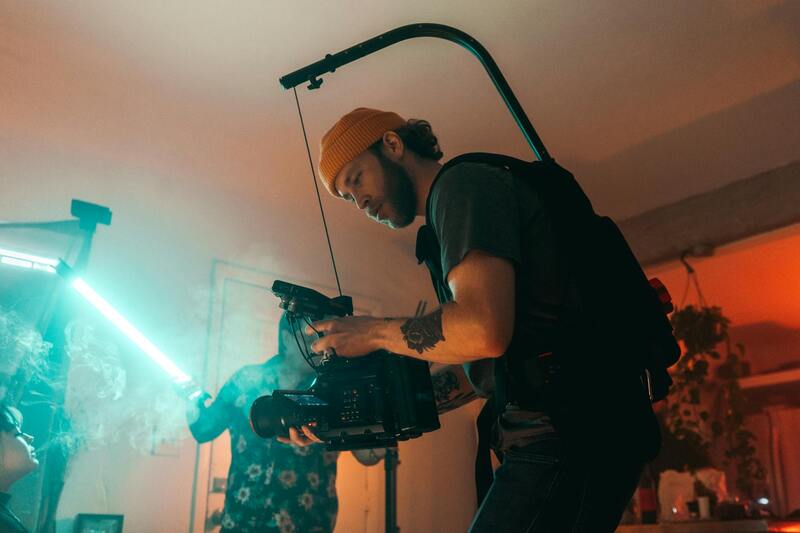
Executing a professional live streaming production requires meticulous coordination among various technical teams and equipment. During the broadcast, operators are tasked with managing multiple camera feeds to deliver seamless transitions that capture different angles and highlight key moments. Skilled camera operators utilize both wired and wireless control systems to ensure rapid, accurate switching that maintains dynamism and viewer engagement. These operators must be prepared to adapt to live events, making quick decisions when unexpected moments unfold.
Simultaneously, audio engineers play a crucial role by continuously monitoring sound levels from microphones, mixers, and any integrated audio sources. This ongoing oversight guarantees clear, balanced sound quality, which is vital for audience retention. Adjustments are made on-the-fly to eliminate distortions, background noise, or audio dropouts, ensuring that spoken words, musical performances, or ambient sounds are delivered with clarity.
Graphics and overlays are strategically integrated into the stream to provide real-time information, such as event titles, sponsor logos, and viewer prompts. These visual elements enhance branding and foster viewer interaction without distracting from the main content. Additionally, on-screen graphics can be updated dynamically to reflect changing information, such as current scores or social media feeds, contributing to an immersive viewing experience.
Throughout the broadcast, continuous monitoring of stream health is essential. Technical teams track data regarding bandwidth, latency, and frame stability, allowing swift responses to issues like buffering or lag. Troubleshooting may involve switching servers, adjusting bitrates, or temporarily pausing certain feeds to maintain overall broadcast quality. The goal is to minimize disruptions and restore a smooth viewing experience as swiftly as possible.
Effective production execution hinges on detailed pre-event planning, ensuring all technical components are tested and ready. Clear role assignments and communication protocols enable team members to execute their responsibilities seamlessly, facilitating coordination under fast-paced conditions inherent in live events.
Visual Documentation of the Production Process
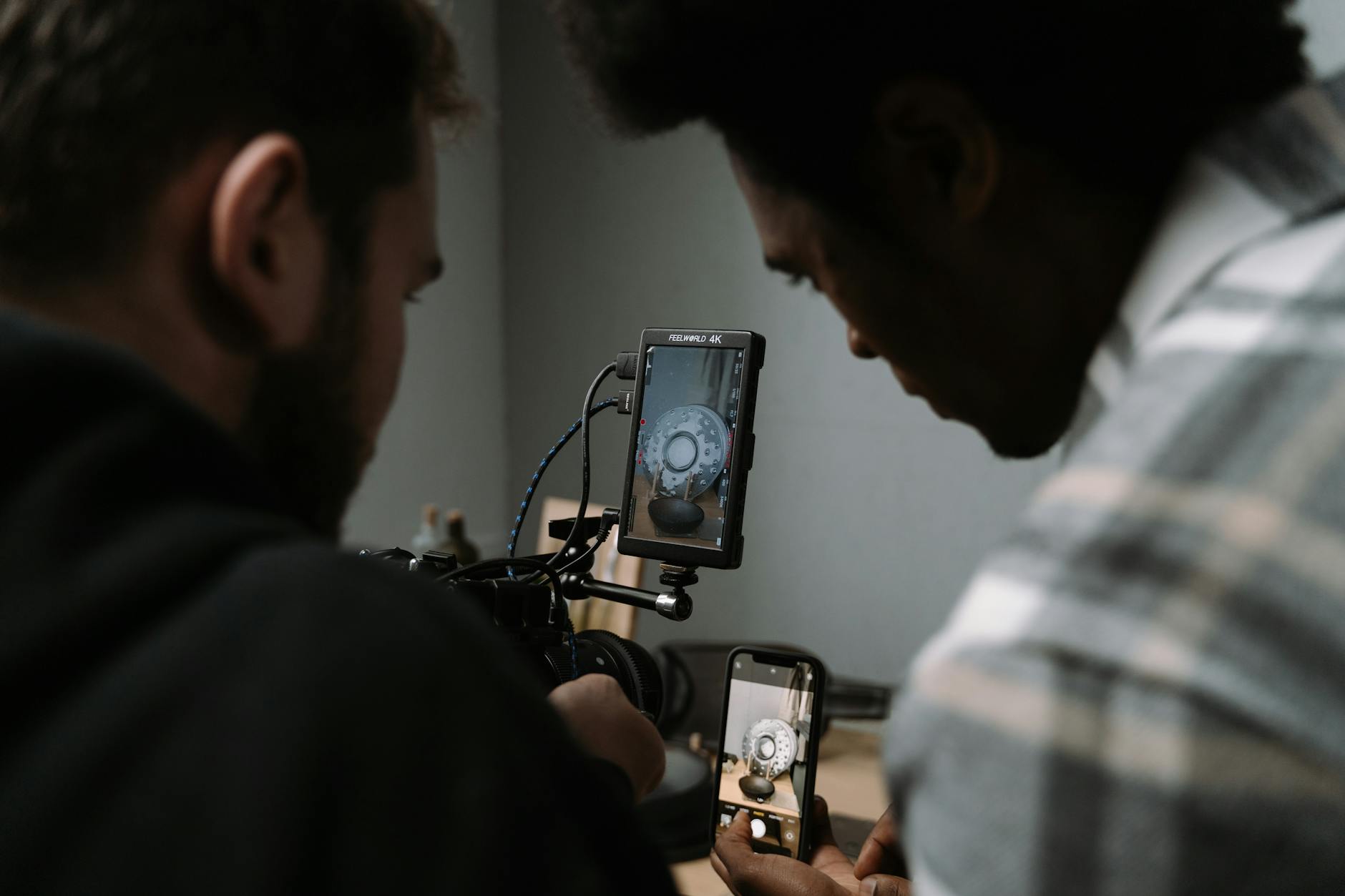
In addition, backup systems such as secondary power supplies and redundant internet connections are critical to sustain uninterrupted broadcasting. Redundant equipment, combined with thorough rehearsal, mitigates the impact of unforeseen technical failures, allowing for quick switches to backup sources without noticeable interruptions to the audience.
Overall, production execution in livestreaming combines technological expertise with coordinated teamwork. The seamless integration of these elements results in a high-quality broadcast that safely captures live content, maintains viewer engagement, and upholds the professional standards expected in today’s digital streaming industry.
Understanding Live Streaming Production
In the realm of live streaming production, the focus shifts from merely capturing footage to delivering a polished, engaging broadcast that meets both technical standards and audience expectations. This process involves meticulous planning, real-time coordination, and post-event management. A professional livestreaming production integrates advanced hardware, software, and skilled personnel to ensure seamless delivery of content across multiple platforms. For events such as corporate seminars, music concerts, sports matches, or cultural festivals in Miami, understanding the core elements of production is essential for achieving desired outcomes and maintaining brand reputation.
Critical Elements of Successful Live Streaming Production
- High-Quality Video and Audio Equipment: To produce a broadcast that appears professional and visually appealing, top-tier cameras, microphones, and mixing consoles are employed. These tools capture the event with clarity and fidelity, with multiple camera angles providing dynamic viewing options.
- Reliable Internet Connectivity: A robust and dedicated internet connection is paramount. Multiple internet sources may be used concurrently to implement load balancing and failover protocols, minimizing the risk of disconnection or buffering issues that could disrupt the viewer experience.
- Encoding and Streaming Platforms: Using advanced encoders ensures efficient compression of video signals to optimize quality and bandwidth use. Integration with trusted streaming platforms guarantees compatibility and smooth delivery across diverse devices and operating systems.
- Monitoring and Control Systems: Continuous monitoring tools enable real-time observation of streaming performance. Operators can quickly identify and respond to issues such as latency, buffering, or signal loss, thereby maintaining broadcast stability.
Technical Crew and Workflow
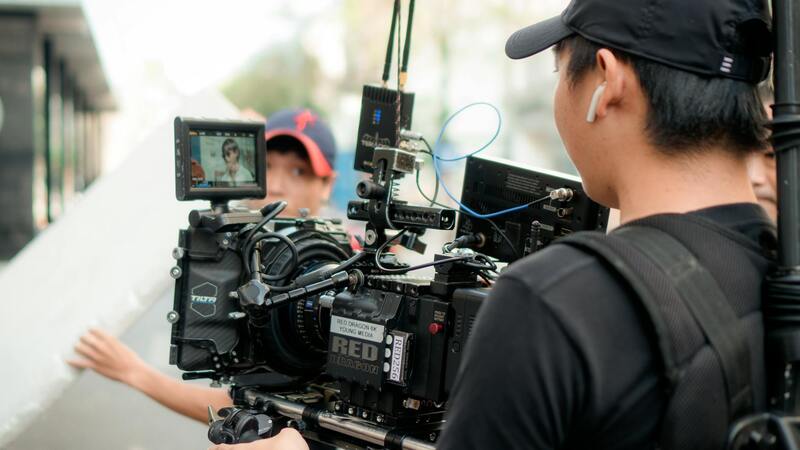
A dedicated team of technical professionals manages camera switching, audio mixing, and encoding settings. They coordinate via intercom systems to ensure seamless transitions and synchronized audio-video playback. During the event, this team adapts to changing conditions, adjusting camera angles, switching feeds, and troubleshooting technical glitches swiftly to deliver a flawless viewer experience.
Quality Assurance and Redundancy Measures
Implementing redundant systems like backup power supplies and secondary internet connections ensures continuous operation—even in the case of power outages or network failures. Regular rehearsals allow the crew to identify potential issues beforehand, enabling swift responses during the live event. Backup recording devices also facilitate post-event editing and archiving, which are crucial for content repurposing.
Understanding Live Streaming Production
Effective live streaming production involves a coordinated series of technical and creative processes that ensure a seamless broadcast experience. It encompasses everything from initial setup and equipment configuration to content delivery and post-event management. Producing high-quality live streams requires meticulous planning, reliable technology, and skilled personnel to manage each phase of the process.
Key Components of Live Streaming Setup
A comprehensive live streaming setup includes several critical elements that work together to deliver compelling real-time content. These components include:
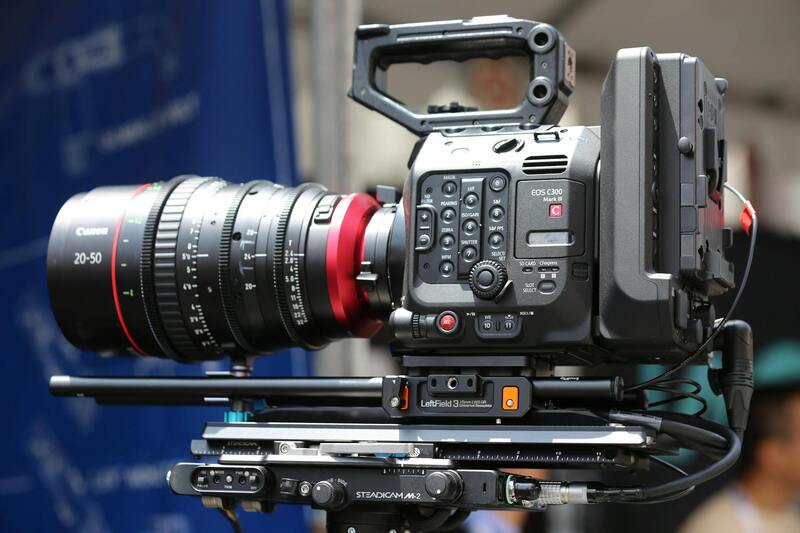
- Video Capture Devices: Professional-grade cameras and camcorders capture high-definition footage, ensuring clarity and detail for viewers.
- Audio Equipment: High-quality microphones and mixing consoles provide crisp, clear sound, which is vital for audience engagement.
- Encoding Hardware and Software: Encoders convert raw audio-visual signals into digital formats suitable for streaming platforms, with hardware encoders offering robustness and software solutions providing flexibility.
- Reliable Internet Connectivity: Stable broadband connections and backup internet sources prevent interruptions caused by connectivity issues.
- Streaming Platforms and Distribution: Integration with popular streaming services enables broad accessibility and audience reach.
Pre-Production Planning and Coordination
Successful live streaming begins with detailed pre-production planning. This phase involves defining your content objectives, scheduling, and crew roles. Key actions include:
- Content Planning: Developing a comprehensive outline of the event, including segment flow, key messages, and storytelling elements tailored to Miami audiences.
- Technical Rehearsals: Conducting simulated runs to test equipment, verify internet stability, and refine camera and microphone placements.
- Crew Coordination: Assigning roles such as camera operators, audio technicians, and streaming managers ensures all team members are aligned and prepared for the event.
- Contingency Strategies: Preparing backup plans for technical failures, including backup internet, redundant power supplies, and alternate camera angles.
Production Execution: Capturing and Broadcasting Live Content
During the live event, the production team manages every aspect of capturing, mixing, and broadcasting content. Key considerations include:
- Live Camera Operation: Skilled operators switch between multiple camera feeds to maintain visual interest and focus on critical moments.
- Audio Mixing and Synchronization: Real-time audio adjustments ensure balanced sound levels, minimizing feedback or background noise.
- Stream Monitoring: Continuous oversight of streaming metrics such as latency, buffering, and viewer engagement helps maintain broadcast quality.
- Real-Time Troubleshooting: Immediate response to technical issues minimizes viewer disruption, with team members ready to adapt to unexpected challenges.
Post-Production and Content Management
Following the live event, editing and content management are crucial for maximizing the reach and impact of the broadcast. Tasks include:
- Recording and Archiving: Saving the live footage for future use, analysis, or on-demand distribution.
- Post-Event Editing: Enhancing the raw footage by trimming segments, adding graphics, or inserting additional content for replay or marketing.
- Distribution and Repurposing: Uploading content to various platforms, creating highlight reels, or preparing materials for social media engagement.
- Performance Analysis: Reviewing viewer metrics to assess engagement and identify areas for improvement in future streams.
Proper post-production handling ensures the live event’s content continues to serve promotional and informational purposes well beyond the initial broadcast, amplifying the reach of the event within the Miami community and beyond.
Understanding Live Streaming Production
Live streaming production encompasses the comprehensive process of planning, executing, and managing broadcasts that transmit real-time content over the internet. This multifaceted approach involves multiple technical layers, from equipment setup to content delivery, designed to ensure a smooth and engaging viewer experience. Effective live streaming production requires a combination of advanced technology, meticulous preparation, and skilled personnel capable of managing various operational details simultaneously. The goal is to deliver high-quality live content reliably, engaging viewers across platforms while minimizing technical issues that could disrupt the broadcast.
Key Components of Live Streaming Setup
A robust live streaming setup integrates several critical elements, each playing a vital role in achieving seamless broadcast operations. These include:
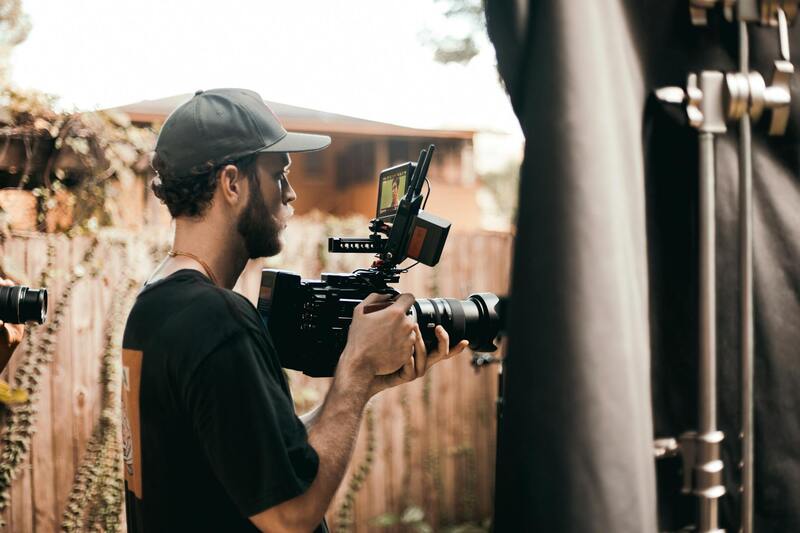
- Video Capture Devices: Professional cameras and camcorders capture high-resolution video feeds. Multiple cameras are often employed to provide different angles, ensuring dynamic visual presentation.
- Encoding Hardware and Software: Encoding tools convert raw video signals into digital streams optimized for internet transmission. Hardware encoders offer reliability, whereas software encoders provide flexibility and scalability.
- Capture Cards and Switchers: Devices that facilitate seamless switching between camera feeds, facilitating real-time editing and production quality.
- Audio Equipment: Mixers, microphones, and audio interface devices capture and balance sound, ensuring clarity and synchronization with visual content.
- Streaming Platforms and Infrastructure: Reliable internet connections paired with content delivery networks (CDNs) guarantee consistent stream delivery to viewers across multiple devices and locations.
- Monitoring Tools: Software solutions track stream health, latency, and viewer engagement, enabling operators to address issues promptly.
Pre-Production Planning and Coordination
Thorough pre-event planning is fundamental to a successful live stream. This phase involves detailed coordination among all team members, including event organizers, technical staff, and on-camera talent. Key activities include defining the event agenda, rehearsing camera cues, testing equipment, and establishing communication protocols. Technical checklists ensure all devices function correctly, and contingency plans are in place to address potential issues. Logistical planning also covers the sequence of camera switching, graphics deployment, and audio levels to deliver a cohesive presentation. Additionally, securing necessary permissions and confirming legal compliance for content and platform use are integral to prevent interruptions or disputes during the broadcast.
Production Execution: Capturing and Broadcasting Live Content
During the live event, the production team executes the pre-planned strategies while adapting to evolving circumstances. Real-time camera switching is achieved through professional switchers, ensuring viewers are engaged with diverse perspectives. Audio mixing is continually monitored to maintain sound quality, balancing ambient noise, interviews, and background music. Simultaneously, graphics and overlays are integrated seamlessly to enhance visual storytelling. The production team monitors the stream’s performance via monitoring tools, ready to troubleshoot issues like latency spikes, buffering, and technical glitches promptly. Maintaining communication among crew members is essential, allowing swift coordination for dynamic changes or problem resolution. Overall, this execution phase demands precision and adaptability to create a professional, engaging live broadcast that resonates with the audience.
Post-Production and Content Management
After the live broadcast concludes, the focus shifts to editing and content management to maximize reach and impact. Recording the live footage provides a valuable asset for future use. Post-event editing involves trimming segments, adding graphics or titles, and generating highlight reels that can serve promotional purposes. Content is then uploaded to various online platforms, including social media, websites, and video-sharing portals, facilitating broader distribution. Proper archiving ensures that footage remains accessible for future marketing campaigns or educational purposes. Analyzing viewer metrics, such as engagement rates and retention, enables producers to refine techniques for subsequent streams, ultimately improving audience retention and overall broadcast quality.
Best Practices for Engaging Live Streams
Creating an engaging live streaming experience involves strategic content design and interaction techniques. Incorporating real-time viewer interaction, such as live polls or Q&A segments, fosters a sense of community. Maintaining visual interest with multiple camera angles, strategic use of graphics, and dynamic transitions keep the audience captivated. Consistent and clear communication from on-screen hosts, along with professional presentation, enhances credibility. Employing reliable streaming technology minimizes interruptions, ensuring a smooth viewer journey. Moreover, leveraging analytics to understand viewer behavior and preferences allows content creators to tailor future streams to audience expectations, driving higher engagement and satisfaction across platforms.
Final Steps for a Successful Livestreaming Production
Executing a professional livestream involves meticulous implementation of every stage, from technical deployment to audience engagement strategies. Ensuring high-quality transmission requires a solid understanding of the available methods for broadcasting content, as well as staying current with technological advancements that optimize viewer experience.
Deploying Reliable Streaming Platforms
Choosing the right streaming platform involves evaluating factors such as bandwidth support, scalability, and synchronization capabilities. Platforms should accommodate simultaneous viewers without compromising on resolution or stability. Professional-grade streaming services often integrate with content delivery networks (CDNs), which distribute stream data efficiently and reduce latency, resulting in a smoother viewing experience.
Managing Network Bandwidth and Redundancy
To maintain uninterrupted broadcasts, a dedicated internet connection with sufficient bandwidth is essential. Many production teams employ dual internet links or backup systems, such as redundant internet service providers (ISPs), to prevent disruptions caused by connectivity issues. Network monitoring tools provide real-time insights into bandwidth usage and help identify potential bottlenecks before they impact the live stream.
Implementing Multiple Camera Angles
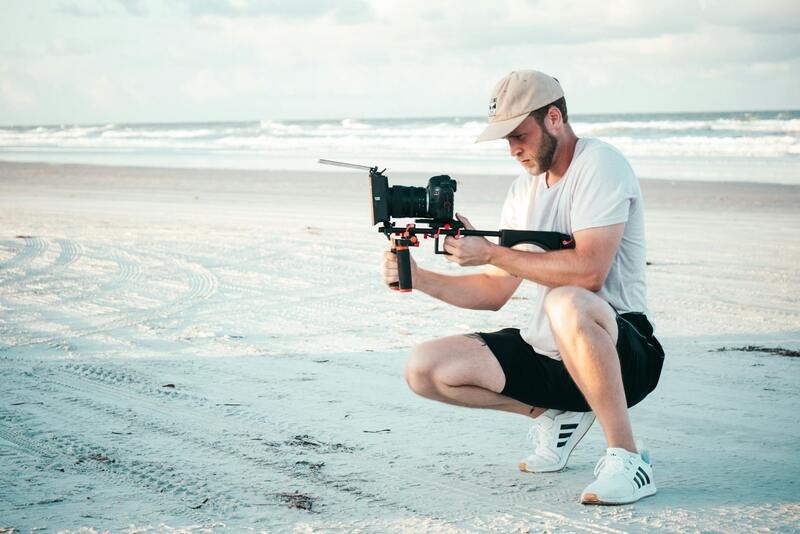
Using various camera perspectives—wide shots, close-ups, and specialty angles—creates a more dynamic and engaging visual narrative. Professional live streaming setups integrate switchers that allow operators to seamlessly transition between feeds, enhancing the overall broadcast quality. Automated camera control systems can also be employed to maintain focus and framing, especially during fast-paced events.
Optimizing Audio Quality
High-quality audio is crucial for viewer satisfaction. Employing multiple microphones, mixers, and audio processors ensures clear speech and balanced sound levels. Sound checks prior to the broadcast help identify potential issues with background noise or levels, which can detract from the viewer experience. For larger venues, wireless microphone systems provide flexibility and consistent audio pickup.
Engaging the Audience Effectively
Active audience participation transforms passive viewers into active participants. Incorporating live polls, Q&A sessions, and social media interactions keeps viewers invested. Real-time interaction also provides valuable feedback, allowing hosts and producers to tailor content on the fly. Proper moderation of chat interactions is essential to maintain a professional environment and address viewer inquiries efficiently.
Enhancing Visual Appeal with Graphics and Transitions
Graphics, overlays, and lower thirds add context and professionalism to the broadcast. Strategic use of transitions between camera shots and visual elements prevents viewer fatigue and maintains visual interest. Customized branding and event-specific visuals reinforce brand identity and create a cohesive viewing experience.
Ensuring Technical Support and Troubleshooting
A dedicated technical team ensures quick resolution of any issues that may arise during the live event. They monitor streaming health, troubleshoot signal disruptions, and manage hardware or software malfunctions. Having backup equipment on hand, such as additional cameras, microphones, or encoders, minimizes downtime if technical problems occur.