Understanding Live Video Services
Live video services have become an integral component of digital communication, offering real-time broadcasting capabilities that enable organizations, event planners, and content creators to reach audiences instantly. These services facilitate seamless streaming of a variety of events, from corporate conferences and product launches to weddings and music festivals, providing an engaging experience for viewers regardless of their geographic location. By leveraging advanced encoding, transmission, and distribution technologies, live video services ensure high-quality streams that maintain synchronization and clarity, even under varying network conditions.
At their core, live video services serve as a bridge between the event organizer and the audience, delivering content in real time with minimal latency. This immediacy enhances audience engagement, encourages interaction through live chats and Q&A sessions, and boosts the visibility of the event. The digital landscape has seen a significant shift towards live broadcasting, driven by the growth of internet infrastructure and the proliferation of smart devices. Such services are now essential tools for businesses aiming to expand their reach, enhance event accessibility, and provide immersive experiences that traditional media channels cannot match.

Modern live video services combine high-definition video transmission with robust infrastructure to handle large audiences efficiently. They support various streaming protocols and integrations, allowing content to be delivered across multiple devices and platforms simultaneously. Furthermore, they incorporate features such as multi-camera setups, professional audio feeds, and real-time graphics to elevate the production value of broadcasts. As technology continues evolving, the scope and sophistication of live video services expand, offering more tailored and dynamic broadcasting solutions for diverse needs.
Understanding the core functions and capabilities of live video services lays the foundation for choosing the right provider and platform for specific event requirements. Whether delivering a live concert, conducting a virtual seminar, or broadcasting an important corporate announcement, selecting a legitimate and reliable service provider ensures a seamless viewing experience that maintains professional standards and audience satisfaction.

Types of Live Video Services Offered by Miami Agencies
Miami-based agencies specializing in live video services provide a comprehensive range of solutions tailored to meet diverse event and business needs. These services encompass everything from simple live streaming to complex multi-camera productions with real-time graphics, making it possible for clients to deliver engaging content across various platforms with professional quality.
One of the primary offerings includes standard live streaming, which involves broadcasting single-camera feeds suitable for small to medium-sized events such as seminars, product launches, or webinars. This service typically integrates with popular platforms, but agencies also offer customized solutions to align with branding and technical requirements.
For larger-scale events, multi-camera live productions are available. These setups often involve multiple cameras that are synchronized and switched seamlessly to create a dynamic viewing experience. Such productions include professional audio feeds, lighting control, and graphics, which are essential for concerts, conferences, and corporate presentations seeking a polished appearance.
In addition, many Miami agencies offer interactive live video services, allowing real-time audience engagement through live polls, Q&A sessions, and chat integrations. This feature boosts viewer participation and makes virtual events more immersive. Some providers also incorporate virtual sets and augmented reality features, transforming the visual presentation to match thematic or branding elements effectively.

Customizable solutions are another key aspect of services offered. Clients can select options such as on-demand video archives, integrated scrolling banners, lower-thirds, and real-time annotations to optimize broadcast content. These features are particularly valuable for corporate communications, educational webinars, and promotional campaigns where branding consistency and information clarity are vital.
Furthermore, agencies often provide auxiliary services including pre-event planning, technical rehearsals, and post-event analytics. This comprehensive approach ensures smooth execution and valuable insights into viewer engagement and technical performance, enabling organizers to refine future broadcasts.
In the context of Miami’s vibrant event scene, the providers’ ability to adapt to both indoor and outdoor environments is essential. Whether it involves streaming from sophisticated conference centers or outdoor festivals, local agencies employ advanced equipment and robust infrastructure to guarantee high-quality streaming regardless of technical or environmental challenges.

Ultimately, choosing the right live video service involves assessing the specific requirements of each event, including the expected audience size, production complexity, and desired interaction levels. Miami agencies excel at providing tailored solutions that adhere to these parameters, ensuring each broadcast achieves maximum impact and professional standards.
Types of Live Video Services Offered by Miami Agencies
Miami's live video service providers deliver a diverse array of broadcast solutions tailored to meet the unique needs of each event or business. These services include:
- Live Streaming: Enabling real-time broadcast of events directly to online audiences through various platforms, ensuring broad accessibility and instant engagement.
- Multi-Camera Broadcasts: Utilizing multiple camera feeds to create a dynamic viewing experience, ideal for large conferences, music concerts, and sports events. This setup offers varied angles and a professional feel.
- Live Event Coverage: Providing comprehensive coverage for ongoing events such as festivals, galas, or trade shows. This typically involves on-site crew, multiple camera operators, and real-time production management.
- Virtual Event Production: Creating immersive virtual experiences by combining live feeds with multimedia elements, virtual sets, and interactive features to engage remote audiences effectively.

Each of these offerings can be customized based on event requirements, ranging from simple single-camera live streams to complex multi-camera setups integrated with graphics and audience interaction tools. By leveraging local expertise and cutting-edge technology, Miami agencies ensure that each live broadcast aligns with the client’s goals and branding standards.
Key Features to Consider When Choosing a Live Video Service
When selecting a live video provider in Miami, understanding the essential features that contribute to a successful broadcast is crucial. Clients should evaluate the following aspects:
- Production Quality: High-definition video output, professional audio, and reliable transmission are fundamental for maintaining viewer engagement and conveying a polished image.
- Platform Compatibility: The ability to stream seamlessly across multiple platforms—such as YouTube, Facebook Live, or custom websites—maximizes audience reach and ensures compatibility with preferred viewing options.
- Technical Support: On-site or remote assistance during setup, live transmission, and post-event ensures smooth operation and quick resolution of any issues that may arise.
- Interactivity Features: Real-time chat, Q&A sessions, polls, and audience engagement tools enhance viewer participation and create a more memorable experience.
- Scalability: The capacity to handle varying viewer sizes, from small meetings to thousands of viewers, without compromising quality or stability.
- Security and Privacy: Secure streaming methods, controlled access, and data protection are vital, especially for confidential corporate events or sensitive content.

Prioritizing these features helps in selecting a provider capable of producing professional content that meets technical and branding standards, ultimately delivering a robust experience for viewers and organizers alike.
Understanding Live Video Services
Live video services have become a cornerstone of modern communication, offering dynamic and immediate content delivery for a wide range of events, from corporate conferences to social celebrations. These services utilize advanced streaming technologies to transmit real-time video footage to viewers across various devices and platforms, ensuring instant engagement and interaction. Authorities in the industry emphasize the importance of high-quality video output complemented by professional audio and robust transmission infrastructures. This ensures that viewers experience crisp visuals and clear sound, which are essential for effectively conveying your message.
Implementing live video involves several critical components, including seamless platform integration, scalability to accommodate varying audience sizes, and secure data transmission methods. For instance, implementing adaptive bitrate streaming techniques allows the content to adjust quality based on viewers' internet speeds, providing an uninterrupted viewing experience. Employing reliable CDN (Content Delivery Network) infrastructure enhances delivery speed and minimizes buffering issues. Additionally, many providers now offer interactive features such as live chat, Q&A sessions, and instant polls, which foster engagement and participation during the broadcast.

Understanding Live Video Services
Live video services have revolutionized how organizations, event organizers, and content creators communicate and engage with their audiences. These services encompass a range of technical solutions designed to transmit real-time video content over the internet, allowing viewers to experience events as they happen from virtually anywhere in the world. Whether it's a corporate conference, music festival, wedding celebration, or a product launch, live video streaming offers a dynamic platform for instant interaction, broad reach, and authentic engagement.
Modern live video services are built upon sophisticated infrastructure that ensures high-quality video delivery, minimal latency, and seamless viewing experiences. They leverage cloud-based platforms and scalable bandwidth solutions to support varying audience sizes, from small groups to mass streaming events. These services typically include features such as multi-camera switching, real-time graphics overlay, synchronized audio, and interactive chat functionalities that foster live engagement. Furthermore, they support a wide array of devices, ensuring that the stream is accessible on smartphones, tablets, desktops, and smart TVs.
Implementing live video streaming involves detailed planning, including content preparation, equipment setup, and ensuring robust internet connectivity. Technical nuances such as encoding configurations, streaming protocols, and latency management are critical for a successful broadcast. Many providers also incorporate security measures such as encrypted streams, password-protected access, and geo-restrictions to safeguard content and control audience participation. These elements collectively contribute to a professional, reliable, and engaging live video experience.
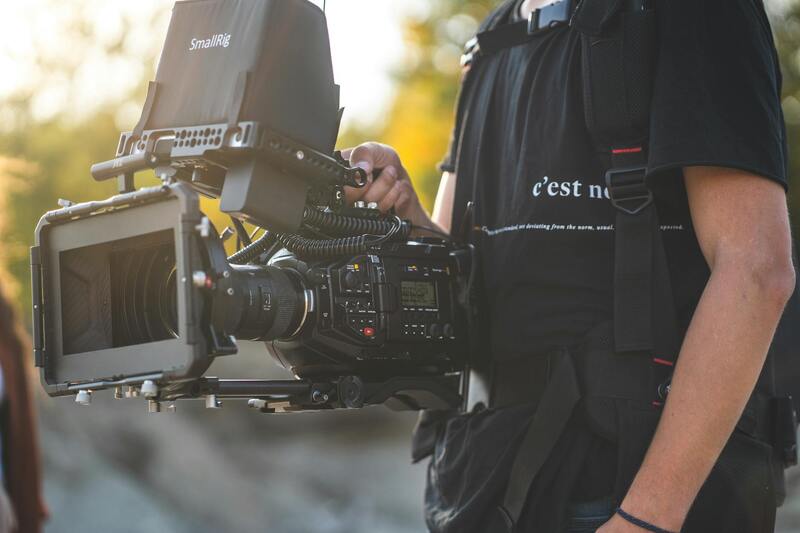
Benefits of Live Video for Business and Events
Adopting live video services presents multiple advantages for businesses and event organizers aiming to maximize their outreach and achieve interactivity. Live streaming broadens audience engagement by offering real-time access to events that would otherwise be confined by geographical constraints. It fosters transparency and authenticity, enabling brands to showcase behind-the-scenes moments, product demonstrations, or executive messages directly to their community.
Additionally, live video provides measurable metrics such as viewer count, engagement rate, and interaction levels, giving organizers valuable insights for future campaigns. It also offers cost-efficient alternatives to traditional in-person events by reducing logistical expenses related to venue, transportation, and material distribution. The immediacy of live broadcasting supports instant feedback, Q&A sessions, and interactive polls, enhancing the sense of community and direct communication.
For marketing strategies, live video sessions generate higher conversion rates and brand visibility. They facilitate storytelling and emotional connection, which enhances brand loyalty and trust. Whether hosting webinars, product unveilings, or virtual tours, live video ensures that key messages are delivered with a sense of immediacy and personal touch that pre-recorded content might lack.
Types of Live Video Services Offered by Miami Agencies
Miami-based agencies specialize in a diverse array of live video services tailored to client needs. These typically include:
- Event Live Streaming: Covering conferences, galas, sports events, and festivals with multi-camera setups that capture different angles, ensuring a dynamic viewing experience.
- Corporate Broadcasts: Delivering product launches, shareholder meetings, or executive addresses with polished production standards suitable for professional audiences.
- Webinars and Virtual Workshops: Facilitating interactive online seminars that incorporate screen sharing, live Q&A, and participant engagement features.
- Social Media Live Streams: Streamlining content directly to platforms such as Facebook Live, Instagram Live, and YouTube Live to maximize social media presence.
- On-Demand Live Content: Providing viewers with access to recorded streams after the live event to extend reach and engagement.
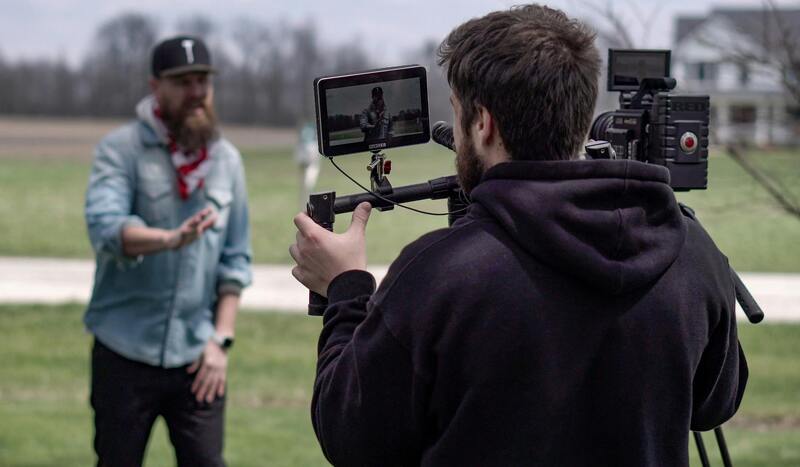
Key Features to Consider When Choosing a Live Video Service
Selecting the appropriate live video service requires careful evaluation of several critical features. High-definition video quality is essential for ensuring professional visuals that reflect well on the brand or event. Compatibility with multiple devices guarantees accessibility for audiences across smartphones, tablets, and desktops. Scalable bandwidth options accommodate varying audience sizes, preventing buffering or drop-offs during peak viewership periods.
Security measures are paramount; encrypted streams, secure login options, and access controls safeguard sensitive content. Integration capabilities with social media platforms and websites facilitate multi-channel broadcasting, expanding outreach and engagement. Ease of use for content creators, including intuitive interfaces for scheduling, streaming, and managing the broadcast, can significantly enhance operational efficiency.
On-site technical support and post-broadcast analytics help monitor stream performance and gather insights into viewer behaviors. A flexible service often provides additional production features such as graphics overlay, multi-camera switching, and live captioning to elevate the viewing experience. Considering these factors ensures a smooth, compelling, and secure live streaming experience that aligns with event objectives and audience expectations.
Legal Considerations and Best Practices
When implementing live video services, adhering to established policies and best practices ensures seamless broadcasting and protects all parties involved. Proper licensing for copyrighted content, including music, videos, and images, is fundamental. This involves obtaining permissions or licenses from the rights holders before streaming any copyrighted material, mitigating the risk of content disputes.
In addition to content licensing, securing all necessary permissions for the venue, participants, and proprietary data is crucial. Always acquire model releases, location permissions, and consent forms from individuals appearing in the live streams to avoid potential issues related to privacy rights.
Establishing clear operational procedures is vital for a smooth live broadcast. Conducting thorough pre-event checks minimizes technical issues during the stream. This includes verifying internet connectivity, testing all equipment, and preparing backup systems for critical components such as audio, video feeds, and streaming hardware. Having contingency plans ready for unforeseen circumstances ensures minimal disruptions.
Implementing data security measures is essential for safe streaming. Use encrypted connections to protect sensitive information from interception or unauthorized access. Secure login credentials and access controls for streaming platforms prevent unauthorized personnel from managing the broadcast. For events that involve sensitive or confidential content, consider additional security protocols such as multi-factor authentication and restricted access zones.
To uphold professionalism, standardize communication among team members involved in the live video process. Clear roles, responsibilities, and communication channels reduce the risk of errors and facilitate rapid problem-solving. Training staff and production teams on platform interfaces and troubleshooting techniques promotes efficiency and confidence during live events.
Post-broadcast practices include archiving content responsibly, ensuring compliance with platform policies and data storage regulations. Analyzing performance metrics and viewer feedback can offer valuable insights for future streams, helping to refine workflows and improve quality consistently.

Legal Considerations and Best Practices
When utilizing live video services, adhering to established protocols is essential to maintain a professional and seamless broadcasting experience. This involves obtaining necessary permissions for all content featured during the stream, including music, images, and any proprietary material. Securing clear rights and licenses helps prevent interruptions and disputes that can disrupt the broadcast or result in content removal.
It is important to confirm that all individuals appearing on camera have granted explicit consent for their images and voices to be used publicly. Implementing consent forms and ensuring quick access to documentation streamline this process, especially for large events or multi-speaker scenarios.
Effective communication with your team regarding content restrictions and platform policies is vital. Establishing guidelines for acceptable content and ensuring compliance with these standards reduces the risk of violations, which can lead to stream suspension or legal complications.
Furthermore, safeguarding viewer data and personal information aligns with responsible streaming practices. Employing secure login processes, encrypted data transmission, and restricted access controls minimizes the chance of unauthorized access or data breaches.
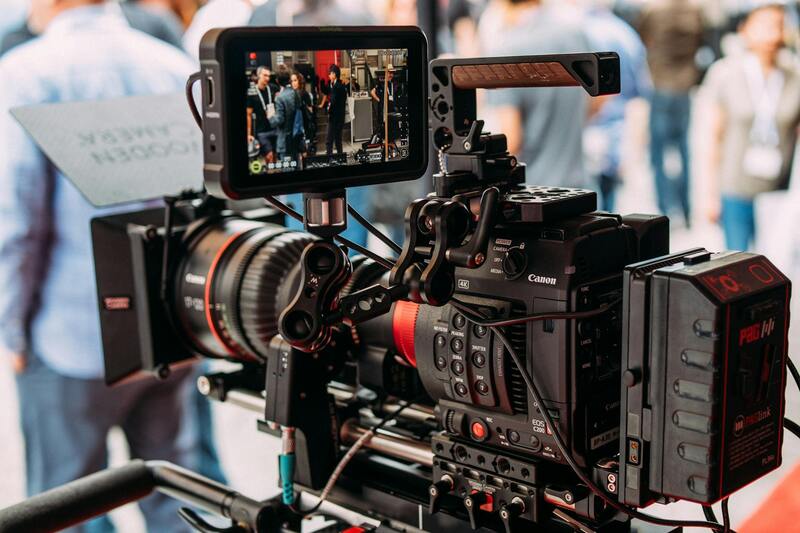
Operational protocols should also include a detailed plan for handling unexpected issues such as copyright infringement notices, technical failures, or content disputes. Having predefined procedures in place ensures that your live broadcast remains professional and compliant, mitigating potential risks.
Adherence to these practices promotes a smooth, professional live streaming experience that respects content rights, protects personal information, and maintains the integrity of your broadcast across various platforms and audiences.
Legal Considerations and Best Practices for Live Video Streaming
Implementing effective legal practices is fundamental to ensure a seamless live video experience that respects participants' rights and maintains platform compliance. Securing explicit consent from all individuals appearing on camera is critical. This involves the use of comprehensive consent forms that document permission for the use of their images and voices in broadcast content. These forms should be easily accessible and stored securely for verification purposes, especially when dealing with multiple speakers or large audiences.

Clear communication with the production team regarding content boundaries and platform-specific policies is essential. Establishing detailed guidelines about acceptable content listings, prohibited materials, and moderation procedures helps uphold standards and reduces the likelihood of content violations. Regular training sessions for the streaming team on these policies foster a consistent approach, ensuring compliance throughout the event.
Data security remains a cornerstone of responsible live streaming practices. Protecting viewer information involves employing encrypted data transmission methods, secure login credentials, and restricted access controls. These measures prevent unauthorized data breaches and uphold audience trust. Stream hosts should also provide transparent privacy policies, informing viewers about how their data is collected, used, and protected during the broadcast.

Handling content rights and intellectual property is another vital aspect. All media assets used during the broadcast—such as music, videos, and images—must have proper licensing agreements or permissions to avoid infringement issues. Keeping accurate records of licenses ensures the content used complies with legal standards and prevents potential disputes.
Operational protocols should include contingency plans for unexpected technical or legal issues. This involves having a dedicated team monitor the stream for quality, manage copyright notices promptly, and address any content disputes swiftly. Pre-established procedures enable quick responses to potential problems, minimizing disruption and preserving professionalism during the broadcast.
- Maintain detailed logs of consent and licensing documentation for all content and participants.
- Establish escalation pathways for incident management and dispute resolution.
- Regularly review and update policies to adapt to evolving platform rules and legal regulations.
By adhering to these rigorous practices, organizations can deliver high-quality live broadcasts that are compliant with relevant standards, foster audience confidence, and uphold the integrity of the streaming process.