Understanding Remote Live Video Production
Remote live video production has emerged as a groundbreaking approach to broadcasting events and presentations in real-time, leveraging advanced digital technologies to facilitate seamless visual experiences from distant locations. This approach allows organizations, particularly within the vibrant Miami entertainment, corporate, and sports sectors, to deliver high-quality broadcasts without the limitations imposed by physical proximity or traditional media setups.
At its core, remote live video production involves capturing, transmitting, and displaying live footage through internet-based platforms, enabling real-time interaction and engagement. This method is especially advantageous for Miami-based organizations looking to reach wider audiences, as it reduces logistical complexities and cost while increasing flexibility in execution. By integrating professional-grade video capture, reliable streaming protocols, and robust remote management tools, producers can ensure their content remains crisp, synchronized, and free of interruptions regardless of geographical constraints.
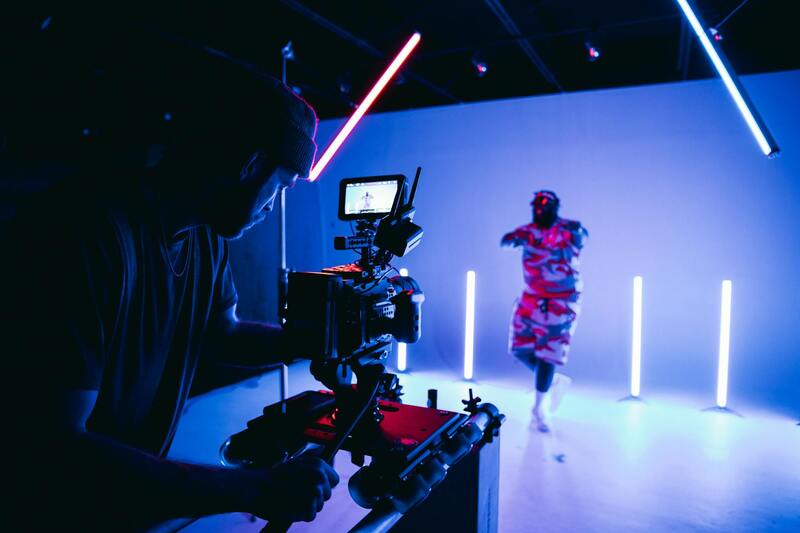
Unlike traditional onsite productions that require extensive staffing and equipment at the event location, remote systems utilize cloud infrastructure and high-speed internet to coordinate multiple production elements from a centralized control hub. This shift not only optimizes resource allocation but also opens new possibilities for creative storytelling, multi-angle coverage, and interactive audience participation, making it an increasingly preferred choice for contemporary event broadcasting in Miami.
Furthermore, remote live video production enhances accessibility, allowing Miami-based entities such as sports teams, cultural festivals, corporate conferences, and outdoor events to expand their reach globally. It supports real-time analytics and viewer engagement metrics essential for measuring impact and tailoring content dynamically. As the technology progresses, the integration of augmented reality, 4K streaming, and AI-driven editing further elevates the potential for captivating live experiences.
Operationally, professionals involved in remote live video production must adapt to new workflows that emphasize meticulous planning, advanced communication channels, and synchronized efforts across dispersed teams. With continuous improvements in internet infrastructure and broadcast technologies, remote production is set to become even more integral to Miami’s dynamic event landscape, delivering engaging, high-quality live content regardless of physical boundaries.
Understanding Remote Live Video Production
Remote live video production has revolutionized the way events are broadcast, combining advanced technology with strategic planning to deliver seamless content to audiences across various platforms. This method involves utilizing a combination of dedicated internet connections, cloud-based infrastructure, and sophisticated hardware to manage multiple camera feeds, graphics, and audio sources from a centralized location. Such an approach eliminates the need for extensive on-site technical crews, reducing operational costs while maintaining high-quality delivery standards.
One of the primary advantages of remote live video production is its ability to facilitate real-time collaboration among geographically dispersed teams. Producers, directors, camera operators, and technical specialists can work together effectively via high-bandwidth internet connections, synchronized command interfaces, and real-time communication tools. This setup streamlines decision-making processes, allowing for rapid adjustments in response to unfolding event dynamics, ensuring that the final broadcast remains engaging and professional.
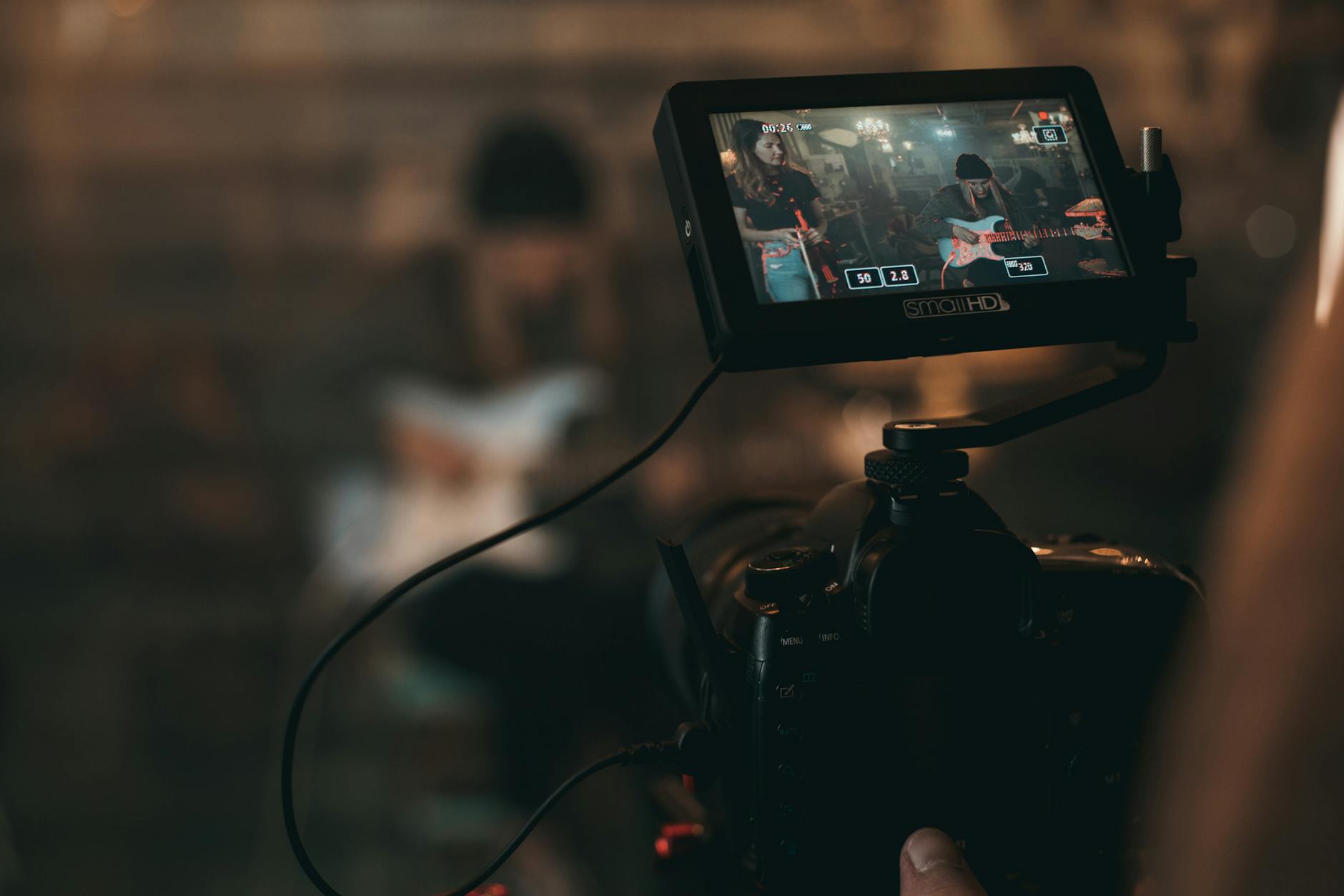
From a practical standpoint, remote live production makes it easier to manage large-scale events like music festivals, sports tournaments, corporate seminars, and cultural festivals held in Miami. By leveraging cloud infrastructure, production teams can access and manipulate multiple video streams from different angles without being physically present at the location, which is particularly advantageous for outdoor or sprawling event venues.
This approach also offers tremendous flexibility in content customization and audience engagement. Real-time analytics, viewer feedback, and interactive features—such as live chat or polls—can be integrated into the broadcast, enabling organizers to tailor the content dynamically and enhance viewer retention. Additionally, integrating augmented reality elements, 4K streaming, and AI-powered editing tools pushes the boundaries of conventional live production, offering viewers a more immersive experience.
The improved internet infrastructure and broadcast technology advancements make remote production more reliable and accessible than ever. For Miami-based organizations, this means establishing professional-quality live broadcasts without the logistical complexities of deploying extensive on-site equipment across multiple locations. The ability to deliver high-definition, synchronized streams across multiple platforms elevates the event's visibility and accessibility, reaching audiences locally, nationally, or globally with ease.
Professionals involved in remote live video production must be proficient with this evolving ecosystem. They need to be adept at coordinating between on-site and remote teams, utilizing cloud-based management tools, and troubleshooting technical issues swiftly to prevent broadcast interruptions. This requires a solid understanding of network stability, hardware compatibility, and advanced editing software, all integral to maintaining quality standards throughout the event lifecycle.
Execution and On-Site Setup
Executing a remote live video production requires meticulous on-site preparation combined with seamless integration of remote broadcasting components. The setup begins with establishing a robust high-speed internet connection, which serves as the backbone for transmitting high-definition video and audio streams. This involves deploying dedicated fiber optic lines or secure Wi-Fi networks with redundancy measures in place to prevent interruptions during the broadcast.
Audio-visual equipment plays a critical role in capturing live content with clarity and precision. Multiple cameras, including PTZ (pan-tilt-zoom) models, are strategically positioned to provide diverse angles and coverage of the event. These cameras are connected to professional video switchers or encoders capable of compressing the feed into a format suitable for live streaming. Synchronization of video feeds ensures a cohesive viewing experience across platforms.
Lighting setups are optimized to enhance image quality while accommodating the constraints of on-site space and power supply. Sound systems, including microphones and mixers, are calibrated for balanced audio delivery, reducing latency and echo. On-site technicians manage the technical configurations, ensuring all equipment functions correctly and swiftly addressing any issues that could compromise the broadcast.
A critical element in remote live production is the deployment of hardware encoders or streaming devices that connect directly to the local network. These devices encode the video signals into streaming-ready formats, which are then transmitted to cloud servers or content delivery networks (CDNs). The use of hardware encoders offers reliability and consistent output, essential for maintaining a professional-level broadcast.
Execution and On-Site Setup
Efficient execution during a live event hinges on meticulous configuration of all technical components. The primary focus is establishing a robust internet connection, which involves selecting high-capacity broadband services capable of supporting high-definition streaming with minimal latency. To further enhance stability, a dedicated internet line or bonded internet systems can be utilized, combining multiple connections for increased bandwidth and redundancy.
Setting up the streaming equipment involves connecting cameras, switches, encoders, and audio devices in a precise manner. Video feeds from various cameras are routed through video switchers or mixers, allowing operators to select and transition between different angles seamlessly. Simultaneously, audio interfaces are configured to maintain clarity and synchronization, ensuring both visual and sound components align perfectly during the broadcast.
Remote sources, such as guest presenters or event segments, are integrated into the workflow through secure links. These sources typically connect via encrypted feeds or dedicated portals that allow remote control and real-time feedback. Managing these inputs effectively requires specialized software or hardware interfaces that enable remote operators to manipulate camera angles, audio levels, and graphics in real time.
During the event, continuous monitoring of the streaming health is critical. This involves real-time checks on internet stability, data flow, and signal quality. Any anomalies must be addressed immediately by adjusting data rates, rerouting feeds, or implementing backup systems. Many professional setups employ multi-view monitors to observe all video sources simultaneously, facilitating quick decision-making and adjustments.
Properly managing remote control interfaces is equally vital. Operators working remotely need reliable communication tools to coordinate with the on-site crew. Clear protocols should be established for commands, troubleshooting, and emergency procedures to prevent disruptions. Sound technical checks before the event, including testing audio levels and video feeds, lay the groundwork for a smooth broadcast.
Moreover, backup strategies are integrated into the system design. These might include secondary internet connections, redundant encoding hardware, and backup power supplies. Such measures ensure continuity even if unforeseen technical issues arise, maintaining a professional, uninterrupted stream for viewers.
In environments like Miami, adapting this workflow to different locations involves pre-event site surveys to evaluate existing infrastructure and optimize equipment placement. This enhances the overall stability of the remote broadcast, ensuring the event proceeds without technical setbacks and delivers high-quality visual and audio content to audiences around the globe.
Quality Control and Troubleshooting
Maintaining high-quality live video streams requires rigorous quality control protocols throughout the production process. This involves continuous monitoring of video and audio feeds to ensure clarity, synchronization, and optimal performance. Using professional-grade monitoring tools allows operators to identify issues such as pixelation, audio disturbances, or signal lag immediately, enabling swift corrective actions. Implementing automated alerts for signal degradation or bandwidth fluctuations helps preempt potential disruptions, ensuring a seamless experience for viewers.
Common troubleshooting steps include verifying internet bandwidth and stability, inspecting hardware connections, and testing encoding equipment. Redundant systems are essential; for instance, having backup internet sources, such as cellular networks or secondary broadband lines, can prevent interruptions caused by connectivity issues. Regular maintenance and calibration of cameras, microphones, and streaming hardware are crucial to keep equipment functioning at peak performance. When issues arise, a systematic approach—starting from checking connectivity, then moving to hardware diagnostics—reduces troubleshooting time and minimizes streaming downtime.
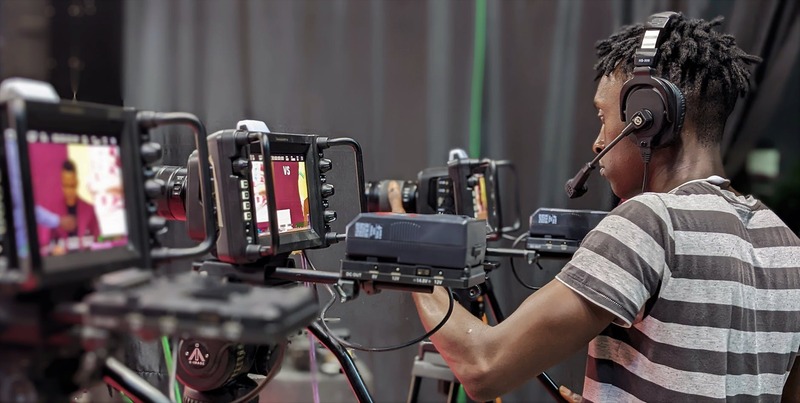
Furthermore, a well-designed communication protocol among the production team members facilitates quick issue resolution. Having clear procedures and designated roles allows technical staff to act efficiently, whether it involves switching camera angles, adjusting stream settings, or notifying clients of potential issues. After each broadcast, detailed review sessions analyze technical performance metrics, providing insights to refine processes and prevent recurrence of similar problems in future events.
In a remote live video production environment, flexibility and rapid responsiveness are vital. Employing real-time diagnostic tools helps teams stay ahead of potential issues, while pre-event rehearsals and dry runs familiarize everyone with troubleshooting protocols. This proactive approach forms the backbone of delivering professional quality content consistently, regardless of location or technical challenges.
Understanding Remote Live Video Production
Remote live video production involves orchestrating a seamless broadcast experience from multiple locations, leveraging advanced technology to connect various sources into a unified stream. This process requires meticulous coordination, ensuring each element—from camera feeds to audio inputs—is synchronized and transmitted within strict time frames. As the demand for high-quality remote broadcasts increases, the importance of integrating reliable transmission methods and real-time management tools becomes evident. Proper execution not only enhances viewer engagement but also strengthens the professional reputation of the producing entity.
Essential Technologies and Equipment for Remote Live Video Production
To achieve optimal results, remote live video production relies on a combination of sophisticated hardware and software solutions. Key components include:
- Broadcast Cameras: Professional-grade cameras that deliver high-definition video quality and support various lens options for diverse shooting environments.
- Encoder Devices: Hardware or software encoders that convert raw footage into digital streams compatible with streaming platforms.
- Reliable Streaming Protocols: Protocols such as SRT (Secure Reliable Transport) or RTMP (Real-Time Messaging Protocol) facilitate stable data transmission over the internet.
- Network Infrastructure: Multiple internet connections, including dedicated broadband lines, cellular networks, or satellite links, provide redundancy and prevent interruptions.
- Audio Equipment: High-quality microphones and audio mixers ensure clear sound, synchronized with visual feeds for a comprehensive broadcast experience.
- Remote Control and Monitoring Tools: Software interfaces that allow producers to manage multiple feeds, adjust settings, and monitor stream health in real-time.
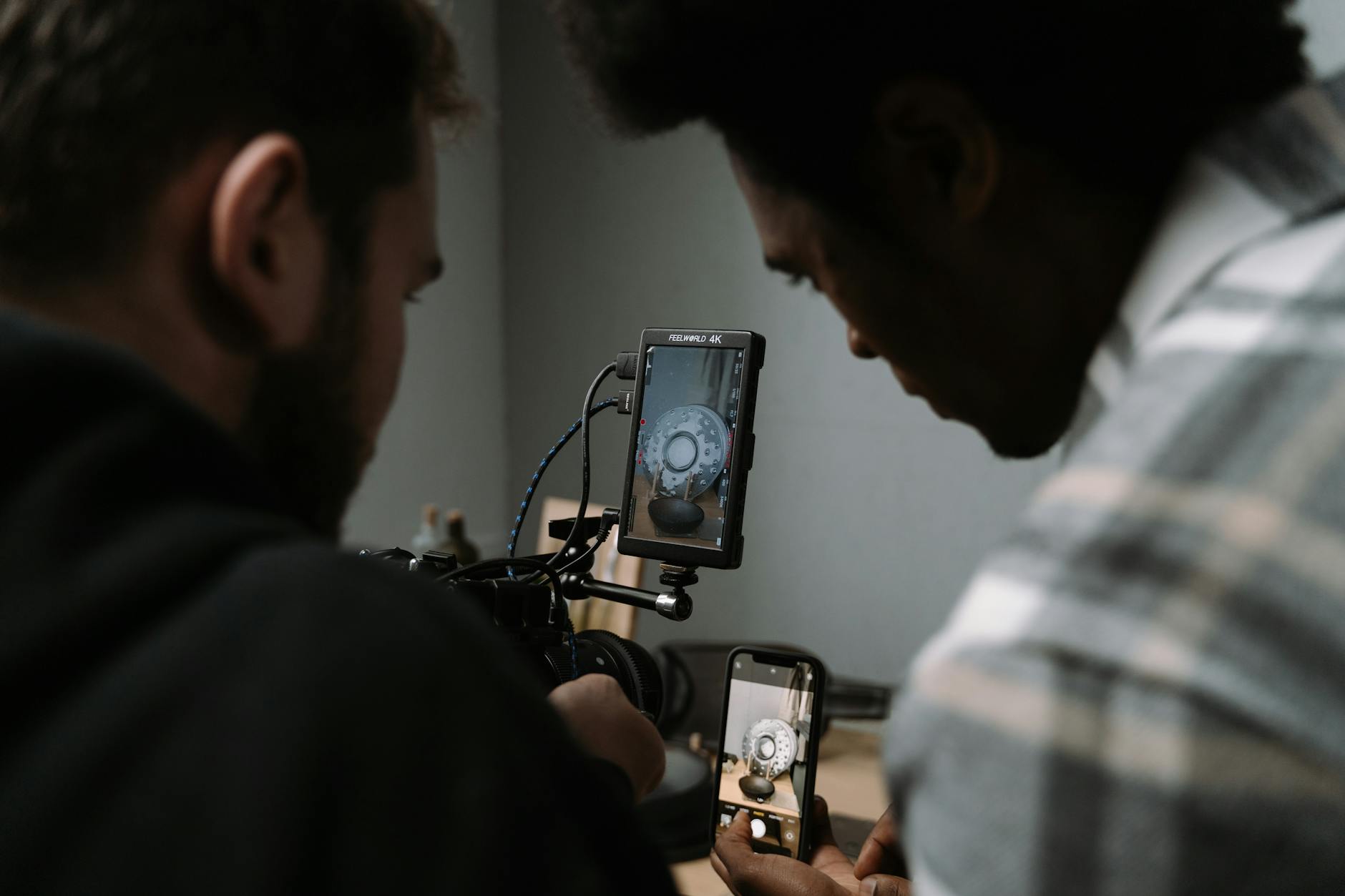
Planning and Pre-Production Processes
Effective remote live video production begins with detailed planning and pre-visualization. This phase includes defining the broadcast objectives, selecting suitable locations, and conducting site surveys to assess connectivity possibilities. Detailed event scripts, shot lists, and technical run-downs are prepared well in advance, facilitating smooth on-site and remote coordination. Testing all equipment, establishing network failover plans, and conducting dry runs help identify potential issues before the actual event, minimizing unexpected disruptions. During this stage, communication protocols among remote teams are established, ensuring everyone understands their roles and responsibilities, particularly regarding troubleshooting and emergency procedures.
Execution and On-Site Setup
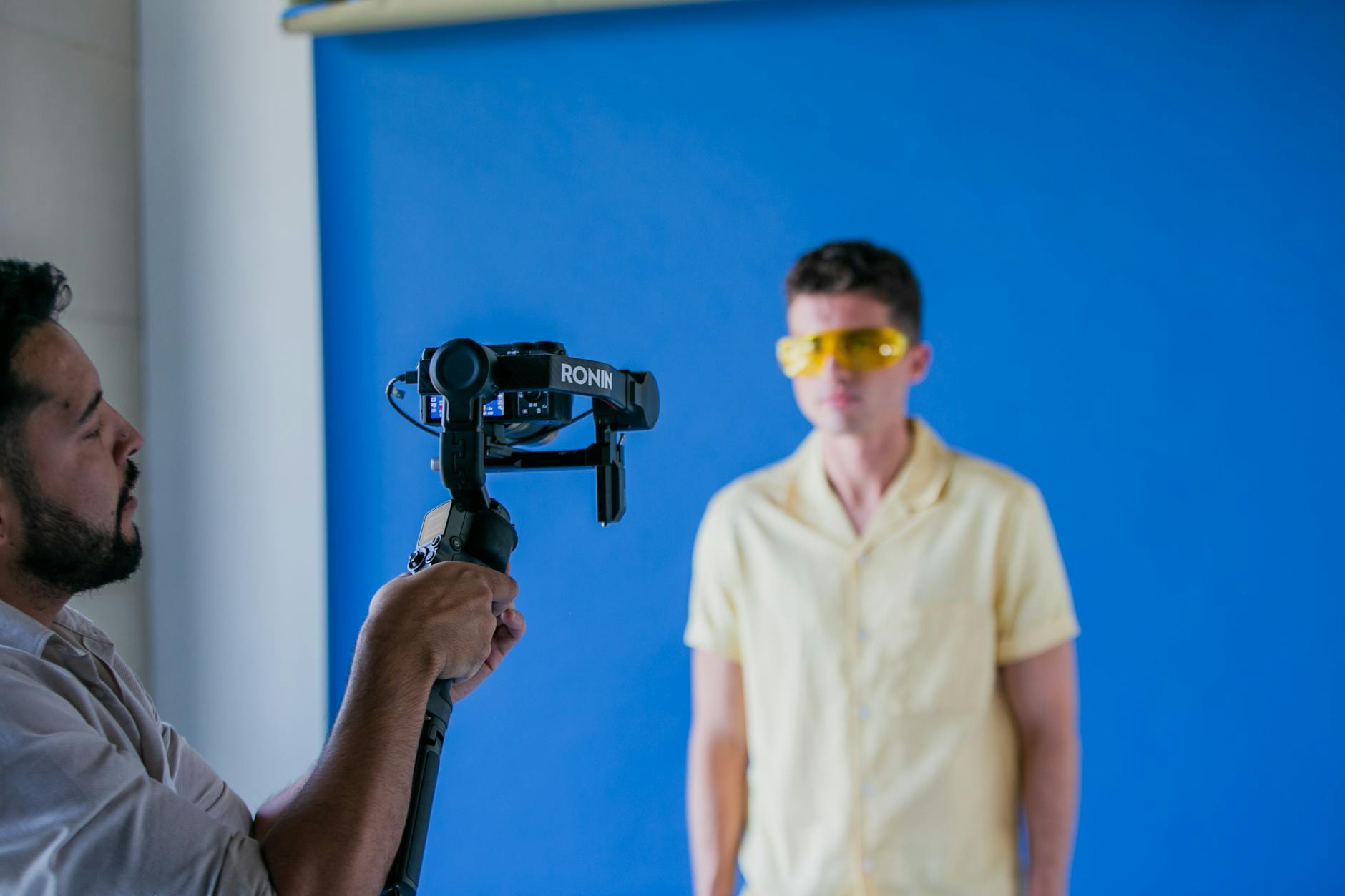
On the day of the event, meticulous setup and configuration of all hardware are vital. This includes positioning cameras for optimal angles, calibrating audio equipment for clarity, and connecting transmission devices to ensure stable data flow. Networking hardware such as routers, switches, and modems must be configured to prioritize bandwidth and reduce latency. Continuous monitoring of the live feed is essential, with real-time diagnostics employed to detect issues proactively. Additionally, backup systems—such as secondary internet connections—are activated if primary links show signs of instability. The coordination between remote producers, onsite technicians, and content creators relies heavily on clear communication channels to facilitate prompt responses to any unforeseen challenges during the broadcast.
Security and Compliance Considerations
Ensuring the integrity and confidentiality of live streaming content is paramount in remote live video production. Implementing robust security measures protects against unauthorized access, data breaches, and interference, which could compromise the broadcast. Encryption protocols are employed to safeguard data transmission, especially when streaming over public or shared networks. Utilizing secure VPNs for remote access points and deploying firewalls on network hardware add additional layers of protection, reducing vulnerability to cyber threats.
Data security also involves managing access controls and authentication procedures. Only authorized personnel should have permission to operate equipment or modify streaming settings. This is achieved through strong password policies, multi-factor authentication, and detailed user activity logs that monitor changes and access points during production. Furthermore, storage of recorded content must adhere to data protection standards, with encryption and restricted permissions ensuring confidential information is not exposed.
Regulatory compliance encompasses adherence to broadcasting regulations, intellectual property rights, and content licensing standards. These regulations may dictate specific licensing requirements, content restrictions, or technical standards such as resolution and audio quality specifications. Complying with regional laws, especially within diverse jurisdictions like Miami, is essential for avoiding legal complications. For example, broadcasters must respect copyright laws, obtain necessary permissions for certain content, and adhere to guidelines related to privacy and consent when capturing live footage involving individuals or private property.
Continuous monitoring of streaming channels and network activity enables rapid identification of potential threats or unauthorized access attempts. Proactive threat detection tools, intrusion detection systems, and real-time analytics provide insights that facilitate immediate response and mitigation. Additionally, conducting periodic security audits and risk assessments ensures that security protocols adapt to emerging threats and technological advances, maintaining high standards of safety throughout the production process.
For remote live video production in Miami, it is also crucial to work with local vendors and consultants who understand regional broadcasting laws and digital security requirements. Staying up-to-date with industry best practices enhances overall safety measures, enabling seamless, compliant, and secure live streaming experiences that meet client expectations and regulatory standards.
Understanding Remote Live Video Production
Remote live video production has revolutionized the broadcasting landscape, offering unprecedented flexibility and reach. This method allows for high-quality live streaming of events, conferences, or performances without the need for extensive on-site infrastructure. The core of remote production involves capturing footage at a physical location—be it a concert hall, sports arena, or corporate event—and transmitting that feed to a remote studio or production hub for mixing, graphics, and broadcasting. It maximizes resource efficiency, reduces logistical complexities, and enables real-time collaboration across multiple locations.
Key Technologies and Equipment Used
Successful remote live video production relies on a suite of sophisticated technologies and equipment designed to facilitate seamless signal transmission and high-quality playback. Essential components include:
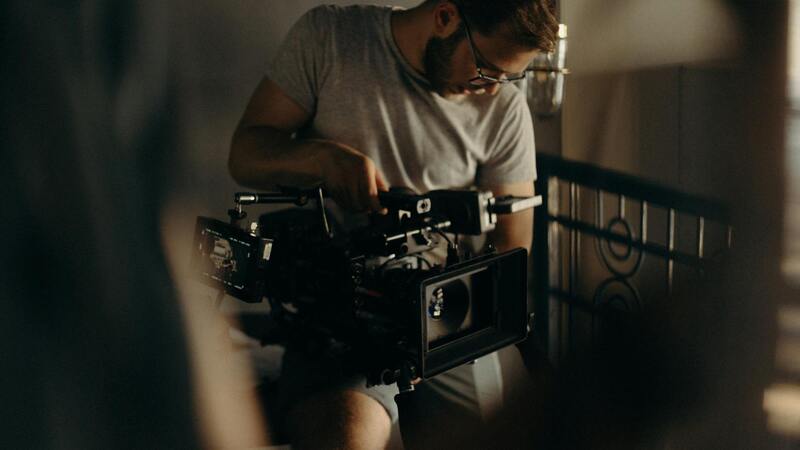
- Video Cameras: Professional-grade cameras with high-definition (HD) or 4K resolution capabilities ensure sharp, detailed footage suitable for live broadcast.
- Encoding Devices: Hardware encoders convert raw video signals into compressed digital streams compatible with transmission networks.
- Transmission Infrastructure: Reliable internet connections, bonded cellular networks, fiber optics, or satellite links are vital for transmitting live feeds with minimal latency and packet loss.
- Remote Control and Monitoring Software: Platforms that allow producers to remotely manage cameras, mixers, and feeds in real-time facilitate efficient oversight from afar.
- Audio Equipment: High-quality microphones, audio mixers, and digital signal processors ensure clear sound that matches the visual quality.
- Networking Equipment: Routers, switches, and firewalls configured for secure and efficient data flow are crucial for maintaining stream stability.
Planning and Pre-Production Processes
Meticulous planning and thorough pre-production are fundamental to a smooth remote live video shoot. This phase involves detailed coordination between the client, production team, and on-site crew. Key elements include:
- Site Survey: Assessing the venue, lighting conditions, available power sources, and potential obstacles to determine equipment requirements.
- Technical Rehearsals: Conducting test runs to verify camera angles, audio clarity, transmission stability, and integration with broadcast infrastructure.
- Content Planning: Mapping out shot lists, graphics, and sponsor integrations to ensure content aligns with event objectives.
- Network Assessment: Evaluating internet bandwidth, backup options, and security measures to prevent interruptions during live transmission.
- Crew Coordination: Establishing roles, responsibilities, and communication protocols among on-site personnel and remote team members.
Execution and On-Site Setup
On the day of the event, execution revolves around executing a well-orchestrated setup and monitoring process. This begins with installing and calibrating cameras, audio equipment, and transmission hardware. Ensuring redundancy—such as backup encoders or secondary internet links—is critical to mitigate potential failures. During live production, constant communication with the remote director and technical team allows for swift adjustments in camera angles, audio levels, or switching between feeds to maintain broadcast quality. Real-time monitoring of network performance and stream health is essential, requiring a dedicated technical crew to troubleshoot issues promptly and maintain continuous, high-quality output.

Collaborating with Remote Teams
Effective collaboration is instrumental to delivering a successful remote live video production. It hinges on clear and continuous communication among on-site technicians, remote directors, editors, graphics teams, and clients. Utilizing robust, secure collaboration platforms facilitates real-time sharing of feeds, digital assets, and strategic directives. Scheduling regular check-ins, sharing detailed shot sheets, and employing live chat or video conferencing tools ensure everyone remains aligned. Leveraging cloud-based file sharing and project management software streamlines workflows and enhances responsiveness, especially when coordinating across multiple time zones or diverse teams. This cooperation ensures swift decision-making and the ability to adapt dynamically during the live event.
Quality Control and Troubleshooting
Maintaining high standards during remote production demands rigorous quality control. Continuous monitoring systems evaluate video quality, latency, and stream stability. Remote operators should leverage tools like multi-view monitors, diagnostic dashboards, and real-time feedback loops to detect issues early. Common challenges include network disruptions, equipment failures, or sensor malfunctions. Rapid troubleshooting protocols involve switching to backup feeds, adjusting encoding settings, or rerouting signals through secondary pathways. Regular pre- and post-event testing, along with detailed checklists, enhance readiness and minimize the risk of on-air issues. Having dedicated technical support on standby ensures rapid response to unforeseen problems, protecting the integrity of the broadcast.
Security and Compliance Considerations
Safeguarding the entire remote production process encompasses multiple layers of security protocols. Encrypting data streams prevents unauthorized access during transmission, while secure credential management restricts access to authorized personnel. Network security strategies include firewalls, VPNs, and intrusion detection systems to safeguard against cyber threats. During live streams involving sensitive content, implementing access controls ensures only permitted viewers can access the feed. Regular security audits and compliance checks help identify vulnerabilities before they can be exploited. Additionally, adherence to privacy standards—such as obtaining necessary consents and safeguarding personal identifiable information—fosters trust with clients and audiences alike. Collaborating with security specialists and following industry best practices are vital for maintaining a secure and compliant remote production environment.