Understanding Live Webcasting Services
Live webcasting services have become an integral part of modern event broadcasting, offering a seamless way to transmit live audio-visual content over the internet to a broad audience. These services utilize advanced streaming technology to deliver real-time video and audio feeds directly to viewers' devices, whether they are at remote locations or within the event venue. The core strength of live webcasting lies in its ability to bridge geographical gaps, making it possible for attendees, clients, or interested viewers to participate in events as they happen, regardless of their physical location.
At the heart of a live webcasting service are several key features designed to ensure a high-quality viewing experience. These include high-definition video streaming, reliable and scalable bandwidth management, minimal latency, and compatibility across multiple devices such as smartphones, tablets, laptops, and desktops. The technology employs robust encoding and compression techniques to optimize streaming quality while minimizing data consumption. Many services also incorporate interactive features like live chat, real-time polling, or integrated social media feeds to enhance viewer engagement and interaction during the event proceedings.

Additionally, live webcasting services often include comprehensive platform management, ensuring smooth broadcast operations from start to finish. This encompasses pre-event setup, content upload, scheduling, and post-event analytics. The ability to handle large audiences without compromising streaming quality is essential, especially for high-profile events such as corporate conferences, concerts, or religious gatherings. By providing a centralized and reliable platform, live webcasting transforms how organizations and individuals share their stories and reach wider audiences effectively.
Beyond technical features, a professional live webcasting service emphasizes security and access control. Platforms often incorporate secure streaming protocols, password protections, and geo-restrictions to safeguard content and manage viewership permissions. This comprehensive approach ensures that organizations maintain control over their digital broadcasts, providing both quality and security tailored to their specific needs.
Ultimately, live webcasting services have revolutionized the way audiences consume events, offering flexibility, broader reach, and enhanced engagement. As technology advances, these services continue to become more sophisticated, enabling more dynamic and interactive viewing experiences for diverse industries and event types.
Key Components of a Live Webcasting Service
Implementing an effective live webcasting service involves several critical components that work in harmony to deliver a seamless viewing experience. Understanding these elements can help organizations make informed decisions when selecting or managing a webcasting solution that meets their specific needs.
- High-Quality Video Capture and Encoding: The foundation of a successful live stream is the quality of the video content. This involves professional-grade cameras and advanced encoding hardware or software, ensuring that the footage is crisp, clear, and free of lag or pixelation even during large-scale broadcasts.
- Reliable Streaming Platform: The core of any webcasting service, this platform handles the distribution of the live feed to viewers. It must support high bandwidth capacities, multiple viewer connections, and adaptive streaming to accommodate different devices and internet speeds.
- Content Management System (CMS): A robust CMS allows for efficient scheduling, content uploading, and media management. It enables organizers to coordinate multiple streams, add branding elements, and control the user interface for a cohesive viewer experience.
- Interactive Features: To boost engagement, features such as live chat, Q&A sessions, polls, and social media integration are essential. These tools foster real-time interaction between hosts and viewers, making the event more dynamic and memorable.
- Access Control and Security: Protecting digital content is paramount. Security measures including password protections, geo-restrictions, and encrypted streaming help ensure that only authorized viewers can access the content. Moreover, digital rights management (DRM) can safeguard intellectual property rights.
- Technical Support and Monitoring: During the broadcast, having expert technical support on standby ensures quick resolution of any issues. Continuous monitoring of stream health, viewer metrics, and system performance allows for immediate adjustments to maintain quality throughout the event.
- Post-Event Analytics: After the live stream, analytics provide insights into viewer engagement, geographic distribution, and technical performance. This data helps organizers evaluate success and plan for future broadcasts more effectively.

Each of these components plays a vital role in delivering a professional, engaging, and secure live event. When properly integrated, they provide a comprehensive solution that can seamlessly handle the logistical, technical, and interactive aspects of webcasting, all while maintaining high standards of quality and viewer satisfaction.
Essential Technology and Infrastructure for Live Webcasting
Implementing a successful live webcasting service requires a combination of robust technology and reliable infrastructure. Key components include high-definition cameras, professional audio equipment, stable internet connections, and specialized streaming platforms. These elements work together to deliver a seamless viewing experience that captures every detail of the event with clarity and precision.
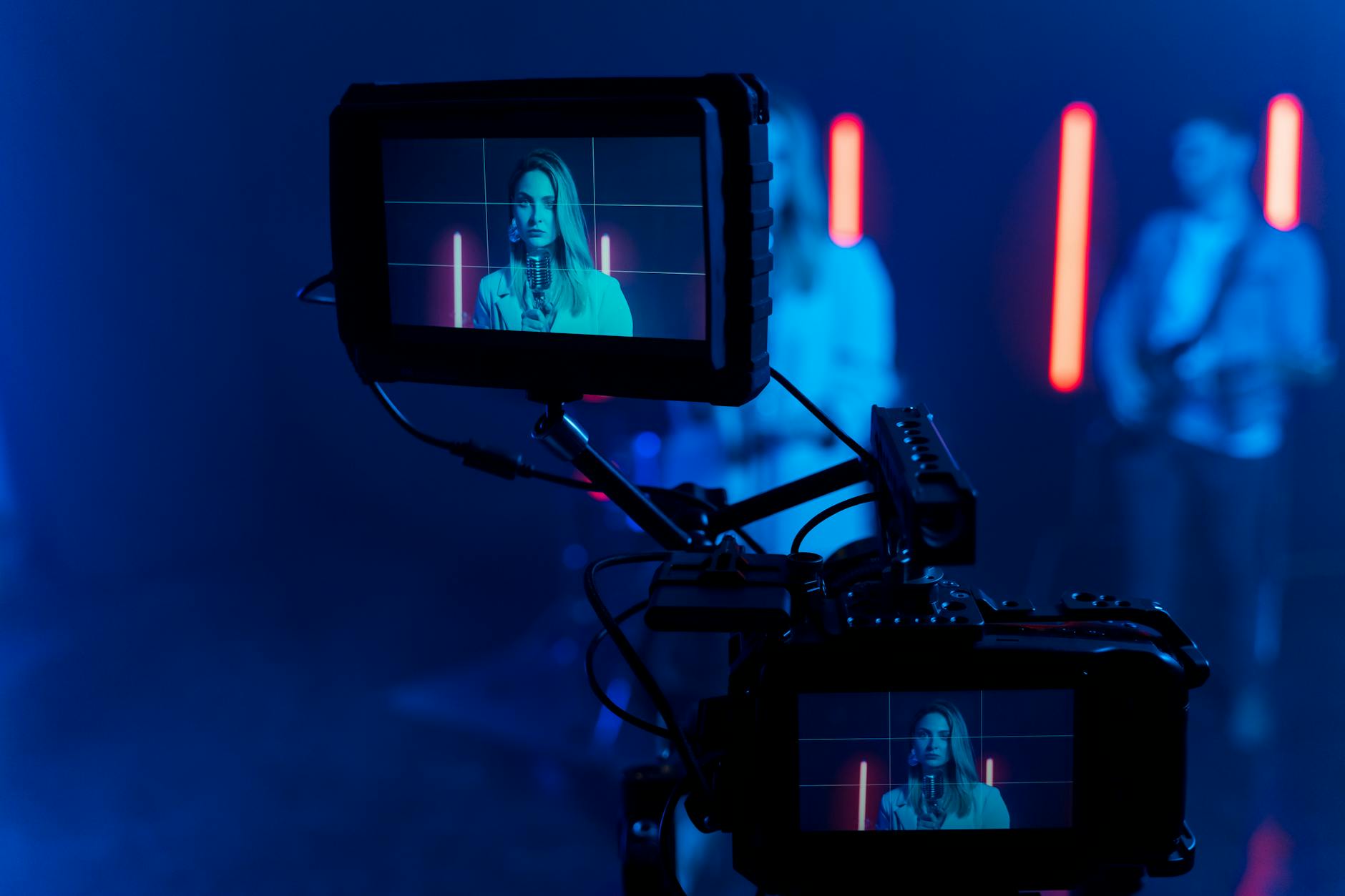
High-quality cameras, such as 4K or HD camcorders, are crucial for producing crisp video content. These cameras can be strategically positioned to cover multiple angles, ensuring comprehensive coverage. In addition, advanced audio systems, including lapel or shotgun microphones, help capture clear sound, complementing the visual elements and enhancing viewer engagement.
Reliable internet connectivity is fundamental to prevent buffering issues and ensure uninterrupted streaming. Typically, a dedicated high-speed Ethernet connection is preferred over Wi-Fi, providing stable upload speeds necessary for high-quality broadcasts. To further enhance reliability, redundant internet connections and backup power supplies are often employed, safeguarding against technical failures.
Streaming platforms play a vital role in distributing the live content securely to viewers. These platforms support various encoding software and hardware, enabling broadcasters to optimize streaming quality and adapt to different bandwidth conditions. They also offer essential features such as multi-channel streaming, real-time analytics, and viewer management tools.

Integration of these technological components creates a foundation for professional webcasting that meets the expectations of diverse audiences. Properly maintained and optimized, these tools ensure the broadcast remains technically sound, visually appealing, and engaging, regardless of the event scale or complexity.
Understanding Live Webcasting Services
Live webcasting services have transformed the way organizations and individuals share their messages, events, and presentations with remote audiences. This technology allows real-time broadcasting via the internet, ensuring that viewers can watch content from anywhere in the world on various devices such as smartphones, tablets, or desktops. The core of an effective live webcast hinges on robust technical infrastructure, high-quality audiovisual equipment, and seamless streaming platforms. These components work together to provide a reliable, engaging, and interactive experience, making professional webcasting an essential tool for corporate conferences, concerts, religious gatherings, educational seminars, and more.

Key Elements of a Professional Live Webcasting Service
To ensure clarity, stability, and viewer engagement, a well-implemented live webcasting service involves several crucial elements:
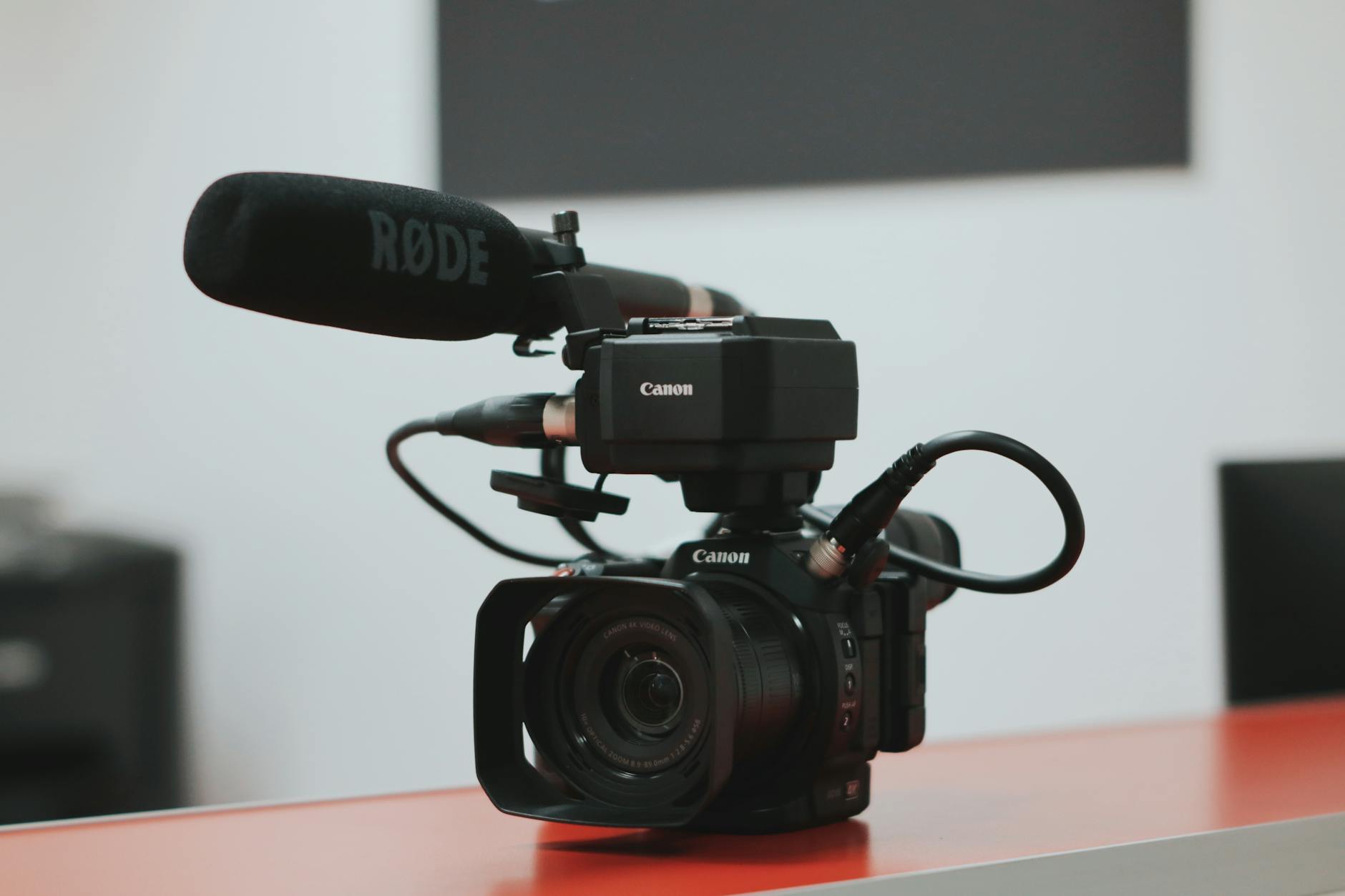
- High-Definition Video Equipment: Use of multiple cameras capable of capturing sharp, high-resolution footage from various angles. This creates a dynamic viewing experience that mimics the feel of in-person presence.
- Advanced Audio Solutions: Deployment of professional microphones, such as lapel, shotgun, or boundary microphones, guarantees clear audio transmission. Proper audio mixing prevents echoes, background noise, and distortion, ensuring the sound complements the visual content effectively.
- Reliable Internet Connectivity: Dedicated high-speed Ethernet connections are preferred to minimize latency and buffering issues. Redundant internet links and backup power systems are critical to maintaining uninterrupted streams during technical disruptions.
- Encoding and Streaming Platforms: Use of state-of-the-art encoding hardware and software optimizes video and audio signals for transmission. Streaming platforms that enable multi-channel broadcasting, real-time analytics, and viewer interaction contribute to a professional presence online.
- Technical Support and Monitoring: Continuous monitoring during live events ensures immediate resolution of any issues. Skilled operators can make adjustments on the fly, ensuring a smooth viewing experience for audiences across different time zones and device types.
Implementation Process
Executing a live webcast involves several phases, beginning with pre-production planning. This includes content rehearsals, technical tests, and coordination with speakers and organizers. On the event day, the technical team manages camera angles, audio quality, and streaming parameters. Post-event, analytics tools provide insights into audience engagement, viewership numbers, and other metrics crucial for evaluating success and planning future broadcasts. Proper execution at each stage ensures a polished, professional live streaming experience that can match or surpass in-person attendance in terms of quality and impact.
Legal and Technical Considerations
Implementing a live webcasting service involves meticulous attention to both legal and technical elements to ensure a seamless and trustworthy broadcast. From a technical standpoint, it is essential to utilize reliable encoding hardware and software that comply with industry standards. These tools convert the raw audio and video signals into formats suitable for streaming, maintaining high quality while optimizing bandwidth usage. Additionally, selecting secure streaming platforms mitigates risks related to unauthorized access and data breaches, safeguarding both the content and viewers' privacy.
On the legal front, it is crucial to establish clear rights management for all content being streamed. This includes obtaining necessary permissions for copyrighted material, music, and visual assets featured during the event. Proper licensing agreements prevent intellectual property disputes and ensure compliance with relevant regulations. Event organizers should also develop terms of service and privacy policies that clearly articulate how viewer data will be handled, fostering transparency and building trust with the audience.

Another key consideration involves consistent quality control throughout the transmission. This entails implementing redundant internet connections and backup power supplies to prevent interruptions caused by technical failures. Continuous monitoring tools should be deployed during the broadcast to detect and resolve issues immediately, ensuring a polished viewing experience. Technical support teams must be prepared to make real-time adjustments to streaming parameters, manage audio-visual synchronization, and troubleshoot potential problems swiftly.
Moreover, compliance with accessibility standards enhances the inclusivity of the webcast. Incorporating closed captioning, audio descriptions, and multiple language options broadens reach and ensures that diverse audiences can participate fully. When integrated thoughtfully, these measures reinforce the event’s professionalism and legal integrity, creating a reliable environment for both organizers and viewers.

In essence, the success of a live webcasting service hinges on a balanced combination of cutting-edge technology and diligent legal practices. This not only elevates the quality and security of broadcasts but also demonstrates a commitment to responsible content management. Proper planning and execution in these areas translate into a more engaging, credible, and compliant online presence for any event conducted through a live webcasting platform.
Legal and Technical Considerations
Implementing a successful live webcasting service requires a comprehensive understanding of various legal and technical considerations. Ensuring lawful content distribution is fundamental to maintaining credibility and safeguarding stakeholders involved in the broadcast. Organizations must obtain the necessary rights and permissions for all multimedia elements, including music, videos, images, and any external content integrated into the webcast. This process involves licensing agreements that specify usage rights, geographic distribution, and content duration, which collectively mitigate risks related to intellectual property infringement.
On the technical front, the robustness of the streaming infrastructure determines the overall quality and reliability of the webcast. A secure, high-capacity server environment must be established to prevent unauthorized access and cyber threats. Data encryption, firewalls, and secure login procedures help protect sensitive information and ensure only authorized viewers access the live stream. Content delivery networks (CDNs) play a pivotal role in distributing content efficiently across multiple regions, reducing latency, and safeguarding against service interruptions.
Another critical aspect is the transmission protocol. Today, the most widely used standard is the Real-Time Messaging Protocol (RTMP), which provides low-latency, continuous streaming suited for live events. Complementarily, adaptive bitrate streaming adjusts the video quality based on viewers' internet conditions, enhancing user experience across diverse devices and connection speeds.
Furthermore, meticulous pre-broadcast testing is essential. This involves verifying equipment functionality, internet stability, and streaming software configurations. Rehearsals simulate live conditions, allowing technical teams to identify potential vulnerabilities or bottlenecks. During the broadcast, continuous monitoring tools should track stream quality, viewer engagement metrics, and technical performance indicators.
Legal and Technical Considerations
When delivering high-quality live webcasting services, several critical legal and technical factors must be meticulously addressed to ensure a seamless and compliant broadcast. These considerations encompass copyright management, privacy adherence, bandwidth optimization, and redundancy strategies, all vital for maintaining broadcast integrity and safeguarding stakeholders.
Copyright and Content Rights Management
Secure appropriate permissions for all content shared during the live stream. This includes music, video footage, images, and any proprietary materials. Implementing robust licensing agreements and clear rights management helps prevent intellectual property disputes. A comprehensive content vetting process prior to the event ensures that all materials are properly authorized, reducing the risk of copyright infringement claims that could disrupt the webcast or lead to reputational damage.
Ensuring Viewer Privacy and Data Security
Establish strict privacy protocols to protect viewer information and comply with data protection standards. This involves encrypted streaming methods, secure authentication procedures, and strict access controls. If the webcast involves sensitive or proprietary information, consider secure login systems and restricted access to authorized personnel. Clear privacy policies communicated to viewers foster transparency and trust, which are essential for ongoing engagement.
Bandwidth and Network Requirements
A reliable live webcasting experience hinges on ample bandwidth capacity. Streaming in high-definition quality involves significant data transmission, necessitating high-speed internet connections with sufficient upload speeds. Conduct thorough network assessments to identify potential bottlenecks, and collaborate with internet service providers to ensure stable connectivity throughout the event duration. Adequate bandwidth prevents buffering issues and ensures a smooth viewing experience across all devices.
Redundancy and Failover Strategies
Implementing redundancy measures is key to minimizing disruptions during a live webcast. This includes multiple internet connections, backup streaming hardware, and failover servers. Utilizing Content Delivery Networks (CDNs) distributes the stream across different servers worldwide, reducing latency and ensuring continuous delivery even if primary servers encounter issues. Regular testing of all backup systems prior to the event ensures preparedness for unforeseen technical difficulties, maintaining broadcast continuity.
Monitoring and Quality Assurance
Continuous monitoring during the live event allows technical teams to quickly identify and troubleshoot issues. Metrics such as stream stability, viewer engagement, and latency levels provide insights into performance. Employing real-time analytics and alert systems enables prompt response to any anomalies, safeguarding the viewer experience and preserving the professionalism of the webcast.

Understanding Live Webcasting Services
Live webcasting services are sophisticated solutions that facilitate the real-time streaming of events over the internet, allowing audiences to participate remotely without compromising on quality or engagement. These services utilize advanced encoding technologies, robust transmission protocols, and high-capacity servers to deliver seamless video and audio streams across various devices, including desktops, tablets, and smartphones. When executed properly, live webcasting transforms traditional gatherings into accessible, interactive experiences that reach a broader audience and deliver dynamic content in real time.
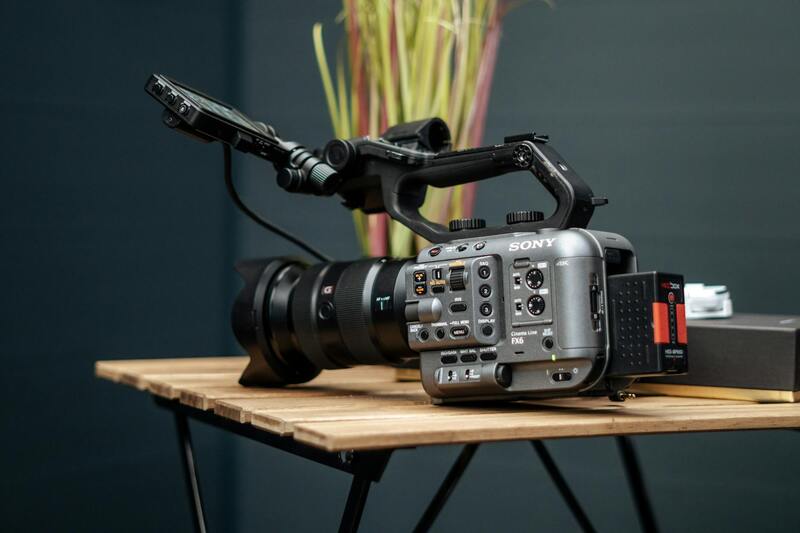
Leveraging professional webcasting services involves more than just setting up a camera and pressing record. It encompasses a comprehensive process that includes high-definition video capture, adaptive streaming technology that adjusts quality based on viewer bandwidth, and secure transmission channels that prevent interruptions. From webinars and corporate meetings to large-scale conferences and live entertainment, effective webcasting ensures that each participant receives a consistent, engaging viewing experience that maintains the event’s integrity and impact.
Benefits of Using Professional Webcasting for Events
- Wider Audience Reach: Unlike traditional in-person events, webcasting allows participants from around the globe to attend without geographical constraints.
- Enhanced Engagement: Interactive features such as live polls, Q&A sessions, and chat functions foster active participation and real-time feedback.
- Cost and Time Efficiency: Eliminating travel and physical venue costs makes events more accessible and cost-effective, especially for large or recurring gatherings.
- Professional Presentation: High-quality production standards elevate the perceived value of your event, portraying a more professional image.
- Data Collection and Analytics: Webcasting platforms provide insights on viewer engagement, helping organizers refine future events and measure success.
Image Placeholder
Key Components of a Live Webcasting Service
Professional live webcasting integrates several critical elements to deliver a flawless experience. These components include:
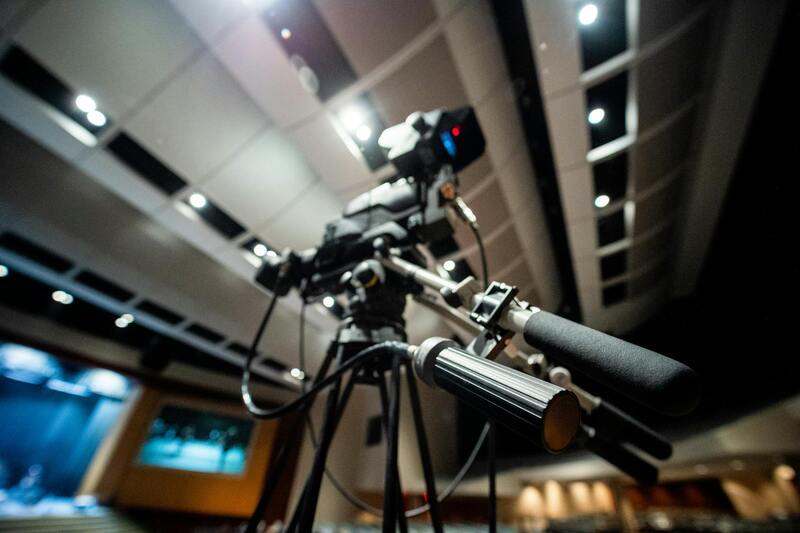
- High-Definition Video Capture: Using professional cameras and microphones to ensure clear visual and audio quality.
- Encoding Equipment and Software: Transcoding the raw footage into digital formats suitable for streaming, utilizing hardware encoders or software-based solutions.
- Reliable Internet Connectivity: High-speed, redundant internet connections with sufficient upload bandwidth are essential to prevent buffering and lag issues.
- Content Delivery Networks (CDNs): Distributed server networks that optimize global content delivery, reduce latency, and enhance streaming stability.
- Streaming Platforms and Hosting: Secure, scalable platforms that manage the live broadcast traffic and provide viewer access.
- Monitoring and Support: Real-time oversight and technical support to quickly address any disruptions during the event.
Choosing a Webcasting Service Provider in Miami
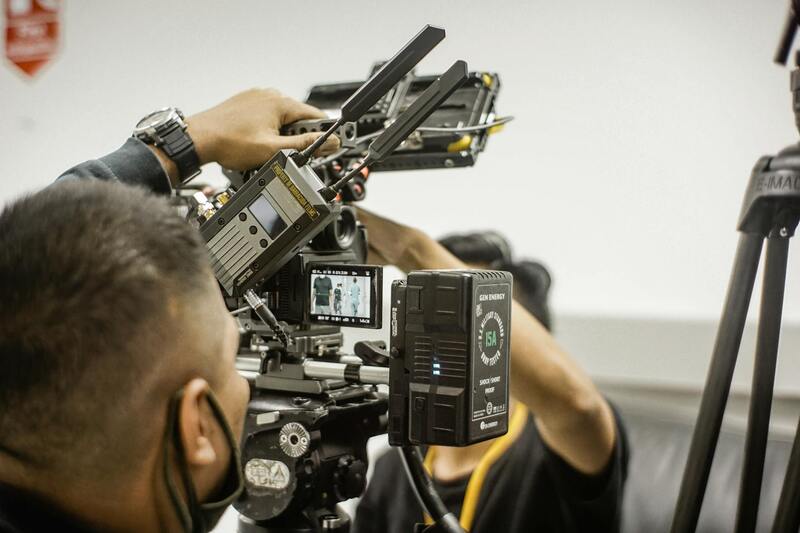
Selecting the right webcasting partner requires careful consideration of expertise, technology, and support capabilities. Look for providers with proven experience handling similar events, state-of-the-art equipment, and flexible packages tailored to your specific needs. An effective provider offers comprehensive pre-event planning, on-site technical assistance, and post-broadcast analytics, ensuring your event runs smoothly from start to finish.
Industries and Events Benefiting from Webcasting
Webcasting is a versatile tool applicable across many sectors, including:
- Corporate Events: Product launches, shareholder meetings, training sessions, and seminars.
- Educational Institutions: Virtual classrooms, commencement ceremonies, and academic lectures.
- Entertainment and Arts: Concerts, theater performances, and film premieres reaching wider audiences.
- Religious Services: Live streaming of sermons and spiritual gatherings to congregants unable to attend physically.
- Non-Profit and Community Events: Fundraisers, awareness campaigns, and community meetings extending their reach beyond local participants.
Best Practices for Successful Live Webcasting
Achieving a professional, glitch-free webcast involves adhering to proven strategies:
- Pre-Event Testing: Conduct dry runs to calibrate equipment, test internet connectivity, and simulate viewer scenarios.
- Quality Content Preparation: Ensure all visual elements, scripts, and presentations are finalized and rehearsed beforehand.
- Dedicated Technical Team: Employ skilled operators for cameras, audio, and streaming software to respond swiftly to any issues.
- Optimized Network Infrastructure: Use wired connections where possible and allocate sufficient bandwidth to prevent disruptions.
- Clear Communication: Keep open lines with viewers through announcements, instructions, and technical support cues during the event.
- Monitoring and Analytics: Track stream stability, viewer metrics, and engagement to address problems proactively and refine future streams.
Legal and Technical Considerations
While focusing on the delivery of a high-quality broadcast, it is important to adhere to established guidelines for content distribution. Use official platforms and authorized streaming software to ensure compliance with platform-specific standards and regional regulations. Protect your content through secure streaming channels and encryption, especially when handling sensitive or proprietary information. Moreover, maintaining robust cybersecurity measures prevents unauthorized access and potential data breaches, safeguarding both your event and your viewers' privacy.