Understanding Live Video Streaming Services
Live video streaming services have become an essential component for a wide array of events, businesses, and organizations seeking to connect with audiences in real time. These platforms enable the broadcast of live video content over the internet, offering a seamless and engaging experience for viewers regardless of their geographic location. They serve as vital tools for event organizers, marketers, and communicators who aim to deliver immediate, high-quality visual content that captures the energy and essence of live events.

At their core, these services utilize sophisticated technology to encode, transmit, and distribute video feeds directly to viewers' devices such as smartphones, tablets, or computers. They support various broadcasting styles, including one-way streams for general audiences and interactive sessions that allow for viewer participation through live chat, polls, or Q&A features. The primary functions include real-time video delivery, latency management, adaptive streaming for different internet speeds, and analytics to monitor viewer engagement and reach.
These platforms are indispensable for a diverse spectrum of applications, including live event coverage, corporate webinars, virtual conferences, product launches, and community outreach initiatives. They provide an efficient way to amplify message dissemination, foster community interaction, and expand outreach beyond traditional physical or regional limitations.

The core functions of live video stream services include:
- High-Quality Video Transmission: Ensuring clear, crisp visuals suitable for professional broadcasting standards.
- Real-Time Interaction: Incorporating features such as live chat, viewer polls, and comment sections to foster engagement.
- Scalability: Supporting concurrent viewers from small meetings to large audiences exceeding thousands of participants.
- Multi-Platform Support: Distributing streams across various devices and social media outlets for maximum outreach.
- Data and Analytics: Providing insights into viewer behavior, engagement levels, and content performance.
By leveraging these functions, organizations can deliver compelling live content that enhances visibility, encourages participation, and effectively communicates their message to targeted audiences.
Understanding Live Video Streaming Services
Types of Streaming Platforms and Technologies
Choosing the appropriate live video stream service involves understanding the various platforms and technologies available. These platforms are designed to cater to diverse needs, ranging from small-scale webinars to large international broadcasts. Each platform offers distinct features tailored to different event sizes, audience engagement levels, and technical requirements.
Popular live streaming platforms include dedicated enterprise solutions, social media live features, and specialized streaming services that provide comprehensive broadcasting tools. These services utilize advanced encoding and delivery technologies, such as adaptive bitrate streaming, which adjusts video quality in real-time based on viewers’ internet speeds, ensuring uninterrupted viewing experiences. Content Delivery Networks (CDNs) are often integrated into these services to distribute content efficiently across global locations, reducing latency and buffering issues.
Key Features to Consider When Choosing a Service
- Video Quality and Reliability: The platform should deliver high-definition video with minimal latency to maintain professional standards.
- Scalability: Consider whether the service can accommodate varying audience sizes without compromising stream quality or stability.
- User Engagement Tools: Features like chat, polls, and Q&A are essential for fostering interaction and retaining viewer interest.
- Multi-Platform Compatibility: The ability to broadcast seamlessly across desktops, tablets, and smartphones widens reach.
- Analytics and Reporting: Access to detailed viewer data helps evaluate engagement and improve future events.
- Security Measures: Robust access controls and encryption methods secure content and protect viewer privacy.
- Support and Technical Assistance: Reliable customer support ensures smooth operation throughout the broadcast process.
The Role of Advanced Encoding and CDN Technologies
In addition to platform features, the technical backbone of a live video stream service greatly influences broadcast quality. Adaptive encoding ensures viewers receive the best possible quality based on their internet capabilities. This dynamic adjustment helps prevent disruptions and provides a smooth viewing experience. Content Delivery Networks (CDNs) distribute streams across multiple servers worldwide, decreasing load times and buffering. This global distribution is crucial for reaching large audiences, particularly in geographically dispersed regions, such as Miami and beyond.
Implementation Considerations for Events and Business Use
Successful integration of live streaming services requires technical planning, including selecting suitable hardware, internet bandwidth, and software. High-quality cameras, professional audio equipment, and stable internet connections form the foundation of impactful live broadcasts. Ensuring compatibility with existing streaming and presentation tools further streamlines the setup process. Testing and rehearsals prior to the event are vital to address potential technical glitches and confirm that all elements operate seamlessly.
Understanding the technical infrastructure and selecting the right platform ensures that live streams meet quality expectations and audience engagement goals. As technology advances, live video streaming services continue to evolve, incorporating innovations that enhance interaction, accessibility, and broadcast quality, solidifying their role as an essential tool in modern event execution and digital communication strategies.
Types of Live Streaming Platforms and Technologies
Choosing the appropriate live video stream service involves understanding the diverse array of platforms and technological solutions available in the market. Different platforms cater to various needs, from broad audience reach to niche industry applications. Broadly, these can be categorized into Over-The-Top (OTT) services, social media streaming, and specialized enterprise solutions, each offering distinct features tailored to specific objectives.

OTT platforms such as dedicated streaming services offer reliable, customizable solutions that can support high-definition broadcasts and integrate with multiple content management systems. These platforms are capable of hosting on-demand content alongside live streams, thereby expanding engagement opportunities. They often include monetization options, subscription models, and analytics tools essential for business-oriented broadcasts.
Social media channels like Facebook Live, YouTube Live, and Instagram Live represent accessible, cost-effective options for reaching large audiences quickly. These platforms are optimized for mobile devices, facilitating spontaneous and real-time interactions, which can be excellent for promotional events or community engagement in Miami. However, they come with limitations regarding customization and branding, which might influence their suitability for official or large-scale events.

More sophisticated solutions incorporate technologies like real-time encoding, content delivery networks (CDNs), and adaptive bitrate streaming. These ensure consistent video quality despite varying network conditions, vital for delivering professional, uninterrupted broadcasts. Also, multi-platform streaming allows simultaneous transmission across different social networks and private portals, maximizing audience outreach.
Additionally, emerging innovations such as cloud-based streaming services, hybrid broadcasting models, and integrated interactive features are transforming live video streaming. These technologies enable seamless scalability, higher engagement levels, and sophisticated audience analytics, making them indispensable for Miami-based events and corporate functions that demand precision and high production standards.
Understanding Live Video Streaming Services
Live video streaming services have revolutionized how organizations, event organizers, and content creators share their messages with audiences across Miami and beyond. These services encompass a broad spectrum of technological solutions designed to broadcast real-time video content over the internet, ensuring seamless delivery to viewers regardless of location. At their core, these platforms and tools enable high-quality transmission, offer customization options, and provide robust management features that facilitate engaging and professional broadcasts.
Whether hosting a corporate seminar, a community festival, or a social fundraiser, selecting an appropriate live video stream service is vital for ensuring your event is experienced as intended. These solutions typically feature scalable bandwidth options, integrated chat and interaction components, and easy-to-use interfaces suitable for users with varying technical expertise. Their infrastructure often includes content delivery networks (CDNs), encoding hardware or software, and adaptive bitrate technology to optimize viewer experience across different devices and network conditions.
The growing landscape of live streaming options includes options for private, invite-only broadcasts as well as public streams with extensive social media integration. Content creators and event organizers can tailor the experience through branding overlays, synchronized multimedia content, and interactive features, fostering deeper engagement with their Miami audience. As live streaming continues to evolve with technological innovations, it remains a cornerstone of modern communication strategies, ensuring messages are conveyed clearly, securely, and effectively in real-time.

Benefits of Using a Live Video Stream Service in Miami
Leveraging a reputable live video stream service in Miami provides numerous advantages that significantly enhance event reach and visibility. One of the primary benefits is the ability to connect with a geographically dispersed audience instantly. Whether attending a corporate event, a charity fundraiser, or a local cultural festival, viewers can access high-quality streams from their preferred devices, including smartphones, tablets, and desktops.
High-definition streaming capabilities ensure that visual content remains crisp and professional, reflecting positively on the host organization or brand. The interactive features commonly integrated into these services—such as live chat, polls, and Q&A sessions—foster active engagement, making audiences feel involved regardless of physical distance. This level of interaction enhances attendee satisfaction and encourages social sharing, which amplifies event impact within Miami’s vibrant community.
Moreover, live streaming services facilitate real-time analytics, enabling organizers to monitor viewer engagement, geographic distribution, and overall reach. These insights support data-driven decisions for future events, marketing campaigns, or community outreach initiatives. Additionally, integrating live streams with existing websites, social media platforms, or dedicated portals allows for a cohesive branding experience and streamlined content management.

Key Features to Consider When Choosing a Service
- Video Quality: Ensure support for HD and 4K streaming options for clear visuals.
- Scalability: The ability to handle varying audience sizes without compromising quality or stability.
- Low Latency: Minimal delay between the live event and its broadcast to maintain real-time interactions.
- Security: Encryption, access controls, and authentication to protect content and viewer data.
- Content Management: Ease of uploading, editing, and scheduling streams, along with branding tools.
- Interactive Capabilities: Features for audience engagement such as chat, polls, and Q&A modules.
- Multi-Platform Broadcasting: Simultaneous streaming across social media, websites, and internal platforms.
- Technical Support and Reliability: Dedicated assistance during live events and robust infrastructure to prevent interruptions.
Production Quality and Technical Requirements
Achieving high-quality live video streams in Miami demands attention to specific production standards and technical infrastructure. The foundation of a professional live stream begins with equipment: high-definition cameras capable of capturing sharp visuals, reliable microphones for clear audio, and robust streaming hardware or software that can encode and transmit content efficiently. When selecting a live video stream service, it is crucial to verify that the platform supports HD or 4K resolution, ensuring viewers experience crisp, detailed visuals regardless of their device.
Lighting plays a pivotal role in production quality. Adequate, well-balanced lighting enhances visual clarity and reduces noise, especially in indoor venues or low-light conditions common in many Miami event spaces. Proper lighting setup helps create an engaging viewing experience that captures the vibrancy characteristic of Miami’s dynamic events.

Beyond visual aspects, audio fidelity is equally important. Utilizing professional-grade microphones and sound mixers ensures that speech, music, and ambient sounds are transmitted clearly, preventing listener fatigue and enhancing viewer engagement. Compatibility with various codecs guarantees smooth transmission without buffering, even in high-definition streams.
From a technical standpoint, sufficient internet bandwidth is indispensable. Upload speeds should be multiple times higher than the stream’s bit rate to prevent interruptions and maintain stability throughout the event. Many Miami-based venues and event organizers opt for dedicated, wired connections over wireless networks to minimize latency and packet loss.
Reliable streaming platforms also offer content delivery network (CDN) integration. CDNs distribute content across global servers, reducing latency and buffering for viewers regardless of their geographic location, which is especially beneficial for reaching audiences beyond Miami.
Operational preparedness includes testing equipment and connection stability well before the event. Backup options, such as secondary internet connections and redundancy in hardware, safeguard against unforeseen technical failures. Also, an experienced production team familiar with the chosen live video stream service can troubleshoot potential issues swiftly, ensuring seamless broadcasting.
In sum, high production standards combined with robust technical setup form the backbone of successful live streams. This foundation allows Miami event organizers to deliver engaging, professional content that resonates with diverse audiences and elevates the profile of their events.
Understanding Live Video Streaming Services
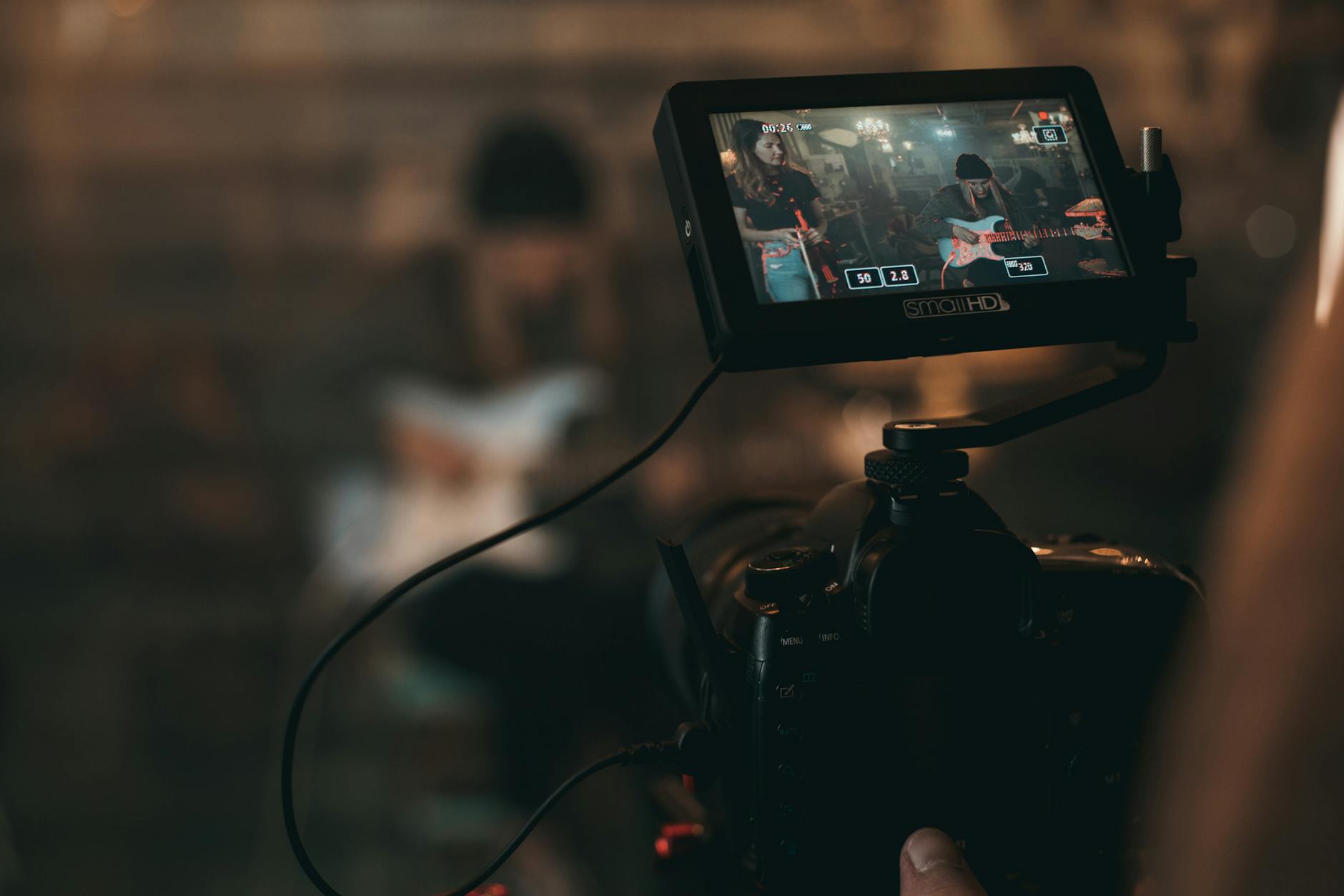
Live video streaming services serve as vital tools that enable real-time broadcasting over the internet. These platforms facilitate the seamless delivery of live footage to audiences across various devices and locations, making them indispensable for corporate events, concerts, conferences, and community gatherings. The core function involves capturing video through professional or consumer-grade cameras, compressing the footage via encoding software or hardware, and transmitting it through high-capacity servers and content delivery networks (CDNs) to viewers.
Effective live streaming hinges on several technical elements including high-quality video capture, reliable internet connections, efficient encoding, and robust distribution infrastructure. With advancements in technology, streaming services now support ultra-high-definition (UHD) formats, multi-camera switching, synchronized audio, and interactive features such as live chats and real-time polling, thereby enhancing viewer engagement and overall experience.
Benefits of Using a Live Video Stream Service in Miami
Miami’s vibrant event scene and diverse business landscape make live video streaming an essential component for expanding reach and increasing engagement. By leveraging a professional live video stream service, organizers can deliver their message or showcase their event to an expanded audience without geographic constraints. This approach not only broadens visibility but also allows for monetization opportunities through pay-per-view models or sponsorship integrations.
Additionally, live streaming provides instant accessibility and interactive possibilities, such as real-time commentaries, viewer polls, and social media integrations. These features foster a sense of community and participation, which is crucial for engaging local and international audiences alike. For businesses, live streaming can serve as a digital storefront, enabling real-time demonstrations or product launches directly to global viewers based in or interested in Miami.

Types of Live Streaming Platforms and Technologies
Numerous platforms exist to cater to diverse streaming needs, ranging from enterprise-grade solutions to user-friendly consumer interfaces. Professional-grade services often feature customizable encoders, multi-camera support, integration with social media platforms, and interactive tools. These solutions are typically compatible with various broadcasting standards such as RTMP, HLS, and MPEG-DASH, allowing flexibility across devices and network conditions.
Additionally, advancements in cloud-based infrastructure have introduced scalable options that adjust to audience size and bandwidth demands. Many services utilize adaptive bitrate streaming, which automatically adjusts video quality based on viewer internet speed, providing a buffer-free experience. Employing CDNs ensures that streams are efficiently distributed, minimizing latency and buffering, especially important when targeting international viewers in Miami’s global market.
Key Features to Consider When Choosing a Service
- Video Quality: Support for high-resolution streams, including 4K, HD, and SD options to meet diverse event needs.
- Stability and Reliability: Robust infrastructure with minimal latency and downtime, supported by backup systems and redundancy measures.
- Interactive Capabilities: Built-in chat, polling, and viewer engagement tools enhance audience participation.
- Compatibility: Seamless integration with multiple platforms, devices, and social media channels.
- Scalability: Ability to handle varying audience sizes without compromising stream quality.
- Technical Support: Access to expert assistance during setup and live operation to troubleshoot issues promptly.
Integrating Live Video Streaming into Business and Event Strategies
Incorporating live streaming into event planning and business branding efforts allows for a broader reach and increased visibility. Establishing a dedicated streaming plan involves selecting the right platform, preparing technical equipment, and coordinating content delivery schedules. Businesses can leverage live streams as part of their marketing campaigns, product launches, or training sessions, providing real-time value to audiences while showcasing professionalism and innovative engagement strategies.
Event organizers should focus on creating a seamless experience by conducting pre-event testing, ensuring high-quality audio-visual standards, and promoting the live stream through multiple channels. Post-event analytics offered by streaming services help assess viewer engagement, geographic reach, and content performance, guiding future initiatives.
Understanding Live Video Streaming Services
Live video streaming services have transformed the way individuals and organizations broadcast events, communicate with audiences, and share content in real time. These services leverage advanced internet protocols and robust infrastructure to deliver high-quality video transmissions directly to viewers across various devices—from smartphones and tablets to desktops and smart TVs. The core functionality involves encoding live footage into a digital format, transmitting it through optimized servers, and decoding it for viewers to access seamlessly. This process ensures minimal latency, stable streams, and interactive viewer experiences, making live streaming an integral component of modern media dissemination.

Key Components of Live Streaming Platforms
- Encoding Hardware or Software: Converts raw footage into digital streams compatible with internet transmission.
- Content Delivery Network (CDN): Distributes video data efficiently across servers worldwide, reducing buffering and lag.
- Player Technology: Embedded players that allow viewers to access streams directly on websites or through apps.
- Interactive Tools: Features such as chat boxes, live polls, Q&A, and viewer engagement metrics.
Advantages of Professional Live Streaming
Utilizing a dedicated live video stream service provides numerous benefits, notably enhanced quality, reliability, and audience reach. Professional platforms offer advanced encoding technologies, which result in clearer images and sound, even with network fluctuations. Moreover, dedicated services guarantee high uptime percentages, ensuring events are broadcast as scheduled with minimal disruptions. The ability to embed interactive features fosters audience participation, converting passive viewers into actively engaged participants. For businesses and event planners in Miami, leveraging these services means expanding visibility beyond physical boundaries, connecting with global audiences in real-time, and creating memorable, professionally produced content.
Understanding Live Video Streaming Services
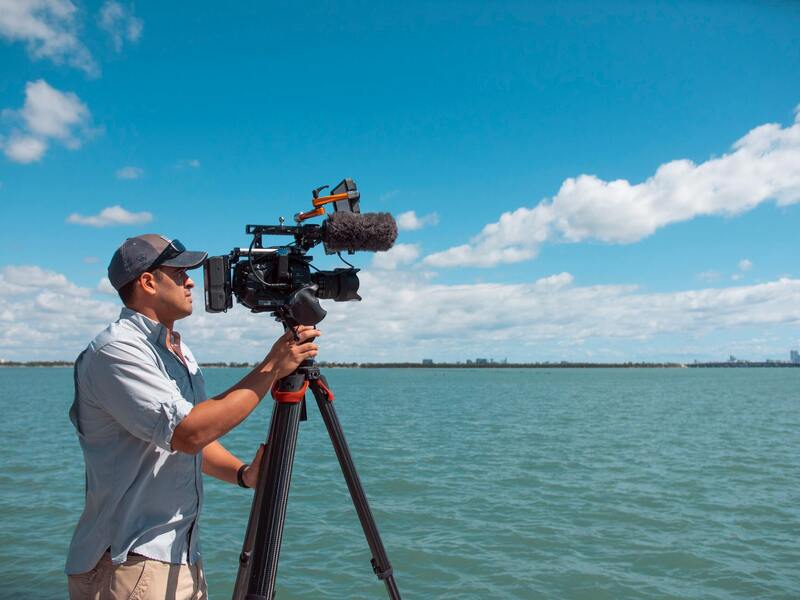
Live video streaming services encompass a range of technological solutions designed to broadcast real-time video content over the internet. These services utilize sophisticated encoding hardware or software to convert raw footage into digital streams that are compatible with various devices and platforms. Content delivery networks (CDNs) play a crucial role by distributing these streams efficiently across numerous server locations worldwide, minimizing buffering times and ensuring a seamless viewing experience. Viewers access content through embedded players seamlessly integrated into websites or mobile applications, allowing effortless interaction with live broadcasts. Additionally, advanced interactive tools such as chat functions, live polls, Q&A sessions, and viewer engagement analytics foster a dynamic connection between broadcasters and their audiences. These platforms are instrumental for diverse applications including corporate events, live concerts, sports tournaments, and community gatherings, providing a robust solution for real-time content dissemination and audience interaction.
Benefits of Using a Live Video Stream Service in Miami
Implementing a live video stream service in Miami offers significant advantages for businesses, event organizers, and content creators. One of the primary benefits is the ability to reach a broader audience beyond geographical limitations, enabling participation from local, national, and international viewers. Professional streaming services guarantee high-definition video and clear audio, which enhances the overall quality and professionalism of the event or content being broadcast. Reliability is another critical factor; dedicated platforms are built to deliver consistent performance with minimal downtime, even during high-traffic periods. This reliability ensures that events proceed without interruptions, maintaining viewer engagement. Moreover, integrating interactive features encourages viewer participation, fostering a sense of community and increasing audience retention. For Miami-based events, these services allow real-time analytics and viewer engagement tracking, providing valuable insights to tailor future content and marketing efforts. The result is a dynamic, accessible, and highly professional broadcasting experience that elevates the event's visibility and impact.
Types of Live Streaming Platforms and Technologies
The live streaming industry is characterized by a diverse array of platforms and technological solutions designed to meet various needs and scales. Public platforms like social media channels (e.g., Facebook Live, YouTube Live) provide accessible options for casual or large-scale outreach, allowing users to broadcast directly to their existing audiences. For more controlled and branded experiences, private streaming platforms or enterprise solutions are preferred. These often include custom-built portals, secure login options, and branded video players. Technologies such as RTMP (Real-Time Messaging Protocol) remain foundational for delivering low-latency streams to multiple devices, while newer protocols like SRT (Secure Reliable Transport) enhance security and reliability for remote production workflows. Cloud-based streaming services offer scalability, enabling rapid deployment and handling large viewer capacities without hardware limitations. These platforms often incorporate advanced encoding and adaptive bitrate streaming to optimize video quality based on viewer bandwidth, ensuring consistent playback regardless of connection speed.

Key Features to Consider When Choosing a Service
Selecting the right live video stream service involves evaluating several vital features that align with your broadcasting objectives. First and foremost is streaming reliability; the platform must ensure high uptime and minimal lag. Compatibility with various devices and operating systems guarantees a smooth viewing experience for all audience segments. Customization options, including branded players, overlays, and interactive elements, help tailor broadcasts to specific event identities or corporate branding. Scalability is essential for accommodating fluctuating viewer numbers, especially during peak times like ticket sales or high-interest events. Security features such as encrypted streams and access controls protect sensitive content and restrict unauthorized viewing. Additionally, comprehensive analytics tools provide insights into viewer demographics, engagement levels, and playback metrics, enabling data-driven improvements for future broadcasts. Customer support and technical assistance are also crucial, ensuring quick resolution of any issues that may arise during event execution.
Integrating Live Video Streaming into Business and Event Strategies
Embedding live streaming into your broader marketing or event strategy amplifies reach and engagement. For businesses and event managers in Miami, integrating live video streams allows for multi-channel promotion, attracting larger audiences and generating additional monetization opportunities through ticket sales, sponsorships, or advertising. Seamless integration with existing websites, social media pages, and email campaigns maximizes visibility and facilitates easy sharing of event links. Live streaming also provides real-time feedback, enabling rapid response to audience questions and comments, thus enhancing interactivity and community building. Content repurposing—such as creating highlight reels or behind-the-scenes footage—extends the lifespan of the broadcast content and sustains audience interest post-event. Strategically leveraging live video streams can improve brand recognition, foster community involvement, and create memorable experiences that resonate long after the live event concludes.

Production Quality and Technical Requirements
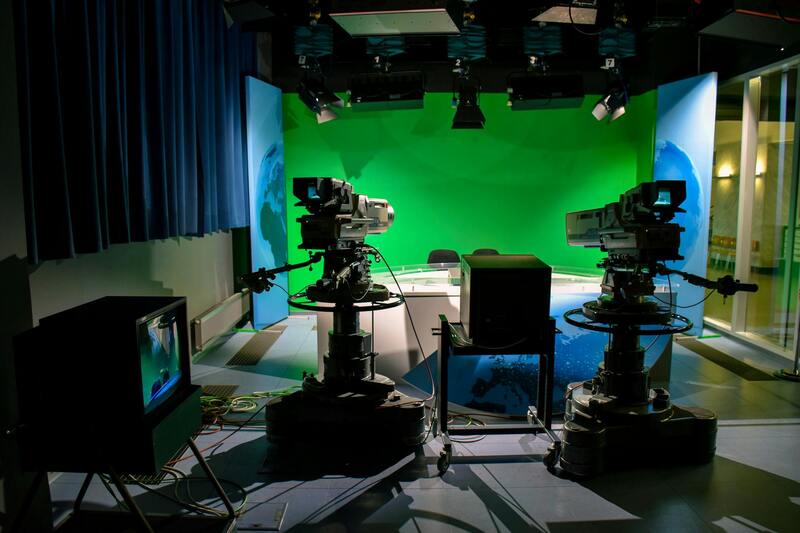
High production value is fundamental in delivering engaging live streams. Professional broadcasters utilize high-definition cameras, quality microphones, and sophisticated lighting setups to ensure visual clarity and crisp audio. A stable internet connection with sufficient upload bandwidth—preferably dedicated and fiber-optic—is essential to maintain continuous streaming without buffering or quality degradation. For larger events, a multi-camera setup, video switchers, and graphic overlays can add a polished, cinematic feel. Technical coordination involves pre-event testing, proficient encoding strategies, and real-time monitoring by skilled operators to address potential issues swiftly. Post-event, footage can be archived for on-demand access, further extending the content's usability. Investing in reliable equipment and experienced personnel significantly impacts viewer satisfaction, reputation, and the overall success of your live stream initiative.
Legal and Privacy Considerations
Respecting privacy and adhering to relevant policies are vital components of a professional live streaming approach. Event organizers should obtain necessary consents from individuals appearing on camera, particularly for private or sensitive content. Clearly communicating broadcasting terms and privacy policies upfront helps set viewer expectations and fosters trust. Implementing secure access controls, such as password protection or restricted login credentials, safeguards confidential material from unauthorized viewers. Additionally, compliance with regulations related to data protection and digital rights management ensures that streaming operations align with legal standards and industry best practices. Regular audits and transparent communication further reinforce your commitment to safeguarding audience and participant privacy, ultimately strengthening your reputation and fostering a trustworthy streaming environment.