Understanding Streaming Services for Events
In the landscape of contemporary event management, streaming services have become an indispensable component. These digital platforms facilitate the live broadcast of events, allowing audiences beyond physical venues to participate in real-time. They serve as vital tools for organizations looking to expand their reach, enhance attendee engagement, and create immersive experiences that resonate with a broader demographic. Key features of streaming services include high-definition video transmission, reliable bandwidth management, simultaneous multi-platform streaming, and interactive capabilities such as live chat and Q&A sessions. These elements not only improve the quality of broadcasting but also foster a sense of community among remote viewers.
Utilizing a robust streaming service can significantly elevate an event’s profile, provide analytics to assess audience engagement, and ensure seamless delivery across various devices and network conditions. The convenience of on-demand access post-event further adds value, enabling content to be preserved and shared, extending its impact well beyond the initial broadcast. For event organizers, choosing an appropriate streaming service aligns with strategic objectives such as increased attendance, brand visibility, and audience interaction. As the demand for virtual and hybrid event formats continues to grow, proficiency in leveraging these digital platforms is crucial for delivering memorable experiences that meet modern expectations.

Types of Streaming Services for Events
Streaming services for events encompass a diverse array of platforms tailored to different needs and scale. These can be broadly categorized into:
- Dedicated Event Streaming Platforms: Specialized services designed specifically for live events, offering tailored features such as customizable interfaces, monetization options, and multi-camera support.
- General Video Hosting Services: Popular platforms like YouTube, Vimeo, and Facebook Live provide accessible options for live broadcasting, often favored by smaller events and organizations seeking simplicity and wide reach.
- Enterprise Streaming Solutions: Advanced platforms suited for large-scale conferences or corporate events, featuring comprehensive analytics, security measures, and integration capabilities with other event management tools.
Choosing the right type depends on event size, target audience, desired level of interactivity, and technical requirements. Event organizers often evaluate these options based on reliability, scalability, user interface, and support services offered by providers.
Understanding Streaming Services for Events
When selecting a streaming service for events, it is essential to consider platforms that provide seamless delivery, high-quality broadcasts, and tailored features that align with the specific requirements of the event. These services function as the backbone for reaching an expansive audience, whether they are attending virtually, participating in hybrid formats, or engaging from anywhere across the globe.
A reliable streaming service ensures minimal latency, crisp video quality, and stable connections, addressing critical aspects that influence overall viewer satisfaction. Such platforms often incorporate flexible broadcasting options, allowing producers to deploy multi-camera feeds, incorporate real-time graphics, and facilitate interactive elements like live chat. Moreover, their compatibility across various devices—smartphones, tablets, desktops, and smart TVs—is vital for maximizing accessibility.
In selecting an appropriate service, features like customizable branding interfaces, monetization capabilities, and integrated analytics help organizers measure engagement and refine future event strategies. Security measures, including encrypted streams and controlled access, are indispensable for safeguarding sensitive content and ensuring a smooth viewing experience.
Another key factor is support and scalability—the platform must accommodate potential growth in viewership without compromising performance. Many streaming platforms also offer integrations with social media channels and event management tools, streamlining the transition from content creation to audience interaction.

Key Features to Consider in a Streaming Service
When selecting a streaming service for events, evaluating specific features is essential to ensure a seamless and engaging virtual experience. High-definition video quality is fundamental, as it directly affects viewer satisfaction and credibility of the broadcast. Advanced scalability capabilities enable the platform to handle fluctuating viewer counts, accommodating both small gatherings and large audiences without performance dips.
Interactivity features such as live chat, polling, and Q&A sessions foster real-time engagement, transforming passive viewers into active participants. This interaction not only enhances viewer retention but also provides valuable feedback for event organizers. Security measures are critical to protect sensitive content and control access; encrypted streams, password protection, and authentication protocols help maintain content integrity and deter unauthorized viewing.
Platform compatibility broadens the reach of an event, so the chosen service should effectively function across various devices and operating systems. Support for multiple devices—including desktops, smartphones, tablets, and smart TVs—is vital for maximizing accessibility and viewer convenience. Additionally, customizable branding options allow organizers to incorporate logos, overlays, and thematic graphics, reinforcing brand identity throughout the broadcast.
Other notable features include integrated analytics to monitor viewer engagement, real-time metrics, and post-event reports. Monetization tools such as ticketing integration, pay-per-view options, and sponsorship visibility can generate revenue streams. Furthermore, the platform should encompass robust streaming infrastructure support, offering options like CDN (Content Delivery Network) integration to ensure high performance and minimal latency across geographically dispersed audiences.

Choosing a service that combines these features helps to produce a polished, engaging, and secure event broadcast, leveraging technological innovations in the streaming landscape.
Understanding Streaming Services for Events
When planning live broadcasts for various events, selecting the appropriate streaming service is fundamental to ensuring a seamless experience for both organizers and viewers. Streaming services for events provide the technological backbone necessary to deliver high-quality content across multiple devices and locations. These platforms enable real-time broadcasting, interactive engagement, and comprehensive analytics, which collectively enhance the overall event impact.
The core function of a streaming service for events is to transmit audiovisual content over the internet efficiently and reliably. They often support features such as adaptive bitrate streaming to adjust video quality based on viewers’ bandwidth, ensuring minimal buffering and optimal viewing conditions. Additionally, professional-grade streaming services incorporate content delivery network (CDN) integration, allowing streams to buffer from geographically dispersed servers for fast and stable delivery even during high traffic periods.
Moreover, these platforms typically offer tools for content management and security. Features such as password protection, secured links, and encryption help maintain content integrity and ensure access is limited to authorized viewers. Some services also include multi-platform compatibility, enabling broadcast to a wide array of devices including desktops, smartphones, tablets, and smart TVs. This versatility broadens the audience reach and ensures accessibility regardless of device preference.
Organizers can customize their streaming experience through branding options, which include options for overlays, logos, and thematic graphics, reinforcing brand identity throughout the broadcast. Integrated analytics are also vital, providing real-time data on viewer engagement and attendance, which are invaluable for assessing event success and planning future initiatives.
As the landscape of live event streaming continues to evolve, innovative features like interactive chat, polls, and virtual networking spaces are increasingly integrated to foster engagement. Advanced streaming options also support multi-camera angles and high-definition broadcasting for a more dynamic presentation. Ensuring the chosen platform can support these features is essential to maximizing the overall quality of the event broadcast.

Technical Requirements for Optimal Streaming Performance
Implementing a successful live stream for events requires attention to several technical specifications that ensure a seamless viewing experience. High-speed internet connectivity with sufficient bandwidth is fundamental, particularly for large audiences or high-definition streams. Organizers should opt for a wired connection whenever possible, as it provides greater stability compared to wireless networks. When a wireless connection is necessary, ensuring a robust and dedicated Wi-Fi network minimizes disruptions.
Encoding hardware or software must support the desired video quality, with capabilities to handle multiple camera feeds, overlays, and real-time graphics. Using professional-grade encoders guarantees clarity and reduces latency, which enhances audience engagement. Additionally, streaming platforms should support adaptive bitrate streaming, enabling viewers to access a smooth broadcast regardless of their internet speed.

Security measures such as encrypted streams and secure access controls protect the broadcast from unauthorized access and ensure viewer privacy. Compatibility across devices—including desktops, tablets, and smartphones—is vital, requiring platforms that are optimized for various operating systems and screen sizes.
Importance of Support and Customer Service
Reliable customer support can significantly impact the success of an event broadcast. Technical issues can arise unexpectedly, and having access to responsive support teams ensures quick resolutions. Many top-tier streaming providers offer dedicated account managers, technical assistance during the event, and comprehensive onboarding resources. These services help organizers navigate complex setups, troubleshoot obstacles promptly, and adapt to unexpected challenges, ultimately delivering a professional and polished presentation.
Understanding Streaming Services for Events
Streaming services for events encompass a range of platforms and technologies designed to broadcast live or pre-recorded content to audiences via the internet. These services facilitate the seamless delivery of events such as conferences, concerts, weddings, corporate seminars, and community gatherings, reaching viewers across various locations and devices. By leveraging high-quality video transmission and reliable infrastructure, streaming services enable organizers to expand their reach beyond geographic limitations, creating opportunities for broader engagement and interaction. Effective streaming solutions are characterized by robust encoding capabilities, adaptive bitrate technology, and versatile compatibility with different operating systems, ensuring viewers experience high-resolution content regardless of their internet connection speeds.
Types of Streaming Services for Events
Depending on the scope and requirements of an event, organizers can select from several types of streaming services:
- Platform-Based Streaming: These are dedicated platforms that provide end-to-end solutions for live streaming, including hosting, encoding, and distribution. Examples include specialized event streaming platforms that cater to different event sizes and complexity levels.
- Social Media Streaming: Utilizing popular social networks such as Facebook Live, YouTube Live, or Instagram Live allows for real-time engagement with followers. These platforms are suitable for smaller events or events seeking to maximize social reach.
- Custom Infrastructure Streaming: For larger or highly confidential events, organizers might develop personalized streaming setups, involving professional-grade encoders, dedicated servers, and private distribution networks. This approach offers greater control over security and branding.
- Hybrid Streaming Solutions: Combining features from multiple sources, hybrid solutions enable events to broadcast simultaneously across several channels, optimizing audience coverage and engagement.
Key Features to Consider in a Streaming Service
When evaluating streaming services for events, several critical features ensure a smooth and professional broadcast:
- Video Quality and Resolution: Ensure the platform supports high-definition outputs, ideally up to 4K, for clarity and visual impact.
- Encoding Capabilities: Professional hardware or software encoders supporting multiple camera feeds, overlays, and graphics are essential for dynamic presentations.
- Adaptive Bitrate Streaming: This feature optimizes viewing experiences by adjusting the video quality in real-time based on the viewer’s internet speed.
- Security Measures: Encryption, access controls, and authentication protocols protect the content and maintain privacy standards.
- Device Compatibility: The service must seamlessly work across desktops, tablets, smartphones, and smart TVs, providing a consistent user experience.
- Scalability and Reliability: The platform should handle high viewer volumes without buffering or interruptions, especially during peak times.
- User Experience and Interface: An intuitive interface simplifies the setup process for organizers and offers viewers easy navigation and interaction options.
Benefits of Using Streaming Services for Events in Miami
Miami’s vibrant event scene benefits significantly from professional streaming solutions. These services expand event accessibility, attracting audiences locally and globally, which enhances exposure and engagement. For corporate events, streaming facilitates remote participation, making meetings, workshops, and seminars more inclusive. In the arts and entertainment sectors, live streams showcase performances to wider audiences, increasing exposure and potential revenue. Additionally, professional streaming enhances event branding by delivering polished presentations with high-quality visuals and audio, reinforcing a professional image. The ability to record streams for on-demand access adds long-term value, allowing content to be reused for marketing or archival purposes.
Challenges of Streaming Events and How to Overcome Them
While streaming technology offers numerous advantages, it also presents distinct challenges. Common issues include internet connectivity disruptions, latency, synchronization problems, and device incompatibilities. To minimize disruptions, it's essential to utilize dedicated high-bandwidth internet connections, preferably wired, in conjunction with failover solutions that activate if primary connections fail. Proper encoding hardware, optimized network configurations, and testing prior to the event help mitigate latency issues, ensuring smooth synchronization between audio and video streams. Additionally, employing adaptive bitrate streaming improves viewing experiences across different devices and connection speeds. For security concerns, encrypted streams and controlled access restrict unauthorized viewing, maintaining content integrity. Conducting thorough rehearsals and technical dry runs allows the team to troubleshoot potential issues proactively, ensuring a seamless broadcast during the live event.

Legal and Official Streaming Platforms
When selecting a streaming service for events, prioritizing platforms that are backed by reputable providers ensures a reliable and professional broadcast. These platforms typically operate with robust infrastructure and adhere to strict content delivery standards, resulting in fewer disruptions and higher quality streams. Examples include industry leading companies that offer comprehensive support for live event broadcasting, ranging from basic streams to complex multi-camera productions.
Utilizing those that operate through verified infrastructure means leveraging existing server networks optimized for high bandwidth, ensuring minimal latency, and seamless delivery. Many reputable streaming providers also offer integrations with popular content management systems or event management platforms, making the setup process more straightforward and efficient.
Official streaming service providers often offer tiered packages designed to meet the needs of various event types, from small business meetings to large-scale conferences or festivals. Their platforms are equipped with advanced security features, including encryption and access controls, safeguarding your content and ensuring only authorized viewers have access. Support teams are usually available to assist with technical setup and troubleshooting, minimizing technical difficulties during the event.
Furthermore, professional providers often include advanced analytics tools that allow event organizers to monitor viewership, engagement metrics, and stream performance in real time. These insights can help tailor ongoing or future events to better meet viewer preferences and improve overall engagement.

Choosing an established, official streaming platform provides confidence in the broadcast quality and technical support, which are critical for maintaining a professional image during live events. It also facilitates compliant and secure content delivery, reducing risks associated with unauthorized access or stream interruptions.
Choosing the Right Streaming Service Provider in Miami
When selecting a streaming service for your event, it is crucial to evaluate providers based on their technical capabilities, reliability, and client support. Miami hosts a variety of professional streaming platforms that cater specifically to the needs of live events, ensuring high-quality broadcasts and seamless viewer experiences. The ideal provider should offer scalable solutions tailored to the size and nature of your event, whether it’s a corporate conference, wedding, concert, or festival.
Key considerations include the provider's infrastructure robustness, their ability to deliver HD or 4K streams, and compliance with security standards to protect your content and viewers. Transparent pricing with clear tiered packages allows you to choose the most suitable plan without hidden costs. Experience with similar events in Miami also demonstrates the provider’s familiarity with local internet infrastructure, bandwidth requirements, and audience engagement tactics.
To ensure a smooth collaboration, it’s recommended to review client testimonials and case studies that highlight the provider’s expertise in managing live streams for large audiences. Additionally, a responsive customer support team should be accessible throughout the planning and execution phases, ready to troubleshoot issues promptly. Many local Miami-based providers also offer on-site technical support, which can be advantageous for larger or more complex events, providing real-time assistance and minimizing potential disruptions.
Moreover, it is essential to review the compatibility of the streaming service with your event’s existing infrastructure. Consider whether the provider offers integrations with your preferred content management systems or event management platforms. Easy integration reduces setup time and streamlines the entire process, enabling a more efficient broadcast workflow.
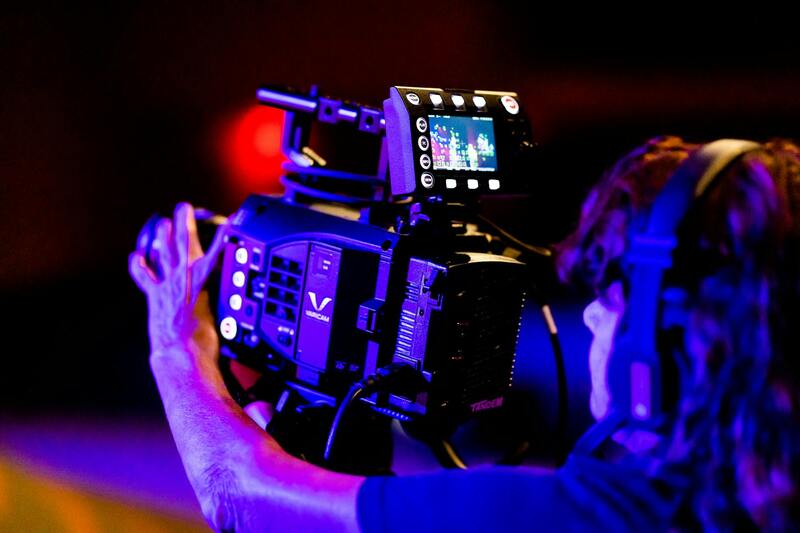
Engaging with a provider that offers comprehensive analytics tools is also advantageous. These tools give insights into viewer behavior, engagement levels, and stream performance, enabling continuous improvement for future events. The ability to monitor viewer demographics and engagement in real-time can inform content positioning and technical adjustments during the event, enhancing the overall experience.
Finally, establish clear communication channels with your chosen provider. Pre-event planning sessions and rehearsal runs help identify potential issues before the live broadcast. Confirm that your provider adheres to established standards for content security, latency management, and reliable delivery. By selecting a reputable, capable streaming service based in Miami, you ensure a professional presentation that aligns with your event goals, audience expectations, and technical needs.