Understanding Live Broadcasts for Corporate Events
In today’s interconnected world, the ability to broadcast corporate events live has become an essential component of strategic communication and brand presence. As organizations seek to expand their outreach beyond physical venues, live streaming offers a dynamic platform to connect with stakeholders, clients, and employees regardless of geographical boundaries. This method ensures that key messages, product launches, conferences, and seminars reach a broader audience with immediacy and authenticity.
Live broadcasting transforms traditional event coverage by providing real-time engagement opportunities, which can significantly amplify audience interaction and participation. Attendees who cannot attend in person can still experience the event through seamless, high-quality streams, reinforcing the event’s importance and fostering inclusivity. Moreover, live streaming creates an archive of the event that can be leveraged for future marketing, training, or internal communications, ensuring the event’s impact extends well beyond its scheduled date.
Through strategic live broadcasts, companies can enhance their visibility and establish a competitive edge. It enables transparent communication, builds trust with target audiences, and delivers content in an authentic manner that general advertising often cannot match. As technological advancements continue to evolve, the tools and methods for live streaming become more sophisticated, offering unparalleled clarity, stability, and interactive features.
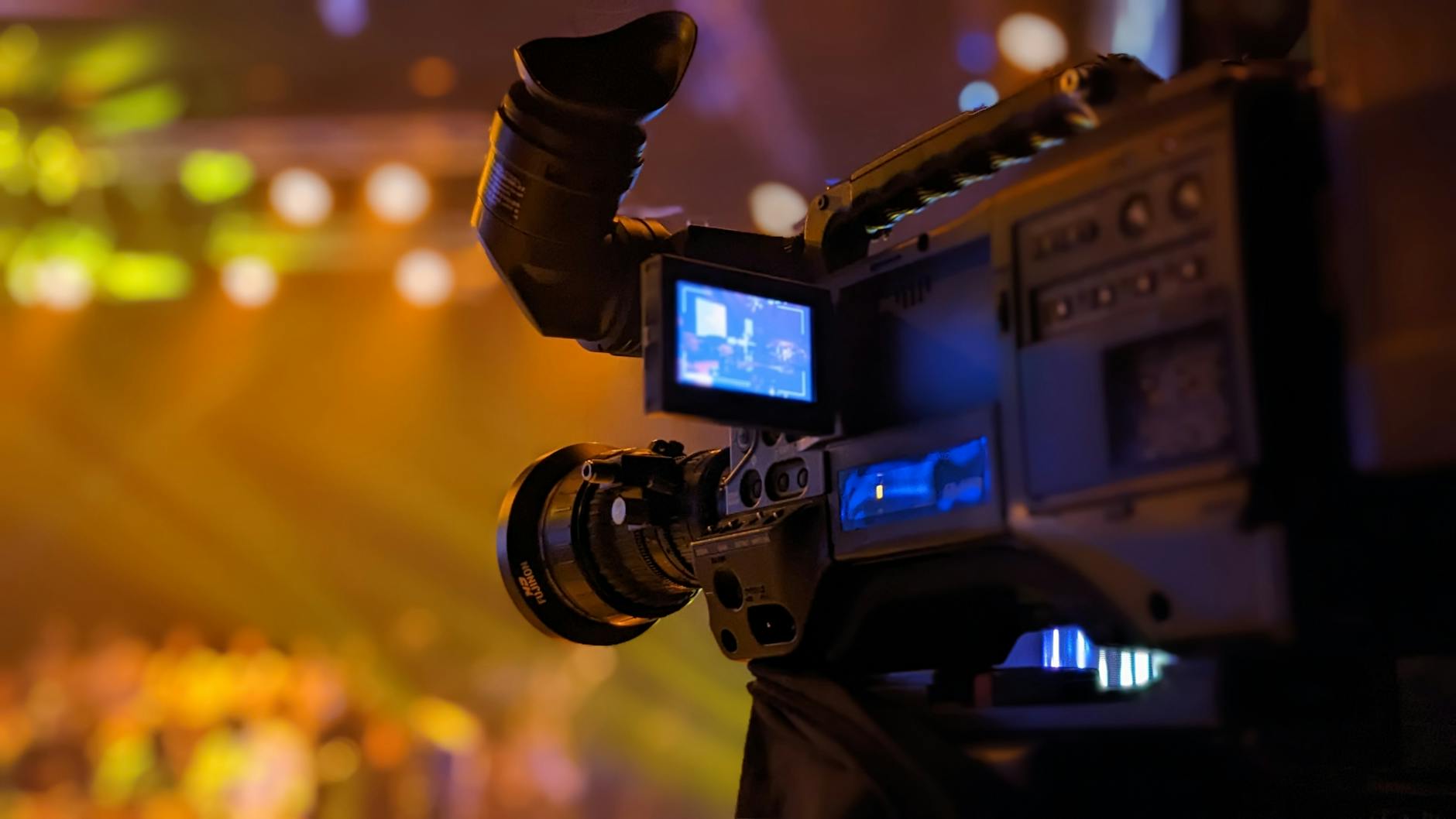
Choosing to broadcast corporate events live not only widens reach but also opens new channels for audience engagement and dialogue. The immediacy of live video fosters a sense of authenticity and spontaneity that resonates with viewers. Organizations can incorporate Q&A sessions, polls, or live feedback during the broadcast, creating a more interactive experience. This approach boosts viewer involvement and enhances the overall impact of the event.
The significance of live broadcasting is further underlined by its capacity to deliver measurable results. With proper implementation, companies track viewership metrics, engagement levels, and feedback in real-time, allowing for evaluation and optimization of communication strategies. As a result, live broadcasting transforms corporate events from mere presentations into strategic, multifaceted communication platforms that strengthen brand reputation and stakeholder relationships.
Choosing the Right Equipment and Technologies
Optimal equipment selection is crucial to delivering a professional live broadcast that maintains viewer engagement and meets quality standards. High-definition cameras are fundamental for capturing clear visuals with sharp detail, especially when broadcasting detailed presentations or demonstrations. Multiple camera setups enable dynamic shots, such as close-ups, wide-angle views, and different stage perspectives, creating an immersive experience for viewers.
Audio quality cannot be overlooked; investing in professional microphones and mixing equipment ensures that sound is crisp and free of distracting noise. Clear communication between hosts, speakers, and technical teams is essential to coordinate cues and transitions smoothly throughout the event.
Internet connectivity is a cornerstone of a successful broadcast. A dedicated high-speed internet connection with sufficient bandwidth minimizes latency issues and prevents streaming interruptions. Network redundancy, such as backup LTE or fiber connections, adds an extra layer of reliability in case of primary connection failure.
Streaming hardware, such as encoders and switchers, converts video signals into digital streams compatible with broadcasting platforms. Advanced encoders offer configurations for adaptive bitrates, ensuring viewers receive the best possible quality based on their bandwidth. Integration with streaming platforms or content delivery networks (CDNs) facilitates seamless distribution to large audiences across different regions.
Technological setup should also include monitoring tools that allow real-time observation and troubleshooting during the broadcast. This proactive approach helps identify and resolve technical issues before they impact the live stream, maintaining a professional presentation at all times.
Remote control capabilities, such as live switching and camera control via secure connections, enable operators to manage all aspects of the broadcast remotely, offering flexibility and oversight from a centralized location. This setup is particularly beneficial when coordinating multi-camera feeds or complex event layouts, ensuring dynamic content delivery without compromising quality.
It’s also vital to select backup equipment, including spare cameras, microphones, and batteries, to quickly replace any malfunctioning components during the event. This preparedness guarantees uninterrupted streaming and maintains the professionalism expected from high-profile corporate broadcasts.
Utilizing Official Streaming Platforms and Distribution Channels
To broadcast corporate events live in a manner that maximizes reach and maintains professionalism, organizations should leverage reputable streaming platforms and distribution channels. The choice of platform can significantly influence the quality and stability of the live broadcast, as well as the audience experience. Established platforms with extensive Content Delivery Network (CDN) integrations provide robust infrastructure for high-bandwidth, lag-free streaming, capable of handling large simultaneous viewers without buffering or interruptions.
Platforms such as dedicated enterprise streaming services, industry-specific webcast solutions, or large social media channels like LinkedIn Live, YouTube Live, and Facebook Live are frequently utilized for corporate event broadcasting. These channels are designed to support high-quality video delivery, offer security features to protect proprietary content, and provide detailed analytics to evaluate audience engagement and reach.

Implementing a multi-platform strategy allows organizations to target diverse audience segments effectively, ensuring that key stakeholders, partners, and clients can access the event through their preferred digital channels. Additionally, integrating with Content Delivery Networks (CDNs) ensures global content distribution is optimized, reducing latency and improving the viewing experience regardless of geographic location.
Secure Streaming Solutions and Rights Management
Security is a paramount concern when broadcasting sensitive or proprietary corporate content. Utilizing encrypted streams and secure access controls, such as authentication protocols or Digital Rights Management (DRM), helps restrict viewership to authorized participants only. This approach safeguards intellectual property and confidential information, reinforcing the company's commitment to professionalism and discretion during live broadcasts.

It is also advisable to coordinate with licensing bodies if the event involves copyrighted material, ensuring compliance with all relevant regulations and avoiding potential content disputes. Proper licensing and rights management uphold the company's reputation and foster trust among viewers and stakeholders.
Advanced Analytics and Feedback Mechanisms
Post-broadcast, businesses should analyze viewership data supplied by streaming platforms. Metrics such as viewer count, engagement duration, geographic distribution, and device types offer valuable insights into audience preferences and content effectiveness. These analytics support strategic planning for future events, enabling continuous improvement in broadcast quality and audience engagement.
Additionally, integrating real-time polling, chat features, or feedback forms during the live stream can enhance viewer interaction, foster engagement, and gather immediate responses that inform future content strategies. These tools, when used responsibly, amplify the impact of a corporate live broadcast and strengthen overall brand communication efforts.
Ensuring a Reliable Streaming Experience
Delivering a seamless live broadcast of corporate events hinges on a robust and dependable streaming infrastructure. It's essential to select a streaming platform that offers high bandwidth capabilities, adaptive bitrate streaming, and redundant servers to minimize latency and prevent interruptions during the event. Prior to the broadcast, conducting comprehensive testing sessions ensures that all technical components function harmoniously and that any potential issues are identified and addressed proactively.
Organizations should also implement backup solutions such as alternative internet connections or secondary streaming services. This redundancy guarantees that unexpected disruptions—whether due to network failure or technical glitches—do not compromise the live stream’s continuity. Additionally, real-time monitoring tools provide immediate insights into stream health, enabling technical teams to swiftly rectify issues that may arise during the event.
Expert involvement from technical specialists familiar with live broadcasting protocols can further enhance reliability. They oversee the entire streaming process, troubleshoot issues promptly, and ensure that the broadcast maintains high quality throughout its duration. Clear communication channels between the production team and on-site staff streamline the coordination of technical adjustments as needed.

Ensuring a Reliable Streaming Experience
Maintaining a consistent and high-quality live stream is essential for effective corporate event broadcasting. To achieve this, implementing multiple layers of redundancy can significantly minimize the risk of disruptions. This includes employing dual internet connections, such as a primary broadband link paired with a backup cellular or satellite connection. During the broadcast, continuous monitoring of bandwidth and signal strength is vital to anticipate potential issues before they impact the viewer experience.
Backup systems should be ready to activate seamlessly in case of primary connection failures. This entails pre-configuring failover mechanisms that can switch the data stream instantly to alternative sources without noticeable interruption. Additionally, deploying hardware such as redundant streaming encoders ensures that if one device malfunctions, another can take over without delay.
Effective troubleshooting procedures are also crucial. Technical teams need to be well-versed in identifying and resolving common streaming issues swiftly. Regular rehearsals and system checks prior to the event can surface potential complications, allowing for adjustments ahead of time. During streaming, real-time analytics tools can provide insights into viewer engagement, buffering instances, and lag, enabling immediate corrective actions.

Furthermore, selecting a robust and geographically diverse Content Delivery Network (CDN) enhances the distribution efficiency of your content. A reliable CDN reduces latency and buffering for viewers across different regions, providing a uniform experience. Proper bandwidth management during peak times ensures that the streaming infrastructure can handle high viewer traffic, avoiding degradation in quality.
Transparency with the audience about technical issues and providing alternative viewing options also contribute to a positive experience. Sharing secondary links or recorded versions post-event alleviates frustration and demonstrates professionalism, fostering trust and confidence among participants.

Implementing Official Streaming Platforms and Methods
When it comes to broadcasting corporate events live, utilizing official streaming platforms ensures that your content reaches your audience securely and reliably. Popular platforms such as YouTube Live, Vimeo Livestream, and Facebook Live are widely recognized for their stability, extensive reach, and compliance with digital broadcasting standards. These services provide robust infrastructure capable of handling high viewer traffic, all while offering features like adjustable privacy settings, audience analytics, and monetization options where applicable.
Choosing the right platform depends on the event’s scope and your organizational goals. For instance, if your priority is private sharing with select stakeholders, platforms offering password protection and restricted access are ideal. Conversely, public broadcasts aimed at wider visibility benefit from platforms with a large user base and built-in engagement tools.
Additionally, integrating official streaming services with your existing websites or event portals enhances branding consistency and viewer experience. Embedding live streams directly onto your corporate website can lead viewers seamlessly from your branded environment to the broadcast, fostering trust and professionalism. Many platforms offer customizable players that match your corporate aesthetic, reinforcing brand identity during the broadcast.
Utilizing Content Delivery Networks (CDNs) for Seamless Streaming
For events with a geographically dispersed audience, content delivery networks (CDNs) are vital for maintaining broadcast quality. CDNs distribute your live content across multiple servers positioned strategically around the world, dramatically reducing latency and buffering times. This setup ensures viewers experience consistent streaming quality regardless of their location, minimizing frustrations associated with lag or poor video quality.
Implementing a reliable CDN that is optimized for live streaming involves assessing factors such as network capacity, server distribution, and latency metrics. Reputable providers like Akamai, Cloudflare, or Amazon CloudFront offer solutions designed to handle high traffic volumes typical of large-scale corporate events. Moreover, configuring the CDN to prioritize certain traffic patterns during peak times can preserve stream integrity and prevent disruptions.
Proactively monitoring streaming metrics with real-time analytics provides insights into viewer behavior and stream health. Should issues arise, your technical team can respond promptly, adjusting stream parameters or rerouting traffic as needed. This level of oversight is crucial for maintaining a professional presentation during high-stakes corporate broadcasts.

Implementing Backup Streaming Solutions for Continuity
Despite meticulous planning, technical glitches can occur. To mitigate potential disruptions, several official backup streaming solutions should be in place. These include secondary streaming encoders that can activate seamlessly if the primary system fails. Many organizations deploy redundant hardware or software encoders connected to different internet connections to ensure continuous broadcasting.
In addition, pre-configured backup links or secondary streaming channels enable the event to proceed without noticeable interruption. These secondary streams can be directed to alternative platforms or private channels solely accessible to the internal team, allowing for troubleshooting without public disruption.
Before the event, it is essential to conduct comprehensive testing of these backup systems in a controlled environment. Regular rehearsals allow the technical team to familiarise themselves with contingency procedures, minimizing response times in case of an unexpected failure. During the live broadcast, constant monitoring is key to quickly identify and address any anomalies, ensuring that the corporate message is delivered without compromise.
Legal and Licensing Considerations
Executing a broadcast of corporate events involves careful adherence to specific legal protocols and licensing requirements. While the focus remains on utilizing legitimate channels, understanding the ethical and procedural frameworks that govern live streaming is critical. This ensures that broadcasts proceed smoothly, avoid potential disputes, and maintain a professional reputation.
Copyright and Content Rights
Securing rights for all content utilized during the broadcast is a fundamental step. This includes music, video clips, images, and proprietary presentations. Companies should verify that they possess proper licenses or have obtained explicit permissions from content creators or rights holders. This prevents potential infringement issues and guarantees that the streamed material is legally compliant across all regions where the event is accessible.
Use of Licensed Software and Platforms
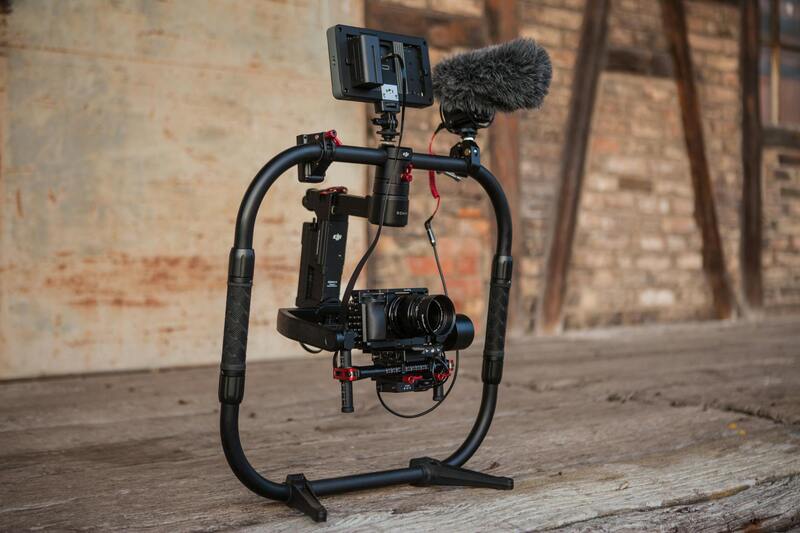
Choosing authorized broadcasting platforms and software is crucial. Employing official streaming services that hold valid certifications and licenses reduces the risk of service interruptions or penalties associated with unlicensed software. This includes using licensed encoding tools, streaming servers, and content management systems designed for professional live broadcasts in corporate settings.
Data Security and Privacy Compliance
To uphold the integrity of the broadcast, it is necessary to comply with data protection laws relevant to the organization's jurisdiction. Implementing secure streaming protocols, encryption, and access controls protects sensitive information and corporate data shared during the event. Additionally, informing viewers about data collection practices and obtaining necessary consents aligns with best practices in digital privacy management.
Documentation and Record-Keeping
Maintaining detailed records of all licenses, permissions, and legal clearances is an integral component of responsible broadcasting. These documents serve as evidence of due diligence and can be vital during audits or reviews. Proper documentation also ensures clarity if any legal questions or disputes arise regarding the content or distribution rights of the broadcast.
Coordination with Legal Advisors
Engaging legal professionals familiar with media and broadcast regulations provides an added layer of security. They can review event materials, streaming arrangements, and licensing agreements to identify potential issues proactively. This collaboration supports adherence to all official guidelines and contributes to a smooth, compliant live streaming process.
By meticulously observing these classification parameters, organizations can confidently broadcast their corporate events live through legitimate channels, reinforcing professionalism and ensuring a smooth digital experience for all participants.
Understanding Live Broadcasts for Corporate Events
Broadcasting corporate events live involves more than simply streaming video footage over the internet. It encompasses a detailed process ensuring the delivery of high-quality content to a broad audience, while maintaining professional standards and adhering to official guidelines. Live broadcasts enable organizations to reach global viewers, provide real-time engagement, and amplify brand presence. To succeed, it is essential to understand the technical, operational, and regulatory aspects governing live streaming. Proper planning involves selecting the appropriate platforms, ensuring robust internet connectivity, and designing engaging content that aligns with corporate messaging. Additionally, integrating interactive features like Q&A sessions or live polls can enhance audience participation, making the event more dynamic. Accurate planning and execution of live broadcasts can significantly elevate a company's public profile, showcasing expertise, and fostering transparency. It also helps in building trust with stakeholders who expect seamless and reliable streaming experiences.
Planning and Pre-Production for Live Event Broadcasts
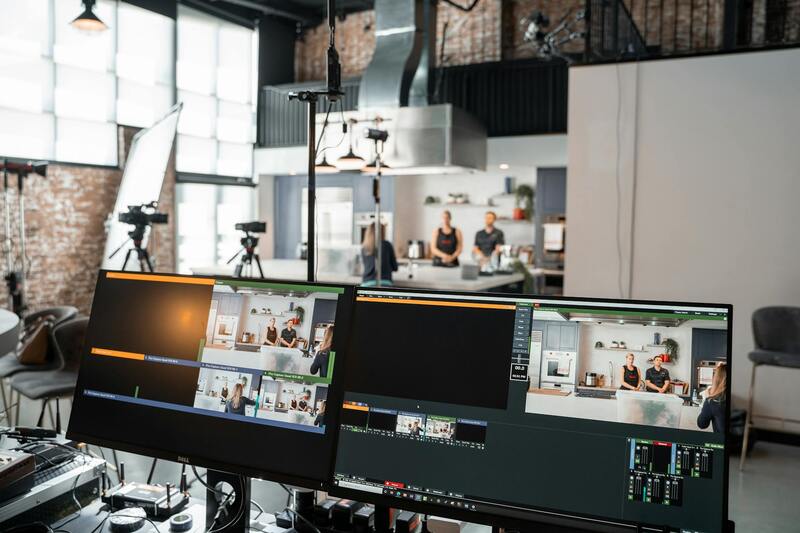
Successful live broadcasting hinges on meticulous planning and pre-production activities. This phase includes defining broadcasting objectives, identifying target audiences, and selecting suitable streaming platforms capable of handling expected viewer loads. Content preparation involves creating a detailed rundown, scheduling rehearsals, and coordinating with all involved teams to ensure smooth transitions between segments. To maintain professionalism, organizations must also prepare technical checklists for equipment, internet connectivity, and backup systems. A well-crafted communication plan is vital for coordinating with speakers, moderators, and support staff. Testing all equipment beforehand, including cameras, microphones, and streaming hardware, minimizes the risk of technical disruptions during the event. Ensuring compatibility and accessibility—such as providing closed captions or multiple language options—further improves viewer engagement. Pre-recording certain segments as backups can prove invaluable if live issues arise, allowing the broadcast to continue uninterrupted. Effective pre-production ultimately guarantees a polished, cohesive presentation that aligns with organizational standards and audience expectations.
Choosing the Right Equipment and Technologies
Utilizing the appropriate equipment and technologies is critical for delivering a high-quality live broadcast. Professional cameras capable of capturing crisp visuals from different angles, combined with high-fidelity microphones, ensure clarity and immersive experience. A reliable encoder converts the video feed into optimized streaming data compatible with chosen platforms. Internet connectivity must be robust, with bandwidth capacity exceeding peak requirements to prevent buffering and lagging. Incorporating multi-platform streaming hardware facilitates simultaneous broadcasting across various channels like proprietary websites, social media, and third-party services, broadening reach. Additionally, implementing hardware and software solutions that support features like real-time overlays, graphics, and lower thirds enhances visual engagement. Wireless streaming options provide flexibility for dynamic event spaces, while wired connections offer stability for stationary setups. Cloud-based management tools enable seamless control and monitoring of streams, facilitating instant adjustments as needed. The selection of equipment should be tailored to the event's scale, venue size, and audience expectations to ensure a professional presentation that reflects corporate standards.
Partnering with a Miami Production Agency
Collaborating with an experienced Miami-based production agency can significantly streamline the live broadcasting process. Local agencies bring valuable expertise in handling the unique technical and logistical challenges associated with corporate events in the region. Their familiarity with Miami venues, local regulations, and the latest broadcast technology ensures a smooth setup and execution. Partnering with professionals also relieves internal teams from the technical burdens, allowing them to focus on content delivery and stakeholder engagement. Reputable agencies offer end-to-end services, including pre-event planning, equipment setup, live streaming, and post-event analytics. They can create customized solutions tailored to the organization’s goals, whether it’s a large-scale conference, product launch, or virtual town hall. Furthermore, Miami production agencies often have strong relationships with popular streaming platforms and media outlets, facilitating expanded reach and better quality control. Their experience in managing live events ensures adherence to best practices, security protocols, and compliance standards, delivering a professional broadcast that elevates the organization’s brand image.
Ensuring a Reliable Streaming Experience
The foundation of a successful live broadcast lies in a reliable streaming infrastructure. To prevent disruptions, organizations must conduct comprehensive network assessments well before the event. This includes verifying internet speed, stability, and backup options such as secondary internet connections or cellular hot spots. Utilizing dedicated streaming servers and content delivery networks (CDNs) allows for scalable distribution, reducing latency and buffering issues. Implementing real-time monitoring tools facilitates immediate detection and resolution of technical problems during the broadcast. Additionally, performing test runs simulating the actual event environment ensures all equipment and connections operate smoothly under live conditions. Having technical support staff on standby during the event is vital for troubleshooting unforeseen issues swiftly. Ensuring adequate power supplies, surge protection, and redundancy in hardware components further enhances system reliability. These measures help maintain uninterrupted streaming, providing viewers with a seamless experience that reflects positively on the organization’s professionalism.
Engaging Audiences During Live Broadcasts
Incorporating interactive elements during the live stream transforms passive viewers into active participants. Features such as live polls, Q&A sessions, and chat functionalities encourage audience engagement and foster a sense of community. Design segment timings to allow for audience input, making the event more dynamic and responsive. Visual overlays, branded graphics, and real-time captions contribute to visual interest and accessibility. Strategic moderation ensures that the chat remains professional and on-topic, promoting a positive environment. Utilizing social media integration enables viewers to share highlights or ask questions across platforms, amplifying event reach. Consider deploying dedicated hosts or moderators to facilitate interactions, clarify questions, and highlight audience contributions during the broadcast. These efforts not only enhance participant satisfaction but also reinforce the credibility and impact of the corporate communication.
Post-Event Content and Analytics
After the live broadcast concludes, capturing and analyzing the content provides valuable insights for future initiatives. Recording the streamed event allows for on-demand viewing, extending its reach beyond the live window. Editors can create highlight reels, testimonials, and shareable clips to maximize long-term engagement. Analyzing viewer metrics—such as viewership numbers, engagement rates, and geographic distribution—helps assess the broadcast's success and identify areas for improvement. Feedback surveys distributed to participants can reveal insights into content relevance, technical quality, and overall satisfaction. This data informs content strategy, technology investments, and audience targeting for subsequent events. Providing downloadable resources, recordings, and supplementary materials adds value for viewers and stakeholders. Regular reviews of analytics ensure continuous improvement in broadcast quality and organizational effectiveness in digital communication efforts.