Overview of Live Event Streaming Services
Live event streaming services have transformed how events are experienced and shared, especially within vibrant communities such as Miami. These platforms enable event organizers to broadcast live on digital channels, making their events accessible to a global audience in real time. This digital method not only broadens reach but also enhances engagement by allowing viewers to participate virtually from any location, using devices ranging from desktop computers to smartphones.
The core advantage of live streaming is the immediate connection it fosters between event hosts and their audiences. Through high-quality video and audio transmission, viewers can witness the event as it unfolds, ensuring an inclusive and immersive experience. For Miami-based event organizers, leveraging such services means expanding visibility for concerts, conferences, sports events, or cultural festivals, often surpassing traditional attendance limits.
Beneficial for both organizers and attendees, live streaming reduces geographical barriers, delivering content seamlessly regardless of viewers’ physical location. This approach is essential in a diverse and dynamic city like Miami, where multicultural audiences expect modern, flexible viewing options. Moreover, live streams create opportunities for content monetization through advertising, sponsorships, or pay-per-view models, adding financial value to events.

In addition to broadening reach, live streams serve as valuable marketing tools, allowing organizers to archive footage for future promotional use or highlight reels. This digital footprint enhances branding efforts and fosters community growth. For Miami's bustling event scene, adopting live streaming services aligns with the city’s reputation as a hub for innovation, entertainment, and cultural exchange.
Key Features of Live Event Streaming Platforms
Effective live streaming platforms incorporate several essential features to ensure a smooth and engaging broadcast experience. These elements are crucial for maintaining high-quality transmission and audience satisfaction:
- High-Definition Video Output: Ensures crisp visuals that retain clarity even on large screens or mobile devices.
- Adaptive Bitrate Streaming: Automatically adjusts video quality based on viewers’ internet speeds, minimizing buffering issues.
- Multi-Platform Compatibility: Supports simultaneous broadcasting across various platforms such as social media, websites, and dedicated apps.
- Secure Transmission: Implements encryption and security protocols to protect content from unauthorized access or piracy.
- Real-Time Analytics: Provides insights into viewer engagement, geographic distribution, and viewership metrics.
- Interactive Features: Includes live chat, polls, and Q&A options to foster audience interaction during broadcasts.
Choosing a Live Streaming Service in Miami
Selecting the right live streaming service involves evaluating several key aspects relevant to an event’s scale, technical needs, and audience expectations. Local providers in Miami often offer tailored solutions that align with the city’s unique event landscape, from large conventions to intimate gatherings. Factors to consider include:
- Service Reliability: Ensures consistent broadcast quality with minimal downtime.
- Technical Support: Availability of expert assistance during setup and broadcast execution.
- Customization Options: Ability to personalize the streaming interface, branding, and interactive elements.
- Cost and Packages: Transparent pricing models suited to different event sizes and budgets.
- Integration Capabilities: Compatibility with existing audiovisual equipment and content management systems.
Choosing an established provider with a proven track record in Miami can facilitate a seamless live streaming experience, contributing to the event’s success. Local expertise often translates into a better understanding of the logistical and technical nuances specific to Miami’s event venues and audience preferences.
Key Features of Live Event Streaming Platforms
Effective live event streaming platforms are designed with a set of core features that ensure a seamless viewing experience and maximize audience engagement. High-quality video transmission remains fundamental, requiring robust encoding and compression technologies that support HD and 4K resolutions, minimizing latency and buffering issues even with large viewer volumes. Multi-platform streaming capabilities enable broadcasters to simultaneously deliver content across various devices, including desktops, smartphones, tablets, and smart TVs, broadening reach and accessibility.
Another vital component is viewer interaction. Platforms should support real-time engagement tools such as live chat functions, polls, Q&A sessions, and social media integration, which foster a dynamic environment and encourage active participation. Additionally, seamless content management features allow organizers to schedule streams, manage multiple camera angles, and incorporate multimedia elements like graphics and overlays, enhancing the visual experience.
Security features such as encrypted streams and access controls are also crucial to safeguard content and restrict viewing to authorized audiences. Analytics tools provide real-time data on viewership metrics, geographic distribution, and engagement levels, enabling event organizers to refine future broadcasts. Scalability is a key consideration, as the platform should accommodate varying audience sizes without compromising stream quality.
Selecting a Live Streaming Service in Miami
Choosing the right live streaming service requires a comprehensive assessment of your event's specific needs, technical capacity, and audience expectations. Local providers in Miami are often well-versed in the area's unique logistical and infrastructural landscape, offering tailored solutions for diverse event types — from large conventions and festivals to small business webinars and community gatherings.
Factors to evaluate include:
- Service Reliability: The platform must deliver consistent, high-quality streams with minimal interruptions, even during peak traffic periods.
- Technical Support: Availability of expert assistance during setup, troubleshooting, and live broadcast to mitigate technical issues swiftly.
- Customization Options: The ability to personalize the streaming interface, incorporate branding elements, and embed interactive components that align with the event's identity.
- Cost and Packages: Transparent pricing models that accommodate different event sizes, durations, and complexities, ensuring value for investment.
- Integration Capabilities: Compatibility with existing audiovisual equipment, content management systems, and third-party tools for a cohesive production workflow.
Engaging with an established provider with a strong track record in Miami can significantly enhance event quality. Their insights into regional studio setups, venue infrastructure, and audience preferences enable a tailored streaming approach that resonates well with local viewers. This close understanding ensures technical smoothness and helps deliver content that maintains audience interest and minimizes disruptions.
Technical Requirements for Live Event Streaming
Successful live event streaming depends heavily on meeting certain technical prerequisites that ensure seamless broadcast quality and viewer engagement. These requirements encompass both hardware and software considerations, each playing a critical role in delivering a professional stream that meets audience expectations.
High-Quality Video and Audio Equipment
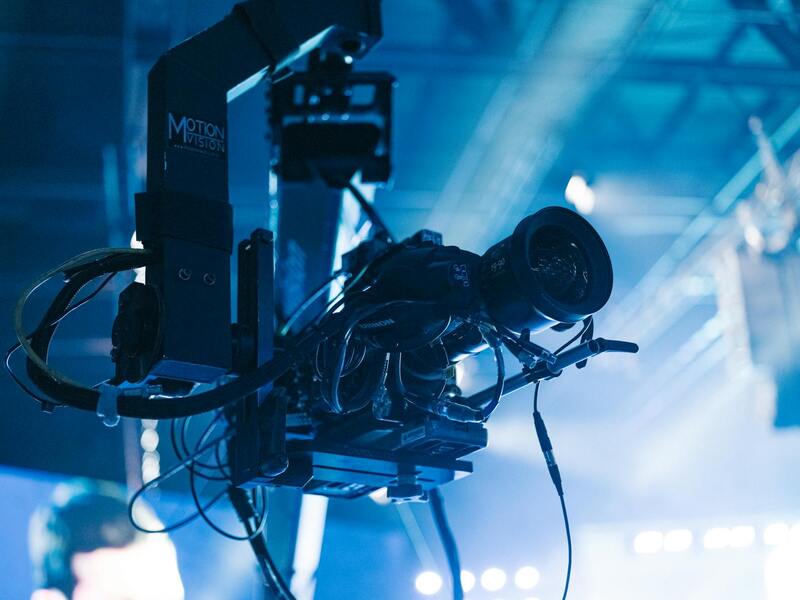
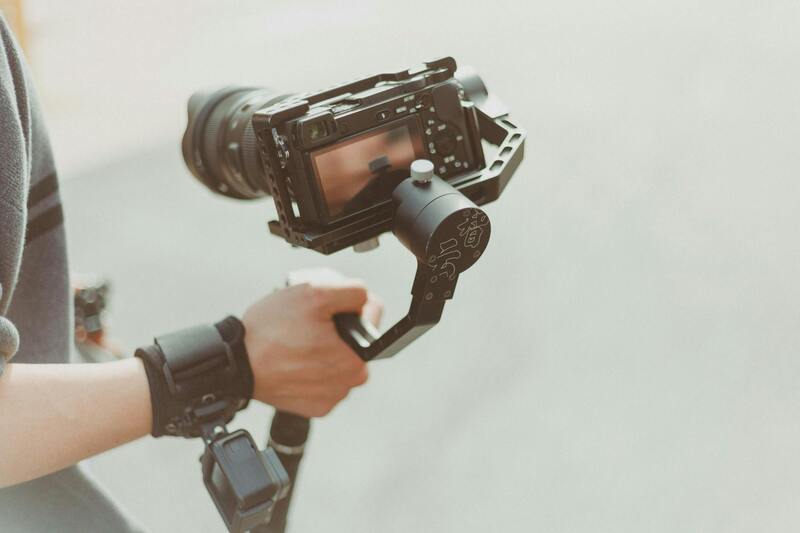
At the core of a compelling live stream are professional-grade cameras capable of capturing high-definition footage with clarity and sharpness. Multiple camera angles can enhance viewer experience, especially during large-scale events or conferences. Coupled with quality microphones and audio mixing equipment, ensuring clear sound that is synchronized with the video feed is essential. Audio quality plays a significant role in maintaining viewer interest and conveying important information effectively.
Reliable Internet Connectivity
One of the most crucial elements is a robust and dedicated internet connection. Streaming requires substantial upload bandwidth; insufficient bandwidth can lead to buffering, lag, or even complete stream failures. It is recommended to have a connection with at least 10 Mbps upload speed, with some events necessitating higher capacities depending on resolution and number of concurrent viewers. Redundant internet connections can be configured to provide failover options, ensuring continuous streaming even if primary connections encounter issues.
Encoder and Streaming Software
Encoding hardware or software is needed to convert raw audio and video signals into one or more streams optimized for internet delivery. Modern streaming platforms often integrate with software encoders like OBS Studio, Wirecast, or vMix. These tools allow for real-time adjustments, graphic overlays, and multi-source switching, creating a professional production feel. Compatibility with streaming platforms and proper configuration are vital to prevent latency issues and ensure that the live feed remains stable throughout the event.
Power Backup and Surge Protection
Power reliability directly impacts live streams. Power outages or surges can interrupt broadcast sessions, leading to disruptions. Therefore, deploying uninterrupted power supplies (UPS) and surge protectors for critical equipment diminishes the risk of unexpected shutdowns and preserves equipment integrity during electrical disturbances.
Content Management and Playback Systems
While live broadcast is the centerpiece, effective content management systems facilitate preparation and post-event access. These systems enable scheduled streams, on-demand content delivery, and secure access controls. Integrating with content delivery networks (CDNs) ensures that viewers across different locations receive high-quality streams without buffering delays, regardless of geographical barriers.
Monitoring and Support Infrastructure
Throughout the event, monitoring tools are essential for tracking stream health, viewer engagement, and technical performance metrics. Real-time data analytics inform adjustments to optimize quality. On-site technical teams or remote support specialists should be prepared to troubleshoot issues swiftly, minimizing potential disruptions and maintaining a professional broadcast experience.
Meeting these technical requirements is fundamental to achieving a seamless, high-quality live streaming experience. Collaborating with Miami-based providers who possess regional expertise and established infrastructure can significantly streamline the setup process. They understand venue-specific electrical and networking conditions, and their familiarity with local bandwidth constraints ensures a resilient streaming solution tailored to the unique needs of Miami’s diverse event landscape. Employing expert technicians who are proficient in managing the technical intricacies allows event organizers to focus on content delivery and audience engagement, resulting in an impactful live event that resonates with viewers and enhances the host's reputation for professionalism and excellence.
Technical Requirements for Live Event Streaming
Successfully broadcasting live events in Miami hinges on meticulous technical planning and execution. This involves assembling the appropriate equipment, ensuring reliable internet connectivity, and integrating venue-specific considerations to optimize stream quality and stability.
Essential Equipment for Seamless Streaming
- High-Definition Cameras: To capture every detail crisply, multiple HD cameras are often employed, offering varied angles and professional footage that elevate viewer engagement.
- Audio Capture Devices: Clear audio is critical; using lavalier microphones, shotgun mics, and audio mixers ensures sound quality remains high, free from ambient noise and technical disturbances.
- Video Switchers and Encoders: These facilitate smooth transitions between camera feeds and encode the video signal into live streaming-compatible formats, ensuring minimal latency and high fidelity.
- Lighting Equipment: Proper lighting setups enhance visual clarity, especially in venues that may not have optimal existing lighting conditions.
- Backup Power Solutions: Uninterruptible power supplies (UPS) help prevent interruptions caused by power fluctuations or outages, safeguarding the continuity of the broadcast.
Internet Bandwidth and Network Reliability
Streaming high-definition content requires robust internet connections. For Miami venues, which might experience fluctuating bandwidth levels, dedicated fiber-optic internet lines are preferable, providing symmetrical upload and download speeds capable of handling multi-camera streams. A minimum of 10-15 Mbps upload speed per stream is recommended for HD quality, with higher speeds ensuring smoother playback.

Implementing load balancing and failover connections, such as multiple internet service providers (ISPs), enhances resilience against service disruptions. Network security measures—including firewalls and VPNs—also safeguard the streaming setup from interference or unauthorized access, maintaining the integrity of the broadcast.
Venue-Specific Setup Considerations
Understanding the unique electrical and spatial characteristics of Miami event venues is vital for seamless integration of streaming technology. Cable management, power outlet placement, and adequate ventilation for technical equipment need thorough planning. Venue data ports and the availability of dedicated networking rooms can significantly influence the overall setup process.
Engaging local technical experts familiar with Miami's venues can streamline installation, troubleshoot potential issues promptly, and ensure all equipment operates optimally during the broadcast. Conducting pre-event site surveys allows for identifying potential problems related to space constraints, electrical capacity, or networking infrastructure, thereby mitigating risks during the live event.
Ensuring a Successful Live Stream Operation
Preparation extends beyond hardware and network setup. Technical rehearsals are crucial, allowing teams to fine-tune angles, sound levels, and streaming configurations. Testing the entire system under real-world conditions ensures that all components function together seamlessly on the day of the event. Having an on-site technical team or remote experts monitoring the stream throughout the broadcast can swiftly diagnose and resolve issues, safeguarding a high-quality viewer experience.
Legal and Compliance Considerations
When hosting a live event stream in Miami, adhering to appropriate legal and compliance standards is essential to ensure smooth operations and safeguard your organization. This includes obtaining the necessary permissions for all copyrighted materials, such as music, videos, images, or other intellectual property that may be incorporated into the broadcast. Securing clearances from rights holders prevents disruptions during the live stream and avoids potential legal conflicts.
Additionally, content sharing policies should be strictly followed, particularly when broadcasting events involving third-party vendors, speakers, or performers. Consistent communication with stakeholders about permissible content, branding rights, and audience interaction boundaries helps maintain professional standards and audience trust.
Data protection regulations also play a significant role in live streaming. Collecting viewer data, engaging in interactive features, or handling ticketing information requires compliance with state and federal data privacy laws. Implementing secure systems for data collection, encryption, and storage can prevent breaches and ensure viewer confidentiality.
Optimizing accessibility is another key component. Ensuring your stream is accessible to a diverse audience, including those with disabilities, involves providing captioning, sign language interpretation, and audio descriptions where applicable. These practices not only broaden your reach but also demonstrate responsible content management.

It is advisable to consult with legal professionals experienced in media and entertainment law, as well as local regulations specific to Miami, to develop a comprehensive compliance strategy. Regular reviews of policies and staying updated on evolving laws related to live broadcasting will sustain a reputable streaming operation and mitigate potential risks associated with content rights, audience engagement, and data security.
Legal and Compliance Considerations
When deploying a live event streaming service, securing the necessary rights and licenses is paramount to ensure smooth operation and respect for intellectual property. This involves coordinating with rights holders for music, visuals, or proprietary content included in the broadcast. Proper licensing agreements grant permission to broadcast copyrighted materials, thereby preventing potential disruptions or legal disputes during or after the event. In addition to copyright permissions, compliance with regional regulations specific to the state of Florida and the city of Miami must be observed. These regulations encompass data privacy laws relevant to viewer information, ticketing data, and interactive features integrated into the stream. Implementing robust data protection measures—such as encryption and secure storage—helps safeguard viewer confidentiality and avoids legal complications. Furthermore, adherence to accessibility standards is critical. Providing options like closed captioning, sign language interpretation, or audio descriptions not only broadens audience reach but also aligns with best practices for inclusive content delivery. These measures demonstrate a commitment to diverse audiences and uphold social responsibility. Establishing clear agreements regarding branding rights and audience interaction boundaries with all stakeholders—including sponsors, performers, and vendors—helps maintain professional standards. Regularly reviewing and updating these agreements ensures consistent adherence to evolving legal requirements. Operational protocols should include procedures for managing unexpected issues, such as technical failures or content disputes, to minimize disruptions. Training staff on these protocols fosters responsive and responsible management during live broadcasts. The use of official, trusted streaming platforms with established security features enhances compliance and provides peace of mind. These platforms often offer tools for rights management, viewer analytics, and secure data handling, which streamline legal adherence. Engaging legal experts familiar with entertainment and media regulations in Miami provides valuable guidance in navigating complex compliance landscapes. Integrating legal counsel into the planning and review stages ensures that all aspects of live streaming—from content rights to data security—align with local and federal standards, thereby reinforcing the credibility and professionalism of your streaming service.
Legal and Compliance Considerations for Live Event Streaming in Miami
Ensuring adherence to statutory requirements and industry standards is paramount when deploying live event streaming services in Miami. This involves meticulous planning around content rights, viewer data protection, and adherence to broadcast regulations specific to the region. Utilizing official and proven streaming platforms equipped with robust security measures provides a foundation for legal compliance and operational integrity.
All content streamed should be properly licensed or owned outright, preventing unauthorized use of copyrighted materials. Maintaining comprehensive records of content rights agreements offers transparency and establishes clear ownership, reducing potential disputes. Implementing secure access controls safeguards viewership data and prevents unauthorized streaming or distribution.
Furthermore, compliance extends to accessibility standards, ensuring that live streams are inclusive. Incorporating features like closed captioning, sign language interpretation, or audio descriptions aligns with best practices for equitable content delivery and broadens audience engagement.
Staff involved in live streaming operations should be trained on regulatory policies and emergency response protocols. Regular audits and reviews of streaming practices help maintain adherence to evolving legal standards. When possible, engaging legal experts with a focus on media law in Miami ensures that all facets of the streaming operation remain within the boundaries of applicable regulations.
Adopting advanced rights management tools integrated within streaming platforms facilitates real-time monitoring of content usage, ensuring proper licensing and preventing infringement. These tools are vital for protecting intellectual property rights and avoiding costly sanctions. Additionally, implementing viewer verification processes helps confirm authorized access, aligning with data security practices.
In the context of Miami, local regulations concerning broadcasting and telecommunications may influence how live streams are managed. Consulting with local authorities or legal advisors familiar with regional ordinances can streamline the process and identify necessary permits or notifications required for large-scale events.
Ultimately, maintaining a high standard of legal compliance not only mitigates risks but also enhances the credibility and professionalism of your live event streaming service. This cultivated trust becomes a distinguishing factor in a competitive market and secures long-term growth opportunities.
Legal and Compliance Considerations for Live Event Streaming in Miami
Executing live event streaming seamlessly requires meticulous attention to legal standards and compliance protocols. This ensures the integrity of the broadcast, protects all stakeholders’ rights, and maintains the event’s smooth operation without legal complications. Adhering to the proper legal frameworks involves a comprehensive understanding of regional broadcasting regulations, intellectual property rights, and audience verification protocols prevalent within Miami’s dynamic media landscape.
Intellectual Property Rights and Content Licensing
One of the cornerstone considerations involves securing appropriate rights for all content broadcasted during the event. This encompasses music, video clips, photographs, and any proprietary material included within the stream. Streaming providers must verify that licenses are obtained from content rights holders, whether through direct agreements or licensing bodies. Utilizing digital rights management (DRM) tools integrated with streaming platforms enhances oversight by providing real-time monitoring of content usage, thereby safeguarding against unauthorized dissemination.
Audience Verification and Data Security
Implementing sophisticated viewer authentication systems ensures that only authorized individuals access the live stream. This is particularly relevant when content is exclusive or requires paid access. Secure login procedures, encrypted data transmission, and compliance with data protection standards such as the General Data Protection Regulation (GDPR) in applicable regions fortify viewer trust and protect sensitive information. These measures also help prevent unauthorized sharing or recording of the stream, maintaining control over the content’s distribution.

Permits and Notifications for Public Broadcasting
Hosting large-scale live streams in Miami may require specific permits from local authorities, especially if the event occurs in public spaces or involves substantial technical setups. Pre-emptive engagement with city officials and telecommunications regulators ensures compliance with regional ordinances and facilitates smooth event execution. Proper notifications may be necessary to alert authorities about broadcasting times, technical infrastructure, and anticipated audience size, which aids in avoiding disruptions and ensuring adherence to local policies.
Content Monitoring and In-Stream Compliance
Real-time monitoring tools should be employed during the event to detect and address any inappropriate content or technical irregularities swiftly. Establishing clear protocols for content moderation during the live broadcast helps maintain professionalism and aligns with community standards. Regular audits and post-event reviews further ensure ongoing compliance and enable continuous improvement based on observed challenges or regulatory updates.
Training and Industry Best Practices
It is vital that all personnel involved in the streaming operation are well-versed in regional legal requirements and best practices. Training programs focusing on copyright laws, viewer verification, and emergency response can significantly elevate the quality and legality of streaming services. Engaging legal experts specializing in media law within Miami offers valuable insights and helps clarify complex compliance obligations, reducing risk and enhancing the credibility of your streaming operation.