Overview of Live Streaming in Miami
Miami has rapidly become a pivotal hub for live streaming activities, driven by its vibrant cultural scene, bustling nightlife, and diverse business environment. As a city known for hosting high-profile events, conferences, and outdoor festivals, the demand for real-time content sharing has surged significantly. Businesses, entertainers, and community organizations in Miami increasingly rely on live streaming to reach wider audiences beyond geographical limitations, enabling instant engagement, brand promotion, and community building.
Modern live streaming technologies have elevated the quality and accessibility of real-time video content, making it a crucial component of integrated marketing strategies in the area. The evolution of high-speed internet infrastructure and the proliferation of mobile devices have further cemented live streaming as an essential channel for communication and entertainment in Miami.
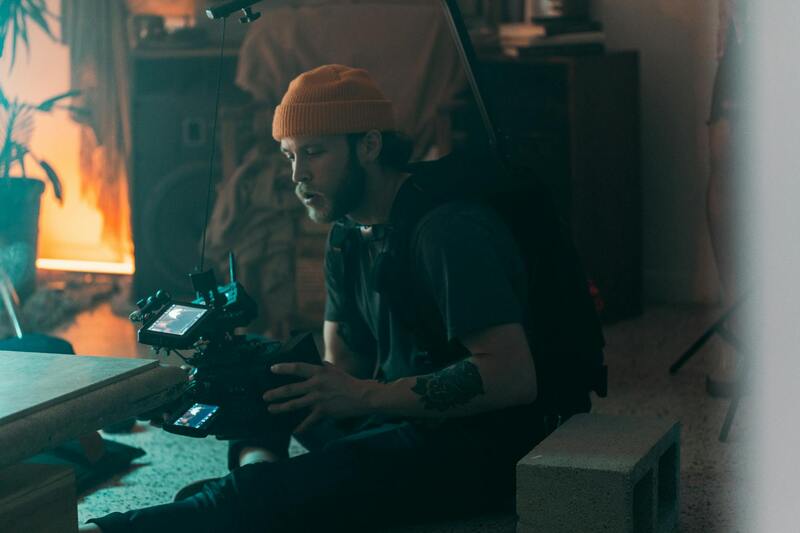
Organizations hosting product launches, concerts, sporting events, and community gatherings leverage live streaming to effectively disseminate their messages. Especially in the context of Miami's unique coastal environment and multicultural demographics, live streaming services enable inclusivity, bringing regional and international viewers into local experiences in real-time.
The Significance of Live Streaming for Local Businesses and Events
- Enhanced Reach and Visibility: Live streaming allows Miami-based enterprises to promote their brands to a global audience without geographical barriers.
- Increased Engagement Opportunities: Interactive features like live chats and Q&A sessions foster direct communication with viewers, strengthening customer relationships.
- Cost-Effective Marketing: It offers a budget-friendly alternative to traditional advertising methods, especially for small businesses seeking to expand their reach.
- Real-Time Feedback and Analytics: Immediate viewer responses and engagement metrics help content creators refine their strategies.
- Event Accessibility: For large-scale events that attract participants locally and internationally, live streaming ensures no audience member misses out.
Utilizing professional live streaming services tailored for the Miami market enhances these benefits, ensuring high-quality broadcast standards and technical reliability that audiences expect.
Popular Platforms and Technologies for Miami Live Streaming
In Miami, the choice of live streaming platforms and technologies plays a critical role in ensuring seamless broadcasts that meet high-quality standards. Content creators, event organizers, and businesses rely on a combination of cutting-edge tools designed to optimize viewer experience and streamline production processes. The selection of an appropriate platform depends on the nature of the event, target audience, and technical requirements.
Major streaming platforms such as YouTube Live, Facebook Live, and Instagram Live are widely utilized due to their extensive reach and user-friendly interfaces. These platforms offer built-in audience engagement features like comments, reactions, and sharing options, which are essential for fostering real-time interaction. For more specialized or professional broadcasts, platforms like Vimeo Livestream, Ustream, and Wowza Streaming Cloud provide advanced features such as HD quality streaming, customizable player embeds, and reliable content delivery networks that minimize latency and buffering issues.
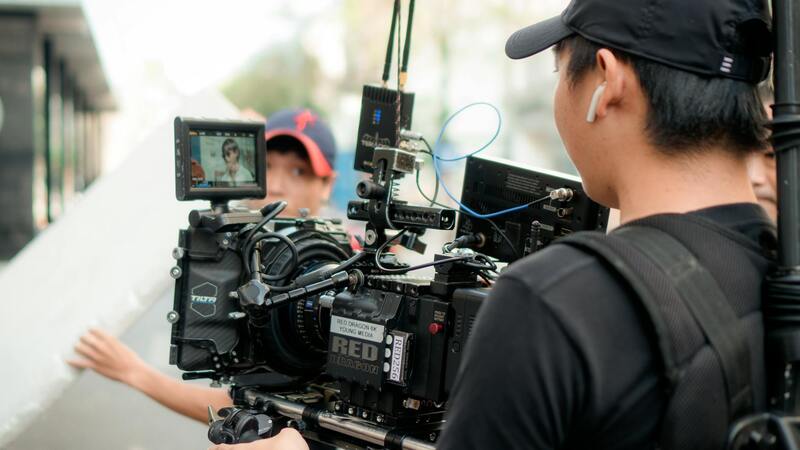
Technologies such as RTMP (Real-Time Messaging Protocol) and WebRTC (Web Real-Time Communication) enable low-latency streaming crucial for interactive sessions like live interviews, Q&A panels, or live voting. Additionally, cloud-based encoding services facilitate multi-camera switching, graphics overlay, and real-time video mixing, enhancing the production value of live events.
Hardware plays a pivotal role, with many Miami live streamers investing in high-definition cameras, wireless microphones, and professional lighting to ensure clear visuals and crisp audio. The integration of encoders, whether hardware or software-based, converts video feeds into signals compatible with streaming platforms, ensuring stability and stream quality. Furthermore, local internet infrastructure, including fiber optic connections and dedicated bandwidth, is often prioritized to support uninterrupted live broadcasts during high-profile events.
Advancements in mobile streaming technology have also expanded possibilities, allowing live coverage from smartphones or portable streaming devices. This flexibility is especially useful for outdoor events, street festivals, or on-the-go reports, where quick setup and mobility are essential. As the Miami market continues to evolve, leveraging the latest streaming tools and robust technology integrates smoothly into event workflows, resulting in engaging and professional live content.
Overview of Live Streaming in Miami
Miami has rapidly become a vibrant hub for live streaming activities, driven by its dynamic event landscape, diverse cultural festivals, and a thriving business community. The city's unique geographical and infrastructural advantages enable broadcasters to deliver seamless, high-quality live content to audiences both locally and globally. From major concerts and sports events to corporate conferences and neighborhood festivals, live streaming in Miami ensures accessibility and real-time engagement, bridging the gap between organizers and viewers irrespective of physical location.
In recent years, the advancement of streaming technology coupled with Miami's robust internet infrastructure has elevated the standards of live broadcasts. The city’s focus on innovation means that production teams often deploy sophisticated equipment capable of broadcasting in ultra-high definition, with features like instant replays, multi-camera angles, and real-time graphics. These enhancements significantly improve viewer experience, making Miami a preferred destination for hosting and broadcasting large-scale events that require professional-grade live streaming solutions.
Furthermore, Miami's diverse event calendar, including art shows, sports tournaments, fashion weeks, and nightlife festivals, demands versatile streaming methods. Organizers increasingly rely on official and established platforms to ensure broad reach, consistency, and high engagement levels. As a result, the use of reliable, officially approved streaming channels is paramount to delivering captivating content and meeting the expectations of an increasingly sophisticated audience.

Benefits of Live Streaming for Miami Businesses and Events
Implementing live streaming in Miami offers numerous advantages for local enterprises, event organizers, and community groups. It extends the reach of your audience beyond geographic limitations, allowing global viewers to participate in Miami's cultural and commercial happenings in real time. For businesses, this means increased exposure, brand visibility, and opportunities for interactive marketing through integrated chat features, polls, or product reveals during live sessions.
Events benefit from live streaming by enhancing audience engagement and maximizing attendance. For instance, a fashion show streamed through an official platform can attract viewers worldwide who otherwise might not have access to the physical event. Additionally, live coverage creates authentic and immersive experiences that can be archived for future marketing efforts, training, or promotional content.
From a technical perspective, professionals emphasize the importance of utilizing high-quality, legitimate streaming channels. These channels ensure that streams maintain stability, high resolution, and timely delivery, which are crucial for maintaining viewer satisfaction. Integrating official streaming methods also enhances the event's credibility and minimizes technical disruptions often associated with unofficial or unverified sources.
Technical Foundations for Reliable Live Streaming in Miami
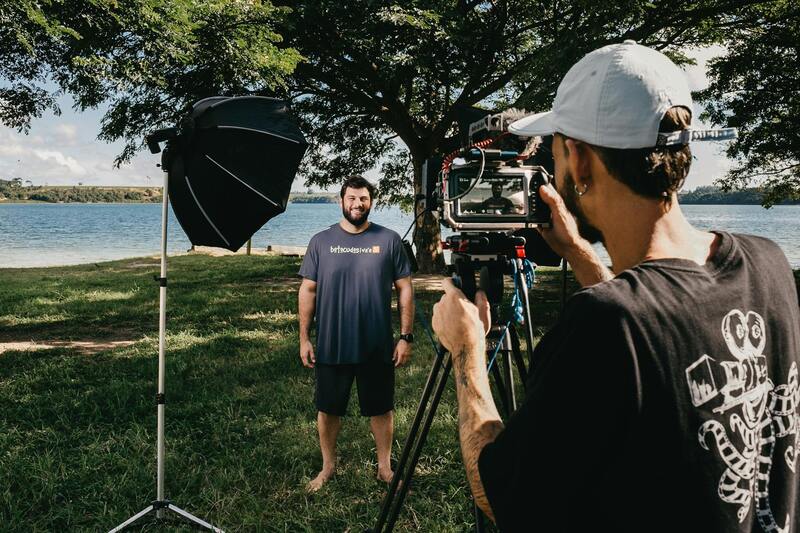
Achieving a high-caliber live stream in Miami entails a combination of proven hardware, stable internet connections, and software solutions optimized for live broadcasting. Production teams often utilize professional-grade cameras, such as 4K or HD-capable models, along with wireless microphones to capture clear visuals and audio. These tools are integrated with encoders—either hardware units or software-based—that convert raw video into stream-compatible signals.
Stable, high-bandwidth internet connections are non-negotiable; fiber optic lines are frequently employed to guarantee consistent upload speeds and minimize latency. For high-profile events, dedicated bandwidth or secondary internet connections are established to prevent disruptions during critical moments. This infrastructure is essential for maintaining stream quality and ensuring buffer-free broadcasting.
Cloud-based encoding and streaming services facilitate smooth multi-camera switching, real-time graphics overlay, and video mixing—elements that greatly enhance the production quality of live events. Mobile streaming solutions now allow broadcasters to use smartphones or portable devices for outdoor or on-the-move coverage, expanding the scope of live streaming possibilities across Miami's diverse venues and event settings.
Key Considerations for Effective Live Streaming in Miami
Successfully delivering high-quality live streams in Miami requires meticulous planning around several crucial factors. As the city boasts a vibrant and diverse event landscape, understanding the unique environment is essential to produce seamless broadcasts that captivate audiences and enhance event visibility.
Internet Connectivity and Bandwidth
Miami’s urban infrastructure generally offers robust internet services, but fluctuating connection speeds can impair live streaming quality. Prioritizing dedicated, fiber-optic internet connections with symmetrical upload and download speeds is fundamental. For large-scale or high-profile broadcasts, arranging multiple internet sources or backup connections ensures uninterrupted streaming, even during unexpected outages or bandwidth spikes.
Audio-Visual Quality
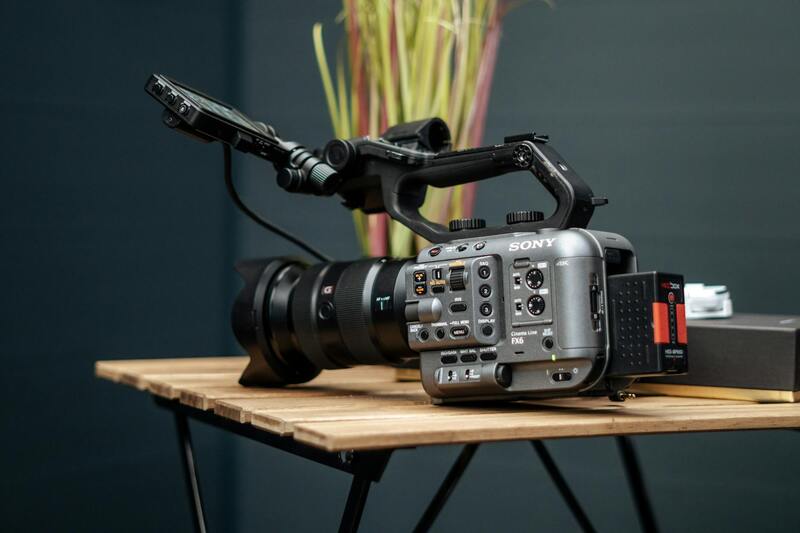
Clarity of visuals and audio significantly influence viewer engagement. Utilizing advanced cameras capable of capturing 4K or HD quality guarantees sharp, professional footage. Complementing this with high-fidelity wireless microphones and stereo audio equipment ensures clear sound, essential for live music, performances, or speeches. Proper lighting setups and stable camera mounts mitigate motion blur and improve overall visual clarity, especially in variable lighting conditions common in outdoor Miami venues.
Content Planning and Scheduling
Effective content planning involves detailed scheduling aligned with event timelines, venue specifics, and anticipated audience engagement patterns. Pre-production rehearsals, test runs, and precise timing facilitate smoother transitions during broadcasts. Coordinating content flow with event organizers ensures that key moments are captured and broadcast effectively, minimizing technical hiccups and maximizing viewer experience.
Environment Adaptation
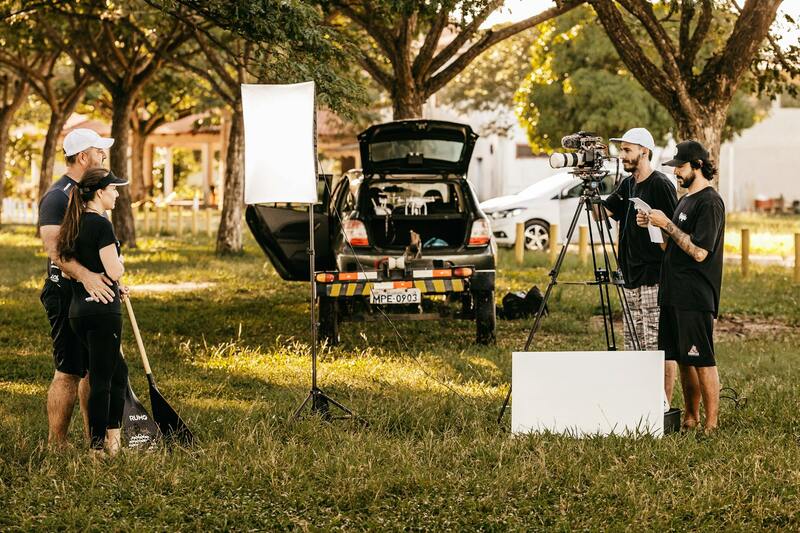
Miami’s climate and dynamic outdoor environments necessitate adaptive strategies, such as weather-resistant equipment and portable broadcasting setups. When streaming outdoors or across sprawling venues, mobile units featuring all-in-one production solutions enable quick setup and reliable coverage. Additionally, managing ambient noise levels and controlling lighting conditions contribute to producing a professional broadcast under varying environmental factors.
By addressing these core considerations, live streaming in Miami can achieve outstanding results that boost event visibility and audience engagement. Proper technical preparation, combined with environmental awareness, creates a foundation for delivering compelling, reliable broadcasts aligned with the city’s energetic and diverse event scene.
Legal and Licensing Aspects of Live Streaming in Miami
Executing a successful live streaming event in Miami requires careful attention to various legal and licensing considerations. These aspects ensure that all content shared publicly complies with local regulations, respects intellectual property rights, and aligns with community standards. Proper validation and adherence to these requirements are crucial in avoiding potential disruptions, fines, or reputation damage.
One of the fundamental elements involves securing the appropriate permissions for broadcast rights, especially when streaming copyrighted materials such as music, videos, or imagery. Collaborating with content owners or licensing agencies can facilitate the lawful use of protected material, thereby safeguarding the event from legal challenges. This is particularly important for commercial events or promotions that incorporate third-party content.
Additionally, Miami has specific regulations regarding drone usage, filming, and broadcasting in certain areas. Obtaining necessary permits is essential when deploying drone cameras for aerial shots or capturing footage in public spaces. Different zones, such as parks, beaches, or city streets, may have distinct requirements, and proactive engagement with local authorities can streamline the process.
Public safety and privacy are also key considerations. When live streaming in crowded or private venues, event organizers must ensure they have the consent of participants and attendees. Clear signage or announcements stating that the event will be streamed can help manage expectations and secure informed consent. Respect for individual privacy rights is paramount, especially in sensitive settings such as educational institutions, healthcare facilities, or residential areas.
Another vital aspect involves adhering to Miami-Dade County and city-specific regulations regarding signage, noise levels, and event operational permits. Proper application and compliance help prevent interruptions or penalties. For large-scale events, coordinating with local law enforcement and emergency services is essential to ensure safety protocols are in place, which complements the integrity of the live broadcast.

Focusing on these legal and licensing considerations not only validates the event's professionalism but also protects organizers and broadcasters from unforeseen complications. Qualification and clarity in permissions create a seamless streaming experience that highlights Miami’s vibrant event culture while respecting its legal framework. Working closely with experienced legal counsel or local experts can further help navigate these requirements efficiently, ensuring that your live streams in Miami proceed without interruption or concern.
Role of Local Production Agencies in Miami Live Streaming
Local production agencies in Miami are instrumental in ensuring the success of live streaming events. These agencies possess in-depth knowledge of the Miami market, local regulations, and the technical landscape, making them essential partners for any organization aiming to broadcast seamlessly. They offer a comprehensive suite of services, from pre-event planning and technical setup to on-site execution and post-event support.
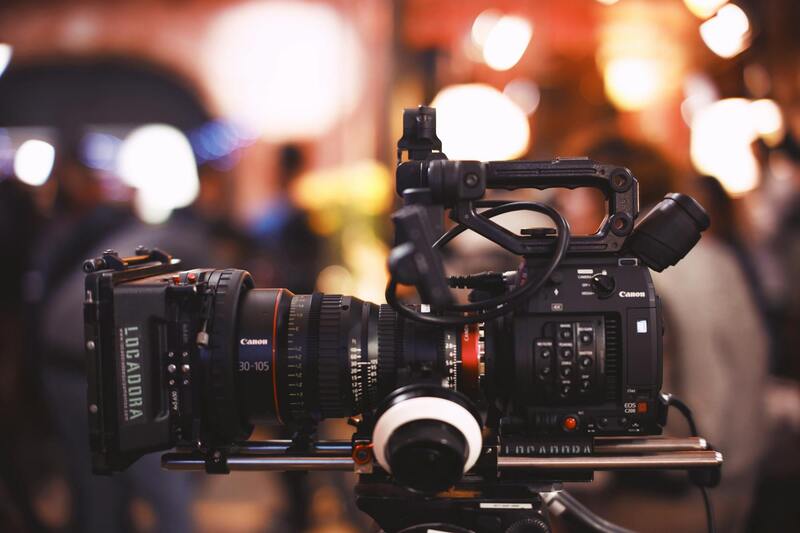
One of the primary advantages of engaging a local production team is access to cutting-edge broadcasting technology. Agencies maintain high-quality equipment, such as multiple camera setups, professional audio systems, and robust internet connections, tailored to accommodate different venues and event types. They also provide experienced operators who understand how to optimize camera angles, lighting, and sound for engaging live broadcasts, whether streaming a corporate seminar, concert, or community festival.
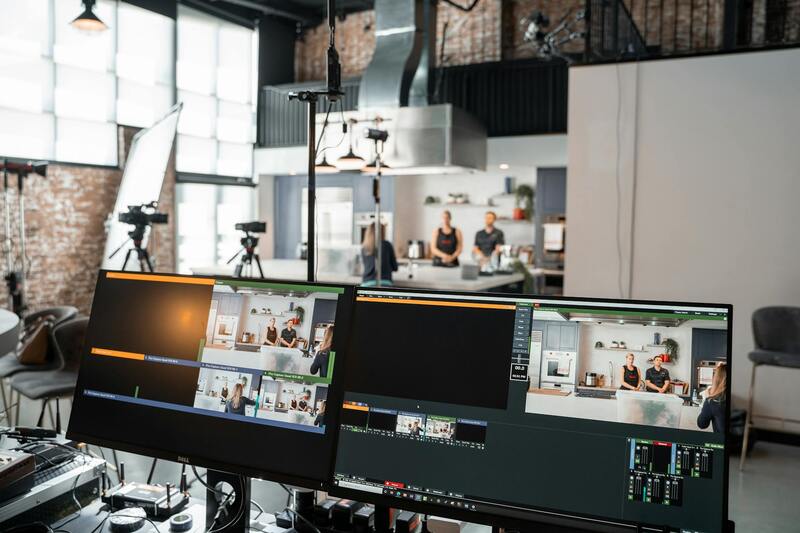
Furthermore, these agencies can navigate Miami-specific logistical challenges efficiently. They coordinate with venue management and local authorities to secure necessary permits and ensure adherence to city guidelines. Their familiarity with Miami’s diverse venues—from convention centers and outdoor spaces to historic sites—helps streamline operations and minimizes disruptions.
Consulting with local experts also enhances the security and reliability of live streams. Agencies implement robust backup plans, including secondary internet feeds and redundant equipment, to prevent interruptions. They also handle real-time troubleshooting, allowing broadcasters to focus solely on the content and audience engagement. For events with substantial attendance or high-profile participants, professional production agencies provide comprehensive security and privacy measures, safeguarding ongoing streams from unauthorized access or disruptions.
Choosing a reputable local agency involves evaluating their portfolio, client references, and technological credentials. A skilled team will proactively collaborate from concept development through post-event review, ensuring the live stream captures the event’s essence while maintaining a polished, professional appearance. This partnership not only elevates the event’s production quality but also ensures compliance with Miami’s specific streaming standards and regulations.
Legal and Licensing Aspects of Live Streaming in Miami
Successfully executing live streaming events in Miami demands a thorough understanding of the city's regulatory landscape, especially regarding licensing and adherence to city-specific guidelines. These requirements are essential for protecting the rights of content creators, performers, and venue operators, as well as ensuring a smooth broadcast experience.
Before initiating any live stream, event organizers and content providers must secure the appropriate permits and licenses. This process often involves engaging with local authorities such as the Miami Department of Business and Professional Regulation or the Miami Film Office, which oversee regulations related to filming, broadcasting, and public performances.
In addition to permits, complying with local ordinances related to noise levels, public safety, and privacy is crucial. Miami hosts a wide array of venues, from outdoor beaches and parks to multi-purpose event halls and historic sites, each with its own set of rules. Clear understanding of these regulations helps prevent delays, fines, or interruptions during live broadcasts.
Another key aspect involves managing intellectual property rights. Event organizers should ensure they have the right to broadcast all performances, music, or visual content. Licensing agreements with rights holders or performance rights organizations are often necessary, particularly for music or copyrighted content. Failure to secure these rights can lead to copyright infringements, potential takedown requests, or legal disputes, which could jeopardize the broadcast and damage reputation.
Additionally, in Miami's dynamic media environment, adherence to data privacy standards and online security protocols is paramount. Live streaming platforms and agencies must implement secure transmission methods to protect sensitive content and maintain viewer trust. This includes encryption, secure login methods, and compliance with regional data protection laws.
Collaborating with local legal experts and experienced production agencies can streamline the licensing process. These professionals have established networks and know-how to navigate the complex requirements efficiently. They can also advise on contractual obligations and help draft licensing agreements tailored to specific types of content and the targeted audience.
Overall, maintaining meticulous records of permits, licensing agreements, and permissions is essential. Organized documentation ensures smooth operational flow, especially during inspections or audits by relevant authorities. By strictly following Miami's licensing protocols and securing all necessary approvals, content providers can deliver high-quality, compliant live streams that resonate with local audiences and stakeholders alike.
Emerging Trends and Innovations in Miami Live Streaming
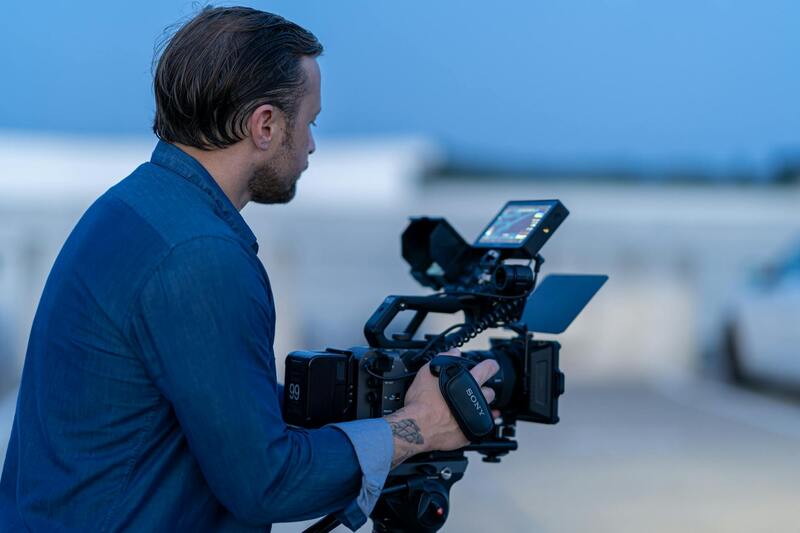
Miami continues to be at the forefront of technological advancements in live streaming, adopting innovative solutions to enhance broadcast quality and audience engagement. Recent developments include the integration of 4K broadcasting capabilities, allowing event organizers to deliver ultra-high-definition streams that captivate viewers with vibrant visuals and crisp audio. This shift not only elevates the viewing experience but also requires compatible hardware and stable internet connections to prevent interruptions.
Another prominent trend is the adoption of 360-degree live streaming, which offers immersive experiences for viewers by capturing events from multiple angles. This technology is especially popular for virtual tours, concerts, and sporting events around Miami, providing audiences a sense of presence despite being physically distant. Implementing 360-degree streams involves specialized cameras and platforms that support interactive viewing modes, requiring meticulous planning and technical expertise.

Artificial Intelligence (AI) and Machine Learning (ML) are increasingly incorporated into live streaming workflows to automate processes such as real-time editing, captioning, and content moderation. For Miami content creators and event organizers, these tools facilitate dynamic overlays, tailored content delivery, and improved viewer interactions. AI-driven analytics also provide valuable insights into viewer behaviors, enabling customization of future streams for better engagement.
Edge computing is another transformative trend, reducing latency by processing data closer to the source. This technology ensures smoother live streams, particularly during large-scale events or in locations with limited internet infrastructure prevalent in parts of Miami. By decentralizing data processing, organizers can minimize delays and provide seamless viewing experiences regardless of network fluctuations.
Emerging platforms that facilitate interactive features—such as live polls, Q&A sessions, or virtual tipping—are reshaping how audiences participate in live streams. Miami-based businesses and event hosts are leveraging these tools to foster community engagement and generate additional revenue streams. These innovations underscore a shift towards more participatory streaming environments that prioritize viewer interaction alongside high-quality broadcast content.
Enhancements in cloud-based streaming services also contribute significantly to the scalability and resilience of live broadcasts. Miami content providers utilize cloud infrastructure to manage fluctuating viewer counts effortlessly, ensuring consistent quality without the need for extensive on-site equipment. This flexibility simplifies broadcast logistics and allows for rapid deployment of live streams across diverse event types.
Furthermore, the integration of virtual and augmented reality (VR/AR) technologies is beginning to impact Miami's live streaming scene. VR/AR applications enable viewers to experience events through immersive digital environments, opening new avenues for remote participation. While still in early stages, these technologies promise to revolutionize event coverage, especially for large festivals, art exhibitions, and sporting events in the Miami area.
Overall, these innovative trends demonstrate Miami's commitment to leveraging cutting-edge technology in live streaming, ensuring that broadcasters, event organizers, and audiences enjoy an enriched, engaging, and reliable digital experience that keeps pace with global industry standards.