Understanding Timelapse Video Production in Miami
Timelapse videos are a dynamic and captivating form of visual storytelling that condense lengthy periods into concise, engaging sequences. By capturing a scene over an extended duration and then playing it back at a higher speed, filmmakers can effectively showcase the passage of time, illustrating natural processes, urban activity, or environmental changes. This technique transforms ordinary moments into extraordinary visual narratives, highlighting movement and shift in a way that static images and standard video cannot achieve.
Miami, with its vibrant urban landscape, scenic beaches, and colorful architecture, provides a breathtaking backdrop for timelapse productions. The city’s iconic skylines punctuated by luminous lights and bustling streets offer limitless creative potential. The varied scenery—from sunrise over the ocean to sunset reflections on glass skyscrapers—makes Miami an ideal locale for capturing stunning timelapse footage that emphasizes the city’s energetic ambiance and unique geographical features.
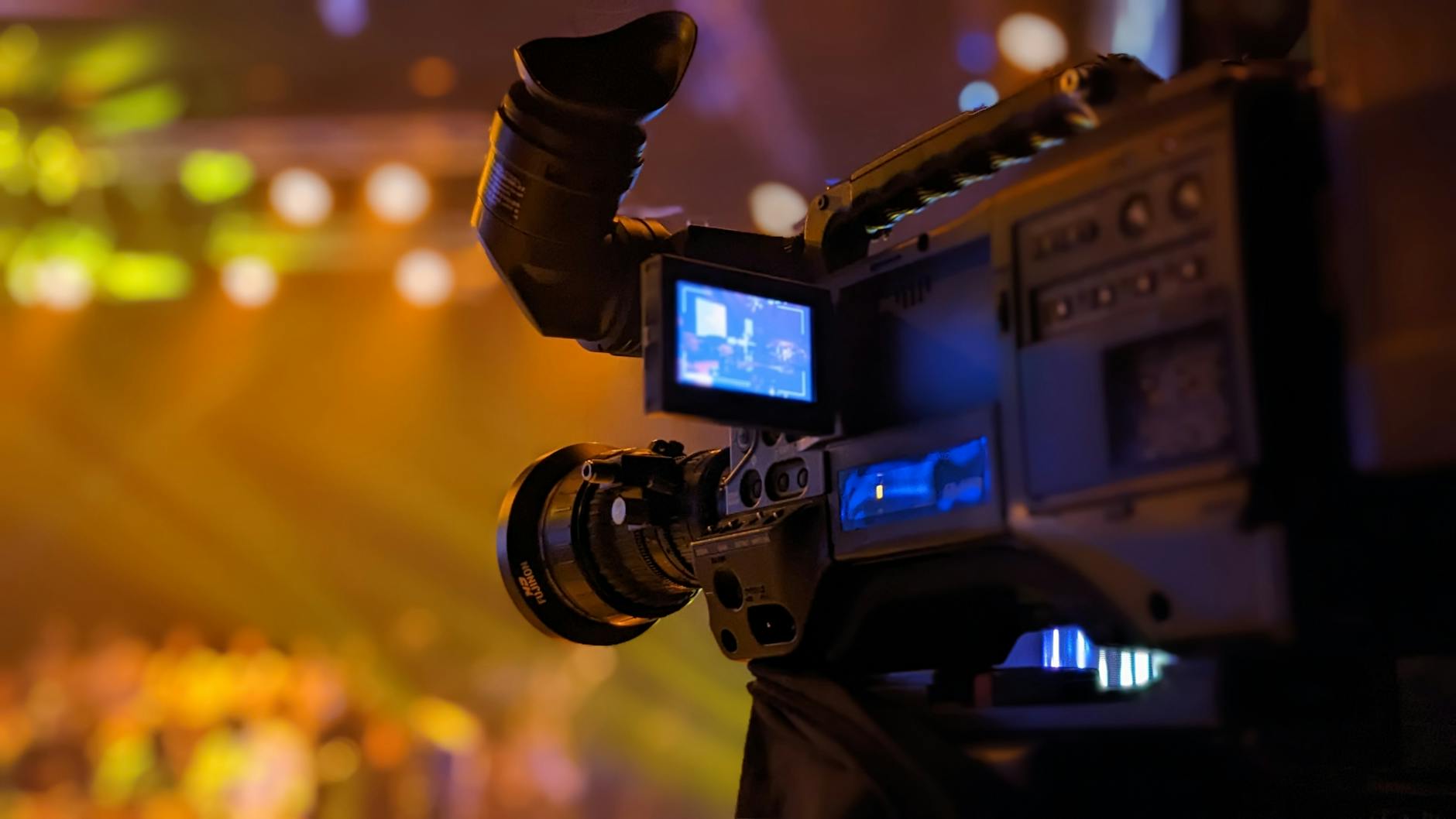
Successful timelapse video production requires a combination of proper planning, suitable equipment, and an understanding of the technical aspects involved. Participants must select optimal locations, determine appropriate intervals for capturing frames, and consider lighting conditions that influence the final output. Miami’s diverse environments allow for a wide range of thematic expressions, from showcasing the steady pulse of downtown Miami to highlighting the tranquility of its beaches. Skilled videographers and content creators leverage this diversity to craft visually compelling narratives that resonate with audiences and viewers alike.
Additionally, Miami’s weather patterns and lighting conditions demand careful consideration during planning. Equipment adjustments for changing light, managing exposure settings, and choosing the right times of day contribute to achieving high-quality results. Whether aiming to depict the city’s bustling daytime streets or the glittering city lights at night, professionals ensure that each shot captures the intended atmosphere while maintaining smooth transitions and vivid colors.
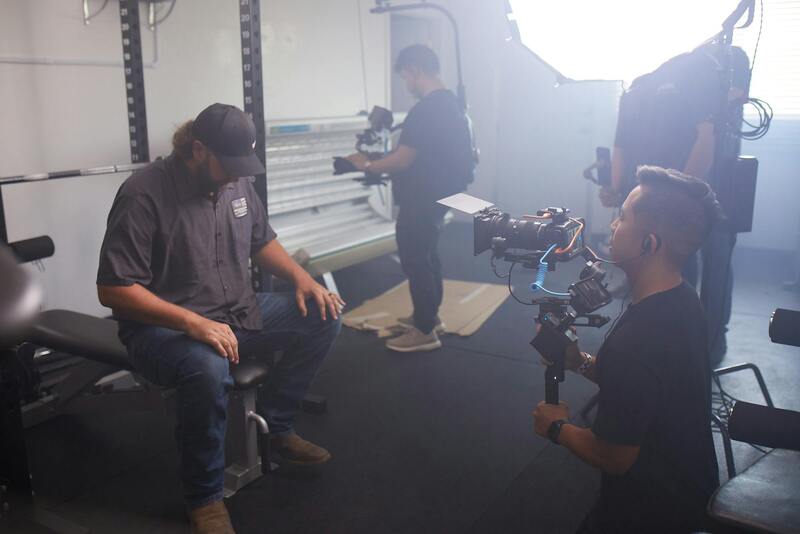
In essence, mastering timelapse video production in Miami involves a blend of technical proficiency, creative vision, and strategic planning. When these elements align, videographers can produce powerful visual stories that not only showcase Miami’s distinctive scenery but also evoke emotion and captivate audiences long after the footage is shot.
Understanding Timelapse Video Production in Miami
Creating compelling timelapse videos in Miami requires a comprehensive approach that combines technical expertise with an artistic eye. The city’s vibrant atmosphere and diverse landscapes offer endless opportunities for storytelling through rapid sequences of images. To produce high-quality footage, videographers must plan meticulously, selecting the appropriate locations, camera settings, and timing strategies. An in-depth knowledge of equipment capabilities, such as intervalometers or motion control gear, ensures seamless frame captures over extended periods. Lighting conditions, especially in a city known for intense sunlight and dynamic weather, significantly impact the final output. Adjustments in exposure, white balance, and focus are essential to maintain consistent visual quality across lengthy shooting sessions.
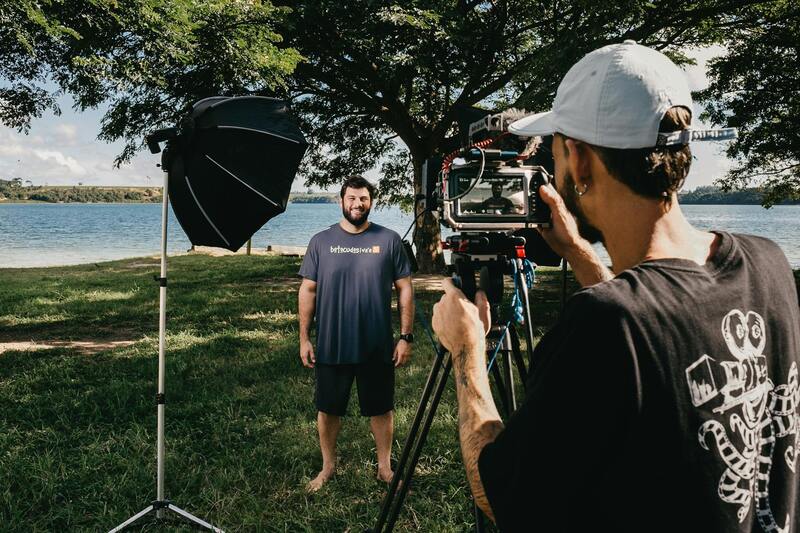
Choosing the right locations is paramount, especially considering Miami’s unique urban and natural settings. From the bustling beaches of Miami Beach to the bustling streets of Downtown Miami, each site offers distinct visual elements that can highlight different aspects of the city’s essence. Planning for optimal timings—whether during the golden hour for warm hues or at night to capture dazzling city lights—enhances the emotive impact of the footage. The fluctuating weather, including occasional rain or storm fluctuations, can add dramatic effects, making detailed situational awareness during shooting a vital component. The use of neutral density filters or graduated filters during daytime shoots can further control exposure challenges, ensuring vibrant colors and clear images.
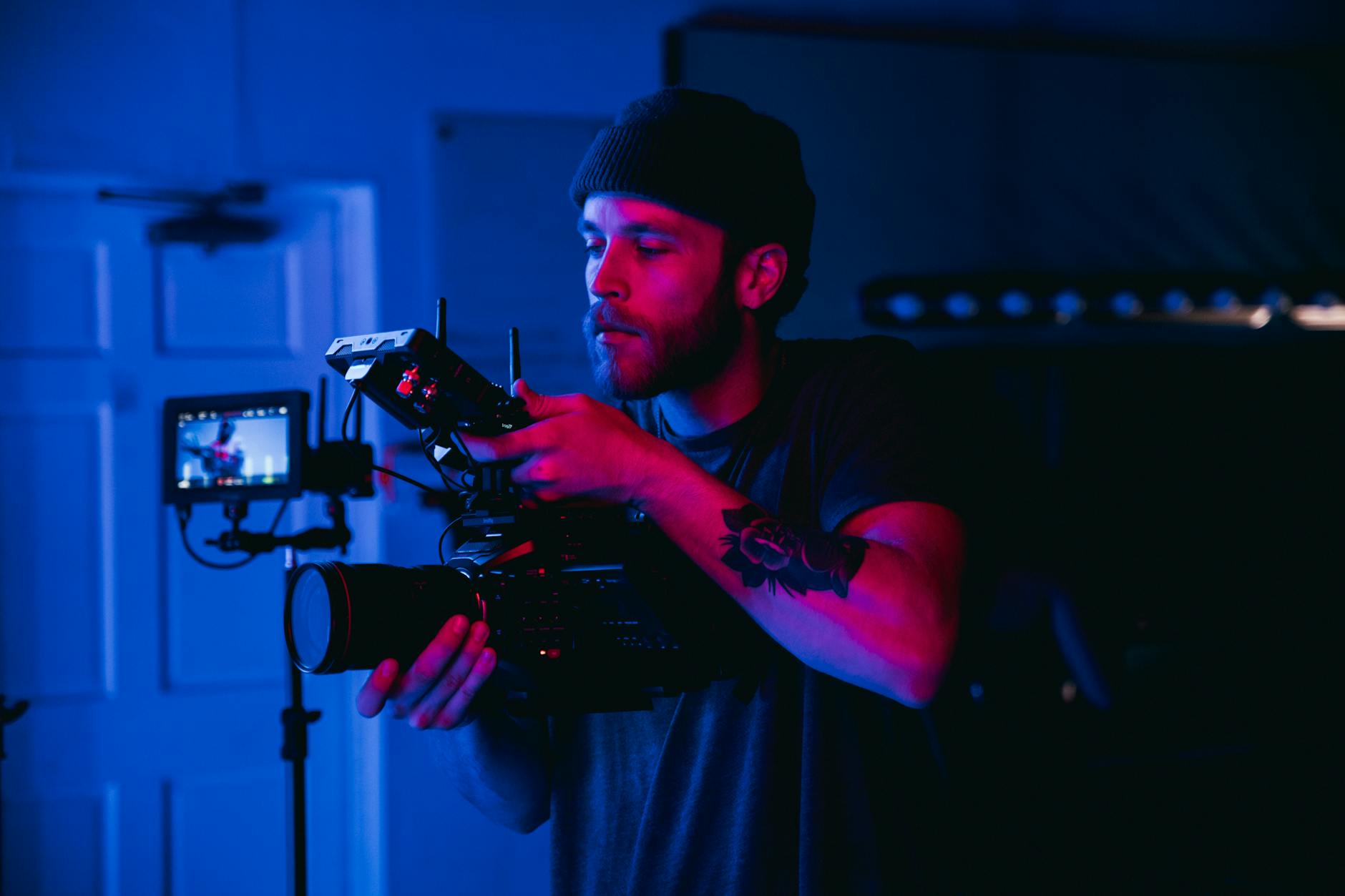
Furthermore, mastery over camera intervals is crucial. Shorter intervals can effectively portray rapid urban activity, such as traffic flow or crowds gathering at events, while longer intervals are suitable for capturing slow-moving natural phenomena like cloud movements or sunset transitions. Synchronizing camera settings with environmental variables ensures consistency and prevents flickering or exposure shifts that could detract from the final product. Skilled post-production work often involves stabilizing footage, color grading to match the intended mood, and assembling sequences into a cohesive narrative that highlights Miami’s unique rhythm and character.
To achieve these objectives, many professionals utilize specialized tools and software that facilitate precise control over frame capture rates and subsequent editing processes. The investment in such technology allows for the creation of polished, cinematic timelapse videos that resonate with viewers and effectively communicate Miami’s vibrant lifestyle and scenic grandeur.
Equipment and Technical Considerations
Capturing the dynamic essence of Miami through a timelapse video requires careful selection of equipment and technical settings. High-quality DSLR or mirrorless cameras are preferred because of their manual control capabilities and excellent image quality, especially in varied lighting conditions found throughout Miami’s diverse environments. Professionals often opt for cameras with robust auto-focus and high dynamic range to ensure vibrant, clear footage even during rapid scene changes.
Stability is crucial for smooth sequences. Tripods with sturdy ball heads or gimbals help maintain consistent framing and camera stability over extended periods. For especially tall or complex scenes, drone cameras equipped with gimbal stabilization can access vantage points and perspectives otherwise difficult to achieve from the ground.
To handle Miami’s broad daylight hours and unpredictable weather, neutral density (ND) filters are indispensable. They reduce the amount of light hitting the sensor, allowing for longer exposure times that create smooth motion effects, like flowing water or moving clouds. Graduated ND filters assist in balancing exposure between bright skies and darker foregrounds, ensuring detailed imagery without overexposed highlights.
Camera settings should be optimized based on environmental conditions. A lower ISO minimizes noise, while a narrower aperture (higher f-stop) increases depth of field for expansive cityscapes. Adjusting shutter speed in tandem with frame rate settings helps achieve natural motion blur, making the timelapse feel realistic rather than choppy.
Interval shooting, which determines how often frames are captured, is another vital consideration. Shorter intervals—like one frame every second—are ideal for rapid scenes such as traffic or crowds, while longer intervals capture slow movements like cloud drifts or sunset transitions. Properly setting the interval timer ensures fluid motion without unnecessary redundancy.
Power sources and storage are equally important. Extended shoots require precise planning regarding battery life and memory capacity. Extra batteries, high-capacity memory cards, and portable power solutions enable uninterrupted filming, especially during long shoots at high-energy Miami venues.
Permitting and Regulations in Miami
Successfully executing a timelapse video in Miami requires adherence to specific permitting protocols established by local authorities. Securing permits ensures that the filming process complies with city policies, especially when operating in designated public spaces or private properties. It is important to initiate the application process well in advance, as approvals can take time and may involve detailed documentation, including a description of the project, intended use, and technical details of the equipment involved.
When planning a timelapse shoot, understanding the nuances of locations’ accessibility is crucial. Some areas, such as popular parks, waterfronts, and historic districts, may have restricted access or specific hours during which filming is permitted. Engaging with local agencies or property owners can facilitate smoother access and reduce the risk of disruptions or legal complications.
Supplementary to obtaining permits, adhering to local regulations concerning drone operations is essential for capturing aerial timelapse footage of Miami’s iconic skyline and natural landmarks. Restrictions on drone flight times, altitude limits, and no-fly zones around airports or heliports must be observed diligently to ensure compliance and safety during aerial shoots.
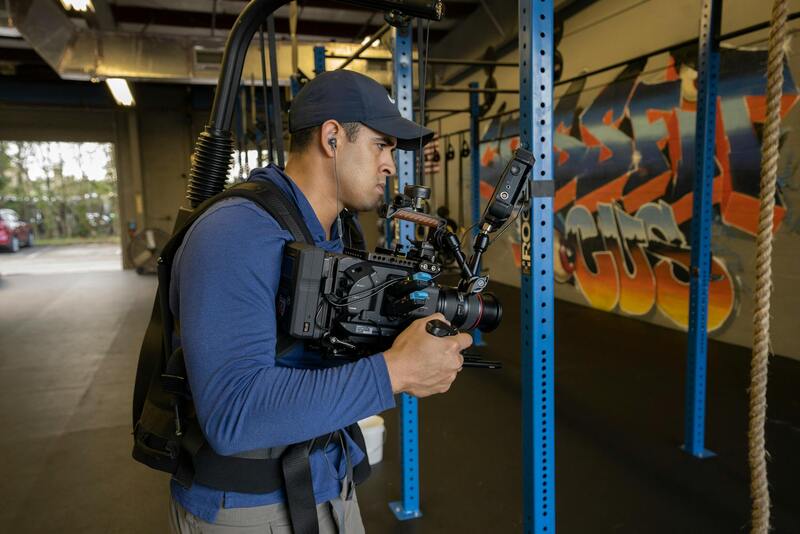
Moreover, respecting privacy and avoiding interference with ongoing activities or private events contribute to maintaining a professional reputation and fostering good relations with the local community. For commercial projects, obtaining written permissions from property owners or event organizers is advisable, providing clear boundaries and scope of the filming activities.
In essence, planning ahead with proper permitting not only safeguards the production process but also supports sustainable and respectful filmmaking practices within Miami's dynamic environment. Staying informed about local ordinances, zoning laws, and any updates to regulations surrounding filming activities can significantly streamline the process and ensure a smooth timeline from planning to final delivery.
Equipment and Technical Considerations for Miami Timelapse Videos
Successfully capturing a compelling timelapse video of Miami requires meticulous attention to the right equipment and technical parameters. The choice of camera is paramount; professional-grade DSLR or mirrorless cameras with high-resolution sensors provide the clarity needed to showcase Miami’s vibrant cityscape and natural beauty. For those aiming to include expansive landscape shots, cameras with a wide dynamic range are ideal, as they can handle the bright highlights and deep shadows that are common in daytime and sunset scenes.
Stability equipment such as sturdy tripods or gimbals is essential for smooth shots, especially when capturing long sequences over extended periods. Remote shutter releases or intervalometers facilitate precise control over the timing between frames, reducing the risk of motion blur and ensuring consistent exposure settings. For aerial timelapses, drones equipped with stabilized gimbals are invaluable for obtaining high vantage point footage without the disturbances that handheld shooting can introduce.
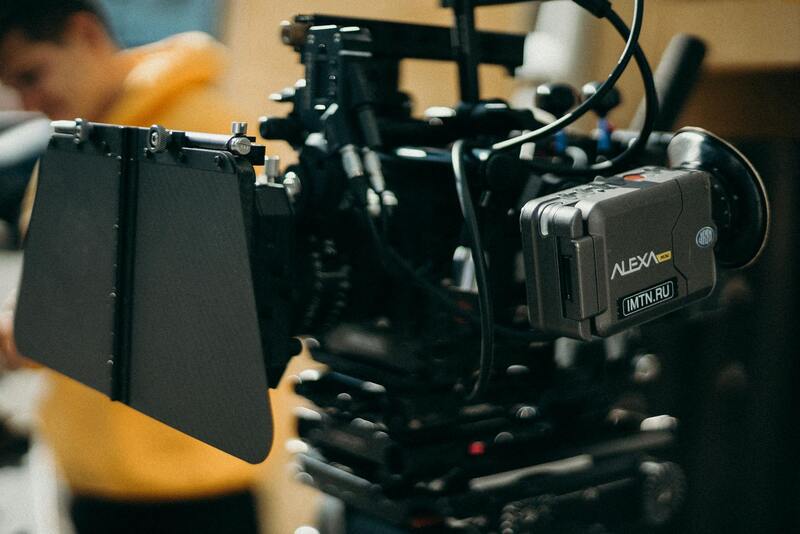
Lighting considerations play a critical role, particularly during sunrise, sunset, or nighttime scenes. Using neutral density filters can help manage exposure levels during daytime shoots, allowing for longer exposure times that can smooth out motion such as clouds or water. For nighttime or cityscape shots, capturing crisp, clear lights from buildings, streets, and vehicles often depends on adjusting ISO settings, aperture, and shutter speed optimally. Proper focus stacking and color calibration during shoots ensure the final video maintains visual consistency and vibrancy.
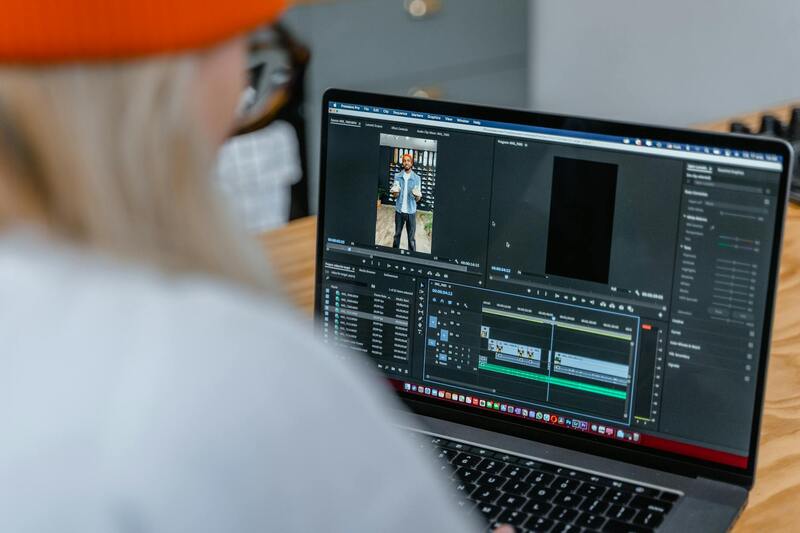
To achieve high-quality timelapse videos of Miami, post-production editing techniques are equally important. Color grading enhances the vibrancy of Miami’s iconic color palette—turquoise waters, neon city lights, and sunset hues. Stabilization software can correct any minor jitters or movement that occurred during filming, providing a seamless viewing experience. Integrating motion graphics or overlays can add context or branding elements, elevating the professional appeal of the finished product.
The technical sophistication involved in the process underscores the importance of pre-shoot planning—anticipating lighting conditions, environmental factors, and the desired narrative flow. Proper camera settings, combined with diligent post-processing, transform raw footage into captivating visual stories that highlight Miami’s dynamic scenery and urban energy.
Understanding Timelapse Video Production in Miami
Producing a compelling timelapse video in Miami involves a meticulous blend of technical expertise, artistic vision, and thorough planning. From choosing the right equipment to capturing Miami’s iconic vistas, each step requires attention to detail to ensure the final product accurately reflects the city’s vibrant atmosphere and dynamic energy. The process begins with pre-shoot planning, where understanding environmental conditions such as lighting, weather, and urban activity patterns is crucial. Timing shots during sunrise and sunset can reveal the city’s stunning transition in light, highlighting Miami’s unique charm. Urban scenes often benefit from capturing high-traffic areas during different times of the day, providing a dynamic visual rhythm that showcases Miami’s bustling lifestyle. Employing high-quality cameras and intervalometers allows for precise control over shot intervals, critical in creating smooth transitions that emphasize motion over extended periods. Ensuring stable camera support—whether through tripods, gimbals, or drone mounts—reduces shake and contributes to seamless footage. Properly managing exposure, white balance, and focus in-camera sets the foundation for high-quality post-production editing, where color grading can intensify Miami’s iconic turquoise waters, neon city lights, and vivid sunsets. Skilled execution during production serves as the backbone for delivering visually striking timelapse videos that narrate the city’s story of vibrancy and growth.
Popular Miami Locations for Timelapse Videos
Miami’s diverse landscape provides an array of spectacular backdrops for timelapse projects. Downtown Miami, with its futuristic skyline and shimmering skyscrapers, creates an impressive urban spectacle. The Miami Beach boardwalk captures the ebb and flow of beachgoers, surfers, and sunset views, perfect for vibrant, lively sequences. Wynwood Walls offers a colorful outdoor gallery that comes alive at sunrise or sunset, providing a dynamic indoor-outdoor contrast. Bayfront Park and the Miami Marina serve as excellent locations for capturing ocean reflections, boat movements, and city annexes against a natural backdrop. For aerial shots, locations such as Brickell Key, the Rickenbacker Causeway, or the Venetian Islands provide stunning vistas of Miami’s coastline, bridges, and skyline, especially at golden hour or dusk. Each location presents unique lighting conditions, environmental elements, and architectural features that, when properly harnessed, can visually narrate Miami’s multifaceted character. Selecting the right vantage points and timing is essential to maximize the visual impact of your timelapse videos.
Equipment and Technical Considerations
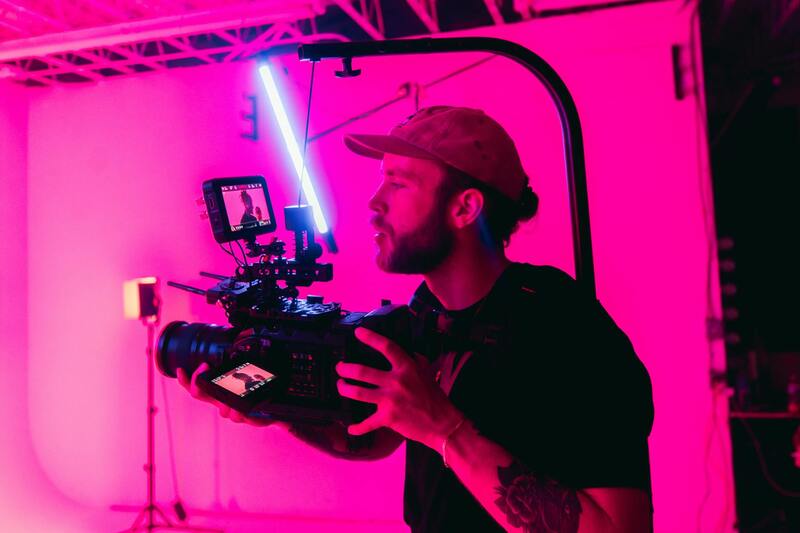
Creating high-quality timelapse videos in Miami necessitates specialized equipment tailored to the environmental demands and creative goals of the project. Professional-grade DSLR or mirrorless cameras equipped with intervalometers are standard, allowing for precise control over shot intervals and durations. For aerial footage, drones equipped with stabilized gimbals facilitate expansive views of Miami’s skyline and waterfront, providing an immersive perspective. Lenses with a wide-angle or zoom capability expand creative options, enabling close-up city scenes or broad cityscape captures. Tripods and motorized sliders ensure stability and smooth motion, vital for maintaining visual continuity during long shooting sessions. Filters, such as neutral density (ND) filters, enable longer exposure times, which are essential for capturing motion blur in skies and water—adding a cinematic quality. In lighting conditions typical of Miami, managing exposure settings to accommodate intense sunlight or vibrant nighttime illuminations is critical. Leveraging high-capacity batteries and ample storage ensures continuous operation without interruptions. The integration of GPS and weather monitoring tools assists in optimal scheduling, particularly for aerial shots where weather conditions significantly influence safety and image quality.
Creative Concepts and Themes for Miami Timelapse Projects
Developing engaging themes and concepts transforms standard footage into compelling visual stories that capture Miami’s essence. Urban development and architectural evolution highlight Miami’s ongoing transformation, from new skyscraper projects to revitalized districts. Nightlife and neon lights can evoke the city’s vibrant entertainment scene, especially during festivals or special events. Natural elements such as water, clouds, and sunsets provide opportunities for poetic storytelling—showcasing the natural harmony amidst urban growth. Cultural themes, like Miami’s diverse communities and events, can be captured through timelapse sequences of parades, markets, or street performances, illustrating the city’s rich multicultural fabric. Environmental projects focusing on climate change, rising sea levels, or urban sustainability can emphasize Miami’s front-line position in ecological awareness. Additionally, time-lapse videos of traffic flow, pedestrian movement, or construction progress serve as dynamic storytelling tools that reveal underlying patterns and growth trajectories. Incorporating motion overlays or animated graphics can further enhance narratives, making Miami’s story more engaging and memorable for viewers.
Advanced Editing and Post-Production Techniques for Miami Timelapse Videos
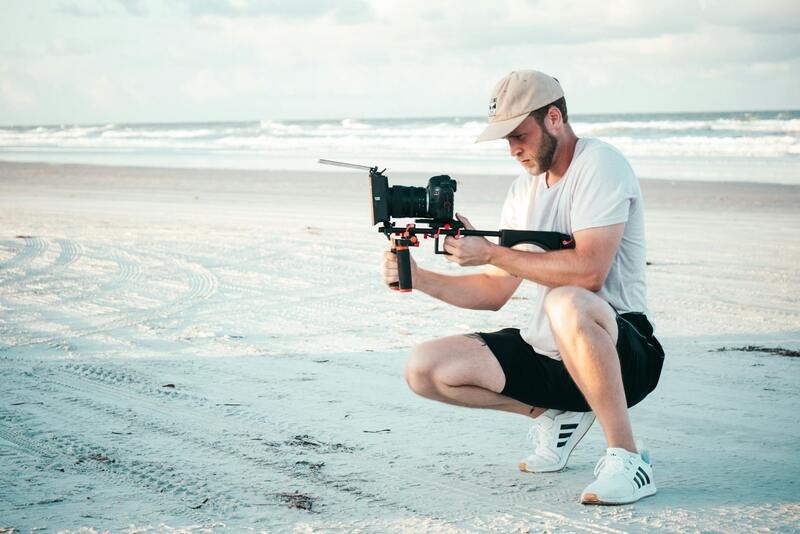
Once the raw footage has been captured, the editing process becomes pivotal in transforming these clips into a polished, visually compelling timelapse video that faithfully represents Miami’s dynamic essence. Professional post-production techniques involve a comprehensive approach, focusing on color grading, motion stabilization, and seamless sequencing to enhance storytelling clarity.
Color grading is a fundamental step that involves adjusting the color palette to evoke the desired mood and atmosphere. For Miami timelapses, a balanced approach can highlight vibrant sunsets, the city's neon-lit nights, or the golden hues of daylight. Utilizing color correction tools ensures consistency across footage shot at different times or under varying light conditions, resulting in a cohesive visual experience.
Motion stabilization is crucial, especially when using handheld cameras or drone footage affected by wind and slight movements. Advanced stabilization algorithms can smooth out jittery footage, providing a more professional appearance. This ensures the viewer’s focus remains on Miami’s shifting skyline, bustling streets, or natural scenes without distraction.
Seamless sequencing and pacing involve selecting and arranging clips to maintain viewer engagement. Properly timed transitions, speed ramps, and timed pauses allow the audience to absorb important details, whether it's the gradual change from day to night or the flow of traffic during rush hours. Sound design, including background music and sound effects, further accentuates the visual narrative, adding depth and emotional resonance.
Special effects, such as animated overlays, motion graphics, or time-lapse-specific enhancements, can also be employed to add an extra layer of professionalism. These elements might include animated cityscapes, incorporating data visualizations reflective of traffic patterns, or artistic overlays that emphasize Miami’s cultural vibrancy.
Finally, exporting the finished project with optimal settings ensures high quality and compatibility for various platforms. Considerations include resolution (4K for high-detail viewing), compression format, and frame rate, tailored to whether the video will be showcased online, in presentations, or in large-format displays.
Understanding Timelapse Video Production in Miami
Producing a captivating timelapse video in Miami involves a careful combination of planning, technical expertise, and creative vision. It begins with a thorough understanding of the city’s iconic landscapes, bustling urban scenes, and natural scenery, which serve as the backdrop for compelling visual storytelling. A successful timelapse project captures the dynamic flow of Miami’s life—from sunrise over South Beach to the vibrant nightlife of Downtown—highlighting the city’s energetic atmosphere and unique architecture. In the planning phase, determining the filming locations and timing is critical. Miami’s weather patterns, light conditions, and events influence the ideal moments for capturing footage. An effective production strategy includes selecting optimal camera settings such as interval duration, exposure, and focus to ensure smooth motion and striking visuals. These elements must be calibrated to depict the passage of time accurately while maintaining high image quality. Technical precision extends beyond camera setup. Stability is paramount; using tripods or motorized sliders ensures steady footage. For aerial shots, drone operators need to account for wind conditions and battery life, planning shot sequences that maximize coverage without risking equipment failure. Incorporating time-lapse-specific camera rigs, such as intervalometers, allows continuous shooting over extended periods, which is essential for capturing Miami’s vibrant cityscape in a condensed format. Moreover, understanding the lighting conditions during different times of the day and night enables creators to optimize exposure settings, balancing highlights and shadows to preserve detail. Advanced cameras with high dynamic range (HDR) capabilities facilitate capturing the full spectrum of light, especially when transitioning from bright daylight to the softer hues of dusk or the glimmering city lights at night.
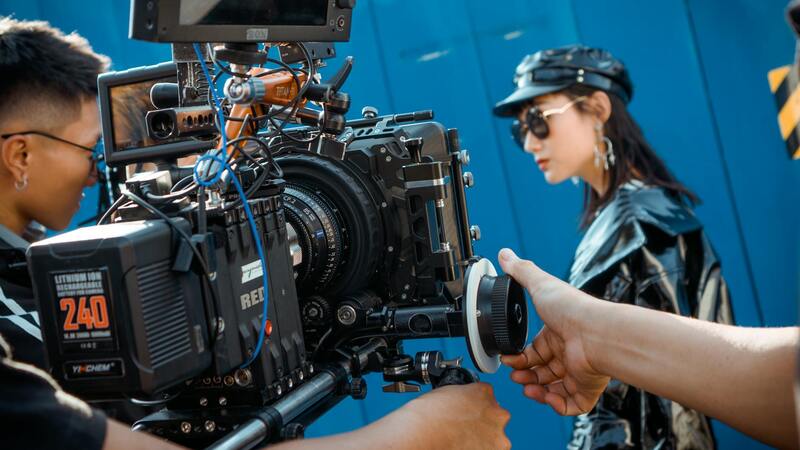
Crafting a timelapse in Miami is an exercise in technical mastery combined with a keen artistic eye. Each frame must be meticulously planned to create a cohesive narrative that encapsulates the vibrancy and energy of Miami’s diverse environments. Post-production editing plays a vital role, enhancing the footage to accentuate color, contrast, and motion to produce a polished final product that resonates with viewers and captures the city’s essence.