Understanding Timelapse Recording
Timelapse recording is a specialized technique in video production that captures frames at set intervals to create a condensed movie of events that happen over extended periods. Unlike traditional video recording, which captures continuous motion in real time, timelapse accelerates sequences, allowing viewers to observe slow or subtle changes in a fraction of the time. This method is particularly effective for showcasing processes like sunsets, construction projects, weather patterns, or traffic flow—scenarios that unfold gradually yet benefit from visual acceleration.
The core distinction between standard video and timelapse lies in the frame acquisition rate. While typical videos record at 24, 30, or 60 frames per second, a timelapse might capture a single frame every second, minute, or even hour. When these frames are played back at a normal viewing speed, the resulting footage reveals a compressed, dynamic display of events that would be otherwise imperceptible.
Key Applications of Timelapse Recording
- Construction and Development: Documenting progress over days or months to demonstrate project advancements.
- Environmental Monitoring: Tracking weather changes, plant growth, or erosion over various periods.
- Urban Planning and Traffic Analysis: Visualizing congestion, transportation flow, and cityscape evolution.
- Event Documentation: Capturing large gatherings, festivals, or public events for promotional uses.
- Creative Visual Art: Producing captivating videos that blend natural phenomena with artistic narration.
Choosing the Right Equipment for Timelapse Recording
Successful timelapse recordings hinge on selecting appropriate equipment that ensures high-quality footage and reliable operation over extended periods. The foundation is a camera capable of manual settings adjustments, particularly exposure, focus, and ISO, so that the image remains consistent throughout the shoot. DSLRs and mirrorless cameras are popular options, offering superior image sensors and versatility for different shooting conditions.
Choosing the right lens is equally crucial. Wide-angle lenses are often preferred for capturing expansive views, such as cityscapes or natural landscapes, because they provide a broader perspective. For specific subjects like wildlife or detailed architectural shots, telephoto lenses can be employed to zoom in on particular elements while maintaining sharpness.
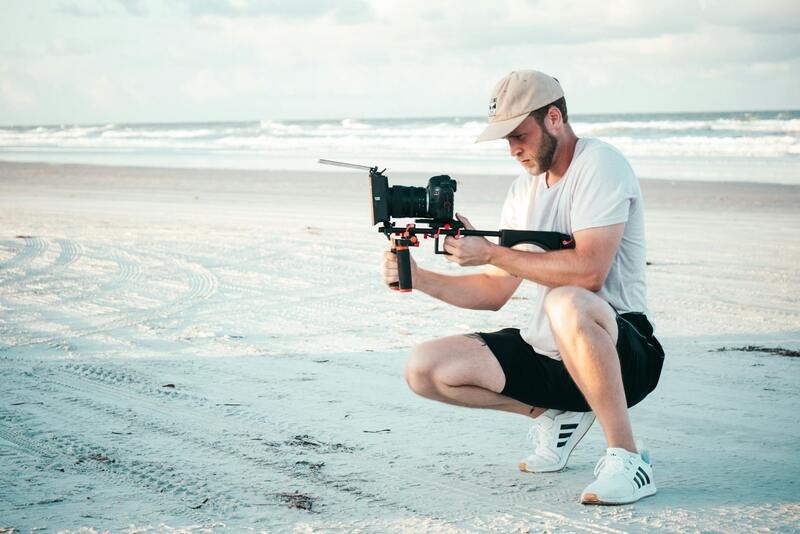
Stabilization is a vital aspect often overlooked. Tripods with sturdy build and adjustable heads remain the cornerstone for steady shots. For extended shoots, motorized pan-tilt heads can facilitate dynamic movement and complex camera rigs, ensuring that the footage remains smooth and free of jitter.
Additional accessories include intervalometers or cameras with built-in interval shooting features, enabling the camera to automatically capture frames at predetermined intervals. Power solutions such as external batteries or AC adapters are recommended to sustain long recording sessions without interruptions. Memory cards with high storage capacity are essential, especially when capturing high-resolution footage over many hours or days.
Preparing the Environment and Shooting Conditions
Shooting in Miami offers unique opportunities due to its vibrant cityscape, diverse natural environments, and iconic lighting conditions. When planning a timelapse, consider factors like lighting consistency, weather conditions, and potential obstructions that could interfere with the shot. Overcast days provide uniform lighting, minimizing flickering caused by changing sunlight, while clear days with stable weather deliver dramatic skies and vibrant colors.
Timing is critical. Filming during golden hours—shortly after sunrise or before sunset—heightens the visual appeal with warm, diffused light. For night scenes, additional lighting may be necessary unless capturing astrophotography elements like stars or city nighttime scenes. Ensuring the scene remains unobstructed and free from vibrations helps produce professional-grade footage.
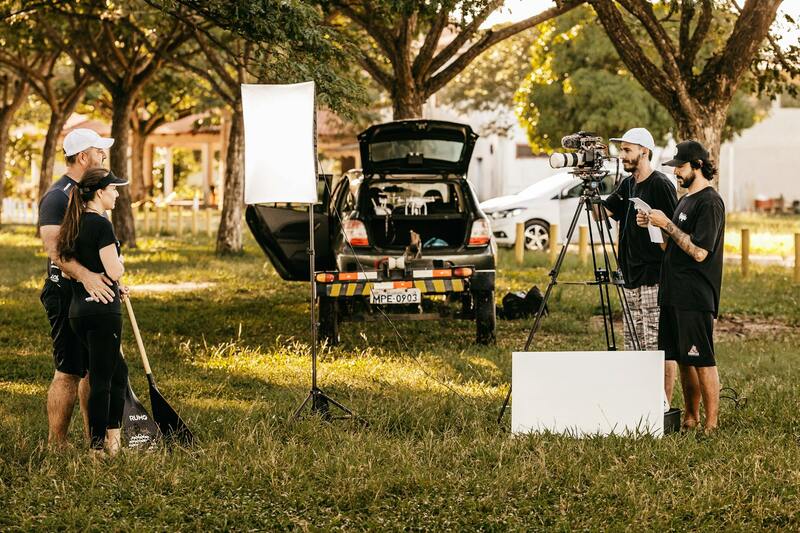
Furthermore, securing permits or coordinating with local authorities might be necessary when filming in busy or restricted areas of Miami. This proactive approach ensures smooth execution and maintains the integrity of the project. With meticulous preparation and the right equipment, a timelapse captured in Miami can beautifully showcase its sprawling urban scenery, natural beauty, and vibrant culture in a compelling visual narrative.
Understanding the Elements of Effective Timelapse Recording
Executing a successful timelapse recording requires meticulous attention to various technical factors. These include the selection of the appropriate camera settings, stabilizing equipment to prevent unwanted movement, and environmental controls to maintain consistency throughout the shooting process. To achieve seamless, professional-grade footage, filmmakers must pay close attention to exposure settings such as ISO, aperture, and shutter speed, adjusting these parameters to suit changing lighting conditions without causing flicker or exposure shifts.
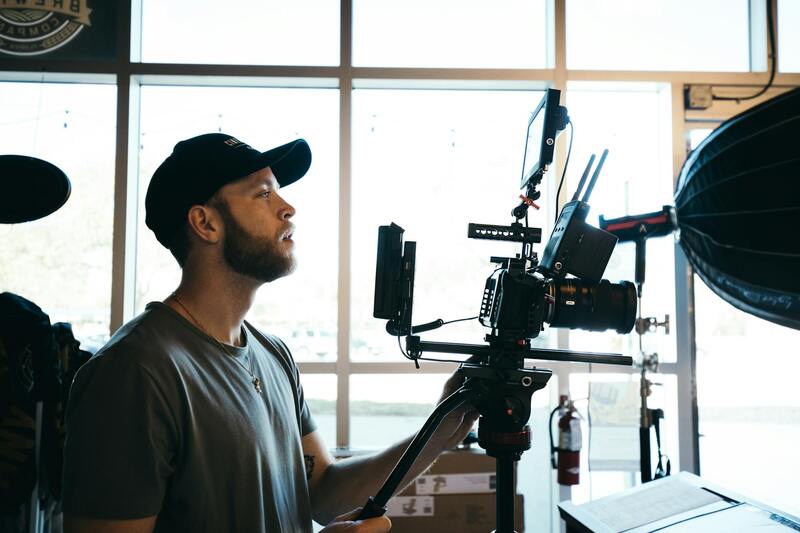
Frame rate choices also play a significant role; typical selections range from 24 to 30 frames per second, depending on the desired final playback speed and cinematic look. Longer intervals between shots can produce dramatic, fast-paced results, while shorter intervals tend to create smoother motion visuals. A critical aspect of planning involves testing and calibration to identify optimal settings that accommodate the scene’s dynamic range, weather variations, and the ambient light cycle.
Maximizing Image Stability and Data Management
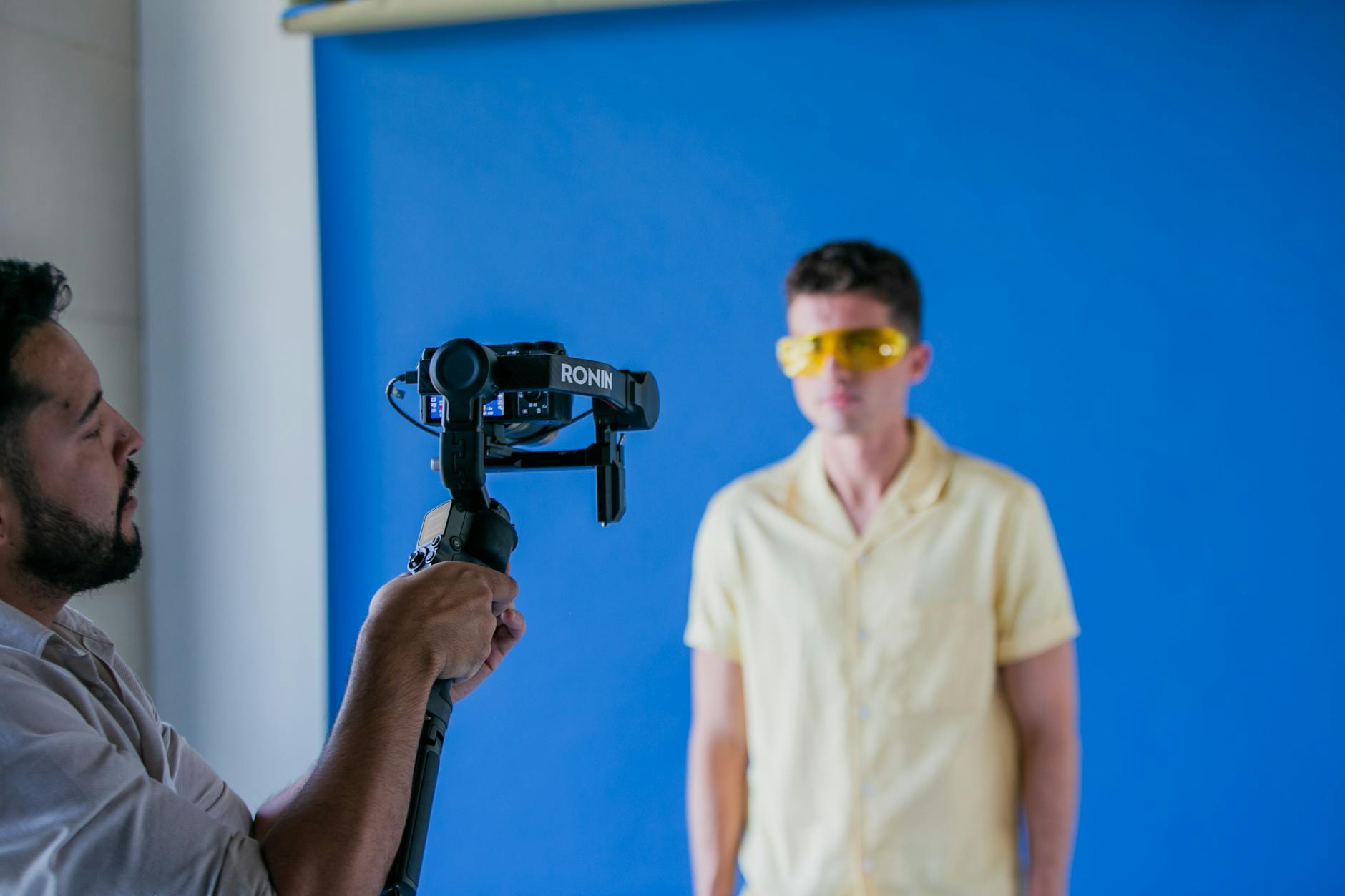
Securing stability during the recording process is paramount. Using a sturdy tripod or motorized slider helps maintain consistent framing and prevents vibrations that can disrupt the visual flow. Advanced stabilization solutions such as gimbals or electronic image stabilization (EIS) may be incorporated when shooting handheld or in mobile setups. Additionally, high-capacity storage devices are essential to handle the substantial amount of data generated over extended shoot durations, particularly when capturing high-resolution images at frequent intervals.
Environmental Control for Consistent Results
External factors like wind, temperature fluctuations, and moisture can influence the quality of timelapse footage. Implement protective covers for equipment when necessary, especially in Miami’s humid climate, to prevent lens fogging and water damage. Regularly monitoring the environment and adjusting camera settings accordingly can mitigate issues caused by changing weather conditions.
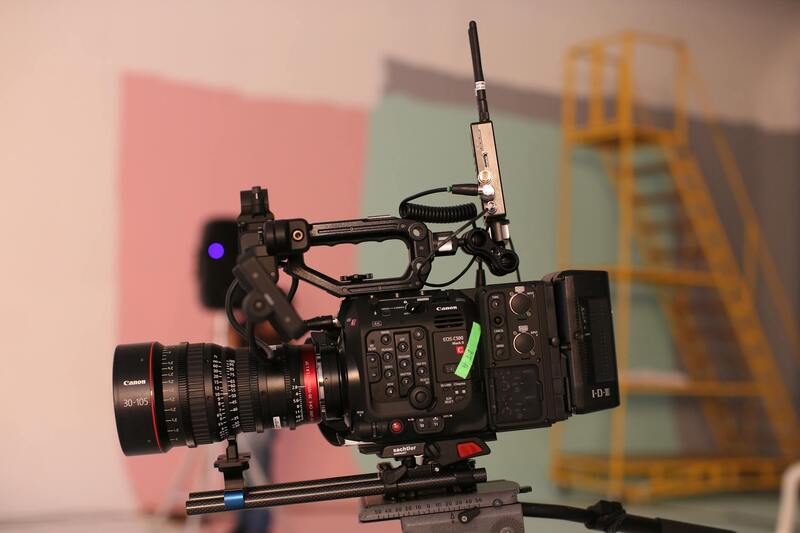
Understanding and controlling these variables enhances the likelihood of capturing compelling, high-quality visual narratives. Every element, from camera configuration to environmental adaptations, converges to produce striking timelapse productions that effectively showcase Miami’s vibrant city life and natural beauty.
Techniques for Smooth and Compelling Timelapse
Achieving a seamless and captivating timelapse sequence requires careful attention to the camera movement, interval settings, and exposure management. When capturing dynamic scenes, deliberate camera motion can add a layer of storytelling that elevates the visual impact. Whether employing a stationary shot or incorporating motion, planning these elements in advance ensures fluidity and purpose in each frame.
One effective technique involves camera panning or tilt movements during the sequence. These can be executed using motorized sliders or professionally operated robotic heads, which allow precise control over motion paths. Such equipment enables smooth, consistent movement that is difficult to achieve manually, especially over long durations. When planning camera motion, consider the pace and acceleration to avoid jitter or abrupt transitions that may distract viewers.
The selection of interval timing significantly influences the narrative pacing of the final video. Shorter intervals—ranging from one to five seconds—are ideal for capturing rapid changes such as busy city traffic, fast-moving clouds, or bustling crowds. Conversely, longer intervals, like ten or fifteen seconds, work well for emphasizing gradual transformations, such as sunrise or sunset scenes, or the movement of stars across the night sky.
Maintaining optimal exposure settings throughout the shoot is critical, especially in outdoor environments where lighting conditions vary. Program modes like aperture priority or manual exposure ensure consistent brightness and contrast. Using neutral density filters or graduated filters can help balance exposure in scenes with high contrast, such as bright skies against darker foregrounds.
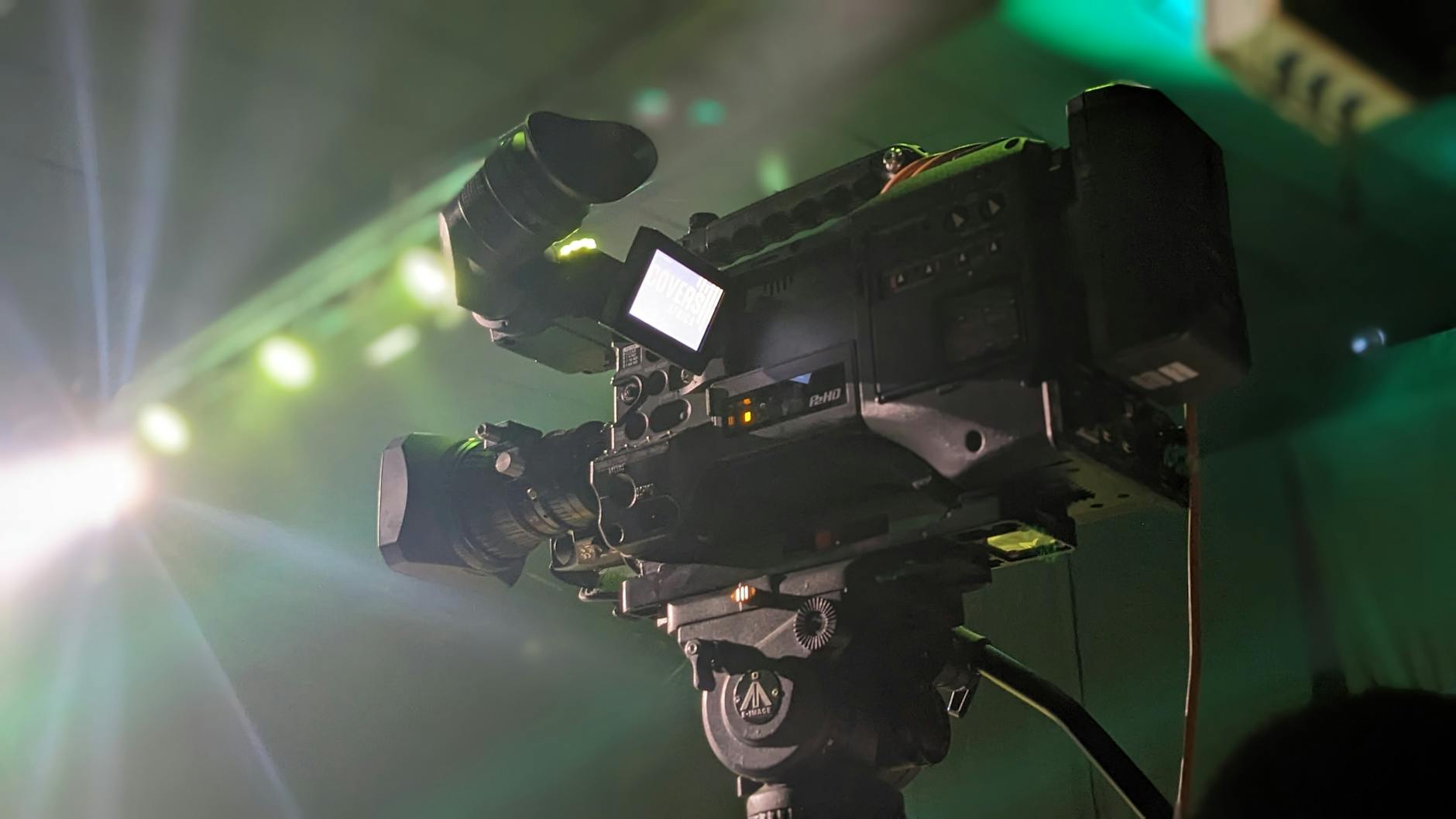
Incorporating motion techniques such as hyperlapse or camera rotation can add a cinematic flair. Hyperlapse involves moving the camera along a path with incremental adjustments, creating a pronounced sense of progression through space. This approach is excellent for showcasing urban development or expansive landscapes, lending a cinematic scale to the final piece.
Ultimately, combining precise interval selection, deliberate camera motion, and consistent exposure management results in smooth, engaging timelapse sequences. When executed with discipline and attention to detail, these techniques help narrate compelling visual stories, capturing Miami’s vibrant energy and ever-changing scenery with clarity and style.
Advanced Techniques for Enhancing Timelapse Smoothness and Visual Impact
To elevate the quality of your timelapse recordings, implementing advanced shooting and post-production techniques can make a significant difference. These methods not only refine the visual flow but also add a professional touch that captures the viewer’s attention seamlessly.
Utilizing Motion Control Equipment
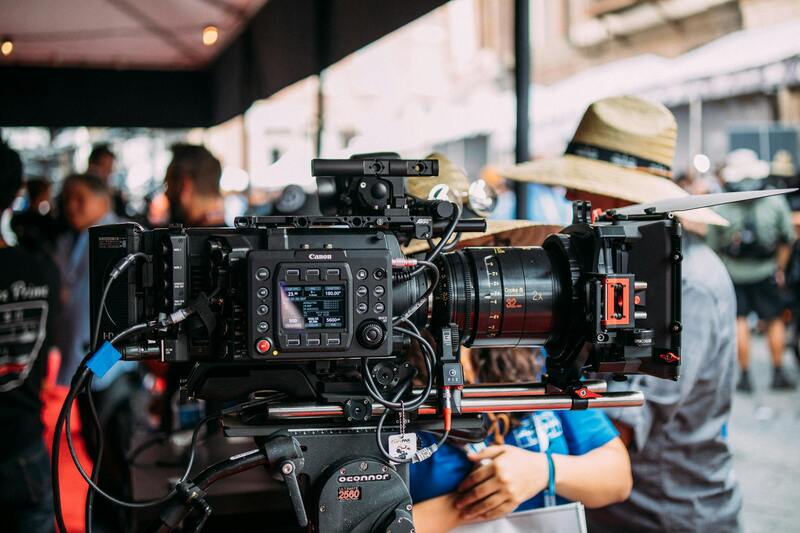
One of the most effective ways to achieve exceptionally smooth camera movements in timelapse footage is through the use of motorized motion control rigs. These devices allow precise, programmable camera movements such as panning, tilting, or sliding over extended periods, ensuring consistent motion without jitter or unintended shifts. Designed for both amateur and professional use, motion control systems can be programmed for complex sequences like multi-axis movements or repetitive paths, creating cinematic hyperlapses or sweeping landscape shots that remain fluid and captivating.
Incorporating Camera Rotation and Pan-tilt Movements
Camera rotation techniques extend beyond static shots, allowing the filmmaker to capture expansive views and add cinematic flair. Slow pan or tilt movements synchronized with a well-planned interval can reveal intricate cityscapes or dramatic natural scenes, providing depth and dynamism. For even greater effect, combining rotation with forward or lateral movement engages viewers and creates a more immersive experience.
Optimizing Exposure Stability Throughout the Sequence
Consistent exposure is crucial to maintain visual coherence, especially during lengthy shoots where lighting conditions change. Manual exposure settings or auto-exposure lock features help prevent flickering caused by fluctuating light. Neutral density (ND) filters are particularly valuable in bright outdoor environments, reducing exposure without altering color balance, thus preserving scene clarity. Graduated ND filters can balance bright skies with darker foregrounds, essential in sunrise or sunset sequences.
Implementing High Dynamic Range (HDR) Techniques
HDR imaging can significantly enhance visual quality when capturing scenes with extreme contrast. Capturing multiple exposures at each interval and blending them during post-processing allows the preservation of details in both shadows and highlights. This approach is especially useful for outdoor scenes with varied luminance, where single-exposure shots may either burn out highlights or lose shadow detail. By integrating HDR sequences into the timelapse, producers achieve vibrant, well-balanced footage that remains true to natural lighting conditions.
Refining the Sequence with Post-Processing Tools
Post-production editing is integral to professional timelapse creation. Stabilization software corrects minor camera shifts, ensuring smooth playback. Speed adjustments—either accelerating or decelerating intervals—can emphasize motion or create dramatic effects. Color grading enhances mood and visual cohesion, bringing vibrancy or moodiness aligned with your artistic intent. Combining these adjustments ensures that the final product communicates your narrative with clarity and style.
Employing such advanced methods requires precise planning and execution but yields captivating visuals that convey the dynamic essence of Miami’s urban energy or natural vistas. Properly executed, these techniques turn basic timelapse recordings into compelling narratives, positioning your project at the forefront of visual storytelling excellence.
Advanced Techniques for Seamless and Artful Timelapse Recordings
Achieving a professional and captivating timelapse involves more than just setting up a camera and capturing images over time. It requires careful planning, precise execution, and an understanding of advanced techniques that elevate your footage from basic documentation to a dynamic visual story.
One of the key techniques is maintaining consistent camera settings throughout the shoot. Using manual focus and manual exposure mode prevents fluctuations that can disrupt the visual flow of the sequence. Setting a fixed shutter speed, aperture, and ISO ensures that each frame aligns seamlessly, avoiding flickering or inconsistent brightness levels.
Furthermore, employing interval timers thoughtfully can influence the final impact. For scenes with anticipated fast movement, shorter intervals between shots prevent choppiness. Conversely, for slower changes, longer intervals create a more expansive motion effect. Experimenting with interval durations is vital to match the temporal pace of the subject matter, such as bustling city streets or serene natural landscapes.
In addition to intervals, incorporating motion control rigs and sliders can dramatically enhance the quality. These tools enable smooth camera movements, such as pans, tilts, or complex tracking shots, which add depth and cinematic quality to your timelapse projects. When combined with precise interval photography, these movements generate a more immersive experience for viewers.
Lighting consistency is another critical aspect. During long shoots, natural light changes can introduce inconsistencies. Using neutral density filters and reviewing exposure conditions regularly helps maintain uniformity. In case of unpredictable weather or light shifts, adjusting camera settings mid-shoot with caution ensures continuity without sacrificing image quality.
Another effective method involves employing high-dynamic-range (HDR) techniques. Capturing multiple exposures per interval and blending them during post-processing preserves details in challenging lighting conditions, such as sunset and sunrise scenes. This approach produces vibrant, balanced footage that accurately portrays the ambiance and mood of the chosen location.
Stability is paramount in all timelapse recordings. Even slight camera shifts can disrupt the visual harmony. Tripods with sturdy builds are fundamental. For extended shoots, using gimbal stabilizers or motorized sliders can eliminate minor jitters, resulting in a smooth, professional-grade sequence.
Beyond hardware, software tools are indispensable for refining the captured footage. Frame alignment and stabilization algorithms correct any minor shifts or vibrations, ensuring a cohesive playback experience. Additionally, applying color grading during editing enhances the aesthetic appeal, whether by boosting vibrancy, adjusting contrast, or introducing artistic tone layers.
Finally, storytelling elements such as strategic timing, focal points, and framing should guide your technical choices. Thoughtful composition can make mundane scenes intriguing, while technical mastery ensures that each frame contributes cohesively to the overall narrative. Combining these advanced techniques position your timelapse recordings as compelling visual stories that resonate with audiences and communicate your artistic vision.
Optimal Camera Settings for Quality Timelapse Recording
Achieving stunning timelapse footage heavily depends on selecting the right camera settings. To begin, set your camera to manual mode to maintain consistent exposure, focus, and white balance throughout the shoot. This stability ensures uniformity in the frames, which is crucial for seamless playback. Adjust the ISO sensitivity to the lowest possible value that still captures adequate detail, reducing noise and graininess in your footage.
Shutter speed should be set to double the frame rate for natural motion portrayal. For example, if your final video will be at 24 frames per second, set your shutter to approximately 1/50 second. This guideline, known as the 180-degree shutter rule, allows for smooth, cinematic motion in your timelapse sequences.
Pick an appropriate aperture based on your scene's depth of field requirements. Using a narrower aperture (higher f-stop) increases depth of field, keeping more of the scene in focus, which is often desirable for urban or wide landscape shots. Conversely, a wider aperture (lower f-stop) can create a pleasing background blur for close-up or focused compositions.
Additionally, configuring your camera to shoot in RAW format offers substantial benefits during post-processing. RAW files contain uncompressed image data, providing greater flexibility for color correction, exposure adjustments, and noise reduction without degrading image quality.
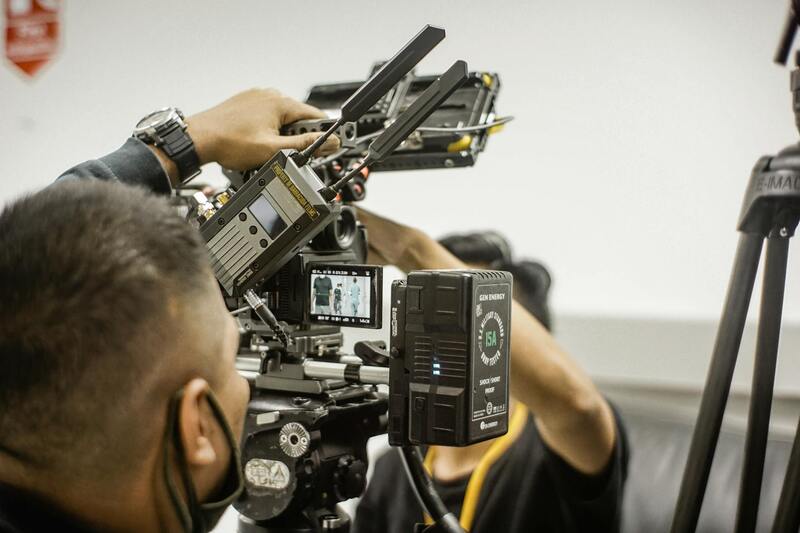
Before commencing the shoot, conduct test shots to verify your settings under the expected lighting conditions. Monitoring the preview can help ensure that exposures are correctly balanced, colors are accurate, and focus is sharp across the entire scene. Fine-tuning these configurations before capturing the entire sequence minimizes the need for extensive corrections during post-processing.
Maximizing the Impact of Your Timelapse Recording in Miami
Choosing the Appropriate Storage and Data Management Solutions
High-quality timelapse recording often results in substantial data files that require careful management. Selecting the right storage solutions ensures seamless workflow and data security. Solid-state drives (SSDs) provide faster read/write speeds suitable for handling large RAW image sequences, facilitating efficient transfer and editing processes. Additionally, cloud storage options can offer supplementary backups, reducing the risk of data loss during lengthy shooting sessions.
Organizing your files systematically—by date, location, or scene—can streamline post-production tasks, especially in projects capturing extensive timeframes. Keep detailed logs of camera settings and environmental conditions for each sequence, which will assist during editing and in future shoots.
Advanced Editing Techniques to Elevate Your Timelapse
Post-processing is crucial in transforming raw footage into captivating visual narratives. Professional editing software offers tools for stabilizing footage, adjusting color grading, and enhancing clarity. Using masks and blending modes, editors can create seamless transitions between different scenes or lighting conditions, maintaining a consistent aesthetic throughout the timelapse.
Employing techniques such as exposure blending can help balance scenes with varying brightness levels, which is common in outdoor cityscape timelapses. Additionally, the judicious use of motion stabilization prevents jitteriness, especially when shooting handheld or with less steady equipment.
To add a cinematic touch, incorporating subtle motion graphics or overlays can emphasize specific elements within the scene, such as text annotations or directional cues. Sound design, including ambient city sounds or music, further enhances viewer engagement and emotional impact.
Delivering High-Quality Results Through Professional Collaboration
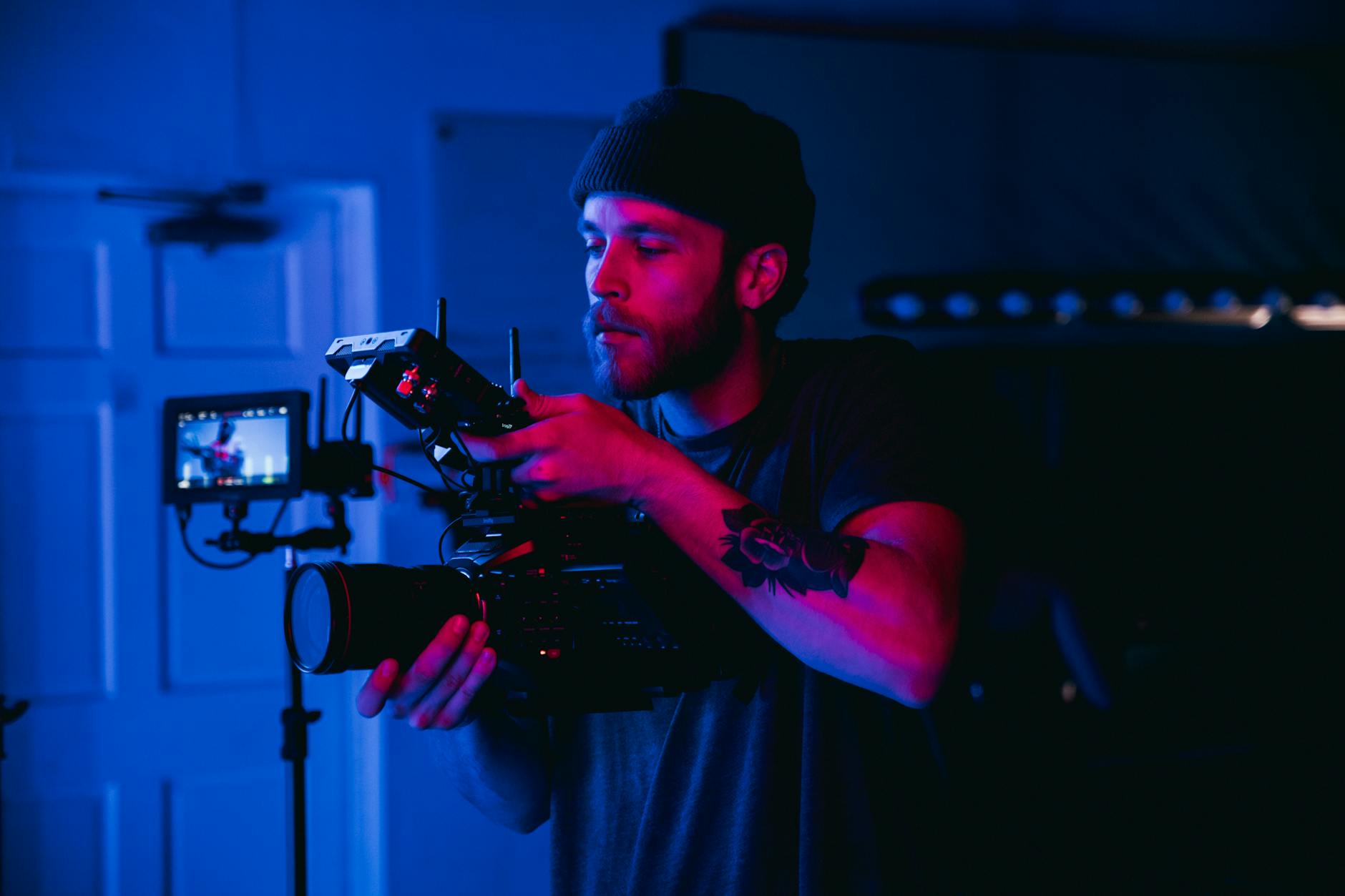
Partnering with experienced timelapse specialists ensures the final product meets both artistic and technical standards. These professionals possess the expertise to optimize equipment settings, handle complex editing workflows, and deliver files in formats suitable for various distribution channels.
Professionals also stay current with industry tools and techniques, allowing for innovative approaches to capturing Miami’s vibrant urban scenes and natural landscapes. Clear communication about project goals, style preferences, and timeline expectations helps streamline the production process, leading to a more efficient workflow and superior results.
When selecting a service provider, review their previous work, client testimonials, and available portfolio to assess their capability to handle your project’s unique requirements. Remember, the quality of a timelapse significantly depends on the skill of the execution, from capture to post-production.