Understanding Timelapse Production
Timelapse production is a specialized videography technique that involves capturing a series of photographs at set intervals over an extended period. When these images are played back at a standard speed, they create a dynamic visual narrative that compresses time, revealing changes and movements that are often imperceptible to the naked eye. This approach effectively transforms ordinary scenes into captivating visual stories, making it a popular choice for documenting nature, urban development, events, and various other projects.
The core purpose of timelapse production is to illustrate the passage of time in a compelling manner. By condensing hours, days, or even months into a few minutes of footage, creators can showcase progress, transformation, or activity in a highly engaging format. For instance, a construction project can be vividly demonstrated from foundation to completion, capturing the development process in a way that holds viewers’ attention and provides insightful context.
Beyond its ability to reveal the gradual evolution of a scene, timelapse also enhances visual storytelling by adding a sense of drama, urgency, and scale. It allows filmmakers, marketers, and content creators to communicate complex processes succinctly while maintaining aesthetic appeal. This technique is particularly valuable in promotional videos, real estate showcases, environmental documentation, and event coverage, where highlighting progression and change can elevate the overall impact of the project.
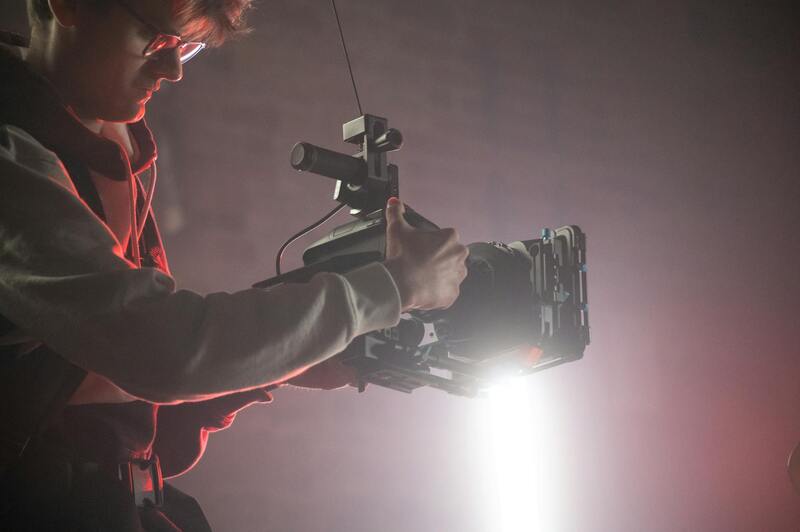
Effective timelapse production requires understanding the interplay of timing, equipment, and creative vision. Properly executed, it transforms static footage into an energetic and informative display, making it an essential tool for modern visual storytelling. Through meticulous planning and technical precision, professionals can craft sequences that not only depict change but also evoke emotion, highlight progress, and convey narratives that resonate with audiences.
In the context of Miami projects, where vibrant urban life meets natural beauty, timelapse production can add dramatic flair and authenticity to visual content. This technique allows filmmakers and content creators to highlight the dynamic pulse of the city, showcasing everything from bustling streets and iconic landmarks to serene sunsets and environmental shifts with stunning clarity and impact.
Key Equipment for Timelapse Creation
Achieving stunning timelapse sequences hinges significantly on selecting the appropriate equipment. Professional-quality equipment ensures high resolution, smooth motion, and reliable operation throughout extended shooting periods. The foundation of successful timelapse production begins with the right camera, stabilized mounting, and auxiliary accessories designed specifically for capturing time-sensitive footage.
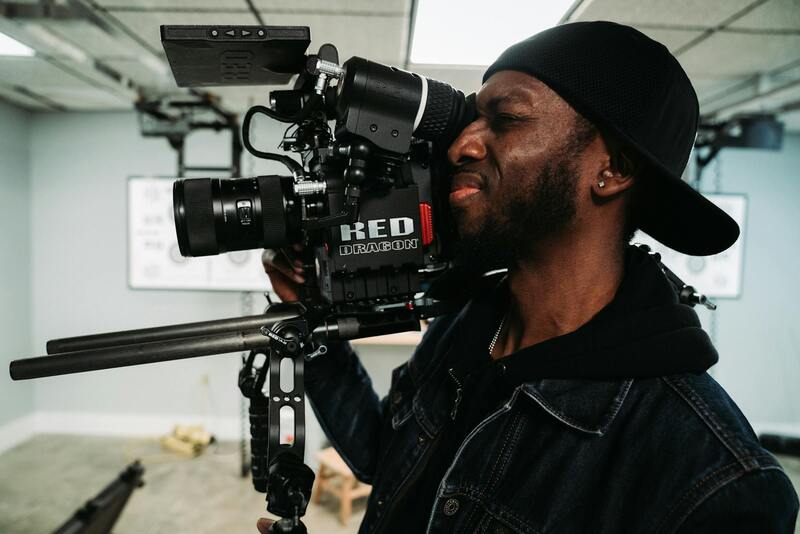
Essential Cameras and Lenses
High-resolution DSLR or mirrorless cameras are preferred for timelapse projects due to their manual control capabilities and superior image quality. Full-frame sensors offer better low-light performance and dynamic range, crucial for scenes with diverse lighting conditions typical in Miami's vibrant environments. Prime lenses with wide apertures allow for sharp focus and creative depth of field, while zoom lenses provide flexibility for varied framing needs without changing hardware.
Stabilization and Motion Control Devices
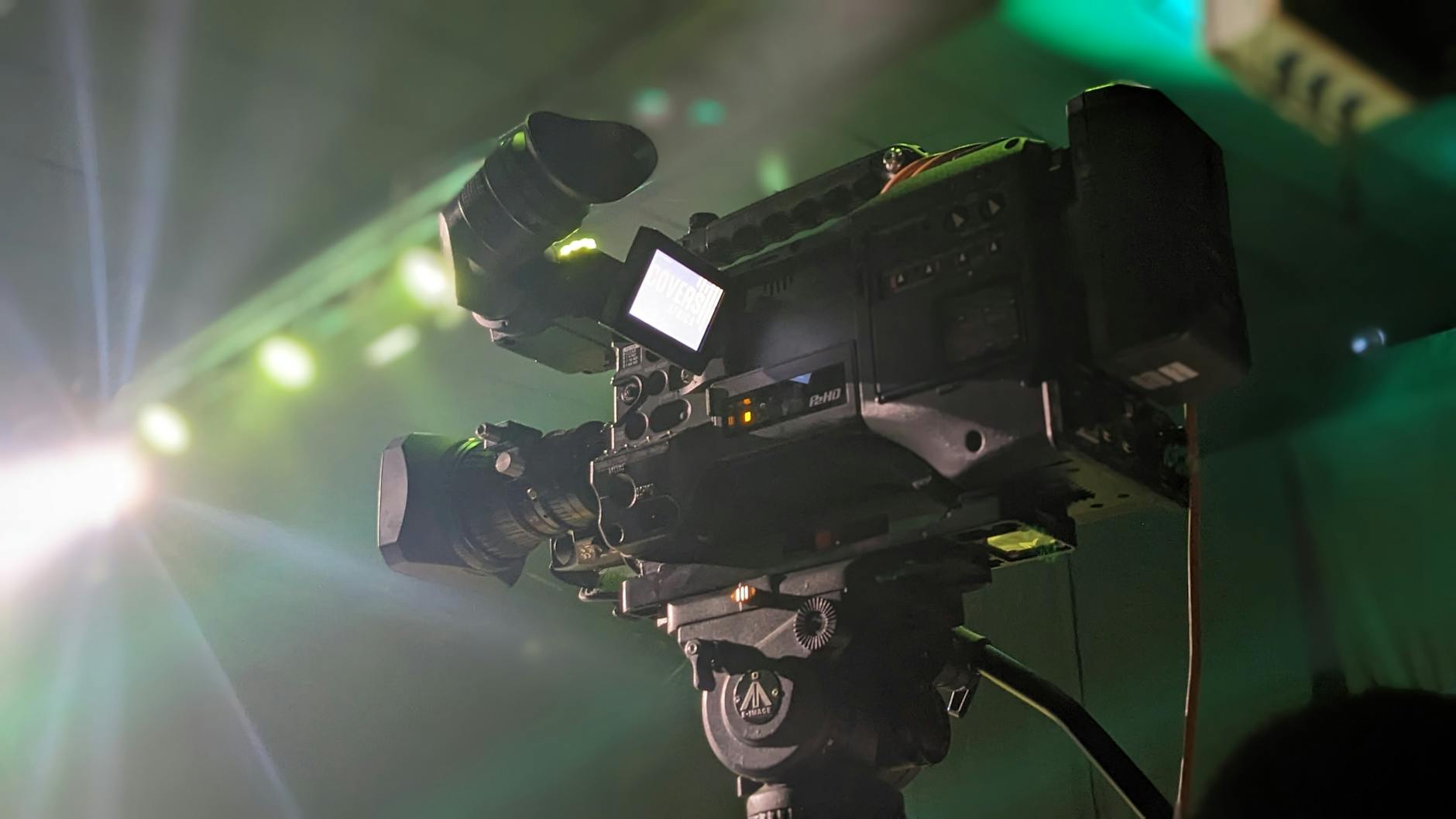
Steady footage is critical in timelapse production. Monopods, tripods, and specialized motorized sliders help maintain consistent framing and camera stability. Advanced rigging setups incorporate motorized dolly systems and controlled motion devices to introduce dynamic camera movements such as pans and slides, adding cinematic depth to sequences.
Intervalometers and Power Solutions
Intervalometers are essential remote controls that automate the interval between shots, allowing for precise timing over extended periods. Coupled with reliable power sources, such as extra batteries and portable power packs, they ensure uninterrupted recording, particularly when shooting in outdoor environments where access to mains power is limited.
Additional Accessories for Optimal Results
- Neutral density filters to manage exposure during daylight shooting
- Weatherproof cases and protective gear for outdoor shoots in Miami’s unpredictable climate
- Focus stacking tools and lens care equipment to maintain clarity and sharpness
Investing in professional gear not only enhances the visual quality of the timelapse but also ensures consistency and reliability during prolonged shoots. Tailoring equipment choices to specific project objectives, whether capturing Miami's bustling urban scenes or tranquil natural landscapes, helps create compelling visual narratives that captivate audiences.
Techniques for Capturing Timelapse Footage
Executing a successful timelapse begins with selecting the right shooting techniques. The core principle involves capturing a sequence of images at set intervals, which will later be combined to produce the illusion of time passing rapidly. Understanding the nuances of camera settings, such as exposure, aperture, and ISO, is critical to maintaining proper image quality across varying light conditions, especially in Miami's diverse environments.
Adjusting the interval between shots depends on the subject's movement speed and desired effect. For instance, rapid scenes like bustling city streets require shorter intervals, possibly one to two seconds, to convey a sense of constant activity. Conversely, long-term natural phenomena, such as cloud movement or sunset transitions, benefit from intervals of several seconds to minutes.
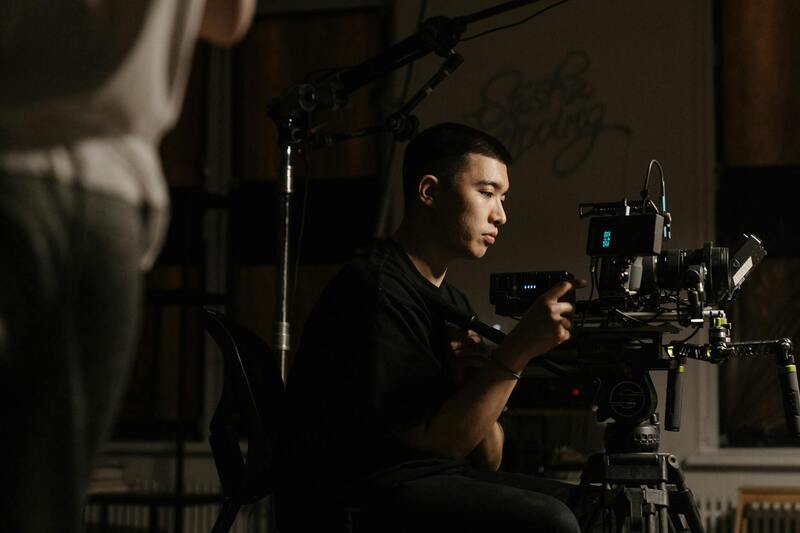
Implementing camera movement techniques can elevate the visual narrative. Techniques like pans, tilts, and zooms can be automated through motorized sliders and pan-tilt heads, adding cinematic depth. While static shots are common, incorporating movement can better illustrate dynamic environments, such as Miami's energetic urban scenes or waterfront vistas.
One effective method in timelapse production is motion control shooting, which involves programmable equipment to precisely repeat camera movements across shots. This allows for complex, repeatable sequences that result in seamless, high-quality footage. Proper planning of movement paths and speeds ensures consistency, which is especially important for scenes involving multiple shooting sessions.
Stability remains fundamental to achieving professional-quality footage. Using high-quality tripods, monopods, and motorized rigs prevents jitter and unintended shifts. Ensuring the camera's stability over long shooting durations minimizes post-production stabilization efforts and maintains shot uniformity. For outdoor shoots in Miami, weatherproof gear and protective filters safeguard equipment against elements like humidity, wind, and sudden rain showers.
Utilizing ND filters allows you to manage exposure during bright daytime conditions, enabling slower shutter speeds for natural motion blur that enhances visual smoothness. This technique is particularly useful for capturing Miami's sunny urban environments or lively outdoor events.
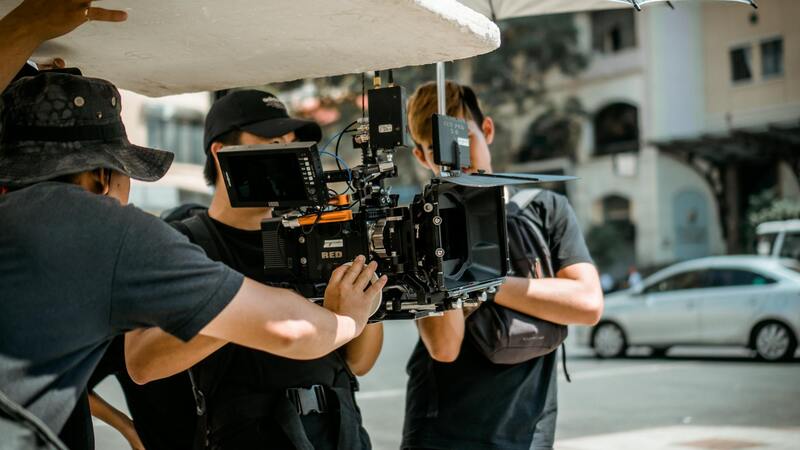
Additionally, focus stacking and lens care are vital to preserve image sharpness throughout the sequence. Regularly checking focus and immediately addressing lens issues conserve image clarity and reduce the need for extensive post-processing correction.
Proper execution of these techniques, coupled with meticulous planning and knowledge of equipment capabilities, ensures a robust foundation for creating compelling timelapse projects that highlight Miami’s vibrant culture, natural beauty, or busy city life.
Techniques for Capturing Timelapse Footage
Mastering the core techniques of timelapse production involves a comprehensive understanding of camera settings, interval selection, and motion execution. Properly setting your camera’s interval timer is fundamental to capturing seamless sequences. For scenes depicting busy Miami streets or bustling markets, shorter intervals—ranging from one to two seconds—are typically suitable to portray rapid activity without sacrificing frame continuity. Conversely, slower intervals of three to ten seconds work well for capturing gradual changes like cloud movements across Miami’s skyline or the progression of a sunrise.
Adjusting the aperture, ISO, and shutter speed critically influences the quality and mood of the final footage. Using a small aperture (high f-number) ensures a greater depth of field, keeping multiple objects in focus—ideal for expansive cityscapes or beaches. A low ISO minimizes noise, which is particularly important for nighttime or low-light shots frequently encountered during Miami’s vibrant nightlife scenes.
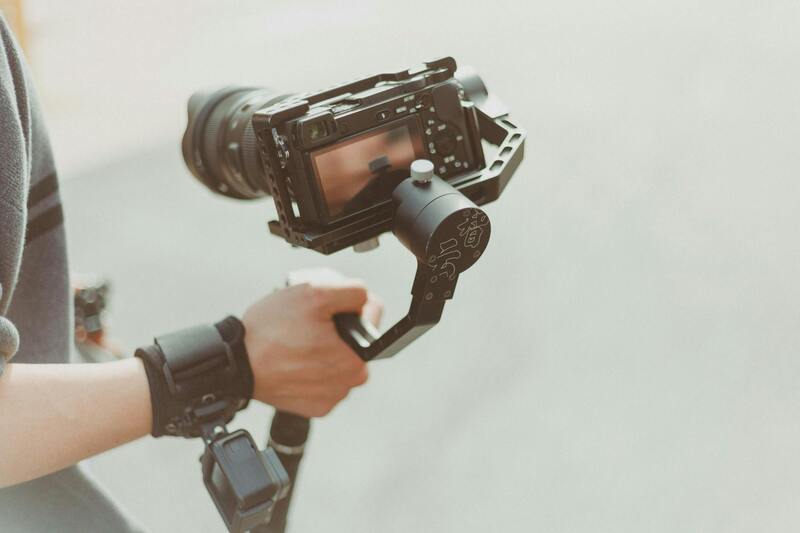
Incorporating camera motion can dramatically enhance storytelling. Panning, tilting, and dollying through Miami’s neighborhoods or coastal views adds dynamism to sequences. When planning these movements, consistent speed and direction are vital to avoiding jitteriness, especially over long shooting sessions. Motorized sliders and gimbals facilitate smooth transitions, but manual techniques, when executed with steady hands or stabilized mounts, also deliver professional results.
Focus control remains critical throughout the shoot. Manual focus often provides more consistent results over extended periods, preventing focus shifts that can occur with automatic settings. Focus stacking, where multiple images are combined to maximize sharpness across the frame, is particularly advantageous when capturing detailed scenes such as Miami’s architectural facades or intricate foliage.
Advanced Techniques in Timelapse Production
Achieving professional-quality timelapse sequences requires more than just capturing a series of images; it involves meticulous post-production work to transform raw footage into captivating visual stories. Once the images are collected, the editing phase becomes crucial, demanding a precise approach to enhance the visual appeal and clarity of the sequences.
Processing Raw Timelapse Footage
Firstly, stabilization plays a vital role in ensuring fluidity within the final output. Even with a steady tripod, minor vibrations or shifts can occur, which can diminish the seamless flow of the timelapse. Advanced stabilization algorithms, available in professional editing software, help correct these inconsistencies, resulting in smooth, professional-looking footage that captures Miami's vibrancy effectively.
Secondly, color correction and grading are essential to bring out the vividness of Miami’s scenery. Adjusting contrast, saturation, and white balance ensures that the colors are true to life and that the final sequence maintains visual coherence across different scenes and lighting conditions. For scenes taken during sunset or at night, nuanced grading can enhance mood and atmosphere, making the visuals more immersive.
Assembling and Exporting Timelapse Sequences
Combining individual frames into a cohesive video requires careful timing and smooth transitions to maintain a natural rhythm. Frame rate settings influence how motion appears; common choices like 24 or 30 frames per second help replicate cinematic flow. Keyframes and transition effects can be strategically used to emphasize certain scenes or shifts in time, such as the bustling energy of Miami nightlife or the peaceful drift of clouds over South Beach.
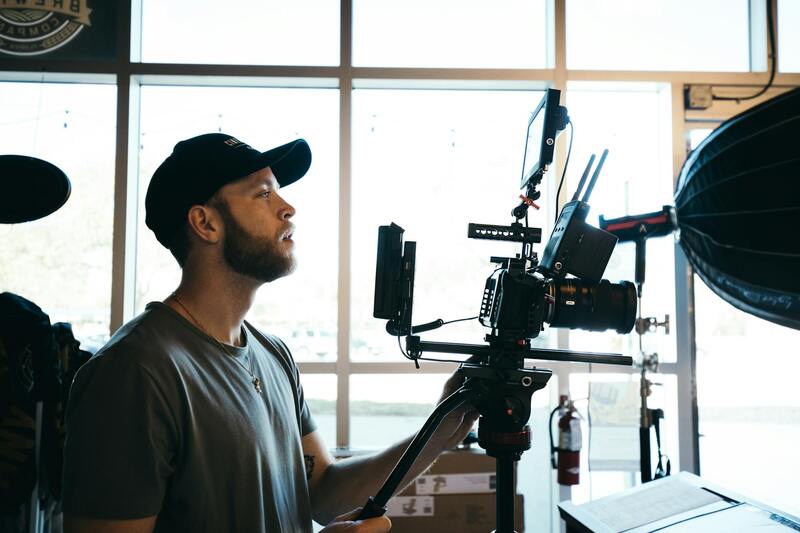
After editing, exporting the final product in high resolution ensures the footage retains quality across multiple viewing platforms. Proper compression settings preserve detail while optimizing for web sharing or TV broadcast, making sure the dynamic scenery of Miami is showcased flawlessly.
Leveraging Post-Production for Visual Storytelling
Exceptional timelapse production is about more than technical execution. The editing process is a creative stage where stories are shaped and the essence of Miami’s vibrant lifestyle is communicated. Thoughtful sequencing, color grading, and stabilization all work together to evoke emotion and engagement from viewers, transforming raw imagery into a compelling visual narrative that highlights the city’s unique energy.
Legal and Ethical Considerations
For creators engaged in timelapse production within Miami, adhering to best practices is essential to ensure respectful and responsible filming. Securing permission from property owners, event organizers, or relevant authorities before filming in private or restricted areas prevents misunderstandings and promotes transparency. When capturing footage in public spaces, it’s important to respect individual privacy rights by avoiding intrusive shots of individuals without consent.
Additionally, maintaining integrity in the editing process by accurately representing scenes avoids misleading viewers. This includes not manipulating footage to the extent that it distorts reality or conveys false information about locations, events, or subjects. Such practices uphold the credibility of your work and foster trust with your audience.
In urban environments like Miami, where bustling cityscapes and vibrant events are commonplace, it is prudent to stay informed about local regulations related to drone usage, filming permits, and other relevant protocols. Using aerial drones for timelapse sequences demands adherence to flight restrictions and safety guidelines to prevent disruptions or accidents. Familiarity with Miami's specific ordinances ensures your projects are compliant and conducted ethically.
Engaging with local communities and stakeholders prior to filming can also enhance project integrity. Transparent communication about your intentions and methods fosters goodwill and can facilitate smoother access to desirable locations. Respect for the cultural and social dynamics of Miami enriches your work and helps build a positive reputation within the local creative ecosystem.
Techniques for Capturing Timelapse Footage
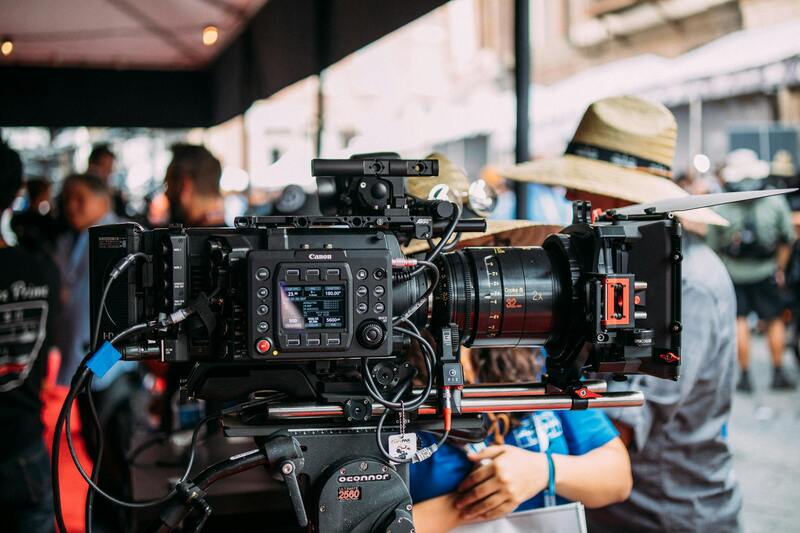
Mastering the techniques for capturing high-quality timelapse footage involves a deep understanding of camera settings, stability, and shooting schedules. For professional results, it is essential to select appropriate camera settings beforehand. Using a low ISO, narrow aperture, and a suitable shutter speed will help ensure clear, well-exposed images that can be seamlessly stitched together in post-production. Consistency in these settings across all frames is crucial for maintaining visual coherence.
Stability is another key factor in timelapse production. Employing sturdy tripod mounts prevents camera shake and maintains framing consistency. When working in outdoor environments, additional stabilization methods such as weighted tripods or sandbags can be beneficial, especially in windy conditions. For extended shoots, motorized dolly tracks or motorized sliders can add dynamic movement to your sequences, enhancing storytelling power.
Scheduling is equally vital to capture the changing light and activity patterns typical of Miami's vibrant urban and natural scenes. Planning shoots during golden hours—shortly after sunrise and before sunset—produces warm, visually appealing images. For dynamic scenes like city traffic or bustling markets, timing aligns with peak activity periods, allowing your timelapse to capture the full vibrancy of the environment.
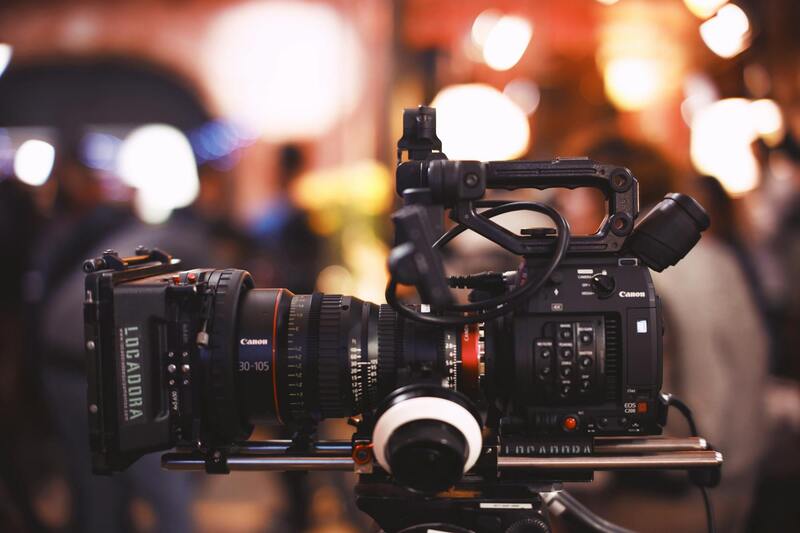
Additionally, choosing the right interval between shots is fundamental. Shorter intervals (around 1-3 seconds) are ideal for fast-moving scenes or dynamic urban environments, while longer intervals (up to several minutes) suit natural changes such as sunsets or cloud movements. Adjusting the interval based on the subject's speed will help create smooth, compelling sequences.
Employing intervalometers—either built into advanced cameras or as separate devices—is the most reliable method for controlling shot intervals precisely. Automated timelapse software or camera interval settings ensure consistent frame capture, which is essential for a seamless final product.
Furthermore, coupling your camera with neutral density filters can expand creative options by allowing longer exposures, even in bright lighting conditions. This technique yields motion blur effects that add a professional touch to cityscapes and natural scenes.
Meticulous attention to these technical methodologies guarantees a polished, captivating timelapse project that accurately captures the essence of Miami's dynamic scenes and scenic beauty, making your work stand out in a competitive market.
Understanding Timelapse Production
In the realm of visual storytelling, timelapse production stands out as a powerful technique that compresses hours, days, or even months into a few seconds of captivating footage. This method effectively highlights change, movement, and the passage of time within a single scene. Whether capturing the bustling activity of Miami’s vibrant streets or the tranquil transition of a sunset over the city skyline, timelapse offers a unique perspective that engages viewers and enhances the storytelling aspect of any project.
Defining the Core Principles
At its core, timelapse production requires meticulous planning and execution, leveraging specific equipment, and understanding technical parameters such as interval settings and exposure adjustments. Accurate planning ensures the seamless integration of each frame into a cohesive narrative, delivering consistent quality throughout the sequence. The selection of appropriate camera settings and shooting intervals directly impacts the smoothness and visual appeal of the final product.
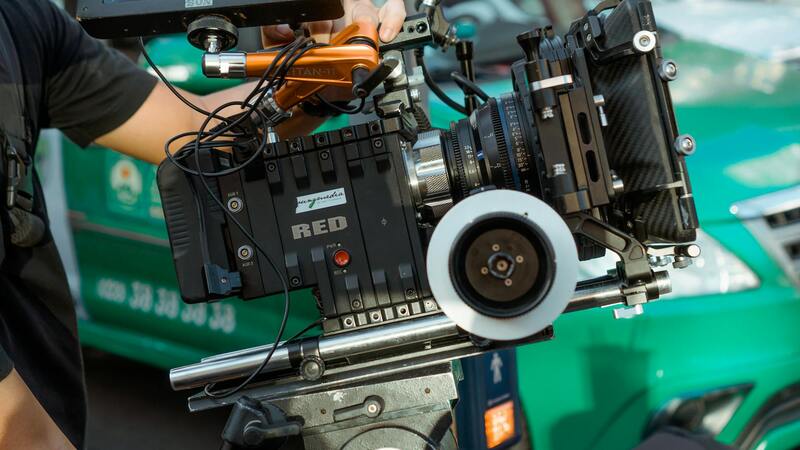
Throughout the production process, experts balance technical precision with artistic vision, crafting sequences that reflect the desired mood and message. The successful application of timelapse techniques requires understanding the environment, lighting conditions, and subject behavior, especially in dynamic settings like Miami’s cityscape or natural landscapes.
Advanced Techniques and Creative Approaches
Innovative timelapse methods include using variable interval shooting to capture scenes with unpredictable activity, or applying motion control rigs to achieve sophisticated camera movements. Employing neutral density filters enables longer exposures during bright conditions, producing motion blur effects that add depth and professionalism. Additionally, combining timelapse with other videography techniques can create hybrid sequences that emphasize both detail and movement.
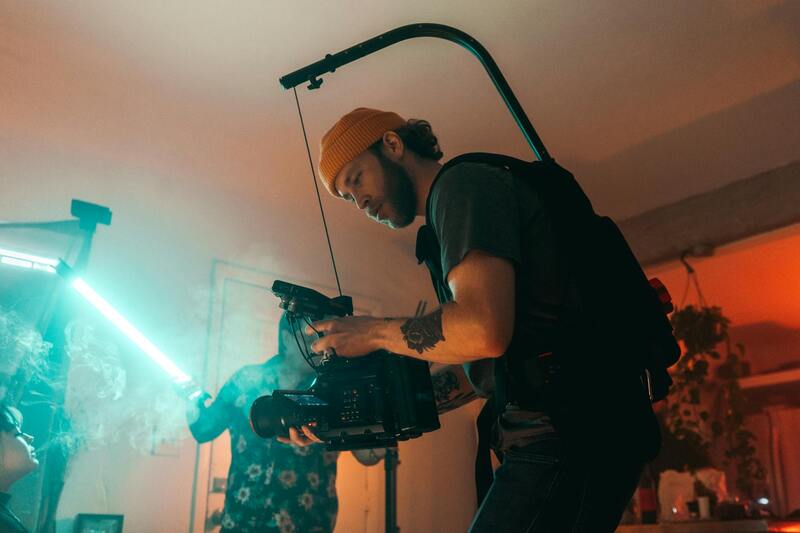
Throughout post-production, editing plays a critical role in refining the footage, correcting color discrepancies, and smoothing transitions. Skilled editors utilize software to stabilize shaky shots, adjust timing, and incorporate music or sound design that complements the pace and mood of the visual narrative. These steps ensure that the final timelapse not only captures a moment in time but also delivers an engaging experience for viewers.
Implementing Professional Standards
Creating high-end timelapse productions demands adherence to industry best practices, including consistent frame rates, proper image stacking in hyperlapse sequences, and thorough project planning. Collaboration with local Miami agencies can further elevate the quality by providing access to high-end equipment, expert technicians, and logistical support, all of which contribute to a polished and impactful final product.