Understanding Timelapse Video
A timelapse video is a captivating technique in filmmaking and photography that condenses extended periods of time into a shorter, dynamic sequence. Unlike standard videos, which record events in real-time, timelapse captures a series of images at set intervals over hours, days, or even months. When these images are played back at normal speed, viewers experience a sped-up version of reality, revealing changes and progressions that are often imperceptible in real-time.
At its core, a timelapse transforms slow-moving phenomena—such as sunsets, cityscapes, or construction projects—into visually striking sequences that emphasize the passage of time. The visual impact of a well-crafted timelapse lies in its ability to showcase transformation, energy, and movement in a way that static images or regular videos cannot replicate. It offers viewers a perspective that highlights patterns, growth, and transitions, providing a unique narrative dimension to visual storytelling.
In practice, a timelapse involves positioning a camera in a fixed location for an extended period. The camera captures individual frames at predetermined intervals—say, one frame every second, minute, or even hour. These thousands of images are then compiled into a single video, often with a significantly accelerated playback rate. The result is a seamless flow of visual information that reveals complex processes—like a bustling Miami street, a developing construction site, or the changing sky over a city skyline—within a few minutes or seconds.
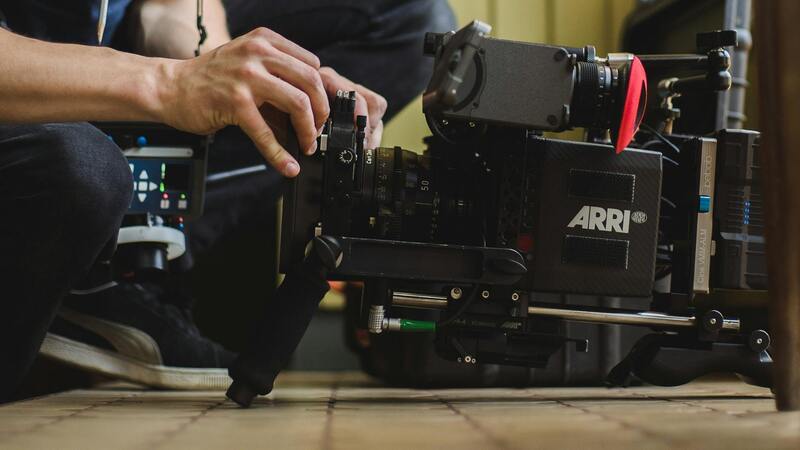
One of the defining features of a timelapse video is its ability to visually narrate a story of transformation, development, or activity. This technique requires precision in both planning and execution, with considerations for equipment, timing, and environmental conditions. As a result, when executed correctly, timelapse videos can serve as powerful tools for marketing, documentation, and artistic expression, making them a popular choice among Miami content creators and businesses aiming to showcase dynamic scenes efficiently and impactfully.
Applications of Timelapse in Miami Productions
In Miami's vibrant media landscape, timelapse videos are increasingly employed to capture the city’s dynamic atmosphere and bustling urban developments. This technique is invaluable for sectors like real estate, where showcasing properties over time highlights construction progress and staging setups. Developers often use timelapses to document the phases of large-scale projects, providing prospective investors and clients with a compelling visual narrative of growth and transformation.
In the construction industry, timelapse footage serves as an effective method to monitor site activity, safety compliance, and project milestones. These videos not only facilitate project management but also serve as engaging promotional tools when shared to demonstrate efficiency and progress to stakeholders.
Tourism boards and hospitality businesses leverage Miami’s appealing scenery by creating timelapse videos that showcase scenic views, sunset vistas, or bustling event scenes. Such visuals entice travelers by offering an immersive glimpse of the city’s vibrant lifestyle, often highlighting iconic beaches, city skylines, and entertainment venues.
Cityscapes and public events also benefit from timelapse documentation. Festivals, parades, or urban transformations captured through this method reveal patterns of activity and aesthetic changes that might be overlooked in real-time observation. These videos serve both as community records and marketing assets, emphasizing Miami's constant evolution and lively spirit.
Essential Equipment for Creating Timelapse Videos
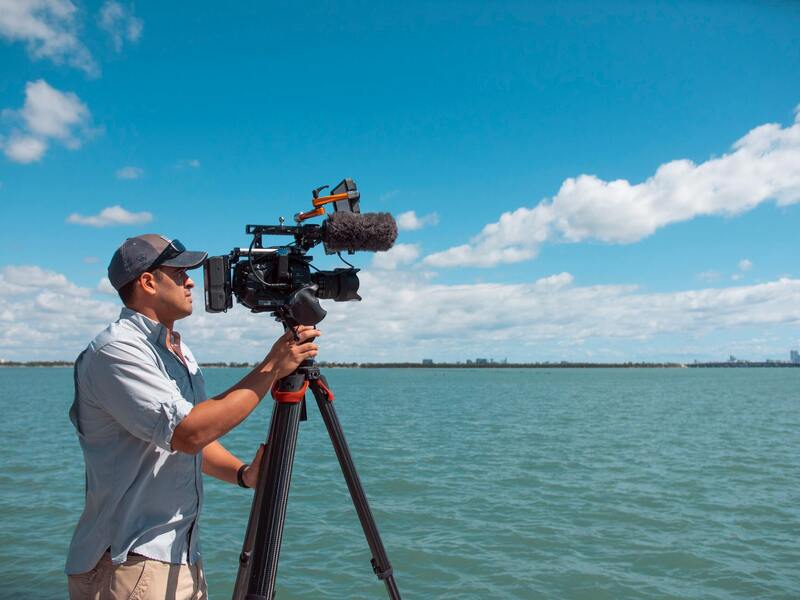
Producing high-quality timelapse footage requires a combination of reliable hardware and strategic planning. The primary equipment includes a sturdy camera capable of manual controls and a motorized intervalometer or built-in interval timer, which automates frame capture at set intervals. Many professional filmmakers prefer DSLR or mirrorless cameras for their superior image quality, though advanced compact cameras can also suffice for less complex projects.
Mounting hardware, such as a sturdy tripod or specialized rail systems, ensures stability during prolonged shooting periods, especially when capturing scenes over hours or days. Additionally, weather protection gear may be necessary to safeguard equipment against Miami’s humid and unpredictable conditions.
Lighting considerations are crucial; shooting during golden hours—shortly after sunrise or before sunset—can enhance the visual appeal of the footage. For night timelapses, additional lighting or long-exposure techniques might be employed to illuminate scenes effectively.
Power sources are vital since extended shoots drain batteries and storage space quickly. External power adapters or large-capacity batteries, along with ample memory cards, are recommended to prevent interruptions. Lastly, post-processing tools, including high-performance computers with editing software like Adobe Premiere Pro or LRTimelapse, facilitate efficient editing and stabilization.
Step-by-Step Process of Shooting a Timelapse Video
- Pre-Production Planning: Define the project's scope, determine the scene or subject, and select optimal shooting times considering lighting and environmental conditions. Obtain any necessary permissions or permits, especially when shooting in public or private areas.
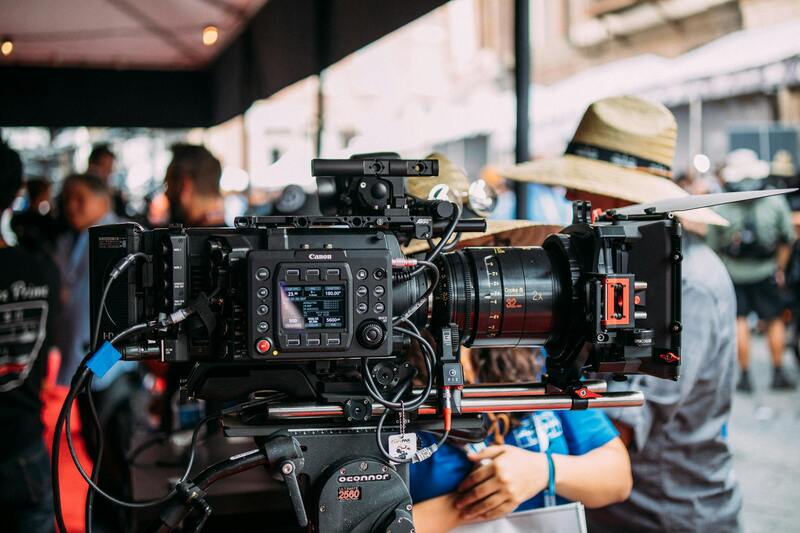
- Equipment Setup: Mount your camera on a stable tripod or rig, ensuring the framing and focus are locked in. Input the desired interval settings, exposure parameters, and time duration based on the project's requirements.
- Initial Test Shots: Conduct test captures to refine focus, exposure, and white balance. Adjust settings as needed to optimize image quality throughout the shoot.
- Shooting: Launch the intervalometer or camera’s internal timer. Monitor the setup periodically without interfering with the static camera position, especially when shooting for extended periods.
- Data Management: Regularly check memory cards and batteries, replacing or recharging as necessary to avoid data loss or interruptions.
- Post-Shoot Review: Review captured frames for consistency and quality, making adjustments for subsequent shoots if needed.
Editing and Post-Production Techniques
Post-processing transforms raw image sequences into cohesive, visually appealing timelapse videos. The process involves importing frames into editing software and aligning them for stabilization, which is critical when shot in outdoor or windy conditions common in Miami.
Color correction enhances the visual impact, ensuring continuity and vibrancy across frames. Keyframing techniques can be employed to highlight specific moments or transitions within the time-lapse sequence.
Smoothing out transitions, adjusting playback speed, and adding music or narrative overlays can elevate the storytelling aspect. Incorporating motion effects or zoom-ins via keyframes can add depth and visual interest, making the timelapse more engaging for viewers.
Finally, exporting the project at resolutions suitable for display—whether for social media, websites, or large screens—ensures the footage maintains its quality and impact. Proper encoding settings prevent artifacts and ensure compatibility across media platforms.
Understanding Timelapse Video
Timelapse videos are a creative filmmaking technique that compresses extended periods of time into short, captivating sequences. By capturing a scene at set intervals over hours, days, or even weeks, creators can reveal changes and movements that are otherwise imperceptible to the naked eye. This method allows viewers to witness transformations such as bustling city life, construction projects, or natural phenomena in a condensed time frame, often resulting in visually stunning and dynamic presentations.
At the core of timelapse creation is a systematic approach to capturing images at regular intervals. This approach ensures consistent framing and timing, which are crucial for maintaining smooth motion and visual continuity in the final video. Modern technology facilitates this process: intervalometers and digital cameras with built-in timers automate the shooting schedule, giving filmmakers precision and reliability. The choice of settings—such as shutter speed, ISO, aperture, and interval timing—depends heavily on the specific scene and desired effect, often requiring a thorough understanding of both the environment and the equipment used.
During the shooting process, careful planning is essential. Managing environmental factors like lighting changes and weather conditions influences the outcome significantly. For outdoor productions in Miami, considerations include dealing with variable sunlight, wind, and potential precipitation. Maintaining consistent camera positioning is critical; thus, stabilizing equipment like tripod mounts or motorized sliders is often employed. Ensuring power supply and sufficient storage capacity also prevents interruptions and data loss, which can compromise the entire project.
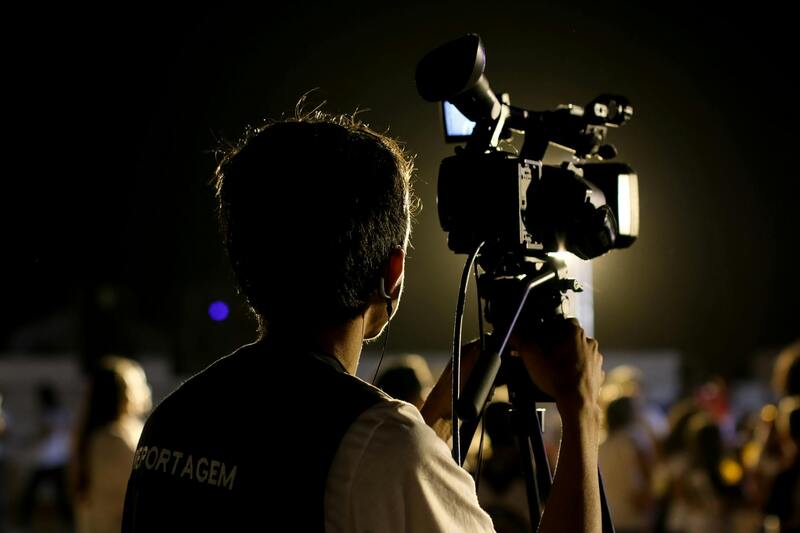
Post-shoot, the collected frames undergo a comprehensive review to select the best sequences and identify any inconsistencies. These images are then imported into editing software where stabilization, color grading, and transition adjustments are performed. This phase is vital to enhance visual appeal, ensure seamless continuity, and correct color shifts caused by changing lighting conditions during the shoot.
Advanced editing techniques include employing keyframes for zoom effects, panning, or emphasizing specific moments. Audio synchronization or overlaying narratives can further enrich the storytelling, especially when showcasing Miami’s vibrant nightlife, scenic landscapes, or urban development. The finalized timelapse is exported at appropriate resolutions, optimized for the intended platform, whether for social media, website integration, or large-scale displays. Export settings are calibrated to preserve quality and prevent artifacts across different media environments.
Editing and Post-Production Techniques
Once the raw frames for a timelapse video are captured, the editing process transforms these images into a seamless, dynamic visual narrative. Precision in post-production is essential to elevate the quality of the final product, ensuring it captures the vibrancy and energy of Miami’s landscapes and cityscapes effectively.
Primarily, the sequence of images must be reviewed meticulously. During this review, operators identify any inconsistencies or unwanted disruptions such as flickering, exposure variations, or unwanted artifacts. Selecting the best frames from the collection and maintaining a consistent flow is critical for achieving a smooth, professional look.
Stabilization is a pivotal step in post-production, especially when working with handheld shots or when minor shifts occur during shooting. Many editing software tools offer robust stabilization algorithms that can correct minor jittering, resulting in a more polished presentation. Additionally, color correction is often employed to ensure uniformity in the visual tone, particularly when shooting over extended periods where lighting conditions change significantly.
Color grading can further enhance the aesthetic appeal, allowing one to emphasize Miami’s unique lighting environment—whether capturing the warmth of sunset, the neon glow of city nightlife, or the vibrant hues of a festival. Transition effects, such as gentle zooms or pans, are often added to create a more immersive experience, guiding viewers' focus to specific elements or moments within the cityscape.
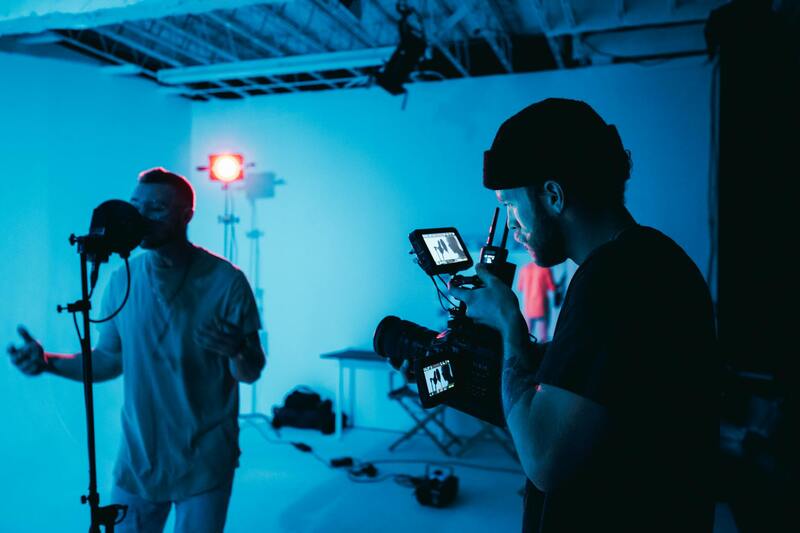
If audio elements are incorporated, synchronization becomes critical. Soundtracks, ambient noise, or narration can be layered to emphasize particular themes or celebrations occurring within Miami, enhancing the storytelling aspect of the video. These sound elements should be carefully balanced to avoid overpowering the visuals, maintaining a harmonious viewing experience.
Final export settings are selected based on the intended platform. For online sharing, codecs and resolutions are optimized for fast loading without sacrificing quality; for large displays, higher resolutions and bitrates may be essential to preserve detail. Export options also include compression settings to balance quality and file size, ensuring the timelapse remains visually compelling across various media formats.
Technological Methods for Capturing Authentic Timelapse Footage
Creating a stunning timelapse video requires meticulous adherence to established procedures that ensure footage quality while maximizing efficiency. When undertaking a professional timelapse project in Miami, selecting the right operational method is critical. The key is to adhere to official protocols, providing consistency, stability, and clarity throughout the shoot.
One foundational approach involves using a digital single-lens reflex (DSLR) or mirrorless camera set to manual mode. This setup allows precise control over exposure, focus, and white balance, preventing unwanted fluctuations during the sequence. For prolonged periods, employing intervalometers—either integrated or external—is essential. These devices automate the capture process, triggering the camera at preset intervals, such as every 2, 5, or 10 seconds, depending on the desired final speed and the length of the footage.
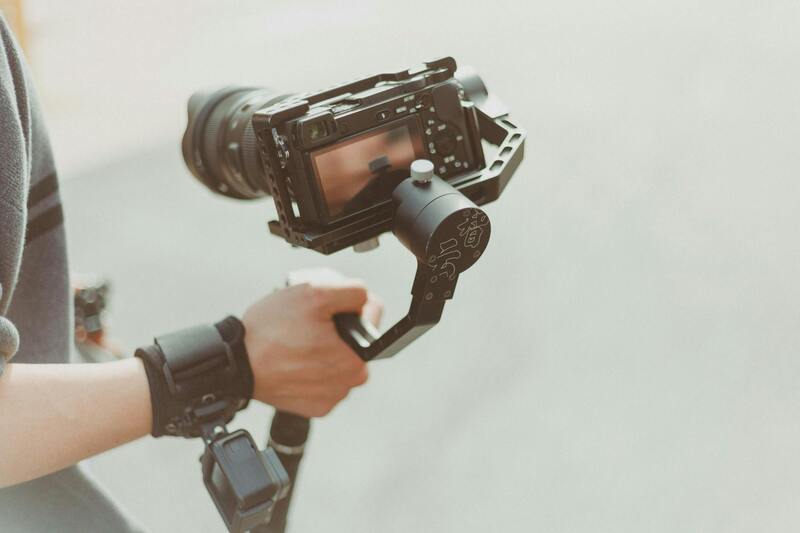
Proper stabilization hardware also plays a vital role in maintaining consistency. Tripods are standard, especially in static scenes like cityscapes or architectural elements, ensuring the camera remains perfectly aligned throughout the shoot. For dynamic scenes or expansive panoramas, dolly systems or motorized sliders equipped with timelapse capabilities provide smooth movements and panning, enhancing the video's visual appeal.
In addition to hardware, software solutions are integral for managing and optimizing shot sequences. Interval timer applications, camera control software, and dedicated timelapse programs facilitate precise scheduling and synchronization, especially when managing multiple cameras or complex shot plans. Post-capture, software like Adobe Lightroom or dedicated timelapse editors can be employed to select key frames, adjust exposure settings for different lighting conditions, and ensure temporal consistency across the entire sequence.
Lighting control is another crucial element. When shooting over an extended timeframe—such as capturing Miami's sunset, sunrise, or nightlife—changing ambient light quality necessitates adjustments in camera settings. Utilizing neutral density filters can help manage exposure during bright daytime or sunset shots, while gradual white balance adjustments can maintain uniform color tones throughout the sequence.
Another tactic involves planning shot intervals based on the scene's activity level and lighting change. For fast-moving events like fireworks or street festivals, shorter intervals capture dynamic motion more effectively. Conversely, longer intervals suit slowly evolving scenes, optimizing both storage space and processing time.
With official, tested methods and proper planning, creators can produce high-quality timelapse videos that vividly portray Miami's energetic environment. Whether showcasing a bustling downtown, the scenic coastline, or cultural festivals, these techniques form the backbone of professional visual storytelling.
Tools and Techniques for Timelapse Capture
Achieving high-quality timelapse videos requires more than just a camera and a timer. Selecting the right equipment and understanding technical nuances play a crucial role in capturing smooth, visually compelling sequences. One essential component is a camera capable of manual controls, allowing precise adjustments of exposure, focus, and white balance throughout extended shooting periods.
Tripods or stable mounting systems are critical to prevent camera shake, especially during long shoots that can span hours or even days. For scenarios involving movement—such as following a parade route or tracking changing cityscapes—camera sliders or motorized panning mounts can add dynamic motion, enhancing the overall narrative of the timelapse.
In intervals where the lighting conditions shift significantly, neutral density (ND) filters are invaluable assets. These filters reduce incoming light, allowing for longer exposures during bright daytime and creating smooth motion blur effects that enhance the aesthetic quality. Additionally, graduated ND filters help balance exposure levels between the sky and ground, resulting in well-balanced images.
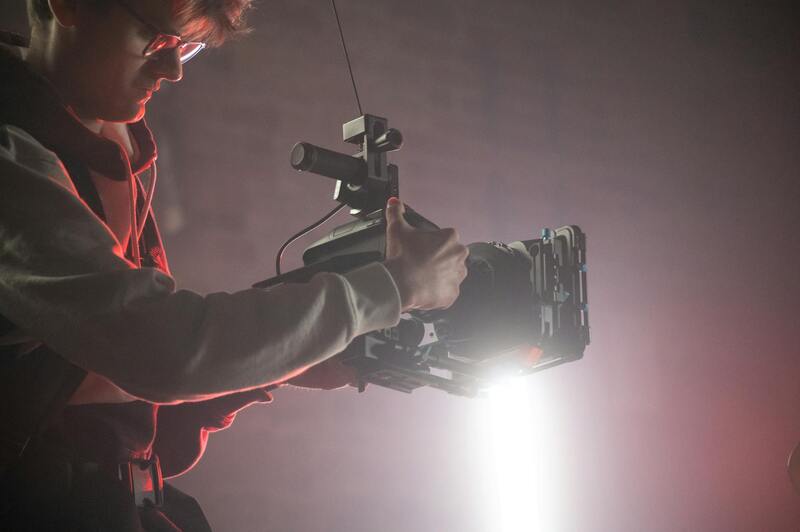
Using intervalometers or dedicated timelapse software enables precise control of shooting intervals and shot count. When combined with camera control software that supports remote operation, creators can automate complex shot plans, manage multiple cameras simultaneously, and adjust settings remotely to adapt to changing conditions.
For post-processing, software like Adobe Lightroom or specific timelapse editing programs facilitate frame selection, exposure adjustments, and synchronization, ensuring seamless playback. These tools also assist in correcting color inconsistencies and optimizing dynamic range, which are especially important in environments like Miami where lighting can fluctuate dramatically—from bright daylight to vibrant nighttime city lights.
Planning and Executing a Timelapse Shoot in Miami
Successful timelapse videos stem from meticulous planning. Understanding the scene's activity pattern and lighting dynamics guides the choice of shot intervals. For fast-moving subjects, such as busy intersections or fireworks displays, shorter intervals capture motion fluidity more effectively. For scenes that change slowly, like sunrise over Miami Beach or the gradual transition of city lights, longer intervals are more appropriate, conserving storage and reducing processing load.
Location scouting is another vital step. Miami offers diverse settings—from the bustling streets of Downtown Miami and the serene coastline to lively cultural festivals. Selecting vantage points that complement the narrative allows creators to highlight the city's energy and beauty.
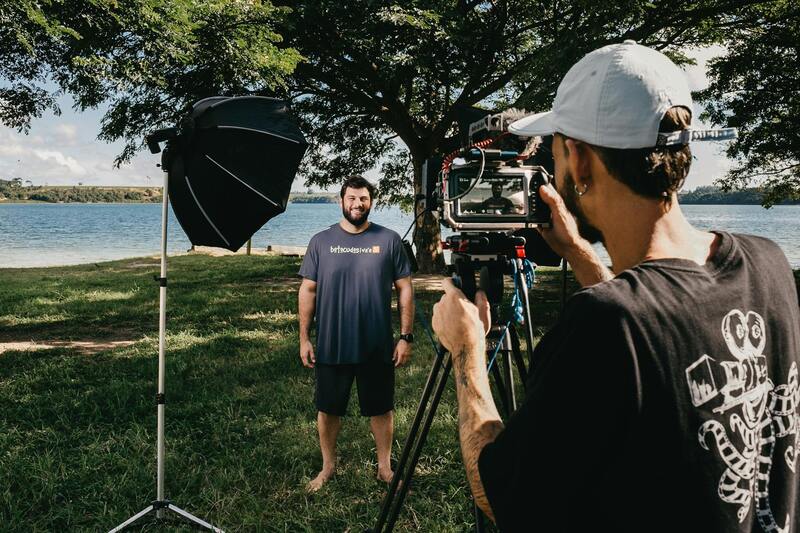
Final preparations include checking weather forecasts, securing necessary permits where required, and ensuring equipment reliability. A battery backup and ample storage media are recommended to prevent disruptions during extended shoots. With these considerations addressed, creators can confidently proceed to capture compelling timelapse videos that vividly portray Miami’s vibrant atmosphere.
Understanding Timelapse Video
Timelapse videos are a dynamic filming technique that compresses extended periods into a short, captivating sequence. By capturing individual frames at set intervals over hours, days, or even months, and then playing them back at a standard frame rate, creators produce visuals that reveal the passage of time in a beautifully accelerated form. This method enhances storytelling, showcasing transformations, progress, and the bustling rhythm of city life in Miami with striking clarity.
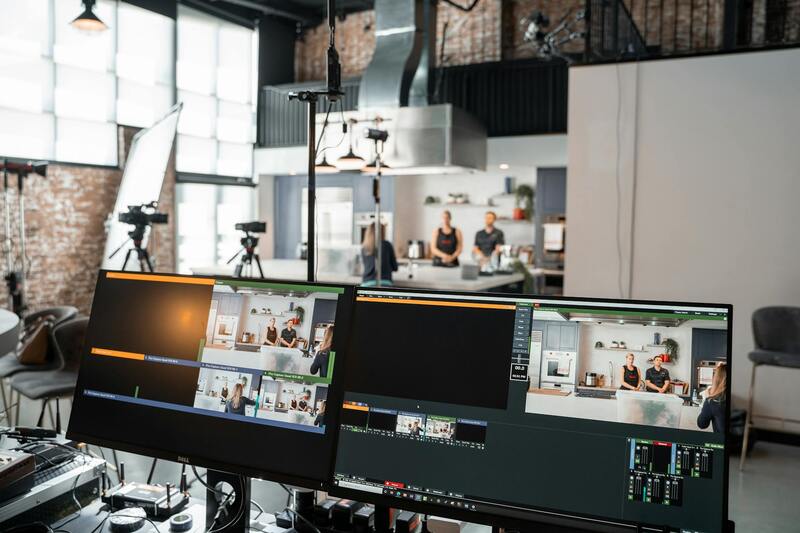
Creating such videos involves a deliberate process—selecting the right equipment, timing, and locations to ensure a seamless narrative flow. Whether documenting the upward surge of sunrise over Miami Beach or the vibrant nightlife as city lights flicker on, timelapse photography harnesses visual simplicity and artistic expression to captivate viewers and convey a sense of time’s passage compellingly.
Applications of Timelapse in Miami Productions
In Miami, timelapse videos serve a variety of professional and creative purposes. Construction companies utilize them to document project milestones, providing clients with a clear visual timeline of development. Tourism boards leverage timelapse content to promote the city’s revered landscapes, beaches, and cultural events, enticing visitors with engaging visual narratives. Real estate professionals employ timelapse footage during open houses or property renovations to highlight progress and appeal to potential buyers.
Event organizers and festival coordinators capitalize on timelapse to showcase the buildup, execution, and aftermath of large-scale events, enhancing promotional efforts and social media engagement. Additionally, commercial brands and local businesses incorporate timelapse videos into their marketing strategies to demonstrate product launches, store openings, or community initiatives—building brand awareness and fostering community connection.
Enhanced Storytelling and Engagement
Utilizing timelapse techniques enhances storytelling by providing a unique perspective that captures the viewer’s attention. For example, a timelapse of Miami’s Art Basel festival visually narrates the vibrant energy and cultural richness of the event over several days in just a few minutes. The ability to condense complex processes into engaging visual summaries makes timelapse videos an invaluable element in contemporary content creation.
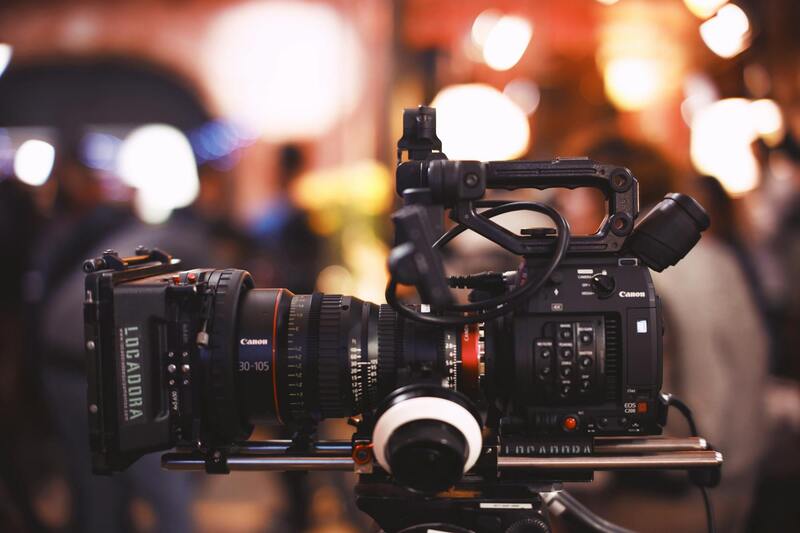
Whether used for promotional content, documentary storytelling, or social media campaigns, timelapse videos offer a compelling medium to showcase Miami’s unique urban landscape, natural beauty, and vibrant community activities.
Essential Equipment for Creating Timelapse Videos
Producing high-quality timelapse content in Miami requires a range of specialized equipment tailored to the environment and duration of the shoot. At its core, a durable DSLR or mirrorless camera with interval shooting capabilities is fundamental. Coupled with a sturdy tripod to prevent movement and ensure consistent framing, these tools form the backbone of any timelapse setup.
Additional equipment includes:
- Motorized intervalometers or built-in camera timers to automate frame capturing
- Wide-angle lenses to encompass expansive Miami landscapes or cityscapes
- Neutral density filters to control exposure during bright daylight conditions
- Additional batteries and large memory cards to support extended recording sessions
- Weather-resistant gear or protective covers to safeguard equipment against Miami’s unpredictable weather, especially during outdoor shoots
For advanced projects, gimbals or motion control systems can add a layer of sophistication by enabling smooth camera movements during the timelapse, creating cinematic effects that elevate the visual experience.
Step-by-Step Process of Shooting a Timelapse Video
Successful timelapse filming begins with meticulous planning. Identify the scene or subject that best illustrates the evolution of Miami—be it a sunrise at South Pointe Park, the bustling Downtown streets, or Miami’s iconic Art Deco District.
- Scout the Location: Choose vantage points that encapsulate the desired narrative. Elevation, framing, and background elements should complement the story.
- Set Up Equipment: Secure your camera on a tripod, attach necessary lenses and filters, and connect interval control devices.
- Configure Camera Settings: Adjust ISO, aperture, and shutter speed based on lighting conditions. Utilize manual focus to maintain sharpness across frames.
- Determine Capture Intervals: For fast-moving scenes, shorter intervals (e.g., 1-2 seconds) work best; for slower changes, longer intervals (e.g., 10-30 seconds) are sufficient.
- Monitor During Shooting: Regularly check the camera setup, battery levels, and storage to prevent interruptions.
- Post-Shoot Processing: Once the recording is complete, transfer the images to a computer for editing—a crucial stage for assembling frames into a cohesive video.
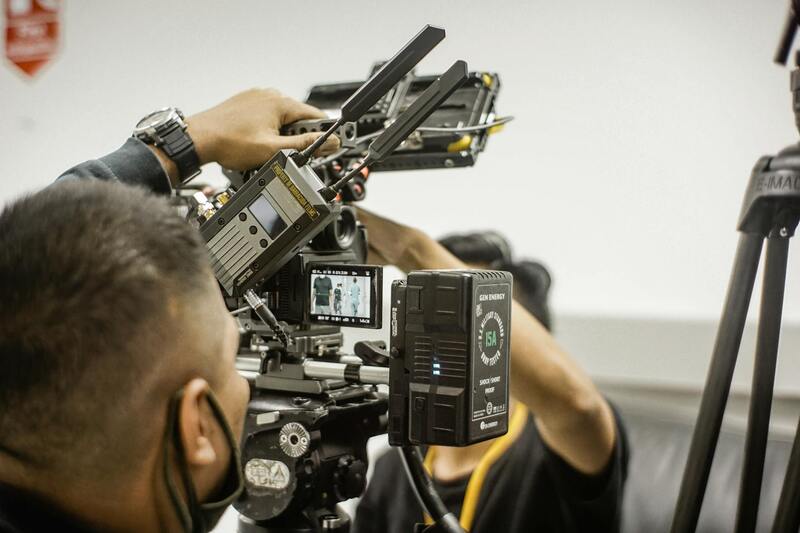
After compiling the images in editing software, adjustments such as exposure correction, color grading, and stabilization help refine the final product, ensuring it effectively conveys the intended story or aesthetic.
Employing Ethical and Reliable Methods for Timelapse Video Production in Miami
Creating captivating timelapse videos in Miami requires adhering to official techniques that ensure high-quality results while respecting privacy and safety standards. The use of authorized tools and methods not only guarantees professional outputs but also upholds industry standards recognized worldwide.
Reliable equipment forms the foundation of successful timelapse projects. Professionals typically utilize cameras with intervalometers or built-in interval shooting capabilities, allowing precise control over capture timing. These devices automate the process, ensuring consistent intervals between shots, which is essential for smooth motion when the sequence is compiled into the final video.
When setting up for a timelapse, tripod stability is paramount. Using sturdy tripods prevents camera shake during prolonged shooting sessions, especially in outdoor environments like Miami’s bustling cityscape or scenic waterfronts. Additionally, employing remote shutter releases minimizes vibrations caused by pressing the shutter button, further sharpening image quality.
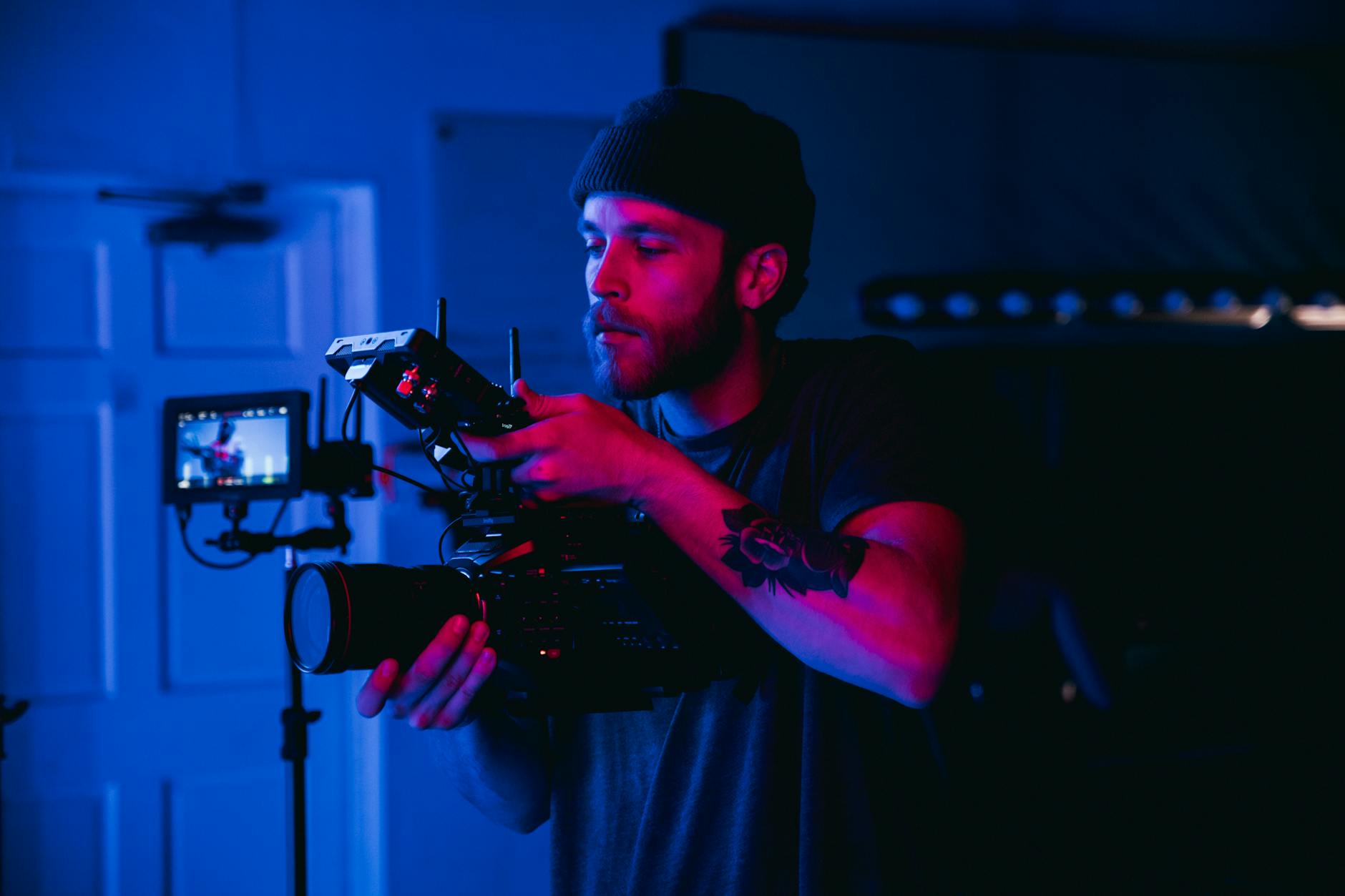
Camera settings also play a critical role. Manual adjustments of focus, exposure, and white balance help maintain consistency throughout the sequence, avoiding flicker or shifting color tones. For scenes involving changing light conditions, using manual mode is advisable to prevent automatic adjustments that may disrupt the visual flow.
In the editing phase, professionals harness dedicated software to assemble frames efficiently. Software options such as Adobe After Effects, Premiere Pro, or dedicated timelapse tools enable precise sequencing, adjustment of playback speed, and integration of transitions or effects if necessary. These tools facilitate fine-tuning of exposure, color grading, and stabilization, ensuring the final product is polished and visually compelling.
It is also vital to respect public and private property during shooting. Seeking permission for shooting in certain locations or utilizing publicly accessible zones ensures compliance with established protocols. This approach mitigates disruptions and fosters a respectful working environment.
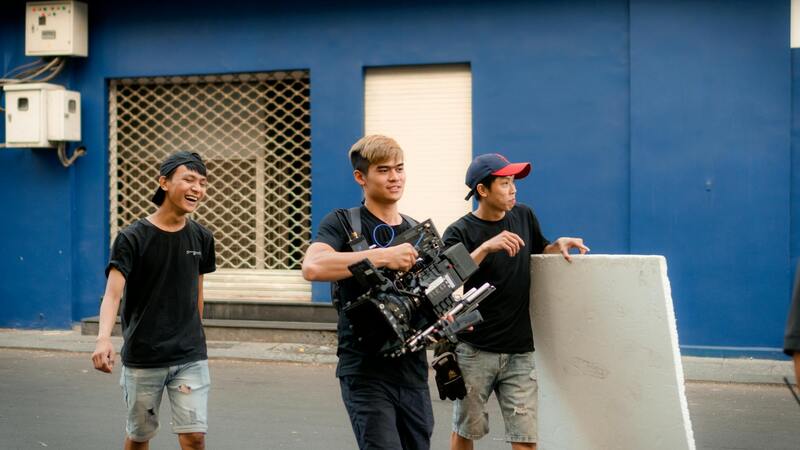
By integrating these legitimate methods, Miami-based videographers and production companies can reliably produce high-caliber timelapse videos that showcase the city’s vibrant life, iconic landscapes, and dynamic events. This adherence not only guarantees technical excellence but also promotes professionalism, trust, and credibility within the industry.